Cost of Central Air Repair: A Price Breakdown
When your AC fails, it’s easy to let your mind jump to the worst-case scenario: a massive, budget-breaking repair bill. But a lot of the anxiety around AC service comes from common myths. The truth is, not every repair is a financial disaster, and many common issues are surprisingly affordable to fix. This guide is here to debunk those myths and give you the facts about the cost of central air repair. We’ll separate fact from fiction, showing you what really determines the price and how often a simple, inexpensive part is the culprit, so you can approach the situation with clarity and confidence.
Key Takeaways
- Most repairs are more affordable than you think: While a major component failure can be costly, many common AC issues, like a bad capacitor or a clogged drain line, are relatively inexpensive fixes that won't drain your savings.
- Know when to stop repairing an old unit: If your air conditioner is over 10 years old or needs frequent service calls, investing in a new system is often the smarter financial move than continuing to pay for temporary fixes.
- Simple maintenance is your best defense: You can prevent many of the most common and costly AC problems by scheduling an annual tune-up and regularly changing your air filters—two simple steps that keep your system running efficiently.
How Much Does Central Air Repair Cost?
When your AC gives out, especially during a Florida summer, one of the first questions that comes to mind is, "How much is this going to cost?" It's a fair question, but the answer isn't always simple. The cost of an air conditioning repair can vary widely based on what’s actually wrong with your system. Think of it like a car repair—a flat tire is a much different expense than a new transmission. The final bill depends on the specific part that needs fixing, how long the job takes, and even when you call for help.
At 5 Star Air, we believe in being completely transparent about pricing because we know surprises are the last thing you want when your home is getting hot. We're here to give you a clear picture of what goes into a repair estimate. This guide will walk you through the typical costs for different types of AC problems, from the quick and simple fixes to the more complex and expensive jobs. Understanding these potential costs can help you feel more prepared and less stressed when you need to make that call for service. We want you to feel confident in your decisions, not pressured. That's why we focus on honest assessments and clear communication from the moment you contact us.
Minor vs. Major Repairs
AC repair costs can run anywhere from about $100 to over $1,000. For minor issues, you’re on the lower end of that spectrum. Problems like a clogged drain line or a faulty capacitor are common and usually cost between $100 and $300 to resolve. Most standard central air conditioner repairs fall into a moderate range, typically from $150 to $650. The most significant expense comes with major component failure. For example, replacing a compressor—the heart of your AC system—is the priciest repair you can face, often costing between $1,000 and $3,000, or even more depending on the unit.
Factoring in Emergency Service Fees
If your air conditioner decides to quit on a weekend, holiday, or in the middle of the night, the repair will likely cost more. Most HVAC companies have higher rates for after-hours calls to cover overtime for their technicians. You can also expect a service call fee, which is the cost for a technician to come to your home and diagnose the problem. This fee typically ranges from $75 to $150. At 5 Star Air, we're always clear about our pricing for emergency air conditioning services. Often, this diagnostic fee is credited toward the final cost if you decide to move forward with the repair.
Common AC Problems and What They Cost to Fix
When your AC gives out in the middle of a Florida summer, the first question on your mind is probably, "How much is this going to cost?" The truth is, the price for an air conditioning repair can swing wildly depending on what’s actually wrong. A minor fix might be a simple, affordable task, while a major component failure can be a significant investment. Here in Southwest Florida, our air conditioners work overtime, battling intense heat and humidity, which can lead to specific types of wear and tear.
To give you a clearer picture of what to expect, let's walk through some of the most common AC issues and their typical repair costs. Think of this as a guide to help you understand what might be happening with your system before you even make a call. We'll cover everything from simple capacitor swaps to major compressor replacements. Remember, these are ballpark figures based on national averages. The final price will always depend on your specific system's make and model, the extent of the damage, and the parts required. The only way to get a precise quote is to have a trusted technician, like the ones on our team at 5 Star Air, properly diagnose the problem.
Refrigerant Leaks
Refrigerant is the substance that actually cools the air in your home. If your system has a leak, it won’t cool effectively. It's a common misconception that ACs "use up" refrigerant; if it's low, there's a leak somewhere that needs to be addressed. Finding and fixing that leak can cost anywhere from $200 to $1,500, according to estimates from home service experts. The wide range is because the repair involves locating the leak (which can be tricky), patching it, and then recharging the system with the correct amount of refrigerant. Ignoring a leak only puts more strain on your system and leads to bigger problems.
Compressor Issues
Think of the compressor as the engine of your air conditioner. It's responsible for pressurizing and circulating the refrigerant throughout the system. Because it’s such a critical and complex part, a compressor failure is one of the most serious AC problems you can face. Replacing a faulty compressor is a major job, typically costing between $1,000 and $3,000, and sometimes more, as noted by This Old House. If you have an older unit, a failed compressor often brings up the big question: repair or replace? In many cases, putting that money toward a new, more efficient air conditioning installation makes more financial sense.
Faulty Capacitors
If your AC hums but won't kick on, or if the fan struggles to start, you might have a bad capacitor. A capacitor is a small, cylinder-shaped part that gives the motors in your AC unit the electrical jolt they need to start and run. Luckily, this is a relatively quick and inexpensive fix. A capacitor replacement usually costs between $150 and $400, making it a common and affordable repair. It’s a perfect example of how a small, failed component can bring your entire system to a halt, but getting it fixed won't necessarily break the bank.
Thermostat Malfunctions
Sometimes, the problem isn't with your AC unit at all—it's with the thermostat that controls it. A malfunctioning thermostat can prevent your system from turning on, cause it to run constantly, or lead to inaccurate temperature readings. This can make your home uncomfortable and drive up your energy bills. The cost to repair or replace a thermostat typically falls between $100 and $500. The price depends on whether it's a simple wiring issue or if you're upgrading from an old manual model to a new programmable or smart thermostat, which offers more features and energy savings.
Fan Motor Replacement
Your AC system has two critical fans: one inside (the blower) that circulates cool air through your home, and one outside that blows air over the condenser coil to release heat. If either of these fan motors fails, the cooling cycle stops. You might hear strange noises or notice weak airflow from your vents. Replacing a fan motor generally costs between $300 and $800, a price point that reflects its importance. It's a vital repair because without proper airflow, your compressor can overheat and fail, leading to a much more expensive problem.
Evaporator Coil Problems
The evaporator coil is the part of your indoor AC unit that absorbs heat and humidity from the air, making it feel cool. Over time, these coils can get caked with dirt, freeze over due to low refrigerant or poor airflow, or develop leaks. Cleaning is one thing, but if the coil needs to be replaced, it's a significant repair costing anywhere from $700 to $2,500, as reported by home service cost guides. The high cost is due to both the price of the part and the extensive labor required to access and replace it. Regular AC maintenance is the best way to keep your coils clean and prevent these costly issues.
What Determines Your Final Repair Cost?
When your AC stops working, one of the first questions that comes to mind is, "How much is this going to cost?" The truth is, there’s no single answer. The final price on your repair bill depends on a handful of key factors. Understanding what goes into the estimate can help you feel more in control and prepared for the conversation with your technician. From the age of your unit to the time of day you call, several variables come into play. Let's walk through the main factors that shape the cost of an air conditioning repair.
Your System's Age and Type
The age and model of your air conditioner are major factors in the repair cost. If you have an older unit, finding the right replacement parts can be like a treasure hunt—they might be discontinued or hard to source, which can increase the price. Newer, high-efficiency systems might have more complex components that require specialized knowledge to fix. While we can repair systems of all ages, if your unit is over a decade old and facing a costly repair, it might be time to weigh the benefits of a full AC replacement for better long-term savings and reliability.
The Complexity of the Issue
Not all AC problems are created equal. A simple fix, like clearing a clogged drain line or replacing a capacitor, is usually quick and relatively inexpensive. However, if the issue involves a critical component, the cost can rise significantly. Problems with the compressor, evaporator coil, or a major refrigerant leak are more complex and labor-intensive. These major repairs require more time and more expensive parts, which will be reflected in the final quote. A good technician will always diagnose the root cause and explain the necessary steps clearly.
Local Labor Rates
Just like with any professional service, labor rates for HVAC technicians can vary based on your location. The cost of living and operating a business in different parts of Southwest Florida can influence what companies charge per hour. While this is a standard part of any service industry, it’s important to work with a company that is transparent about its pricing. At 5 Star Air, we believe in honest, upfront costs without any hidden fees, so you know exactly what you’re paying for before we even begin the work.
Time of Year and Demand
When you need the repair can be as important as what needs repairing. Calling for service during a sweltering Florida heatwave in August means you’re competing with many other homeowners for a technician's time. This peak season demand can sometimes affect pricing. Likewise, if your AC gives out in the middle of the night or on a weekend, you’ll likely need emergency service, which typically comes at a premium rate. Planning non-urgent repairs for the off-season can sometimes lead to savings.
Your Unit's Accessibility
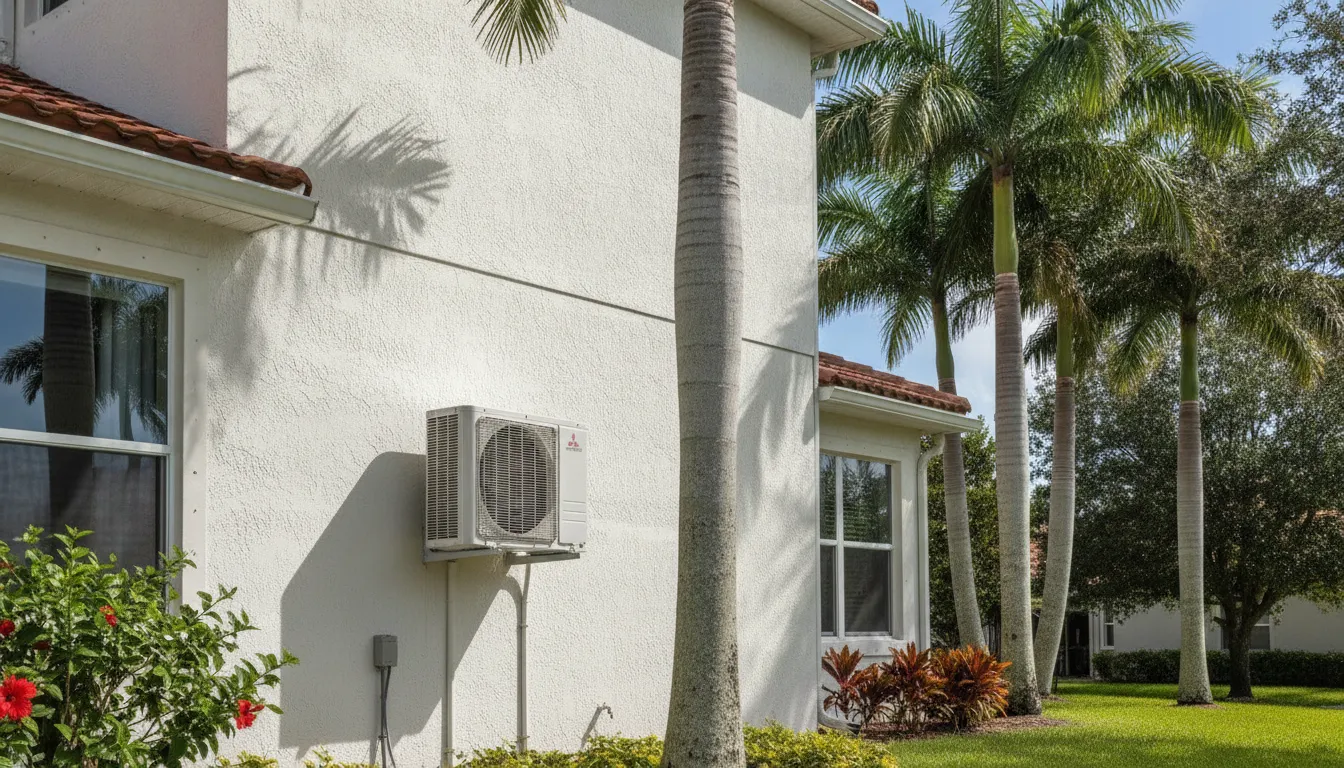
Where is your AC unit located? If it’s easily accessible in a garage or on the side of your house, the repair will be more straightforward. However, if your technician needs to crawl through a cramped attic, navigate a cluttered closet, or work in a hard-to-reach spot, the job will take more time and effort. This additional labor can add to the overall cost of the repair. Technicians need to be able to work safely and efficiently, so easy access helps keep the time—and the bill—down.
Repair or Replace? How to Decide
When your air conditioner breaks down, you’re faced with a big question: is it better to pay for another repair or invest in a brand-new system? It’s a major financial decision, and the right answer isn’t always obvious. While a quick fix might seem tempting, it can sometimes be like putting a bandage on a much larger problem. To help you make a smart choice for your home and your budget, let’s walk through a few key factors that can point you in the right direction.
The 50% Rule for Repairs
A helpful guideline for this decision is the 50% rule. The math is simple: multiply your AC system's age in years by the estimated cost of the repair. If that number is more than $5,000, it’s generally a better financial move to replace the unit. For example, if your system is 10 years old and needs a $600 repair, the total comes to $6,000. In this case, putting that money toward a new, reliable system is the wiser investment. This rule helps you avoid sinking money into an aging unit that’s likely to break down again soon. A new system can be a significant upfront cost, but flexible financing options can make it much more manageable.
Considering Your System's Age
The age of your air conditioner is one of the most important things to consider. Most AC systems have a lifespan of about 10 to 15 years. Here in Florida, where our units work overtime to keep us cool, they often land on the shorter end of that range. If your air conditioner is more than 10 years old, you should seriously think about replacing it. An older unit is not only more likely to fail but also operates far less efficiently than modern systems. Continuing to repair an outdated unit can become a cycle of spending money on a system that’s already past its prime. An AC replacement can provide years of worry-free comfort.
The Impact on Your Energy Bills
An old, inefficient air conditioner can be a quiet drain on your finances. Even if it’s still running, it’s likely working much harder and using more electricity than a newer model, leading to surprisingly high energy bills each month. Modern AC systems are built to be incredibly efficient, which translates directly into lower monthly costs for you. A new unit also gives you much better control over your home’s climate, managing both temperature and humidity for superior comfort. Upgrading can also improve your home’s indoor air quality, creating a healthier environment for your family. The long-term energy savings can often help offset the initial cost of the new system.
The Frequency of Breakdowns
Are you on a first-name basis with your AC repair technician? If you find yourself constantly calling for service, it’s a clear sign that your system is on its last legs. One repair might be an inconvenience, but multiple breakdowns in a single season indicate a failing unit. The costs of these repeated service calls can add up quickly, and you might find you’ve spent a significant amount of money that could have gone toward a new, dependable system. If you’re tired of the cycle of breakdowns and expensive AC repairs, it’s time to consider a replacement. A new unit provides peace of mind, especially when you need it most during a sweltering Florida summer.
Smart Ways to Save on AC Repairs
An unexpected AC repair bill can throw a wrench in anyone’s budget, especially when you’re trying to stay cool during a Florida summer. The good news is you have more control over repair costs than you might think. Being proactive and strategic about your air conditioner’s health can make a huge difference. A few simple habits and smart decisions can help you keep your system running smoothly and your wallet happy. Here are some practical ways to manage and reduce the cost of AC repairs.
Invest in Regular Maintenance
Think of AC maintenance as a wellness check-up for your cooling system. It’s one of the most effective ways to prevent small issues from turning into major, expensive breakdowns. During a tune-up, a technician can spot worn-out parts, clean essential components, and ensure everything is working efficiently. This preventative care not only extends the life of your unit but also helps it run more efficiently, saving you money on energy bills. Scheduling routine air conditioning maintenance is a small investment that pays off by helping you avoid the stress and high cost of an emergency repair down the road.
Don't Forget Your Air Filters
This is one of the easiest and most important DIY tasks you can do for your AC. A dirty, clogged air filter forces your system to work much harder to pull in air, putting unnecessary strain on its components. This can lead to overheating and premature failure of parts like the fan motor. Simply changing your air filter every 1-3 months helps your system breathe easier, operate more efficiently, and maintain better indoor air quality. It’s a simple, inexpensive step that directly impacts your system's health and can prevent some of the most common service calls.
Always Get a Second Opinion
If you’re facing a major repair or a recommendation to replace your entire system, it’s always wise to get a second opinion. A significant repair is a big investment, and you deserve to feel confident that the diagnosis and quote are accurate and fair. A reputable company will understand your need for due diligence. At 5 Star Air, we pride ourselves on honest, transparent service without high-pressure sales tactics. Comparing estimates from a few different qualified technicians ensures you’re getting the right solution at a fair price, protecting you from being overcharged or paying for unnecessary work.
Plan Repairs During the Off-Season
Timing can be everything. In Florida, HVAC technicians are busiest during the scorching summer months when AC units are working overtime and breakdowns are frequent. If you have a non-urgent repair or are planning to schedule maintenance, consider doing it during the cooler "off-season" months like fall or spring. Demand is lower during these times, which can mean more flexible scheduling and sometimes even better pricing. Planning ahead for an air conditioning repair when it’s not an emergency gives you the advantage of time and can lead to significant savings.
Know Your Warranty
Before you approve any repair work, take a moment to check your AC unit’s warranty. Many homeowners forget that their system might still be covered by a manufacturer's warranty, which can pay for expensive parts like compressors or coils. You can usually find this information in the paperwork you received when the unit was installed or by looking up the model number online. Understanding what your warranty covers can save you hundreds or even thousands of dollars. A trustworthy technician will always ask about your warranty status and help you with the claims process for any covered air conditioning installation.
Is It Time to Call an AC Pro? Look for These Signs
Sometimes, an air conditioner gives you obvious signs of trouble, like shutting down completely on the hottest day of the year. Other times, the clues are more subtle. Ignoring these early warnings can lead to more extensive and expensive problems down the road. If you’re on the fence about whether to make the call, here are a few clear indicators that your system needs a professional eye. Paying attention to how your AC performs, sounds, and smells can help you catch issues early and keep your home comfortable.
Poor Performance and Weak Airflow
Is your AC running constantly but your home still feels warm and stuffy? That’s a major red flag. Your system should be able to reach the temperature set on your thermostat and then cycle off. If it runs nonstop without effectively cooling your space, something is wrong. You might also notice that the air coming from your vents feels weak or barely there, even when you hear the motor running. This weak airflow can point to several issues, from a clogged filter to a failing blower motor or blocked ductwork. Don't just turn the thermostat down lower; it's time to schedule an air conditioning repair to find the root cause.
Strange Noises and Smells
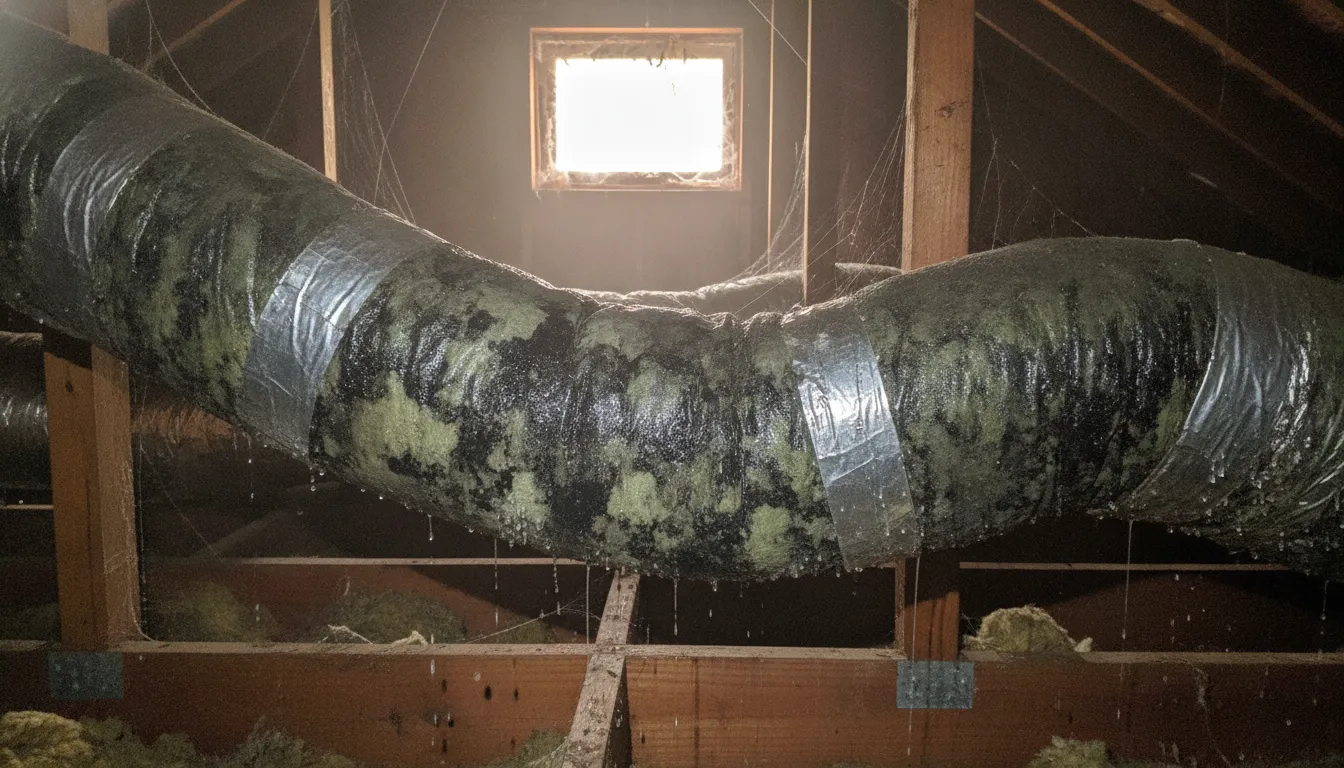
Your air conditioner should operate with a consistent, low hum. If you start hearing new and unusual sounds—like grinding, squealing, rattling, or banging—it’s your system’s way of crying for help. These noises often signal mechanical problems, such as a loose part or a failing motor, that need immediate attention. Similarly, you should never ignore strange odors. A musty or mildewy smell could mean there’s mold or bacteria growing inside your unit or ductwork. A burning smell is even more serious, as it can indicate an electrical failure. Addressing these issues promptly is key to preventing further damage and ensuring your home’s indoor air quality is safe.
Unexpectedly High Energy Bills
Your utility bill is often one of the first places you’ll see evidence of an AC problem. If you notice a sudden and significant spike in your electricity costs without a change in your usage habits, your air conditioner is likely the culprit. An inefficient system has to work much harder and run longer to cool your home, which drives up your energy consumption. This inefficiency can be caused by anything from a refrigerant leak to an aging compressor or dirty coils. Instead of just accepting a higher bill, think of it as a sign that your system needs a check-up. A professional can diagnose the issue and get your unit running efficiently again.
How to Read an AC Repair Estimate
When your AC breaks down, the last thing you want is a confusing repair estimate. A clear, detailed quote is the first sign you’re working with a professional who values honesty. Understanding what you’re looking at helps you compare offers, spot potential issues, and feel confident you’re making the right financial decision for your home. Think of it as your roadmap to a fair deal—it should clearly outline the problem, the solution, and the cost without any confusing jargon.
A trustworthy company will walk you through their estimate, but knowing what to look for yourself puts you in control. It’s about more than just the final number; it’s about the value and peace of mind you get from a quality repair. Let’s break down what separates a great estimate from one that should give you pause.
What a Good Quote Includes
A good AC repair estimate is all about transparency. It should provide a complete, itemized breakdown so you know exactly what you’re paying for. Look for a clear separation of costs, including the specific parts needed for the repair and the projected labor charges. Vague descriptions or a single lump-sum price aren’t helpful. The quote should detail the exact services being performed, from diagnostics to the final fix. It’s always a smart move to get estimates from two or three different companies. This allows you to effectively compare prices and services, ensuring you understand the market rate and are getting a fair deal.
Pricing Red Flags to Watch For
Be on the lookout for a few red flags that might signal bigger problems. If a technician suggests adding refrigerant without first finding and fixing the leak, that’s a major warning sign. Your AC is a sealed system; it shouldn’t lose refrigerant. This approach is a temporary fix, not a real solution. Also, be wary of high-pressure tactics or quotes that are significantly lower than everyone else’s, as this could indicate cut corners. While emergency AC services naturally cost more, a reputable company will be upfront about any after-hours fees instead of surprising you with them on the final bill.
Key Questions to Ask Your Technician
Before you approve any work, arm yourself with a few key questions. A great starting point is to ask about guarantees on both parts and labor. Understanding the warranty gives you peace of mind that the company stands behind its work. You can also inquire if they offer any seasonal pricing; some companies have lower rates during the off-season when demand is lower. Finally, ask if they offer a maintenance plan. Regular tune-ups can prevent future breakdowns and are often a more cost-effective way to keep your system running smoothly, saving you money in the long run.
AC Repair Cost Myths, Debunked
When your AC stops working, it’s easy to jump to the worst-case scenario about the repair bill. But a lot of the anxiety around AC repairs comes from common myths and misinformation. Let's clear the air on a few of these misconceptions so you can approach your next repair with confidence.
Myth: Every Repair Is Expensive
The fear that every AC issue will cost a fortune is one of the biggest myths out there. While some major repairs can be costly, many common problems are surprisingly affordable to fix. Most central air conditioner repairs fall somewhere between $150 and $650. For example, a faulty capacitor—a frequent issue here in Florida—is a relatively simple fix that typically costs between $150 and $400. Not every service call means draining your savings; often, it’s just a matter of replacing a small part to get your system running smoothly again.
Myth: "Topping Off" Freon Is a Quick Fix
If someone suggests just "topping off" your refrigerant, consider it a red flag. Your air conditioner operates in a closed loop, meaning it shouldn't lose refrigerant over time. If your system is low, it has a leak somewhere. Simply adding more Freon without addressing the source of the leak is like pouring water into a bucket with a hole in it—it’s a temporary fix that wastes your money. A trustworthy technician will focus on finding and fixing the leak to provide a lasting solution for your air conditioning repair.
Myth: It's Always Cheaper to Repair an Old Unit
It makes sense to want to get as many years as possible out of your AC unit. However, constantly sinking money into an aging system isn't always the smartest financial move. A good rule of thumb is the "$5,000 rule": if the age of your unit multiplied by the cost of the repair is more than $5,000, it’s time to consider a replacement. If your system is over 10 years old or a single repair costs more than half the price of a new unit, it’s often more cost-effective in the long run to replace the entire system.
Frequently Asked Questions
Why can't I get an exact repair cost over the phone? Think of it this way: you wouldn't want a doctor to diagnose you without an examination. Your air conditioner is a complex system, and what seems like a simple problem could be a symptom of a larger issue. An exact price over the phone would just be a guess. To give you an honest and accurate quote, a technician needs to properly diagnose the unit in person to find the true source of the problem.
Is it ever a good idea to just "top off" my AC's refrigerant? No, this is never a permanent solution. Your AC operates as a sealed system, so if the refrigerant is low, it means there is a leak somewhere. Simply adding more refrigerant without finding and fixing the leak is like putting air in a tire with a nail in it—it will just leak out again, wasting your money and putting more strain on your system. A professional will always focus on repairing the leak first.
My AC is over 10 years old. Is any repair worth the money? This is a great question, and it really depends on the situation. For an older unit, you have to weigh the cost of the repair against the system's overall health and efficiency. A small, inexpensive fix might make sense to get you through another season. However, if you're facing a major repair that costs a significant fraction of a new unit, or if you're calling for repairs frequently, investing that money in a new, more reliable system is often the smarter long-term financial decision.
What's the difference between a service call fee and the actual repair cost? The service call fee covers the cost for a trained, professional technician to travel to your home and spend their time and expertise diagnosing the problem with your system. It's the charge for the diagnostic work itself. The repair cost is separate and covers the parts and labor needed to perform the actual fix. Many reputable companies, including ours, will apply the service call fee toward the final cost of the repair if you decide to move forward with the work.
Besides regular maintenance, what's the single best thing I can do to prevent expensive repairs? Without a doubt, the easiest and most effective thing you can do is change your air filter regularly. A dirty, clogged filter makes your entire system work much harder to circulate air, which puts a huge amount of strain on critical components like the fan motor. This simple task, which only takes a few minutes every month or two, can prevent some of the most common and costly breakdowns.