Cost to Replace Furnace and AC Unit: A Price Guide
Is your home struggling to stay cool? Are your energy bills creeping up every month, or does the air feel damp and sticky no matter what you do? These are all signs that your old HVAC system is on its last legs. Replacing it is about more than just fixing a problem; it’s an opportunity to significantly upgrade your home’s comfort and air quality. While the cost to replace furnace and ac unit is a major consideration, think of it as an investment in a healthier, more enjoyable living space. We’ll break down the pricing and explore smart upgrades that can transform your home environment, from better humidity control to cleaner air for your family.
Key Takeaways
- Budget for the complete picture: Your final HVAC replacement cost is more than just the unit; it includes installation labor, your home's specific needs like ductwork repairs, and the system's energy efficiency rating.
- Invest in efficiency for long-term savings: A system with a higher SEER rating might cost more upfront, but it will lower your monthly energy bills, often paying for the initial difference over the life of the unit.
- Choose your contractor carefully: The best equipment will underperform if installed incorrectly, so get multiple detailed quotes, verify licenses and insurance, and read recent customer reviews to find a trustworthy professional.
What Does an HVAC Replacement Really Cost?
Let’s talk numbers. A full HVAC replacement is a big investment, and the price tag can feel overwhelming. The truth is, there isn’t a one-size-fits-all answer—the final cost depends on your home, your needs, and the system you choose. But you deserve clarity. We believe in honest, transparent pricing, so let’s break down what goes into the cost of a new system so you can feel confident in your decision.
Typical Price Range for a New System
When you’re replacing both your air conditioner and air handler, you can generally expect the cost to fall between $8,000 and $15,000. This range covers the equipment and professional installation. Of course, this is a broad estimate, and costs vary based on the system's size, efficiency, and brand. Think of it as a starting point for your budget. A straightforward air conditioning installation in a smaller home will be on the lower end, while a larger home requiring a high-efficiency unit will be on the higher end.
How Florida's Climate Affects Pricing
Living in Southwest Florida means our air conditioners work overtime. The constant heat and humidity demand a system that’s powerful and efficient at removing moisture from the air. This is why your location plays such a big role in the cost. A system designed for a milder climate won't cut it here. You’ll need a unit properly sized for our tropical environment, which influences the price. Investing in the right equipment ensures your home stays comfortable and your indoor air quality remains healthy, even on the most humid summer days.
Cost Differences Between Brands and Models
Just like with cars, the brand and model of your HVAC system will impact the price. Well-known brands may have a higher upfront cost, but they often come with better warranties, longer lifespans, and more advanced features. You’ll also find a range of models, from basic systems to high-tech units that offer superior comfort and energy savings. We can help you compare the options to find a solution that fits your budget and performance needs, and we even offer financing options to make the investment more manageable.
What Determines Your Final Price?
When you get a quote for a new HVAC system, you’re looking at more than just the price of the unit itself. The final cost is a blend of several key factors, from the equipment you choose to the specifics of your home. Understanding what goes into the total price helps you see exactly where your money is going and why one quote might differ from another. It’s all about finding the right balance of performance, efficiency, and cost for your home and budget. Let’s break down the main components that shape your final price tag.
Matching the Unit Size to Your Home
It’s easy to think "bigger is better," but when it comes to your AC, "just right" is the real goal. Air conditioners are sized by "tonnage," which measures their cooling power. A system that’s too small will run constantly without ever properly cooling your home, while one that’s too large will cycle on and off too frequently. This short-cycling wastes energy and, more importantly for us here in Florida, fails to remove humidity from the air, leaving your home feeling damp and clammy.
A professional technician will perform a detailed calculation to determine the perfect size for your home’s square footage, layout, and insulation. This ensures your new system runs efficiently, keeps you comfortable, and manages humidity effectively. Getting the size right is the first step in a successful air conditioning installation.
Understanding Energy Efficiency Ratings
The efficiency of an AC unit is measured by its SEER (Seasonal Energy Efficiency Rating). The higher the SEER rating, the less electricity the unit uses to cool your home. While systems with higher SEER ratings typically have a higher upfront cost, they can lead to significant savings on your monthly energy bills—a major plus in the Florida heat.
Think of it as a long-term investment. You pay more initially for a high-efficiency model, but it pays you back over time with lower operating costs. We can help you compare models and even explore financing options to make a higher-efficiency system more accessible. This way, you can choose a unit that fits both your budget and your long-term savings goals.
The Complexity of the Installation
Every home is unique, and so is every installation. The complexity of the job plays a big role in the final cost. For example, is your air handler located in an easily accessible closet or a tight attic? Does your home require new wiring or a new concrete pad for the outdoor unit? These factors influence the amount of labor and time required.
The total cost also includes necessary permits and post-installation inspections, which ensure everything is done safely and up to code. A straightforward replacement will cost less than a complex installation that requires significant modifications. A proper installation is key to preventing future issues and the need for frequent air conditioning repairs.
Extra Equipment or Home Modifications
Sometimes, replacing your AC unit is the perfect opportunity to address other parts of your HVAC system. Your ductwork is a prime example. If your existing ducts are old, leaky, or improperly sized, a brand-new, high-efficiency AC unit won’t be able to perform at its best. In these cases, we might recommend sealing, repairing, or even replacing sections of your ductwork.
This is also a great time to consider upgrades that improve your home’s comfort and indoor air quality, such as a smart thermostat, a whole-home dehumidifier, or an advanced air filtration system. These additions will affect the final price but can dramatically improve your system’s performance and your family’s health.
Labor and Contractor Rates
When you hire an HVAC contractor, you’re paying for their expertise, experience, and professionalism. While it can be tempting to go with the lowest bidder, an unusually low price can be a red flag for subpar work. A quality installation from a licensed and insured team ensures your system is set up correctly for optimal performance and longevity.
At 5 Star Air, our technicians are highly trained professionals who take pride in their work. Our rates reflect that level of skill and our commitment to getting the job done right the first time. You can read our customer testimonials to see what your neighbors have to say. Investing in a reputable contractor gives you peace of mind, knowing your new system is in good hands.
What to Know Before You Replace Your System
Making the decision to replace your HVAC system is a big one, and it comes with a lot of questions. Before you commit, it’s helpful to understand a few key factors that can impact your budget, your home’s comfort, and your long-term satisfaction. Thinking through these points will help you partner with your technician to find the perfect solution for your home, ensuring you get a system that’s efficient, reliable, and correctly installed.
Why Replace Your Furnace and AC Together?
Even if only your air conditioner or your air handler seems to be failing, it’s often smarter to replace both at the same time. Your AC and air handler are designed to work together as a matched system. When you replace only one half, you can end up with mismatched technology that reduces overall efficiency and puts extra strain on both the new and old components. While the upfront cost is higher, a full system replacement can save you money and energy in the long run. You’ll also save on labor costs by having everything done in a single visit instead of two separate installations down the road.
The Real Cost of DIY vs. Professional Installation
Tempted to save money by installing your new HVAC system yourself? I’d strongly advise against it. A proper air conditioning installation involves complex electrical wiring, refrigerant lines, and ductwork connections that require specialized tools and training. A small mistake can lead to dangerous situations, void your manufacturer’s warranty, and result in costly repairs. Hiring a licensed and insured professional ensures the job is done safely and correctly, maximizing your system's efficiency and lifespan. Think of it as an investment in peace of mind and guaranteed performance for years to come. A quality installation is the foundation of a reliable HVAC system.
How an Efficient System Pays for Itself
When you’re looking at price tags, it’s easy to lean toward the less expensive model. However, the upfront cost is only part of the story. Newer, high-efficiency HVAC systems are designed to use significantly less energy to cool your home. This means lower monthly utility bills from day one. An energy-efficient unit might cost more initially, but those long-term energy savings add up quickly, especially in the Florida heat. Over the lifespan of the system, a more efficient model can essentially pay for the initial difference in price and then some, all while keeping your home more comfortable.
Debunking Common Myths About Size and Efficiency
Many homeowners believe common myths about heating and air conditioning that can lead to wasted money and poor performance. One of the biggest misconceptions is that a larger AC unit will cool your home better. In reality, an oversized system will cool the air too quickly and shut off before it has a chance to remove humidity, leaving your home feeling cold and clammy. Another myth is that you can save money by closing vents in unused rooms. This can actually create pressure imbalances that strain your system and reduce its efficiency. An experienced technician can help you separate fact from fiction and make choices that truly benefit your home.
Planning for Additional Costs
When you get a quote for a new HVAC system, it’s easy to focus on the price of the unit itself. But the total cost of a replacement project often includes more than just the equipment. Thinking about these potential extra expenses ahead of time helps you create a realistic budget and avoid any last-minute surprises. From the state of your ductwork to the time of year you schedule the job, several factors can influence your final bill. Let's walk through the most common additional costs so you know exactly what to expect.
Ductwork Repair or Replacement
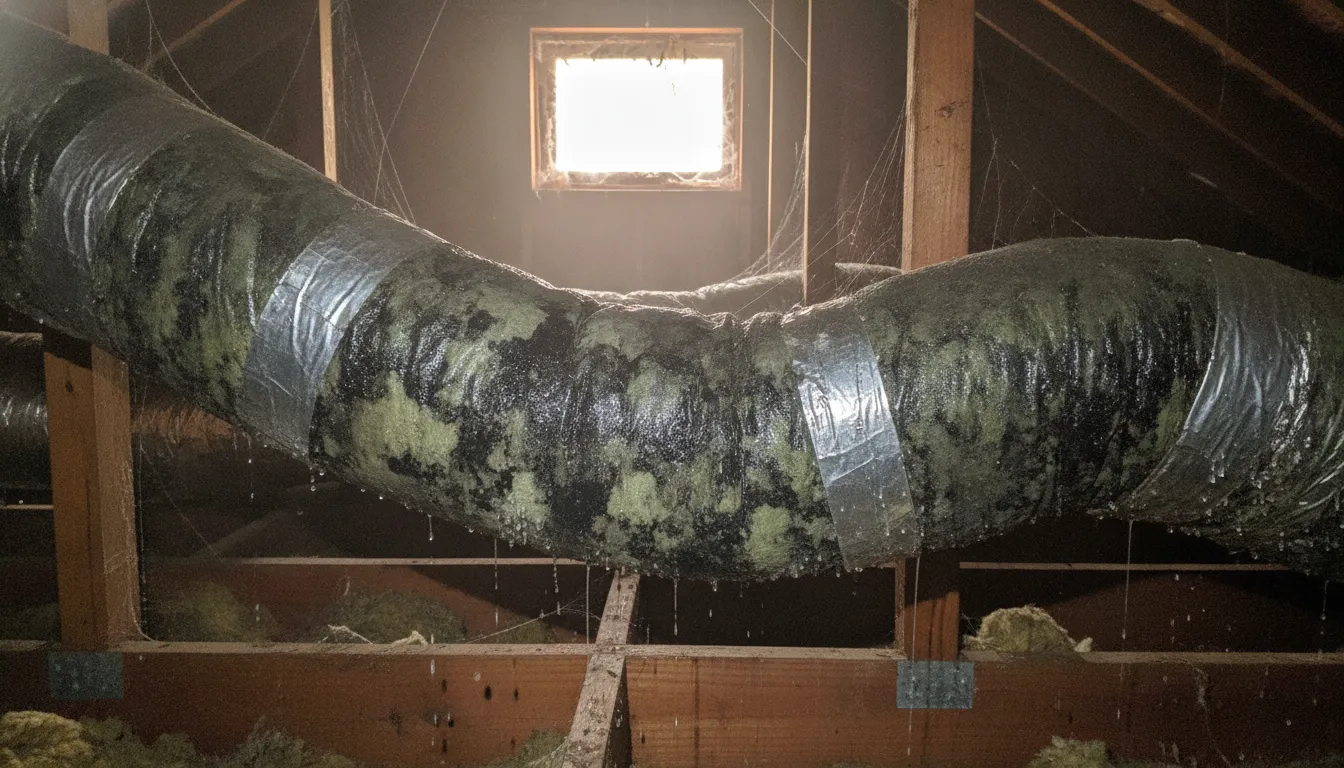
Your air ducts are the highways that carry cool air throughout your home. If they're old, leaky, or improperly sized, your brand-new, high-efficiency AC unit won't be able to perform at its best. A professional inspection might reveal that your ducts need repairs or a full replacement, which is a separate project. In Florida, well-sealed ducts are especially important for managing humidity. If your home needs new air ducts, this can add between $2,100 and $4,000 to the project. Investing in proper ductwork ensures you get all the efficiency and comfort you’re paying for with your new system.
Electrical Upgrades and Permits
Sometimes, a new HVAC system requires more electrical power than your old one did, which could mean updating a circuit breaker or wiring. Beyond that, most local municipalities require permits for an HVAC installation to ensure the work is done safely and up to code. According to industry data, permits can range from $250 to $400, with inspections adding another $100 to $200. While it might seem like a hassle, this step is crucial for your safety and is a sign that you’re working with a reputable contractor who follows the rules.
Old System Removal and Disposal
Your old furnace and air conditioner can’t just be left on the curb. These units contain refrigerants and other materials that need to be handled and disposed of according to environmental regulations. Most professional contractors, including our team at 5 Star Air, will include the cost of removing and properly disposing of your old system in their quote. This service typically costs between $100 and $300 and is a necessary part of a responsible AC installation. It’s one less thing you have to worry about, ensuring the job is done cleanly from start to finish.
Ensuring All Parts Are Compatible
It can be tempting to replace only the outdoor AC unit if the indoor furnace or air handler seems to be working fine. However, HVAC systems are designed to work as a matched set. As experts at Trane note, mixing a new, high-efficiency outdoor unit with an older indoor component can lead to poor performance, reduced efficiency, and a shorter lifespan for the new equipment. To get the most out of your investment, it’s almost always best to replace both components at the same time. This ensures every part is perfectly compatible and working together at peak efficiency.
How the Time of Year Can Affect Cost
Just like with any other service, supply and demand can affect the cost of an HVAC installation. During the peak of a Florida summer or the first cold snap of winter, HVAC contractors are at their busiest. If you can, planning your replacement for the milder shoulder seasons—spring or fall—can lead to significant savings. Because demand is lower, you might save 10% to 20% on the total cost. Scheduling your project during these off-peak times can also mean more flexible appointment slots and a quicker turnaround.
How to Save on Your New HVAC System
A new HVAC system is one of the biggest investments you’ll make in your home, but the price tag doesn’t have to be a shock. With a little planning, you can find ways to make your new system more affordable, both upfront and over the long haul. From taking advantage of special programs to making smart choices about your equipment, there are several paths to a comfortable home that doesn't break the bank. Thinking about the total cost of ownership—not just the initial price—is key. Here’s how you can approach this major purchase with a strategy that saves you money.
Finding Rebates and Tax Credits
Before you sign on the dotted line, do a little digging for "free money." Many local utility companies offer rebates to homeowners who install high-efficiency systems, which helps them manage energy demand. On top of that, you might be eligible for federal energy tax credits designed to encourage green upgrades. These programs can change from year to year, so it’s always a good idea to check for the latest incentives. Ask your HVAC contractor what they know about current local and federal programs—a good pro will be up-to-date on opportunities that can save their customers hundreds, or even thousands, of dollars on a new installation.
Exploring Your Financing Options
If the upfront cost of a high-quality system feels out of reach, don’t settle for a cheaper, less efficient model. Instead, look into financing. Spreading the cost over time with manageable monthly payments can make it possible to get the right system for your home without draining your savings. This approach allows you to invest in a higher-efficiency unit that will lower your monthly energy bills, letting the system start paying for itself right away. We offer straightforward financing options to help you get the comfort and reliability you deserve. It’s a practical way to manage a large expense while making a smart long-term investment in your home.
Calculating Long-Term Energy Savings
It’s easy to focus on the initial price of a new HVAC system, but the real story is in the long-term savings. Today’s high-efficiency air conditioners use significantly less energy than models from just a decade ago. Upgrading to an ENERGY STAR-certified unit can cut your cooling costs by 20% or more. Over the 10- to 15-year lifespan of the system, those savings add up to a substantial amount. When you’re comparing quotes, look at the SEER2 rating. A higher rating means greater efficiency. The slightly higher cost for a more efficient AC installation often pays for itself through lower utility bills in just a few years.
The Value of a Good Maintenance Plan
Once your new system is installed, the best way to protect your investment is with regular upkeep. Think of it like changing the oil in your car—it’s a small, necessary step to keep everything running smoothly and prevent major, expensive problems. A professional maintenance plan ensures your system operates at peak efficiency, which keeps your energy bills low and extends its lifespan. Technicians can spot and fix small issues before they become catastrophic failures, saving you from surprise breakdowns on the hottest Florida day. A consistent AC maintenance schedule is the most effective way to get the best performance and longest life out of your new HVAC system.
Finding a Contractor You Can Trust
Choosing the right HVAC system is a big decision, but picking the right person to install it is just as critical. A great unit installed poorly will never work as it should, leading to headaches and higher bills down the road. The right contractor ensures your investment is protected and your home stays comfortable for years. It’s about finding a team that values honesty and quality workmanship as much as you do.
Your goal is to find a partner, not just a technician. You want someone who will listen to your needs, explain your options clearly, and stand by their work. This means looking beyond the price tag to find a company with a solid reputation for reliability and customer service. Taking the time to vet your options now will save you from costly repairs and frustration in the future.
What to Look for in an HVAC Pro
First things first: any contractor you consider must be fully licensed and insured in Florida. This is non-negotiable. It protects you from liability and ensures the technicians have met state requirements for safety and skill. You should also look for a company with proven experience installing complete air conditioning systems, as a mismatched or poorly fitted unit can seriously reduce efficiency. A truly professional team will be transparent about their credentials and happy to show you they have the right qualifications for the job. We believe in this transparency, which is why you can learn more about us and our commitment to five-star service.
How to Get and Compare Quotes
It’s always a good idea to get at least three quotes from different local contractors. This helps you get a feel for the market rate and understand what’s included in each offer. When you compare, don’t just look at the final number. A detailed quote should break down the costs for equipment, labor, and any additional materials. Pay attention to the specific models being proposed and the warranties offered. A trustworthy contractor will provide a clear, itemized estimate without any pressure. If you’re ready to get a straightforward quote, you can always contact us for an honest assessment.
Checking Reviews and Asking for References
Before making a final decision, do a little homework. Check online reviews on sites like Google to see what past customers are saying. While a perfect record is rare, you should see a consistent pattern of positive feedback about communication, professionalism, and quality of work. Don’t be afraid to ask the contractor for a few references you can call. Speaking directly with previous clients can give you invaluable insight into what it’s like to work with the company and how they handle issues if they arise. Hearing from happy homeowners is often the best way to gauge a contractor’s reliability and see their testimonials in action.
Key Questions to Ask Before You Hire
A lowball offer might seem tempting, but it’s often a red flag. An unusually low price can signal subpar equipment, rushed installation, or hidden costs that will appear later. To protect yourself, ask a few key questions. Inquire about the warranties on both the equipment and the labor. Ask if they offer a maintenance plan to keep your new system running efficiently. You should also ask for a clear timeline for the installation process and what steps they take to protect your home while they work. A contractor who gives you confident, clear answers is one you can likely trust.
Smart Upgrades to Consider
When you’re already making a significant investment in your home’s comfort, it’s the perfect time to look at a few upgrades. These aren’t just fancy add-ons; they’re smart choices that can seriously improve your comfort, lower your energy bills, and even make the air in your home healthier. Think of it as future-proofing your investment. The most convenient and cost-effective time to add these features is during the initial installation, as it saves you from paying for separate labor costs down the road.
A new system is a great start, but pairing it with modern technology ensures you get the absolute most out of it for years to come. We believe in giving you all the information so you can make the best decision for your family and budget. Here are a few of the most popular and effective upgrades our customers in Southwest Florida choose when getting a new air conditioning installation. These enhancements work with your new system to create a truly customized home environment, tackling everything from inconsistent temperatures to airborne allergens.
Variable-Speed Technology
Traditional AC units are either on or off—there’s no in-between. Variable-speed technology changes that. Instead of running at full blast every time it kicks on, a variable-speed system adjusts its output to precisely match your home's cooling needs at any given moment. This means it runs at a lower, steadier speed for longer periods. The result is more consistent temperatures, eliminating those hot and cold spots. More importantly for us here in Florida, it provides superior humidity control, making your home feel much more comfortable even at a slightly higher temperature. It’s a quieter, more efficient way to keep your home comfortable all day long.
Modern Thermostats and Controls
If you’re still using an old manual thermostat, upgrading to a smart thermostat is one of the easiest and most impactful changes you can make. These modern controls learn your family’s schedule and preferences, automatically adjusting the temperature to save energy when you’re away and ensure comfort when you’re home. You can control them from an app on your phone, giving you the power to change the temperature from anywhere—whether you're on your way home from the beach or just relaxing on the couch. Many models also provide detailed energy usage reports, so you can see exactly how much you’re saving. It’s a small change that adds a ton of convenience and efficiency.
Home Zoning Systems
Does one part of your house always feel like an icebox while another is too warm? A home zoning system can solve that problem. This upgrade divides your home into different “zones,” each controlled by its own thermostat. This allows you to set different temperatures for different areas, so you’re not wasting energy cooling empty rooms or over-cooling the downstairs just to make the upstairs comfortable. It’s a fantastic way to end the family thermostat wars and personalize your comfort. Zoning is especially effective for multi-story homes, sprawling ranch-style houses, or homes with rooms that get a lot of direct sun.
Indoor Air Quality Add-ons
The air inside your home can be more polluted than the air outside, trapping dust, pollen, pet dander, and mold spores. Since your HVAC system circulates all the air in your home, it’s the perfect place to tackle these contaminants. Upgrades like whole-house air purifiers, advanced media filters, or UV lights can be integrated directly into your system to capture and eliminate airborne particles. Investing in indoor air quality solutions doesn’t just create a more comfortable home; it creates a healthier one for your family to breathe in, which is especially important for anyone with allergies or asthma.
What to Expect on Installation Day
The day your new HVAC system arrives is a big one. Knowing what the process involves can make everything feel much smoother and less disruptive. A professional team will handle all the heavy lifting, but a little preparation on your part can help the day go off without a hitch. From clearing the work area to the final system checks, here’s a look at what you can expect when our technicians arrive.
How to Prepare Your Home
A smooth installation starts before the team even rings your doorbell. You can help make the process more efficient by taking a few simple steps. First, clear a path to both your indoor and outdoor units. This means moving any furniture, boxes, or yard equipment that might be in the way. It’s also a good idea to secure pets in a separate room and make arrangements for small children to be out of the work area for their safety. Our team will lay down drop cloths to protect your floors, but clearing the space ensures they can get right to work on your AC installation.
The Step-by-Step Installation Process
Once our technicians arrive, they’ll start by carefully removing your old equipment. After the old system is out, they will prepare the area for the new unit, ensuring the foundation is level and secure. Next, they’ll expertly place the new air conditioner and furnace. The process involves connecting the refrigerant lines, electrical wiring, and drainage systems, as well as linking the new system to your existing ductwork. Our fully licensed and insured technicians follow a meticulous process to ensure every connection is solid and sealed, guaranteeing your system is set up for optimal performance from day one.
Final System Checks and Testing
The job isn't finished once the new unit is in place. Before our team leaves, they perform a series of comprehensive tests to confirm everything is running perfectly. This includes checking refrigerant levels, testing electrical connections, and measuring airflow to ensure it’s balanced throughout your home. We’ll also calibrate your new thermostat and run the system through a full cycle to verify both heating and cooling functions operate as they should. This final check is part of our 5-star service guarantee and ensures your new system delivers the efficiency and comfort you expect.
Your New Maintenance Schedule
A new HVAC system is a significant investment in your home’s comfort. The best way to protect that investment is with regular professional care. After your installation is complete, we’ll walk you through the features of your new system and discuss a maintenance schedule. Consistent tune-ups keep your system running at peak efficiency, which helps lower your energy bills and extend its lifespan. Signing up for a regular air conditioning maintenance plan is the easiest way to prevent unexpected repairs and ensure your home stays comfortable all year long.
Frequently Asked Questions
How do I know if I need a simple repair or a full replacement? A good rule of thumb is to consider your system's age and performance. If your air conditioner is over 10-12 years old, needs frequent and costly repairs, or is causing your energy bills to climb steadily, a replacement is likely the more cost-effective choice in the long run. A single repair might fix the immediate problem, but it won't solve the underlying issues of an aging, inefficient system.
Is a high-efficiency system with a higher price tag actually worth it for my Florida home? Absolutely. In a climate like ours where the AC runs for a good portion of the year, the energy savings from a high-efficiency unit add up very quickly. While the initial investment is higher, the significant drop in your monthly electricity bill can help the system pay for the price difference over its lifespan. You're not just buying a machine; you're investing in lower long-term operating costs.
How long does a typical HVAC installation take from start to finish? For a straightforward replacement of both the indoor and outdoor units, you can expect the installation to take a full day. Our team typically arrives in the morning and will have your new system up and running by the end of the afternoon. More complex jobs, especially those requiring ductwork modifications, might take a bit longer, but your technician will give you a clear timeline before any work begins.
My outdoor unit is broken, but the inside one seems fine. Can I just replace the one part to save money? While it seems like a good way to save money, it's almost always a bad idea to replace only half of your system. Your indoor and outdoor units are designed to work together as a matched set. Combining a new, high-efficiency outdoor unit with an older indoor air handler creates an unbalanced system that will be less efficient, put extra strain on both components, and could even void the manufacturer's warranty on your new equipment.
Besides the system itself, what's the biggest "surprise" cost I should plan for? The most common additional expense is related to your home's ductwork. If your ducts are old, leaky, or improperly sized, your new high-performance system won't be able to deliver cool air effectively. A technician might recommend sealing or replacing your ducts to ensure you get the efficiency and comfort you're paying for. It's a crucial part of the system that is often overlooked.