Do HVAC UV Lights Really Work? An Honest Guide
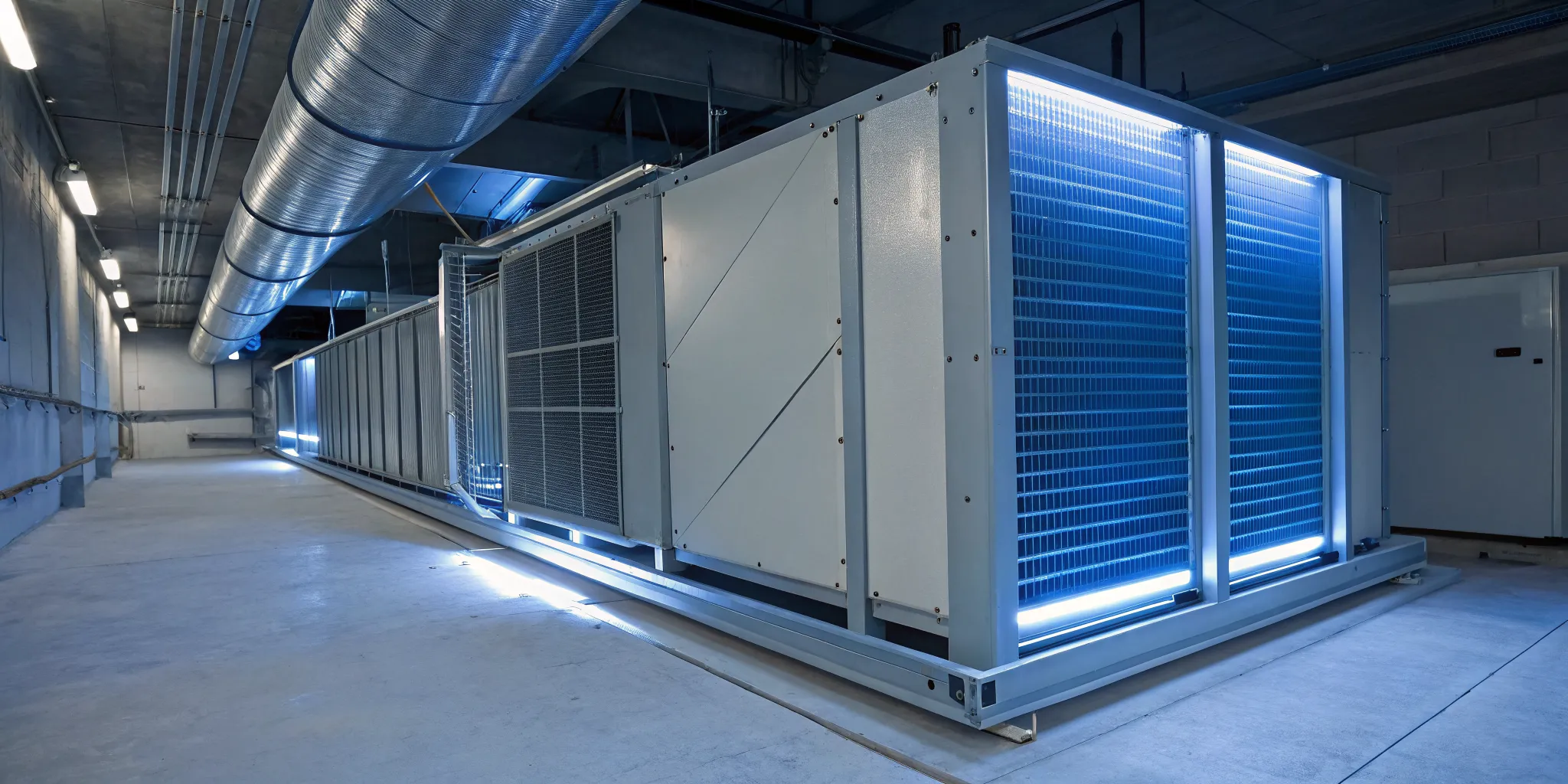
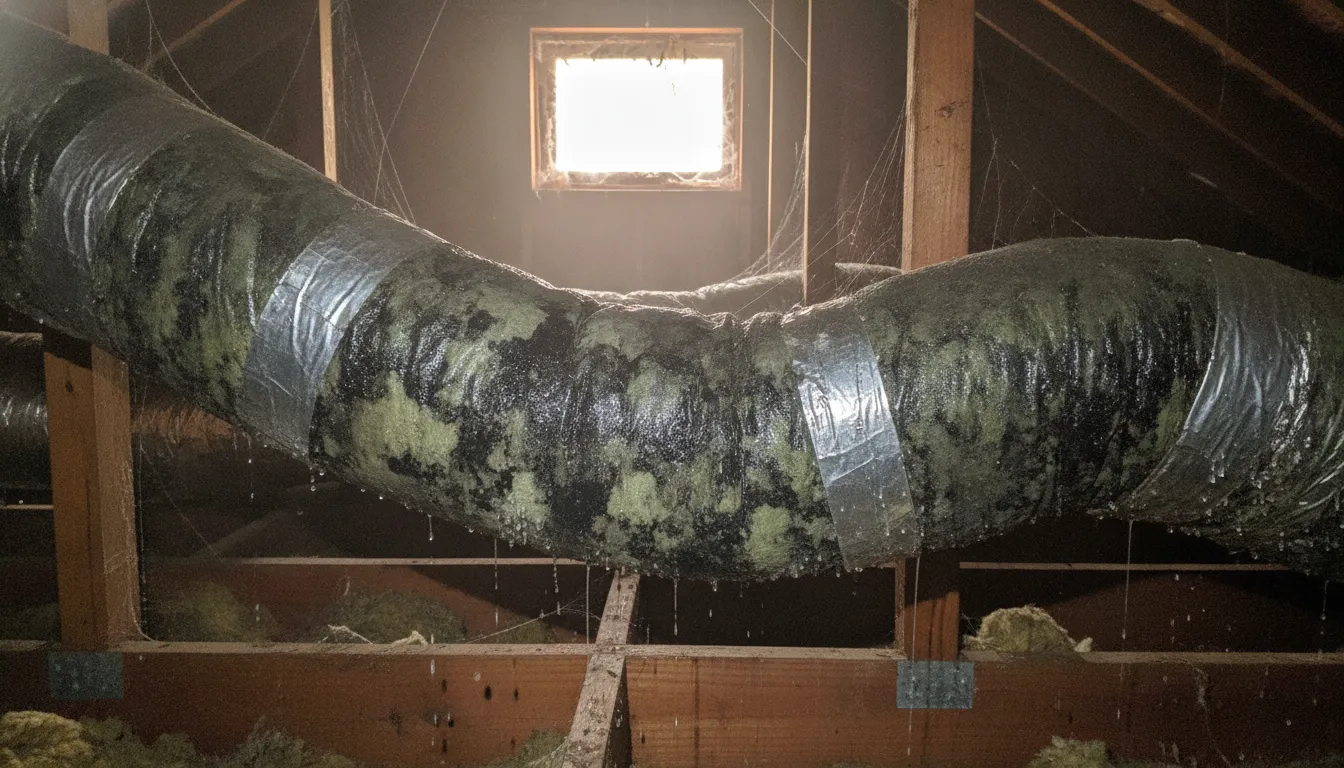
If you live in Florida, you know the musty, "dirty sock" smell that can sometimes blast from your air conditioning vents. This unpleasant odor is often a sign of something more than just dust; it's usually mold and bacteria growing inside your dark, damp AC unit. While air fresheners only mask the problem, HVAC UV lights claim to destroy it at the source. But it’s fair to be skeptical of a solution that sounds like something from a science fiction movie. So, do HVAC UV lights really work to eliminate those odors and clean your system? We'll break down the science, the real-world benefits, and the limitations to help you decide if this technology is the right choice for your home.
Key Takeaways
- Stops Mold and Odors at the Source: An HVAC UV light's main job is to prevent mold and bacteria from growing on your AC's damp indoor coil. This targeted approach keeps your system running efficiently and eliminates musty smells before they can circulate through your home.
- Works With Your Filter, Not Instead of It: UV lights are designed to neutralize living germs and mold, but they don't capture non-living particles like dust, pollen, or pet dander. A high-quality air filter is still essential to trap those common irritants and keep your system clean.
- Ideal for Florida Homes and Allergy Sufferers: UV light systems offer the most significant benefits in humid climates where mold thrives and for households where allergies or respiratory issues are a concern. For safety and best results, always rely on professional installation and routine maintenance.
What Are HVAC UV Lights and How Do They Work?
You’ve probably heard about UV lights for disinfecting surfaces, but how do they work inside a big metal box like your air conditioner? It’s simpler than it sounds. HVAC UV lights are special lamps installed directly inside your air conditioning system, usually near the indoor cooling coil or within the ductwork. Their job is to shine a specific type of ultraviolet light on the air and surfaces inside your AC unit.
This isn't just any light. It's a powerful tool for improving your home's indoor air quality. As air circulates through your system, it passes by the UV lamp. The light targets tiny, unwanted guests like mold spores, bacteria, and viruses. It works by damaging their DNA, which stops them from reproducing or making you sick. Think of it as a constant, silent cleaning process happening every time your AC runs, helping to keep the inner workings of your system and the air you breathe much cleaner. This technology is especially useful in Florida's humid climate, where the dark, damp environment inside an AC unit can be a perfect breeding ground for mold and mildew. By neutralizing these contaminants at the source, UV lights help prevent them from circulating throughout your home.
How Germicidal UV-C Light Works
Not all ultraviolet light is created equal. The sun produces three types: UV-A, UV-B, and UV-C. The lights used in your HVAC system are a very specific kind called UV-C, or germicidal UV light. This is the same technology hospitals have used for decades to sterilize equipment and operating rooms.
UV-C light is so effective because it operates at a wavelength that is perfectly tuned to disrupt the DNA and RNA of microorganisms. This process, known as ultraviolet germicidal irradiation, essentially scrambles their genetic code. Once their DNA is damaged, these germs can't multiply to cause odors, trigger allergies, or spread illness. It’s a targeted approach that neutralizes contaminants without adding any chemicals or sprays into your home’s air.
Coil vs. Air Sterilization: What's the Difference?
When you look into UV light systems, you'll see two main types: coil sterilization and air sterilization. While they both use UV-C technology, they have different jobs.
Coil sterilization is the most common type. A light stick is installed to shine directly on the surface of the indoor coil and drain pan. Because this area is dark and damp, it’s a prime spot for mold and bacteria to grow. This light runs 24/7 to keep those critical components clean, which also helps your system run more efficiently.
Air sterilization systems, sometimes called in-duct UVC systems, are designed to purify the air itself. These more powerful lights are installed in the ductwork and turn on with your AC’s blower to clean the air as it circulates throughout your home.
Do HVAC UV Lights Really Improve Air Quality?
When you hear about using ultraviolet light in your AC system, it can sound like something out of a science fiction movie. But does it actually work? The short answer is yes, but it’s important to understand exactly what these lights can and can’t do for your home’s air. Let's separate the facts from the hype so you can make an informed decision.
The Science: Does UV-C Light Actually Work?
Let's get straight to the point: the science behind HVAC UV lights is solid. The specific type used in these systems, called UV-C light, has proven germicidal properties. This means it can inactivate microorganisms like bacteria, viruses, and mold spores. Think of it as a tiny, powerful sanitation tool working inside your AC unit.
It works by emitting a specific wavelength of light that damages the DNA and RNA of these microscopic organisms. When their genetic material is scrambled, they can't reproduce, which effectively neutralizes them. In your HVAC system, these lights are installed near the indoor evaporator coil and drain pan, two areas that are dark, damp, and prone to mold growth. By constantly shining on these surfaces, the UV light helps keep them clean, which is a key part of maintaining good indoor air quality.
Common UV Light Myths, Busted
Now, let's clear up some common misconceptions. One of the biggest myths is that a UV light will instantly purify all the air flowing through your home. While the light is great at sterilizing surfaces, it's less effective against contaminants in fast-moving air. For a UV light to neutralize an airborne germ, it needs a certain amount of contact time, and the air in your ducts is usually moving too quickly for that to happen effectively.
Another myth is that UV lights eliminate all pollutants. They are only designed to target living, biological contaminants. They do absolutely nothing for non-living particles like dust, pet dander, pollen, or chemical fumes. That’s why a high-quality air filter is still your first line of defense. Finally, while UV lights can reduce the microbial load in your system, they won't make your home a sterile bubble. They are one tool in a larger strategy for cleaner air and proper air conditioning maintenance.
The Pros: What UV Lights Can Do for Your Home
So, what’s the real story with UV lights? While they aren’t a cure-all for every air quality issue, they excel in a few key areas, especially for those of us living in the humid Florida climate. When installed correctly, a UV light system can be a powerful tool for keeping your HVAC system clean and your home’s air healthier. Think of it as a silent guardian working inside your AC unit, targeting microscopic problems before they grow into bigger ones. Let's look at the three main benefits you can expect.
Stop Mold and Bacteria Growth on Coils
Your indoor AC coil is dark, damp, and cool, which is the perfect environment for mold and bacteria to thrive. Over time, this buildup can turn into a slimy mess that clogs your system. The primary job of an HVAC UV light is to prevent this from happening. It shines continuously on the coil and drain pan, using germicidal UV-C light to destroy microorganisms at the source. By disrupting their DNA, the light stops them from reproducing. This is the most proven and effective use of UV technology in an HVAC system, helping to keep these critical components clean and free of biological growth.
Improve Your System's Efficiency
When your AC coil is covered in a layer of mold and grime, it can't transfer heat effectively. This buildup acts like an insulator, forcing your system to work harder and run longer to cool your home. The result? Higher energy bills and extra strain on your equipment. By keeping the coil clean, a UV light helps your system run as efficiently as possible. A cleaner system uses less electricity and is less likely to suffer from premature breakdowns. This proactive approach works hand-in-hand with regular air conditioning maintenance to extend the life of your unit and save you money over time.
Eliminate Musty Odors at the Source
Ever turn on your AC and get a whiff of a musty, dirty-sock smell? That unpleasant odor is often caused by the very mold and bacteria growing on your indoor coil. While air fresheners just mask the problem, a UV light attacks it directly. By destroying the microbes that produce these smells, the light can significantly freshen the air coming from your vents. This is one of the most noticeable benefits for homeowners. It’s a simple way to improve your home’s overall indoor air quality and get rid of that persistent damp smell for good.
The Cons: What UV Lights Can't Do
UV lights are a fantastic addition to many HVAC systems, but it's important to have a clear picture of what they can and can't do. They aren't an all-in-one fix for every air quality problem. Understanding their limitations helps you make an informed decision and pair them with the right solutions to keep your home's air fresh and clean. Let's be honest about where UV lights fall short so you can build a complete system that truly works for your home.
Why They Won't Remove Dust, Pollen, or Dander
UV light is specifically designed to target and neutralize living microorganisms like mold, bacteria, and viruses. Its germicidal properties work on a cellular level, but they have no effect on non-living airborne particles. This means your UV light won't capture dust, pet dander, pollen, or smoke. For those common irritants, a high-quality air filter is still your best line of defense. Think of a UV light as a specialized tool that works alongside your filter, not as a replacement for it. A complete indoor air quality strategy often involves multiple components working together to tackle different types of pollutants.
The Challenge with Fast-Moving Air
For a UV light to effectively neutralize a microorganism, it needs sufficient "contact time." In other words, the germ has to be exposed to the UV rays long enough for them to work. This is why UV lights are incredibly effective at sterilizing stationary surfaces like your indoor coil. However, it's much harder to zap contaminants in air that's rushing through your ductwork. While some systems are designed for air sterilization, their effectiveness can be limited by the speed of your blower fan. A single pass might not be enough to catch everything, which is why coil-focused sterilization is often the more practical and reliable application for residential systems.
Understanding Safety and Ozone Concerns
You may have heard that some UV lights can produce ozone, a gas that can irritate the lungs. This is a valid concern, but it primarily applies to older or poorly made units that use a different part of the UV spectrum. Modern, high-quality germicidal UV-C lights are specifically engineered to be ozone-free. When you work with a reputable installer, you can be sure you're getting a safe, certified product. The other safety factor is direct exposure to the light, which can be harmful to your eyes and skin. This is why professional air conditioning maintenance and installation are essential; we ensure the unit is placed securely within your HVAC system where it can't be seen or touched.
Are UV Lights a Worthwhile Investment?
Now for the big question: are UV lights worth the money? Like any home upgrade, it’s a balance between the initial cost and the long-term benefits. To make the right choice for your home and budget, it helps to look at the complete financial picture, from the installation price to the ongoing upkeep and potential savings. Let’s break down the numbers so you can see if this investment makes sense for you.
Weighing Installation Costs vs. Long-Term Savings
The upfront cost to have a UV light system professionally installed in your HVAC unit typically falls between $400 and $1,000. While that’s a notable investment, it’s one that can pay for itself over time. A UV light keeps your indoor coil clean from mold and microbial buildup, which helps your AC run more efficiently. This improved performance can translate into real savings on your energy bills, often between $100 and $250 per year. A cleaner system is also less prone to breakdowns, potentially saving you from unexpected repair costs. When you factor in these savings, the system can pay for itself in about two to four years. If the initial cost is a concern, we offer flexible financing to make it more manageable.
Factoring in Maintenance and Bulb Replacements
Beyond the installation, there are some small, ongoing costs to keep your UV light system working effectively. The main one is replacing the bulb. Even if the light is still on, the UV-C bulb loses its germicidal effectiveness over time and needs to be replaced every one to two years to continue purifying your system. Think of it like changing the batteries in a smoke detector; it’s a crucial step to ensure it does its job. The cost for a new bulb is usually between $50 and $150. This is a predictable expense you can plan for, and our technicians can easily handle the replacement during a routine AC maintenance visit.
Who Benefits Most from HVAC UV Lights?
While any home can get some benefit from cleaner coils and air, UV lights are not a one-size-fits-all solution. They offer the most significant advantages for specific types of homes and families. If you find yourself nodding along with the descriptions below, a UV light system could be a game-changing addition to your home’s HVAC system.
Think of it this way: a UV light is a specialized tool. You wouldn't use a hammer to turn a screw. Similarly, you get the most value from a UV light when you apply it to the right problem. For homeowners in Southwest Florida, two scenarios stand out as prime candidates for this technology: homes struggling with the effects of high humidity and households where allergies or respiratory sensitivities are a daily concern. In these situations, UV lights move from a "nice-to-have" feature to a powerful component of your overall strategy for better indoor air quality. They work around the clock to tackle microscopic issues at the source, providing a level of protection that standard filters alone can't match.
Homes Prone to Humidity and Mold
Living in Florida means living with humidity, and that moisture can create the perfect breeding ground for mold and bacteria inside your AC system. The evaporator coil, in particular, is dark, damp, and a magnet for microbial growth. If you’ve ever noticed a persistent musty or "dirty sock" smell when your AC kicks on, you're likely smelling the result of this buildup. UV lights are especially effective in humid areas because they directly target this problem. By shining continuously on the coil, they destroy mold and bacteria before they can multiply and spread through your home’s air. This helps eliminate those unpleasant odors and keeps your system cleaner, which is a constant battle in our climate.
Households with Allergy or Respiratory Issues
For families dealing with allergies, asthma, or other respiratory conditions, maintaining clean indoor air is not just about comfort, it's about health. Having germs in your HVAC system is a real health concern, as they can trigger symptoms and make it difficult to feel your best at home. UV lights can help by killing a high percentage of mold, bacteria, and viruses as they pass through your AC system. This process of sterilization means fewer airborne irritants are being pushed into your living spaces. While a UV light won't capture dust or pollen, it significantly reduces the microbial load in the air, creating a healthier environment for everyone, especially those with sensitive respiratory systems.
How to Maximize Your UV Light System's Effectiveness
So, you're thinking about adding a UV light system to your HVAC. That's a great step toward cleaner indoor air. But just like any other home upgrade, its success depends on more than just the product itself. To get the full benefit, you need to make sure it's installed correctly and works in harmony with the rest of your system. Think of it less as a standalone gadget and more as a key player on your home's air quality team. A couple of simple but crucial steps can make all the difference between a system that works and one that's just a glowing blue light inside your air handler. Getting these details right ensures your investment pays off with fresher, healthier air for your family.
Why Professional Installation Is Key
While it might be tempting to tackle this as a weekend project, installing an HVAC UV light is a job best left to the pros. The main reason is safety. The same UV-C rays that neutralize mold and bacteria can be harmful to your skin and eyes with direct exposure. A licensed and insured technician knows how to install the unit so the light is safely contained within your ductwork. Plus, placement is everything. An expert will position the lights for maximum impact on the coil and drain pan, which are prime spots for microbial growth, ensuring you get the results you're paying for without any of the risks.
Pairing UV Lights with a High-Quality Air Filter
A UV light system is a fantastic tool, but it can't do the job alone. It’s designed to target microscopic organisms, not larger particles like dust, pet dander, or pollen. That’s your air filter’s job. For your UV light to work effectively, it needs a clear path to the germs. If your evaporator coil is covered in dust, the light can't reach the surface where mold and bacteria grow. That's why pairing your UV system with a high-quality air filter is so important. Regular air conditioning maintenance, including filter changes, keeps your system clean and allows the UV light to do its work properly.
Related Articles
- HVAC Tips & Insights Blog - Expert Advice from 5 Star Air
- Benefits of Regular HVAC Maintenance
- Prepare Your HVAC for Florida Summer
- Air Quality Services
Frequently Asked Questions
Will a UV light get rid of my dust and pollen allergies? Not directly. UV lights are specialists that target living, biological contaminants like mold spores and bacteria. They don't have any effect on non-living particles such as dust, pet dander, or pollen. For those common allergens, your best defense is still a high-quality air filter that you change regularly. Think of the UV light and your filter as a team: the filter traps the particles, and the light neutralizes the germs.
Are these lights safe to have running in my home? Yes, when they are installed correctly by a professional. The main safety concerns are direct exposure to the UV-C rays and the potential for ozone production. We only use modern, high-quality lights that are certified to be ozone-free. Our technicians install the unit deep inside your air handler or ductwork, where the light is completely contained and can't harm your eyes or skin.
How much maintenance does a UV light system require? The maintenance is very minimal. The system itself is solid-state, but the UV-C bulb does need to be replaced every one to two years to remain effective. Over time, the bulb's germ-killing intensity fades, even if it still lights up. This is a simple swap that our technicians can perform during your regular AC maintenance visit, so it doesn't require a special trip.
My AC smells musty. Will a UV light fix that? This is one of the problems a UV light is best at solving. That musty, "dirty sock" smell is almost always caused by mold and bacteria growing on the dark, damp indoor coil of your air conditioner. A UV light shines directly on that coil 24/7, stopping that microbial growth at the source. By eliminating the source of the odor, it freshens the air circulating through your home.
How long does it take for a UV light to pay for itself? While every home is different, most homeowners find that the system pays for itself in about two to four years. The savings come from two places: improved energy efficiency and fewer repair calls. By keeping the AC coil clean, the light helps your system run more smoothly, which can lower your monthly electricity bills. A cleaner system is also a more reliable system, helping you avoid the cost and hassle of unexpected breakdowns.