Does Central Air Conditioning Use Water? A Quick Guide
It’s a moment every Florida homeowner dreads: spotting a mysterious puddle of water forming around your indoor AC unit. Your mind immediately starts racing. Is this a major leak? Is my system broken? It’s a fair reaction that often leads to the question, does central air conditioning use water to cool my home? It seems like a logical conclusion, but the answer is actually no. Your AC isn't like a water heater; it doesn't have a direct water line feeding into it. That puddle is a sign of something else entirely—and it’s something you shouldn’t ignore. Let's clear up this common misconception and explain what’s really going on.
Key Takeaways
- Cooling Comes from Heat Transfer, Not Water: Your central air conditioner doesn't use water to cool your home; instead, it uses a special fluid called refrigerant to absorb indoor heat and release it outside.
- Water is a Normal Sign of Dehumidification: The water your AC produces is simply condensation from pulling humidity out of the air. This is a key function that makes your home feel more comfortable, especially in Florida.
- An Indoor Puddle Indicates a Drainage Problem: While water dripping outside is fine, a puddle around your indoor unit means the drain line is likely clogged. Turn off your AC and call a professional to prevent water damage.
Does Your Central AC Use Water to Cool Your Home?
It’s a question we hear all the time, especially from homeowners who spot a puddle near their indoor AC unit. You see water, so it’s natural to assume your air conditioner uses it to cool your house. Let's clear up this common misconception and explain what’s really going on inside your system.
The Short Answer: No
Let's get straight to the point: Central air conditioners do not use water to cool your home. Instead, they use a special liquid called refrigerant to move heat from inside your house to the outside. Think of refrigerant as a heat sponge. It absorbs the warmth from your indoor air, travels through a series of coils and pipes to your outdoor unit, and then releases the heat. This cycle repeats over and over, leaving your home cool and comfortable. The process is all about heat transfer, with refrigerant doing all the heavy lifting, not water.
Why This is a Common Question
So, if your AC doesn't use water, why do you sometimes see it dripping or pooling? A standard central air conditioner produces water as a byproduct of its other important job: dehumidifying your home. As your system pulls in warm, humid Florida air, moisture from the air condenses on the cold evaporator coils inside your unit—just like how water droplets form on a cold glass of iced tea. This condensation is collected in a drain pan and funneled outside through a drain line. While this is a normal process, seeing water around your indoor AC unit can be a sign that something is wrong and needs a professional air conditioning repair.
How Your Central AC Works Without Water
It’s easy to assume that a machine designed to cool things down must use water, but your central air conditioner operates on a completely different principle. Think of it less like a mister and more like your refrigerator. It doesn't create cold air out of thin air; instead, it cleverly moves heat from inside your home to the outside. This entire process happens within a closed-loop system that relies on a special chemical fluid, not water, to get the job done.
This fluid, known as refrigerant, is the real workhorse. It continuously cycles through your system's indoor and outdoor units, absorbing heat from your living space and releasing it into the Florida air. The system is designed to be self-contained, so you should never need a "refill" unless there's a leak—a common issue that requires professional air conditioning repair. Understanding this heat transfer process is the first step to demystifying how your AC keeps you comfortable. When any part of this system isn't working correctly, you'll definitely feel it. That's why keeping up with regular air conditioning maintenance is so important for keeping every component in top shape and ensuring your home stays cool all year long.
A Quick Look at the Refrigerant Cycle
The hero of your AC system is a substance called refrigerant. This chemical compound flows through a series of coils and has a unique ability to absorb and release large amounts of heat as it converts from a liquid to a gas and back again. The process starts inside your home, where the liquid refrigerant absorbs heat from your indoor air, causing it to evaporate into a gas. This is very similar to how sweat cools your skin when it evaporates. The now-gaseous refrigerant then travels to your outdoor unit to release all that captured heat.
The Job of Evaporator and Condenser Coils
Your AC system is split into two main parts: an indoor unit and an outdoor unit, each with a critical set of coils. The indoor unit contains the evaporator coil. As your system’s fan blows warm indoor air over these super-chilled coils, the refrigerant inside absorbs the heat. The outdoor unit houses the condenser coil and a compressor. The compressor pressurizes the refrigerant gas, making it hot. A large fan then blows outside air across the condenser coils, allowing the heat to escape. This process cools the refrigerant and turns it back into a liquid, ready to repeat the cycle and keep your home comfortable.
How Your System Moves Heat Outside
The core function of your air conditioner is simply to move heat. It picks up unwanted heat from your living space and dumps it outdoors. A fantastic side effect of this process is dehumidification. As warm, humid air from your home passes over the cold evaporator coil, moisture in the air condenses into water droplets—just like water forming on the outside of a cold glass. This water is collected in a drain pan and funneled away, which is why your AC is so effective at improving your home's indoor air quality by making the air feel less sticky and more comfortable.
What's Water's Role in Your AC System?
So, if your central air conditioner doesn't use water to create cool air, why do you sometimes see it dripping from a pipe outside? It’s a great question. While water isn't the fuel for the cooling process, it is a very important byproduct. The presence of water is actually a sign that your AC is doing one of its most important jobs, especially here in Florida: removing humidity from your home. Think of it less as an ingredient and more as evidence of a job well done. Understanding where this water comes from can help you know the difference between normal operation and a sign that you might need a professional to take a look.
Condensation: A Natural Byproduct of Cooling
The water you see is created through condensation, the same process that causes a cold glass of iced tea to "sweat" on a hot day. Inside your AC system, you have a component called an evaporator coil. This coil gets extremely cold as refrigerant runs through it. When the warm, humid air from inside your house is pulled in and passes over these frigid coils, the moisture in the air rapidly cools and condenses into water droplets. This is a perfectly normal and necessary part of the cooling cycle. It means your system is effectively pulling heat and moisture out of the air, which is exactly what you want it to do.
How Your AC Removes Humidity
That condensation process is how your air conditioner works as a whole-home dehumidifier. It’s the reason walking into an air-conditioned building on a sweltering Florida day feels so refreshing—it’s not just cooler, it’s also significantly less sticky. By pulling water vapor out of the air, your AC makes your home’s environment much more comfortable and can even protect it from issues like mold and mildew growth. This function is critical for maintaining good indoor air quality. The amount of water your system produces will vary depending on the indoor temperature and just how humid it is outside, so you’ll likely notice more water on especially muggy days.
Understanding Your AC's Drainage System
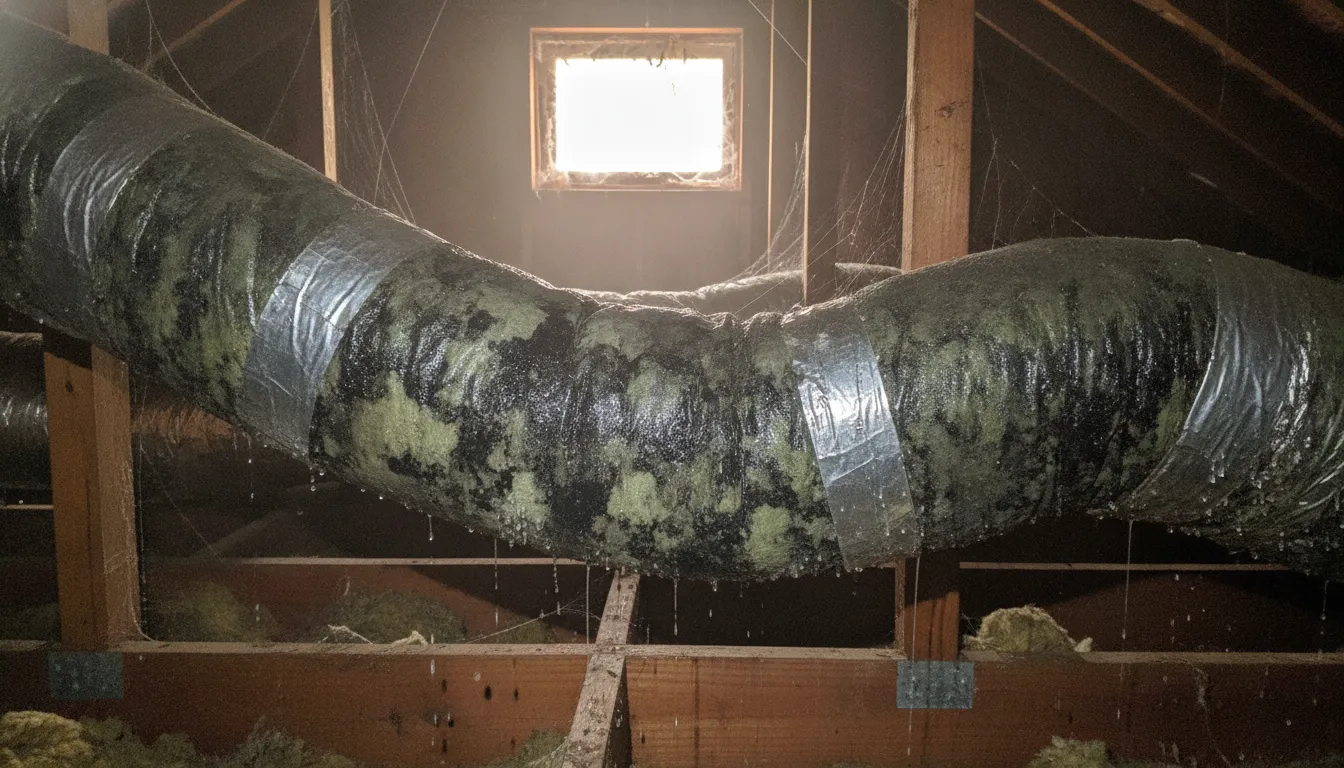
All that collected condensation has to go somewhere. Your AC system is equipped with a drainage system specifically for this purpose. The water droplets fall from the evaporator coil into a drain pan. From there, the water flows into a condensate drain line, which is typically a PVC pipe that carries the water safely outside your home. It’s crucial that this line remains clear. If it becomes clogged with algae, dirt, or debris, the water can back up, overflow the drain pan, and potentially cause significant water damage to your home and your AC unit. If you notice water pooling around your indoor unit, it’s often a sign of a clog that needs prompt air conditioning repair.
Why Is My AC Unit Producing Water?
Seeing water pool around your air conditioner can be alarming, but it’s not always a sign of trouble. Your AC unit is designed to produce water as part of its normal cooling process. The real question is whether the water is draining properly. Understanding how and why your system creates water is the first step in figuring out if you have a simple maintenance issue or a problem that needs professional attention. Let's walk through the science behind it, which is actually pretty straightforward.
Your central air conditioner doesn't use water to cool your home. Instead, it uses a chemical refrigerant to absorb heat from your indoor air and move it outside. The water you see is a natural byproduct of this cooling and dehumidifying process. Think of it this way: your AC is pulling double duty by lowering the temperature and wringing out the excess moisture from the air, which is essential for feeling comfortable in the Florida climate. When everything is working correctly, this water is collected and channeled away without you ever noticing.
The Normal Condensation Process
So, where does the water come from? It’s all about condensation. Inside your AC system, there's a component called an evaporator coil, which gets extremely cold. As your system pulls warm, humid air from your home across this frigid coil, the moisture in the air rapidly cools and condenses into water droplets. It’s the exact same thing that happens when you take a cold can of soda outside on a hot day and it starts to "sweat." This process is crucial because it removes humidity from your air, making your home feel less sticky and much more comfortable. This collected water, or condensate, then drips into a drain pan and flows out of your home through a dedicated pipe.
What Affects Water Production?
The amount of water your AC produces can change from day to day. The two biggest factors are the indoor humidity level and how long your system runs. On a particularly muggy Florida day, your air conditioner will pull a lot more moisture from the air, resulting in a higher volume of condensate. If you have more people in the house or are doing activities like cooking or showering, that also adds moisture to the air for your AC to remove. This water is supposed to be managed by your system's drainage components. A problem arises when that drainage system fails, which can happen if the drain line gets clogged with algae or debris, causing water to back up and spill over. If you suspect an issue, it might be time for an air conditioning repair.
How Florida's Humidity Plays a Part
Living in Southwest Florida means dealing with intense humidity for most of the year. Our air is naturally saturated with moisture, which forces our air conditioners to work incredibly hard. They aren't just battling the heat; they're constantly removing gallons of water from the air every day to keep our homes comfortable. Because of this, a Florida AC unit will produce significantly more condensation than one in a drier climate. Seeing a steady stream of water dripping from the condensate line outside your home is completely normal. However, this heavy workload also makes regular air conditioning maintenance absolutely critical to ensure the drainage system can keep up and prevent clogs that lead to water damage.
Common Myths About Water and Air Conditioners
It’s easy to get confused about how air conditioners and water interact, especially when you see a puddle near your unit. This confusion has led to a few common myths about how your AC system actually works. Let's clear the air and separate fact from fiction so you can better understand the machine that keeps your Florida home comfortable. Knowing the truth can help you spot a real problem versus a normal function of your system.
Confusing ACs with Evaporative Coolers
One of the biggest mix-ups is thinking a central air conditioner works like an evaporative cooler, sometimes called a swamp cooler. Evaporative coolers use water-soaked pads and a fan to cool the air through evaporation. Your central AC works very differently. Instead of water, it uses a chemical refrigerant to absorb heat from inside your home and transfer it outside. This process is much more effective at cooling and, crucially, at dehumidifying—something evaporative coolers struggle with in humid climates like ours. So, rest assured, your AC isn't "using" water to create cold air.
Water-Cooled vs. Air-Cooled Systems
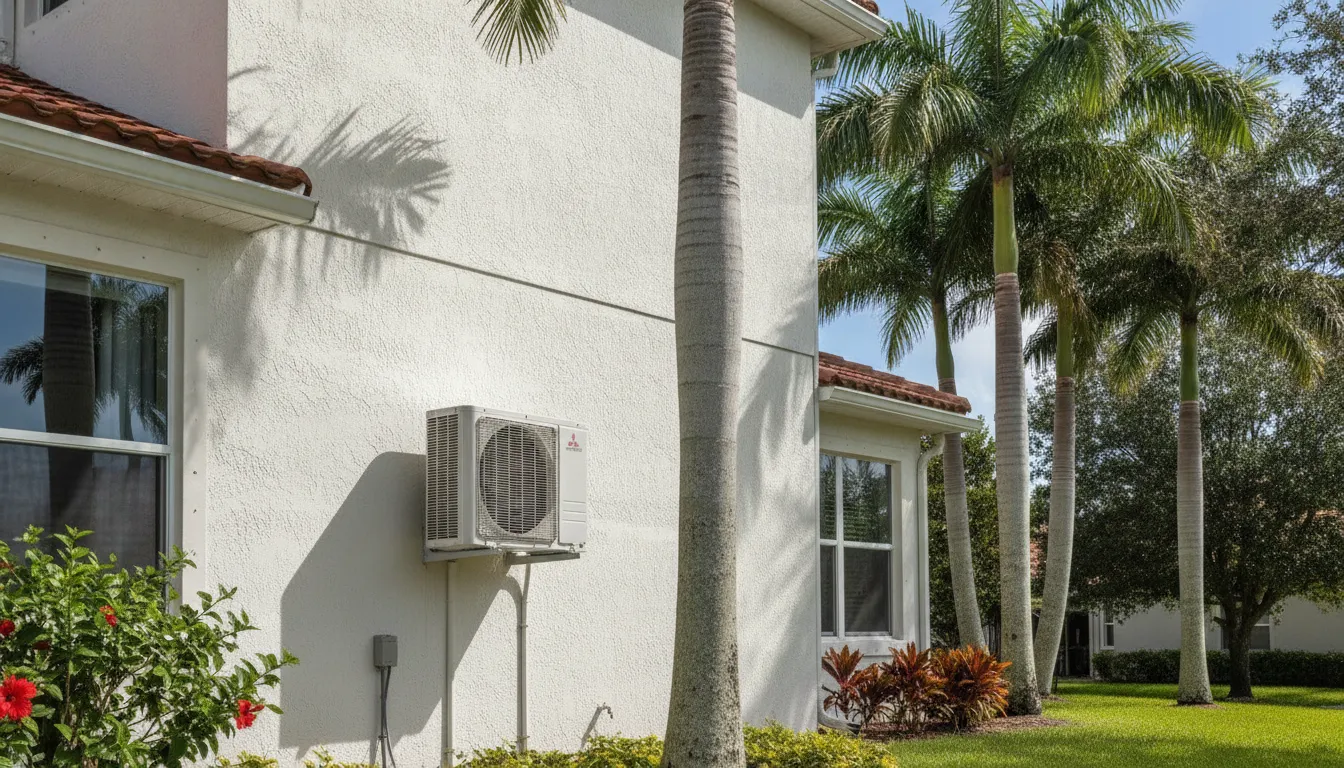
You might hear about "water-cooled" air conditioners, which adds to the confusion. While these systems do exist, they are typically used in large commercial or industrial buildings, not in single-family homes. The vast majority of residential systems in Southwest Florida are air-cooled. This simply means your outdoor unit uses a fan to blow air across the condenser coils to release the heat that was removed from your house. If you have a standard split-system AC in your home, it’s an air-cooled unit that doesn't require an external water source to function.
How Central Air Differs from Other Coolers
The key difference between your central AC and other cooling methods is its dual-action performance: it cools the air and removes humidity. As your system pulls warm, moist air across the cold evaporator coil, the water vapor in the air condenses into liquid—just like water droplets forming on a cold glass of iced tea. This process is essential for improving your indoor air quality and making your home feel comfortable, not just cool. The water you see is a byproduct of the dehumidification process, not the fuel for it.
What to Do When You See Water Around Your AC Unit
Finding a puddle of water around your air conditioner can be alarming. Your first thought might be, "Is it supposed to do that?" It’s a fair question, especially here in Florida where our ACs work overtime. While your system is designed to handle moisture, standing water is almost always a sign that something needs attention. Don’t worry, though. Let’s walk through how to figure out what’s going on and what your next steps should be. Addressing the issue quickly can save you from bigger headaches like water damage or a complete system shutdown.
Normal Puddle or Problematic Leak?
First things first: your central air conditioner doesn't use water to cool your home. Unlike a water heater, it isn't connected to a water supply line. The water you're seeing is condensation, which is a normal byproduct of the cooling process. As your AC pulls warm, humid air from your home, it chills it over the evaporator coils, and the moisture from the air condenses into water.
Under normal circumstances, this water drips into a drain pan and flows safely outside through a condensate drain line. So, while condensation is normal, a puddle of water around your indoor unit is not. It’s a clear signal that the drainage system isn't working correctly and the water has nowhere to go but onto your floor.
Common Causes of AC Water Leaks
So, why is water escaping? Usually, it comes down to one of a few common issues. The most frequent culprit is a clogged condensate drain line. Over time, algae, mold, and dirt can build up inside the pipe, creating a blockage that causes water to back up and overflow the drain pan.
Another possibility is that the drain pan itself is damaged, rusted, or cracked, allowing water to leak through. You might also be dealing with frozen evaporator coils. If your air filter is clogged or refrigerant is low, ice can form on the coils. When that ice melts, the sudden rush of water can overwhelm the drain pan. Prompt air conditioning repair can fix these issues before they cause serious damage.
Spotting a Clogged Drain Line
Since a clogged drain line is such a common problem, it helps to know the signs. The most obvious clue is water pooling around your indoor air handler. If your unit is in a closet, you might see water seeping out from under the door. For units in the attic, you may notice water stains on the ceiling below.
Many modern AC systems have a safety feature called a float switch that will shut the entire system down if it detects that the drain pan is full. If your AC suddenly stops working and you find standing water, a clog is the likely cause. In Florida’s humid environment, algae can grow quickly, making regular AC maintenance essential to keep the line clear.
When It's Time to Call a Pro
While it’s great to know what might be causing the leak, this is one of those times when calling a professional is the best move. Letting a water leak go can lead to costly water damage to your floors, walls, and ceilings. Even worse, the excess moisture can promote mold growth, which can negatively affect your home’s indoor air quality.
If you see water around your unit, the first thing you should do is turn off your AC system at the thermostat to prevent more water from overflowing. Then, give a trusted HVAC company a call. Our team can provide emergency air conditioning services to quickly diagnose the problem, clear the blockage, and get your system running safely again.
How to Maintain Your AC for Proper Drainage
Seeing water around your AC unit can be alarming, but the good news is that most drainage problems are preventable. A little proactive care goes a long way in keeping your system working correctly and your home protected from water damage. By staying on top of a few key maintenance tasks, you can ensure the condensation your AC produces is drained away properly, just as it was designed to. Here’s what you can do to keep your AC’s drainage system in top shape.
The Impact of Changing Your Air Filter
One of the simplest yet most important maintenance tasks is regularly changing your air filter. A dirty, clogged filter restricts airflow over the evaporator coils. When this happens, the coils can get too cold and freeze over. As that ice melts, it produces more water than your drain pan can handle, leading to overflows and leaks. While changing the filter can sometimes resolve icing, if the problem persists, it might signal a more serious issue like a refrigerant leak. These situations require an expert diagnosis from a licensed technician.
Why Professional Maintenance is Key
While changing your filter is a great start, it doesn’t cover everything. Nothing beats a professional tune-up for keeping your AC system healthy. During a routine air conditioning maintenance visit, a technician does a deep dive into your system’s health. They’ll clean the coils, check refrigerant levels, and inspect electrical components to ensure everything is working efficiently. This preventative care helps catch small issues before they become big, expensive problems. If you notice any signs of trouble, especially a water leak, it’s always best to call for professional repair services right away.
Caring for Your Drainage System
Your AC’s condensate drain line is the exit route for all the moisture your system pulls from the air. Here in Florida, the high humidity means that line is constantly working. This damp environment is a perfect breeding ground for algae and mold, which can create stubborn clogs. When the drain line gets blocked, water has nowhere to go but back into the drain pan, which will eventually overflow. This can cause serious water damage to your home. Regular professional maintenance includes flushing this line to keep it clear and flowing freely.
Preventing Ice Buildup and Water Damage
Ice forming on your AC unit is a clear red flag that something is wrong. As we’ve covered, this ice will eventually melt, creating excess water and potential leaks. The primary cause of ice buildup is poor airflow, which usually points back to a dirty air filter or a problem with the blower fan. Ensuring your system has unobstructed airflow is the best way to prevent ice from forming in the first place. If you do spot ice on your unit, turn the system off to allow it to thaw completely and call for emergency AC service to find and fix the underlying cause.
Frequently Asked Questions
So if my AC doesn't use water, why is there a puddle under my indoor unit? This is a great question and a super common one. The water you're seeing isn't part of the cooling process itself; it's condensation. Your AC acts like a dehumidifier, pulling moisture from the humid Florida air. This moisture collects on cold coils inside the unit and is supposed to drain away outside. A puddle inside means that the drainage system is likely clogged or has failed, causing the water to back up and spill.
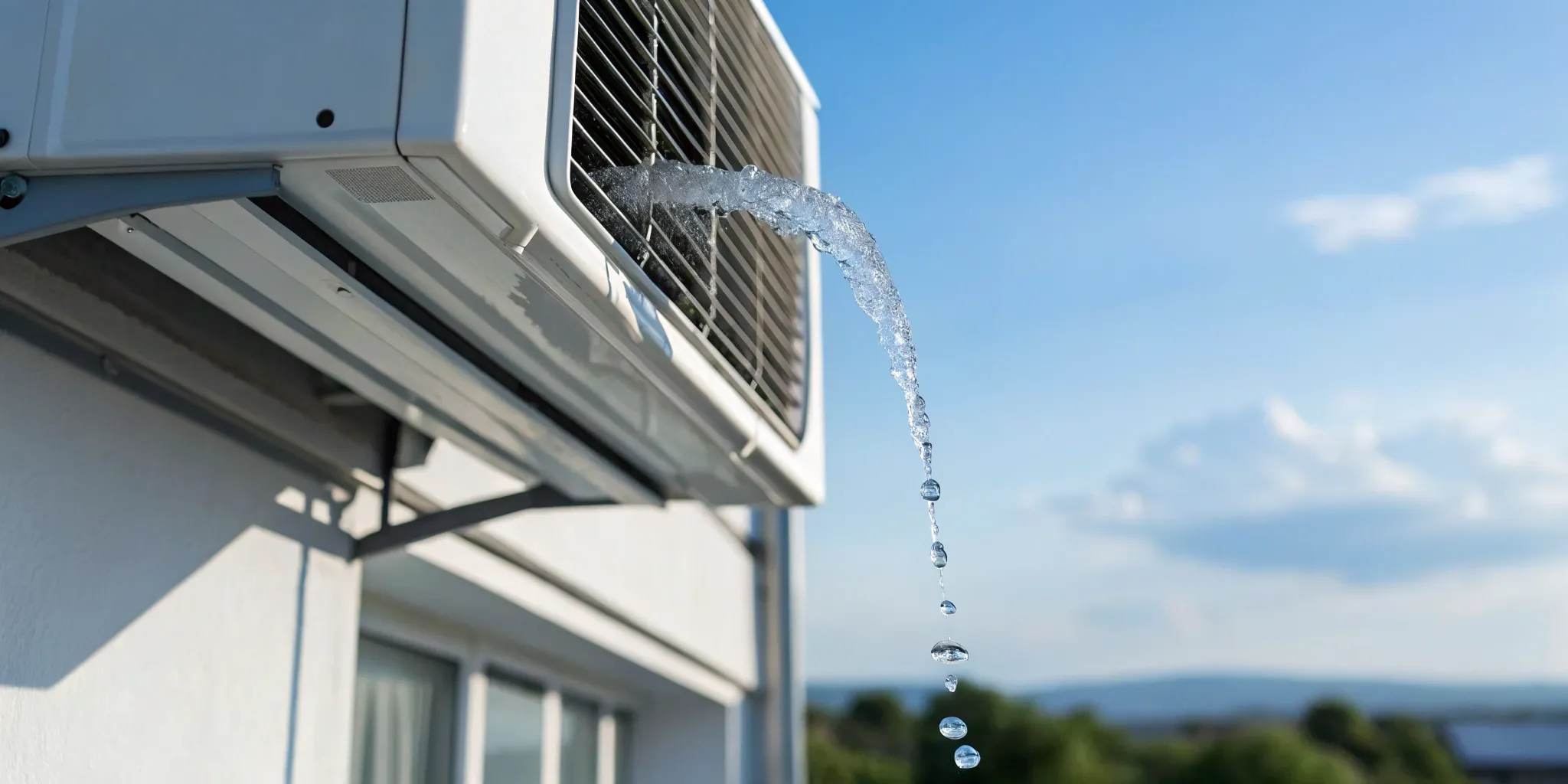
Is it normal to see water dripping from a pipe outside my house? Yes, that's completely normal and actually a good sign! That pipe is the condensate drain line, and its job is to carry away all the moisture your AC removes from your home's air. On a hot, humid Florida day, it's not unusual to see a steady drip or even a small stream of water coming from that line. It shows your system is effectively dehumidifying your home.
What's the first thing I should do if I find water leaking from my indoor AC unit? The very first step is to turn your air conditioner off at the thermostat. This will stop the cooling process and prevent it from producing more condensation that could add to the leak. After that, it's best to call a professional for repair. An overflowing drain pan can lead to significant water damage and potential mold growth if it's not addressed quickly.
Can I do anything to prevent my AC from leaking water in the future? Absolutely. The best defense is consistent maintenance. The most common cause of leaks is a clogged drain line, which can be prevented by having it flushed during a professional tune-up. You can also help by changing your air filter regularly. A dirty filter restricts airflow, which can cause the coils to freeze and then create a flood of water when they melt.
Why does my AC seem to produce so much more water on really humid days? Your observation is spot on. The amount of water your AC produces is directly related to the amount of moisture in the air. On those incredibly sticky Florida days, the air is saturated with humidity. Your air conditioner has to work much harder to pull all that extra moisture out, which results in a lot more condensation. It's just doing its job to make your home feel comfortable.