Emergency AC Repair: A Step-by-Step Guide
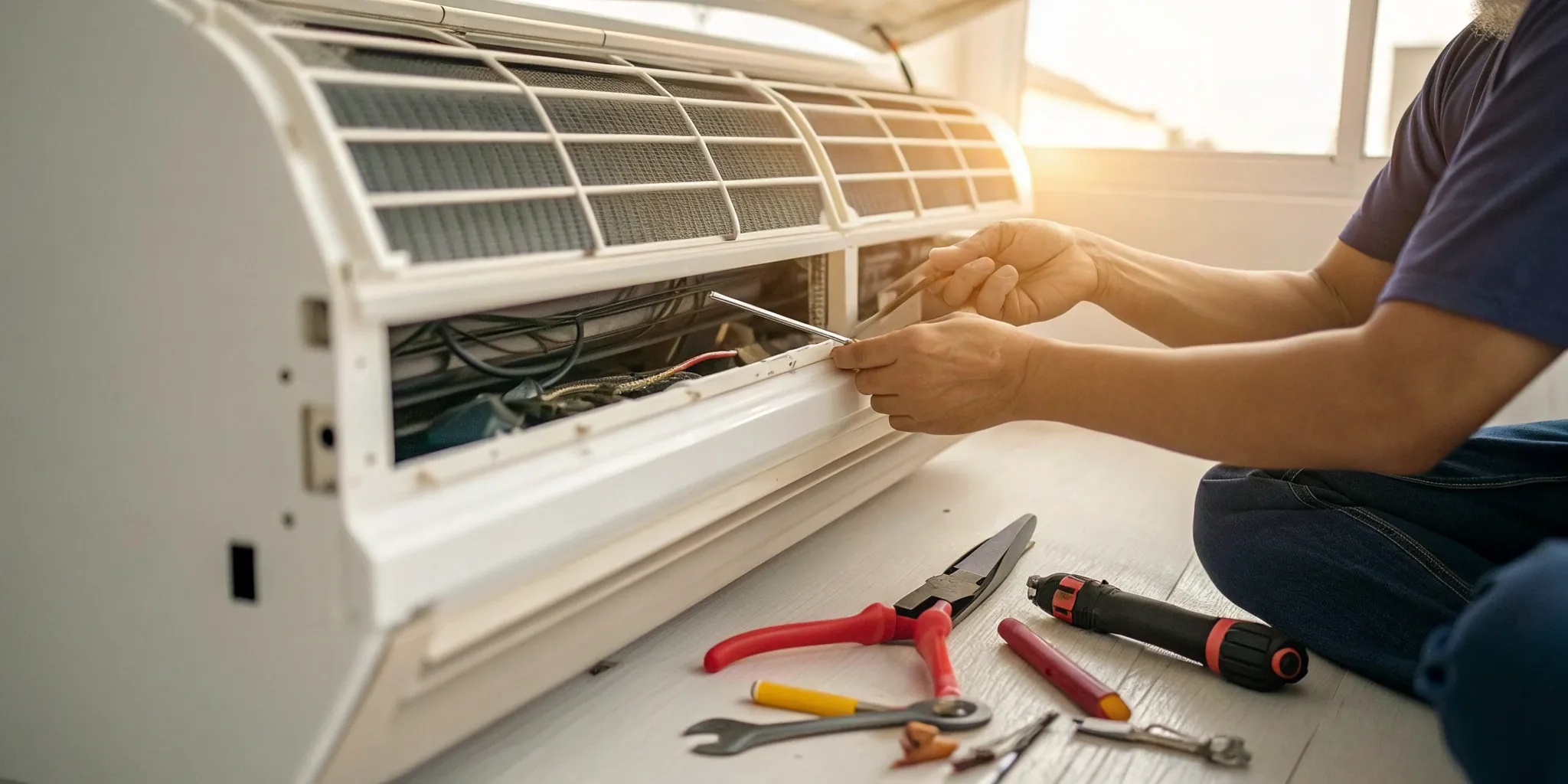
Is that strange rattling noise a minor quirk or a sign of impending doom for your AC? It can be tough to tell the difference between a small issue and a full-blown crisis. Many homeowners wait too long to call for help, hoping the problem will just go away. In Florida's climate, that's a risky gamble. A small problem can quickly escalate, leaving you with a much bigger, more expensive mess. This article will help you cut through the uncertainty. We’ll cover the clear warning signs that your system needs immediate help and explain what qualifies as a situation needing emergency ac repair.
Key Takeaways
- Act Fast on Critical Warning Signs: Don't ignore burning smells, major water leaks, or loud grinding noises. These are serious red flags that require you to shut down your system immediately and call for professional help to avoid dangerous situations like fires or severe property damage.
- Your First Steps When the AC Fails: Before panicking, turn the system off at the thermostat. Then, check for simple fixes like a tripped breaker or incorrect thermostat settings. If these quick checks don't restore your cooling, it's time to call a professional for a safe and accurate diagnosis.
- Invest in Prevention to Avoid Panic: The easiest emergency to handle is the one that never happens. Scheduling regular professional maintenance, changing your filters, and addressing small problems before they escalate are the most effective ways to ensure your AC stays reliable through the hottest days.
What Counts as a True AC Emergency?
It can be tough to know the difference between a minor annoyance and a genuine crisis when it comes to your air conditioner. While a little rattling or a slightly less-than-cool breeze might not require a middle-of-the-night call, some situations absolutely do. In the thick of a Florida summer, a failing AC isn't just about comfort; it's about safety. Knowing how to spot the signs of a true emergency will help you protect your home and family. If you experience any of the following issues, don't wait to get help. These problems can quickly go from bad to worse, leading to more extensive damage or creating unsafe living conditions.
System Failure in Extreme Heat
When the Florida heat is relentless, a complete AC breakdown is more than an inconvenience—it's a health hazard. An AC emergency is when your system stops working entirely during extreme heat, especially when temperatures climb over 90°F. This is particularly dangerous for households with young children, elderly family members, or anyone with health conditions. High indoor temperatures can lead to heat exhaustion or heatstroke. If your AC gives out during a heatwave and you can't get it running again, it's time to call for emergency AC services right away. Your safety is the top priority.
Electrical Issues or Burning Smells
Your sense of smell is one of your best tools for detecting a serious AC problem. If you notice any burning or electrical odors coming from your vents or the unit itself, treat it as a major red flag. These smells often point to an overheating motor, frayed wiring, or other dangerous electrical faults. Don't ignore them. The first thing you should do is turn your entire HVAC system off at the thermostat and the breaker box to prevent a potential fire. This is a situation that requires immediate professional attention from a licensed technician who can safely diagnose and handle the electrical problem.
Major Water Leaks
A bit of condensation around your AC unit is normal, but a puddle of water is not. If you discover a significant water leak coming from your indoor air handler, you have an urgent issue on your hands. This can be caused by a clogged condensate drain line or a broken condensate pump. Left unaddressed, the water can cause serious damage to your floors, walls, and ceilings, and create the perfect environment for mold growth. A major water leak is a clear sign that your system needs immediate repair to prevent costly property damage and protect your home's air quality.
Loud Grinding or Squealing Noises
Your air conditioner should operate with a consistent, low hum. If it suddenly starts making loud, alarming noises like grinding, squealing, or clanging, something is seriously wrong inside. These sounds often indicate that a component, like a motor bearing or a belt, has failed. Continuing to run the AC can cause a domino effect, destroying other parts of the system and leading to a much more expensive repair. Think of it like a strange noise in your car's engine—you pull over right away. Turn the system off immediately to prevent further damage and call a professional to investigate these serious mechanical issues.
Warning Signs Your AC Needs Help—Fast
Sometimes, an air conditioner doesn't just stop working out of the blue. It often gives you little hints that something is wrong before it fails completely. Learning to spot these warning signs can be the difference between a simple repair and a full-blown emergency in the middle of a Florida heatwave. If you notice any of the following issues, it’s time to pay close attention and likely call in a professional. Acting quickly can save you from a much bigger headache—and a much hotter home.
It's Running, But Not Cooling
There’s nothing more frustrating than feeling your AC kick on, only to realize the air blowing out of your vents is lukewarm or even warm. When your air conditioning system is running but not cooling your home, it points to a serious issue that needs immediate attention. This isn't something that will fix itself. The problem could be a refrigerant leak, a malfunctioning compressor, or another critical component failure. Don't just let it run and hope for the best; turn it off and call for a professional air conditioning repair to diagnose the root cause.
Strange Odors Coming From Vents
Your AC unit should never produce strong smells. A musty odor might just mean it's time for a cleaning, but other smells are a major red flag. Strange odors, such as burning or electrical smells, are very serious and need immediate attention. These scents can indicate that internal components are overheating or that there are dangerous electrical issues, which could pose a fire hazard. If you smell anything that reminds you of burning plastic or wires, turn your system off at the breaker and call for emergency air conditioning services right away.
The System Constantly Turns On and Off
Does your AC cycle on and off every few minutes? This is known as "short cycling," and it’s a clear sign of a problem. If your HVAC system is constantly turning on and off, it may be oversized for your space, low on refrigerant, or have a faulty thermostat. This constant starting and stopping puts excessive wear and tear on the compressor and other parts, leading to premature system failure and higher energy bills. A professional evaluation can determine why it's happening and prevent more extensive damage down the road.
Ice Is Forming on the Unit
Ice on your air conditioner is never a good sign, whether it’s on the indoor or outdoor unit. Ice forming on your air conditioning unit is a clear sign of an AC emergency. This usually happens because of restricted airflow (like a clogged filter) or low refrigerant levels, which causes the evaporator coils to get too cold and freeze the condensation. This ice buildup blocks airflow, making the problem even worse and potentially causing serious damage to the compressor. If you see ice, turn the system off to let it thaw and call a technician for help.
Your AC Failed: What to Do Right Now
That moment of silence when your AC unit gives out on a sweltering Florida day is one we all dread. The air gets heavy, the house starts to feel stuffy, and a little bit of panic sets in. Before you start worrying, take a deep breath. While a broken AC is definitely a problem, there are a few immediate, simple steps you can take to assess the situation and prevent further issues. Walking through these checks can sometimes reveal a simple fix, and if not, they’ll give you valuable information for when you call a professional. Here’s your action plan for what to do the moment your AC stops working.
First, Turn the System Off
Before you do anything else, head to your thermostat and turn the entire system off. This is the most important first step. If there’s an electrical issue or a mechanical failure happening inside the unit, letting it continue to run—or try to run—can cause more extensive and expensive damage. Think of it like pulling your car over when the engine starts making a strange noise. Turning it off protects the system from itself and is the safest way to begin troubleshooting what’s gone wrong. It’s a simple action that can save you a major headache later.
Check Your Breaker and Thermostat
Next, let’s look at two of the most common culprits for an AC shutdown. First, check your thermostat. Make sure it’s set to “cool” and the temperature is set lower than the current room temperature. It sounds basic, but you’d be surprised how often settings get accidentally changed. If the thermostat looks fine, head to your home’s circuit breaker panel. Find the breaker labeled for your AC or air handler. If it has tripped to the middle or “off” position, flip it firmly back to “on.” If it stays on, you might be back in business. However, if it trips again immediately, leave it off. This indicates a more serious electrical problem that requires emergency air conditioning services.
Clear Debris From the Outdoor Unit
If your system has power but still isn’t cooling, it’s time for a quick trip outside. Your outdoor AC unit, called the condenser, needs plenty of clear space to pull in air and release heat. Over time, things like leaves, grass clippings, dirt, and even overgrown shrubs can clog the fins and block airflow. Take a look around your unit. If you see a buildup of debris, carefully clear it away. You can gently brush it off or use a hose on a low-pressure setting to rinse the fins. Restoring proper airflow can sometimes be all it takes to get your system running efficiently again.
Call a Trusted Professional
If you’ve turned the system off and on, checked the basics, and cleared away debris with no luck, it’s time to call for help. Trying to diagnose and fix complex mechanical or electrical problems on your own can be dangerous and often leads to bigger issues. A licensed and insured technician has the tools and expertise to safely identify the root cause of the failure. When you need fast and honest air conditioning repair, reaching out to a trusted local company ensures the job is done right, getting your home cool and comfortable again as quickly as possible.
How to Choose a Trustworthy Emergency AC Service
When your air conditioner quits in the middle of a Florida heatwave, the last thing you want to do is spend hours vetting repair companies. Panic can lead to hasty decisions, but choosing the right team is crucial to getting the job done right without being overcharged. A trustworthy company will be transparent, responsive, and qualified to handle the job safely. Before you make that call, take a moment to look for a few key indicators of a reliable service provider. It’s the best way to turn a stressful situation around quickly and confidently. By focusing on qualifications, availability, pricing, and reputation, you can find a professional who will fix the problem, not create new ones.
Look for Licensed and Insured Technicians
This is non-negotiable. An HVAC company’s license is proof that its technicians have the training and knowledge to work on your system safely and correctly. It ensures they understand local codes and are qualified to perform high-quality work. Insurance is just as important—it protects you and your home from liability in case of an accident or property damage during the repair. A reputable company will always have fully licensed and insured technicians. Don’t be afraid to ask for proof of both before letting anyone start working on your AC unit. It’s a simple step that provides peace of mind and guarantees a certain standard of professionalism.
Confirm 24/7 Availability and Fast Response Times
An AC emergency doesn’t stick to a 9-to-5 schedule, and neither should your repair service. True emergency air conditioning services are available 24/7, including on weekends and holidays. When you call, you should be able to speak to a real person who can dispatch a technician promptly. Quick response times are essential not just for your comfort but also for preventing further damage to your system, which can lead to more expensive repairs down the line. A company that prioritizes your urgent needs will understand that a fast response can make all the difference in getting your home cool and comfortable again.
Ask for Transparent, Upfront Pricing
One of the biggest fears in an emergency is getting hit with a surprise bill. A trustworthy HVAC company will be transparent about its pricing from the start. While they may not be able to give you an exact total over the phone, they should explain their service call fees and diagnostic charges. Once the technician has assessed the problem, they should provide you with a clear, itemized quote for the repair before any work begins. This gives you the power to approve the costs without pressure. Honest companies focus on solutions, not on taking advantage of a stressful situation with hidden fees.
Check Local Reviews and Reputation
Before you hire a company, take a few minutes to see what your neighbors are saying about them. A quick search for local reviews on Google, Yelp, or the Better Business Bureau can tell you a lot about a company’s reliability, professionalism, and quality of work. Look for patterns in the feedback—do customers consistently praise their fast response times and fair pricing? Reading testimonials from past clients is one of the best ways to gauge what your experience will be like. A strong local reputation built on positive experiences is a clear sign that you’re choosing a company you can count on.
What to Expect During an Emergency Repair Visit
When your AC gives out, especially during a Florida heatwave, the last thing you want is more stress and uncertainty. It’s easy to feel helpless, but knowing what a professional service call should look like can help you feel more in control. A trustworthy technician won’t just show up and start tinkering; they’ll follow a clear, methodical process designed to get your system back up and running efficiently and safely. From the moment they arrive, their focus should be on diagnosing the problem correctly, explaining your options clearly, and treating your home with respect.
At 5 Star Air, we believe an emergency call should bring you peace of mind, not more questions. Our process is built on transparency and expertise, ensuring you know exactly what’s happening every step of the way. We’ve seen firsthand how a bad service experience can make a stressful situation worse, which is why we do things differently. When you call for our emergency air conditioning services, you can expect a structured, professional approach that prioritizes your comfort and safety above all else. Here’s a breakdown of what a high-quality emergency repair visit involves, so you know what to look for.
A Thorough System Diagnosis
The first thing a qualified technician will do is perform a complete diagnostic check of your AC system. This is much more than a quick glance. They’ll inspect the indoor and outdoor units, check electrical connections, test refrigerant levels, and examine the thermostat to pinpoint the exact source of the failure. Most emergency AC issues require a thorough inspection to identify the root cause, preventing a quick fix that fails a few days later. This careful approach ensures the right air conditioning repair is performed the first time, saving you from future headaches and expenses.
A Clear Explanation of Your Repair Options
Once the technician has identified the problem, they should sit down with you and explain their findings in simple, easy-to-understand terms. They’ll outline the available repair options, detailing the pros and cons of each without using confusing jargon or high-pressure sales tactics. A true professional empowers you to make an informed decision that fits your budget and your home’s needs. This conversation is a crucial part of the service, reflecting the company’s commitment to honesty and customer education. Our company values are built on this kind of transparent communication.
An Honest Timeline for Parts and Labor
After you’ve decided on a course of action, the technician should provide a clear and honest timeline for the repair. They’ll let you know how long the job will take and whether any special parts need to be ordered. If there’s a delay in getting a part, they should communicate that upfront so you know exactly what to expect. This transparency is key to managing the situation effectively. They should also provide a detailed, upfront price for the work, so there are no surprises on your final bill.
Temporary Cooling Solutions if Needed
In the sweltering Florida heat, going without AC for even a few hours can be unbearable, let alone a day or two while waiting for a part. A thoughtful HVAC company understands this and will be prepared to offer temporary solutions. This might include providing portable AC units to keep key areas of your home, like a bedroom or living room, cool and comfortable. This simple gesture shows that a company genuinely cares about your well-being and is committed to providing 5-star service from start to finish, even before the final repair is complete.
Common Myths About Emergency AC Repair
When your AC gives out during a Florida heatwave, panic can set in, and it’s easy to fall for some common misconceptions about emergency service. The last thing you need is bad information adding to your stress. Let's clear the air and debunk a few myths so you can make a confident decision when you need help the most. Understanding the truth about emergency repairs can save you time, money, and a lot of frustration.
Myth: Emergency Service Is Always Overpriced
I get it—the word "emergency" often sounds like "expensive." Many people worry that a late-night or weekend service call will come with a shocking price tag. While it’s true that after-hours service can cost more than a scheduled appointment, it’s not about price gouging. The higher rate reflects the immediate dispatch of a skilled technician outside of normal business hours. Think of it as an investment. Calling for an emergency AC repair right away can prevent a small issue from turning into a catastrophic failure, which would be far more costly to fix. A trustworthy company will always provide transparent, upfront pricing so you know exactly what to expect before any work begins.
Myth: You Can Safely DIY Most Emergency Repairs
With countless video tutorials online, it’s tempting to try and fix your AC yourself. For a simple filter change, that’s great. But when you’re facing an emergency, a DIY approach can be a recipe for disaster. Air conditioning systems are complex and contain high-voltage electrical components and chemical refrigerants. Attempting a repair without proper training and tools can lead to further damage, void your warranty, or even cause serious injury. A strange noise or a system that won't turn on often points to a deeper issue that only a professional can safely diagnose and resolve. It’s always smarter to leave these urgent fixes to a licensed and insured technician.
Myth: All AC Repair Companies Are the Same
This is one of the most dangerous myths out there. When you’re in a pinch, it’s easy to just call the first number you find, but not all HVAC companies are created equal. Some aren't equipped to handle emergencies, lack the right parts, or don’t have technicians on call 24/7. A truly reliable emergency service provider is fully licensed and insured, has a proven track record of fast response times, and has a strong local reputation. You want a team you can count on to show up quickly and do the job right. Checking customer testimonials and confirming a company’s credentials can make all the difference between a quick fix and a lingering headache.
How to Prevent an AC Emergency Before It Starts
The best way to handle an AC emergency is to stop it from ever happening. While you can’t prevent every possible issue, a little proactive care goes a long way in keeping your system reliable, especially when you need it most. Think of it as giving your AC a check-up before the marathon of a Florida summer. By staying ahead of potential problems, you can save yourself a lot of stress, time, and money, and keep your home comfortable all year round.
Schedule Regular Professional Maintenance
You wouldn't drive your car for thousands of miles without an oil change, and your AC system deserves the same attention. Scheduling routine air conditioning maintenance is the single most effective thing you can do to prevent major breakdowns. A professional technician can spot worn-out parts, clean critical components, and make small adjustments that keep your system running efficiently. Instead of waiting for a complete system failure, partnering with a trusted company for preventive care ensures your AC is always in top shape. This simple step extends its lifespan and helps keep your energy bills in check.
Replace Filters and Keep Your System Clean
This is one of the simplest yet most impactful tasks you can do yourself. A clogged air filter forces your AC to work much harder to pull in air, which strains the system, reduces cooling power, and drives up your energy costs. Check your filter every month and replace it at least every three months. You should also take a few minutes to inspect your outdoor unit. Keep the area clear of leaves, grass clippings, and other debris to ensure proper airflow. These small habits support better indoor air quality and prevent some of the most common causes of AC failure.
Address Small Problems Promptly
That strange rattling noise or a bit of water pooling near the indoor unit might seem minor, but they are often early warning signs of a bigger problem. Ignoring them is a gamble. What starts as a simple fix can quickly escalate into a catastrophic failure that leaves you without cooling on the hottest day of the year. If you notice anything out of the ordinary—unusual sounds, weak airflow, or frequent cycling—it’s time to call for an air conditioning repair. Addressing small issues right away is almost always less expensive and less disruptive than dealing with a full-blown emergency later.
Prepare Your System for Each Season
While our ACs in Florida work hard most of the year, they go into overdrive during the summer. Getting an AC tune-up every spring is the best way to prepare your system for the intense heat ahead. A seasonal check-up ensures that all components are ready for the heavy workload, preventing breakdowns when demand is at its peak. A technician will clean the coils, check refrigerant levels, and test electrical connections to make sure your unit is running safely and efficiently. This simple step helps your AC last longer and gives you peace of mind knowing it’s ready to handle the heat.
Repair or Replace? Knowing When It's Time for a New AC
When your AC fails during a Florida heatwave, the immediate goal is just to get cool air flowing again. The big question is whether a quick fix will do the trick or if it’s time for a bigger change. While an emergency repair might seem like the most affordable path, it can sometimes be a temporary patch on a much larger problem. Making the right call between repairing your current unit and investing in a new one can save you a lot of money and frustration down the road. Understanding a few key signs will help you decide when it’s time to say goodbye to your old system.
Your System Is Over 10-15 Years Old
Let's be honest: air conditioners in Florida work hard. While a system might be rated to last up to 15 years, the constant battle against heat and humidity means many don't make it that long. As a unit ages, its efficiency naturally declines, and the risk of a major breakdown increases. If your system is over a decade old, you might be pouring money into a machine that’s nearing the end of its useful life. Plus, many older models use R-22 refrigerant, which is being phased out and is now expensive and difficult to find. A qualified technician can perform a thorough inspection, but sinking hundreds into repairing an outdated system is often not the wisest investment when you could be putting that money toward a new, reliable air conditioning installation.
Repair Costs Are Piling Up
A good rule of thumb is the 50% rule: if the cost of a repair is half or more of the price of a new unit, replacement is almost always the smarter financial move. But it’s not just about one big repair. Think about how often you’ve had to call for service. Are you scheduling repairs every year? Those smaller bills add up quickly. If your AC technician has become a regular visitor, it’s a clear sign your system is struggling to keep up. Before you schedule another AC repair, take a moment to add up what you’ve spent over the last couple of years. You might find that you’re propping up a failing system when you could be investing in years of worry-free comfort.
Your Unit Has Become Unsafe or Inefficient
An aging air conditioner doesn’t just cost you in repairs; it can also hit your wallet through high energy bills and even pose risks to your health. If you’ve noticed your electricity costs creeping up every summer, your AC is likely losing efficiency and working much harder to cool your home. A new, energy-efficient model can significantly lower your monthly bills. More importantly, an old unit can become a safety concern. Issues like faulty wiring can create fire hazards, while dust and mold buildup in a deteriorating system can seriously compromise your home's indoor air quality. Your family’s comfort and well-being are paramount, and a system that can no longer operate safely or efficiently is a clear sign that it’s time for an upgrade.
Frequently Asked Questions
My AC is making a loud grinding noise. Should I turn it off immediately? Yes, absolutely. Loud, unusual noises like grinding, squealing, or clanging are your system’s way of screaming for help. These sounds often mean a mechanical part has failed, and letting the unit continue to run can cause a chain reaction of damage. The best thing you can do is go to your thermostat and shut the entire system off right away to prevent a more expensive breakdown.
Will I be charged a huge fee just for an after-hours call? It's a common worry, but a trustworthy company won't use your emergency as a chance to price gouge. While after-hours service often has a different rate to cover the technician's time, an honest company will be upfront about their service call fees when you book the appointment. They should also provide a clear, detailed quote for the actual repair before they begin any work, so you're never caught by surprise.
Is it safe to try and fix my AC myself during an emergency? While it's tempting to search for a quick fix online, most emergency AC issues are not safe DIY projects. Your system involves high-voltage electricity and chemical refrigerants that require professional handling. Attempting a repair without the right training and tools can lead to serious injury, void your warranty, or cause even more damage to the unit. It's always safer and more effective to call a licensed technician.
What's the single best thing I can do to prevent an AC emergency? Schedule regular, professional maintenance. Think of it as a yearly check-up for your air conditioner. During a tune-up, a technician can catch and fix small issues before they become major failures, clean essential components, and ensure your system is running efficiently. This simple habit is the most effective way to extend your AC's lifespan and avoid a sudden breakdown on the hottest day of the year.
My AC is over 10 years old. Is it still worth repairing? This is a tough call, but there are a few things to consider. If the repair cost is close to half the price of a new system, replacement is usually the smarter financial choice. You should also think about frequency. If you're constantly calling for repairs, those costs add up. An older unit is also less energy-efficient, meaning you're paying more on your utility bills each month. A new system can provide better reliability and long-term savings.