Fast AC Fix: A Homeowner's Troubleshooting Guide
Your air conditioner is pretty good at telling you when it needs help, but its language can be confusing. Is that strange rattling noise a sign of a catastrophic failure, or just a loose screw? Does a little water pooling near the indoor unit require an emergency call, or is it something you can handle? For most homeowners, the uncertainty is the most stressful part. This guide is designed to be your translator. We’ll help you diagnose the warning signs, from weak airflow to sudden spikes in your energy bill, so you can understand the severity of the issue and know when a fast AC fix is essential to prevent a small problem from becoming a major, expensive breakdown.
Key Takeaways
- Prioritize proactive maintenance: Simple actions like changing your air filter monthly and scheduling an annual professional tune-up can prevent most major breakdowns and keep your system running efficiently.
- Distinguish between DIY fixes and urgent problems: Always check your thermostat, air filter, and circuit breaker first for simple solutions; however, symptoms like ice buildup, loud noises, or water leaks are clear signs you need immediate professional help.
- Select a trustworthy emergency service: When you need urgent help, choose a company that offers 24/7 availability, transparent upfront pricing, and a service guarantee backed by licensed, insured technicians.
Common AC Problems That Need a Quick Fix
When your air conditioner starts acting up, it’s easy to feel a little stressed, especially in the Florida heat. Some issues are minor annoyances, while others are clear signs that your system needs immediate help. Knowing how to spot the difference can save you from a sweltering home and a costly breakdown. These common problems are your AC's way of telling you something is wrong. Ignoring them usually makes things worse, so it’s best to address them quickly. A fast response can often mean the difference between a simple fix and a full system replacement. If you notice any of these signs, it’s a good idea to investigate or call in a professional for an air conditioning repair.
Your AC is Blowing Warm Air
There’s nothing more frustrating than your AC running full blast but pushing out lukewarm air. When this happens, your first instinct might be to check the thermostat, which is a good start. But if the settings are correct, the problem is likely internal. This issue often points to a refrigerant leak or a problem with the compressor, which is the heart of your AC system. Low refrigerant means your AC can’t absorb heat from your home effectively. A failing compressor can’t circulate the refrigerant at all. Both are serious issues that won’t fix themselves and require a trained technician to diagnose and repair safely.
Hearing Strange Noises?
Your air conditioner should be relatively quiet, providing a gentle hum as it cools your home. If you start hearing loud or unusual sounds like grinding, squealing, or banging, it’s time to pay attention. Think of these noises as your AC’s cry for help. A grinding sound could signal a serious problem with the motor’s bearings, while a high-pitched squeal might indicate a worn-out belt. Banging or clanking often means a part has come loose inside the unit. Letting these sounds continue can lead to a catastrophic failure. Turning the system off and calling for a professional inspection is the safest move.
Airflow Feels Weak (or is Gone Completely)
If the air trickling from your vents feels more like a weak sigh than a cool breeze, you have an airflow problem. This is one of the most common AC issues, and it can have several causes. The simplest culprit is a dirty, clogged air filter that’s blocking air from passing through. If changing the filter doesn’t help, the issue could be more complex, like a failing blower motor or blocked ductwork. Weak airflow forces your system to work harder to cool your home, driving up energy bills and putting extra strain on components. It can also lead to poor indoor air quality as dust and debris build up.
Finding Water Leaks Near Your Unit
A puddle of water around your indoor AC unit is never a good sign. Your air conditioner naturally creates condensation as it cools the air, but this moisture is supposed to drain away safely through a dedicated line. If you see water pooling, it usually means the drain line is clogged with algae, dirt, or debris, causing it to back up. In some cases, it could also be a refrigerant leak, which can create ice that melts and drips. Either way, water leaks need immediate attention to prevent water damage to your floors, walls, and ceilings, as well as potential mold growth.
Your System Keeps Turning On and Off
Does your AC turn on for a few minutes, shut off, and then kick back on again shortly after? This constant on-and-off action is called short cycling, and it’s tough on your system and your wallet. It prevents your AC from properly dehumidifying your home and puts excessive wear and tear on the compressor. Short cycling can be caused by several things, including an oversized AC unit, a clogged air filter restricting airflow, or a faulty thermostat that’s misreading the room temperature. An electrical issue could also be to blame. It’s a problem that wastes energy and needs to be addressed to avoid a premature system failure.
Noticing Funky Smells?
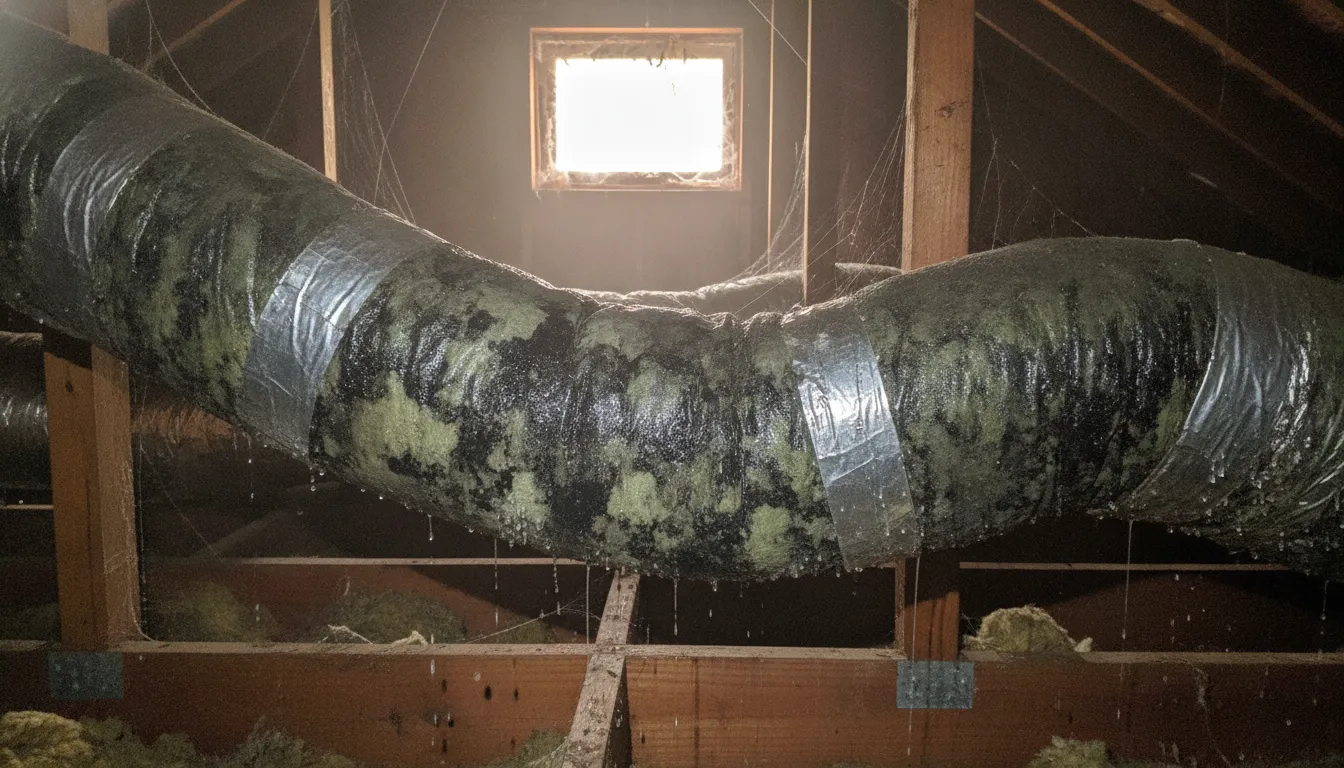
Your AC shouldn’t produce any noticeable odors. If you catch a whiff of something strange when it kicks on, don’t ignore it. A musty, dirty-sock smell often points to mold or mildew growing inside your unit or ductwork, which can be a health concern. A burning smell is more alarming and could indicate an electrical issue with the motor or wiring that poses a fire hazard. Chemical odors might signal a refrigerant leak. Identifying the source of the smell is key to ensuring your home is safe and your air is clean. A professional duct sanitization may be needed to clear things up.
Signs You Need an Urgent AC Repair
Some air conditioning problems are more than just minor annoyances; they're clear signals that your system needs immediate attention. Recognizing the signs of serious AC trouble early can help you get a fast fix and avoid the higher cost of a complete system replacement down the road. In the Florida heat, a failing AC isn't just uncomfortable, it's a real problem. If you notice any of these red flags, it’s time to call in a professional for an air conditioning repair before a small issue becomes a major headache.
Uneven Cooling in Your Home
Is your living room an icebox while your bedroom feels like a sauna? When your AC can’t cool your home consistently, it’s a sign that something is wrong. The problem could be as simple as a blocked vent, but it often points to a deeper issue. Your ductwork might be leaking conditioned air into the attic, or your system could be improperly sized or failing. If you’ve checked that all your vents are open and clear but still have hot spots, your system is struggling. A professional can diagnose whether it’s an airflow problem, a ductwork issue, or a sign that your unit is on its last legs.
Your Energy Bill Suddenly Spikes
Your utility bill is one of the best indicators of your AC’s health. If your cooling costs suddenly shoot up without a corresponding heatwave, your air conditioner is likely the culprit. This happens when the unit has to work much harder and run longer to keep your home cool, signaling a loss of efficiency. The cause could be anything from low refrigerant to a dirty condenser coil or a failing motor. Don’t just accept the higher cost. Treat that surprise bill as a warning that your system needs a professional inspection to find and fix the energy-draining problem.
You See Ice on Your AC Unit
Ice forming on your air conditioner is a definite sign of trouble. Whether it’s on the refrigerant lines or the coils of your indoor or outdoor unit, frost and ice mean your system isn't operating correctly. This is usually caused by restricted airflow (like from a clogged filter) or low refrigerant levels. While it might be tempting to just scrape the ice off, this won’t fix the underlying issue. The best thing to do is turn your AC off to let it thaw and call for emergency air conditioning services. An expert can find the source of the problem and prevent serious damage to your compressor.
Your AC Won't Turn On
This one is the most obvious, but it’s also the most urgent. If your air conditioner refuses to turn on at all, you’ll want help fast. After checking that your thermostat is set correctly and your circuit breaker hasn’t tripped, a non-responsive system points to a more significant failure. The issue could be a faulty thermostat, a tripped safety switch, a wiring problem, or a dead compressor. Trying to fix complex electrical components on your own is dangerous. When your system won’t power up, it’s time to put your safety first and call a trusted technician.
Quick DIY Fixes to Try Before You Call
When your AC stops working on a sweltering Florida day, it’s easy to assume the worst. But before you pick up the phone, take a deep breath. Sometimes, the solution is surprisingly simple and something you can handle yourself in just a few minutes. Running through a quick troubleshooting checklist can often get your cool air flowing again, saving you time and the cost of a service call.
Think of it as basic first aid for your air conditioner. These steps address the most common culprits behind AC issues, from simple setting errors to minor clogs. They are easy for any homeowner to check and don't require special tools or technical knowledge. By taking a few moments to investigate, you can rule out the simple stuff first. If you try these fixes and your system is still on the fritz, you’ll know it’s time to call in the pros for a more complex issue. But more often than not, one of these simple checks will do the trick. Let’s walk through a few things you can try right now before scheduling an emergency AC service.
Check Your Air Filter
This is always the best place to start. Your AC’s air filter is designed to trap dust and allergens, but when it gets too dirty, it can block airflow. This forces your system to work much harder to cool your home and can even cause it to overheat and shut down.
Find the filter, which is usually located in a slot near your indoor air handler or in a return air vent in a wall or ceiling. Slide it out and hold it up to the light. If you can’t see light through it, it’s time for a new one. Swapping out a clogged filter is an easy, inexpensive fix that can instantly improve your AC’s performance and is a key part of any AC maintenance routine.
Reset Your Thermostat
Sometimes the problem isn't with your AC unit at all, but with the device that controls it. First, make sure your thermostat is set to "cool" and the temperature is set lower than the current room temperature. It sounds obvious, but it’s a common oversight, especially if someone else in the house has adjusted the settings.
If the settings are correct, try changing the batteries if it’s a battery-powered model. Old batteries can cause the thermostat to malfunction. For a digital thermostat, you can also try a simple reset. Often, you can do this by turning the system off at the thermostat, waiting a few minutes, and then turning it back on. This can clear up minor electronic glitches and get things running smoothly again.
Clear Your Outdoor Unit
Your AC system has two main parts: an indoor unit and an outdoor unit. The outdoor unit, or condenser, needs plenty of space to release the heat it pulls from your home. Take a walk outside and check on it. Over time, leaves, grass clippings, and dirt can build up around the unit, restricting airflow and making it less efficient.
Clear away any debris, weeds, or branches within a two-foot radius of the unit. You can also gently rinse the exterior fins with a garden hose (don't use a pressure washer) to wash away any built-up grime. This simple cleanup helps your system breathe easier and cool more effectively.
Inspect the Circuit Breaker
If your air conditioner won’t turn on at all, it might have tripped its circuit breaker. Head to your home’s main electrical panel and look for the breaker labeled "AC," "Air Conditioner," or "HVAC." A tripped breaker will be in the "off" position or stuck in the middle.
To reset it, flip the switch completely to the "off" position and then back to "on." If the breaker trips again immediately, don't keep resetting it. This indicates a more serious electrical problem that requires a professional. In that case, it’s time to call for an AC repair to safely diagnose the issue.
Clean Your Vents and Registers
Weak airflow from your vents can make your home feel stuffy and warm, even if the AC is running. Do a quick tour of your house and check all the supply vents (the ones blowing air out). Make sure they are all open and not blocked by furniture, curtains, or rugs.
Closed or blocked vents can disrupt the airflow balance in your home, putting extra strain on your AC system. While you’re at it, you can use a vacuum with a brush attachment to clean any dust or pet hair off the vent covers. This ensures air can flow freely into every room, helping your system cool your home evenly and efficiently.
Unclog the Drain Line
Your AC doesn't just cool the air; it also removes humidity. This moisture is collected and funneled outside through a condensate drain line, which is usually a white PVC pipe. Over time, this line can get clogged with algae and sludge, causing water to back up. Many modern AC systems have a safety switch that will shut the unit off if it detects a clog to prevent water damage.
You can often clear a minor clog yourself using a wet/dry vacuum. Find where the drain line exits your home and use the vacuum to suck the blockage out. Keeping this line clear is a vital part of regular maintenance that helps your AC work better and last longer.
What to Look for in an Emergency AC Repair Service
When your air conditioner gives out, especially during a Florida heatwave, your first instinct is to call the first company you find. But taking a few minutes to choose the right service can save you from a lot of future headaches and expenses. A true emergency AC service isn't just about a quick fix; it's about getting a reliable, long-lasting repair from a team you can trust. Knowing what to look for will help you find a company that shows up fast, does the job right, and treats you fairly.
A 5-Star Service Guarantee
A company that stands behind its work will offer a strong satisfaction guarantee. This isn't just a marketing slogan; it's a promise that they are committed to high-quality service and will make things right if you're not completely happy. Look for a company that proudly displays its commitment to customer satisfaction. Reading through customer testimonials can give you a great sense of whether a company lives up to its promises. A service guarantee shows confidence and gives you peace of mind that you're working with true professionals who value their reputation.
24/7 Availability for True Emergencies
An AC unit never breaks down at a convenient time. It’s usually on the hottest night of the year or right before you have guests over for the weekend. That’s why you need a company that offers true emergency air conditioning services around the clock. When a company says they are available 24/7, it means you can get a real person on the phone who can dispatch a technician, no matter the hour. In our climate, a broken AC can quickly become a health and safety issue, so having access to immediate help is essential.
Fast Response Times and Quality Work
When your home is getting hotter by the minute, you need a team that understands the urgency. Look for a company that prioritizes fast response times and can get a technician to your door quickly. But speed alone isn't enough. The quality of the work is just as important. A great emergency service will not only arrive promptly but will also have the expertise and tools to diagnose the problem accurately and perform a durable air conditioning repair. You want a fix that lasts, not a temporary patch that will fail again in a few weeks.
Honest, Upfront Pricing
The last thing you need during a stressful AC breakdown is a surprise bill. A trustworthy HVAC company will always provide honest and transparent pricing before any work begins. They should be able to explain the costs clearly, so you know exactly what you're paying for. Avoid any company that is vague about pricing or pressures you into a decision. Having clear, upfront costs helps you make an informed choice and builds trust. If the unexpected repair cost is a concern, some companies also offer flexible financing options to help manage the expense.
Licensed Techs and a Solid Warranty
You should never let an unlicensed technician work on your HVAC system. Ensure the company you choose employs fully licensed and insured professionals. This protects you and guarantees that the person working on your unit has the proper training and expertise to do the job safely and correctly. Furthermore, a reputable company will offer a solid warranty on both parts and labor. A good warranty is a sign that the company is confident in their work and is committed to providing a lasting solution for your home.
What to Expect for Emergency AC Repair Costs
Let’s talk about one of the biggest worries when your AC dies: the cost. An unexpected repair bill is never fun, but knowing what goes into the pricing can help you feel more in control. At 5 Star Air, we believe in total transparency, so we want to walk you through the typical costs associated with an emergency service call. This way, you know exactly what to expect and can make the best decision for your home and your budget, without any high-pressure sales tactics.
Understanding Emergency Service Fees
When you call for an emergency AC service, especially after normal business hours or on a weekend, there’s usually a higher initial fee. Think of it as a dispatch or call-out charge that covers getting a certified technician to your door immediately. This fee can vary, but it’s designed to cover the premium cost of having professionals on standby 24/7. While some companies add hefty surcharges for nights or holidays, we focus on providing clear, upfront costs so there are no surprises when you get the bill. The goal is to get your system running, not to catch you off guard with hidden fees.
Flat-Rate vs. Hourly Pricing
You’ll find that HVAC companies use two main pricing models: hourly and flat-rate. An hourly rate can seem appealing, but costs can quickly add up if a repair takes longer than expected. We prefer a flat-rate, upfront pricing model. This means that after we diagnose the problem, we give you the total cost for the repair before any work begins. You approve the price, and that’s what you pay, period. This approach protects you from unpredictable costs and aligns with our commitment to honest, transparent service. It ensures you know the full financial picture from the start.
What Influences the Final Cost?
Several things can affect the final price of your emergency repair. The complexity of the issue is the biggest factor. A simple capacitor replacement will cost much less than fixing a refrigerant leak or replacing a compressor motor. The specific parts needed and their availability also play a role. A good rule of thumb to consider is if the repair cost is more than half the price of a new system, it might be more economical to consider an AC replacement. Our technicians will always give you a straightforward assessment and help you weigh the pros and cons of repairing versus replacing.
Flexible Financing for Unexpected Repairs
We know that a sudden AC breakdown is an unplanned expense. While your homeowner's insurance might cover damage from a specific event like a storm, it typically doesn’t cover failures from normal wear and tear. To help manage the cost, we offer flexible financing options. This allows you to get the immediate repairs you need to stay comfortable without having to pay the full amount all at once. Our goal is to make a stressful situation easier by providing practical solutions that fit your budget, so you can get back to enjoying your cool, comfortable home.
How to Prevent Future AC Emergencies
An AC emergency is the last thing any Florida homeowner wants to deal with. The good news is that you can often prevent a total system meltdown with a little proactive care. Staying ahead of potential problems not only saves you from a sweltering house but also helps you avoid the stress and cost of an unexpected repair. By building a few simple habits and knowing what to look for, you can keep your air conditioner running smoothly all year long.
Simple Monthly Maintenance
One of the easiest and most effective things you can do for your AC is to check the air filter every month. Think of the filter as your system’s lungs; it traps dust, pollen, and other particles. When it gets clogged, your AC has to work much harder to pull in air, which wastes energy and puts a strain on the whole system. A dirty filter can lead to poor cooling and even cause the unit to freeze up.
Making this a habit is simple. Set a monthly reminder on your phone to inspect the filter and replace it if it looks dirty. This small step can significantly improve your system's efficiency and your home’s indoor air quality.
Schedule Annual Professional Tune-Ups
While monthly filter checks are great, your AC also needs a professional check-up once a year. An annual tune-up is like a wellness visit for your cooling system. A trained technician can clean the internal components, check refrigerant levels, test electrical connections, and catch small issues before they turn into major, expensive breakdowns.
Scheduling regular air conditioning maintenance not only helps your system last longer but also keeps it running at peak efficiency, which can lower your energy bills. Plus, many manufacturer warranties require proof of annual service to remain valid. The best time to schedule a tune-up is in the spring, right before the summer heat kicks in.
Prepare Your System for Each Season
In Florida, our cooling season is practically year-round, but it’s still important to give your outdoor unit some attention. The condenser unit outside is responsible for releasing heat from your home, and it can’t do its job if it’s covered in dirt, leaves, or grass clippings. Over time, this buildup forces your system to work harder and can lead to overheating.
Take a few minutes every month or so to clear away any debris from around the unit. Trim back bushes, weeds, or branches to give it at least two feet of clearance on all sides. You can also gently rinse the fins with a garden hose to wash away dirt. This simple cleaning helps prevent the need for a premature air conditioning repair.
Know the Early Warning Signs
Your air conditioner will usually give you hints that something is wrong before it shuts down completely. Learning to spot these early warning signs can save you from a full-blown crisis. Pay attention if you notice warm air coming from the vents, weak airflow, or strange noises like grinding or squealing.
Other red flags include musty smells, a sudden spike in your energy bills, or excess humidity in your home. If you see any water or refrigerant leaking around the unit, it’s a clear sign you need professional help. Don’t ignore these symptoms; they are your system’s way of asking for help. Catching them early can prevent a minor issue from becoming one of our emergency air conditioning services.
Related Articles
- 5 Signs Your AC Needs Repair
- AC Repair Services
- AC Services
- HVAC Tips & Insights Blog - Expert Advice from 5 Star Air
- HVAC Services in Southwest Florida - AC Repair, Installation & Maintenance | 5 Star Air
Frequently Asked Questions
How often should I really change my air filter in Florida? Because we run our air conditioners so frequently here in Florida, a good rule of thumb is to check your filter every 30 days. If you have pets, allergies, or live in a dustier area, you will likely need to replace it monthly. For others, you might be able to go up to 90 days. A clean filter is the easiest way to keep your system running efficiently and prevent unnecessary strain.
My AC is old. When is it better to replace it instead of paying for another repair? This is a common dilemma, and the answer often comes down to cost and reliability. A helpful guideline is the 50% rule: if a repair costs more than half the price of a new system, replacement is usually the smarter financial choice. You should also consider replacement if your unit is over 10-12 years old, needs frequent repairs, or is causing your energy bills to climb steadily.
Is it okay to just let the ice on my AC unit melt on its own? While the ice will eventually melt, simply letting it thaw doesn't fix the root cause of the problem. Ice on your AC is a clear sign of an issue, like restricted airflow or low refrigerant, that can cause serious damage to the compressor if ignored. The best course of action is to turn the system off to prevent further damage and call a professional to diagnose and fix the underlying problem correctly.
What's the difference between a regular repair and an emergency service call? A regular repair is scheduled during normal business hours for issues that are not urgent. An emergency service call is for those critical situations that happen outside of those hours, like on a weekend or in the middle of the night, when you need immediate help. Emergency services ensure a technician is available 24/7 to get your system back up and running as quickly as possible.
Can professional maintenance really prevent all AC emergencies? While annual maintenance can't guarantee you'll never have an issue, it is the single best way to prevent the most common and costly breakdowns. A professional tune-up allows a technician to clean essential parts, fix minor problems before they escalate, and ensure your system is running safely and efficiently. Think of it as proactive care that significantly reduces your risk of a sudden failure on the hottest day of the year.