Home HVAC System Replacement Cost: A Full Guide
In Southwest Florida, our air conditioners don't just keep us comfortable—they work overtime for most of the year. This constant battle against heat and humidity means that when it's time for a replacement, we need a system that’s up to the task. National averages for HVAC costs can be misleading because they don’t account for our unique climate. The true home HVAC system replacement cost for a Florida homeowner depends on choosing a unit that can handle our specific demands efficiently. This article will break down the costs you can expect right here in our area, explaining the factors that matter most in our region so you can make an informed choice.
Key Takeaways
- Understand What Shapes Your Quote: The final cost of an HVAC system goes beyond the unit itself. Factors like your home's size, the system's energy efficiency (SEER rating), and the condition of your ductwork all play a major role in the total price.
- Use the "Rule of 5000" to Decide: To weigh a repair against a replacement, multiply the repair cost by your AC's age. If the number is over $5,000, investing in a new system is often the more sensible long-term financial decision.
- Prioritize a Quality Installation Over the Lowest Bid: The contractor you hire is just as critical as the equipment you choose. A proper installation by a licensed, insured professional is the key to your new system's performance and lifespan.
How Much Does a New HVAC System Cost?
Let’s get straight to the point: replacing your HVAC system is a major home investment. You’re likely wondering what to budget, and the honest answer is, it varies. Nationally, a full system replacement can range anywhere from $5,000 to over $30,000. More specifically, recent homeowner data shows the average cost to replace an HVAC system falls between $11,590 and $14,100.
That’s a big range, right? That’s because the final price tag depends on a few key things: the type of system you choose, the size of your home, and even where you live in Florida. Think of it like buying a car—a basic sedan won’t cost the same as a luxury SUV, and the final price changes based on the features you add. An air conditioning installation is no different. Understanding what goes into the cost will help you feel confident when you start getting quotes. Below, we’ll break down the main factors that will shape your final estimate.
Breaking Down Costs by System Type
The kind of HVAC system you install is one of the biggest factors in the overall cost. Are you looking for a standard central air conditioner and furnace combo, or a more energy-efficient heat pump? Each has a different price point. For a smaller home, a complete, straightforward HVAC replacement could start around $5,000, but this depends heavily on the equipment you select. High-efficiency models or systems with advanced features will naturally cost more upfront but can save you money on energy bills down the road. The key is to match the system type to your home’s needs and your long-term budget.
Factoring in Your Home's Size
It makes sense that a larger home requires a more powerful—and more expensive—HVAC system to keep it cool. The size of your unit, measured in tons, is determined by your home’s square footage. An undersized unit will struggle to cool your space, while an oversized one will cycle on and off too frequently, wasting energy. For example, installing a new AC and furnace for a 2,000 to 2,500-square-foot home typically costs around $13,430. If you have a home closer to 3,000 square feet or more, you can expect that cost to climb into the $15,000 to $20,000+ range.
How Location in Florida Affects the Price
Where you live plays a surprisingly large role in your replacement cost. Labor rates can differ from one part of Florida to another, which directly impacts the installation price. In Southwest Florida, our long, hot, and humid summers also mean you need a system that’s built to handle a heavy workload. This might influence the type and efficiency rating of the unit you choose. While national averages provide a good starting point, the only way to get a true sense of cost is to get an estimate from a local contractor who understands the specific demands of our climate and can provide an accurate quote based on regional labor and equipment pricing.
What Factors Influence the Final Cost?
When you get a quote for a new HVAC system, you're looking at more than just the price of the unit itself. Several key factors come together to determine the final number on your estimate. Think of it like a recipe—the main ingredient is the AC unit, but the final dish depends on everything else you add. Understanding these components helps you see exactly where your money is going and why one quote might look different from another. It’s all about finding the right fit for your home, your budget, and your comfort.
An honest quote should be a transparent breakdown of all these elements, not just a single number pulled out of thin air. This is why a quick phone estimate is often inaccurate; a true professional needs to see your home to assess the situation properly. From the size and efficiency of the system to the condition of your existing ductwork, each element plays a crucial role in the overall scope of the project. Let's walk through the main factors that influence the total cost of an air conditioning installation, so you can feel confident when reviewing your options.
System Size and Capacity
Choosing the right size AC unit is critical, and it’s not as simple as picking the biggest one you can afford. In the HVAC world, "size" is measured in tons, which refers to the system's cooling capacity. A unit that's too small will struggle to cool your home on a hot Florida day, running constantly and driving up your energy bills. On the other hand, a unit that's too large will cool your home too quickly, leading to short, frequent cycles. This prevents it from properly dehumidifying the air, leaving you with that cold, clammy feeling. A professional technician will perform a detailed calculation to determine the perfect size for your home’s specific needs, ensuring optimal performance and efficiency.
Energy Efficiency (SEER Rating)
Every air conditioner comes with a Seasonal Energy Efficiency Ratio (SEER) rating. In simple terms, the higher the SEER rating, the less energy the unit uses to cool your home. While a system with a higher SEER rating typically has a higher upfront cost, it can lead to significant savings on your monthly electricity bills over the life of the unit. Think of it as an investment in your home's long-term energy costs. We can help you compare different models and find a system that balances initial cost with long-term savings. Our commitment to honest service means we'll always recommend what's truly best for your home and budget, without any sales pressure.
Your Home's Layout and Installation Needs
No two homes are exactly alike, and the unique layout of your property will influence the installation cost. Factors like the location of the indoor and outdoor units, the complexity of running refrigerant lines, and whether any structural modifications are needed can all affect the final price. A multi-story home, for example, might require more labor and materials than a single-story ranch. This is why a thorough, in-home assessment is so important. It allows a technician to see the full picture and provide an accurate quote that accounts for the specific requirements of your home, avoiding any surprises down the road.
The State of Your Ductwork
Your ductwork is the circulatory system for your HVAC, carrying cool air to every room in your house. If your ducts are old, leaky, or poorly designed, even the most efficient new AC unit won't perform at its best. It’s like trying to fill a leaky bucket—you’re just wasting energy and cool air. During an inspection, a technician will assess the condition of your ducts. If they need repairs or replacement, it’s a wise investment to make during the installation process. Properly sealed and sized ductwork ensures your new system operates at peak efficiency, delivering comfort where you need it most and improving your indoor air quality.
Time of Year and Labor Rates
Just like with any service, supply and demand can play a role in HVAC replacement costs. Scheduling an installation during the milder spring or fall months might offer more flexibility and potentially better pricing than during the peak of summer when demand is highest. Labor rates also vary by location, reflecting the local cost of living and business operations. As a locally owned company, we understand the Southwest Florida market and are committed to providing fair, transparent pricing year-round. Whether it's a planned replacement or you need emergency service on the hottest day of the year, you can count on us for honest work.
Should You Repair or Replace Your HVAC?
Deciding whether to fix your struggling air conditioner or invest in a new one is a tough call, especially when you’re sweating it out in the Florida heat. It’s a big financial decision, and you want to make the right choice for your home and your wallet. Let’s walk through a few key factors that can help you figure out the best path forward.
Using the "Rule of 5000" to Decide
Here’s a handy little math trick to give you some clarity: the "Rule of 5000." It’s a simple way to weigh the cost of a repair against the age of your unit. Just multiply the repair cost by your AC unit's age in years. If the total is more than $5,000, it’s a strong sign that an air conditioning installation and replacement is the more sensible long-term investment. If the number is less than $5,000, a repair might still be a perfectly good option to get a few more years out of your system.
Consider Your System's Age
How old is your current HVAC system? Most air conditioners are built to last about 10 to 15 years, especially in a place like Florida where they work overtime. If your unit is creeping up on or has passed the 10-year mark, you’re entering the replacement zone. An older system is not only more likely to break down (probably on the hottest day of the year), but it’s also significantly less efficient than modern units. Continuing to pour money into an aging system often means you’re just delaying the inevitable.
How Often Are You Calling for Repairs?
Is your AC technician becoming a regular visitor? If you’re facing one repair after another, those costs can add up fast. A single fix might seem manageable, but if you’re scheduling an air conditioning repair every season, you’re likely throwing good money after bad. Think of it this way: if your system is over 15 years old and a major part fails, replacing just that one component can trigger a domino effect. Soon enough, another old part gives out, and you’re back to square one. It’s often more cost-effective to replace the entire system at once.
Comparing Your Old Unit's Efficiency to a New One
Your old AC unit might still be running, but at what cost? HVAC technology has come a long way, and today’s systems are much more energy-efficient. This efficiency is measured by a SEER (Seasonal Energy Efficiency Ratio) rating—the higher, the better. While a high-efficiency system has a higher upfront cost, it can lead to significant savings on your monthly energy bills. Over time, those savings can help the new system pay for itself. Plus, a more efficient unit means you’re using less energy, which is always a good thing.
Warning Signs You Need a New HVAC System
Your HVAC system is the heart of your home’s comfort, but it won’t last forever. Before it gives out completely—usually on the hottest day of the year—it will often send out warning signals. Paying attention to these clues can save you from a sweaty, stressful emergency and help you plan for a replacement on your own terms. If you notice one or more of these signs, it’s probably time to start thinking about a new system. Ignoring them can lead to higher bills, poor air quality, and eventually, a total system failure.
An aging system doesn't just struggle to keep you cool; it can also become a drain on your wallet and a source of constant frustration. From strange noises to inconsistent temperatures, these symptoms are your system’s way of telling you it’s nearing the end of its life. Recognizing them early gives you the power to act proactively. Instead of waiting for a breakdown, you can explore modern, high-efficiency options that will provide reliable comfort for years to come. A professional assessment can confirm your suspicions and give you a clear path forward for an air conditioning installation and replacement.
Your Energy Bills Keep Climbing
If your monthly energy bill is starting to look more like a car payment, your old AC unit is likely the culprit. As HVAC systems age, they lose efficiency and have to work much harder to cool your home. This extra effort translates directly into higher energy consumption. While a new system is a significant investment, newer models with high SEER ratings are incredibly efficient and can lead to substantial long-term savings. Think of it this way: you’re already spending the money, but right now it’s just going toward an inefficient, aging unit instead of a reliable new one.
Your System Breaks Down... Again
Are you on a first-name basis with your AC repair technician? Frequent breakdowns are a clear sign that your system is on its last legs. While a single repair on a younger unit makes sense, pouring money into an old system that needs constant attention is a losing game. If you find yourself calling for air conditioning repair season after season, it’s time to weigh those cumulative costs against the price of a new unit. A system that is over 10-15 years old and requires frequent, expensive repairs is telling you it’s ready for retirement.
Some Rooms Are Hot, Others Are Cold
Having one room that feels like a sauna while another feels like a meat locker is a classic sign of an HVAC system that can no longer keep up. This often happens when a unit is improperly sized for the home or has lost the capacity to distribute air evenly. A proper assessment involves more than just square footage; it requires a calculation of your home's "heat loss" to determine the right size. Uneven temperatures mean your system is failing to provide whole-home comfort, and a new, correctly sized unit is often the only permanent solution to restore balance.
Weird Noises, Smells, or Dust
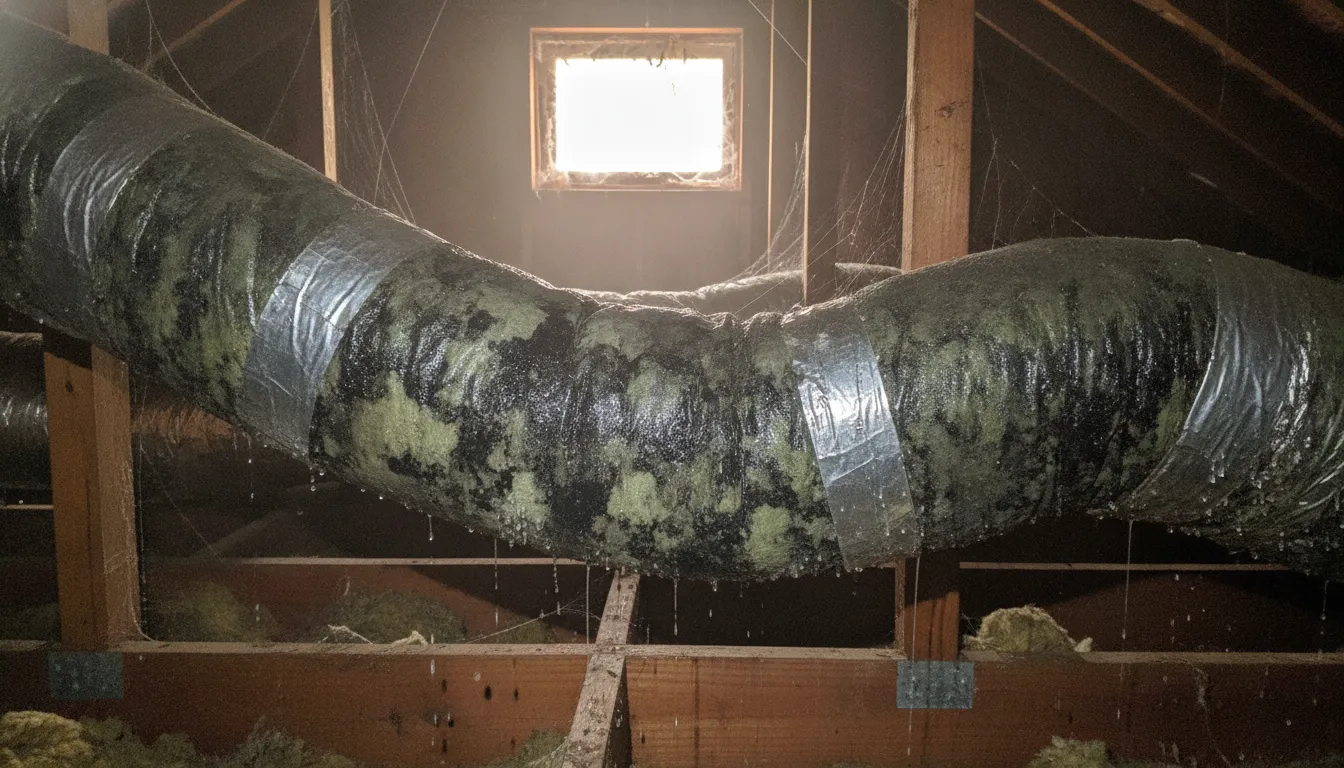
Your HVAC system should operate quietly in the background. If you’ve started noticing loud grinding, squealing, or banging noises, it’s a major red flag that internal components are failing. Similarly, persistent musty or burning smells can indicate mold growth in your ducts or serious electrical issues. A sudden increase in dust around your home also suggests your system and ductwork are no longer filtering the air effectively. These sensory warnings shouldn't be ignored, as they often point to problems that affect your home’s indoor air quality and safety.
What Are Your HVAC Options (and What Do They Cost)?
Once you’ve decided to replace your system, the next step is choosing the right type for your home. In Florida, we have a few great options that work well with our climate. The final price tag depends on the system you choose, your home’s size, and the complexity of the installation. Here’s a look at the most common systems and what you can generally expect to invest.
Central Air Conditioning
This is the system most of us are familiar with. A central AC unit cools air at one central point and distributes it through your home using a series of ducts. It’s a powerful and effective way to cool an entire house evenly. For a complete new HVAC system, which includes the central air unit and installation labor, homeowners typically spend between $11,590 and $14,100. While it’s a significant investment, it’s the go-to solution for most single-family homes in Florida, providing reliable comfort during our long, hot summers. Our team can help you find the right size and efficiency rating for your specific needs.
Heat Pumps
Don’t let the name fool you; heat pumps are fantastic for cooling, too. They work by moving heat, either pulling it out of your home to cool it down or pulling ambient heat from outside to warm it up. Because they transfer heat rather than generating it, they are incredibly energy-efficient, especially in our mild Florida winters. The installation cost for heat pumps usually falls between $4,200 and $7,600. This makes them an attractive, all-in-one solution for year-round comfort without needing a separate furnace.
Ductless Mini-Splits
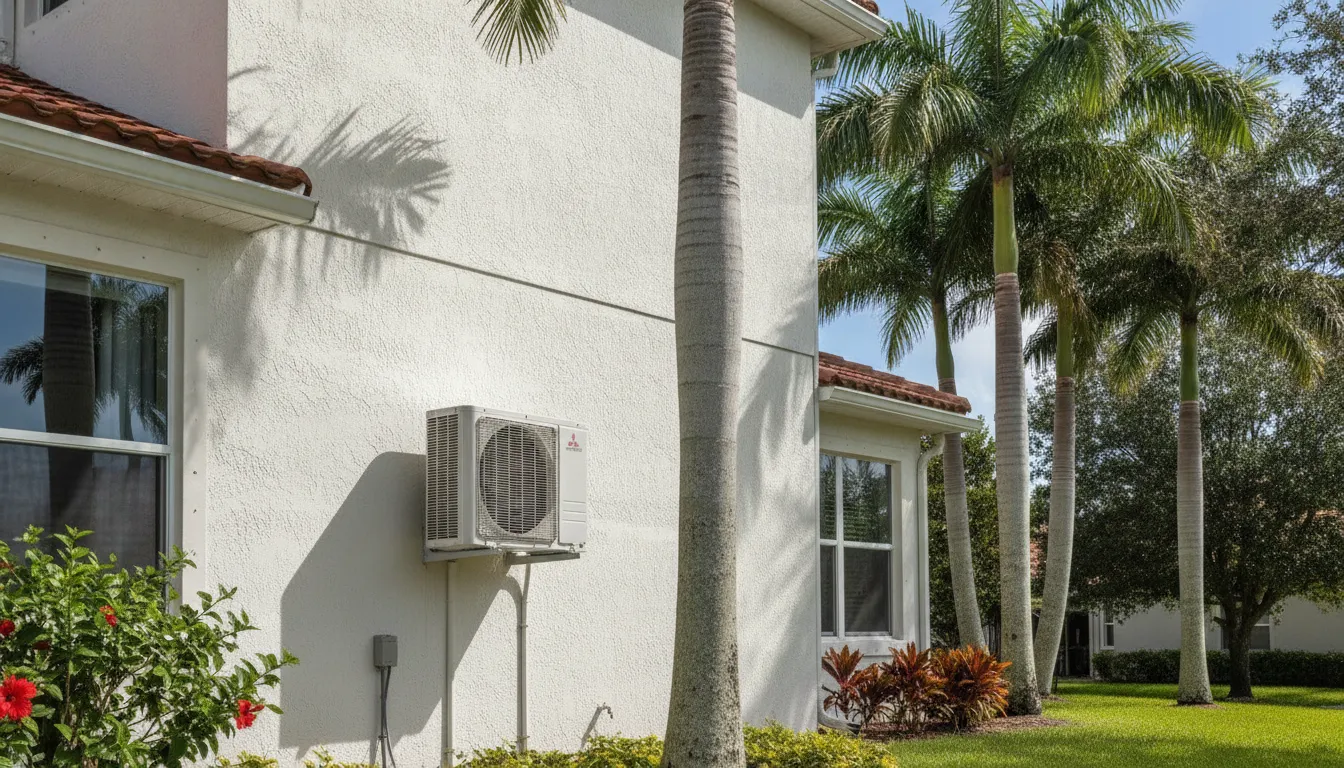
If you have an older home without ductwork, or if you’re looking to cool a specific area like a garage, addition, or sunroom, a ductless mini-split is an excellent choice. These systems have an outdoor compressor connected to one or more indoor air-handling units. Each indoor unit can be controlled independently, giving you zoned cooling where you need it most. Ductless split systems are known for their efficiency and flexibility, with installation costs typically ranging from $2,142 to $3,936 per unit. They’re a great way to solve tricky cooling challenges without a major renovation.
High-Efficiency and Hybrid Systems
Investing in a high-efficiency system is like choosing a car with great gas mileage—it costs more upfront but saves you money every month. These systems have a high Seasonal Energy Efficiency Ratio (SEER), meaning they use less energy to cool your home. While the initial air conditioning installation cost is higher, the long-term savings on your electricity bills can be substantial. A hybrid system pairs an electric heat pump with a gas furnace, automatically switching between the two to use the most cost-effective fuel source. This is a smart way to get maximum efficiency and comfort all year.
What Other Costs Should You Expect?
When you get a quote for a new HVAC system, the price of the unit itself is the main event. But it’s rarely the only line item on the final bill. Think of it like buying a car—the sticker price is just the starting point. Several other factors can influence the total cost of your installation, and it’s smart to know what they are so you can budget accordingly. A trustworthy contractor will walk you through these potential expenses from the start, ensuring there are no surprises.
From local permits to necessary upgrades for your home's existing infrastructure, these additional costs are often essential for a safe and efficient installation. For example, your old ductwork might not be compatible with a new, high-efficiency system, or your electrical panel might need an update to handle the new unit's power requirements. Understanding these possibilities helps you create a realistic budget and ask the right questions when you get an estimate. Let's break down the most common costs you might encounter beyond the HVAC unit itself.
Permits and Inspections
Before any work begins, your HVAC installation needs a green light from your local municipality. This comes in the form of a permit. While it might seem like just another fee, permits are actually for your protection. They ensure the installation is performed correctly and meets Florida's strict building codes for safety and energy efficiency. The cost of the permit and the subsequent inspection varies by location, but it’s a non-negotiable part of the process. A professional company will handle all the paperwork and scheduling for you, rolling the cost into your overall quote for a seamless experience.
Potential Electrical Upgrades
Modern air conditioners are powerhouses of efficiency, but they can have different electrical needs than the 15-year-old unit you’re replacing. If you live in an older home, your electrical panel might not be equipped to handle the demands of a new system. An electrician may need to install a new circuit or upgrade your panel to ensure everything runs safely and effectively. A thorough in-home assessment before installation will identify if any electrical work is needed, so you’ll know about this potential cost well in advance.
Fixing or Replacing Ductwork
Your ducts are the highways that carry cool air throughout your home. If those highways are leaky, poorly designed, or clogged, even the most efficient AC unit will struggle. Minor leaks can often be sealed, but older or damaged ductwork might need a complete replacement to get the most out of your new system. While adding new ductwork increases the project's cost, it’s a crucial investment. It ensures you aren't losing precious cool air in your attic and that your new system can perform at its peak efficiency from day one.
Thermostats and Other Smart Controls
Pairing your new HVAC system with a new thermostat is always a good idea, and upgrading to a smart thermostat is even better. While it adds a small amount to the initial cost, the long-term benefits are significant. Smart thermostats learn your cooling habits, allow you to adjust the temperature from your phone, and can improve energy efficiency by optimizing your system's runtime. This isn't just about convenience; it's about giving you more control over your comfort and your monthly energy bills. It’s a small upgrade that makes a big difference in how you interact with your home's climate.
How Can You Finance Your New HVAC System?
Let’s be honest, a new HVAC system is a major purchase. Seeing the final price tag can be intimidating, but the good news is you don’t have to pay for it all at once. A new, efficient system is an investment in your home's comfort and value, and there are several smart ways to manage the cost without draining your savings. Most homeowners find that financing makes the expense much more approachable, allowing them to get the high-quality system they need now and pay for it over time. Let's walk through the most common ways to fund your HVAC replacement.
Financing Through Your HVAC Company
Your HVAC contractor is often the best place to start your search for financing. Many reputable companies, including us at 5 Star Air, partner with lenders to offer convenient plans directly to customers. This is often the simplest route because the people who know your project best are guiding you through the process. These plans are designed specifically for home improvement projects and can help you pay in installments rather than a lump sum. We offer flexible financing options to help you get the comfort you need without the wait.
Using Home Equity or Personal Loans
Another path you can explore is using a personal loan or your home's equity. Home equity loans and home equity lines of credit (HELOCs) let you borrow against the value you've built in your home. Because these loans are secured by your property, they often come with lower interest rates. According to Forbes, these can be some of the best HVAC financing options available. A personal loan from your bank or credit union is another possibility, and the application process is usually quick and straightforward.
Look for Tax Credits and Rebates
Don't leave money on the table! Federal, state, and local utility providers often offer incentives for installing energy-efficient HVAC systems. These programs can shave a significant amount off your total cost. An experienced contractor can help you identify which high-efficiency models qualify for these programs and guide you through the paperwork. Taking advantage of these tax credits and rebates makes a new system more affordable and helps you save on energy bills for years to come.
The Long-Term Payoff of a New HVAC System
Seeing the price tag for a new HVAC system can feel a little overwhelming, but it’s helpful to think of it as a long-term investment in your home and comfort, not just another expense. While the upfront cost is significant, a modern, efficient system pays you back over time in more ways than one. You’ll see the difference in your monthly budget, your home’s value, and even your family’s well-being.
An old, inefficient air conditioner doesn’t just struggle to keep you cool; it actively costs you money and peace of mind. It works harder, breaks down more often, and can’t provide the clean, comfortable air that newer technology can. When you upgrade, you’re not just buying a new piece of equipment. You’re investing in lower energy bills, fewer surprise repair calls, better indoor air quality, and a more attractive and valuable home. Let’s break down exactly how that investment pays off.
Lower Your Monthly Energy Bills
One of the most immediate and satisfying benefits of a new HVAC system is the drop in your monthly energy bills. Older air conditioners, especially those over 10 years old, are simply not as efficient as today's models. They have to run longer and harder to cool your home, which is a huge power drain—especially during a hot Florida summer.
Newer systems are built to a much higher standard of efficiency. When you're shopping, you'll see models with high SEER (Seasonal Energy Efficiency Ratio) ratings or an ENERGY STAR certification. These systems use advanced technology to cool your home more effectively with less electricity. While a high-efficiency unit might have a higher initial cost, the monthly savings on your utility bills can add up significantly over the system's lifespan, helping the investment pay for itself.
Increase Your Home's Value
A new HVAC system is a powerful selling point that can make your home more appealing to potential buyers and even increase its resale value. Think about it from a buyer's perspective: knowing that a home has a brand-new, reliable, and efficient air conditioning system is a huge relief. It means they won't have to worry about facing a major replacement expense right after moving in.
This peace of mind makes your property stand out in a competitive market. It signals that the home has been well-maintained and updated with modern, energy-saving features. While kitchen and bathroom remodels often get the spotlight, a new HVAC system is a practical upgrade that provides tangible value and comfort, making it a smart investment in your property's equity.
Spend Less on Repairs and Maintenance
If you feel like you’re on a first-name basis with your AC repair technician, it’s probably time for an upgrade. The costs of frequent repairs on an aging system can quickly add up, and you’re often just putting a temporary fix on a much bigger problem. These surprise expenses can throw your budget off track and leave you sweating through an unexpected breakdown.
Investing in a new system gives you peace of mind and a fresh start. While you’ll still need to schedule air conditioning maintenance to keep it running smoothly and extend its lifespan, you’re trading unpredictable, costly repair bills for predictable, preventative care. A new, reliable system under warranty means you can relax knowing you won't be facing another expensive emergency call anytime soon.
Enjoy Better Comfort and Air Quality
Beyond the financial benefits, a new HVAC system dramatically improves your day-to-day comfort. Modern units offer superior temperature and humidity control, eliminating those frustrating hot and cold spots throughout your home. This is especially important in Florida, where high humidity can make your home feel sticky and uncomfortable even when the AC is running.
New systems also feature advanced air filtration technology that can significantly improve your home’s indoor air quality. They are much more effective at removing dust, pollen, pet dander, and other airborne pollutants. For anyone with allergies or respiratory issues, this can make a world of difference. You’ll breathe easier knowing your system is circulating cleaner, healthier air for your family.
How to Get an Accurate Replacement Estimate
Getting a quote for a new HVAC system can feel overwhelming, but knowing what to look for makes all the difference. A trustworthy estimate isn't just a number—it's a detailed plan based on your home's specific needs. Here’s how to make sure you get an accurate and honest quote that sets you up for years of comfort.
What Happens During an In-Home Assessment?
A proper estimate always starts with a thorough in-home assessment. A technician who tries to give you a price over the phone without seeing your home is a major red flag. During a professional visit, a technician should perform what’s called a "load calculation." This isn't just about your home's square footage; it's a detailed analysis that considers your insulation, window types, ceiling height, and even how much sun your home gets. This calculation is the only way to determine the right size unit for your space. An oversized unit will cycle on and off too frequently, while an undersized one will run constantly, both wasting energy and causing premature wear. A comprehensive AC installation assessment ensures you get a system that’s perfectly tailored to your home.
Key Questions to Ask Any Contractor
When you have a few contractors visiting, it’s your chance to interview them. A good rule of thumb is to get at least three different estimates to compare. But remember, the lowest price isn't always the best deal. Quality installation and a solid reputation are far more important for the long-term health of your system. Don't be shy about asking questions. Inquire about their licensing and insurance, the warranties they offer on parts and labor, and if they can share recent customer testimonials. You should also ask for a detailed, itemized quote so you know exactly what you’re paying for. A transparent contractor will be happy to walk you through every line item.
Watch Out for These Red Flags in a Quote
Knowing what to avoid is just as important as knowing what to look for. Be wary of any contractor who bases their quote solely on your home's square footage without performing a proper load calculation. This lazy approach often leads to an incorrectly sized system. Another red flag is a push to replace only one part of a very old system. If your AC is over 15 years old, it’s usually more cost-effective to replace the entire system at once to ensure all components work together efficiently. Finally, avoid anyone using high-pressure sales tactics or offering a "today only" price. A professional will give you the time and information you need to make a confident decision. For an honest, no-pressure estimate, you can always contact our team.
How to Choose the Right HVAC Contractor in Florida
Choosing the right HVAC system is only half the battle. The contractor you hire to install it is just as critical, especially here in Florida. A flawless installation is the key to your new system’s efficiency, performance, and lifespan. The wrong choice can lead to years of high energy bills and frequent repairs. Think of it as a long-term partnership—you want a team you can trust to do the job right the first time and be there for you down the road.
Check for Proper Licensing and Insurance
First things first: never hire an HVAC contractor in Florida who isn’t properly licensed and insured. This is your number one protection as a homeowner. A license proves they meet state standards, while insurance protects you from liability if an accident happens on your property. You should also look for a team with advanced training and one that performs a detailed load calculation to determine the exact size system your home needs—no guessing. Finally, always ask for written warranties on both the equipment and their installation labor. A company that stands behind its work will have no problem putting its promises in writing.
Look for Honest Pricing and Guarantees
While it’s smart to get a few quotes, the cheapest option is rarely the best. A suspiciously low bid can be a red flag for subpar equipment, rushed work, or hidden fees. Instead, look for a contractor who offers honest and transparent pricing. Your quote should be a detailed document that breaks down all costs, so you know exactly what you’re paying for. At 5 Star Air, we believe in straightforward pricing without sales pressure. A trustworthy company will also offer a service guarantee, giving you confidence they’ll make things right. When you’re ready for a clear and honest quote, you can always contact us for a free estimate.
Find a Contractor with Local Knowledge and 24/7 Support
Florida’s heat and humidity put HVAC systems to the test. A local contractor understands these specific challenges, from battling moisture to knowing local building codes. Look for a company with deep roots in your community and a strong reputation. Checking online testimonials from your neighbors is a great way to gauge a company’s track record. Remember, the quality of the installation is paramount. And when your AC fails on the hottest night of the year? You’ll want a contractor who offers reliable emergency air conditioning services and is there when you need them most.
Related Articles
- How to Prepare Your HVAC for a Florida Summer
- HVAC Tips & Insights Blog - Expert Advice from 5 Star Air
- HVAC Services in Southwest Florida - AC Repair, Installation & Maintenance
Frequently Asked Questions
Why is there such a wide price range for a new HVAC system? The final cost of a new system is a lot like the price of a car—it depends on the model you choose and the features you need. A small, basic system for a condo will cost much less than a powerful, high-efficiency unit for a large home. The main factors are the system's size (its cooling capacity), its energy efficiency rating (SEER), and the complexity of the installation, which can be affected by your home's layout and the condition of your existing ductwork.
Is a more expensive, high-efficiency system actually worth it in Florida? For most Florida homeowners, the answer is a definite yes. While a high-efficiency unit with a higher SEER rating costs more upfront, it uses significantly less electricity to cool your home. Given our long, hot, and humid summers, those monthly savings on your energy bill add up quickly. Over the lifespan of the system, the savings can often offset the initial price difference, making it a smart long-term investment.
Can I just replace the outside unit and keep the inside one? While it might seem like a way to save money, replacing only half of your system is rarely a good idea. The indoor and outdoor units are designed to work together as a matched set. Combining a new, high-efficiency outdoor unit with an old, inefficient indoor unit will compromise performance, reduce the system's lifespan, and could even void the manufacturer's warranty. For the best results, it's always recommended to replace both components at the same time.
How long does a typical HVAC installation take? A straightforward replacement of a central air conditioning system in a home with existing, healthy ductwork can usually be completed in a single day. However, more complex jobs, like those requiring new ductwork, electrical upgrades, or the installation of a different type of system like a mini-split, could take two or more days. A professional contractor will give you a clear timeline after they've assessed your home in person.
What's the most important thing to look for in an estimate? Beyond the final price, look for transparency. A trustworthy quote will be itemized, showing you exactly what you're paying for, from the equipment itself to labor and permits. Most importantly, ensure the contractor performed a detailed "load calculation" to determine the right size unit for your home. An estimate based on a guess or just square footage is a major red flag that could lead to years of comfort and efficiency problems.