How Often to Clean Air Ducts: An Honest Answer
Air duct cleaning is one of the most misunderstood home maintenance tasks out there. You’ve likely heard the "3-to-5-year rule," but is it a helpful guideline or just a clever marketing tactic? The real answer to how often to clean air ducts is far more personal than a generic timeline. It depends entirely on your home, your family, and your lifestyle. Instead of relying on a calendar, this guide will teach you how to become a detective in your own home. We’ll give you a clear checklist of factors to consider and the five telltale signs that mean it’s time to call a professional.
Key Takeaways
- Clean based on specific problems, not a generic schedule: The right time for a duct cleaning is when you spot red flags like visible mold, a persistent musty odor, or a pest infestation—not just because a few years have passed.
- View duct cleaning as a targeted solution, not a cure-all: It’s the perfect fix for removing specific contaminants after a renovation or to address mold, but it’s not a required routine service for an otherwise healthy and well-maintained home.
- Prioritize prevention for the biggest impact: Regularly changing your air filter is the single most effective way to keep your ducts clean. This simple habit stops dust and allergens at the source, doing more for your air quality than infrequent deep cleanings.
What Is Air Duct Cleaning?
Let’s break down what "air duct cleaning" actually means. It’s much more than just wiping down your vents. Think of it as a deep clean for your home’s entire circulatory system—the network that moves heated and cooled air to every room. According to the U.S. Environmental Protection Agency (EPA), a proper cleaning service addresses all the key components of your forced air system. This includes the supply and return air ducts, the registers and grilles you see on your walls and floors, and even the coils and heat exchangers inside your main HVAC unit.
The goal is to remove any buildup of dust, debris, and other contaminants from the entire system. When done correctly, it’s a comprehensive service that can help clear the air you breathe every day. A thorough cleaning ensures that the air being pushed through your vents is coming from a clean source, which is a key part of maintaining your home's indoor air quality. By cleaning the whole system, you prevent lingering dust and particles from one area from simply moving to another.
How the Cleaning Process Works
So, what does a professional duct cleaning actually look like? A reputable technician won’t just show up with a household vacuum. The process is quite involved and requires specialized tools. First, a good service provider will inspect your entire system to see what they’re working with. They’ll protect your home by covering your furniture and flooring before starting the work.
The core of the process involves using powerful, truck-mounted vacuums to create negative pressure in your air ducts. This essentially turns your ductwork into a wind tunnel, pulling any dislodged debris toward the vacuum and out of your home. Technicians then use tools like rotating brushes and compressed air whips to scrub the inside of the ducts, loosening stubborn dust and grime so it can be safely suctioned away. This ensures a thorough duct sanitization without kicking contaminants back into your living space.
Why Your Ducts Get Dirty
It’s easy to forget about your ducts because they’re hidden behind walls, but they are constantly at work. Your HVAC system pulls air from your home, heats or cools it, and then pushes it back out. The National Air Duct Cleaners Association (NADCA) notes that this process happens five to seven times a day. As the air circulates, it carries things with it—dust, pet dander, pollen, and other airborne particles.
Over time, these contaminants can settle and build up on the inner surfaces of your ductwork. Every time your system kicks on, it can disturb some of this buildup and recirculate it throughout your home. For most people, this isn't a major issue, but for those with allergies, asthma, or other respiratory sensitivities, this constant circulation of irritants can make symptoms worse.
How Often Should You Clean Your Air Ducts?
"How often should I clean my air ducts?" It’s one of the most common questions we hear, and honestly, the answer isn't as straightforward as you might think. If you search online, you'll find a lot of conflicting advice. Some sources will tell you it's an essential task you need to do every few years, while others say it's rarely necessary. The truth is, there’s no one-size-fits-all schedule. Your home is unique, and so are its indoor air quality needs. Factors like whether you have pets, suffer from allergies, or live in the humid Florida climate all play a significant role in how quickly your ducts get dirty.
Instead of sticking to a rigid timeline, it’s better to understand what the experts recommend and, more importantly, learn to spot the signs that your own ducts need attention. We believe in giving you honest information—no sales pressure—so you can make the best decision for your home and family. This section will help you cut through the noise, understand the different recommendations, and figure out a cleaning schedule that actually makes sense for you.
What the Experts (Actually) Say: EPA vs. NADCA
When it comes to professional advice, you’ll find two main schools of thought. On one side, you have the National Air Duct Cleaners Association (NADCA), the trade association for HVAC cleaning companies. They recommend a professional cleaning every three to five years to maintain system efficiency and air quality. On the other side is the U.S. Environmental Protection Agency (EPA). The EPA suggests that duct cleaning is only necessary on an as-needed basis. They advise taking action only if you see visible mold, have a pest infestation, or notice your ducts are clogged with excessive dust and debris. So who is right? Both offer valid points, but the best approach is usually a practical one that considers your specific situation.
Find the Right Cleaning Schedule for Your Home
The best way to determine if your ducts need cleaning is to become a bit of a detective in your own home. Forget the calendar for a moment and look for tangible signs. The EPA’s advice is a great starting point: if you can see mold growing inside your ducts or around your vents, it’s a definite red flag. The same goes for any evidence of rodents or insects making a home in your ventilation system. Another clear indicator is if you see a significant amount of dust and debris being released from your supply registers. If you’re dealing with any of these issues, it’s time to call in a professional for duct sanitization.
The Truth About the "3-to-5-Year Rule"
So what about that three-to-five-year rule you hear about so often? It’s best to think of it as a general guideline, not a strict command. This recommendation from NADCA is a helpful reminder to check on your system, but it doesn't mean your ducts automatically need cleaning on their fifth birthday. The reality is that much of the dust and dirt that enters your ductwork tends to stick to the surfaces and stay put. It doesn't always get blown into your living space. For many homes, especially those with diligent filter-changing habits and no major issues like pets or allergies, going longer than five years without a cleaning is perfectly fine. The key is to prioritize signs over schedules.
Factors That Determine Your Cleaning Schedule
While the "3-to-5-year rule" is a decent starting point, it’s far from a one-size-fits-all solution. Your home isn't the same as your neighbor's, and your lifestyle plays a huge role in how quickly your air ducts get dirty. Think of it less as a strict deadline and more as a general guideline. The best way to figure out a cleaning schedule that actually works for you is to look at what’s happening inside your home.
Several key factors can speed up the buildup of dust, allergens, and other contaminants in your ductwork. By considering your specific situation, you can create a maintenance plan that keeps your air clean and your HVAC system running efficiently. Let's walk through the most common circumstances that call for more frequent duct cleaning, especially for those of us living here in Florida.
Do You Have Pets?
We love our furry family members, but they bring more than just joy into our homes—they also bring fur, dander, and outdoor allergens. All of that gets pulled into your HVAC system and can build up in your ducts over time. If you have pets, especially ones that shed a lot, you’ll likely need to clean your ducts more often than a pet-free household. Regular cleaning helps manage these allergens, reduces pet odors, and contributes to better indoor air quality for you and your four-legged friends. It's a simple step to keep everyone in the house breathing happy.
Does Anyone in Your Home Have Allergies?
If anyone in your family deals with allergies or asthma, you know how important clean indoor air is. Your air ducts can become a reservoir for dust mites, pollen, mold spores, and other irritants that trigger respiratory issues. For sensitive individuals, even a small amount of buildup can make a big difference in their daily comfort. Scheduling more frequent duct cleanings can help reduce these airborne triggers, creating a healthier and more comfortable living space for everyone. It’s a proactive step to help everyone breathe a little easier and feel better at home.
Did You Recently Renovate?
Home renovations are exciting, but they’re also incredibly messy. Drywall dust, sawdust, and other construction debris can easily find their way into your ductwork, no matter how well you seal off the area. This fine dust can circulate through your home for months after the project is finished, coating your furniture and getting into your lungs. It’s always a smart move to schedule a thorough duct sanitization after any major remodel or new construction to clear out all that leftover debris and start fresh. Think of it as the final step in your renovation project.
Are You Moving Into a New Place?
When you move into a new home, you’re inheriting its history—and that includes the ductwork. You have no way of knowing if the previous owners had pets, were smokers, or ever had the ducts cleaned. Starting with a clean slate is one of the best things you can do for your peace of mind and your family’s health. We recommend cleaning the air ducts before you move all your furniture in. This ensures you’re not breathing in years of accumulated dust and allergens from the moment you unpack that first box.
Living in the Florida Climate
Here in Florida, we’re no strangers to humidity. While it’s great for our tropical plants, it’s not so great for our HVAC systems. The constant moisture in the air can create the perfect breeding ground for mold and mildew inside your dark, cool ductwork. This is a major concern for both your home’s air quality and your family’s health. Because of our humid climate, Florida homeowners should be extra vigilant. Regular inspections and cleanings are key to preventing mold growth and keeping your indoor air fresh and healthy year-round.
5 Telltale Signs Your Air Ducts Need Cleaning
While you don’t need to clean your air ducts on a rigid schedule, there are times when it’s absolutely necessary. Your home often gives you clear signals when your ductwork is overdue for attention. Ignoring these signs can affect your home’s air quality and even your family’s health. If you notice any of the following issues, it’s a good idea to stop guessing and call in a professional to take a look. These are the five biggest red flags that indicate your air ducts are ready for a thorough cleaning.
You Can See Mold
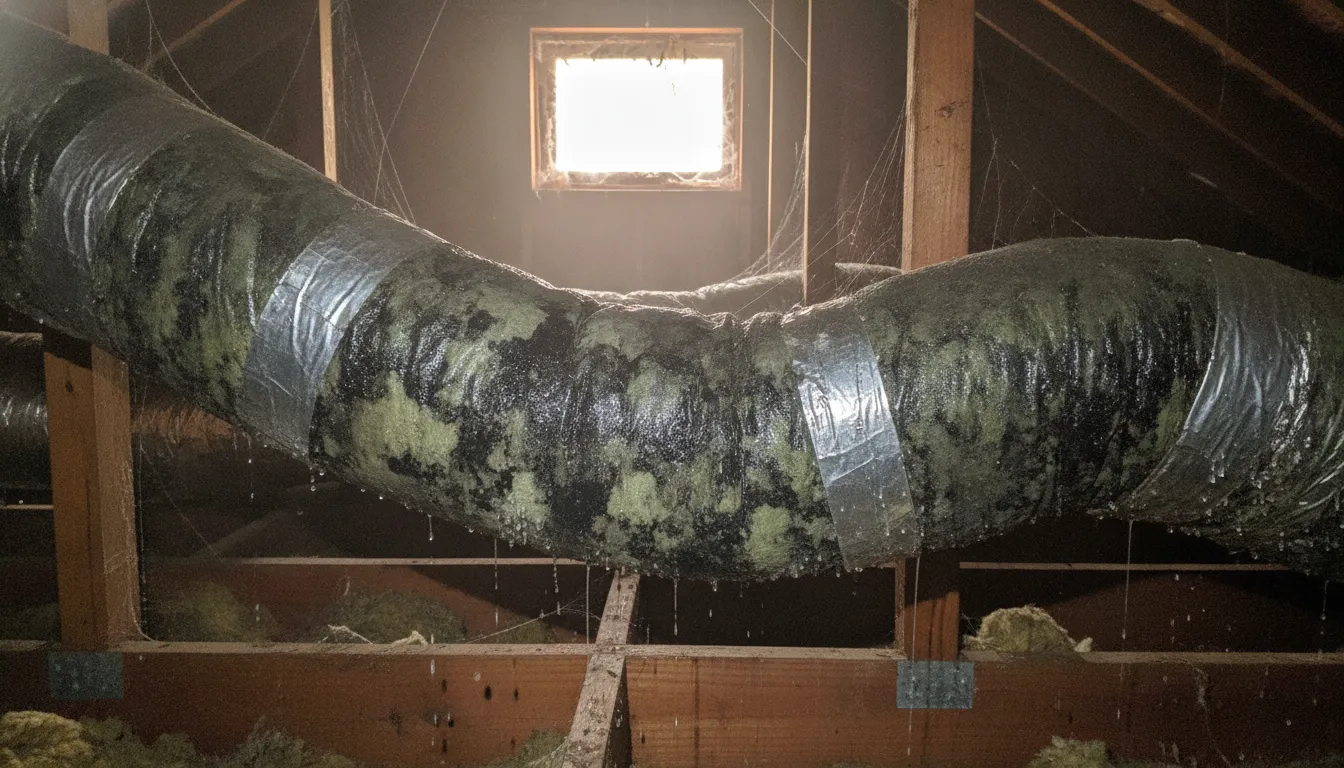
This one is non-negotiable. If you can see mold growing on your vents, inside your ductwork, or on any other part of your HVAC system, you need to act fast. Mold releases spores into the air that your system then circulates throughout every room in your home. According to the Environmental Protection Agency, this can pose serious health risks, especially for those with asthma or allergies. Don’t try to wipe it away yourself; proper mold remediation requires professional equipment and expertise to ensure it’s completely removed without spreading the contamination. Improving your indoor air quality starts with addressing issues like this head-on.
You Smell Something Musty
That persistent musty smell you can’t seem to locate? It could be coming from your air ducts. This odor is a classic sign of mold or mildew hiding somewhere in your HVAC system. Because Florida’s climate is so humid, condensation can build up inside your ductwork, creating the perfect environment for mold and mildew to thrive. When you turn on your AC, the air blows over these patches and carries that unpleasant, damp smell throughout your house. A professional duct sanitization can eliminate the source of the odor and leave your home smelling fresh and clean again.
You Notice Excessive Dust
Are you constantly wiping down surfaces, only to see a new layer of dust appear almost immediately? Do you see little puffs of dust escape from your air vents when the AC kicks on? This is a strong indicator that your air ducts are full. Over time, ducts accumulate dust, pet dander, and other debris. Once they reach capacity, they can’t hold anymore. Instead, your HVAC system just blows that accumulated dust back into your living spaces. While you should be changing your air filters regularly, if that doesn’t solve the problem, the issue likely lies deeper within the ductwork.
You Have Unwanted Pests
It’s an unsettling thought, but your air ducts can be an attractive highway and nesting ground for insects and rodents. If you hear scratching sounds from your walls or ceiling, find droppings near your vents, or notice an increase in insects, you might have an infestation in your ductwork. Pests leave behind nests, droppings, and dander that can be circulated into the air you breathe, posing significant health risks. A professional cleaning will remove any debris and contaminants left behind, but you’ll also need to address the pest problem itself to prevent them from coming back.
Your Allergies Are Acting Up
If you or your family members are sneezing, coughing, or dealing with watery eyes more than usual inside your home, your air ducts could be the culprit. Ductwork can become a reservoir for common allergens like pollen, pet dander, dust mites, and other irritants. Every time your system runs, it circulates these particles throughout your home, which can trigger allergy and asthma symptoms. This is especially concerning for households with children, elderly individuals, or anyone with a respiratory condition. Cleaning your ducts can remove this buildup of allergens and help everyone breathe a little easier.
When You Can Skip Air Duct Cleaning
Let’s be honest: not every home needs its air ducts cleaned. While some companies might suggest it as a routine, must-do task, the truth is that duct cleaning is a specific solution for specific problems. As a company built on transparency, we believe it’s just as important to tell you when you can save your money as it is to explain when a service is necessary. If you’re not experiencing any of the telltale signs like visible mold or a sudden spike in allergies, you can probably cross this task off your to-do list for now. Here are a few situations where you can confidently skip calling for a duct cleaning service.
A Little Dust Is Normal
It might be unsettling to think about, but a thin layer of dust inside your air ducts is completely normal. Your HVAC system is designed to circulate air, and it’s inevitable that some household dust will settle in the ductwork over time. According to the Environmental Protection Agency (EPA), this minor accumulation doesn't typically pose a health risk. Most of that dust adheres to the duct surfaces and stays put, rather than being blown into your living space. So, if you were to peek inside your vents and see a light dusting, there’s no need to panic. It’s just a sign of a home being lived in.
Your HVAC System Is Well-Maintained
If you’re already investing in regular air conditioning maintenance, you’re way ahead of the game. Keeping the core components of your HVAC system—like the cooling coils, drain pans, and fans—clean is far more important for your system’s efficiency and your home’s air quality than cleaning the ductwork itself. A well-maintained system is less likely to circulate contaminants that would build up in your ducts in the first place. While there’s little evidence that cleaning only the ducts improves system efficiency, keeping the whole unit in top shape absolutely does. Think of it this way: regular maintenance is the preventative care that often makes intensive duct cleaning unnecessary.
You Don't See or Smell Any Problems
Your senses are your best guide here. If you don’t see any signs of mold growth around your vents, don’t smell a persistent musty or mildewy odor when the AC kicks on, and aren’t dealing with a sudden pest infestation, your ducts are likely fine. Furthermore, if no one in your household is experiencing unexplained allergy symptoms, headaches, or respiratory issues, there’s no urgent reason to suspect your ductwork is the culprit. Duct cleaning is a reactive service designed to solve a tangible problem. If you don’t have a problem to solve, you don’t need the service. Trust what you see, smell, and feel in your own home.
Clearing Up Myths About Dust
There’s a lot of marketing hype around duct cleaning, and it often plays on our fears about dust and health. However, studies haven't shown a direct link between lightly dusted ducts and health problems. The idea that dirty ducts are constantly spewing contaminants into your air is largely a myth. As we mentioned, most of the dust and debris stays stuck to the duct surfaces. While a major event like a renovation can kick up enough debris to warrant a cleaning, the everyday dust that accumulates over time is rarely a cause for concern. Focusing on changing your air filters regularly is a much more effective way to manage dust in your home.
The Real Health Benefits of Duct Cleaning
Let's talk about what duct cleaning actually does for your health. You’ve probably seen ads claiming that dirty ducts are a major source of health problems and that a cleaning will magically purify your home’s air. While there are certainly situations where cleaning your ducts is the right call, it’s important to separate the real benefits from the marketing noise. The truth is, for the average home, the health benefits of routine duct cleaning are often overstated.
Most of the dust and debris in your ducts adheres to the surfaces and stays there. It doesn't typically get blown into your living space in large quantities, so it's not the constant source of airborne contaminants that some might lead you to believe. However, that doesn't mean duct cleaning is useless. It’s a targeted solution for specific problems, not a cure-all. Think of it less like a routine check-up and more like a necessary procedure when symptoms appear. Understanding when it truly makes a difference can help you make an informed decision for your home and family, ensuring you’re investing in a service that provides a genuine benefit to your indoor air quality.
Fact vs. Marketing Hype
Many companies push duct cleaning as an essential, routine service for a healthy home, but it's important to look at the facts. The U.S. EPA states that it "does not recommend that air ducts be cleaned routinely, but only as needed." The agency also notes that there's no conclusive evidence suggesting that a little dust in your air ducts poses a health risk.
The marketing hype often creates a picture of ducts constantly circulating harmful contaminants. In reality, the dirt in your ducts is often inactive and sticks to the duct walls. While a clean system is always a good goal, the idea that you need to schedule a cleaning every few years just for general health maintenance isn't supported by official recommendations.
What the Science Says
When you look at the scientific research, the picture becomes a bit clearer. Studies have not definitively proven that routine duct cleaning prevents health problems or that dirty ducts are a primary cause of respiratory issues in most homes. Much of the dust that accumulates in your home comes from everyday life—things like shed skin cells, fibers from carpets and furniture, and outdoor particles that come in on your shoes.
Most of this household dust doesn't even enter your HVAC system. While a thorough cleaning can remove contaminants, the science doesn't support the claim that it will significantly change the overall air quality in an otherwise well-maintained home. A better strategy for consistently clean air is regular AC maintenance and frequent filter changes.
When Cleaning Can Genuinely Help
So, when is duct cleaning truly necessary for your health? You should absolutely consider it when you have a specific, identifiable problem. If you can see visible mold growth inside your ducts or on other components of your HVAC system, it's time to call a professional. The same goes for a persistent musty or mildewy odor coming from your vents when the system is running.
Another clear sign is evidence of a pest infestation. If you've had rodents or insects making a home in your ductwork, cleaning and duct sanitization are crucial to remove droppings, nests, and other debris. In these specific cases, duct cleaning isn't just a "nice-to-have"—it's a direct solution to a problem that could be affecting your home's health.
How to Choose a Trustworthy Duct Cleaning Service
Finding a duct cleaning company you can trust shouldn't feel like a shot in the dark. With so many options out there, it’s easy to feel overwhelmed. The good news is that you can confidently pick the right team for the job by looking for a few key signs of a professional and honest service. Arming yourself with the right questions and knowing what to look for will help you avoid scams and ensure you get high-quality work that actually makes a difference in your home. Here’s what to focus on when making your choice.
Get Everything in Writing
Before you agree to any work, make sure the company provides a clear, written agreement. This document should spell out exactly what services will be performed and the total cost—no surprises. A reputable company will have no problem putting their promises on paper. This step is your best protection against vague commitments and unexpected charges tacked on at the end. Think of it as a roadmap for the job; it ensures both you and the technicians are on the same page from start to finish. It’s a simple but powerful way to guarantee transparency.
Check Their Credentials
You wouldn't let an unlicensed contractor work on your home, and your HVAC system should be no different. A trustworthy duct cleaning company will have experienced, licensed, and insured technicians. Look for certifications from industry organizations like the National Air Duct Cleaners Association (NADCA), which means they follow a high standard of practice. Checking for these credentials gives you peace of mind that the people working on your system are qualified professionals. Here at 5 Star Air, we pride ourselves on our team of fully licensed and insured technicians who bring expertise to every job.
Watch Out for Unrealistic Promises
Be skeptical of companies that make sweeping claims about curing health problems or insist that duct cleaning is an urgent, routine necessity. According to the Environmental Protection Agency (EPA), while duct cleaning can be beneficial in certain situations, it’s not always a required fix. Companies that use scare tactics or promise unbelievable health benefits are often more interested in your wallet than your well-being. An honest technician will give you a straightforward assessment of your system and explain the practical benefits, not sell you a miracle cure.
Spotting Scams and Red Flags
If an offer sounds too good to be true, it probably is. Scammers often lure customers in with incredibly low prices—like a "$99 whole-house special"—only to use high-pressure tactics to upsell you on expensive, unnecessary services once they're in your home. Always get a few quotes from different companies to get a sense of the fair market rate. A legitimate company will recommend a thorough inspection of your system before giving you a final price. This transparent approach ensures you’re paying for a service you actually need, like a proper duct sanitization, not just falling for a bait-and-switch tactic.
What to Expect on Cleaning Day
Knowing what a professional duct cleaning service involves can help you feel confident you’ve hired the right team. A trustworthy company will have a clear, systematic process designed to be thorough and transparent. From the moment they arrive, the technicians should be able to walk you through exactly what they’re going to do and why. At 5 Star Air, we believe you should be informed every step of the way. Here’s a breakdown of what a proper, professional duct sanitization service looks like from start to finish.
The Initial Walk-Through
Before any cleaning begins, your technician should perform an initial walk-through and inspection. This isn’t just a quick glance—they should open all access points to get a clear look at the inside of your ductwork. This step is crucial because it allows them to assess the extent of the buildup and identify any specific problem areas, like signs of mold or pests. It also gives you a chance to see the "before" state of your ducts. A reputable technician will show you what they see and explain their plan of action, ensuring there are no surprises.
The Cleaning Process and Equipment
Once the inspection is complete, the actual cleaning starts. Professionals use specialized equipment to get the job done right. This typically involves a powerful, high-efficiency particle air (HEPA) vacuum that creates negative pressure in your air ducts to prevent dust, dirt, and other debris from escaping into your home. While the vacuum is running, technicians use tools like rotating brushes and compressed air whips to dislodge contaminants from the duct surfaces. This combination ensures that all the gunk is contained and removed from your home, which is essential for improving your indoor air quality.
The Final Inspection
After the cleaning is finished, the job isn't done until a final inspection is complete. The best way to confirm the work was done properly is to see it for yourself. Your technician should show you that all parts of the system are visibly clean and free of debris. Don't be shy about asking to see inside the ducts and at the register points. A company that stands by its work will be happy to show you the results. This final check provides peace of mind and confirms you received the thorough cleaning you paid for, which is a cornerstone of our 5-star service guarantee.
How to Keep Your Ducts Cleaner, Longer
After you’ve had your ducts professionally cleaned—or if you’re just trying to put it off as long as possible—the goal is to keep them that way. The good news is that a few simple, consistent habits can make a huge difference. Think of it less as another chore and more as smart, preventative care for your home’s respiratory system. By focusing on what goes into your HVAC system, you can drastically reduce the buildup of dust, allergens, and other gunk inside your ductwork. Here are the most effective strategies to maintain cleaner air and healthier ducts for years to come.
Change Your Air Filters Regularly
This is, without a doubt, the single most important thing you can do. Your air filter is the gatekeeper for your entire HVAC system. Its job is to trap dust, pet dander, and other airborne particles before they can get into your ductwork and start circulating through your home. According to the EPA, using a high-efficiency filter and changing it regularly is the most effective way to keep your ducts clean. A clogged filter can’t do its job, forcing your system to work harder and allowing contaminants to bypass it. Check your filter monthly and plan to replace it every 1-3 months to maintain good indoor air quality and keep your ducts pristine.
Control Your Home's Humidity
In Florida, humidity isn't just a comfort issue—it's a major factor in your home's health. High humidity can lead to condensation inside your cool, dark air ducts, creating the perfect breeding ground for mold and mildew. Once mold takes hold, it can spread throughout your system and release spores into your air. To prevent this, fix any water leaks immediately and make sure your AC’s drain pans are clear and draining properly. Using exhaust fans in kitchens and bathrooms helps, too. Regular air conditioning maintenance is key, as a technician can spot and resolve moisture issues before they become a bigger problem for your ducts.
Keep Pollutants Out of Your Florida Home
It’s easy to blame dirty ducts for all the dust in your home, but often, the biggest culprits are everyday activities. Pollutants from cooking, cleaning products, and even just dust tracked in from outside can contribute significantly to what ends up in your air system. You can fight back by vacuuming regularly (especially if you have a vacuum with a HEPA filter), using doormats at every entrance, and running the exhaust fan when you cook. These small habits reduce the overall amount of dust and particles in your home, which means less work for your air filter and less gunk making its way into your ductwork.
Frequently Asked Questions
Will cleaning my air ducts lower my energy bills? While it seems logical that clean ducts would lead to better airflow and lower bills, the impact on energy efficiency is actually pretty minimal. The parts of your HVAC system that really affect energy use are the fan, cooling coils, and heat exchanger. The best way to see a real difference in your energy bills is to invest in regular, professional maintenance for your entire AC unit, not just the ductwork.
Can I just clean my air ducts myself? Simply vacuuming your vents won't do the trick. A professional cleaning is a complex process that requires specialized equipment, like truck-mounted vacuums that create negative pressure. This ensures that all the dust and debris are suctioned directly out of your home. Trying to do it yourself without the right tools can actually make your air quality worse by kicking up settled contaminants and spreading them throughout your house.
How long does a professional duct cleaning take? For an average-sized home, you can expect the process to take between two to four hours. The exact time depends on several factors, including the size of your home, the number of vents, and the accessibility of your ductwork. A reputable technician will be able to give you a more precise time estimate after they've done an initial inspection of your system.
My house is really dusty. Does that automatically mean I need my ducts cleaned? Not necessarily. While clogged ducts can contribute to dust, the most common culprit is a dirty air filter. Before you assume the problem is deep within your ductwork, check your filter. If it’s clogged, replace it and see if that makes a difference over the next few weeks. Consistent dusting is often a sign that your filter needs to be changed more frequently, not that your entire system needs an overhaul.
Is duct cleaning a permanent fix for mold or pests? Duct cleaning is an essential step for removing mold and pest-related debris, but it doesn't solve the root cause of the problem. If you have mold, it means there's a moisture issue that needs to be fixed. If you have pests, you need to find and seal their entry points. A thorough cleaning gets rid of the immediate contamination, but you'll need to address the underlying issue to make sure the problem doesn't come right back.