Is It an HVAC Emergency? A Homeowner's Guide
Your HVAC system has its own way of telling you when something is wrong. It might be a sudden, loud clanking sound that makes you jump, or a strange burning smell that you can’t quite place. These aren't just quirks; they are urgent warning signs. Ignoring them is like ignoring the check engine light in your car—it almost always leads to a bigger, more expensive problem down the road. In the relentless Florida heat, a small issue can quickly become a crisis. This guide is designed to help you listen to what your system is telling you, so you can recognize a true emergency and know when it's time to call for a reliable hvac emergency service to protect your home and family.
Key Takeaways
- Act fast on critical warning signs: Issues like a rotten egg smell (gas leak), burning odors, or a complete system failure during extreme heat are true emergencies that threaten your safety and property, requiring an immediate professional call.
- The best emergency plan is prevention: Regular, professional maintenance is the most effective way to avoid unexpected breakdowns. It keeps your system running efficiently, extends its lifespan, and saves you from the stress and cost of an urgent repair.
- Vet your emergency service provider carefully: Before a crisis hits, identify a local company with true 24/7 availability, transparent emergency rates, and licensed, insured technicians to ensure you get safe and reliable help when you need it most.
Is Your HVAC Problem a Real Emergency?
It’s a familiar feeling for any Florida homeowner: you hear a strange clank from your AC unit or notice it’s not cooling quite as well as it used to. The first question that pops into your head is probably, “Can this wait until morning?” Sometimes, the answer is yes. But other times, what seems like a minor annoyance is actually a serious problem that needs immediate attention. Knowing the difference can protect your home, your family, and your wallet.
An HVAC emergency is any issue that poses an immediate threat to your health, safety, or property. This could be anything from an electrical malfunction that creates a fire hazard to a complete system breakdown during a dangerous heatwave. In Southwest Florida, where the heat and humidity are relentless, a non-working air conditioner can quickly turn a comfortable home into an unsafe environment, especially for children, the elderly, or those with health conditions. For business owners, a system failure can mean lost customers and unproductive employees. This guide will walk you through the critical warning signs that mean you should call for emergency air conditioning services right away.
When Your System Completely Shuts Down
If your air conditioner stops working entirely, it’s more than just an inconvenience—it’s an emergency. A complete shutdown during a Florida summer can cause the temperature inside your home to rise to dangerous levels in just a few hours. This poses a significant health risk from heat-related illnesses. For businesses, a total loss of AC can bring operations to a halt, leading to financial losses and creating an unsafe environment for both employees and customers. Don't wait to see if it will turn back on by itself. A complete system failure points to a serious underlying issue, like a tripped breaker that won't reset, a faulty thermostat, or a major component failure that requires immediate professional diagnosis and air conditioning repair.
The Dangers of Gas and Carbon Monoxide
If your property uses a gas furnace, a leak is one of the most serious emergencies you can face. Natural gas has a distinct "rotten egg" smell added to it for safety. If you smell this, you need to act immediately. Don't turn any lights on or off, and don't use your phone inside. Evacuate everyone from the building right away, and then call your gas company and an HVAC professional from a safe location. Another silent threat is carbon monoxide (CO), an odorless, colorless gas produced by fuel-burning appliances. A CO leak can be fatal, which is why having working CO detectors is essential for your family's safety and your home's indoor air quality.
Spotting Electrical Issues and Fire Risks
Your HVAC system is a complex piece of electrical equipment, and malfunctions can pose a serious fire risk. Keep an eye out for warning signs like flickering lights when the system kicks on, breakers that trip repeatedly, or buzzing and crackling sounds coming from the unit. A burning smell is another major red flag that indicates overheating wires or a failing motor. These are not issues to ignore or attempt to fix yourself. Electrical problems like short circuits or faulty wiring can cause catastrophic damage to your system and your property. If you notice any of these signs, turn the system off at the circuit breaker and call a licensed technician immediately.
How to Handle Water Damage and Flooding
Finding a puddle of water around your indoor HVAC unit might not seem like a crisis, but it requires immediate action. A significant leak can cause serious water damage to your floors, walls, and ceilings, and create the perfect environment for mold growth. These leaks often stem from a clogged condensate drain line or a frozen evaporator coil. The first thing you should do is shut the system down to prevent more water from leaking out. This simple step can save you from costly repairs and potential health issues related to mold. Once the unit is off, it's time to call a professional to find and fix the source of the leak and check for any related moisture issues.
Why Refrigerant Leaks Are a Health Concern
Refrigerant is the chemical that allows your AC to cool the air, but it can be hazardous if it leaks. Inhaling refrigerant can be harmful to your health, and a leak also damages the environment. Signs of a refrigerant leak include a hissing sound coming from your unit, ice buildup on the copper lines, or an air conditioner that runs constantly but doesn't cool your home. A leak not only prevents your system from working efficiently but can also cause severe damage to the compressor, one of the most expensive parts to replace. Because handling refrigerant requires special certification, this is a job strictly for a professional. Don't hesitate to schedule a repair to protect your health and your HVAC system.
When a Breakdown Halts Your Business
For a business, a functioning HVAC system is essential for daily operations. When the AC goes out, it can quickly lead to an uncomfortable and even unsafe environment for your employees and customers. This downtime can damage your reputation and result in lost revenue. In industries like hospitality or food service, a temperature-controlled environment is non-negotiable. Promptly fixing HVAC problems is crucial for maintaining business continuity and ensuring your system runs efficiently, which helps manage energy costs. An emergency service call is an investment in keeping your doors open and your customers happy. If your commercial system fails, contact us immediately to get your business back on track.
Warning Signs and Your Action Plan
In the Florida heat, a problem with your air conditioner can quickly shift from a minor annoyance to a full-blown emergency. Knowing how to spot the early warning signs can save you from a sweltering home, expensive repairs, and even dangerous situations. Your senses are often the best tool you have for detecting a problem before it gets out of hand. A strange sound, an odd smell, or a puddle of water can all be your system’s way of telling you it needs help.
Some issues require immediate professional attention, while others are clues that a bigger failure is on the horizon. The key is to act quickly and decisively. Ignoring a warning sign rarely makes the problem go away; it usually just leads to a more significant breakdown. If you notice any of the red flags below, it’s time to take action. A prompt call for emergency air conditioning services can mean the difference between a quick fix and a complete system replacement.
Hearing Unusual Sounds or Feeling Vibrations
You’re used to the gentle hum of your AC unit, so when a new, alarming noise appears, pay attention. Loud sounds like grinding, squealing, clanking, or banging are serious red flags. These noises can indicate anything from a loose part rattling around to a failing motor or a compressor issue. Continuing to run the unit can cause a small problem to cascade into a catastrophic failure. If you hear any of these sounds, your best move is to turn the system off at the thermostat and the circuit breaker. This prevents further damage while you call a professional for an air conditioning repair.
Smelling Strange Odors or Seeing Smoke
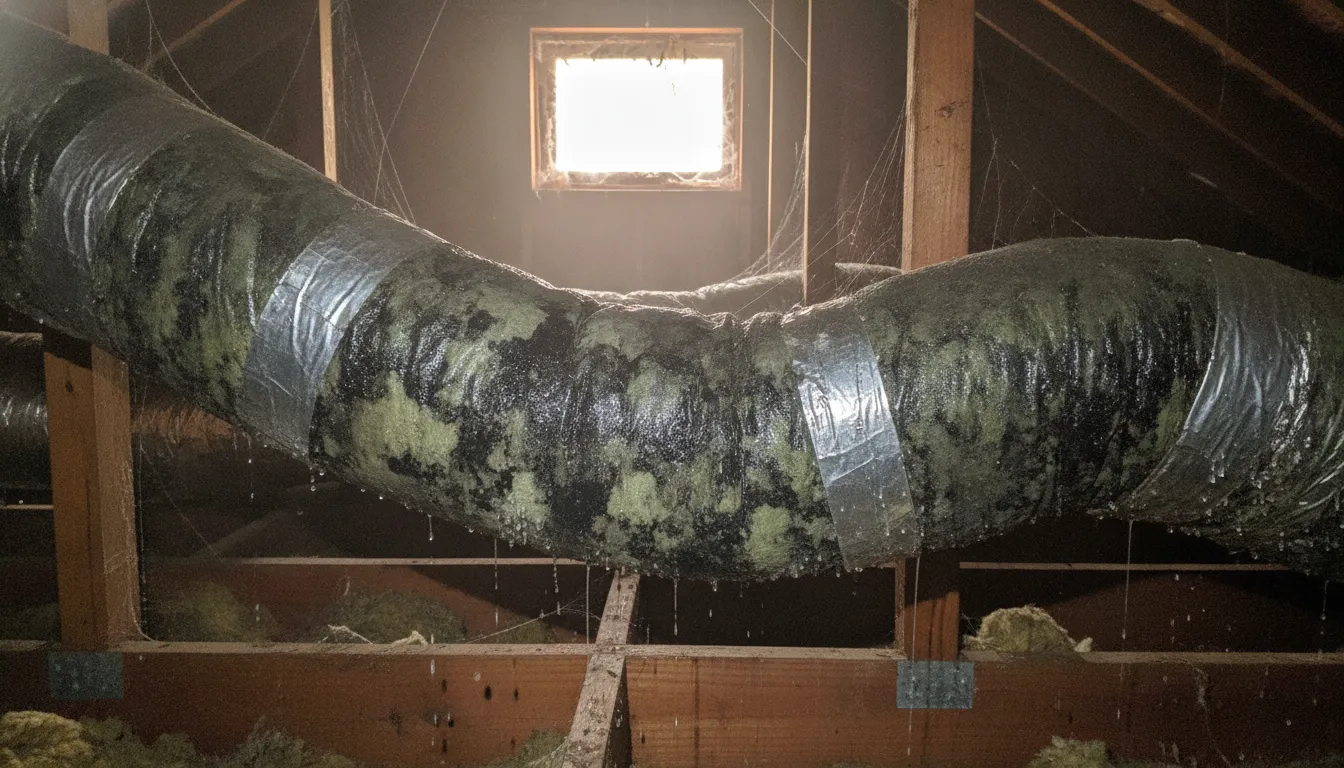
Your air conditioner should never produce a noticeable smell. If you detect a burning or electrical odor, it could signal that the motor is overheating or there’s a wiring problem, which is a significant fire risk. On the other hand, a musty or dirty sock smell often points to mold and mildew growing inside your unit or ductwork, which can negatively impact your home’s air quality. If you smell burning or see smoke, shut down your system immediately and call for emergency service. For musty smells, it’s wise to have a professional inspect your system and recommend a solution like duct sanitization.
Your Home Isn't Cooling or Heating
When it’s scorching hot outside, an air conditioner that stops cooling isn’t just an inconvenience—it’s a health and safety issue. If your system is running but blowing warm air, or if it won’t turn on at all, you have an urgent problem. This is especially critical for households with young children, elderly individuals, or anyone with a medical condition that makes them vulnerable to heat. Don’t just wait and hope it fixes itself. A complete cooling failure during a Florida summer requires immediate attention. It’s time to call for emergency air conditioning services to restore comfort and safety to your home.
Noticing Flickering Lights or Tripped Breakers
Your HVAC system is a powerful piece of equipment, but it shouldn’t be causing electrical drama in your home. If your lights dim or flicker every time the AC kicks on, it’s a sign the system is drawing too much power. An even more serious symptom is a circuit breaker that repeatedly trips. This is your electrical panel’s way of protecting you from an overload or short circuit that could cause a fire. Instead of continuously resetting the breaker, turn the system off and call a licensed technician. Electrical faults are not a DIY project and require an expert’s touch.
Finding Water Leaks or Ice Buildup
Water pooling around your indoor AC unit is never a good sign. It’s often caused by a clogged condensate drain line, which can lead to water damage in your walls, ceilings, and floors if left unaddressed. Another troubling sign is ice forming on the copper refrigerant lines or the evaporator coils. While it might seem like a sign of extreme cooling, it actually means your system is struggling due to issues like low refrigerant or poor airflow. If you see water or ice, turn off your unit to prevent further damage and schedule an air conditioning maintenance visit to get to the root of the problem.
What to Do Before Your Technician Arrives
After you’ve called for professional help, there are a few simple steps you can take to manage the situation and ensure your safety. If you’ve heard loud noises, smelled something burning, or seen smoke, your first priority is to shut the system off completely. You can do this at both the thermostat and your home’s circuit breaker panel. This prevents the problem from escalating while you wait. If you’re concerned about indoor air quality due to strange odors, opening a few windows can help ventilate the space. Taking these small actions can make a big difference.
Keeping Your Team Safe During an Emergency
Some HVAC-related issues are true household emergencies that require more than just a technician. If you ever smell rotten eggs, which indicates a natural gas leak, or if your carbon monoxide detector sounds an alarm, you need to act immediately. Your first and only step should be to evacuate everyone from the house right away. Once you are all safely outside, call 911 or your gas company’s emergency hotline from a safe distance. Your well-being is the top priority, a value that reflects our commitment to our community. Only after first responders have declared the area safe should you call for an HVAC inspection.
Common Myths About HVAC Emergencies
When your AC gives out in the middle of a Florida summer, panic can set in quickly. In that moment, it’s easy to fall for common myths about emergency HVAC services. Understanding the reality behind these misconceptions can help you make smarter, safer decisions when you need help the most. Let’s clear the air on a few things you might have heard about emergency repairs.
How Fast Can a Technician Really Get There?
It’s a common belief that calling for an emergency service means a technician will appear on your doorstep in minutes. While we always prioritize urgent calls, the reality is that response times can vary. Factors like the time of day, traffic, and how many other households are also experiencing emergencies can affect how quickly a technician can arrive. A reputable company will give you an honest and realistic estimated time of arrival when you call. At 5 Star Air, we are committed to providing prompt emergency AC services and will always keep you informed so you know exactly when to expect us.
The Reality of After-Hours Service Calls
Many people assume that any HVAC company offering 24/7 service has a full team of technicians just waiting by the phone all night. In reality, many companies rely on on-call technicians who may be coming from home. This is why it’s so important to choose a company that truly dedicates resources to after-hours support. A smaller, local company that’s deeply invested in the community is often better equipped to provide reliable and timely service than a large, impersonal chain. Our commitment is to our neighbors here in Southwest Florida, ensuring you get the help you need, day or night.
Why DIY Fixes Are a Bad Idea
When your AC stops working, your first instinct might be to search for a quick fix online. While resetting a tripped breaker is one thing, attempting complex repairs on your own is a dangerous idea. HVAC systems involve high-voltage electricity, chemical refrigerants, and intricate parts. A wrong move could lead to serious injury, further damage to your system, or even void your warranty. Instead of risking it, your first call should be for a professional AC repair. Our licensed and insured technicians have the training and tools to diagnose and fix the problem safely and correctly.
Understanding What Emergency Service Costs
No one likes surprise fees, but it’s a myth that emergency service rates are designed to be predatory. The higher cost reflects the premium nature of the service—technicians are called away from their families late at night or on weekends to get your system running again. These rates ensure that true emergencies can be addressed immediately. We believe in honest and transparent pricing, so we’ll always be upfront about the costs associated with an emergency call. If an unexpected repair puts a strain on your budget, we also offer flexible financing options to help you manage the expense without delay.
Underestimating Safety Risks
It’s easy to think of a broken AC as just an inconvenience, but some situations pose serious safety risks. A true HVAC emergency is any issue that threatens your health or property. This includes the smell of gas or burning plastic, major water leaks that could cause structural damage or electrical shorts, and any signs of electrical malfunction like sparking or smoking. If you notice any of these red flags, don’t wait. Shut down your system if it’s safe to do so and call for emergency help immediately. Your family’s safety is always the top priority.
Does a Bigger Company Mean Better Service?
You might think a large, national HVAC company has more resources and can therefore offer faster, more reliable service. However, that’s often not the case. Bigger doesn’t always mean better. As a locally owned and operated business, our reputation is built on serving our community with integrity and care. We’re accountable to our neighbors, not a corporate office in another state. Our focus is on providing five-star service to every customer, every time. You can see what your neighbors are saying by reading our customer testimonials.
How to Choose an Emergency HVAC Provider
When your AC dies in the middle of a Florida summer night, the last thing you want to do is scroll through dozens of companies, trying to figure out who to trust. The panic is real, but making a rushed decision can lead to shoddy work and surprise fees. Knowing what to look for before you’re in a crisis will help you choose a reliable partner who can get your home comfortable again, fast. A great emergency HVAC provider is more than just a name you find online; they’re a team of professionals who are ready to respond, transparent about their process, and equipped to handle the job safely and correctly.
Your goal is to find a company that values your safety and comfort as much as you do. This means looking for clear signs of professionalism, like proper licensing, straightforward pricing, and a solid local reputation. Don’t let the urgency of the situation push you into settling for the first company that answers the phone. Taking a few extra minutes to ask the right questions can save you from a much bigger headache down the road. Think of it as having a plan in place for the unexpected. Here’s what you should look for to find an emergency HVAC provider you can count on.
Find a Company with True 24/7 Availability
Many companies advertise "24/7 service," but what does that really mean? Often, it’s just an answering service that takes a message, leaving you to wait for a call back during business hours. When you have an emergency, you need a company with technicians on standby, ready to go day or night. A true 24/7 provider will have a system in place to dispatch a professional to your home, no matter the hour. When you call, ask if they have technicians available for immediate dispatch. This is the difference between a real emergency air conditioning service and a company that just never turns off its voicemail.
Ask About Their Guaranteed Response Time
Once you’ve confirmed a company offers true 24/7 service, your next question should be about their response time. How quickly can you expect a technician to arrive at your door? While response times can vary based on call volume and your location, a reputable company should be able to give you a realistic window. Vague answers like "as soon as possible" aren't helpful. Ask for a specific timeframe, such as within one or two hours. This helps you set clear expectations and decide if you can wait or need to call someone else. A company that values your business will be upfront about their schedule.
Make Sure Their Technicians Are Certified
In an emergency, you need an expert, not a handyman. The person working on your HVAC system should be a trained, certified professional. Ask if their technicians are licensed and insured. It’s even better if they have specific certifications or are factory-authorized dealers, as this indicates a higher level of training and expertise with particular systems. A certified technician can diagnose the problem quickly and accurately, ensuring the repair is done right the first time. Our fully licensed and insured technicians have the expertise to handle any emergency safely and efficiently, giving you peace of mind.
Confirm They Cover Your Neighborhood
This might seem obvious, but it’s a crucial step that can save you a lot of time. Before you explain your entire situation, confirm that the company services your area. Many HVAC providers have a specific service radius, especially for emergency calls. Be ready with your address or zip code. At 5 Star Air, we proudly serve homeowners and businesses throughout Southwest Florida, including those in the (239), (305), and (941) area codes. You can always contact us to confirm we cover your neighborhood so you’re not left waiting for a technician who will never arrive.
Get Clear on Emergency Service Rates
Emergency service almost always costs more than a standard appointment, and for good reason. You’re paying for a technician’s immediate availability outside of normal hours. However, the cost should be transparent. A trustworthy company will be upfront about their emergency fees, including any call-out charges or after-hours rates. Ask for a clear breakdown of costs before you agree to the service. While some companies use higher fees to filter out non-urgent calls, you should never be in the dark about what you’ll be paying. If unexpected costs are a concern, ask about available financing options.
Always Verify Their Insurance and Licensing
Finally, never hire an HVAC company that isn’t fully licensed and insured. This is non-negotiable. Licensing proves they meet state and local standards for performing HVAC work. Insurance protects you, your home, and the technicians in case of an accident or property damage. A professional company will have no problem providing you with their license number and proof of insurance. This verification is your assurance that you’re working with a legitimate business that stands behind its work and prioritizes your safety. It’s a critical step in protecting your investment and ensuring the job is done correctly.
How to Prevent Emergencies and Save Money
The best way to handle an HVAC emergency is to stop it from ever happening. While you can’t prevent every possible issue, a proactive approach will save you a lot of money, stress, and discomfort down the road. Instead of waiting for a catastrophic failure on the hottest day of the year, you can take simple steps to keep your system running smoothly. Being prepared means you’re in control, not your air conditioner.
Think of it like taking care of your car—you wouldn’t drive it for years without an oil change and expect it to run perfectly. Your HVAC system works hard, especially here in Florida, and it needs the same consistent attention. By investing a little time and effort into prevention, you can extend the life of your equipment, lower your energy bills, and ensure your home or business stays comfortable year-round.
Why You Need a Regular Inspection Schedule
Waiting for your AC to break down before calling a technician is a recipe for a costly emergency. A regular inspection schedule is your first line of defense. When a professional examines your system consistently, they can spot worn-out parts, potential leaks, and other minor issues before they escalate into major failures. A well-maintained HVAC system is simply more reliable, reducing the chances of an unexpected shutdown. This proactive approach not only saves you from expensive emergency repairs but also helps your system run more efficiently, which can lower your monthly energy bills. It’s a small investment that delivers significant peace of mind and long-term savings.
The Importance of Essential System Maintenance
An inspection is great for spotting problems, but essential system maintenance is what keeps them from developing in the first place. This involves the hands-on work that keeps your unit in top shape, like cleaning coils, checking refrigerant levels, tightening electrical connections, and clearing drain lines. This isn't just busy work—it directly impacts your system's performance. Proper air conditioning maintenance improves energy efficiency, extends the lifespan of your equipment, and even enhances your indoor air quality. For businesses, it’s even more critical for ensuring comfort and meeting regulatory standards. A clean, well-tuned system doesn’t have to work as hard, saving you money every month.
Train Your Staff to Catch Problems Early
If you’re a business owner, your employees can be your eyes and ears. Train your team to recognize the early warning signs of HVAC trouble so they can report them immediately. Common issues include strange noises like grinding or squealing, weak airflow from vents, unresponsive thermostats, or nasty odors circulating through the building. When your staff knows what to look for, they can alert you to a problem before it disrupts operations, impacts customer comfort, or turns into a full-blown emergency. A quick call for a routine air conditioning repair is always better than a frantic call for an after-hours emergency service that shuts down your business.
Know When to Replace Your Old Equipment
There comes a point when repairing an old HVAC system is no longer cost-effective. While fixing problems promptly helps your system run more efficiently, constantly patching up an aging unit can feel like throwing money away. If your system is over 10-15 years old, requires frequent repairs, and struggles to keep up with Florida’s heat, it’s time to consider a replacement. A new, high-efficiency unit will be more reliable, drastically reducing the risk of an emergency breakdown. Plus, the savings on your energy bills can help the new system pay for itself over time. Investing in an AC installation is a proactive move that provides lasting comfort and financial sense.
Use Monitoring Systems to Your Advantage
Modern technology offers powerful tools for preventing HVAC emergencies. Many new air conditioning units and smart thermostats come with built-in monitoring systems that can detect problems before you even notice them. For example, some systems are equipped with leak detection that can alert you to refrigerant leaks, which pose both environmental and safety risks. These smart systems can send an alert to your phone if they sense an issue with performance, airflow, or internal components. This gives you a valuable head start, allowing you to schedule a service call at your convenience instead of being forced to make an emergency call when the system finally gives out.
Meeting Commercial Compliance Requirements
For businesses, a sudden HVAC failure is more than just an inconvenience—it can be a serious compliance issue. Many industries, from restaurants to healthcare facilities, have strict regulations regarding indoor temperature and air quality. An unexpected breakdown can lead to unsafe conditions, forcing you to close your doors and lose revenue. In some cases, it can even result in fines or other penalties. Regular maintenance is crucial for staying compliant. By ensuring your system is always in good working order, you protect your customers, your employees, and your business’s reputation. When every minute counts, proactive care prevents costly disruptions and keeps you in good standing with regulatory bodies.
Explore the Benefits of a Maintenance Agreement
The easiest way to ensure your HVAC system gets the care it needs is by signing up for a maintenance agreement. This takes the guesswork and scheduling burden off your shoulders. With a plan in place, a trusted technician will service your system regularly, keeping it efficient and reliable. These agreements often come with added perks, such as priority service if you do have an issue and discounts on parts and labor. A maintenance plan is a simple, affordable way to prevent most emergencies, save money on repairs and energy bills, and get the peace of mind that comes with knowing your system is in expert hands.
Review Your Insurance Coverage
While prevention is key, it’s also smart to be prepared for the worst-case scenario. Take some time to review your homeowner's or business insurance policy to understand what is and isn’t covered in an HVAC-related emergency. For example, your policy might cover water damage caused by a leaking AC unit, but not the cost of the AC repair itself. Knowing your coverage ahead of time can save you from a major financial headache if a disaster strikes. And remember, if you do have an emergency, your first step should always be to call for professional help right away to ensure the problem is handled safely and correctly.
Frequently Asked Questions
My AC is still blowing cool air, but it's making a strange noise. Is that a real emergency? Even if your system seems to be working, a new, loud noise like grinding, squealing, or clanking is a serious warning sign. These sounds often mean a part is loose or a component is failing. Continuing to run the unit can turn a small, fixable issue into a catastrophic breakdown. It's best to turn the system off and call a professional to prevent more extensive and expensive damage.
What's the main difference between a standard repair and an emergency service call? The key difference is urgency and timing. A standard repair is scheduled during regular business hours for issues that aren't an immediate threat, like a system that's a little less efficient. An emergency service call is for urgent problems that happen outside of business hours or pose a direct risk to your safety or property, such as a complete system failure in extreme heat or an electrical issue.
If my AC stops working in the middle of the night, should I just wait until morning to call? In Florida's heat, a non-working AC can make your home unsafe very quickly, especially if you have children, elderly family members, or pets. A complete shutdown points to a significant problem that needs immediate attention. You should call for emergency service right away to get a technician on the way and restore a safe temperature to your home as soon as possible.
My circuit breaker for the AC keeps tripping. Is it okay to just keep resetting it? No, you should never repeatedly reset a tripped breaker. The breaker is a safety device that's cutting power for a reason, usually because the system is drawing too much electricity or has a short circuit. Continuously resetting it can lead to a fire. Turn the system off and call a licensed technician to find and fix the underlying electrical fault.
How can a maintenance plan actually prevent an emergency? A maintenance plan is all about proactive care. During a scheduled tune-up, a technician can spot and fix small problems like worn parts, low refrigerant, or clogged lines before they have a chance to cause a complete system failure. This regular attention keeps your system running reliably and efficiently, drastically reducing the odds that you'll be caught with a broken AC on the hottest day of the year.