UV Lights for HVAC: Pros, Cons, & Expert Advice
If you live in Florida, you know that musty smell that can sometimes appear when the air conditioner kicks on. That odor is often a sign of mold or bacteria growing inside your system’s dark, damp components. While a good air filter can trap dust, it can’t stop these microscopic organisms from multiplying. This is where a UV light for HVAC systems comes in. It doesn’t just trap contaminants; it actively destroys them at the source. By using powerful UVC rays, it neutralizes mold, viruses, and bacteria, preventing them from ever circulating into your living spaces. This guide will explain exactly how this technology works and why it’s such a popular choice for cleaner, fresher air.
Key Takeaways
- UV Lights Actively Sanitize Your AC's Insides: They use UVC technology to destroy mold, bacteria, and viruses on the damp indoor coil, stopping contamination at the source before it spreads through your vents.
- A Clean System Supports Your AC's Health and Your Own: Keeping the internal components of your HVAC system clean helps it run more efficiently and cool more effectively, which translates to lower energy costs and cleaner air for your family to breathe.
- Think of It as a Professional Upgrade with Simple Upkeep: A UV light needs to be installed by a qualified technician to ensure it's safe and effective. After that, the only maintenance is a yearly bulb change, which can easily be part of your annual AC service.
How Do UV Lights Work in Your HVAC System?
You’ve probably heard about UV light being used for sterilization in hospitals or water treatment plants, but did you know you can use that same technology right inside your home’s HVAC system? It might sound like something out of a sci-fi movie, but it’s a straightforward and effective way to improve your home’s air. A UV light system is installed directly into your air handler or ductwork to purify the air as it circulates. It acts like a silent guardian, working around the clock to neutralize airborne contaminants before they ever have a chance to spread through your vents. For those of us in humid climates like Southwest Florida, where mold and bacteria can thrive, this technology offers an extra layer of defense for creating a healthier living space. It’s a simple addition that can make a big difference in your home's overall indoor air quality.
The Science Behind UV Light Technology
So, how does a simple light manage to clean your air? The magic is in the specific type of light it emits: ultraviolet-C (UVC) light. This powerful light uses a specific wavelength to destroy germs like bacteria, viruses, and mold spores. It works by disrupting their DNA, which essentially scrambles their genetic code. This damage either kills the microorganisms outright or makes it impossible for them to reproduce. Think of it as a microscopic security system that zaps unwanted intruders. As air passes through your HVAC system, it’s exposed to these UV rays, which neutralize the harmful particles, ensuring the air circulating back into your rooms is cleaner and healthier for your family to breathe.
Coil vs. Air-Sanitizing UV Lights
When you look into UV lights for your HVAC system, you’ll find there are two main types, each with a specific job.
- Coil-Sanitizing Lights: These are the most common type and are installed near the indoor evaporator coil. This part of your AC is dark and damp, making it a perfect breeding ground for mold and bacteria. A coil-sanitizing light shines directly on the coil 24/7, preventing anything from growing there. This not only keeps your air cleaner but also helps your system run more efficiently, which is a key part of good air conditioning maintenance.
- Air-Sanitizing Lights: These are installed in the return air ductwork. Their job is to clean the air itself as it flows through the system. They target airborne germs, viruses, and allergens, neutralizing them on the spot.
Where Are UV Lights Installed?
UV lights are designed to be an add-on feature for your existing HVAC system. A professional technician will typically install them inside your indoor air handler, which is the heart of your system where air gets cooled and circulated. For coil-sanitizing models, the light is mounted so it has a direct line of sight to the evaporator coil. For air-sanitizing models, the light is placed within the ductwork, usually near the air handler, to treat the air as it moves through. The installation is minimally invasive and integrates seamlessly with your equipment. It’s a popular upgrade during a new air conditioning installation, but it can easily be added to most existing systems as well.
How UV Light Neutralizes Contaminants
The process of neutralizing contaminants is both simple and incredibly effective. As microorganisms like mold spores, bacteria, and viruses pass under the UVC light, the rays penetrate their cell walls and disrupt their DNA. This process, known as ultraviolet germicidal irradiation (UVGI), makes them harmless because they can no longer multiply and spread. This doesn't just trap contaminants like a traditional air filter does; it actively destroys them. By constantly treating the air and the internal components of your HVAC system, UV lights help maintain a cleaner environment. This can be especially beneficial when paired with services like duct sanitization to ensure your entire system is working to deliver the freshest air possible.
Busting Common Myths About HVAC UV Lights
When it comes to new technology for your home, it’s natural to have questions. UV lights for HVAC systems are no exception. You’ve probably heard a mix of opinions, leaving you wondering what’s true and what’s just noise. Let's clear the air and tackle some of the most common myths head-on. Understanding the facts will help you decide if this technology is the right fit for improving your home's air quality.
From worries about cost and safety to questions about maintenance and actual effectiveness, we're breaking it all down. We believe in giving you honest, straightforward answers so you can make an informed choice for your family and your home.
Are They Worth the Cost?
Let's talk numbers. One of the biggest hesitations homeowners have about HVAC UV lights is the price tag. You might see a wide range of quotes online, with some people reporting installation costs as high as $1,600. The truth is, the cost can vary quite a bit depending on the system you choose and your specific HVAC setup. Generally, a professional installation can range from a few hundred to a thousand dollars. At 5 Star Air, we believe in transparent pricing without the sales pressure. We’ll give you a clear, honest quote so you know exactly what to expect. The real question of "worth" comes down to the value you place on cleaner air and a more efficient AC system.
Are HVAC UV Lights Safe?
Safety is always a top priority, and the idea of putting UV light in your home might sound a little alarming. Here’s the good news: when installed correctly by a professional, HVAC UV lights are completely safe for you, your kids, and your pets. The lights are contained entirely within your indoor air handler, so there's no risk of UV exposure in your living spaces. The key phrase here is "installed correctly." You should never look directly at or touch an active UV bulb, which is why a professional installation is not just recommended—it's essential for safe and effective operation.
What Kind of Maintenance Do They Need?
Like any other component of your HVAC system, UV lights require a little upkeep to perform their best. It’s not a "set it and forget it" solution, but the maintenance is straightforward. The UV-C bulbs lose their germ-killing effectiveness over time and typically need to be replaced once a year. This is a simple task that can be done during your regular AC tune-up. Forgetting to replace the bulb means you're not getting the air-purifying benefits you paid for. We can easily incorporate a bulb change into your annual air conditioning maintenance plan to keep things simple and ensure your system is always working to protect your home's air.
How Effective Are They Really?
This is the big one: do they actually work? The answer is a resounding yes. The technology is backed by solid research. Studies have shown that UV-C light is highly effective at killing mold, bacteria, and viruses that can thrive in the cool, dark, and damp environment of your AC coils. In fact, one Duke Medicine study found that UVC light was able to kill drug-resistant superbugs. By neutralizing these contaminants at the source, UV lights help ensure the air circulating through your home is cleaner and healthier. They are a powerful tool in a comprehensive strategy for better indoor air quality.
The Real Benefits of an HVAC UV Light
Beyond just cooling your home, your HVAC system plays a huge role in the quality of the air you breathe every day. Adding a UV light isn't just a fancy upgrade; it’s a practical step toward a healthier, more efficient home. Think of it as an extra layer of defense working around the clock inside your AC unit to purify the air before it ever reaches your living spaces. From neutralizing microscopic threats to helping your system run more smoothly, the advantages are clear. Let's look at the real, tangible benefits you can expect when you install an HVAC UV light.
Breathe Cleaner, Healthier Air
The primary job of an HVAC UV light is to purify the air circulating through your home. These powerful lamps use UV-C light to target airborne germs like bacteria, viruses, and other microorganisms. The light works by scrambling their DNA, which either destroys them on the spot or stops them from reproducing. This process happens silently inside your ductwork, so all you notice is fresher, cleaner air. For families, especially those with young children or elderly members, this can make a significant difference in overall wellness. Improving your home's indoor air quality is one of the most direct benefits of this technology.
Stop Mold and Bacteria Growth
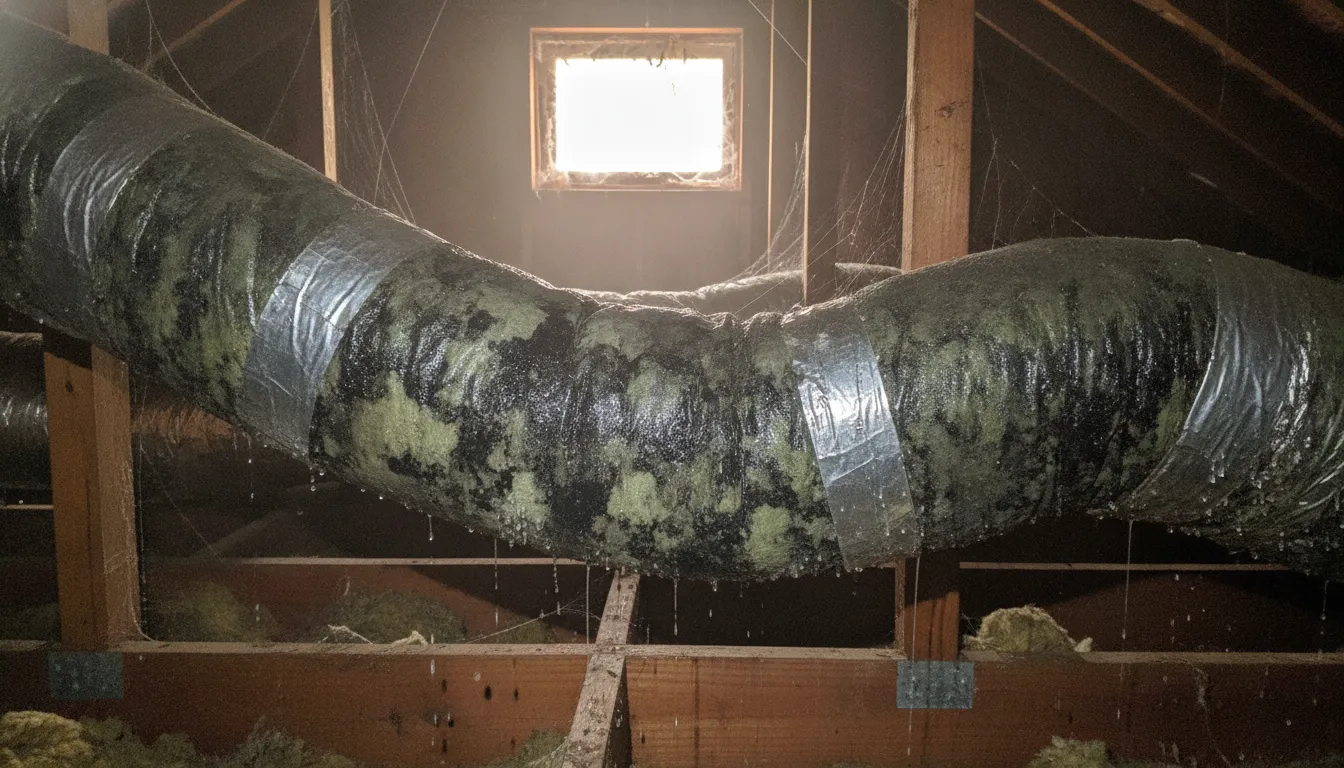
In Florida's humid climate, your AC system's dark, damp interior can be a perfect breeding ground for mold and bacteria. These contaminants can thrive on the indoor coil and in the drain pan, eventually spreading through your air. A UV light installed near these components constantly sterilizes their surfaces, preventing mold and bacteria from ever taking hold. By neutralizing these tiny organisms, the light ensures they can't multiply and contaminate your air. This proactive approach is much more effective than dealing with a mold problem after it starts, protecting both your system and your family's health.
Improve Your AC's Performance
When mold and biofilm build up on your AC's indoor coil, they act like an insulating blanket. This buildup restricts airflow and makes it harder for your system to cool your home effectively. Your AC has to run longer and work harder to reach the temperature you’ve set on the thermostat. By keeping the coil and other internal parts clean, a UV light helps your system perform as it was designed to. Better airflow means more efficient cooling and consistent comfort throughout your home. This is a great way to support your regular air conditioning maintenance plan and keep things running smoothly.
Increase Energy Efficiency
A cleaner HVAC system is a more efficient one. When your AC doesn't have to fight through layers of grime on the coil, it uses less energy to cool your home. Studies have shown that a clean system can be significantly more efficient than a dirty one. Installing a UV light helps maintain that peak efficiency year-round, which translates directly into lower monthly energy bills. Over time, the energy savings can help offset the cost of the UV light itself, making it a smart investment for any homeowner looking to reduce their utility expenses.
Find Relief from Allergies
If anyone in your home suffers from allergies or asthma, you know how important clean air is. HVAC UV lights help by neutralizing many of the airborne allergens and irritants that trigger symptoms. As air cycles through your system, the UV light zaps mold spores, bacteria, and other microbes that can cause sneezing, coughing, and other allergic reactions. While it won't eliminate dust or pet dander, it significantly reduces the microbial load in your air. This creates a more comfortable environment and can provide much-needed relief for allergy sufferers, letting everyone breathe a little easier.
What to Know About Cost and Installation
Thinking about adding a UV light to your HVAC system is a great step toward cleaner air, but it’s smart to understand the full picture of what’s involved. From the initial price to the installation process and long-term upkeep, knowing what to expect will help you make a confident decision for your home. It’s not just about buying a piece of equipment; it’s about integrating it correctly into your existing system so you can get all the benefits without any of the headaches. Let’s walk through the key things you need to know about the cost and installation of an HVAC UV light system.
How Much Do UV Lights Cost?
When you start looking at UV lights, you’ll see a wide range of prices. The unit itself can cost anywhere from $60 to over $400, depending on the brand and features. When you factor in professional installation, the total investment typically falls between $200 and $1,000. The final price depends on the type of UV light you choose and the specifics of your HVAC system. A more complex setup might take a bit more time and effort to install correctly. We believe in transparent pricing, and for homeowners looking for flexible payment options, we offer straightforward financing.
Why You Need Professional Installation
While it might be tempting to turn this into a weekend project, installing an HVAC UV light is a job best left to the pros. An expert technician knows exactly where to place the lights for maximum effectiveness and safety, following the manufacturer’s guidelines to the letter. Proper air conditioning installation and add-ons are key to protecting your equipment. If a UV light is installed incorrectly, it could damage sensitive components in your HVAC system or simply not work at all, wasting your investment. A professional gets it right the first time, ensuring your system runs safely and efficiently.
Understanding the Operating Costs
The initial purchase and installation aren't the only costs to consider. UV light bulbs have a finite lifespan and need to be replaced to remain effective. Most bulbs last for about 9,000 hours, which usually means you’ll need to replace them once a year. The cost for a replacement bulb can range from $10 to over $100, depending on your system. A great way to stay on top of this is to have the bulb replaced during your annual air conditioning maintenance appointment. This way, you never have to worry about it.
Check for System Compatibility
Before you buy a UV light, it’s essential to make sure it’s compatible with your HVAC system. Not all UV lights work with all types of coils or system configurations. Installing an incompatible unit can lead to poor performance or even damage to your AC. The easiest way to avoid any issues is to have a professional assess your system first. An experienced technician can recommend the right type and model of UV light that will work seamlessly with your existing setup. If you have questions about your system, feel free to contact us for an expert opinion.
How to Maintain Your UV Light System Safely
Once your UV light is installed, it works quietly in the background to clean your air. While these systems are wonderfully low-maintenance, they aren’t completely “set it and forget it.” A little bit of routine care is all it takes to ensure your system operates safely and effectively for its entire lifespan. Think of it like any other part of your HVAC system—regular check-ups keep it running smoothly and protect your investment.
Proper maintenance ensures the UV-C wavelength remains potent enough to neutralize contaminants and keeps the unit from causing any issues with your AC’s internal components. Following a simple schedule and a few safety rules will give you peace of mind and consistently cleaner air. Most of these tasks can be rolled into your regular air conditioning maintenance visit, making it easy to stay on top of everything.
Know Your Bulb Replacement Schedule
The most important maintenance task for your UV light system is replacing the bulb on time. UV-C bulbs typically need to be replaced every 12 to 24 months, depending on the model. Over time, the bulb’s intensity fades, and it loses its germicidal effectiveness. Even if the bulb still appears to be working, its ability to neutralize mold, bacteria, and viruses will have significantly decreased. Sticking to the manufacturer's recommended replacement schedule is key to getting the air-purifying benefits you paid for. A professional technician can quickly and safely swap the bulb for you during a routine service call.
Perform Regular System Inspections
Beyond just changing the bulb, it’s a good idea to have the entire UV light unit inspected annually. During an inspection, a technician will check the bulb for any signs of damage, clean the lamp’s surface to ensure maximum exposure, and inspect the ballast, which is the component that powers the light. They’ll also look at the surrounding parts of your air handler, like the drain pan and evaporator coil, to make sure everything is in good shape. This quick check-up confirms your system is working as it should and helps catch any potential issues before they become bigger problems.
Follow Safe Operating Practices
This is a big one: never look directly at an operating UV-C light or expose your skin to it. The powerful ultraviolet rays that destroy microorganisms can also be harmful to your eyes and skin. Luckily, these systems are installed deep within your sealed ductwork, so you are completely protected during normal operation. This safety warning is mainly for DIY maintenance attempts. Because of the potential risks and the need to handle delicate HVAC components, we always recommend having a licensed professional handle any service on your UV light system. It’s the safest and most effective way to get the job done right.
Address Ozone Production Concerns
You may have heard that some air purifiers produce ozone, a known lung irritant. While this is true for certain types of air-cleaning technology, modern, high-quality HVAC UV lights are designed to be ozone-free. They use a specific UV-C wavelength (254 nanometers) that does not create ozone. When you work with a trusted HVAC company, we make sure to install systems that are proven to be safe and effective. Our goal is to improve your indoor air quality, so we only recommend products that clean your air without introducing any new pollutants or concerns.
How to Choose the Right UV Light for Your Home
Picking the right UV light for your HVAC system isn’t about grabbing the first one you see online. It’s about finding a solution that fits your home, your family’s health needs, and our unique Florida climate. A little thought now can make a huge difference in your home’s air quality for years to come. Think of it as a long-term investment in healthier breathing. The goal is to find a system that works efficiently without being overkill for your space. When you match the technology to your specific needs, you get all the benefits without any of the guesswork. At 5 Star Air, we believe in empowering you with the right information to improve your indoor air quality effectively and affordably. Let’s walk through the key things to consider.
Assess Your Home's Air Quality Needs
First, let’s figure out what you’re trying to solve. UV lights are fantastic, but they are most effective for specific problems. Are you constantly battling musty odors that seem to appear whenever the AC kicks on? Does someone in your family struggle with severe allergies or respiratory issues that get worse indoors? If you’re nodding your head, a UV light could be a game-changer. These systems are designed to target organic contaminants like mold, bacteria, and viruses. If your main concern is dust or pet dander, a high-quality air filter might be the better starting point. Understanding your primary goal will help you and your technician choose the most effective solution for your home.
Consider Florida's Climate and Humidity
Living in Southwest Florida means dealing with humidity—a lot of it. That constant moisture in the air creates the perfect breeding ground for mold and mildew, especially inside the dark, cool coils of your air conditioner. UV lights work best when your home's humidity is under control, ideally between 30% and 50%. When humidity creeps above 60%, mold can thrive. An HVAC UV light installed near the coil directly targets this problem area, neutralizing mold spores before they can grow and circulate through your home. This makes it a powerful tool for maintaining a healthier indoor environment in our tropical climate and can be a great addition to regular duct sanitization.
Match the System to Your AC Size
UV light systems are not one-size-fits-all. The effectiveness of the light depends on its intensity and how long contaminants are exposed to it. A small, underpowered light won’t do much in a large HVAC system, while an overly powerful one might be unnecessary for a smaller unit. A professional technician will assess your system’s size and airflow to recommend a UV lamp with the right wattage and placement. This ensures the UV-C rays have enough contact time to neutralize contaminants effectively as air passes through. Proper sizing is key to getting the results you’re paying for, which is why professional air conditioning installation and consultation are so important.
Pair with Other Air Quality Solutions
For the cleanest possible air, it’s best to think of a UV light as part of a team. UV lights are specialists—they excel at neutralizing germs, mold, and bacteria. However, they don’t capture physical particles like dust, pollen, or pet dander. That’s the job of a high-efficiency air filter. When you combine a powerful UV light with a good whole-home air filter, you create a comprehensive defense system. The filter traps the particles, and the UV light zaps the microbes. Together, they address a much wider range of airborne irritants, giving you a complete approach to better indoor air quality and ensuring your home is a true sanctuary.
Frequently Asked Questions
Do I still need to use an air filter if I have a UV light? Yes, you absolutely do. Think of your air filter and UV light as two different specialists on the same team. Your air filter is responsible for trapping physical particles like dust, pet dander, and pollen. The UV light, on the other hand, is designed to neutralize microscopic, organic contaminants like mold spores, bacteria, and viruses. They perform separate but equally important jobs, and using them together gives you the most comprehensive approach to cleaning your home's air.
How can I tell if the UV light is actually working? Since the light is safely enclosed within your HVAC unit, you won't see it in action. The real proof comes from the long-term benefits you'll notice. You might find that musty odors from your vents disappear, or that family members with allergies are breathing easier at home. A technician can also show you how clean your system's indoor coil stays during your annual maintenance visit. The most important thing is to replace the bulb on schedule to ensure it continues to work effectively.
Can a UV light be installed in any HVAC system, even an older one? In most cases, yes. UV lights can be retrofitted into the majority of existing central air conditioning systems, regardless of their age. The main requirement is having enough physical space inside the air handler or ductwork for a technician to install the unit correctly and safely. A professional will assess your specific setup to confirm compatibility and find the perfect spot for maximum effectiveness.
Will a UV light eliminate the musty, "dirty sock" smell from my vents? It is one of the best tools for the job. That unpleasant, musty smell is typically caused by mold and bacteria growing on the dark, damp indoor coil of your AC unit. A UV light that shines directly on this coil works around the clock to prevent that growth from ever starting. By neutralizing the source of the odor, it helps keep your air smelling fresh and clean every time the AC kicks on.
How long does a typical installation take? A professional installation is a surprisingly quick and straightforward process. For an experienced technician, installing an HVAC UV light system usually takes about an hour or two. It's a minimally invasive job that doesn't require any major modifications to your existing equipment. The technician will simply access your indoor air handler, mount the light securely, and connect it to a power source.