What Is HVAC? A Simple Guide for Homeowners
Is your air conditioner making strange noises? Are some rooms stuffy while others are freezing? These are common signs that your HVAC system needs attention. Before you find yourself sweating through a surprise breakdown, it helps to understand what your system is trying to tell you. Learning the basics of how your HVAC functions can help you spot trouble early, saving you from stress and expensive emergency calls. We’ll explain the common warning signs, bust a few myths, and show you how regular maintenance can keep your system running efficiently for years to come.
Key Takeaways
- Regular maintenance is your system's best friend: Think of it like a car tune-up; professional check-ups keep your HVAC running efficiently, help prevent costly surprise breakdowns, and can significantly lower your monthly energy bills.
- Choosing a new system is a two-part process: First, find the right unit for your home by considering its size, efficiency rating (SEER), and our Florida climate. Second, partner with a licensed and insured professional who can guarantee their work and ensure a perfect installation.
- Your system is only as good as your ductwork: Don't forget the hidden network that delivers air throughout your home. Leaky or dirty ducts waste energy, create uneven temperatures, and circulate dust and allergens, so professional duct services are essential for true comfort.
What Exactly Is an HVAC System?
You’ve probably heard the term "HVAC" thrown around, especially when your air conditioner is on the fritz during a Florida summer. It sounds technical, but the concept is pretty simple. Your HVAC system is the unsung hero of your home, working quietly behind the scenes to keep you comfortable year-round. It’s the complete system responsible for managing your home’s temperature, humidity, and air freshness. Think of it as your home’s respiratory system, breathing in fresh air and exhaling the stale stuff, all while keeping you perfectly cool.
Breaking Down the "H," "V," and "AC"
Let's look at what each letter in HVAC actually means. It stands for Heating, Ventilation, and Air Conditioning.
- Heating (H): This part of the system keeps your home warm. While we don't rely on it as much here in Southwest Florida, it’s essential for those occasional chilly nights. The heat is usually generated by a furnace or a heat pump.
- Ventilation (V): This is all about air movement. Ventilation exchanges stale indoor air with fresh outdoor air, which helps remove dust, allergens, and odors. It’s a key player in maintaining healthy indoor air quality.
- Air Conditioning (AC): This is the component we know and love. The AC doesn't just cool the air; it also removes humidity, which is crucial for feeling comfortable in our climate.
How Your System Keeps You Comfortable
So, how do these three parts work together to create that perfect indoor environment? Your HVAC system is a coordinated team. When you set your thermostat, you're giving the system its instructions. The air conditioning component kicks on to pull heat and moisture out of your home, sending cool, dry air through the vents. Meanwhile, the ventilation component ensures that air is constantly circulating and being refreshed. This process prevents the air from becoming stagnant and stuffy. A well-maintained system provides a consistent temperature and healthy air, making your home a true sanctuary from the Florida heat and humidity. Proper air conditioning installation is the first step to ensuring all these parts work in harmony from day one.
How Does Your HVAC System Work?
Ever wondered what’s actually happening inside that big metal box outside your house? Your HVAC system is a coordinated team of components, each with a specific job. Think of it as the lungs and circulatory system of your home, constantly working to keep the indoor environment comfortable and healthy. It pulls air in, heats or cools it, and then sends it right back out to every room through a network of ducts. Let's break down how each part of this system pulls its weight to keep you comfortable, whether it's a chilly winter evening or a sweltering Florida afternoon.
The Science of Heating Your Home
Even here in Florida, we get a few days where we need to take the chill out of the air. The "H" in HVAC stands for heating, and its job is to generate warmth for your home. Most modern systems do this with a furnace or a heat pump. A furnace burns fuel to create heat, while a heat pump cleverly pulls heat from the outside air and moves it inside. This warm air is then pushed through your ductwork and into your living spaces. Because some heating methods can produce gases like carbon monoxide, having a system that is properly installed and vented is crucial for your family's safety. Regular air conditioning maintenance ensures everything is running safely and efficiently.
The Magic of Cooling Your Home
This is where your HVAC system really shines in Southwest Florida. Air conditioning feels like magic, but it’s actually a clever heat-transfer process. Your AC doesn’t create cold air; it removes heat from your indoor air. It uses a special fluid called a refrigerant that cycles through the system, absorbing heat from inside your home and carrying it outside. This cycle is what leaves you with cool, refreshing air. If this process gets interrupted by a leak or a faulty part, you'll need a professional to get things running again. A quick air conditioning repair can make all the difference on a hot day.
Keeping Air Fresh with Ventilation
Ventilation is the unsung hero of your HVAC system. It’s the process of swapping stale, indoor air with fresh, outdoor air. This constant exchange is vital for maintaining good air quality. Proper ventilation helps control humidity (a must in Florida), removes lingering odors, and gets rid of dust, allergens, and airborne germs. It’s a key factor in creating a healthy home environment. If you're concerned about stuffiness or allergens, there are many solutions that can improve your indoor air quality and keep your home feeling fresh.
What Are the Different Types of HVAC Systems?
When you start looking at HVAC systems, you’ll quickly realize there isn’t a one-size-fits-all solution. The best system for your home depends on its size, age, existing ductwork, and your budget. Getting familiar with the main types is the first step toward making a confident choice. Think of it as learning the basic car models before you head to the dealership. Here’s a simple breakdown of the most common systems you’ll find here in Florida.
Split Systems
You’ve probably seen these without even realizing it. Split systems are the most popular type of HVAC in homes today. They are called "split" because they have two main parts: an indoor unit and an outdoor unit. The outdoor unit houses the compressor and condenser, while the indoor unit, often a furnace or air handler, contains the evaporator coil and blower. This setup is incredibly efficient for heating and cooling. Because they are so common, our technicians are experts in air conditioning installation and replacement for these systems.
Ductless Mini-Split Systems
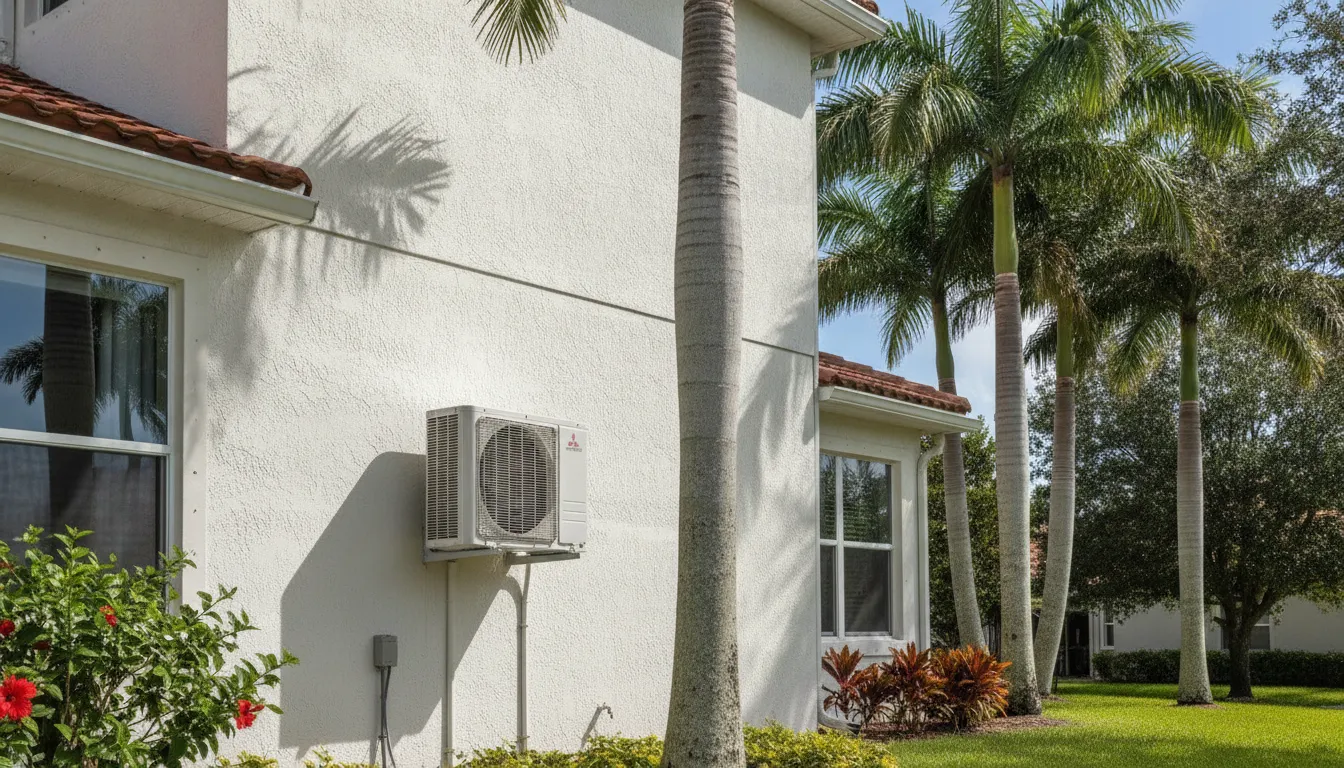
What if your home doesn't have ductwork? Or maybe you’ve built an addition and don't want to extend your existing ducts. That’s where ductless mini-splits shine. These systems use an outdoor unit connected to one or more indoor units mounted on walls or ceilings. Each indoor unit can cool a specific room or "zone" independently, giving you amazing flexibility and energy savings. This is perfect for cooling just the master bedroom at night or handling a hot sunroom without cranking the AC for the whole house. They are a great alternative to dealing with old or inefficient ductwork.
Packaged HVAC Systems
If space is tight, a packaged system might be the perfect fit. Unlike split systems, all the heating and cooling components of a packaged unit are housed in one single cabinet located outside. You’ll often see these on rooftops of commercial buildings, but they’re also a practical solution for smaller homes or manufactured homes where indoor space for a furnace or air handler is limited. This all-in-one design simplifies installation and maintenance, making it a straightforward choice for the right property. Our team can help you figure out if your home is a good candidate for this compact setup.
Heat Pump Systems
Heat pumps are the chameleons of the HVAC world, and they are incredibly popular in Florida for a good reason. They provide both heating and cooling by simply reversing the flow of refrigerant. In the summer, a heat pump pulls heat out of your home to cool it. In our mild winters, it reverses the process, extracting heat from the outside air and moving it inside to warm your home. Because they move heat rather than generate it, they are highly energy-efficient, which can make a real difference in your monthly utility bills. They are a versatile and smart choice for year-round comfort.
How to Choose the Right HVAC System for Your Home
Picking a new HVAC system is a big decision, but it doesn’t have to be overwhelming. Think of it as a long-term investment in your home’s comfort and value. The key is to break the process down into a few important factors. By considering your climate, home size, efficiency needs, and budget, you can find a system that keeps you comfortable for years to come. Let’s walk through what you need to know to make the right choice for your Florida home.
Picking a System for the Florida Climate
Here in Florida, an air conditioner does more than just cool the air; it’s also your first line of defense against our famous humidity. A good HVAC system is essential for controlling both temperature and moisture, which keeps your indoor air healthy and prevents issues like mold growth. You need a unit that’s built to handle long, hot summers and high humidity levels without breaking a sweat. When you’re looking at options, prioritize systems with excellent dehumidification capabilities. A multi-speed or variable-speed air handler is great for this, as it can run at a lower speed for longer periods to pull more moisture out of the air without overcooling your home.
Matching Your System to Your Home's Size
When it comes to HVAC systems, bigger is definitely not better. A unit that’s too large for your home will cool the space too quickly and shut off before it has a chance to properly dehumidify the air. This leads to that cold, clammy feeling and can waste a lot of energy. On the other hand, a system that’s too small will run constantly, struggling to keep up on hot days and driving up your electricity bill. The only way to know the perfect size is with a professional load calculation, which considers your home’s square footage, layout, insulation, and window placement. This ensures your new air conditioning installation is perfectly tailored to your home.
Understanding Energy Efficiency and SEER Ratings
Think of a SEER rating like the MPG (miles per gallon) for your car. SEER stands for Seasonal Energy Efficiency Ratio, and it measures how efficiently an air conditioner cools your home over an entire season. The higher the SEER rating, the less energy the unit uses, which means lower electricity bills for you. While the current minimum standard is 14 SEER, investing in a higher-rated unit can lead to significant savings over the system's lifespan, especially in a hot climate like ours. It’s a smart way to reduce your carbon footprint and keep more money in your pocket each month. You can learn more about the different energy efficiency terms to make an informed decision.
Finding a System That Fits Your Budget
A new HVAC system is a significant purchase, and the total cost depends on several factors. This includes the unit itself, its size and SEER rating, and the complexity of the installation. While it can be tempting to go with the cheapest option, it’s important to look at the long-term value. A less expensive, low-efficiency unit might cost you more over time in higher energy bills and potential repairs. At 5 Star Air, we believe in transparent pricing without any sales pressure. We’ll help you find a high-quality system that fits your needs and budget. Plus, many homeowners find that flexible financing options can make this important home upgrade much more manageable.
The Payoffs of Regular HVAC Maintenance
Think of your HVAC system like your car. You wouldn't drive it for years without an oil change or a tune-up, right? Your air conditioner works just as hard, especially here in Florida, and it needs the same kind of consistent care. Skipping maintenance might seem like you're saving money in the short term, but it almost always leads to bigger costs and headaches down the road. Regular, professional air conditioning maintenance isn't just another expense; it's a smart investment in your home's comfort, efficiency, and your own peace of mind. It keeps your system running smoothly, helps you avoid surprise breakdowns during a heatwave, and can even improve the air you breathe every day. Let’s look at the real, tangible benefits you get from scheduling those routine check-ups.
Lower Your Energy Bills
A system that has to work harder uses more energy, and that extra effort shows up directly on your monthly power bill. Over time, dust and debris build up on filters, coils, and fans, forcing your AC to run longer and more often to keep your home cool. A simple task like cleaning or replacing a dirty air filter can make a surprising difference. During a professional tune-up, a technician cleans all those critical components, ensuring your system operates at peak efficiency. This means it uses less electricity to do its job, which translates into lower energy bills for you month after month.
Help Your System Last Longer
An air conditioning system is one of the most expensive appliances in your home, so you want it to last as long as possible. Regular maintenance is the single best way to extend its lifespan. Just like a doctor's check-up can catch health issues early, an annual inspection by a qualified technician can identify and fix small problems before they become major failures. Addressing minor wear and tear, lubricating moving parts, and ensuring all connections are secure prevents unnecessary strain on the system. This proactive care helps your HVAC unit run for its full intended service life, protecting your investment and delaying the high cost of a full system replacement.
Breathe Cleaner, Healthier Air
Your HVAC system does more than just cool your home; it circulates the air you and your family breathe every day. When the system is dirty, it can circulate dust, pollen, pet dander, and even mold spores throughout your house. This can be a real problem for anyone with allergies or asthma. Regular maintenance includes cleaning the parts that collect these contaminants. For an even deeper clean, you can also consider services like duct sanitization. Keeping your system clean ensures it's circulating fresher, healthier air, which contributes to a more comfortable and pleasant indoor environment for everyone.
Avoid Expensive Breakdowns
There is nothing worse than your AC giving out in the middle of a sweltering Florida summer. These unexpected breakdowns are not only uncomfortable but can also be incredibly expensive. Many emergency repairs are caused by issues that could have been easily caught during a routine maintenance visit, like a clogged drain line or a failing capacitor. When you schedule regular tune-ups, a technician can spot these warning signs and fix them on the spot. This simple preventative step helps you avoid the stress, discomfort, and high cost of an emergency air conditioning repair call.
Signs Your HVAC System Needs Repair
Even the most reliable HVAC system will eventually need a little help. Living in Florida, we ask a lot of our air conditioners, and catching problems early can save you from a sweaty, stressful situation and a much bigger repair bill. Your system will usually give you hints that something is wrong before it quits entirely. Learning to spot these clues is key. Think of it as listening to your home; it will tell you when it needs a check-up. Paying attention to new sounds, smells, or a jump in your energy costs can help you get ahead of a major breakdown.
Telltale Signs You Shouldn't Ignore
Is your AC acting up? Don't just cross your fingers and hope it goes away. Common signs of trouble include weak airflow, which might mean a clogged filter or a more serious issue with your ducts. If your home feels more humid than usual or the air from your vents isn't cold, your system is struggling. This could be a refrigerant leak, which reduces cooling efficiency. You should also watch your utility bills. A sudden spike often means your AC is working overtime. If you notice these issues, it’s time to schedule an air conditioning repair to get things running smoothly again.
When to Call for Emergency Service
Some HVAC problems are more than an inconvenience; they're genuine emergencies. If your system stops working completely, especially during a hot Florida summer, don't wait. A complete breakdown requires immediate attention. You should also call for help right away if you hear loud noises like banging, grinding, or screeching, as this can signal a major component failure. Another critical red flag is a burning smell. If you notice one, turn your system off at the breaker and call a professional immediately. These situations can be hazardous, so it’s best to rely on emergency air conditioning services to safely fix the problem.
DIY vs. Calling a Pro: Know the Difference
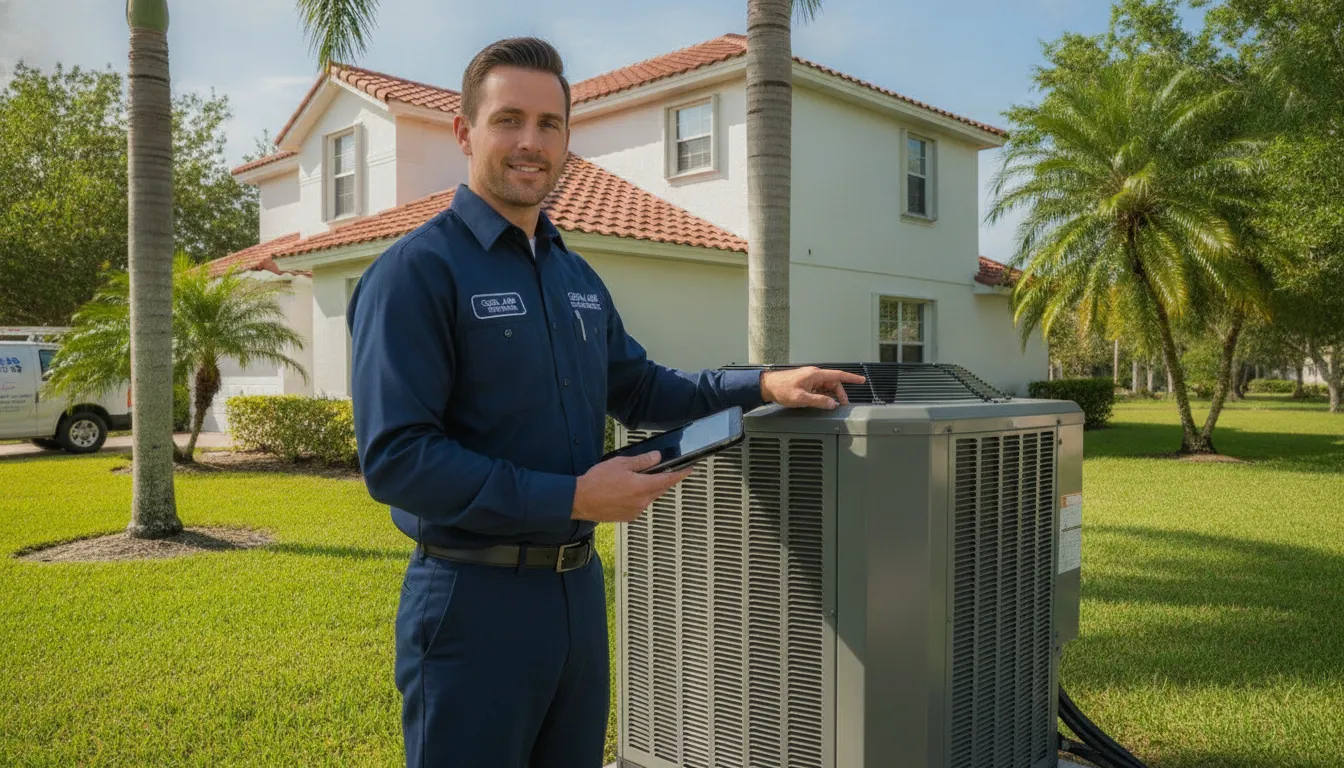
It’s great to be a hands-on homeowner, and there are a few tasks you can do to keep your system healthy. Regularly changing your air filters every 1-3 months is the most important one. You can also help by keeping your outdoor unit clear of leaves and debris to ensure proper airflow. However, most HVAC issues require professional expertise. Anything involving electrical components, refrigerant, or the internal mechanics of your unit should be left to a licensed technician. These tasks require special tools and training to be done safely. For anything beyond basic cleaning, it's always smartest to call a professional for air conditioning maintenance or repairs.
Common HVAC Myths, Busted!
There's a lot of advice floating around about how to care for your HVAC system and save money on energy bills. Unfortunately, a lot of it is just plain wrong. Believing these common myths can lead to higher energy costs, unnecessary wear on your system, and a less comfortable home. It's time to set the record straight. Let's bust some of the most persistent HVAC myths so you can make smarter decisions for your home and your wallet.
Maintenance Misconceptions That Cost You Money
One of the biggest myths is that if your AC is blowing cold air, everything is fine. This "out of sight, out of mind" approach is a recipe for a sudden, expensive breakdown, especially during a Florida summer. Your HVAC system needs preventive care, just like your car. Regular air conditioning maintenance helps catch small issues before they become major disasters. A technician can clean essential parts, like the coils, and ensure your system is running efficiently. Ignoring simple tasks like changing your air filter can also cause serious problems, forcing your system to work harder and shortening its lifespan.
Energy-Saving Myths Debunked
We all want to lower our electricity bills, but some popular "hacks" do more harm than good. For example, cranking the thermostat way down when you get home won't cool your house faster. Your AC cools at a set pace, so setting it extra low just makes it run longer and wastes energy. Another myth is that closing vents in unused rooms saves money. In reality, your system needs balanced airflow. Closing vents can increase pressure in your ductwork, leading to leaks and straining your unit. The best way to ensure efficiency is with a properly sized system from a professional air conditioning installation.
The Truth About Your Home's Air Quality
It's easy to assume the air inside your home is clean, but many common indoor pollutants, like mold spores and bacteria, are invisible. Given Florida's high humidity, our homes can become breeding grounds for these contaminants, triggering allergies and other respiratory issues. Your HVAC system is a key player in this. Beyond just cooling, it helps manage humidity and circulates air. Modern indoor air quality solutions can be integrated into your system to actively purify the air you breathe. Don't forget your ducts, either. Having them professionally cleaned can make a noticeable difference in your home's freshness.
Keep Your HVAC Running Smoothly All Year
Your HVAC system works hard, especially here in Florida. Giving it a little attention throughout the year is the best way to keep it running efficiently, prevent surprise breakdowns, and manage your energy costs. You don't have to be an expert to play a part in your system's health. A few simple habits and a bit of seasonal planning can make a world of difference, ensuring your home stays comfortable no matter what the weather is doing outside. Think of it as a partnership with your HVAC system; a little effort on your part helps it do its job better and last longer.
Simple Maintenance Tasks You Can Do Yourself
You’d be surprised how much you can do to keep your HVAC system in good shape. The single most important task is changing your air filter. A dirty filter forces your system to work harder, which wastes energy and can lead to damage. Check it monthly and plan to replace it every 1 to 3 months. Another easy job is to keep the area around your outdoor unit clear. Remove any leaves, grass clippings, or debris that could block airflow. Finally, take a peek at your condensate drain line to make sure it’s not clogged. These small steps support your system’s health, but they don’t take the place of a professional tune-up. Consistent air conditioning maintenance is what truly extends its life.
How to Prep Your System for Each Season
In Florida, we basically have two seasons: hot and hotter. Prepping your system is less about winterizing and more about getting ready for peak cooling season. Before the intense summer heat arrives, it’s the perfect time to schedule a professional check-up. A technician can spot and fix small issues before they turn into major, sweaty problems in the middle of July. You should also do your part by installing a fresh air filter and clearing the outdoor unit. During the milder months, your system gets a bit of a break. This is another great window to schedule maintenance, as you’ll likely have more flexibility and won't be in a rush. Planning ahead ensures your system is always ready for what’s next.
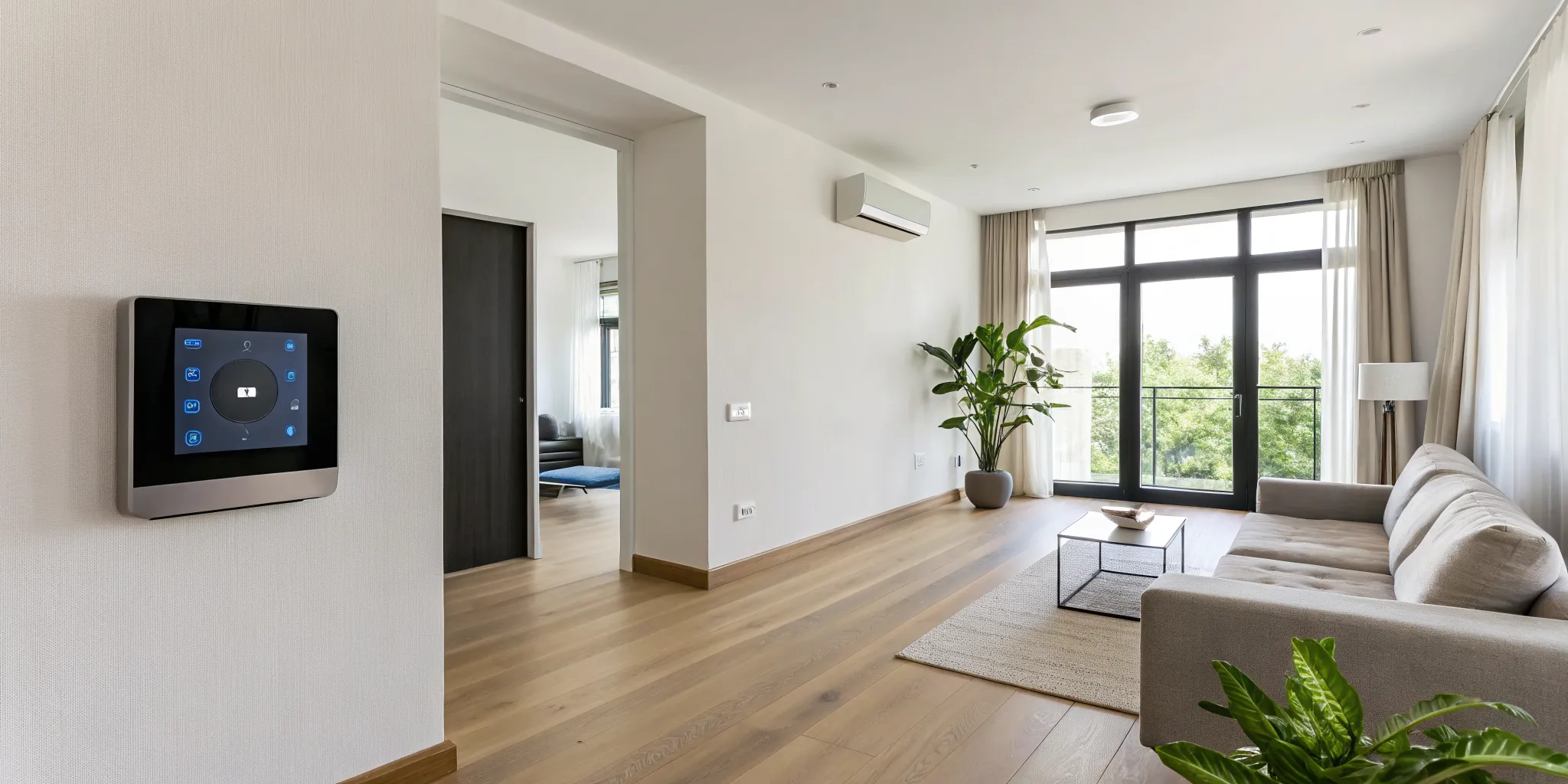
Get the Most Out of Your Smart Thermostat
A smart thermostat is one of the best upgrades for your HVAC system. It learns your schedule and preferences, helping you save energy without sacrificing comfort. To really make it work for you, program it to a more conservative temperature when you’re out of the house and have it cool down just before you get home. Use the vacation or away modes when you travel to save even more. It’s also helpful to resist the urge to crank the temperature way down when you feel hot. Your home won’t cool any faster, but your system will run much longer. If you're thinking about a new system, a smart thermostat is a fantastic addition to your air conditioning installation.
Don't Forget Your Ductwork
It’s easy to focus on the big, noisy parts of your HVAC system, like the outdoor condenser or the indoor air handler. But what about the hidden network that connects them all? Your ductwork is like the circulatory system for your home's comfort, carrying warm and cool air to every room. When it’s not in good shape, your entire system suffers, no matter how new or efficient your AC unit is. Paying attention to your ducts is a key part of keeping your home comfortable, your air clean, and your energy bills in check.
Signs Your Ducts Need Attention
You might not be able to see your ducts, but they give off clear signals when something is wrong. Are some rooms in your house always stuffy and warm while others are freezing? That uneven temperature is a classic sign of duct problems, like leaks or blockages. You might also notice weak airflow coming from your vents. Another red flag is a sudden, unexplained spike in your energy bills, which can happen when your system works overtime to compensate for air escaping through holes in the ductwork. Also, listen for strange rattling or whistling sounds when your system runs, and take note if you see excessive dust buildup around your vents. These are all signs that it's time to have your ducts inspected.
The Benefits of Clean or New Ductwork
Keeping your ductwork in top condition offers some serious perks. First and foremost, it improves your system's efficiency. When air can flow freely without escaping through leaks, your HVAC unit doesn't have to work as hard to cool your home. This directly translates to lower energy bills each month. Clean ducts also have a massive impact on your home’s indoor air quality. Professional duct sanitization removes dust, pollen, pet dander, and even mold spores that would otherwise circulate through your air. This means you and your family can breathe easier, which is especially important for anyone with allergies or asthma. A well-maintained duct system also reduces strain on your equipment, helping it last longer.
When to Call for Professional Duct Services
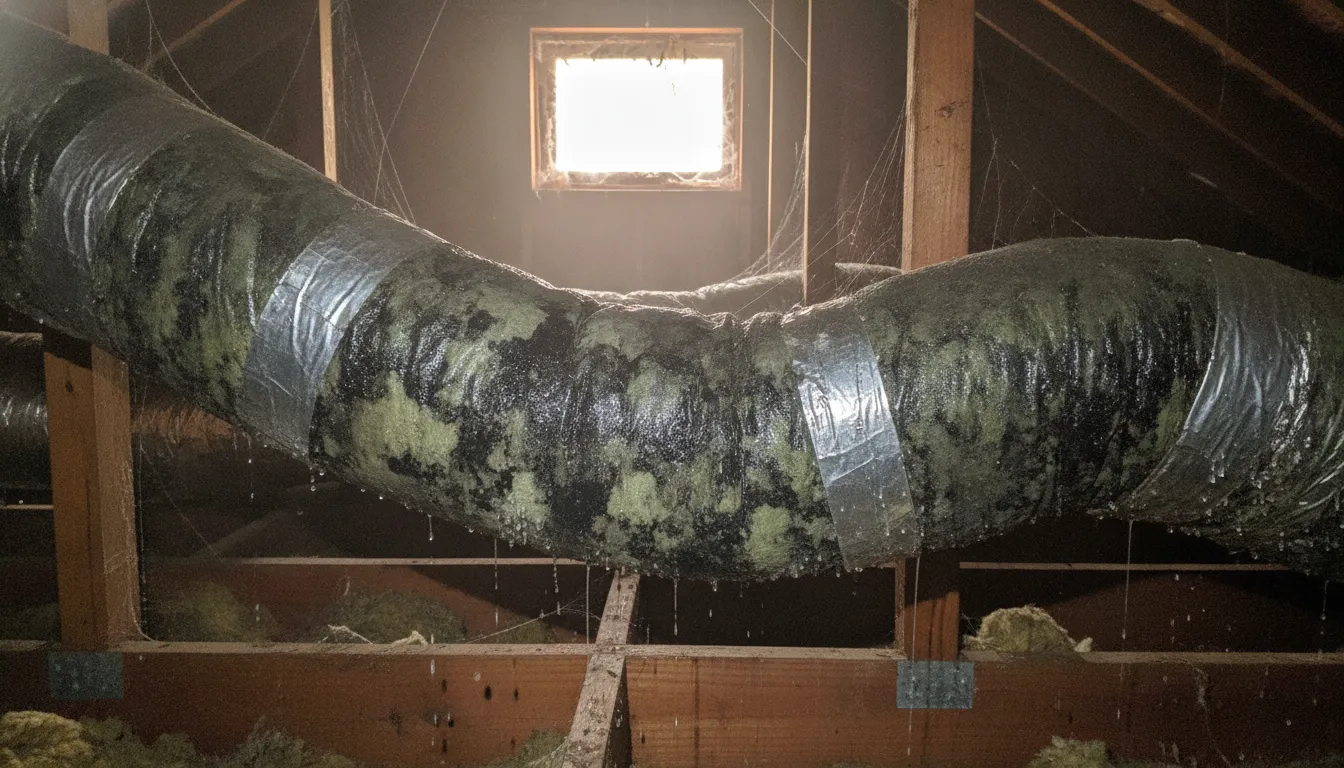
While you can handle changing your air filters, inspecting and cleaning ductwork is a job best left to the pros. You should schedule a professional inspection if you’ve never had your ducts looked at, especially in an older home. It’s also a good idea after any major home renovation, as construction dust can clog your system. If you notice any signs of mold, see evidence of pests in your vents, or if your home just won't stay comfortable, it's time to make a call. A trained technician can identify hidden leaks, remove blockages, and ensure your ductwork is properly sealed and insulated, which is a critical part of routine air conditioning maintenance.
How to Choose the Right HVAC Pro in Southwest Florida
Finding the right person to work on your HVAC system can feel like a big deal, because it is. In Southwest Florida, where our air conditioners work overtime, a reliable technician is your best defense against the sweltering heat. The right company not only keeps your home comfortable but also saves you from surprise costs and headaches. It’s about finding a partner you can trust for everything from a quick fix to a full system replacement.
So, how do you sort through the options and find a true professional? It comes down to knowing what to look for, asking the right questions, and understanding the promises a company makes. When you find a team that checks all the boxes, you can feel confident that your home is in good hands. We’ll walk through the key things to focus on so you can choose an HVAC pro with total peace of mind.
What to Look for in a 5-Star Technician
When you start your search for a great HVAC technician, your first priority should be finding someone who is licensed and insured. This is non-negotiable, as it protects you and your home. A reputable technician will also have a strong history of providing expert air conditioning repair, installation, and maintenance. You can often see this track record in customer testimonials and online reviews. Finally, since AC issues rarely happen at a convenient time, look for companies that are available 24/7. This ensures you have support when you need it most, especially during an unexpected heatwave.
Key Questions to Ask Before You Hire
Before you hire an HVAC technician, it’s smart to have a few questions ready. This helps you gauge their professionalism and expertise. Always ask about their licensing, insurance, and experience in the industry. You can also request references and check online reviews to get a feel for their reputation in the community. A trustworthy company will be happy to provide this information. Asking these questions upfront helps you find a reliable professional who can handle your specific needs and gives you confidence in your decision.
Decoding Warranties and Service Guarantees
Understanding the terms of warranties and service guarantees is essential when choosing an HVAC technician. These policies are your safety net if something goes wrong after a repair or installation. Before agreeing to any work, make sure you are clear on what is covered, how long the coverage lasts, and the exact process for making a claim. This knowledge can protect you from unexpected expenses later on. A company that offers a straightforward service guarantee shows that they stand behind their work and are committed to your satisfaction.
Related Articles
- HVAC Tips & Insights Blog - Expert Advice from 5 Star Air
- Benefits of Regular HVAC Maintenance
- How to Prepare Your HVAC for a Florida Summer
- 5 Signs Your AC Needs Repair
Frequently Asked Questions
How often should I schedule professional maintenance for my AC in Florida? For Florida homeowners, we recommend a professional tune-up once a year, ideally in the spring before the summer heat really kicks in. Our climate puts a heavy workload on air conditioners for most of the year, so an annual check-up is the best way to ensure your system is clean, efficient, and ready to handle the demand. This proactive step helps prevent surprise breakdowns during the hottest months and keeps your energy bills from creeping up.
My AC is old but still works. Should I repair it or replace it? This is a common dilemma, and the answer often comes down to simple math. A good rule of thumb is to consider replacement if your system is over 10 years old and the cost of a repair is approaching 50% of the price of a new unit. An older, less efficient system that needs frequent repairs can cost you more in the long run through high energy bills and repeated service calls. A new system offers better efficiency, reliability, and peace of mind.
Is a higher SEER rating really worth the extra money? While a system with a higher SEER rating has a larger initial price tag, it's often a very smart investment for anyone living in Southwest Florida. Think of it this way: the higher the rating, the less electricity the unit uses to cool your home. In a climate where the AC runs almost constantly, those energy savings add up significantly month after month. Over the lifespan of the system, a high-efficiency unit can often pay for the initial cost difference and then some.
Why does my house feel humid even when the AC is running? This is a classic sign that your air conditioner isn't removing moisture from the air effectively. It can happen for a couple of reasons. Your system might be too large for your home, causing it to cool the space very quickly and shut off before it has a chance to run long enough to dehumidify. It could also be a sign that your system is low on refrigerant or needs a professional tune-up. A properly functioning AC should keep your home feeling both cool and dry.
Besides changing the filter, what's one thing I can do to help my AC? One of the easiest and most helpful things you can do is keep your outdoor unit clean and clear. That big metal box outside needs to breathe. Make sure to trim back any bushes or plants so there are at least two feet of clear space around it. Regularly clear away any leaves, grass clippings, or debris that can build up on the sides and top. This simple habit ensures the unit has proper airflow, which is essential for it to release heat and cool your home efficiently.