A Homeowner's Guide to HVAC Replacement Options
Living in Southwest Florida means our air conditioners are the unsung heroes of our homes, battling relentless heat and humidity nearly year-round. This constant workload, combined with corrosive salt air, means HVAC systems here face challenges they wouldn’t anywhere else. They simply work harder and wear out faster. When the time for a replacement comes, it’s crucial to choose a system built to handle our unique climate. We’ll break down everything you need to know, from corrosion-resistant features to superior humidity control, so you can confidently evaluate your hvac replacement options and make an investment that stands up to the Florida elements.
Key Takeaways
- Make the right financial call: Use the 5-year rule (multiply the unit's age by the repair cost) to see if a fix is worth it. If the total is over $5,000, or if your system is over 10 years old and needs frequent repairs, a replacement is usually the smarter long-term investment.
- Choose features that matter in Florida: The right system is about more than the brand. Ensure it is correctly sized to control humidity, has a high SEER2 rating for energy savings, and includes corrosion-resistant features to withstand our salty air.
- Secure your investment for the long haul: A quality system requires a professional installation to protect your warranty and ensure peak performance. After installation, committing to a regular maintenance plan is the best way to prevent future issues and get the most out of your new unit.
Is It Time to Replace Your HVAC System?
Deciding whether to repair or replace your HVAC system is a major decision. It’s one of those big homeowner moments that can feel overwhelming, especially when your AC gives out during a sweltering Florida summer. You want to make a smart financial choice, but you also just want your house to be cool and comfortable again. The good news is that you don’t have to make this decision blindly. A few key indicators can help you figure out if another repair is just a temporary fix or if it’s truly time for a full system replacement.
The age of your system, how often you’re calling for service, and even where you live all play a role. Living in Southwest Florida means our air conditioners work harder than almost anywhere else in the country. Understanding these factors will help you weigh your options and decide on the best path forward for your home and your budget. We’ll walk through the most important signs to look for, a simple rule to help you do the math, and why our local climate is such a critical piece of the puzzle.
Signs It's Time for a Replacement, Not a Repair
Think of your HVAC system like a car. When it’s new, a minor fix makes sense. But when it gets older and the repairs become more frequent and expensive, you eventually have to decide when to stop sinking money into it. Most central air conditioners last about 10 to 15 years. If your system is in that age range or older, replacement is often the more sensible long-term solution. Constant breakdowns are another huge red flag. If you find yourself scheduling air conditioning repair every season, the costs can quickly add up to more than the price of a new, reliable unit. Also, pay attention to rising energy bills and inconsistent temperatures, as these are signs your old system is losing efficiency and can no longer keep up.
Know the 5-Year Repair Rule
Here’s a helpful rule of thumb to guide your decision: multiply the age of your HVAC unit by the estimated cost of a repair. If the total is more than $5,000, it’s generally a good idea to consider a replacement. For example, if your system is 12 years old and needs a $450 repair, the calculation is 12 x $450 = $5,400. In this case, investing in a new system is likely the smarter financial move. This simple formula helps you look beyond the immediate repair cost and consider the long-term value. An honest technician can help you evaluate the health of your current system and determine if a new air conditioning installation is the right choice for you.
Why Florida's Climate Is Tough on Your HVAC
Living in paradise comes with a price, and your HVAC system often pays it. The combination of relentless humidity, corrosive salt air, and the need for year-round cooling puts an incredible amount of strain on equipment. Systems here simply don't last as long as they might in milder, drier climates. The outdoor unit is especially vulnerable; the salt in the air accelerates rust and corrosion, while frequent storms can clog the unit with debris. This constant battle against the elements means that even well-maintained systems will eventually wear out. Regular air conditioning maintenance is essential to extend your unit's life, but the harsh reality of our climate makes replacement an inevitable part of Florida homeownership.
Breaking Down Your HVAC Replacement Options
Choosing a new HVAC system can feel like a huge decision, but it doesn’t have to be overwhelming. When you live in Florida, your air conditioner is more than a luxury; it’s an essential part of your home that runs nearly year-round to battle the heat and humidity. That’s why picking the right replacement is so important for your comfort and your wallet. The good news is that modern systems offer incredible efficiency and features that can transform your home's environment.
Once you know it’s time for an upgrade, the next step is to understand what’s out there. The right system for your neighbor’s ranch-style house might not be the best fit for your two-story home. Your home’s age, layout, existing ductwork (or lack thereof), and your energy-saving goals all play a part in finding the perfect match. Think of this as an opportunity to find a solution that truly works for your lifestyle, not just a like-for-like replacement of your old unit. We'll break down the most common choices, from traditional central air to highly efficient heat pumps and ductless options. Our goal is to give you the knowledge you need to feel confident when you request an estimate and make the best investment for your home.
Central Air Conditioning Systems
Central air conditioning is what most of us picture when we think of an HVAC system. It uses a network of ducts to distribute cool air throughout your entire home from a single unit. These systems are a popular and reliable choice for many Florida homeowners. Modern units are incredibly efficient, especially those with a high SEER2 (Seasonal Energy Efficiency Ratio 2) rating. A higher rating means the unit uses less energy to cool your home, which translates directly to lower electricity bills. If your home already has ductwork in good condition, installing a new central air conditioning system is often the most straightforward and cost-effective replacement option.
Heat Pumps
Don’t let the name fool you; heat pumps are masters of both cooling and heating. In the summer, a heat pump works just like a traditional air conditioner, pulling heat out of your home and moving it outside. In Florida's mild winters, it simply reverses the process, extracting heat from the outside air to warm your house. Because they transfer heat rather than generate it, heat pumps are exceptionally energy-efficient. This versatility makes them an excellent all-in-one solution for year-round comfort. For many homeowners in Southwest Florida, installing a heat pump can lead to significant savings on utility costs compared to systems with separate heating and cooling components.
Ductless Mini-Split Systems
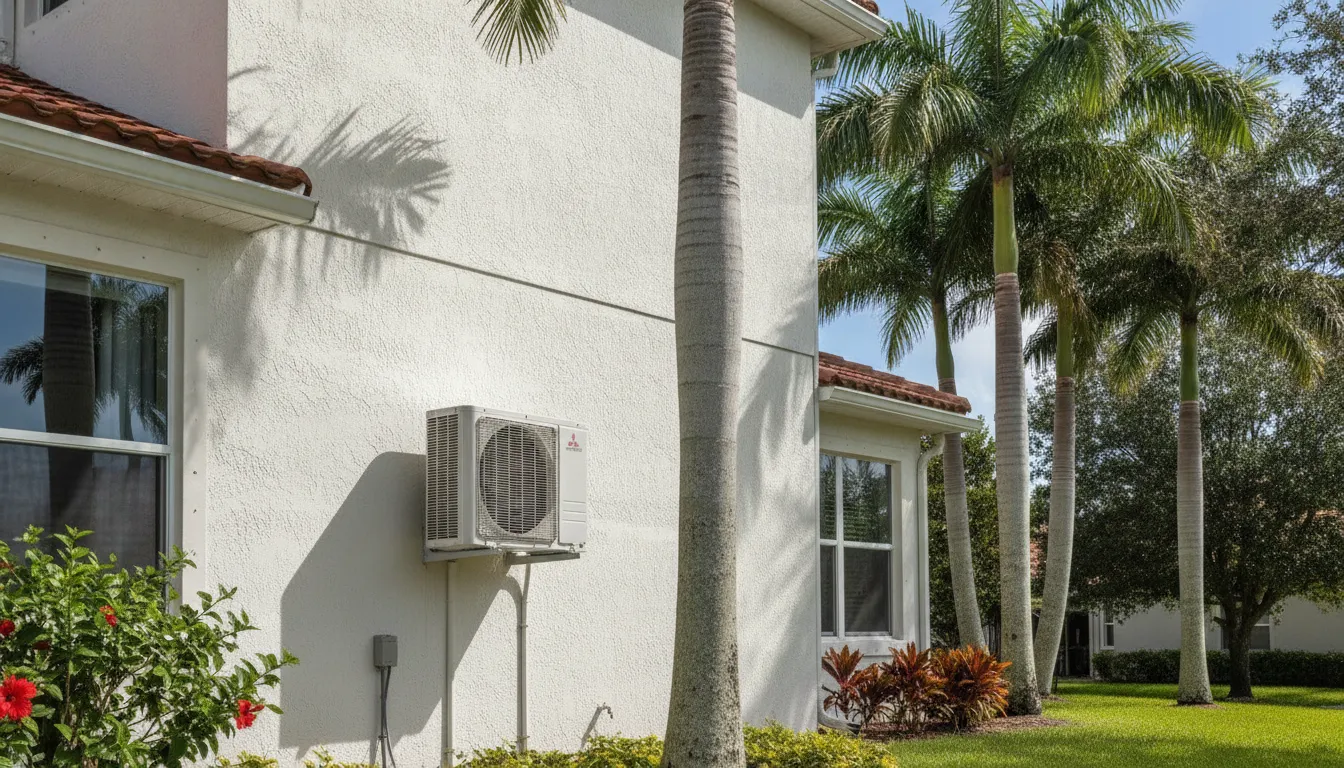
If your home doesn't have existing ductwork, or if you’re looking to cool a specific area like a garage, sunroom, or new addition, a ductless mini-split system is a fantastic option. These systems consist of an outdoor compressor connected to one or more indoor units mounted on walls or ceilings. Each indoor unit cools its designated space, allowing you to create different temperature zones throughout your home. This targeted approach is highly efficient because you avoid the energy loss that can happen in duct systems. In fact, homeowners can see major savings on their monthly cooling bills. They are also a great solution for older homes where installing new ductwork would be too invasive or costly.
Geothermal Systems
Geothermal systems are one of the most energy-efficient ways to cool and heat your home. They work by using the stable temperature of the earth. A series of pipes, called a loop, is buried underground. In the summer, fluid circulating through the loop absorbs heat from your home and transfers it to the cooler ground. In the winter, it does the opposite. Geothermal systems are incredibly durable and have a very long lifespan, but the initial installation cost is higher due to the need for excavation. However, the long-term energy savings can be substantial, making it a worthwhile investment for homeowners focused on sustainability and lower operating costs.
Zoning Systems
A zoning system isn't a type of HVAC unit but rather an upgrade that gives you more control over a central air system. It divides your home into different "zones," each controlled by its own thermostat. Dampers inside the ductwork open and close to direct airflow only to the zones that need it. For example, you can keep the upstairs cool during the day without wasting energy cooling the empty bedrooms. This is perfect for larger homes or families with different temperature preferences. By not cooling unused areas, you can significantly reduce your energy consumption and improve your home's comfort and efficiency.
What Are the Pros and Cons of Each HVAC Option?
Choosing a new HVAC system can feel overwhelming with all the different technologies out there. Let’s break down the most common options so you can see which one fits your home, budget, and lifestyle best. Each system has its own strengths, and understanding them is the first step toward making a confident choice.
Central Air Conditioning: Pros and Cons
This is the system most of us are familiar with. A central AC unit cools air and distributes it through a network of ducts to every room in your house. The biggest pro is its ability to provide consistent, whole-home cooling, which is a lifesaver in the Florida heat. Modern systems are also very efficient, especially if you choose a unit with a high SEER2 rating. The main downside is that you’re cooling the entire house, even rooms you aren’t using. Plus, if your ductwork is old or leaky, you can lose a lot of that cool air and efficiency before it ever reaches your vents.
Heat Pumps: Pros and Cons
A heat pump is a fantastic all-in-one solution. In the summer, it works just like a central air conditioner, moving heat from inside your home to the outside. But in the winter, it reverses the process, pulling heat from the outside air to warm your home. Because it moves heat rather than creating it, it's incredibly energy-efficient. This can lead to significant savings on your utility bills, especially during our mild Florida winters. The initial cost for a new air conditioning installation and replacement of a heat pump can be higher than a traditional AC, but the long-term energy savings often make it a worthwhile investment.
Ductless Mini-Splits: Pros and Cons
If you have a home without existing ductwork, or if you want to cool a specific area like a garage, addition, or sunroom, a ductless mini-split is an excellent choice. These systems use an outdoor compressor connected to one or more indoor units mounted on the wall or ceiling. They are extremely efficient because no air is lost through ducts. They also allow you to create "zones," so you only cool the rooms you're using. The main cons are the higher upfront cost compared to a window unit and the fact that some people don't like the look of the indoor units on their walls.
Geothermal Systems: Pros and Cons
Geothermal systems are the gold standard in energy efficiency. They use pipes buried deep in the ground to tap into the earth's stable temperature, exchanging heat to cool your home. Because the ground temperature is constant, these systems are incredibly efficient and can drastically reduce your energy bills. They are also durable and have a very long lifespan. The biggest hurdle is the installation cost. It’s significantly higher than other systems because of the required excavation and underground loop system. While it pays for itself over time, the initial investment is substantial, which is why exploring financing options can be helpful.
What to Look for in a New HVAC System
Choosing a new HVAC system can feel like learning a new language, with all the acronyms and technical specs. But you don't need to be an expert to make a great choice. When you're ready for an air conditioning installation, focus on a few key features that make a real difference, especially here in Florida. Getting these right will ensure your home stays comfortable and your energy bills stay manageable for years to come. Think of it as a checklist for finding the perfect match for your home's unique needs.
Understand SEER Ratings and Energy Efficiency
Think of the SEER2 rating as the miles-per-gallon for your air conditioner. It stands for Seasonal Energy Efficiency Ratio, and a higher number means the unit uses less energy to cool your home. While a system with a higher SEER2 rating might have a larger price tag initially, it can lead to significant savings on your monthly cooling bills. In a place like Southwest Florida where the AC runs almost year-round, investing in energy efficiency pays off. It’s one of the most important factors to consider for long-term value and a lower environmental footprint.
Size Your System Correctly—Bigger Isn't Always Better
It’s a common myth that a bigger, more powerful HVAC system will cool your home better. In reality, an oversized unit is a big problem. It will cool the air too quickly and shut off before it has a chance to remove humidity, leaving your home feeling damp and clammy. This constant starting and stopping, known as short-cycling, also causes extra wear and tear and wastes energy. A correctly sized system runs in balanced, consistent cycles to maintain a comfortable temperature and effectively control humidity. A professional evaluation is the only way to determine the perfect size for your home’s square footage, layout, and insulation.
Prioritize Humidity Control and Indoor Air Quality
In Florida, fighting humidity is just as important as controlling the temperature. A good HVAC system is your first line of defense against that sticky, muggy feeling. When your system is sized correctly and running efficiently, it will naturally pull excess moisture from the air. You can also improve your home's environment by focusing on indoor air quality. This includes using high-quality air filters and considering additions like UV lights or whole-home dehumidifiers. These components work with your HVAC system to reduce allergens, mold, and other pollutants, helping your family breathe easier.
Insist on Corrosion Resistance for Coastal Climates
Living near the coast is wonderful, but the salty, humid air is incredibly tough on outdoor machinery, including your AC unit. The combination of salt and moisture can cause metal components to corrode and break down prematurely. When shopping for a new system, ask about corrosion-resistant features. Many manufacturers offer units with special coatings on the coils and fins or even composite base pans that won't rust. Making this a priority during your purchase can add years to your system’s life and help you avoid an early, unexpected air conditioning repair.
Explore Smart Thermostats and Variable-Speed Technology
Modern HVAC technology offers incredible control and efficiency. Variable-speed systems are a major step up from older, single-stage units. Instead of just being "on" or "off," they can make tiny adjustments to their speed, running almost continuously at a low level to maintain a precise temperature and save energy. Pair this with a smart thermostat, and you can control your home's climate from your phone, set schedules, and let the system learn your habits to optimize cooling. These smart features aren't just for convenience; they are powerful tools for managing your energy consumption.
How Much Does a New HVAC System Cost?
Let’s talk about the big question: the budget. Replacing your HVAC system is a significant home investment, and the final price tag can vary quite a bit. The total cost depends on the type of system you choose, the size of your home, the condition of your existing ductwork, and the complexity of the installation. At 5 Star Air, we believe in honest, transparent pricing, so we want to walk you through all the factors that contribute to the cost. This way, you can feel confident you’re making a smart financial decision for your home.
System Costs by Type
The price of the HVAC unit itself is the biggest part of your total cost. Generally, you can expect a new system to range from $5,000 to $8,000 for a standard, efficient model. If you’re looking for a high-end system with advanced features like superior humidity control or smart technology, the cost could be between $7,500 and $15,750. The final price depends on the brand, energy efficiency rating (SEER2), and specific features. Remember, these numbers are just for the unit; installation and other factors will also affect the final bill.
Factor in Installation Costs
An HVAC system is only as good as its installation. You can buy the best unit on the market, but if it’s installed incorrectly, you’ll face poor performance, higher energy bills, and a shorter lifespan. Professional air conditioning installation is not the place to cut corners. The cost of installation accounts for the labor, expertise, and tools required to set up your system correctly, ensure it’s properly connected, and test it for optimal performance. Investing in a quality installation from licensed and insured technicians protects your new equipment and ensures it runs efficiently from day one.
Don't Forget About Ductwork
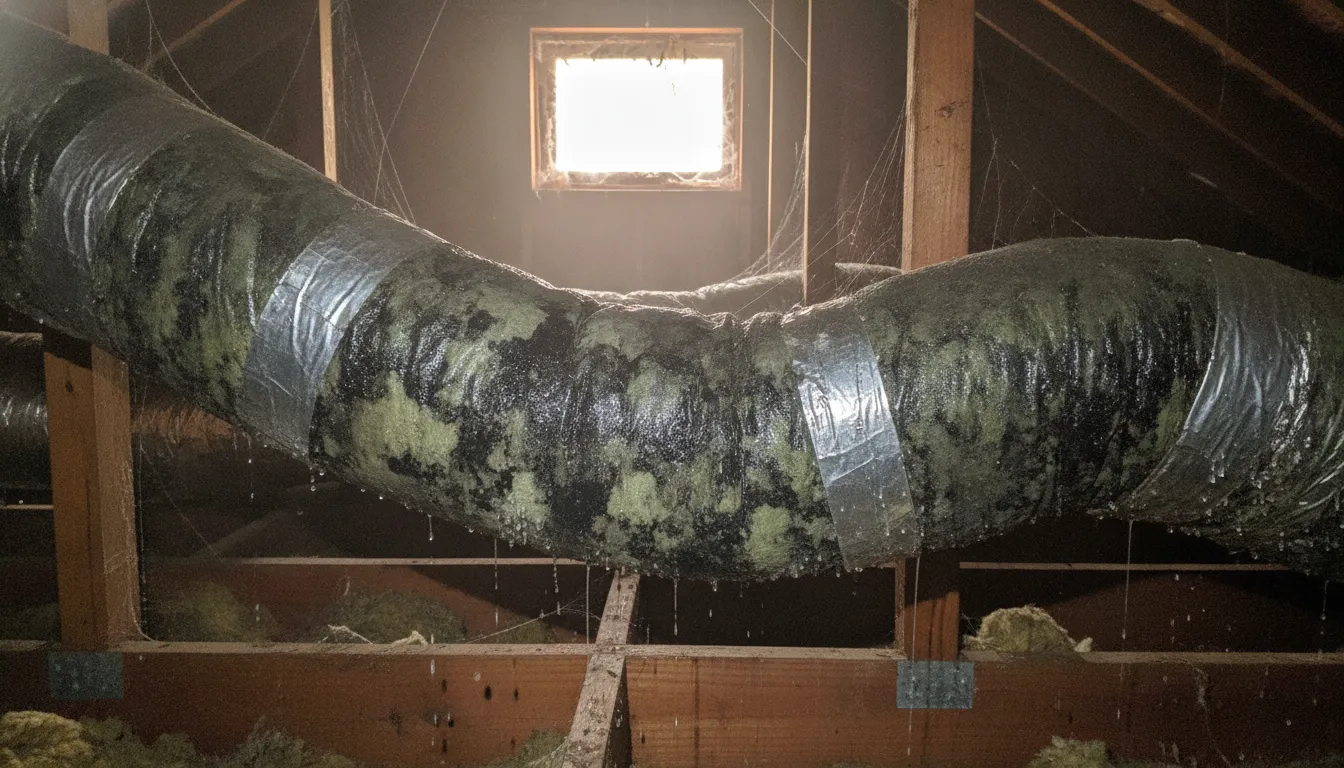
Your air ducts are the circulatory system for your HVAC, carrying cool air throughout your home. If your existing ductwork is old, leaky, or improperly sized, it can’t support a new, high-efficiency system. In some cases, you may need repairs or even a full replacement, which will add to the overall project cost. Ignoring damaged ducts is like putting a powerful new engine in a car with leaky fuel lines; you’ll just waste energy and money. Proper ductwork is essential for efficiency and good indoor air quality.
Calculate Your Long-Term Energy Savings
It’s easy to focus on the upfront price, but it’s also important to think about the long-term costs. A higher-efficiency unit might cost more initially, but it can lead to significant savings on your monthly utility bills. In a climate like Florida’s, where the AC runs almost year-round, these savings add up quickly. When comparing quotes, look at the system’s SEER2 rating. A higher rating means greater efficiency. Over the 10 to 15-year lifespan of your system, a more efficient model can often pay for the initial difference in price through lower energy consumption.
Find Available Rebates, Credits, and Financing
You may not have to cover the entire cost of a new HVAC system on your own. Government programs often provide tax credits for homeowners who install high-efficiency systems. For example, you could receive up to $2,000 for qualifying heat pumps or up to $1,200 for certain central AC systems. These incentives can make a higher-efficiency model much more affordable. Our team can help you identify which systems qualify for these credits. To make the investment even more manageable, we also offer flexible financing options to fit your budget.
Common Myths About HVAC Replacement
Making the decision to replace your HVAC system is a big one, and the last thing you want is to be guided by outdated information. There are a lot of myths floating around that can lead to poor choices, wasted money, and long-term frustration. Let's clear the air and tackle some of the most common misconceptions about HVAC replacement so you can move forward with confidence.
Myth: You only need to replace one part.
When one part of your system fails, it’s tempting to replace only that component to save money. Unfortunately, this is usually a recipe for trouble. Your indoor and outdoor units are designed as a matched set. Pairing a new, high-efficiency unit with an older, less efficient one creates a system imbalance. This mismatch can reduce performance, increase your energy bills, and put extra strain on the new part, often leading to premature failure. A professional air conditioning installation ensures all components are compatible and work together for optimal efficiency and longevity.
Myth: Heat pumps don't work well in Florida.
You might have heard that heat pumps aren't a great choice for Florida's climate, but this idea is a holdover from a different era of technology. Modern heat pumps are incredibly efficient at both cooling and heating, making them a fantastic all-in-one solution for our region. During our hot, humid summers, they function just like a high-efficiency central air conditioner. And for those occasional chilly winter days, they simply reverse the process to provide warmth far more efficiently than traditional electric furnaces. For many Florida homeowners, a new heat pump is one of the smartest energy-saving upgrades you can make.
Myth: A new system doesn't need maintenance.
After investing in a brand-new HVAC system, it’s easy to think you can forget about it for a few years. However, a new system is like a new car; it needs regular check-ups to perform its best. Neglecting it can void your warranty, reduce efficiency, and shorten its lifespan. Simple tasks like changing the air filter are important, but professional tune-ups are essential. Scheduling regular air conditioning maintenance protects your investment by catching small issues before they become big problems, ensuring your system runs smoothly and efficiently for years to come.
Avoid These HVAC Replacement Mistakes
Replacing your HVAC system is a major home project, and you want to get it right the first time. While better efficiency and lower energy bills are exciting, a few common missteps can turn your investment into a headache. Knowing what pitfalls to look for is key to making an informed decision. Avoiding these mistakes will ensure your new system keeps you comfortable for years to come.
Choosing the Wrong Size Unit
It’s a common assumption that when it comes to air conditioners, bigger is always better. In reality, one of the biggest mistakes you can make is getting a unit that’s the wrong size for your home. An oversized AC will cool your space too quickly, causing it to shut off before it has a chance to properly dehumidify the air. This leads to that cold, clammy feeling and can even encourage mold growth. On the other hand, an undersized unit will run constantly without ever reaching the set temperature, driving up your energy bills and wearing out the components prematurely. A professional technician performs a detailed calculation to find the perfect fit for your home's specific needs.
Skipping a Professional Installation
An HVAC system is a complex piece of machinery, and its installation is definitely not a weekend DIY project. Attempting to install it yourself or hiring an uncertified handyman can lead to a whole host of problems. Improper installation can void your manufacturer's warranty, create serious safety risks, and drastically reduce the system's efficiency and lifespan. A professional air conditioning installation ensures that every component, from the electrical connections to the refrigerant lines, is set up correctly and safely. Our licensed and insured technicians have the training and tools to get the job done right, giving you peace of mind that your investment is protected and will perform as expected from day one.
Focusing Only on the Upfront Price
When you're looking at quotes, it’s easy to get sticker shock and gravitate toward the cheapest option. However, focusing only on the initial price tag can cost you more in the long run. A less expensive, lower-efficiency unit will result in higher monthly utility bills. Over the 10 to 15-year lifespan of an HVAC system, those extra energy costs really add up. Instead, consider the total cost of ownership. A high-efficiency model may have a higher initial price, but the monthly energy savings can often pay for the difference over time. Exploring financing options can also make a more efficient and reliable system accessible without straining your budget.
How to Protect Your New HVAC System
You’ve made a significant investment in your home’s comfort by installing a new HVAC system. Now, the goal is to make sure it runs efficiently for years to come. Protecting your new unit involves a little proactive care, but it pays off by preventing expensive breakdowns and keeping your energy bills in check. Think of it as setting your system up for a long and healthy life. By following a few simple steps, you can ensure you get the most out of your investment and enjoy reliable, cool air when you need it most.
Commit to a Regular Maintenance Plan
Just like a new car needs regular oil changes, your new HVAC system needs consistent professional attention to stay in top condition. Committing to a maintenance plan is the single best thing you can do to extend its lifespan and ensure it performs efficiently. During a tune-up, a technician will clean the coils, check refrigerant levels, test electrical components, and catch small issues before they become major headaches. This proactive approach not only keeps your system running smoothly but also helps maintain its warranty. Scheduling air conditioning maintenance twice a year is a small step that delivers huge returns in performance and peace of mind.
Keep Your Outdoor Unit Clear and Clean
Your outdoor condenser unit works hard to release heat from your home, and it needs space to breathe. Here in Florida, it’s easy for debris like palm fronds, leaves, and grass clippings to build up around the unit, restricting airflow. This forces your system to work harder, driving up energy costs and leading to premature wear. Make it a habit to keep the area around your outdoor unit clear, maintaining at least two feet of space on all sides. Regularly trimming back shrubs and clearing away yard debris can prevent system failures and keep your new HVAC running as efficiently as the day it was installed.
Consider These Indoor Air Quality Upgrades
Protecting your HVAC system also happens from the inside. It’s a common myth that you only need to change your air filter once a year. In reality, with Florida’s humidity and allergens, you should check it monthly and plan to replace it every 1 to 3 months, especially if you have pets. A clogged filter makes your system struggle. Beyond filters, you can explore other indoor air quality solutions that protect both your health and your HVAC equipment. UV light purifiers, for example, can be installed within your system to prevent mold and bacteria from growing on the indoor coil, keeping the air cleaner and the unit running efficiently.
Related Articles
- HVAC Tips & Insights Blog - Expert Advice from 5 Star Air
- Prepare Your HVAC for Florida Summer
- HVAC Services in Southwest Florida - AC Repair, Installation & Maintenance | 5 Star Air
Frequently Asked Questions
My AC is old but still works. Should I just wait for it to break down completely? Waiting for a complete breakdown might seem practical, but it often leads to a stressful, rushed decision, especially during a Florida heatwave. Proactively replacing an aging system allows you to research your options, choose the most efficient unit for your home, and schedule the installation at your convenience. It also helps you avoid the higher costs and limited choices that can come with an emergency replacement.
What does SEER2 mean, and why is it so important? Think of the SEER2 rating as a measure of your air conditioner's fuel efficiency, just like miles per gallon for a car. A higher SEER2 number means the unit uses less electricity to cool your home. In a place like Southwest Florida where our ACs run constantly, choosing a system with a higher SEER2 rating can lead to significant savings on your monthly energy bills, often making up for a higher initial price over the life of the unit.
How do I know what size HVAC system my home needs? Figuring out the right size is a job for a professional, and it involves more than just your home's square footage. A technician will perform a calculation that considers factors like your home's layout, window quality, insulation levels, and even how much shade your house gets. This ensures the system is powerful enough to cool your home effectively but not so large that it wastes energy or fails to control humidity.
Is a heat pump a good choice for someone who rarely uses the heat? It's a common question here in Florida. A modern heat pump is an incredibly efficient air conditioner first and foremost. During our long summers, it functions just like a high-efficiency central AC. The heating function is an added bonus that is far more energy-efficient than older electric heat strips for those few chilly days we get. So, even if you only use the heat a few times a year, a heat pump is an excellent, energy-saving choice for year-round cooling.
How can I make a new HVAC system more affordable? The upfront cost can be a hurdle, but there are several ways to make it more manageable. First, ask your technician about any available manufacturer rebates or federal tax credits for high-efficiency systems, as these can reduce the total cost. Second, a more efficient system will lower your monthly utility bills, providing long-term savings. Finally, many companies offer flexible financing options that allow you to pay for the system over time with manageable monthly payments.