The Ultimate HVAC Spring Tune Up Checklist
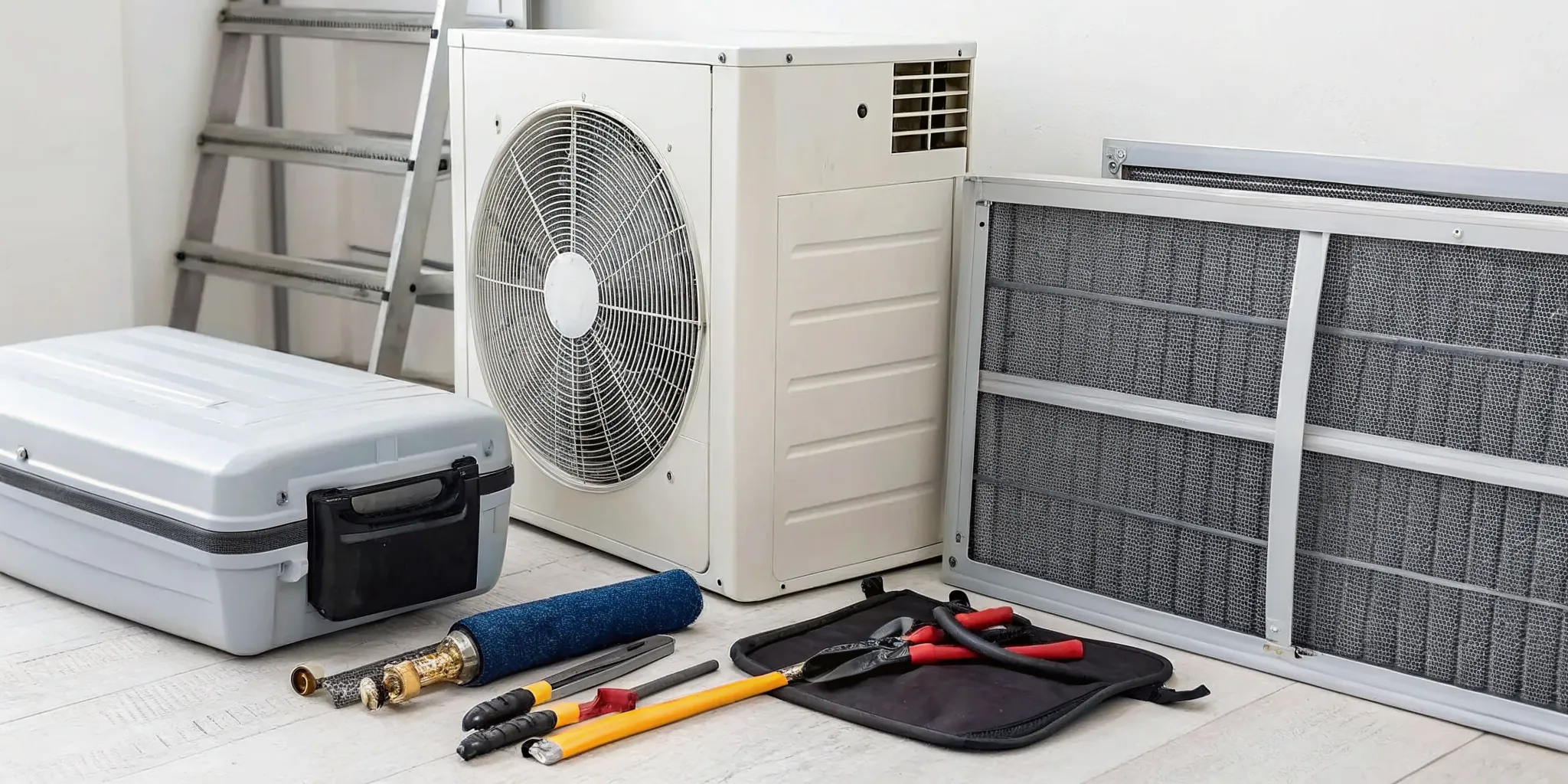
There’s nothing worse than the sinking feeling you get when your AC gives out on the hottest day of the year. That sudden silence, followed by a wave of warm, humid air, is a scenario every Florida homeowner dreads. The best way to avoid that mid-summer emergency is to prepare your system ahead of time. A professional spring tune-up is all about ensuring reliability and giving you peace of mind. It’s a comprehensive wellness check designed to catch small issues before they become major, costly problems. This detailed HVAC spring tune up checklist will walk you through every step of a thorough service, so you can feel confident your system is ready to handle the heat.
Key Takeaways
- Invest in a spring tune-up to save money later: This annual service helps you avoid expensive emergency repairs, reduces your monthly energy bills, and can add years to your system's lifespan.
- Know what to handle yourself and when to call a pro: You can easily change air filters and clear your outdoor unit, but technical tasks involving electrical components and refrigerant require a qualified technician for safety and accuracy.
- Adopt a year-round maintenance plan: Combine simple monthly tasks, like checking your air filter, with a professional tune-up scheduled in the spring to prepare your system for the demanding Florida summer.
What is an HVAC Spring Tune-Up?
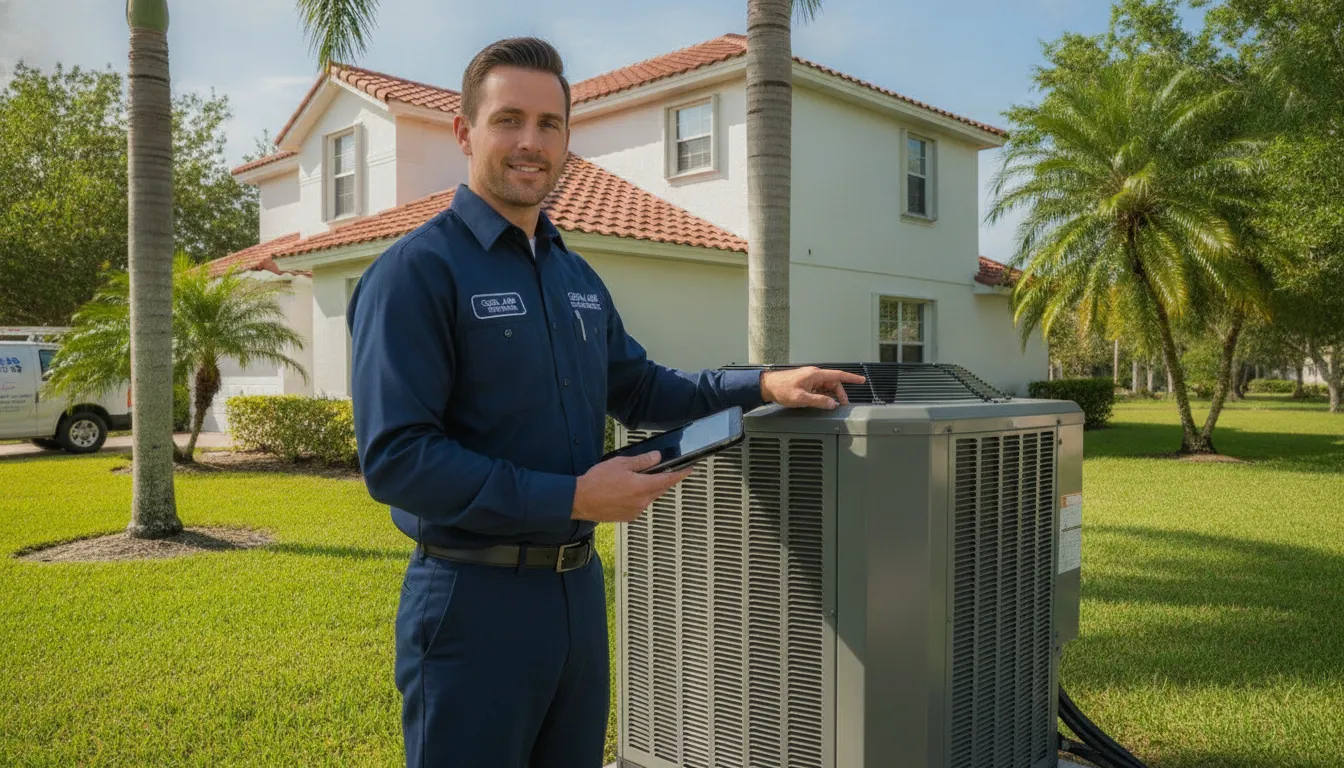
Think of an HVAC spring tune-up as a professional wellness check for your air conditioner. Before the Florida heat and humidity really settle in, a technician performs a comprehensive maintenance service to make sure your system is ready for the demanding summer months ahead. This isn't just a quick look-over; it's a detailed inspection and cleaning process designed to catch potential issues before they turn into major problems.
A spring tune-up helps prevent your cooling system from breaking down when you need it most. During the service, a technician will clean essential components, check electrical connections, test performance, and make sure everything is running efficiently. This proactive approach ensures your AC runs better and uses less energy, which can save you money on your utility bills. It’s the best way to prepare your home for a comfortable, cool summer without any surprise breakdowns. Regular air conditioning maintenance is key to keeping your system in top shape year after year.
Why Spring Maintenance Matters
Scheduling your HVAC maintenance in the spring is all about preparation and peace of mind. Getting your system checked before summer arrives means you're far less likely to face an unexpected breakdown during a sweltering heatwave. It’s a simple step that helps you avoid the stress and discomfort of a failed AC unit on the hottest day of the year.
Beyond preventing emergencies, regular maintenance helps your system live a longer, healthier life. A technician can spot small, fixable issues, like a frayed wire or a minor leak, before they escalate into costly repairs or a full system replacement. Taking care of your cooling system helps prevent future problems, saves you money, and keeps your home comfortable and safe.
The Real Cost of Skipping a Tune-Up
Putting off your annual tune-up might seem like a way to save a little money now, but it often leads to much bigger expenses down the road. Skipping preventative maintenance frequently results in more expensive repairs later on. When your system isn't cleaned and inspected regularly, dirt and wear-and-tear can force it to work harder, leading to higher energy bills and premature component failure.
Think of it this way: a tune-up is a small, predictable investment in your home's comfort. An unexpected breakdown, on the other hand, can lead to costly emergency air conditioning services and the potential need for a brand-new unit. A well-maintained system runs more efficiently, which keeps your energy bills lower all summer long. Ultimately, a spring tune-up is one of the smartest ways to protect your budget and your AC system.
Your Essential Spring HVAC Tune-Up Checklist
A thorough spring tune-up is more than just a quick look-over. It’s a detailed inspection and cleaning that prepares your air conditioner to handle the long, hot Florida summer without breaking a sweat. While you can handle a few of these tasks yourself, a comprehensive check-up from a qualified technician ensures every component is working correctly and safely. Think of this checklist as your guide to what a true professional service should cover. It helps you understand the value you’re getting and ensures no critical steps are missed. A complete tune-up is the single best thing you can do to ensure a cool, comfortable home and prevent surprise breakdowns when you need your AC the most. From the air filter to the electrical connections, every part plays a role in your system's health and efficiency. When a technician comes to your home, they follow a systematic process designed to catch small issues before they become big, expensive problems. This preventative approach not only saves you money on potential repairs but also optimizes your system's performance, leading to lower energy bills throughout the cooling season. Understanding what's on this list empowers you to ask the right questions and feel confident that your AC is ready for the challenge ahead.
Check and Replace the Air Filter
Think of your air filter as the lungs of your HVAC system. Its main job is to trap dust, pollen, pet dander, and other airborne particles before they can circulate through your home or clog up your system. A dirty, congested filter forces your air conditioner to work much harder to pull in air, which wastes energy and drives up your utility bills. Regularly changing your filter is one of the simplest and most effective ways to maintain good airflow and support better indoor air quality. For most homes, this means checking it monthly and replacing it at least every 90 days.
Calibrate and Test the Thermostat
Your thermostat is the command center of your cooling system, so it needs to be accurate. If it’s not calibrated correctly, it might read the room temperature incorrectly, causing your AC to run longer than necessary or shut off too soon. This not only makes your home uncomfortable but also wastes a significant amount of energy. During a tune-up, a technician will test your thermostat’s accuracy and ensure it’s communicating properly with the HVAC system. This simple check guarantees your system responds correctly to your settings, keeping you comfortable while helping you manage energy costs effectively.
Inspect Electrical Components
This is a critical safety step that should always be handled by a professional. Over time, vibrations can loosen electrical connections, and wires can fray or corrode, creating a serious fire hazard. A technician will inspect and tighten all electrical terminals, check capacitors and relays, and measure the voltage and amperage of your system’s motor. Ensuring all these components are in safe, working order not only prevents dangerous situations but also helps your system run more efficiently. Proper electrical function is essential for the longevity of your AC, making this a non-negotiable part of any air conditioning maintenance visit.
Assess Refrigerant Levels
Refrigerant is the lifeblood of your air conditioner; it’s the substance that absorbs heat from your indoor air and releases it outside. If the refrigerant level is too low, your system can’t cool your home effectively. It will run constantly while producing lukewarm air, putting immense strain on the compressor. It’s important to know that low refrigerant almost always signals a leak. A technician will check the pressure to ensure the levels are correct. If they’re low, they won’t just top it off; they’ll find and fix the leak to prevent future problems and protect your system from damage.
Clean and Inspect Coils
Your AC has two sets of coils that are essential for the cooling process: the indoor evaporator coil and the outdoor condenser coil. The evaporator coil absorbs heat from your home’s air, while the condenser coil releases that heat outside. Over a year, these coils get covered in a layer of dust, dirt, and grime. This buildup acts like an insulator, making it much harder for the coils to do their job. A technician will thoroughly clean both sets of coils, allowing your system to transfer heat efficiently, use less energy, and cool your home faster.
Check Ductwork for Leaks
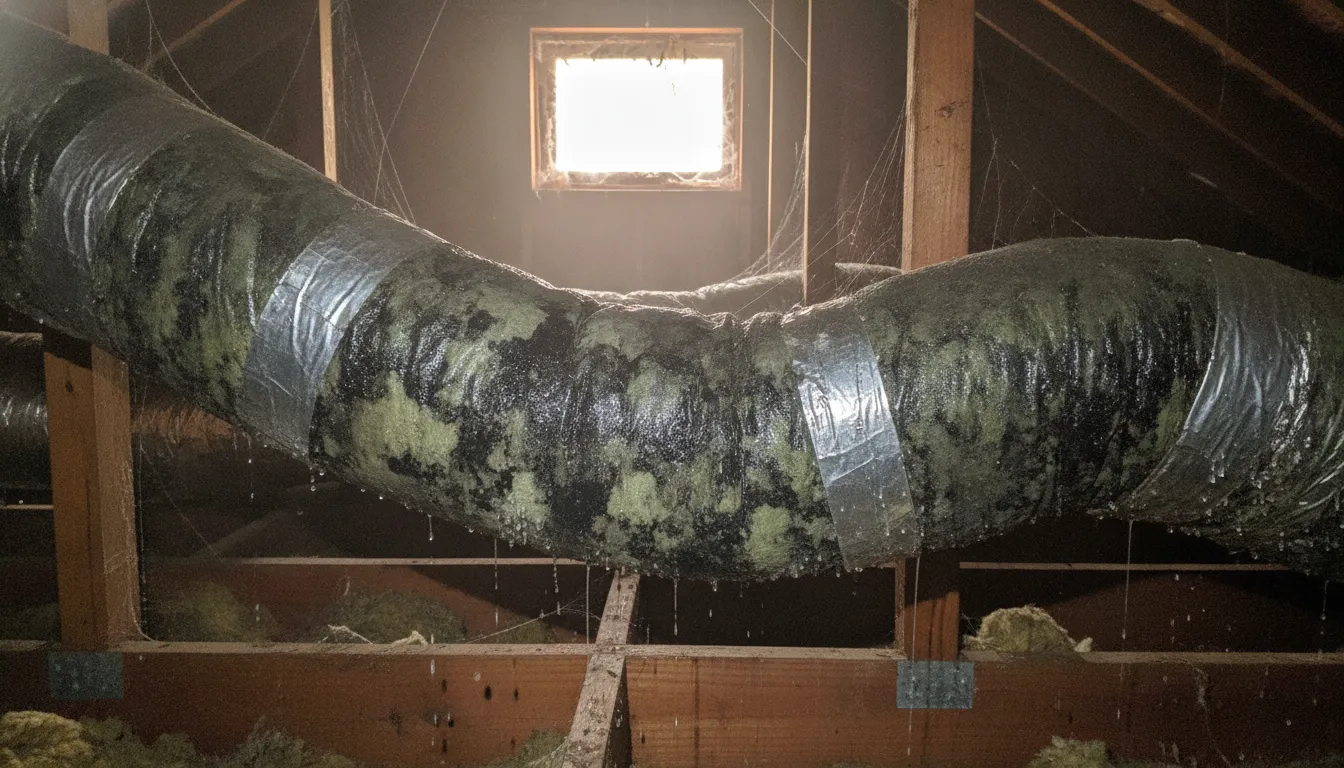
Your ductwork is the delivery system for all that cool air. If it has leaks, cracks, or disconnected sections, a significant amount of cooled air can escape into your attic, crawlspace, or walls before ever reaching your rooms. This forces your AC to run longer to cool your home, wasting energy and money. It can also lead to uneven temperatures and poor air quality. During a tune-up, a technician can inspect visible ductwork for signs of leaks and recommend sealing or repairs. Proper duct sanitization and replacement ensures the air you paid to cool actually gets where it’s supposed to go.
Clear the Condensate Drain Line
As your air conditioner removes humidity from the air, it creates condensation. This water is collected and funneled outside through a condensate drain line. In Florida’s humid climate, this line can easily become clogged with algae, mold, and sludge. A clog can cause water to back up and overflow, leading to serious water damage in your home and creating a breeding ground for mold. Most modern AC systems have a safety switch that shuts the unit off if it detects a clog. A technician will flush the drain line to ensure it’s clear and flowing freely.
Lubricate All Moving Parts
Your HVAC system has several moving parts, including the motors for the fan and blower. Just like any mechanical component, these parts need proper lubrication to operate smoothly. Without it, friction creates resistance, forcing the motors to work harder and use more electricity. This added strain can also lead to premature wear and tear, resulting in costly breakdowns. During a professional tune-up, a technician will lubricate all moving parts according to the manufacturer’s specifications. This simple step reduces energy consumption, quiets the system, and extends the life of its most important components.
Top Benefits of a Spring Tune-Up
Scheduling a spring tune-up for your HVAC system is one of the smartest moves you can make as a homeowner, especially here in Florida. It’s not just about ticking a box on your to-do list; it’s an investment in your home's comfort, efficiency, and even your health. Think of it as a check-up for the hardest working appliance in your house. Before the summer heat really settles in, a professional technician can make sure everything is running smoothly, catch small issues before they turn into costly emergencies, and get your system ready for the demanding season ahead. The benefits go far beyond just avoiding a breakdown on the hottest day of the year.
Lower Your Energy Bills
Let's be honest, no one enjoys opening their electricity bill during a Florida summer. A well-maintained air conditioner is an efficient one, and an efficient system uses less energy. During a tune-up, a technician cleans coils, checks refrigerant levels, and ensures all parts are working correctly. When your AC doesn't have to struggle through layers of grime or compensate for low refrigerant, it runs more effectively and for shorter periods. This directly translates to lower energy consumption. Regular air conditioning maintenance is one of the most effective ways to manage your cooling costs and keep your home comfortable without breaking the bank.
Extend Your System's Lifespan
Your HVAC system is a significant investment, and you want it to last as long as possible. Just like your car needs regular oil changes to keep the engine healthy, your AC needs annual check-ups. Neglecting your system can lead to premature wear and tear on critical components. A spring tune-up allows a technician to identify and fix minor issues, like a frayed wire or a clogged drain line, before they cause a major system failure. Addressing these small problems early helps prevent the strain that leads to expensive breakdowns and can add years to your unit's operational life, delaying a costly AC replacement.
Breathe Cleaner, Healthier Air
Have you ever thought about what's circulating in the air you breathe at home? Over time, your HVAC system can accumulate dust, pollen, pet dander, and even mold. When you turn on the AC, these particles get blown throughout your house, which can be a real problem for anyone with allergies or asthma. A key part of a spring tune-up is a thorough cleaning of the system's internal components. This process helps remove built-up contaminants, ensuring the air circulating in your home is cleaner and healthier for your family. Improving your indoor air quality is a fantastic side effect of routine maintenance.
Protect Your Warranty and Safety
Did you know that most HVAC manufacturer warranties require proof of annual professional maintenance? If your system breaks down and you can't show it's been regularly serviced, your warranty claim could be denied, leaving you to foot the entire bill for repairs. Beyond the financial protection, a tune-up is also a critical safety check. A technician will inspect electrical connections for fire hazards and check for refrigerant leaks, which can be harmful. Entrusting this task to a fully licensed and insured professional ensures your system is not only efficient but also operating safely for your peace of mind.
When Should You Schedule HVAC Maintenance?
Timing is everything, especially when it comes to keeping your home comfortable. Scheduling your HVAC maintenance isn't just about picking a random day on the calendar; it's about being strategic to ensure your system is ready for the seasons ahead. Think of it like a check-up for your car before a long road trip. You want to catch any potential issues before you're stuck on the side of the road, or in this case, sweating through a Florida summer day.
The best approach is to service your system twice a year. This proactive schedule allows a professional to inspect your cooling system before it gets hot and your heating system before any cold snaps. By planning ahead, you avoid the frantic rush that happens during the first heatwave or cold front. This simple habit not only keeps your system running efficiently but also helps prevent unexpected, and often expensive, emergency repairs. It’s the easiest way to get peace of mind and ensure your HVAC is prepared for whatever the weather brings.
A Year-Round Maintenance Timeline
A great rule of thumb, recommended by experts at ENERGY STAR, is to service your cooling system in the spring and your heating system in the fall. This biannual schedule ensures each component of your HVAC system gets the attention it needs right before its peak season. A spring tune-up prepares your air conditioner for the demanding summer months, while a fall check-up makes sure your heater is safe and ready for cooler weather. Following this timeline helps you stay ahead of potential problems and keeps your system in top shape all year long. Regular air conditioning maintenance is the key to a reliable and long-lasting system.
The Best Time for a Spring Tune-Up in Florida
Here in Florida, our air conditioners work overtime. The heat and humidity put a massive strain on our systems for most of the year, which makes spring maintenance absolutely essential. The ideal time to schedule your AC tune-up is during the milder months of March, April, or early May. This is the sweet spot right before the summer heat truly settles in. Getting your system serviced during this period means you can address any small issues before they become major breakdowns in the middle of July. Plus, you'll likely have more flexibility when booking an appointment. Don't wait for the first heatwave to find out your AC isn't ready; contact us to schedule your tune-up ahead of the summer rush.
How to Prepare for Your HVAC Tune-Up
A little prep work before your technician arrives can make your service appointment go even smoother. Taking just a few minutes to get things ready helps our team work efficiently and ensures we can focus on what matters most: getting your system in top shape for the season ahead. These simple steps also give you a chance to spot any potential issues yourself. Think of it as a team effort to keep your home comfortable and your AC running perfectly. When you handle these small tasks, it frees up our technicians to dive right into the technical inspection, from checking refrigerant levels to testing electrical components. It’s a simple way to maximize the value of your tune-up and help us provide the thorough, 5-star service you expect. Here’s a quick guide on what you can do before we knock on your door.
Prep Your Outdoor Unit
Your outdoor AC unit needs space to breathe. Before your appointment, take a quick walk around the unit and clear away any leaves, branches, or grass clippings that have gathered around it. We recommend at least two feet of clear space on all sides. In Florida, it’s common for palm fronds, weeds, and shrubs to grow a little too close for comfort. Trimming them back ensures proper airflow, which is critical for your system’s efficiency. This simple cleanup helps our technicians get immediate and safe access for a thorough air conditioning maintenance check.
Get Your Indoor System Ready
Inside your home, two things make a big difference: the air filter and your vents. If it’s been a month or more, go ahead and change your air filter. A clean filter is the key to better airflow and improved indoor air quality. Next, do a quick walkthrough of your home and check that all air vents are open and not blocked by furniture, rugs, or drapes. When vents are obstructed, it forces your system to work harder to cool your home. Making sure they are clear helps your AC distribute air evenly and efficiently.
Gather Your System's Paperwork
If you have the paperwork for your HVAC system handy, it can be a great help. We’re talking about any warranty information, manuals, or records from past maintenance or repairs. Don’t worry if you can’t find it, but having these documents ready gives our technician a quick overview of your system’s history. This information can help us understand any recurring issues and check if any necessary repairs might still be covered under your manufacturer’s warranty. It’s just one more way we work to provide honest, transparent service.
DIY vs. Professional HVAC Tune-Up: What's Best?
When it comes to keeping your AC running smoothly, it’s smart to wonder what you can handle yourself versus what needs a professional touch. Think of it like car care: you can top off the windshield washer fluid, but you probably wouldn't try to rebuild the engine. The same logic applies to your HVAC system. Taking on a few simple tasks is a great way to stay on top of your system's health, but a professional tune-up is essential for deep cleaning, technical checks, and catching problems before they start. Let’s break down which tasks are safe for you to tackle and when it’s time to call in the experts.
DIY Tasks You Can Safely Handle
You don’t need to be an HVAC technician to handle a few key maintenance tasks. These simple steps can make a big difference in your system's performance and your home's comfort. First on the list is changing your air filter. A clean filter helps your system breathe easier and can significantly improve air quality in your home. Aim to check it monthly and replace it every one to three months.
Next, take a walk outside and inspect your outdoor condenser unit. Gently clear away any leaves, grass clippings, or branches that have gathered around it. This ensures proper airflow, which is crucial for efficient cooling. Finally, take a look at your thermostat to make sure it’s set correctly for the season. These small actions help your system run more effectively between professional visits.
When to Call a Professional
While DIY tasks are helpful, they don't replace a comprehensive professional tune-up. Certain jobs require specialized tools and expertise to be done safely and correctly. This is where a qualified technician comes in. During a professional air conditioning maintenance visit, a technician will perform complex tasks like checking refrigerant levels, inspecting electrical connections, cleaning the indoor evaporator coils, and lubricating moving parts.
These checks are vital for preventing system failures, ensuring your unit runs at peak efficiency, and extending its lifespan. Trying to handle things like electrical components or refrigerant without proper training can be dangerous and may even cause more damage. Trusting a professional ensures the job is done right, giving you peace of mind that your system is ready for the Florida heat.
Debunking Common HVAC Maintenance Myths
Let's clear the air on a few common myths about HVAC maintenance. One of the biggest misconceptions is that tune-ups are an unnecessary expense. In reality, scheduling regular maintenance is an investment that saves you money over time. A well-maintained system runs more efficiently, which lowers your monthly energy bills. It also helps catch small issues before they turn into major, costly repairs.
Another myth is that a dirty air filter doesn't really affect performance. A clogged filter forces your system to work much harder to circulate air, leading to increased energy use and unnecessary strain on components. This can cause your system to wear out faster. Sticking to a maintenance schedule is the smartest way to protect your investment and keep your home comfortable.
Warning Signs Your HVAC System Needs Help Now
Even with a perfect maintenance plan, your HVAC system can run into trouble. The good news is that your system usually gives you hints that something is wrong before it leads to a total breakdown. Knowing what to look and listen for can save you from a sweltering Florida afternoon without AC. Here are the key warning signs that your system needs professional help right away.
Strange Noises and Poor Performance
Your air conditioner should operate quietly in the background. If you start hearing banging, clanking, or screeching, it’s a clear sign that a part is loose, worn out, or broken. Another red flag is a sudden drop in performance. Maybe one room feels like a sauna while another is an icebox, or the airflow from your vents feels weak. If your system is constantly turning on and off or your energy bills have suddenly shot up, it’s working way too hard. These are all signs that it’s time to schedule an air conditioning repair before a small issue turns into a big, expensive problem.
Critical Safety Warnings
Some warning signs are more than just an inconvenience; they're a potential hazard. If you notice a musty smell, it could mean mold or mildew is growing inside your system, which can seriously impact your home's indoor air quality. An electrical or burning odor is even more serious, as it could point to burnt-out wiring and a potential fire risk. Don't ignore water pooling around your indoor unit or warm air blowing from the vents. If you experience any of these critical issues, turn off your system immediately and call for emergency air conditioning services to keep your home and family safe.
How Much Does a Spring Tune-Up Cost?
Let's talk numbers. When you're budgeting for home maintenance, it helps to have a clear idea of what to expect. The cost of a professional HVAC tune-up can vary quite a bit, generally falling somewhere between $70 and $550. For a standard, thorough service, most homeowners find the price lands around the $200 mark. Think of it like a check-up for your car; the final cost depends on what needs to be done to get it running smoothly and safely for the season ahead. The exact price tag is influenced by several factors, which we'll get into next.
Here in Florida, where our air conditioners work overtime, this service is less of a luxury and more of a necessity. The price you pay will depend on a few key things, like the complexity of your system and the specific tasks included in the maintenance visit. Some companies offer different tiers of service, from a basic inspection to a more comprehensive cleaning and calibration. At 5 Star Air, we believe in being upfront about costs, so you’ll always know exactly what you’re paying for before we start any work. Our goal is to provide top-notch air conditioning maintenance that fits your needs and your budget, without any surprises or hidden fees.
What Influences the Price?
So, what causes that price range to be so wide? A few different things can affect the final cost of your tune-up. The type of HVAC system you have is a big one; a simple window unit is much easier to service than a complex central air system. The age and condition of your unit also play a role. An older, neglected system might need more attention and cleaning, which can increase the time and cost involved. The specific services included in the tune-up package also matter. A basic inspection might cost between $175 and $350, while a premium service with deep cleaning and detailed checks could be closer to $550. We always provide a clear breakdown of what our service includes.
Is a Tune-Up a Good Investment?
Absolutely. Think of it this way: spending a couple of hundred dollars on maintenance now can save you thousands in emergency AC services later. A well-maintained AC unit runs more efficiently, which means lower energy bills every month. In the Florida heat, those savings can add up quickly. Regular tune-ups also extend the lifespan of your system, pushing back the need for a costly replacement. Beyond the financial benefits, you’re also investing in your family’s comfort and health by ensuring your system is circulating clean air. When you consider the peace of mind and long-term savings, an annual tune-up is one of the smartest investments you can make for your home.
How to Choose the Right HVAC Company
Finding the right HVAC company can feel like a big decision, especially when your comfort depends on it. In Florida, where our air conditioners work overtime, you need a team you can trust. The best approach is to look for a company with a solid local reputation, transparent pricing, and fully licensed and insured technicians. A great starting point is to check out what other homeowners in your area are saying. Reading through customer testimonials can give you a clear picture of a company's reliability and quality of service.
Beyond reviews, look for a company that prioritizes honesty. You want a partner who will give you straight answers, not a sales pitch. A reputable company will be upfront about costs and explain the work that needs to be done in a way you can understand. They should also offer comprehensive services, from routine maintenance to emergency repairs, ensuring they can handle any issue that comes up. Choosing a locally owned and operated business often means you get more personalized service from technicians who understand the specific challenges of our Florida climate. It’s about finding a team that feels like a trusted neighbor, ready to help when you need them most.
Key Questions to Ask Your HVAC Tech
To make sure you’re hiring the right professional, it helps to have a few questions ready. This isn't about testing their knowledge, but about making sure they’re a good fit for you and your home. Before you agree to any work, ask if their technicians are licensed and insured. This protects you in case of any accidents on your property. You can also ask about their service guarantees and what they cover. A confident company will stand behind their work. Finally, always ask for a clear, written estimate before the job begins. This ensures there are no surprises and that you and the technician are on the same page about the scope and cost of the work.
What to Expect During Your Service Appointment
When a technician arrives for a spring tune-up, you should expect a thorough inspection, not just a quick look-around. A professional maintenance visit should include several key steps. The technician will check your thermostat settings, clean or replace the air filter, and inspect all electrical connections, tightening them as needed for safety. They will also clean the indoor and outdoor coils, check refrigerant levels, and clear the condensate drain line to prevent water damage. Lubricating all moving parts to reduce wear and tear is another essential task. A complete tune-up ensures your system runs efficiently and safely, getting it ready for the demanding summer months ahead.
Build Your Year-Round HVAC Maintenance Plan
Keeping your HVAC system in top shape isn’t just a once-a-year task, especially here in Florida where our air conditioners work hard almost every day. A year-round maintenance plan is your best strategy for preventing surprise breakdowns, managing energy costs, and ensuring your home stays comfortable. Think of it as a partnership: you handle the simple monthly check-ins, and a trusted professional takes care of the heavy lifting twice a year.
This approach breaks down a seemingly big job into small, manageable steps. By staying on top of a few key tasks yourself, you can catch small issues before they become major headaches. Then, when you bring in a pro for a tune-up, they can focus on the complex technical checks that keep your system running efficiently and safely. This combination of DIY care and expert service is the secret to a long-lasting, reliable HVAC system. It gives you peace of mind knowing you’re doing everything possible to protect your investment and keep your family cool.
Simple Monthly Tasks for Homeowners
You don’t need to be an HVAC expert to play a huge role in your system's health. A few minutes each month is all it takes to handle these simple but important tasks. First, check your air filter. A clogged filter makes your system work harder and can harm your indoor air quality, so clean or replace it as needed. Next, take a quick look at your outdoor unit. Make sure it’s clear of leaves, branches, and dirt to allow for proper airflow. Finally, walk through your home and check that all air vents are open and unblocked by furniture or rugs. These small habits make a big difference in your system’s performance and efficiency.
When to Schedule Professional Service
While your monthly checks are a great start, they can’t replace a thorough professional inspection. We recommend scheduling professional air conditioning maintenance twice a year, once in the spring before the cooling season kicks into high gear and again in the fall. During these visits, a certified technician can perform tasks you can’t, like checking refrigerant levels, cleaning internal components, and testing electrical connections. An annual tune-up helps reduce the risk of breakdowns, lowers your energy bills, and can significantly extend the life of your system. It’s a small investment that protects your comfort and your wallet all year long.
Related Articles
- HVAC Tips & Insights Blog - Expert Advice from 5 Star Air
- HVAC Services in Southwest Florida - AC Repair, Installation & Maintenance | 5 Star Air
- Prepare Your HVAC for the Florida Summer
Frequently Asked Questions
How long does a typical spring tune-up take? You can expect a thorough tune-up to take between 60 and 90 minutes. Our technicians follow a detailed checklist to inspect, clean, and test every critical component of your system. The exact time can vary depending on your system's age and accessibility, but we take the time needed to do the job right.
What happens if a technician finds a problem during the tune-up? This is one of the best reasons to schedule maintenance. If our technician discovers an issue, they will stop and explain the situation to you clearly. We will show you the problem, discuss your options, and provide an honest, upfront price for any necessary repairs. We never move forward with additional work without your full approval.
My AC system is brand new. Do I still need a tune-up? Yes, it's a very smart move. An annual tune-up ensures your new system operates at peak efficiency right from the start. More importantly, most manufacturers require proof of regular professional maintenance to keep your warranty active. Skipping a service could put your coverage at risk if a problem comes up later.
What's the difference between a maintenance visit and a repair call? A maintenance visit is a proactive wellness check designed to prevent future problems and keep your system running efficiently. A repair call is reactive, meaning it happens after something has already stopped working correctly. Consistent maintenance is the best way to reduce the chances of needing an unexpected and often more expensive repair call.
Can I skip a year if my AC seems to be working fine? We strongly advise against it, particularly here in Florida. Your system might seem to be running well, but hidden issues like dirty coils or minor electrical problems can force it to work harder, increasing your energy bills and causing unnecessary wear. An annual tune-up addresses these small problems before they can cause a breakdown on the hottest day of the year.