The Homeowner's HVAC System Parts Diagram
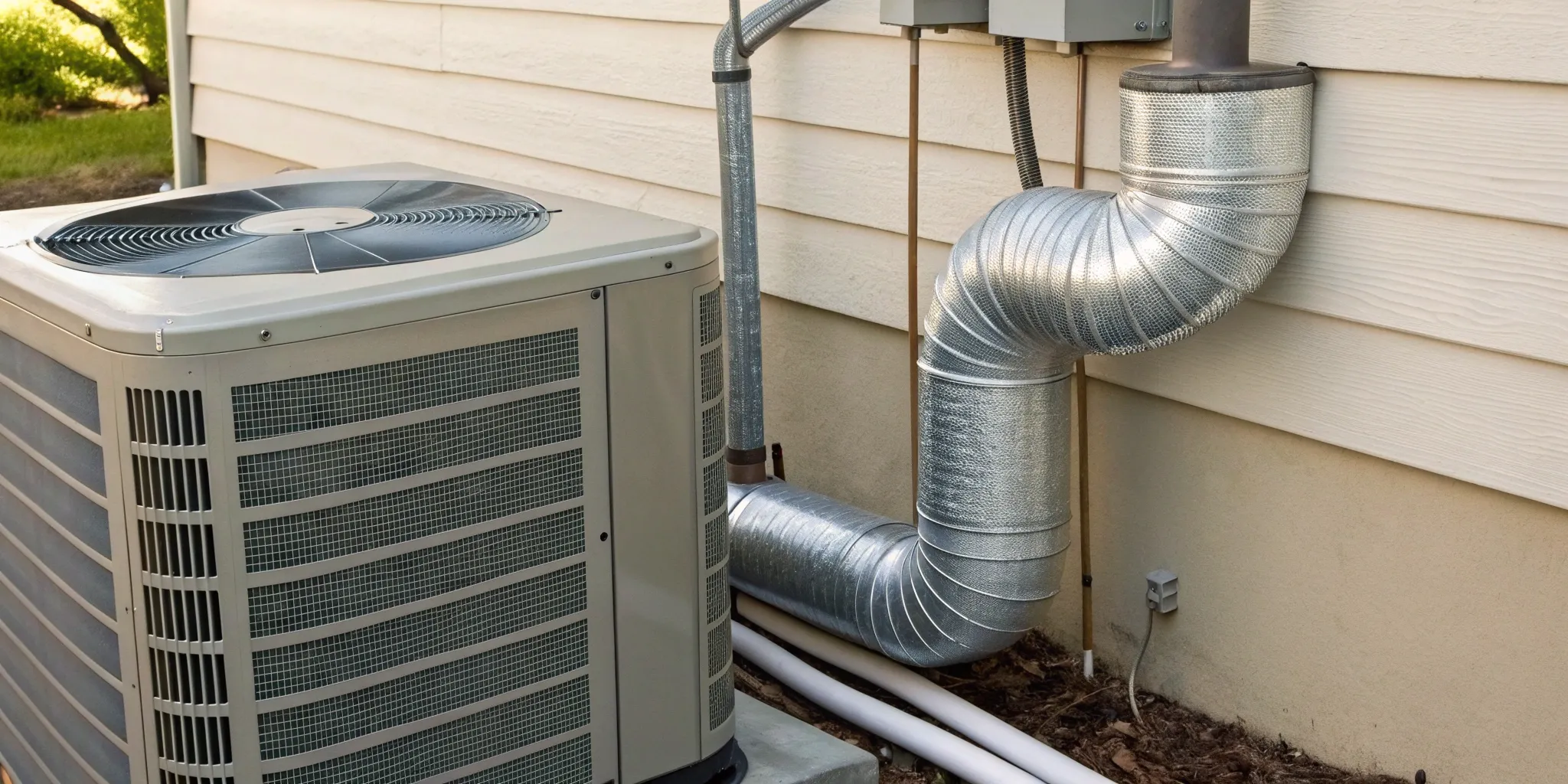
When your air conditioner is running smoothly, it’s easy to forget it’s even there. But the moment it starts making a strange noise or blowing warm air, it suddenly has your full attention. Instead of feeling helpless, knowing the basic parts of your system can empower you to understand what might be wrong. From the thermostat on the wall to the condenser unit outside, each component has a specific job. This article breaks down the key players inside your AC system. Think of it as your owner’s manual for home comfort. We’ll explain how everything connects, using the concept of an hvac system parts diagram to give you a clear picture of how your system keeps you cool.
Key Takeaways
- Understand Your System's Key Players: Your HVAC isn't one single machine but a team of parts working together. Knowing the basic roles of the thermostat, air handler, and outdoor unit helps you spot problems and communicate more clearly with a technician.
- Prioritize Simple Maintenance for Big Savings: The most effective way to keep your system healthy is also the easiest. Regularly changing your air filter and scheduling an annual professional tune-up prevents breakdowns, improves efficiency, and extends the life of your unit.
- Don't Overlook Sizing and Ductwork: Bigger isn't always better when it comes to AC units. A properly sized system and well-sealed ductwork are essential for removing humidity and ensuring efficient cooling, directly affecting your home's comfort and your monthly energy bills.
What Are the Main Parts of Your HVAC System?
Your HVAC system works tirelessly behind the scenes to keep your Florida home comfortable, but it’s not just one single machine. It’s actually a team of interconnected parts, each with a specific job. Understanding these components can help you spot potential issues early, communicate better with technicians, and appreciate the complex work that goes into creating your perfect indoor climate. Think of it as a quick tour of your home’s hardest-working appliance. From the control panel on your wall to the unit sitting outside, let's break down the main players that keep your home cool and comfortable year-round. Knowing what each part does is the first step toward keeping your system running efficiently for years to come.
The Thermostat: Your System's Brain
Think of the thermostat as the command center for your entire HVAC system. It’s the part you interact with the most, but its job is more than just displaying the temperature. The thermostat constantly reads the air temperature in your home and, based on your settings, tells the rest of the system when to turn on and off. Modern programmable and smart thermostats take this a step further, allowing you to set schedules and even control your AC from your phone. This simple device is the brain behind the whole operation, ensuring your system only runs when it needs to, saving you energy and money.
The Air Handler: The Heart of Your System
If the thermostat is the brain, the air handler is the heart. Typically located inside your home in a closet, attic, or garage, this unit contains the blower motor—a powerful fan that circulates air through your home. It pulls warm air from your rooms through the return ducts, pushes it over the cooling coils to chill it, and then sends the newly cooled air back out through the supply ducts. Because it’s constantly moving air, the air handler is a key component checked during routine air conditioning maintenance to ensure everything is clean and running smoothly.
Heating and Cooling Units: The Powerhouses
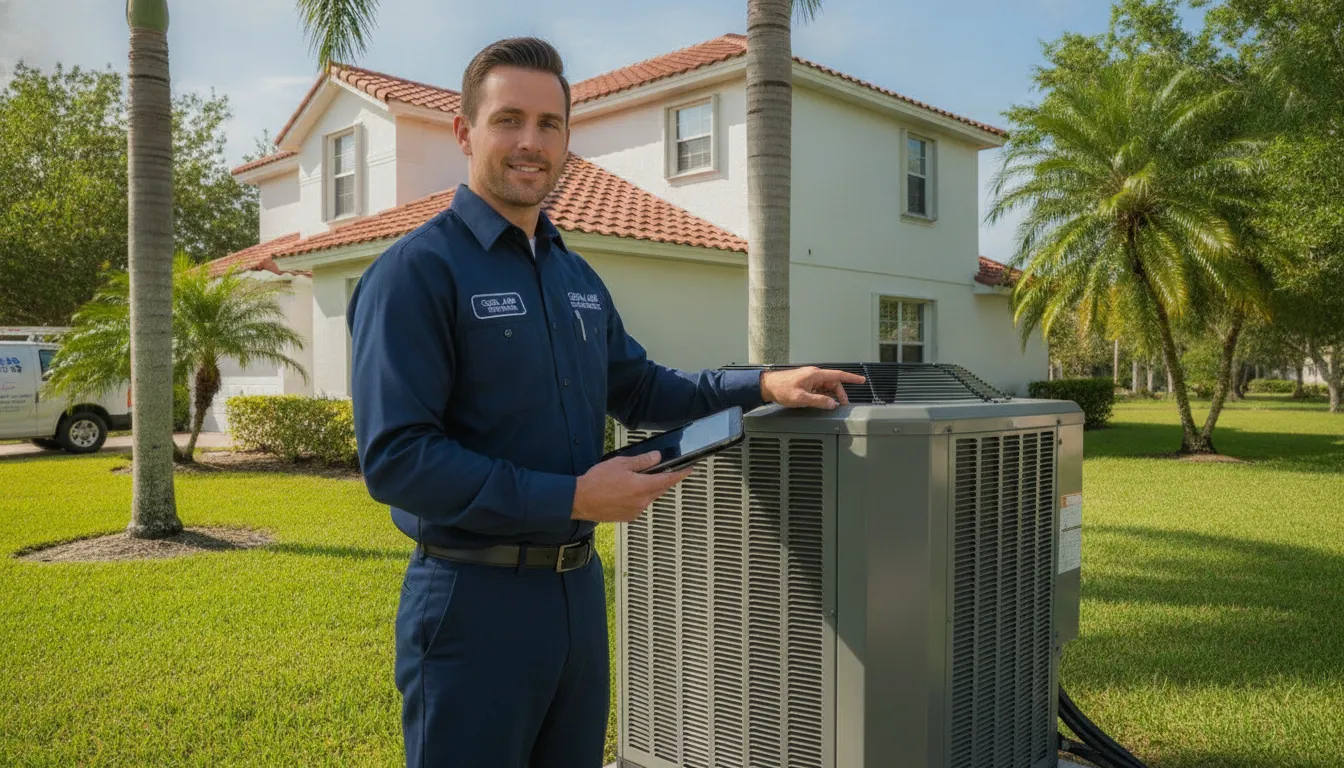
These are the components that do the heavy lifting of actually changing the air temperature. In Southwest Florida, the most critical part is your outdoor air conditioning unit, also known as the condenser. This unit houses the compressor and condenser coil, and its main job is to release the heat that was removed from your home's air. For heating, many Florida homes use a heat pump, which is an ingenious device that can both cool your home in the summer and reverse its operation to warm your home in the winter. These powerhouse units are the core of your system's performance and the focus of any air conditioning installation and replacement project.
Ductwork: The Air's Superhighway
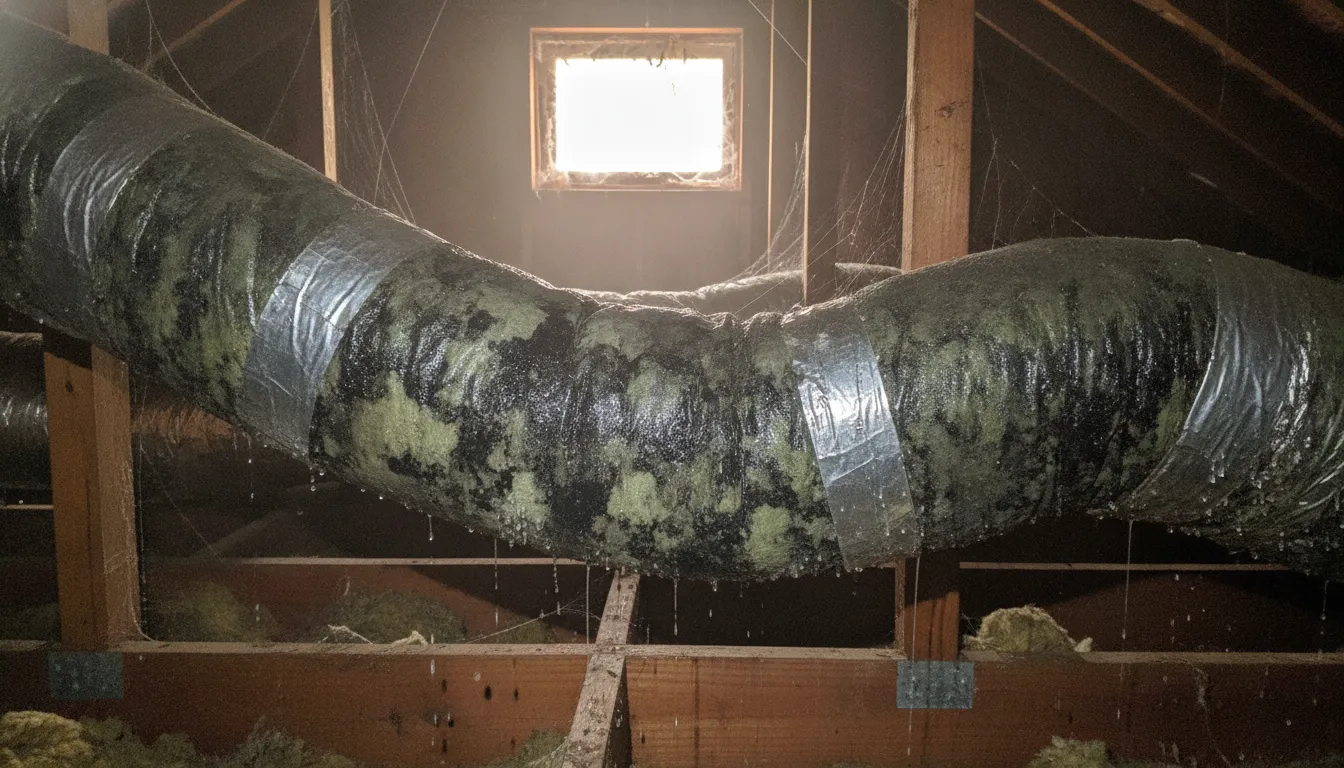
Your ductwork is the network of channels—the superhighway—that carries conditioned air from the air handler to every room in your house. It also brings air back to the system to be cooled again. If this highway has cracks, leaks, or blockages, your system has to work much harder to keep you comfortable, wasting energy and driving up your utility bills. Properly sealed and insulated ducts are essential for efficient performance. Over time, ducts can also accumulate dust and allergens, which is why professional duct sanitization and replacement is so important for maintaining clean air.
Air Filters: Your Home's First Line of Defense
Your air filter is the gatekeeper of your HVAC system, and it has two crucial jobs. First, it protects the sensitive internal components of your air handler from getting clogged with dust and debris. Second, it helps improve your home’s air quality by trapping airborne particles like dust, pollen, and pet dander. A clogged filter forces your system to work harder, reduces efficiency, and can lead to costly repairs. Checking your filter every month and changing it when it’s dirty is one of the easiest and most effective things you can do to maintain your system and support good indoor air quality.
Refrigerant & Condensate Lines: The Unsung Heroes
These two sets of lines are the unsung heroes of your cooling system. Refrigerant lines are copper tubes that carry refrigerant between your indoor and outdoor units. This refrigerant is the substance that absorbs heat from your indoor air and releases it outside. Meanwhile, as your system cools the air, it also removes humidity. This moisture, called condensate, drips into a pan and is drained away from your home through the condensate line. In our humid Florida climate, a clogged condensate line is a very common reason for system breakdowns and water damage, often requiring professional air conditioning repair to fix.
How Do All the Parts Work Together?
Think of your HVAC system as a team where each player has a specific job. From the thermostat on your wall to the unit outside, every component works in harmony to keep your home comfortable. When you adjust the temperature, you're kicking off a coordinated cycle of heating, cooling, and air circulation. Let's walk through how these processes keep your Florida home feeling just right, no matter the weather outside.
How the Heating Cycle Works
Even in Florida, we get chilly nights where the heat is a welcome relief. When you turn up the thermostat, you signal your heating unit—usually a furnace or a heat pump—to get to work. This unit generates heat, which is then transferred to the air. The air handler pushes this warm air through your home’s ductwork, distributing it evenly through the vents in each room. It’s a straightforward process designed to efficiently raise your home’s temperature to your desired setting, keeping you cozy when the temperature drops.
How the Cooling Cycle Works
Cooling your home is a bit more complex, and it’s all about moving heat, not creating cold. Your AC uses a special liquid called a refrigerant to absorb heat from inside your house. The warm indoor air is pulled over the cold evaporator coil, which absorbs the heat and humidity. The now-hot refrigerant is pumped to the outdoor unit, where it's compressed and releases the heat outside. This cycle repeats continuously, effectively removing heat from your home and leaving you with cool, comfortable air. If this cycle is interrupted, it often requires professional air conditioning repair.
How Air Moves Through Your Home
Proper airflow is key to your system’s efficiency. The process starts when the air handler pulls air from your rooms through return vents. This air immediately passes through a filter, which traps dust, pollen, and other particles. Once cleaned, the air is sent to be either heated or cooled. After it reaches the right temperature, the air handler pushes the conditioned air back into your home through a network of supply ducts and vents. This continuous circulation ensures every room gets a steady supply of clean, comfortable air and is why maintaining your ductwork is so important.
Common Myths About How Your HVAC Works
A couple of common myths can lead to trouble if you believe them. First is the idea that you only need to change your air filter once a year. In reality, filters should be checked monthly and changed every 1-3 months to maintain good indoor air quality and system efficiency. Another myth is that a bigger AC system is always better. An oversized unit will cool your home too quickly without properly removing humidity, leading to a clammy feeling and higher energy bills. Proper sizing is critical, which is why professional air conditioning installation is a must.
What Does an HVAC Diagram Show?
If you’ve ever glanced at the technical drawings for an HVAC system, it can feel like trying to read a different language. But these diagrams are incredibly useful, serving as a blueprint for your home's entire heating and cooling setup. They show technicians exactly how your system is laid out, which is crucial for everything from installation to troubleshooting. For you as a homeowner, a basic understanding of this diagram can help you feel more confident when discussing your system’s needs with a professional. It maps out every key component and illustrates how they all work together to keep your home comfortable.
An HVAC diagram isn't just a random sketch; it's a detailed map. It shows the location of major parts like your air conditioner, furnace, and ductwork, and details the connections between them, including refrigerant lines and electrical wiring. This blueprint ensures that any AC repair or maintenance is done efficiently, as the technician has a clear guide to your specific system. Let's break down what you can learn from looking at one.
Indoor vs. Outdoor Units
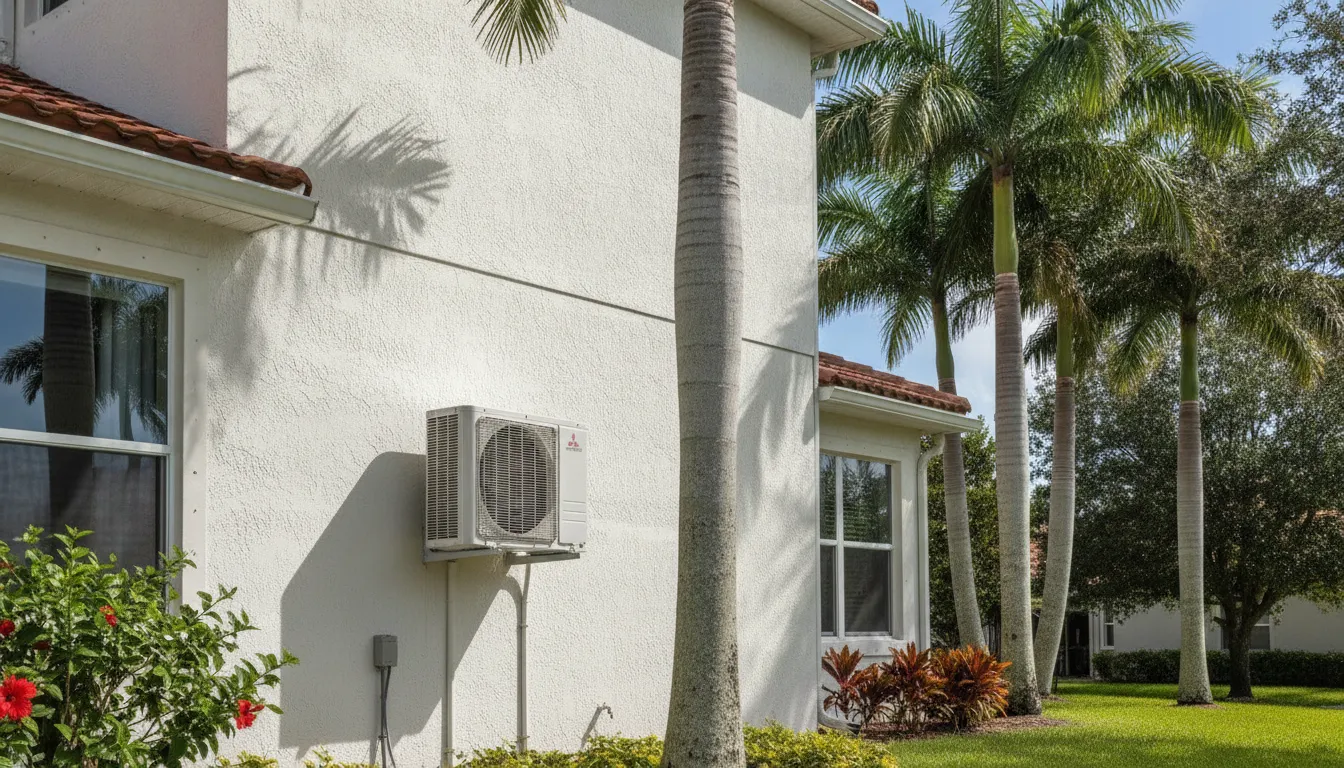
One of the first things an HVAC diagram clarifies is the separation between the indoor and outdoor components of your system. Most homes in Florida have a "split system," and the name says it all—the system is split into two main parts. The diagram will show the outdoor unit, which houses the condenser and compressor. This is the part that works hard to release heat from your home. Then, it will show the indoor unit, which typically includes the air handler and the evaporator coil. This indoor unit is responsible for blowing the cool air through your home’s ductwork.
How the Parts Connect
A diagram does more than just show where the parts are; it shows how they’re all connected. Think of it as a roadmap for the refrigerant, air, and electricity that make your system run. You’ll see lines indicating the refrigerant tubes that run between the indoor and outdoor units, carrying heat outside. You'll also see how the ductwork branches out from the air handler to deliver conditioned air to every room. These drawings help technicians understand how all the components are interconnected, which is vital for a proper air conditioning installation and for diagnosing tricky issues down the road.
Split Systems vs. Packaged Units
HVAC diagrams also help identify what type of system you have. As mentioned, most single-family homes use split systems with separate indoor and outdoor units. However, some properties, especially commercial buildings or certain condos, use packaged units. In a packaged unit, all the main components—the condenser, compressor, and air handler—are housed in a single cabinet, which is usually placed on a rooftop or on a slab next to the building. Understanding the difference helps you know what to expect during maintenance and what kind of replacement you might need in the future.
Why System Size Matters
Finally, a diagram helps confirm that your HVAC system is the right size for your home. Sizing isn't about physical dimensions; it's about cooling capacity. A system that's too small will struggle to cool your home on a hot Florida day, while one that's too large will cycle on and off too frequently. This short-cycling is inefficient, wears out parts faster, and does a poor job of removing humidity, leaving your home feeling damp and clammy. Proper sizing is absolutely critical for both comfort and energy efficiency, ensuring your system performs at its best.
What Maintenance Do Your HVAC Parts Need?
Your HVAC system is a complex machine, and just like your car, it needs regular tune-ups to perform its best. Proactive maintenance isn't just about preventing a breakdown on the hottest day of the year; it's about efficiency, safety, and getting the most out of your investment. Each part, from the filter to the outdoor unit, has specific needs. Taking care of them ensures your system runs smoothly, keeps your energy bills in check, and extends its lifespan. A little attention goes a long way in keeping your home comfortable and your system healthy. Regular air conditioning maintenance is the key to preventing costly repairs and ensuring your system operates safely for you and your family. It helps catch small issues before they become big, expensive problems, giving you peace of mind all year long.
Changing and Cleaning Your Air Filters
Let's clear up a common myth: you can't just change your HVAC filter once a year and call it good. A dirty, clogged filter is one of the most common causes of system failure. It restricts airflow, forcing your system to work much harder to cool your home. This extra strain leads to higher energy bills and can even damage key components. For better performance and cleaner air, check your filter monthly and plan to change it every 1-3 months. This simple task is your first line of defense for maintaining good indoor air quality and keeping your system running efficiently.
Your Seasonal Maintenance Checklist
While changing filters is a great DIY task, your system needs a professional check-up at least once a year—ideally twice, in the spring and fall. During a tune-up, a technician will clean the coils, check refrigerant levels, test electrical components, and lubricate moving parts. This isn't just a quick look-over; it's a comprehensive inspection that ensures every part of your system is working correctly and safely. Think of it as an annual physical for your HVAC. These regular checks can spot potential problems early, saving you from the stress and expense of an unexpected breakdown when you need your AC the most.
When to Call a Professional
Knowing what you can handle and when to call for help is key. Changing your air filter and keeping the area around your outdoor unit clear of debris are great homeowner tasks. However, anything involving electrical components or refrigerant should always be left to a licensed technician. These parts can be dangerous to handle without proper training and tools. A professional has the expertise to diagnose complex issues and perform repairs safely. If you're ever unsure about what's going on with your system, it's always best to schedule a service call with a trusted HVAC company.
Warning Signs That Your System Needs Repair
Your HVAC system will usually give you hints when something is wrong. Pay attention to warning signs like warm air blowing from the vents, strange noises like grinding or squealing, or musty odors. Another big red flag is if your system starts turning on and off more frequently than usual, a problem known as short cycling. These symptoms often point to underlying issues, such as low refrigerant from a leak or a failing component. Don't ignore these signs. Promptly scheduling an air conditioning repair can prevent a small problem from turning into a complete system failure.
Frequently Asked Questions
How often should I really change my air filter in a humid climate like Florida's? The general rule of thumb is every 1-3 months, but Florida's environment puts our systems to the test. Because we run our ACs nearly year-round and deal with high humidity and pollen, it's best to physically check your filter every month. If you have pets or family members with allergies, you'll likely need to change it closer to the 30-day mark to maintain good air quality and system efficiency.
My house feels cool but still damp. What could be the problem? This is a classic Florida issue, and it usually means your air conditioner isn't removing humidity effectively. One common cause is an oversized AC unit. It cools the air so quickly that it shuts off before it has a chance to pull the moisture out, leaving you with that clammy feeling. It could also be a sign that your system needs a professional tune-up to ensure its components are working correctly.
What's the difference between AC maintenance and AC repair? Think of it like this: maintenance is proactive, while repair is reactive. AC maintenance is the regular check-up you schedule to keep your system running efficiently and catch small issues before they become big problems. AC repair is what you need when a part has already failed and your system isn't working properly, like when it's blowing warm air or won't turn on at all.
Is a noisy outdoor unit always a sign of a serious problem? Not always, but it's something you should pay attention to. A gentle hum or the sound of the fan is perfectly normal. However, if you suddenly hear new or loud noises like grinding, squealing, or banging, it's best to turn the system off and call a professional. These sounds often indicate a problem with the motor or another internal part that needs immediate attention.
Why is professional maintenance so important if my system seems to be working fine? A system that's "working" isn't necessarily working efficiently or safely. Over time, dust builds up on internal coils, electrical connections can loosen, and refrigerant levels can change. A professional maintenance visit addresses these hidden issues. A technician can clean critical parts, tighten connections, and ensure the system is running at peak performance, which lowers your energy bills, improves air quality, and can prevent a sudden breakdown on a hot day.