6 Top Industrial HVAC Companies for Your Project
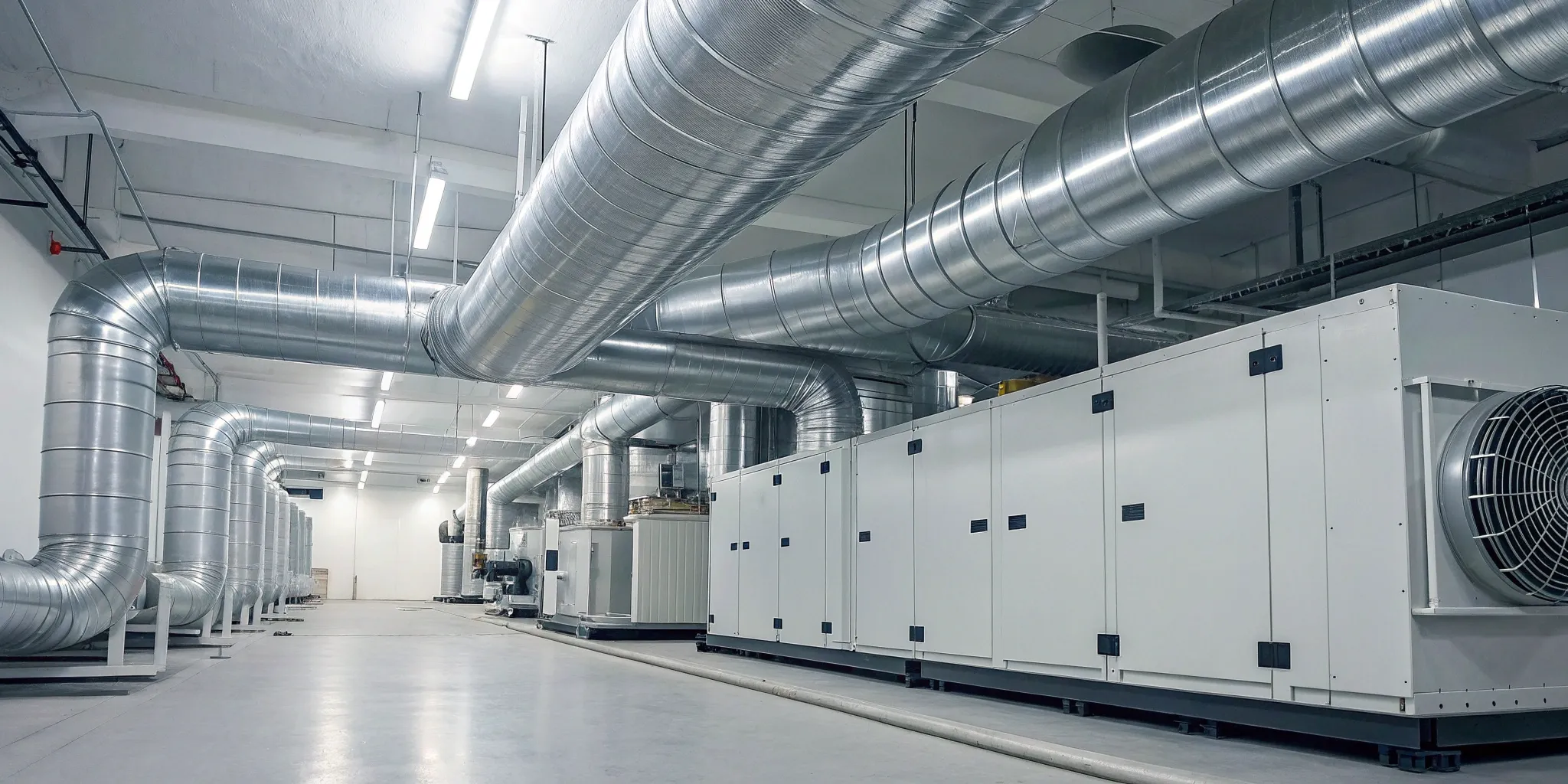
When your home’s air conditioner breaks, it’s an inconvenience. When the HVAC system in your warehouse or manufacturing plant fails, it’s a crisis that can halt production, damage inventory, and cost you thousands in lost revenue. The heating, ventilation, and air conditioning systems in commercial spaces are vastly different from residential units. They are larger, more complex, and integrated into your facility's core operations. This means you can’t just call any repair service; you need a specialist. This guide will walk you through everything you need to know about industrial hvac companies, from the services they offer to how you can choose the right partner to protect your business.
Key Takeaways
- Recognize the unique demands of industrial HVAC: These systems are far more complex than residential units, requiring custom design, specialized equipment, and robust maintenance plans to support critical business operations.
- Prioritize energy efficiency to manage long-term costs: Investing in modern technology like smart controls, VRF systems, and high-efficiency equipment is a direct strategy for reducing your facility's significant operational expenses.
- Vet your HVAC partner on more than just price: The right company will have proven industrial experience, be fully licensed and insured, and offer a clear guarantee for 24/7 emergency support to prevent costly downtime.
What is an Industrial HVAC Company?
When you think about air conditioning, you probably picture the unit outside your home. An industrial HVAC company works with systems on a much grander scale. They specialize in the design, installation, and maintenance of heating, ventilation, and air conditioning systems for large commercial and industrial spaces. Think warehouses, manufacturing plants, hospitals, and sprawling office complexes. These environments have unique demands, like controlling temperatures in massive open areas, managing air quality for sensitive equipment or processes, and keeping hundreds of people comfortable and productive.
Unlike residential systems, industrial HVAC is all about custom solutions and heavy-duty equipment built to run constantly and efficiently. These companies handle everything from initial system design and engineering to complex installations and ongoing service. They understand the intricate building codes and energy standards that govern these large facilities. Essentially, if a building's climate control needs are big, complex, or highly specialized, an industrial HVAC company is the expert you call. They ensure these critical systems operate reliably, safely, and as cost-effectively as possible.
Key Services and Specializations
Industrial HVAC companies offer a comprehensive suite of services tailored to the needs of large-scale facilities. It all starts with custom system design and professional installation, ensuring the equipment is perfectly sized and configured for the building's specific use. This isn't a one-size-fits-all job; it requires careful planning to achieve optimal performance and energy efficiency.
Beyond installation, these companies focus heavily on preventive maintenance and repair. For a business, HVAC downtime can mean lost productivity and revenue, so routine service is critical. Specializations often include working with large-scale equipment like commercial chillers, cooling towers, and complex ventilation systems designed to handle industrial exhaust or maintain sterile environments. They also provide energy management solutions to help businesses reduce their significant operational costs.
Types of Industrial HVAC Systems
The equipment used in industrial settings is far more diverse and powerful than what you’d find in a home. One of the most common types is the packaged rooftop unit (RTU), which houses all the heating and cooling components in a single cabinet on the roof of a commercial building. You’ll also find split systems, which are similar to residential units but on a much larger scale, with separate indoor and outdoor components.
Other specialized systems include massive air handling units (AHUs) that circulate and condition air throughout a facility and chillers that use water to cool the air. These systems are often managed by sophisticated building automation controls that allow for precise temperature and air quality adjustments. A good preventive maintenance plan is essential for keeping these complex systems running smoothly.
Who Are the Top Industrial HVAC Companies?
When you're looking for the right industrial HVAC partner, you'll find a mix of global manufacturers and dedicated local service providers. The big names are known for producing reliable, high-tech equipment, while local experts bring hands-on service and regional knowledge. A successful project often involves a combination of both: top-tier equipment installed and maintained by a trusted local company. Here’s a look at some of the leading names in the industry, from major manufacturers to Southwest Florida’s own experts.
5 Star Air: Southwest Florida's Industrial HVAC Experts
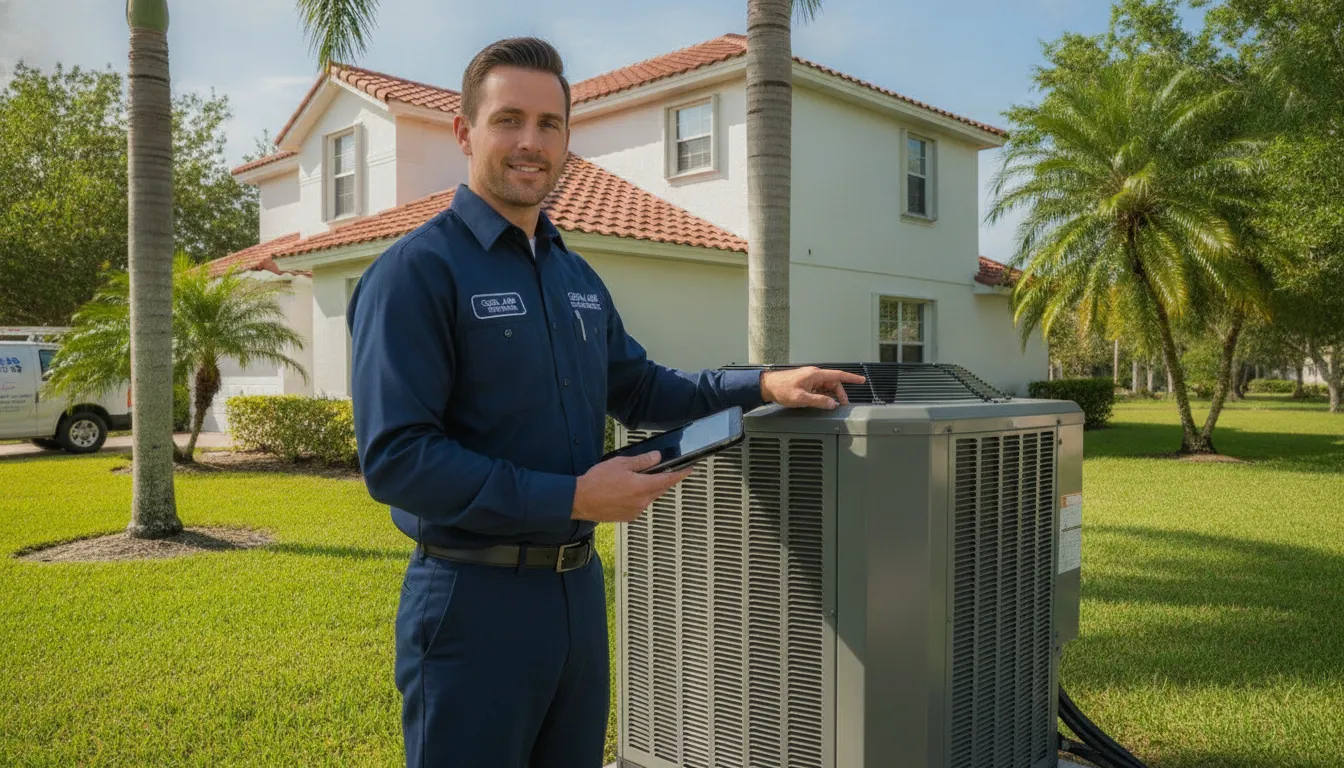
For businesses in Southwest Florida, 5 Star Air stands out for its premier HVAC services. The company offers a full range of solutions, from emergency AC repairs to complete system installations for commercial clients. What truly sets them apart is a commitment to honest, transparent pricing and a 5-star service guarantee. Instead of dealing with salespeople, you work directly with experienced technicians who understand the unique climate demands of the region. Their focus on reliable comfort and customer satisfaction makes them a trusted partner for local businesses.
AAON: Rooftop Unit Specialists
AAON is a manufacturer that specializes in creating semi-custom rooftop HVAC systems for commercial and industrial buildings. They are known for engineering equipment that is specifically tailored to the needs of businesses and factories. The company focuses heavily on developing new, energy-efficient products that are also environmentally friendly. If your project requires a highly specialized rooftop unit designed for performance and sustainability, AAON is a name you'll likely encounter. Their commitment to innovation makes them a key player in the commercial HVAC market.
Trane: Commercial Building Solutions
Trane has built a powerful reputation for durability and innovation in the HVAC world. The company is a leader in the commercial market, known for providing solutions that prioritize energy efficiency and incorporate cutting-edge technology. Trane’s systems are designed to handle the demands of large commercial buildings, ensuring reliable performance and long-term value. Their focus on advanced technology helps businesses manage their climate control more effectively, making them a go-to choice for innovative HVAC solutions in complex projects.
Carrier: Global HVAC Innovation
As the company founded by the inventor of modern air conditioning, Carrier has a long history of leadership in the industry. Today, Carrier provides a vast range of products, controls, and services designed to improve building performance and sustainability. Their systems are found in both commercial and residential applications around the globe. The company is dedicated to advancing energy efficiency and creating healthier indoor environments, making them one of the top HVAC manufacturers for businesses focused on sustainability and operational excellence.
Lennox: Energy-Efficient Systems
Lennox is another major manufacturer that offers a comprehensive lineup of HVAC products. They are particularly well-regarded for their energy-efficient heating and cooling systems, which include furnaces, heat pumps, and air conditioners. Lennox designs its equipment to meet a wide variety of customer needs, from small commercial spaces to large industrial facilities. Their focus on efficiency helps businesses reduce operating costs while maintaining a comfortable environment. This makes their range of HVAC products a popular choice for companies looking to balance performance with long-term savings.
Johnson Controls: Smart Building Technology
Johnson Controls is at the forefront of integrating HVAC with smart building technology. They specialize in creating systems that connect heating, ventilation, and air conditioning with advanced controls and automation. This integration allows for a much smarter approach to managing a building's climate and energy use. By using data and automation, Johnson Controls helps businesses significantly improve their operational performance and reduce energy consumption. They are a leader for companies looking to build or retrofit facilities with smart building technology at their core.
What Services Do Top Industrial HVAC Companies Offer?
When you manage an industrial facility, your HVAC system is more than just a comfort feature—it's a critical component of your operations. The best industrial HVAC companies understand this and offer a full spectrum of services designed to keep your business running smoothly, efficiently, and safely. They go far beyond simple repairs, providing comprehensive solutions that cover the entire lifecycle of your equipment. From the initial design and installation to ongoing maintenance and emergency support, these companies act as true partners. They help you manage energy costs, maintain a healthy environment for your employees, and protect your valuable equipment and products. Let's look at the core services you should expect from a top-tier industrial HVAC provider.
Installation and System Design
Getting your industrial HVAC system right from the start is crucial. This isn't about just picking a unit off a shelf; it's about strategic system design tailored to your facility's unique layout, operational needs, and load calculations. Top companies handle the entire process, from planning to a flawless air conditioning installation. They work with all types of commercial equipment, whether you need a small ductless system for an office or a massive industrial chiller for a manufacturing plant. A professional team ensures your system is sized correctly and installed for optimal performance and energy efficiency, preventing future headaches and unnecessary costs.
Preventive Maintenance Programs
The old saying "an ounce of prevention is worth a pound of cure" is especially true for industrial HVAC systems. Unexpected downtime can halt production and lead to significant financial losses. That's why leading HVAC companies offer robust preventive maintenance programs. These scheduled check-ups are designed to catch small issues before they become catastrophic failures. Technicians inspect, clean, and tune your equipment to extend its lifespan, improve efficiency, and keep your energy bills in check. Consistent air conditioning maintenance is one of the smartest investments you can make for your facility's operational stability.
Emergency Repair and 24/7 Support
Even with the best maintenance plan, emergencies can happen. When your system goes down in the middle of a Florida summer, you need help immediately. This is where a reliable HVAC partner truly shines. Top industrial companies offer 24/7 emergency air conditioning services to get you back up and running as quickly as possible. Having access to a team of skilled technicians around the clock provides peace of mind, ensuring that a sudden breakdown won't derail your business. They have the expertise and parts on hand to diagnose and fix complex industrial systems efficiently.
Energy Audits and System Retrofits
Energy consumption is a major operating expense for any industrial facility. A professional energy audit can identify where your HVAC system is wasting power and money. During an audit, a technician assesses your equipment, insulation, and ductwork to pinpoint inefficiencies. Based on the findings, they might recommend a system retrofit—upgrading older components with modern, high-efficiency technology. These upgrades are designed to be flexible and long-lasting, providing a significant return on investment through lower utility bills. It’s a practical way to modernize your facility while reducing your carbon footprint.
Indoor Air Quality Solutions
The air inside your facility directly impacts the health and productivity of your employees, not to mention the integrity of sensitive products or equipment. Leading HVAC companies offer advanced indoor air quality solutions that go beyond simple temperature control. These services can include installing high-grade filtration systems, UV air purifiers, dehumidifiers, and ventilation systems that remove contaminants like dust, allergens, and volatile organic compounds (VOCs). Creating a cleaner, healthier indoor environment helps reduce sick days and keeps your team comfortable and focused, making it a vital service for any modern industrial operation.
How Do Industrial HVAC Companies Improve Energy Efficiency?
Keeping a large industrial or commercial space comfortable in Florida is a big job that can come with an even bigger energy bill. That’s why focusing on energy efficiency isn’t just about being environmentally conscious—it’s one of the smartest financial decisions a business can make. Top industrial HVAC companies use advanced technology and smart design to significantly cut down on energy consumption without sacrificing comfort. These strategies help lower your monthly operational costs and extend the life of your equipment. By integrating modern solutions, you can create a system that works smarter, not harder, to keep your facility cool and your budget in check.
The days of one-size-fits-all HVAC systems are over. Today’s solutions are about precision, data, and intelligent automation. Industrial HVAC experts now focus on holistic approaches that consider every aspect of your building's energy profile. This includes everything from the equipment itself to the way it's controlled and maintained. Technologies like Variable Refrigerant Flow (VRF), smart IoT-connected thermostats, and advanced building management systems work together to create a highly optimized environment. The goal is to eliminate energy waste wherever possible, whether it's by cooling only occupied zones or by recovering energy from exhaust air. This shift towards smarter technology ensures your business benefits from a reliable, high-performance system that also delivers significant long-term savings.
Variable Refrigerant Flow (VRF) Systems
Think of a VRF system as the ultimate in customized climate control. Instead of a single, powerful unit blasting cold air everywhere, VRF systems use one outdoor unit connected to multiple smaller indoor units. This setup allows you to cool different zones independently. So, if the conference room is full but the offices are empty, the system adjusts the refrigerant flow to send cooling only where it’s needed. This precision prevents energy waste and gives you incredible control over your environment. It’s an efficient way to manage the diverse heating and cooling demands of a large commercial building, ensuring you’re not paying to cool unoccupied spaces.
Smart Thermostats and IoT Integration
We’ve moved far beyond the days of manual thermostats. Today’s smart systems use the Internet of Things (IoT) to connect your HVAC equipment to a central network, giving you unprecedented control. These systems learn your building’s occupancy patterns, adjust temperatures automatically, and can be controlled from anywhere with a smartphone or computer. More importantly, they monitor the system’s performance in real-time. This allows for predictive air conditioning maintenance, as the system can flag potential issues before they lead to a costly breakdown. It’s a proactive approach that keeps your HVAC running at peak efficiency.
Energy Recovery Ventilation Technology
In a place like Florida, bringing in fresh outdoor air can feel like opening an oven door, forcing your AC to work overtime. Energy Recovery Ventilation (ERV) technology solves this problem. An ERV system transfers heat and moisture from the incoming fresh air to the stale air being exhausted. In simple terms, it pre-cools and dehumidifies the fresh air before it ever enters your building. This process dramatically reduces the load on your air conditioner while still improving your indoor air quality. You get the benefits of fresh, clean air without the high energy costs typically associated with ventilation.
High-Efficiency Chillers and Equipment
Sometimes, the most direct path to energy efficiency is upgrading the core components of your system. Modern, high-efficiency equipment, especially chillers, can make a massive difference. Some of today’s high-efficiency chillers can slash energy consumption by as much as 50% compared to older models. While a new air conditioning installation requires an upfront investment, the long-term savings on your utility bills are substantial. Think of it as a long-term strategy that pays for itself through lower operational costs and a reduced carbon footprint, making it a wise choice for any forward-thinking business.
Advanced Building Management Systems
An Advanced Building Management System (BMS) acts as the central nervous system for your entire facility. It integrates all your HVAC components—from the chillers and air handlers to the smart thermostats in each room—into a single, intelligent platform. This gives you a complete overview of your building’s energy usage. A BMS provides real-time data and analytics, allowing facility managers to spot inefficiencies, track performance, and optimize operations on the fly. By having this level of control, you can make informed decisions that fine-tune your energy consumption and drive down costs across the board.
How to Choose the Right Industrial HVAC Company
Selecting the right HVAC partner for your industrial facility is a major decision that impacts your operations, budget, and employee comfort for years to come. It’s about more than just finding someone to install a unit; it’s about finding a team that understands the complexities of large-scale systems and can provide reliable, long-term support. To make the best choice, you need to look beyond the initial quote and evaluate a company’s experience, qualifications, and commitment to service. These key factors will help you identify a contractor who can deliver the quality and dependability your business needs to thrive.
Industry Experience and Technical Expertise
When it comes to industrial HVAC, experience is not just a number—it’s a critical indicator of a company’s ability to handle complex projects. Unlike residential systems, industrial environments have unique demands, from managing massive spaces to complying with specific industry regulations. Look for a company with a proven track record in commercial and industrial settings. Ask for case studies or references from businesses similar to yours. A team that specializes in complex systems will have the technical expertise to design, install, and maintain a system that is both effective and efficient for your specific operational needs. Their specialized knowledge ensures they can anticipate challenges and engineer solutions that a less experienced contractor might miss.
Licensing, Certifications, and Qualifications
Never overlook the paperwork. Before you sign any contract, verify that the HVAC company is fully licensed, bonded, and insured. This is your first line of defense, protecting your business from liability and ensuring the work is up to code. Beyond the basics, look for technicians who hold advanced certifications. Credentials like NATE (North American Technician Excellence) certification show that a technician has mastered real-world, working knowledge of HVAC systems. Similarly, EPA certifications are required for handling refrigerants, indicating a commitment to safety and environmental standards. These qualifications demonstrate a company’s dedication to ongoing training and adherence to industry best practices.
Service Area and Emergency Response Time
For an industrial facility, HVAC downtime can mean a complete halt in production and significant revenue loss. That’s why it’s essential to choose a local company that can provide a rapid response when you need it most. Check the company’s service area to ensure your facility is well within its reach. More importantly, inquire about their emergency services. Do they offer 24/7 support? What is their guaranteed response time? A reliable partner will have a clear plan for handling urgent repairs, ensuring a technician can get to your site quickly to diagnose and fix the problem. Having access to prompt emergency air conditioning services is non-negotiable for any industrial operation.
Energy Efficiency Solutions and Innovation
A modern industrial HVAC system should do more than just control the temperature; it should also help you manage operational costs. The right HVAC partner will be a source of information on the latest energy-efficient technologies. Ask potential contractors about their experience with high-efficiency equipment, smart thermostats, and innovative solutions like energy recovery ventilation. A forward-thinking company can perform an energy audit of your facility and recommend upgrades that will lower your utility bills and reduce your carbon footprint. Investing in an energy-efficient system not only saves money but also contributes to a healthier and more sustainable work environment for your team.
Transparent Pricing and Service Guarantees
Honesty and transparency are the cornerstones of a great business relationship. Look for an HVAC company that provides clear, detailed, and upfront pricing without hidden fees or confusing jargon. A trustworthy contractor will take the time to walk you through their estimate and explain all the costs involved. Be wary of quotes that seem too good to be true. Furthermore, a reputable company will stand behind its work with strong service guarantees and warranties. This commitment shows they are confident in the quality of their craftsmanship and the equipment they install. Clear service guarantees give you peace of mind, knowing your investment is protected.
Common Challenges When Selecting an Industrial HVAC Company
Choosing the right industrial HVAC partner is a big decision, and it’s easy to feel overwhelmed by the options. To make the best choice for your business, it helps to be aware of the common hurdles you might face. From confusing quotes to questions about technical skill, knowing what to look for can help you find a reliable company that will keep your facility comfortable and efficient for years to come. Let’s walk through some of the most frequent challenges and how you can handle them.
Evaluating Technical Qualifications
How can you be sure a company’s technicians have the right skills for your project? HVAC technology is constantly evolving, and a team that isn’t up-to-date could install or service your system improperly. It’s crucial to find a company that invests in continuous education for its technicians. Don’t be afraid to ask about their training programs, certifications, and partnerships with leading manufacturers. A reputable company will be proud to share how they keep their team’s skills sharp. This ensures they can handle the latest equipment and complex installations, giving you peace of mind that the job will be done right by fully licensed and insured technicians.
Balancing Cost with Quality
It’s always tempting to go with the lowest bid, but when it comes to industrial HVAC, an unusually low price can be a red flag. HVAC companies have significant operating costs, from quality equipment to skilled labor. A rock-bottom quote might mean the company is cutting corners on materials, technician training, or proper insurance. Instead of focusing only on the initial price, look for value and transparency. A trustworthy partner will provide a clear, itemized quote and explain the costs. They should also offer flexible financing options to help you manage the investment without compromising on the quality and long-term reliability of your system.
Understanding Regulatory Compliance
Florida has specific building codes and energy efficiency standards that your HVAC system must meet. A company that isn’t knowledgeable about these local and federal regulations can create serious problems for your business, including failed inspections, fines, and safety hazards. Compliance is non-negotiable. Your HVAC provider should have a deep understanding of all relevant codes for a new system installation. Choosing a company that stays current with these requirements ensures your project is completed safely, legally, and efficiently, saving you from costly headaches down the road.
Ensuring Proper Service and Support
Your relationship with an HVAC company doesn’t end after the installation. What happens if your system breaks down during a Florida heatwave? You need a partner who provides reliable, ongoing support. Before signing a contract, ask about their service agreements, response times, and communication protocols. Do they offer preventive maintenance plans to keep your system running smoothly? A company that prioritizes clear communication and standardized service procedures is better equipped to provide consistent support. Look for a provider that guarantees prompt and effective emergency support when you need it most.
Frequently Asked Questions
What's the main difference between commercial and industrial HVAC? While both terms are often used for business settings, the key difference lies in the scale and demands of the environment. Commercial HVAC systems are typically designed for spaces like office buildings, retail stores, and restaurants. Industrial HVAC, on the other hand, is engineered for much larger and more demanding facilities such as manufacturing plants, warehouses, and hospitals. These systems are built to be more durable, handle extreme temperature control, and manage specific air quality needs like ventilation for chemical processes or dust collection.
How often does an industrial HVAC system need maintenance? The ideal maintenance schedule depends on your system's age, how heavily you use it, and the type of facility it's in. However, a good rule of thumb for most industrial systems is to have a professional check-up at least quarterly. These regular visits go far beyond changing a filter; they involve inspecting electrical components, cleaning coils, and checking refrigerant levels to catch small problems before they can cause a major shutdown. Think of it as essential protection for one of your business's most critical assets.
Is it more cost-effective to repair or replace an older industrial AC unit? This is a common dilemma, and the answer usually comes down to a few key factors. Consider the age of your unit, the frequency and cost of recent repairs, and its energy efficiency. If your system is over 15 years old and requires a major, expensive repair, replacement is often the smarter long-term investment. A new, high-efficiency unit can significantly lower your monthly utility bills, and those savings can help offset the initial installation cost over time.
My business is growing. Can an industrial HVAC system be scaled up? Absolutely. A forward-thinking HVAC company will design your system with future growth in mind. Modern systems, particularly modular ones like Variable Refrigerant Flow (VRF), are designed for this kind of flexibility. This allows you to add capacity as your business expands without having to replace the entire system. When discussing a new installation, be sure to talk about your company's future plans so your HVAC partner can create a solution that grows with you.
Why is hiring a local industrial HVAC expert so important in Florida? Choosing a local company is about more than just convenience; it's about specialized knowledge. A local expert understands the unique challenges of Florida's climate, from relentless humidity and corrosive salt air to preparing systems for hurricane season. They are also well-versed in regional building codes and can provide a much faster response time for emergency repairs, which is critical when a system fails during a summer heatwave.