Is it worth fixing a freon leak? A Homeowner's Guide
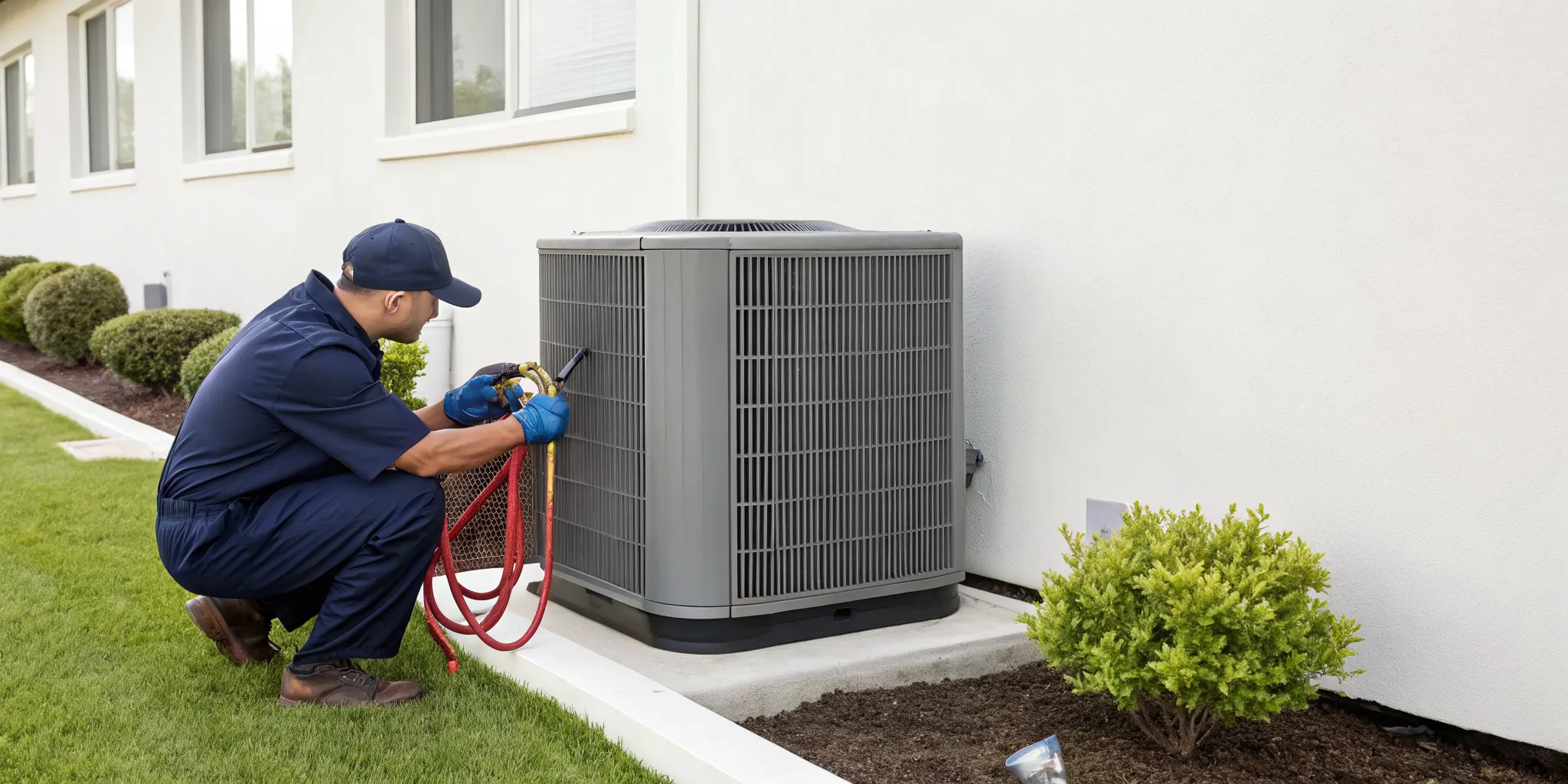
A freon leak is a symptom, not the root cause of your AC troubles. Think of it as a warning light on your car's dashboard; it’s telling you that something deeper is wrong. Simply refilling the refrigerant without finding and fixing the source of the leak is a temporary fix at best. To make a truly informed decision, you need to understand what caused the leak in the first place. Was it simple wear and tear, or is it a sign of major corrosion? Before you can decide if it is worth fixing a freon leak, you need to know the whole story. This guide breaks down the common causes and helps you weigh the pros and cons of repair versus replacement.
Key Takeaways
- Identify the Warning Signs: Your AC gives clues when it's in trouble, so watch for lukewarm air, ice forming on the unit, unusual hissing sounds, or surprisingly high energy bills, as these often point to a refrigerant leak.
- Decide to Repair or Replace: Don't automatically assume a repair is the best choice; consider your AC's age and refrigerant type, and use the 50% rule, which suggests replacement is smarter if the repair cost is half the price of a new unit.
- Prevent Leaks with Maintenance: The best way to deal with a freon leak is to prevent it from happening in the first place, so schedule professional maintenance twice a year to catch small issues before they become expensive problems.
What Is a Freon Leak and Why Does It Matter?
A Freon leak happens when the refrigerant that cools your home escapes from your air conditioning system. Because your AC is a closed system, it shouldn't lose refrigerant over time. A leak means something is wrong, and it’s a problem that affects your comfort, your wallet, and even your health. Understanding what’s happening inside your unit is the first step to making a smart decision about fixing it.
How Freon Cools Your Home
Think of Freon, or refrigerant, as the hardworking courier for your AC system. This special substance circulates through a closed loop of coils, absorbing heat from inside your home and carrying it outside. As it releases the heat outdoors, the now-cool refrigerant cycles back inside to repeat the process. This continuous loop is what delivers that refreshing, cool air through your vents. Your air conditioner is designed with a precise amount of refrigerant to last its entire life. Unlike gas in a car, it doesn't get "used up," it just keeps circulating to keep you comfortable.
How a Leak Disrupts That Cooling
When you have a Freon leak, that perfectly balanced, closed system is compromised. As refrigerant escapes, your AC unit is left with less than it needs to cool your home effectively. Without the right amount of Freon, the system can't absorb and transfer heat efficiently. This is why one of the first signs of a leak is lukewarm air blowing from your vents, even when the AC is running full blast. Your system will struggle, working harder and longer to try and cool your home, often without success. This strain can lead to bigger problems, which is why a sudden loss of cooling is something we handle with our emergency air conditioning services.
The Risks to Your Health and the Environment
A Freon leak is more than just an inconvenience; it’s a serious issue. Leaking refrigerant can impact your indoor air quality and pose health risks, causing symptoms like dizziness, headaches, and breathing difficulties, especially for children, pets, and older adults. Beyond your health, a leak puts your entire AC system in jeopardy. Forcing your unit to run with low refrigerant can cause the compressor, the heart of your AC, to overheat and fail. This often results in a very expensive air conditioning repair. Ignoring a leak also means higher energy bills and a negative impact on the environment, as older refrigerants can be harmful when released into the atmosphere.
5 Signs You Have a Freon Leak
A Freon leak can be tricky to spot, but your air conditioner will usually give you a few warning signs. Ignoring them won't make the problem go away; in fact, it often leads to more expensive damage and a sweltering home. As someone who lives with the Florida heat, I know that a struggling AC is the last thing you want to deal with. Paying attention to these five signs can help you catch a leak early and get your cool air back before the problem gets worse. If your system is acting up, it’s trying to tell you something.
Your AC Blows Warm Air
This is often the first and most frustrating sign. If you’ve set your thermostat to 72 degrees but the air coming from your vents feels lukewarm, a refrigerant leak is a likely suspect. Freon is the key ingredient that absorbs heat from inside your home and moves it outside. When the level is low due to a leak, your AC simply can’t perform this heat exchange effectively. Your system will run and run, but your home won’t get any cooler. Don’t just suffer in the heat; this is a clear signal that your system needs a professional diagnosis. An expert can determine if a leak is the cause of the problem and perform an AC repair to get it cooling again.
Ice Forms on Your AC Unit
It sounds strange, doesn't it? Ice on your air conditioner in the middle of a Florida summer. But this is a classic symptom of low refrigerant. When Freon levels drop, the pressure inside the evaporator coils plummets, causing them to become intensely cold. This makes the moisture in the air freeze directly onto the coils, creating a layer of ice. This ice buildup blocks airflow and makes the cooling problem even worse. You might see ice on the indoor unit's coils or on the refrigerant lines outside. If you spot ice, it’s best to turn your system off to let it thaw and call a technician right away.
You Hear Hissing or Bubbling Sounds
Your air conditioner should operate with a consistent, low hum. If you suddenly hear a distinct hissing or a faint bubbling noise, you should investigate. A hissing sound is often the noise of pressurized refrigerant gas escaping from a small crack or hole in the copper lines. A bubbling or gurgling noise can also indicate a leak in the refrigerant line. These sounds are direct evidence that you are actively losing Freon. Don't dismiss them as normal operational noises. Pinpointing the source of the sound can help a technician find the leak faster, so it’s important to schedule a professional air conditioning repair as soon as you hear anything unusual.
Your Energy Bills Are Spiking
Take a look at your recent electricity bills. If you’ve noticed a sudden and significant increase that isn't explained by a heatwave, your AC could be the culprit. When your system is low on Freon, it has to work much harder and run for longer periods to even attempt to cool your home. This constant operation consumes a massive amount of energy, which shows up directly on your utility bill. Your AC is struggling to do its job, and you’re paying the price for its inefficiency. Keeping up with regular maintenance helps keep your system running efficiently, but a sudden spike in costs is a strong sign that an underlying problem, like a leak, needs immediate attention.
The AC Runs Constantly but Doesn't Cool
It’s incredibly frustrating when your AC is running nonstop, but your home is still uncomfortably warm. This is a combination of all the other signs at work. Because the low refrigerant level prevents the system from reaching the temperature you’ve set on the thermostat, the thermostat never signals the unit to shut off. This constant cycle not only drives up your energy bills but also puts immense strain on your AC’s most important components, like the compressor. This excessive wear and tear can lead to a complete system failure, which is a far more expensive problem than fixing a leak. If your AC is running a marathon without results, it’s time to contact us for an honest assessment.
What Causes Freon Leaks?
Freon leaks aren't just random occurrences; they're symptoms of an underlying problem within your AC system. Think of it like a slow leak in a tire—it doesn't happen for no reason, and simply topping it off won't solve the issue long-term. Understanding the root cause is the first step toward a real solution. Most leaks come down to a few common culprits, many of which are simply the result of your system working hard day in and day out. Here in Southwest Florida, our air conditioners are put to the test with relentless heat and humidity. This constant operation puts a tremendous amount of stress on every component, from the coils to the refrigerant lines. Over time, this stress manifests as wear and tear, corrosion, and other issues that can compromise the sealed refrigerant system. Identifying the specific cause is crucial because it determines whether a simple repair will suffice or if a more significant problem is brewing. It's the difference between patching a small hole and realizing the entire structure is weak. Let's break down the four most common reasons your AC might be leaking refrigerant.
Rust and Corrosion
Living in Florida means dealing with humidity and salty air, which unfortunately creates the perfect environment for rust and corrosion. Your AC's indoor evaporator coil and outdoor condenser coil are made of metal, usually copper and aluminum. Over time, exposure to moisture and airborne contaminants can cause these metals to corrode. This process creates microscopic pinholes and cracks in the coils, which are just large enough for refrigerant gas to escape. If you notice your AC isn't cooling properly, corrosion could be the hidden cause, requiring a professional air conditioning repair to diagnose and address the damage.
Worn-Out Parts and Lines
Your air conditioner is a complex machine with many moving parts and lines that carry refrigerant between the indoor and outdoor units. The system's constant vibration, combined with the expansion and contraction from temperature changes, can weaken these components over time. The rubber seals at service ports can become brittle and crack, and the metal refrigerant lines themselves can develop weak spots. Sometimes, the damage is more direct, caused by things like a weed whacker getting too close to the outdoor unit or vibrations causing two lines to rub against each other. Regular air conditioning maintenance helps our technicians spot these worn-out areas before they turn into a full-blown leak.
Loose Connections
Your AC system is assembled with numerous joints and fittings that connect the various sections of refrigerant lines. These connections are sealed tight during installation, but the daily vibrations from the compressor and fan motor can gradually shake them loose. When a fitting becomes even slightly loose, it creates a small gap where refrigerant can seep out. These leaks are often slow and difficult to detect without specialized tools like an electronic leak detector. It takes a trained eye to find and tighten these connections properly. Our licensed and insured technicians have the experience to trace refrigerant lines and pinpoint these sneaky leaks at their source, ensuring a secure and lasting fix.
Normal Wear and Tear
At the end of the day, even the best-maintained air conditioner will eventually show its age. Like any mechanical system, from your car to your washing machine, parts simply wear out over time. The protective coating on coils can degrade, metal can become fatigued from years of pressure and temperature cycles, and joints can weaken. An older system is far more likely to develop a refrigerant leak than a new one. While a single, small leak in a younger unit might be worth fixing, multiple leaks in a system that's over 10 years old are often a sign that it's reaching the end of its lifespan. In these cases, a full air conditioning installation is often the more cost-effective solution.
Breaking Down the Cost of a Freon Leak Repair
When you get a quote for a freon leak, it can feel a little overwhelming. What exactly are you paying for? The total cost isn’t just one arbitrary number; it’s a combination of parts, labor, and factors unique to your air conditioner. Understanding these components helps you see where your money is going and feel confident in your decision. At 5 Star Air, we’re committed to honest, transparent pricing, so let’s break down the typical costs associated with fixing a freon leak. This way, you can have a clear conversation with your technician and know what to expect.
Cost to Recharge the Refrigerant
One of the most immediate costs is for the refrigerant itself. When freon leaks out, it needs to be replaced, or "recharged," for your AC to cool properly again. The refrigerant itself can be expensive, and the total cost will depend on how much your system needs to restore its correct level. An almost empty system will require more refrigerant than one with a minor leak, directly impacting your bill. A professional technician will determine the precise amount needed to get your AC running efficiently without overfilling the system, which can cause its own set of problems.
Cost to Find and Fix the Leak
Simply adding more freon isn't a real solution; it’s like filling a tire with a hole in it. The second, and most critical, part of the cost is the labor required to find and permanently fix the leak. This is where a skilled technician’s expertise comes in. They use specialized tools to pinpoint the exact source of the leak, which could be anything from a corroded coil to a worn-out valve. Once found, the repair might involve welding a patch or replacing a faulty component. The cost for this service reflects the time and skill needed to perform a lasting air conditioning repair that prevents the problem from happening again.
Factors That Influence the Price
The final price tag for a freon leak repair isn't one-size-fits-all. Several key factors can influence the total cost. The age and overall condition of your AC unit play a huge role. If your system is older and has had multiple issues, a costly repair might not be the wisest investment. Furthermore, the type of refrigerant your unit uses is a major consideration. Older systems often use R-22 freon, which is being phased out and is now very expensive. In these cases, it’s often more cost-effective to put your money toward a new, energy-efficient air conditioning installation instead of sinking it into an outdated unit.
Should You Fix a Freon Leak? 5 Factors to Consider
Deciding whether to repair a freon leak or replace your entire AC unit can feel like a tough call. On one hand, a repair seems cheaper upfront. On the other, you don’t want to sink money into a system that’s on its last legs. The truth is, the right answer depends on your specific situation. It’s a balance between the age of your unit, the type of refrigerant it uses, and the cost of the fix. Making an informed choice is key to getting the most value for your money and ensuring your home stays cool and comfortable, especially during a hot Florida summer.
Before you make a decision, it’s helpful to walk through a few key factors with a trusted professional. An honest technician won’t just push you toward the most expensive option; they’ll help you weigh the pros and cons so you can make a choice that fits your budget and long-term needs. Let’s break down the five most important things to consider when you’re facing a potential air conditioning repair. By looking at these factors, you can feel confident in your decision to either repair the leak or invest in a new, more reliable system that will keep you cool for years to come.
The Age of Your AC
The age of your air conditioner is one of the biggest clues for whether to repair or replace it. AC units in Florida work hard, and they typically have a lifespan of about 10 to 15 years. If your system is less than 10 years old and has been running well otherwise, fixing a freon leak is usually a smart move. A simple repair can get it back to peak performance and extend its life.
However, if your AC is creeping past the 10-year mark, you need to think about it as a long-term investment. Pouring hundreds of dollars into an aging system might only be a temporary fix before another part fails. In this case, the money you’d spend on a repair could be better used as a down payment on a new, energy-efficient air conditioning installation.
Your System's Refrigerant Type (R-22 vs. R-410A)
The type of refrigerant your AC uses is a critical, and often overlooked, factor. Modern air conditioners use a refrigerant called R-410A. Older systems, typically those manufactured before 2010, use a refrigerant called R-22, also known as freon. Due to its harmful effects on the ozone layer, the U.S. government has completely phased out the production and import of R-22.
What does this mean for you? If your leaking AC uses R-22, any remaining supply is incredibly expensive and difficult to source. A simple "top-off" is not only a temporary fix but also a costly one. Because of the high cost and environmental concerns, it rarely makes financial sense to repair a significant leak in an R-22 system. Upgrading to a new unit that uses the modern R-410A refrigerant is almost always the more responsible and economical choice.
The Severity of the Leak
Not all freon leaks are created equal. The location and size of the leak play a huge role in determining the cost and complexity of the repair. A small leak in an easily accessible copper line might be a relatively quick and affordable fix. In this scenario, a repair is often the logical choice, especially if the rest of the system is in good shape.
On the other hand, a large leak or one located inside a major component, like the evaporator or condenser coil, is a different story. Repairing these types of leaks can be labor-intensive and expensive, sometimes costing nearly as much as a new unit. A professional technician can perform a leak search to pinpoint the exact source and give you an honest assessment of what it will take to fix it, helping you understand if the repair cost is justifiable.
The Overall Condition of Your System
Think of your AC’s overall health. Is this freon leak an isolated issue, or is it just the latest in a string of problems? If your air conditioner has been reliable and you’ve kept up with regular maintenance, it’s likely in good condition. In that case, fixing the leak is a reasonable step to keep it running smoothly for years to come.
But if your AC has a history of breakdowns, makes strange noises, or struggles to cool your home on hot days, the freon leak might be a symptom of a bigger problem. A system in decline will only continue to cost you more in repairs and high energy bills. Instead of patching one issue, it may be time to consider a full replacement. Investing in regular air conditioning maintenance can help you stay ahead of these issues and keep your unit in top shape for longer.
The 50% Rule: Repair vs. Replace Costs
When you’re weighing the numbers, a good guideline to use is the "50% Rule." This rule of thumb suggests that if the cost of a repair is 50% or more of the cost of a brand-new system, you should seriously consider replacement. For example, if a new AC unit costs $6,000 to install and the freon leak repair is quoted at $3,000, replacement is the smarter financial decision.
This isn't a strict rule, but it’s a practical way to avoid investing too much money into an old unit that may fail again soon. An honest HVAC company will provide you with clear, upfront pricing for both the repair and a potential replacement, so you can make the comparison yourself. If the cost of a new system is a concern, many companies also offer financing options to make the investment more manageable.
Repair or Replace? How to Make the Right Call
Deciding whether to fix a freon leak or replace your entire AC unit can feel like a huge, stressful decision. It’s a classic case of spending money now versus investing more for the long run. There’s no single right answer for everyone, but by looking at a few key factors like your system's age, repair history, and the cost of the fix, you can make a confident and practical choice for your home and your budget.
Think of it this way: you’re not just fixing a leak. You’re making a decision about your home’s comfort and your financial future for the next several years. Let’s walk through the signs that point toward a simple repair versus when it’s time to say goodbye to your old unit.
When a Repair Is the Best Option
A repair is often the most sensible path if your air conditioner is still relatively young. If your system is less than 10 years old and has been running reliably, fixing the issue is usually a smart move. This is especially true if the leak is minor and the repair is straightforward. A simple fix can get your system back up and running, giving you many more years of cool, comfortable air without the major expense of a full replacement. An honest technician can perform a leak search and give you a clear picture of the repair scope, helping you make an informed decision.
When It's Time to Replace Your Unit
On the other hand, pouring money into an aging system can be a losing battle. If your AC is over 12 years old, it’s likely approaching the end of its expected lifespan. Constant breakdowns, multiple freon leaks, or a repair bill that keeps climbing are all signs that it’s time to consider a replacement. Investing in a new, high-efficiency system can provide more reliable cooling, lower your energy bills, and give you peace of mind. Plus, newer models use modern refrigerants that are better for the environment, which is a win for everyone.
Use the 50% Rule to Help Decide
If you’re stuck in the middle, a simple guideline can help clear things up: the 50% rule. Here’s how it works: take the estimated cost of the repair and compare it to the cost of a brand-new unit. If the repair cost is 50% or more of what you’d pay for a full replacement, it’s almost always more economical to replace the system. Investing that much money into an old unit just doesn’t make financial sense in the long run. A new system is a significant purchase, but flexible financing options can make it much more manageable.
Common Myths About Freon Leaks
When your AC stops working, it’s easy to get lost in a sea of conflicting advice. Freon leaks, in particular, are surrounded by myths that can lead to costly mistakes and a lot of frustration. Let's clear the air and separate fact from fiction so you can make a confident decision for your home.
Myth: "A repair is always the cheapest option."
It’s natural to think that fixing something is cheaper than replacing it, but that’s not always the case with AC systems. A simple repair might seem like a quick win for your wallet, but it can be a short-sighted solution. The decision to fix a Freon leak really depends on your AC's age, the repair cost, and its overall condition. If your unit is older and has had multiple issues, paying for a repair might just be putting a bandage on a much larger problem. You could end up spending more in the long run on repeated service calls and high energy bills. Sometimes, a full air conditioning replacement is the more financially sound choice.
Myth: "Your technician is just trying to upsell you."
We’ve all heard stories about pushy salespeople, and it’s understandable to be wary when a technician suggests a full system replacement. Some homeowners worry that technicians recommend replacement just to make a bigger sale. While that might be true for some companies, a trustworthy professional’s goal is to give you a reliable, long-term solution. At 5 Star Air, our technicians are not salespeople. We pride ourselves on providing honest, transparent opinions that put your best interests first. We’ll lay out all the facts about your system’s health so you can see why we’re recommending a specific course of action, whether it’s a simple repair or a full replacement.
Myth: "You can DIY a Freon leak fix."
With countless tutorials online for just about everything, it can be tempting to try fixing a Freon leak yourself. Please don’t. Handling refrigerant is dangerous and is strictly regulated for a reason. According to experts, only certified professionals should handle refrigerants to avoid health risks and ensure the job is done correctly and legally. Attempting a DIY fix can expose you to harmful chemicals and potentially cause more damage to your AC unit. If you suspect a leak, the safest and most effective thing you can do is call for a professional air conditioning repair right away. A licensed technician has the right tools and training to find and fix the leak safely.
The Risks of Ignoring a Freon Leak
It can be tempting to put off an AC repair, especially if the system is still producing some cool air. But when it comes to a freon leak, waiting is one of the worst things you can do. What starts as a small, manageable issue can quickly spiral into major mechanical failures, shocking energy bills, and environmental damage. A refrigerant leak is a problem that only gets worse, not better, and ignoring the warning signs will cost you far more in the long run. Understanding the risks involved makes it clear why a prompt, professional fix is so important.
Major System Damage and Failure
Think of refrigerant as the lifeblood of your air conditioner. When levels are low due to a leak, your system has to work much harder to cool your home. This puts immense strain on its most critical component: the compressor. If you don't fix a leak, it can damage your AC's compressor and lead to bigger problems. The compressor is the heart of your unit, and replacing it is so expensive that a full system replacement is often the more practical choice. Ignoring the leak essentially forces your AC to run itself into the ground, turning a simple repair into a catastrophic failure.
Sky-High Energy Bills
A refrigerant leak doesn't just damage your AC; it also hits your wallet every month. As your system struggles to cool with low freon, it has to run for longer cycles to reach the temperature on your thermostat. This inefficiency means it consumes significantly more electricity. An AC refrigerant leak can quietly undermine your comfort and drive up energy bills without you even realizing the cause. If you've noticed your utility costs creeping up for no apparent reason, a hidden leak could be the culprit, silently wasting your money while your home stays uncomfortably warm.
Environmental Harm
The consequences of a freon leak extend beyond your home and your bank account. Refrigerants are chemical compounds that can be very harmful to the environment. Older types like R-22 contribute to ozone depletion, while even modern refrigerants are potent greenhouse gases. For this reason, refrigerant leaks must be fixed quickly to protect health and the environment. Allowing these chemicals to escape into the atmosphere is something we should all try to avoid. Scheduling a professional AC repair is not just about restoring your comfort; it’s also the responsible choice for our community and the planet.
How to Prevent Freon Leaks in the First Place
An ounce of prevention is truly worth a pound of cure, especially when it comes to your air conditioner. Instead of waiting for the dreaded signs of a Freon leak, like warm air or a frozen coil, you can take simple, proactive steps to keep your system sealed and running efficiently. Preventing a leak is always less expensive and less stressful than dealing with an emergency repair in the middle of a Florida summer.
The single most effective way to stop leaks before they start is through consistent, professional care. Think of it like regular check-ups for your car; you don't wait for it to break down on the highway to get an oil change. Your AC system is a complex machine with many moving parts, and giving it the attention it needs will pay off in reliability, efficiency, and peace of mind. It all comes down to making maintenance a priority.
The Power of Regular Maintenance
Regular maintenance is your first line of defense against Freon leaks. During a professional tune-up, a technician inspects every part of your system, from the coils to the refrigerant lines. They can spot and fix small issues like developing corrosion, worn-out seals, or loose connections long before they turn into a costly leak. Catching these problems early helps you avoid more serious damage to your compressor and other expensive components.
A well-maintained system doesn't just prevent leaks; it also runs more efficiently, which can lower your monthly energy bills. By scheduling professional air conditioning maintenance, you’re making a smart investment in your AC's health and longevity. It’s the best way to ensure your system is ready to handle the Florida heat without any surprise breakdowns.
How Often to Schedule Maintenance in Florida
Here in Florida, our air conditioners work harder than almost anywhere else. The relentless heat and high humidity put a massive strain on AC systems for most of the year. Because of this constant use, a once-a-year check-up often isn't enough to keep things in top shape. We recommend scheduling maintenance twice a year: once in the spring to prepare for the summer heat, and again in the fall to address any wear and tear from the peak season.
This bi-annual schedule allows a technician to clean the coils, check refrigerant levels, and ensure all electrical components are working safely before you need your AC most. It’s a simple routine that helps prevent unexpected failures and keeps your system running efficiently year-round. If it’s been a while, you can contact our team to get your first maintenance visit on the calendar.
Get an Honest, Professional Opinion
When you’re dealing with a potential freon leak, guessing games won’t get you very far. The single most important step you can take is to call a qualified HVAC technician. A professional has the right tools and training to safely locate the source of the leak, assess the extent of the damage, and give you a clear picture of what’s going on with your system. They can determine if a simple part needs fixing or if you’re looking at a more significant problem. This initial diagnosis is critical, as it lays the groundwork for every decision that follows.
Finding a technician you can trust is just as important as the diagnosis itself. You need an expert who will give you straightforward advice, not a sales pitch. An honest professional will walk you through your options, explaining the pros and cons of a repair versus a replacement based on your specific situation. At 5 Star Air, our commitment is to provide honest and transparent service, ensuring you have all the information you need to make a confident choice for your home and budget, without any high-pressure tactics.
A thorough inspection is key. Simply adding more refrigerant without fixing the leak is a temporary, and costly, band-aid that doesn’t solve the underlying issue. A reliable technician will focus on a long-term solution. If you ever feel uncertain or pressured by a diagnosis, don’t hesitate to get a second opinion. Your peace of mind is worth it. Ultimately, a professional air conditioning repair service will provide the clarity needed to move forward, helping you weigh the costs and benefits so you can make the best call for your home.
Related Articles
- 5 Signs Your AC Needs Repair
- AC Repair Services
- HVAC Tips & Insights Blog - Expert Advice from 5 Star Air
- HVAC Services in Southwest Florida - AC Repair, Installation & Maintenance
- 5 Star Air - Premier HVAC Services in Southwest Florida
Frequently Asked Questions
Is a Freon leak actually dangerous for my family and pets? Yes, it's a risk you should take seriously. While you're unlikely to be harmed by a very small leak in a well-ventilated area, concentrated refrigerant can be hazardous. It can cause symptoms like dizziness, headaches, and difficulty breathing. Because the gas is heavier than air, it can settle in low-lying areas, posing a greater risk to small children and pets who are closer to the floor. The safest approach is to call a professional as soon as you suspect a leak.
Why can't a technician just top off my Freon instead of doing a whole repair? Simply adding more refrigerant to a leaking system is like putting air in a tire with a nail in it; it’s a temporary fix that doesn’t solve the problem. The new refrigerant will just leak out again, wasting your money and harming the environment. Professional technicians focus on finding and sealing the leak itself to provide a permanent solution, which is the only way to restore your system's efficiency and reliability for the long term.
My AC is still blowing some cool air. How urgent is a Freon leak repair? It's very urgent. Even if your AC is still producing some cool air, a refrigerant leak means the system is already under serious strain. It has to run much longer and work much harder to cool your home, which can cause the compressor (the heart of your AC) to overheat and fail. A compressor failure is one of the most expensive repairs you can face, so it's always better to fix a small leak now than to risk a complete system breakdown later.
How can I tell if my AC uses the old, expensive R-22 refrigerant? The easiest way to check is to look at the data plate on your outdoor condenser unit. This sticker usually lists the manufacturing date and the type of refrigerant the system requires. As a general rule, if your system was manufactured before 2010, it likely uses R-22. If you can't find the label or are unsure, a qualified technician can identify the refrigerant type for you during an inspection.
If I get regular maintenance, does that guarantee I won't get a leak? While nothing can offer a 100% guarantee against a mechanical issue, regular maintenance is the single best thing you can do to prevent leaks. During a tune-up, a technician cleans components and inspects the system for early signs of corrosion, wear, and loose fittings that could eventually cause a leak. Catching these issues early drastically reduces your risk of a sudden breakdown and is the most effective way to keep your system sealed and running efficiently.