HVAC Ductwork Replacement: A Complete Guide
If you find yourself constantly dusting or notice your family’s allergies seem worse inside the house, your air ducts could be to blame. Over the years, your ductwork can become a hidden reservoir for dust, pollen, mold, and other contaminants. Every time your air conditioner runs, it circulates these particles through the air you breathe. While cleaning can sometimes help, older systems with tears or failing seals can continuously pull in dirty air from attics and crawlspaces. A professional HVAC ductwork replacement is one of the most impactful steps you can take to improve your home’s indoor air quality. It ensures your family is breathing fresh, clean air, creating a healthier and more comfortable living environment for everyone.
Key Takeaways
- Connect the symptoms to the source: High energy bills, uneven room temperatures, and excessive dust are often signs of failing ductwork. Addressing the ducts treats the root cause of these issues, not just the symptoms.
- Recognize that installation quality matters most: The long-term performance of your new ductwork depends entirely on a professional installation. Proper design, sealing, and insulation are essential for achieving maximum efficiency, especially in Florida's climate.
- View new ducts as a dual investment: Replacing your ductwork is an investment in both your home's financial efficiency and your family's health. It lowers monthly energy costs while creating a cleaner, healthier indoor environment.
Is It Time to Replace Your HVAC Ductwork?
It’s easy to forget about your home’s ductwork. Tucked away in ceilings, walls, and crawlspaces, it’s out of sight and out of mind. But this hidden network is the respiratory system of your home, responsible for delivering conditioned air to every room. When your ducts are old or damaged, they can’t do their job effectively, leading to discomfort, poor air quality, and high energy bills. If you’re noticing issues with your home’s comfort or efficiency, it might be time to look at the source. Knowing the signs of failing ductwork can help you decide if a replacement is the right move for your home.
Key Warning Signs to Watch For
Most air ducts have a lifespan of about 10 to 15 years. After a decade of Florida’s heat and humidity, they can start to deteriorate, developing leaks or collecting dust, mold, and even pests. If your home is older and you’re not sure when the ducts were last inspected, it’s a good idea to have them checked. Pay attention to strange noises, like rattling or whistling, when your AC kicks on. These sounds can indicate loose connections or blockages. A persistent musty smell that you can’t seem to locate is another red flag, often pointing to mold or mildew growth inside the ducts. An expert can perform a thorough duct sanitization and replacement assessment to see what’s really going on.
Spotting Visible Damage and Leaks
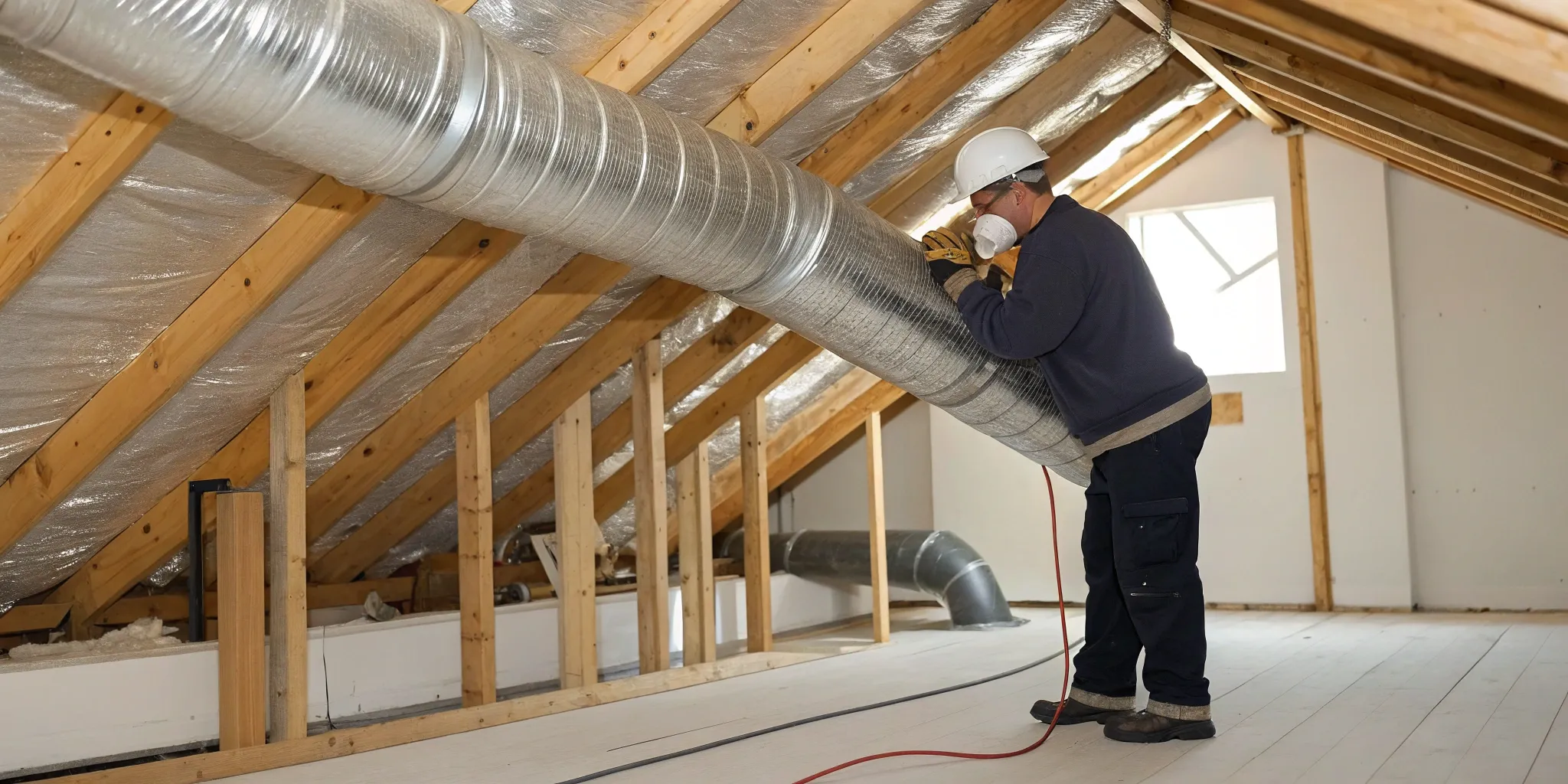
You don’t always need a professional to spot the most obvious problems. If you have accessible ductwork in your attic or crawlspace, take a moment to look it over. Do you see any sections that are dented, crushed, or disconnected? Obvious holes or tears are clear signs that you’re losing conditioned air—and money. This kind of damage can happen during other home repairs, from pests, or simply due to a poor initial installation. While minor issues can sometimes be repaired, extensive damage often means replacement is the more cost-effective solution. Constant patching can be a temporary fix for a permanent problem, so it’s important to weigh the cost of ongoing air conditioning repair against a long-term solution.
How Ductwork Impacts Your Air Quality
If your home seems dustier than usual or your family’s allergies are acting up more inside, your ductwork could be the culprit. Old, leaky ducts can pull in dust, insulation fibers, and other contaminants from your attic or crawlspace and circulate them throughout your home. Over time, ducts can also become a breeding ground for mold, mildew, and bacteria, which get blown into the air you breathe every time the system runs. Improving your indoor air quality starts with a clean, sealed system. Replacing compromised ductwork ensures that the air circulating through your home is clean and healthy for your family.
Unexplained Spikes in Your Energy Bill
Your energy bill is a great indicator of your HVAC system’s health. If you’ve noticed a sudden and sustained increase in your monthly costs without a change in your usage, your ductwork is a likely suspect. Leaks and poor insulation force your air conditioner to work much harder to cool your home. Conditioned air escapes into unconditioned spaces, meaning your system has to run longer to reach the temperature set on your thermostat. This extra strain not only drives up your bills but also puts unnecessary wear and tear on your AC unit. Investing in a new, properly sealed duct system can lead to significant energy savings and a more efficient home.
Hot and Cold Spots Around the House
Do you have a room that feels like a sauna while another feels like a freezer? This frustrating temperature imbalance is a classic sign of ductwork problems. When ducts are leaky, blocked, or improperly sized, they can’t distribute air evenly throughout your home. The rooms furthest from the AC unit often suffer the most, receiving very little airflow. This means some areas get too much conditioned air while others get hardly any. A well-designed and sealed duct system is essential for consistent comfort in every room. If you’re tired of fighting with the thermostat, a professional air conditioning installation and replacement assessment can determine if your ducts are to blame.
What Does Ductwork Replacement Cost?
Let's talk about one of the biggest questions on every homeowner's mind: the cost. Replacing your home's ductwork is a significant project, and the price tag can vary quite a bit. Think of it less as a simple purchase and more as a custom-fit solution for your home. The final cost depends on several unique factors, from the size of your house to the specific materials used. While a straightforward replacement in a smaller home might cost a few thousand dollars, a larger, more complex job could be more.
The good news is that this is an investment in your home's comfort and efficiency. Old, leaky ducts can force your HVAC system to work overtime, which shows up on your monthly energy bills. New, properly sealed ductwork ensures that the cool air your AC produces actually gets to the rooms you want it to, without escaping into the attic or crawlspace. We'll break down the costs so you can get a clearer picture of what to expect and understand where your money is going.
Breaking Down Material and Labor Costs
When you get a quote for ductwork replacement, it generally covers two main things: materials and labor. The cost per linear foot typically runs from $20 to $60. For a standard home, you might see a total cost anywhere from $1,500 to $7,000, depending on the square footage. For example, a 2,000-square-foot home could land in the $2,000 to $4,000 range. The price reflects not just the physical ducts but also the expertise required to design and install the system correctly, ensuring optimal airflow and efficiency for years to come.
Other Factors That Influence Price
Beyond the basic size of your home, several other details can influence the final price. The layout of your duct system plays a big role—long, complex runs with many twists and turns will require more labor than a simple, straightforward design. The type of materials you choose also matters. Accessibility is another key factor; if your ducts are in tight crawlspaces or hard-to-reach attics, the job will be more labor-intensive. Finally, local permits can sometimes add to the overall cost. The best way to get an accurate number is to have a professional assess your home.
How New Ducts Can Save You Money
While the upfront cost is a major consideration, it's important to look at the long-term savings. Leaky ducts can reduce your system's efficiency by 20% or more. That's like throwing one-fifth of your cooling budget away every month. By replacing old, damaged ductwork, you ensure your HVAC system runs as efficiently as possible. This not only lowers your monthly energy bills but also reduces wear and tear on your AC unit, potentially extending its lifespan and preventing costly air conditioning repairs.
Explore Your Financing Options
We understand that ductwork replacement is a major home improvement project. That's why it's helpful to know that flexible payment solutions are available. Many homeowners find that manageable monthly payments make it easier to invest in their home's comfort and efficiency without straining their budget. At 5 Star Air, we offer straightforward financing options to help you get the high-quality system you need. When you schedule an estimate, we can walk you through the costs and find a payment plan that works for you, so you can enjoy better air quality and lower energy bills sooner.
What to Expect During the Replacement Process
Getting new ductwork can feel like a big project, but knowing what’s coming makes the entire experience much smoother. We believe in being completely transparent, so we want to walk you through our process from start to finish. This isn’t just about swapping out old ducts for new ones; it’s about designing a system that perfectly fits your home and lifestyle for years to come. Our goal is to make the installation as seamless as possible, with minimal disruption to your daily routine. Here’s a clear, step-by-step look at what happens when our team arrives for a duct sanitization and replacement service.
Step 1: The Initial Assessment
First things first, one of our expert technicians will visit your home to perform a thorough assessment. We don’t believe in one-size-fits-all solutions. Your home is unique, and your ductwork should be, too. During this visit, we’ll carefully inspect your existing duct system and your home’s layout. We take precise measurements and calculate the exact airflow needed for every room. This initial step is the blueprint for a successful installation, ensuring your new system delivers consistent comfort and peak energy efficiency.
Step 2: Selecting the Right Materials
Once we have a clear picture of your home’s needs, we’ll discuss the best materials for the job. The most common options are rigid sheet metal, fiberglass, and fiberboard. In tight spaces like attics or crawl spaces, we might recommend flexible ducts. Each material has its own benefits, and our team will explain the pros and cons based on durability, budget, and your home’s specific requirements. We’ll help you make an informed choice that guarantees your new ductwork stands up to Florida’s climate and provides lasting performance.
Step 3: The Installation Timeline
We know you have a busy life, so we work efficiently to get the job done right. A typical ductwork replacement takes about one to two full days to complete. Of course, this can vary depending on the size of your home and the complexity of the system design. Our team will give you a clear and accurate timeline before we begin, so you know exactly what to expect. We’ll coordinate with you to find a schedule that works best and ensure the process is as undisruptive as possible.
Step 4: Testing the New System
After the new ducts are installed, we don’t just pack up and leave. We conduct a series of rigorous tests to ensure everything is working perfectly. This involves checking the entire system for leaks, measuring airflow to each room, and making sure the pressure is balanced. This quality check is essential for confirming that your new ductwork is operating at maximum efficiency and delivering the clean, comfortable air you deserve. It’s our way of guaranteeing that your investment improves your home’s indoor air quality and lowers your energy bills.
Step 5: Final Checks and Walkthrough
Our commitment to 5-star service means we leave your home in better condition than we found it. If we had to make any small openings in walls or ceilings to install the ducts, we’ll patch and paint them to match their surroundings perfectly. We’ll clean up our work area completely, so you won’t have to lift a finger. Finally, we’ll do a walkthrough with you to show you the completed work, explain how the new system operates, and answer any questions you might have. Your satisfaction is our top priority.
How to Choose the Best Materials and Design
Selecting the right materials and design for your ductwork is about more than just pipes and vents; it’s about creating an efficient, long-lasting system tailored to your home. The materials you choose will directly impact your system's durability, energy efficiency, and even your indoor air quality. A well-designed duct system ensures balanced airflow to every room, eliminating those frustrating hot and cold spots. In a place like Southwest Florida, where humidity is a constant battle, making smart choices here is key to preventing issues like mold and condensation down the road. Let’s walk through the most common options so you can feel confident in your decision.
Sheet Metal vs. Fiberglass: What's the Difference?
When it comes to ductwork, the two main players are sheet metal and fiberglass duct board. Sheet metal ducts, typically made from galvanized steel or aluminum, are known for their strength and durability. They have a non-porous surface that resists mold growth and is easier to clean, making them a great choice for long-term performance. However, they are the most expensive option and require separate insulation.
Fiberglass duct board, on the other hand, is a more budget-friendly alternative. Its main advantage is that it comes pre-insulated, which can save on installation time and cost. The downside is that it’s less durable than metal and can be susceptible to damage or moisture if not handled properly. We can help you weigh the pros and cons for your specific home and budget during a ductwork assessment.
When to Consider Flexible Ductwork
Flexible ductwork, often called "flex ducts," is exactly what it sounds like: a pliable, tube-like duct made of a wire coil covered in durable plastic and insulation. Its primary advantage is its versatility. Flex ducts are perfect for navigating tricky spaces in your home where rigid ducts just won't fit, like around tight corners or in cramped attics. This makes them a valuable tool for connecting main trunk lines to individual room vents.
While they are great for specific applications, they aren't typically used for an entire system. Flexible ducts have a rougher interior surface, which can create more air resistance than smooth metal ducts, slightly reducing efficiency. They are also less durable than their rigid counterparts. We often use a hybrid approach, installing sturdy sheet metal for the main lines and using flex ducts for the final connections.
The Best Ductwork for Florida's Climate
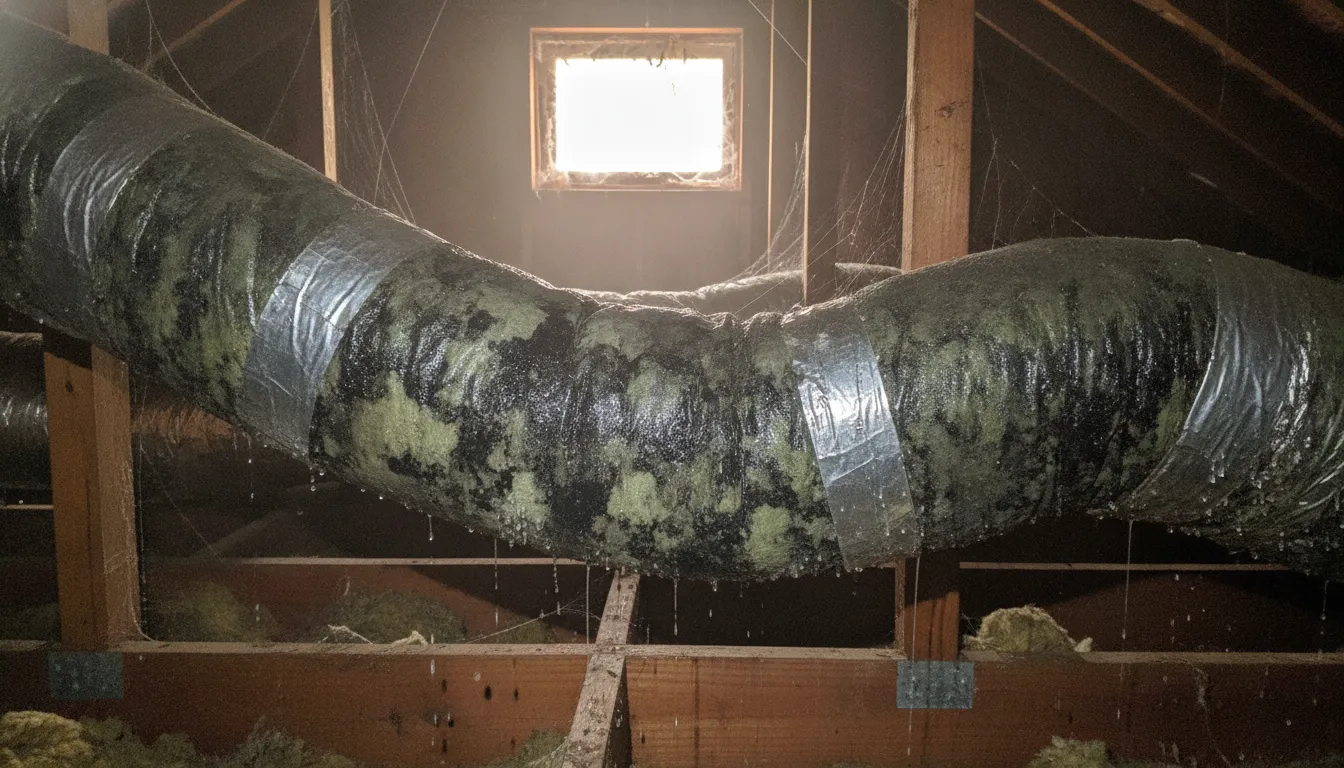
Living in Florida means dealing with high humidity year-round, and your ductwork needs to be up to the challenge. In our climate, insulation isn't just a suggestion—it's essential. Uninsulated or poorly insulated ducts running through a hot attic will "sweat" with condensation, creating the perfect breeding ground for mold and mildew. This not only damages the ducts but can seriously compromise your home's indoor air quality.
Properly sealed and insulated ductwork is your best defense. It keeps the cool air inside the ducts from meeting the hot, humid attic air, preventing condensation. This not only protects your home and health but also ensures your AC system runs efficiently, saving you money on energy bills. We always prioritize materials and installation techniques designed to withstand Florida’s demanding climate.
What Do Energy Efficiency Ratings Mean?
You often hear about energy efficiency ratings for appliances, but they apply to your entire HVAC system, including the ductwork. These ratings, like SEER (Seasonal Energy Efficiency Ratio) for your AC unit, indicate how effectively the system uses energy to cool your home. A higher rating means better efficiency, which translates directly to lower electricity bills and a smaller carbon footprint.
However, even the highest-rated AC unit can't perform well with leaky, poorly designed ducts. Your ductwork is the delivery system, and if it's losing air along the way, your AC has to work much harder to cool your home. That’s why a complete air conditioning installation should always include a thorough evaluation of the ductwork to ensure the entire system operates at peak efficiency.
Why Proper Insulation is Crucial
Insulation is the protective barrier that keeps your conditioned air at the right temperature as it travels through your home. Most ductwork is located in unconditioned spaces like attics, crawl spaces, or garages, where temperatures can be extreme. Without insulation, the cool air you're paying for can absorb heat from the attic in the summer, forcing your AC to run longer to reach your desired temperature.
This energy loss is a major source of waste and high utility bills. Proper insulation minimizes this heat transfer, ensuring the air that leaves your vents is just as cool as when it left the AC unit. While some materials like fiberboard have built-in insulation, sheet metal ducts require a separate layer. Investing in proper insulation pays for itself over time through consistent energy savings.
Why Professional Installation Matters
Replacing your home’s ductwork is a significant investment, and the quality of the installation is just as important as the materials you choose. While it might be tempting to find the cheapest option or even consider a DIY approach, professional installation is the only way to guarantee your system runs efficiently and safely for years to come. A poorly installed duct system can lead to air leaks, energy waste, and poor indoor air quality—the very problems you’re trying to solve.
Think of your ductwork as your home's respiratory system. If it’s not designed and sealed correctly, your entire HVAC system has to work harder, which drives up your energy bills and puts unnecessary strain on your AC unit. A professional team doesn't just connect pieces; they design a system tailored to your home's specific layout, ensuring balanced airflow to every room. They have the right tools, training, and experience to handle the complexities of the job, from navigating tight crawl spaces to ensuring every connection is perfectly sealed. This attention to detail is what separates a system that just works from one that works perfectly.
What to Look For in an HVAC Contractor
When you’re ready to hire a professional, start by looking for a contractor with a strong local reputation. Ask friends for referrals and check online testimonials to see what other homeowners in your area are saying. You want a team that understands the unique challenges of Florida’s climate, like high humidity. A great contractor will be transparent about their process and pricing, avoiding high-pressure sales tactics. They should take the time to answer your questions and explain their recommendations clearly. Ultimately, you’re looking for a partner you can trust to be in your home, and finding a company with deep roots in the community is a great place to start.
Certifications That Guarantee Quality
Don’t just take a contractor’s word for it—look for proof of their expertise. Proper licensing and certifications are non-negotiable. In Florida, an HVAC contractor must be licensed by the state, which ensures they’ve met specific training and competency requirements. These credentials show that a company is serious about its craft and committed to upholding industry standards. Certified technicians are also up-to-date on the latest local building codes and safety protocols, which is crucial for ensuring your new ductwork is installed correctly and will pass any necessary inspections. Hiring a certified professional gives you peace of mind that the job will be done right the first time.
Protect Your Investment with Insurance and Warranties
A reputable HVAC contractor will always be fully licensed and insured. This is one of the most important things to verify before any work begins. Insurance protects you, the homeowner, from any liability in the rare event of an accident or property damage during the installation. Beyond that, ask about warranties. A quality contractor will offer a warranty on their labor, which shows they stand behind the quality of their work. This, combined with the manufacturer's warranty on the duct materials, ensures your investment is protected from every angle. Our 5-star service guarantee is our promise to you that we’re committed to your complete satisfaction.
Common Installation Mistakes to Avoid
Even small mistakes during a ductwork installation can have big consequences. Some of the most common errors we see include using the wrong size ducts, creating sharp bends that restrict airflow, and failing to seal connections properly. Undersized ducts force your AC to work overtime, like trying to breathe through a tiny straw. Leaky seals allow your expensive conditioned air to escape into the attic or crawlspace, wasting energy and money. An experienced professional knows how to avoid these pitfalls by carefully planning the layout and using precise techniques to ensure your system is airtight and efficient. Proper ductwork installation is a science, and avoiding these common mistakes is key to long-term performance.
How We Ensure a Quality Installation
Our process begins long before we install the first piece of ductwork. We start with a thorough assessment of your home to understand its unique layout and your family’s comfort needs. From there, we design a custom duct system that ensures balanced and efficient airflow to every single room. During the air conditioning installation, our licensed technicians use top-quality materials and meticulous techniques to ensure every joint is sealed and every run is properly insulated. After the work is done, we test the entire system to verify optimal performance and walk you through the results, so you can be confident in your new, highly efficient ductwork.
How to Maintain Your New Ductwork
You’ve made a smart investment in your home’s comfort and efficiency by replacing your ductwork. Now, let’s make sure it performs beautifully for years to come. Proper maintenance isn’t complicated, but it is crucial for protecting your investment, keeping your energy bills low, and ensuring your family breathes clean, healthy air. A little proactive care goes a long way in preventing future headaches and expensive repairs. Think of it as a simple routine to keep your home’s respiratory system in top shape. By staying on top of a few key tasks, you can maximize the lifespan of your new ducts and enjoy consistent, reliable comfort all year round, especially during those hot Florida summers.
Your Regular Inspection Checklist
You don’t have to be an HVAC expert to keep an eye on your new ductwork. A quick visual inspection a few times a year can help you spot small issues before they become big problems. Look for any signs of sagging, disconnected joints, or moisture stains on the ducts in your attic or crawlspace. Also, check the vents in each room to ensure air is flowing freely and consistently. The most important thing you can do is change your air filter regularly—usually every 1-3 months. A clogged filter forces your system to work harder, straining both the AC unit and the ductwork. For a deeper dive, it’s a good idea to have a professional HVAC inspection every few years to catch anything you might have missed.
When to Schedule a Professional Cleaning
Here’s some honest advice: you probably don’t need to get your ducts cleaned very often. While some companies push frequent cleanings, it’s often an unnecessary expense. A properly installed and sealed duct system shouldn’t get very dirty in the first place. The time to consider a professional cleaning is if you notice a persistent musty odor coming from your vents, see visible mold growth, or if someone in your home is experiencing worsening allergies or respiratory issues. In these cases, a thorough duct sanitization can make a real difference. Otherwise, save your money and stick to regular filter changes.
Monitor Your System's Efficiency
Your monthly energy bill is one of the best indicators of your HVAC system’s health. After installing new ductwork, you should notice a positive change in your energy consumption. Keep an eye on those bills. If you see a sudden or gradual spike that you can’t explain, it could be a sign that a leak has developed in your ductwork. According to the U.S. Department of Energy, leaky ducts can reduce heating and cooling system efficiency by as much as 20 percent. By monitoring your bills, you can catch these efficiency losses early and have them addressed, ensuring you continue to save money and energy over the long term.
Simple Tips for Long-Term Care
Beyond changing your filter, a few simple habits can help extend the life of your ductwork. Make sure your vents and air returns are never blocked by furniture, rugs, or curtains, as this restricts airflow and puts stress on the system. Periodically vacuum your vent covers to keep dust and debris from entering the ducts. It’s also wise to be mindful of the age of your system. While high-quality ductwork can last for 15 years or more, it’s not meant to last forever. Being aware of its general lifespan helps you plan for the future and avoid being caught off guard by an unexpected need for replacement.
Keep Your System Running Smoothly
Ultimately, maintaining your new ductwork is about ensuring your entire HVAC system works as a cohesive, efficient unit. When your ducts are sealed and clean, your air conditioner doesn’t have to work as hard to cool your home. This reduces wear and tear on expensive components, lowers the likelihood of a breakdown, and keeps your home consistently comfortable. By pairing your new ductwork with a regular AC maintenance plan, you’re creating the best possible environment for long-term performance. This proactive approach is the key to getting the most out of your investment and enjoying clean, cool air without interruption.
Make the Right Choice for Your Home
Replacing your home's ductwork is a big decision, but it’s also one of the most impactful upgrades you can make for your comfort and your wallet. Think of your ducts as the circulatory system of your home—they deliver conditioned air to every room, keeping you cool and comfortable. When they start to fail, everything from your energy bills to your indoor air quality can suffer. Making the right choice means understanding your options, from the materials used to the long-term benefits you can expect.
It’s not just about fixing a problem; it’s about investing in a healthier, more efficient home. New ductwork can significantly lower your monthly energy costs by ensuring your AC system doesn’t have to work overtime to compensate for leaks. It also plays a huge role in the quality of the air you breathe every day by preventing dust, mold, and allergens from circulating. We’ll walk through the key factors to consider so you can feel confident in your decision. From comparing materials to understanding the importance of a professional assessment, here’s what you need to know to choose the best path forward for your home.
A Quick Comparison of Ductwork Materials
When it comes to ductwork, you have a few primary options, each with its own set of benefits. The most common materials are rigid sheet metal, fiberglass, and flexible ducts. Sheet metal is incredibly durable and has a smooth interior that allows for excellent airflow. Fiberglass ducts come pre-insulated, which can help with energy efficiency. Then there are flexible ducts, which are often used in tricky, tight spaces where rigid ducts won't fit. The right choice depends on your home's layout, your budget, and our specific Florida climate. A professional can help you weigh the pros and cons of each to find the perfect fit.
Features That Lower Your Energy Bills
Did you know that leaky or poorly insulated ducts can force your HVAC system to work up to 20% harder? All that wasted energy shows up directly on your utility bill. When you invest in new, properly sealed ductwork, you’re essentially plugging those leaks for good. Your air conditioner will no longer have to overcompensate, allowing it to cool your home more efficiently and effectively. Over time, the savings from a lower energy bill can add up significantly, making ductwork replacement a smart financial move that pays for itself.
The Link Between New Ducts and Better Health
If you’ve noticed more dust around the house, lingering musty smells, or an increase in allergy symptoms, your old ductwork could be the culprit. Over the years, ducts can accumulate dust, pollen, mold, and other contaminants. Every time your AC kicks on, these particles get circulated throughout your home. Replacing your old ducts gets rid of this hidden source of pollutants and dramatically improves your home’s indoor air quality. It’s a direct investment in your family’s health, creating a cleaner, fresher, and safer breathing environment for everyone.
How to Maximize Your Ductwork's Lifespan
Most ductwork systems are built to last about 20 to 30 years, but you can help yours reach its full potential with a little care. The key is consistency. Once your new system is installed, make it a habit to visually inspect accessible ducts for any signs of damage or disconnected joints. Beyond that, scheduling regular professional air conditioning maintenance is the best way to keep everything in top shape. A technician can spot small issues before they become big problems, ensuring your system runs efficiently for years to come and protecting your investment.
Get a Professional Assessment You Can Trust
The best materials in the world won’t perform well if they aren’t installed correctly. That’s why choosing the right HVAC contractor is the most critical step in the process. A proper installation ensures your new duct system is designed for optimal airflow, sealed tightly, and insulated correctly for our humid Florida climate. At 5 Star Air, our licensed and insured technicians have the expertise to get the job done right the first time. We believe in honest assessments and transparent pricing, so you can trust you’re getting a solution that truly fits your home’s needs.
Frequently Asked Questions
Can't I just patch up the leaks instead of replacing everything? While patching a few minor, accessible leaks can be a temporary fix, it often becomes a game of whack-a-mole with older systems. If your ductwork is over 10-15 years old or has widespread issues like poor design, mold, or deterioration, patching won't solve the underlying problems. A full replacement is a long-term solution that addresses efficiency, air quality, and comfort all at once, saving you from the cost and hassle of repeated repairs.
How disruptive is the installation process? Will my home be a mess? We understand that having work done in your home can be stressful, so our team works hard to keep disruptions to a minimum. A typical replacement takes one to two days, and we make sure to protect your home with drop cloths and clean up thoroughly after ourselves. We'll communicate a clear timeline with you from the start so you know exactly what to expect and when.
How can I tell if my high energy bill is from bad ducts or an old AC unit? That's a great question, as the two are closely linked. A good way to start is by checking for other signs. If you have hot and cold spots, a lot of dust, or musty smells, your ducts are a likely suspect. If your AC unit is over 10 years old, struggles to keep up, or needs frequent repairs, it might be the main issue. The best way to know for sure is to have a professional perform a full system assessment, as often both the unit and the ducts contribute to inefficiency.
How long does new ductwork typically last in Florida? The lifespan of your ductwork really depends on the materials used and the quality of the installation. Professionally installed, high-quality sheet metal ducts can last 20 to 30 years. We focus on using durable materials and sealing techniques designed to withstand Florida's high humidity, which helps prevent the mold and condensation issues that can shorten a system's life.
What's the first step if I think I need my ducts replaced? The first step is to schedule a professional assessment. A trained technician can inspect your entire system, identify the source of any problems, and determine if replacement is the right move for your home. This initial visit gives you a clear picture of your system's health and allows us to provide an honest, accurate quote without any sales pressure.