New HVAC System Cost: A Homeowner's Guide
Living in Southwest Florida means your air conditioner isn't a luxury; it's the heart of your home's comfort system. When it's time for a replacement, the first question on everyone's mind is about the cost. The truth is, the price can vary widely based on your home's specific needs. A system that’s perfect for a small condo won’t work for a larger family home, and factors like energy efficiency ratings and ductwork repairs play a huge role. We’re here to clear up the confusion and give you a straightforward look at the new hvac system cost 2 expect, so you can make the best choice for staying cool and comfortable.
Key Takeaways
- Look beyond the equipment price: Your total investment is a combination of the unit itself, the cost of professional labor, and any necessary upgrades to your home's ductwork or electrical systems.
- Efficiency is an investment that pays off: Systems with higher SEER ratings have a greater initial cost but lead to significant long-term savings through lower monthly energy bills and improved home comfort.
- Plan your purchase to find savings: You can make a new system more affordable by taking advantage of federal tax credits, local utility rebates, and flexible financing options.
What Determines the Cost of a New HVAC System?
Figuring out the price of a new HVAC system can feel a bit like solving a puzzle. There isn't a single price tag because the final cost depends on a handful of important factors specific to your home and needs. Think of it less like buying an appliance off the shelf and more like a custom-fit solution for your comfort. Generally, a full system replacement can range from around $11,500 to over $14,000, but this number shifts based on your unique situation.
Understanding what goes into the final quote is the best way to feel confident in your investment. From the type of unit you choose to the condition of your existing ductwork, each piece plays a role. We'll walk through the main components that shape the cost of a new air conditioning installation, so you can see exactly where your money is going and why. This way, you can plan your budget without any surprises.
System Type and Size
The biggest factor in your total cost is the equipment itself. The type of system you need, whether it's a central air conditioner, a heat pump, or a furnace, will set the baseline for your budget. For example, installing a new AC and gas furnace combo in a standard 2,000-square-foot home often lands around $13,430. The size of the unit, measured in tons, also plays a major role. A larger home doesn't automatically need the biggest unit available; the right size depends on a careful calculation of your home's specific heating and cooling needs to ensure efficiency and comfort.
Your Home's Layout and Square Footage
While square footage is a starting point, it's not the only thing that matters. The unique layout of your home heavily influences the type and size of the HVAC system you'll need. Things like ceiling height, the number and quality of your windows, how much shade your home gets, and the quality of your insulation all affect how hard your system has to work. A professional technician will perform a detailed assessment, called a load calculation, to determine the precise size your home requires. This ensures you aren't paying for a system that's too powerful or struggling with one that's too small.
Installation and Ductwork Needs
Your existing infrastructure is another key piece of the cost puzzle. If your current ductwork is in great shape and sized correctly for the new system, you're in a good position. However, if you need new air ducts, it can add between $2,100 and $4,000 to the project. Old, leaky, or improperly sized ducts can sabotage the efficiency of even the best new HVAC unit, leading to higher energy bills and uneven temperatures. A thorough ductwork inspection is a critical step before any installation to make sure your new system can perform at its peak.
Energy Efficiency Ratings and Features
Modern HVAC systems come with a range of energy efficiency ratings and advanced features that impact the upfront cost. Units with higher SEER (Seasonal Energy Efficiency Ratio) ratings are more expensive initially but can lead to significant savings on your monthly energy bills. Features like variable-speed compressors and smart thermostats also add to the price but offer greater comfort and control over your home's climate. Investing in a more efficient system is often a smart long-term financial decision, especially with Florida's year-round cooling needs.
Local Labor and Permit Costs
Finally, the cost of labor and any required local permits will be part of your final quote. Labor costs vary by region and the complexity of the installation. Your project will also likely require a permit from your city or county to ensure it meets all safety and building codes, which comes with a fee. A reputable company will handle the entire permitting and inspection process for you. When you request an estimate, make sure it includes all these costs, so you have a clear and complete picture of the total investment.
How Much Do Different HVAC Systems Cost?
The term "HVAC system" covers a lot of ground. From traditional central air to modern ductless units, the right choice for your home depends on its size, layout, and your family’s needs. In Florida, cooling is king, but having an efficient way to take the chill off during a cold snap is important, too. Understanding the typical price ranges for different systems is the first step in making a smart investment.
It's helpful to think of this as a spectrum. On one end, you have straightforward replacements, and on the other, you have complex installations for custom homes. The prices we'll discuss are general estimates to give you a starting point. The final cost will always depend on the specific model you choose, your home’s unique requirements, and the complexity of the installation. Factors like the condition of your existing ductwork, your home's insulation, and even the number of windows can influence the size and type of system you need. Below, we'll break down the costs for the most common systems, including central air, heat pumps, and ductless mini-splits, so you can get a clearer picture of what to expect. A professional consultation is the only way to get a truly accurate quote tailored to your home.
Central Air Conditioners
For most homeowners in Southwest Florida, a central air conditioner is the standard. These systems use a network of ducts to distribute cool air throughout your entire house, providing consistent and even comfort. They are reliable and effective at battling our intense summer heat. According to recent cost estimates, you can expect a central air conditioner to range from $6,465 to $11,877. The final price tag is heavily influenced by the unit's size (measured in tons) and its energy efficiency rating. A larger home or a higher-efficiency model will naturally be at the upper end of that range.
Heat Pumps
Heat pumps are an incredibly versatile and energy-efficient option, making them a popular choice in our climate. Instead of creating heat, they move it. In the summer, a heat pump works just like a standard air conditioner, pulling heat from inside your home and moving it outdoors. In the winter, it reverses the process, extracting heat from the outside air and bringing it inside. This all-in-one functionality makes them very efficient. The cost for a heat pump typically falls between $2,905 and $7,449, offering a great balance of year-round comfort and performance.
Ductless Mini-Splits
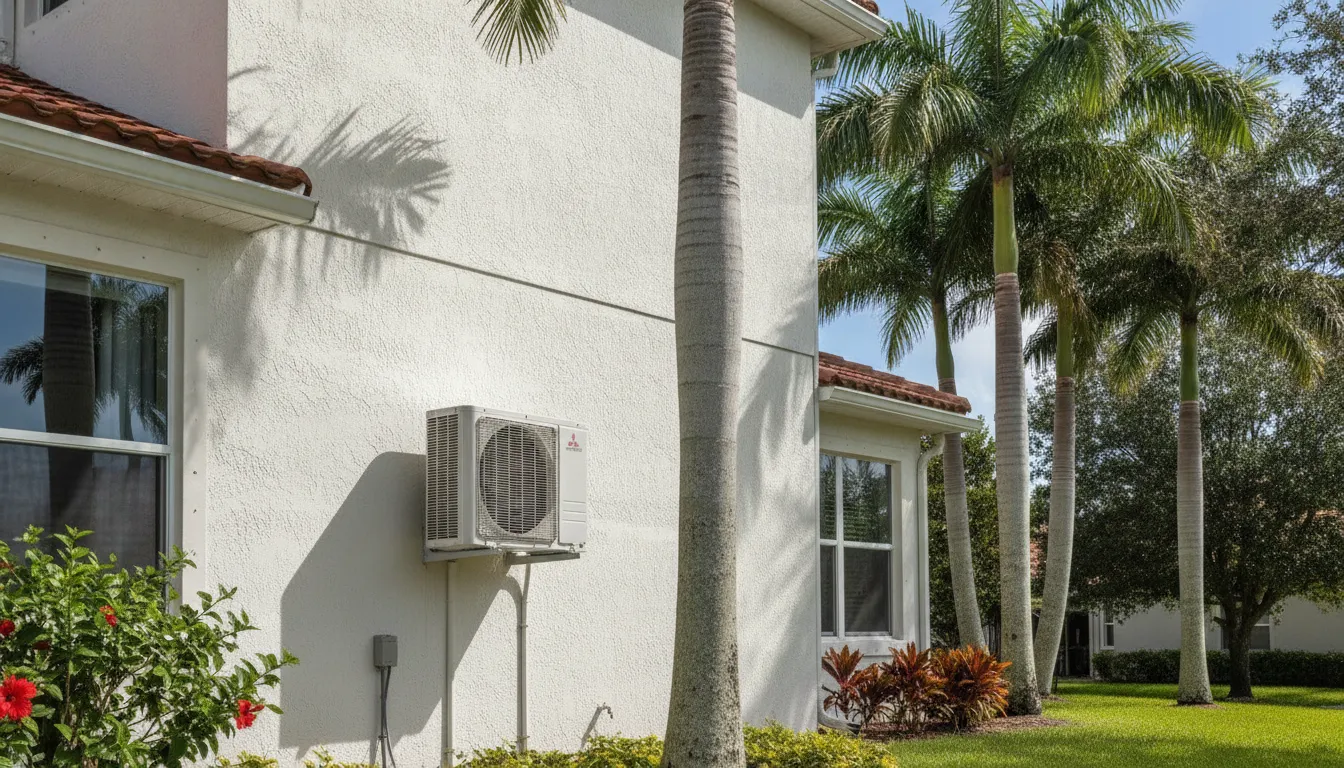
If your home doesn't have existing ductwork, or if you want to cool a specific area like a new addition, garage, or sunroom, a ductless mini-split system is a fantastic solution. These systems consist of an outdoor compressor connected to one or more indoor air-handling units. Each indoor unit can be controlled independently, allowing for customized comfort in different zones. This targeted approach is highly efficient and avoids the energy loss associated with ductwork. Installation costs for ductless systems generally run between $2,142 and $3,936 per zone.
Furnaces
While furnaces are the heating backbone in colder parts of the country, they are less common here in Florida. A furnace generates heat by burning fuel (like natural gas) or using electric heating elements. While effective, they only provide heat, meaning you still need a separate air conditioning system for cooling. The cost of a gas furnace can range from $956 to $3,870. For most Florida homeowners, a heat pump offers a more practical and energy-efficient solution for both heating and cooling needs in a single unit.
Commercial HVAC Systems
HVAC systems for businesses are a completely different ballgame. They are larger, more powerful, and designed to handle the demands of commercial spaces like offices, retail stores, and restaurants. The types of commercial HVAC systems vary widely, from single-split systems for small spaces to complex VAV (Variable Air Volume) systems for large buildings. Because of this complexity and scale, costs can vary dramatically based on the building's square footage, occupancy, and specific operational needs. A professional assessment is essential to determine the right system and get an accurate price.
Breaking Down HVAC Installation Costs
When you get a quote for a new HVAC system, the price reflects more than just the physical unit. The total cost is a combination of the equipment, the skilled labor required to install it, and several other factors that ensure your system runs safely and efficiently for years to come. Understanding these components helps you see exactly where your money is going and why a quality installation is such a critical investment. From the technicians’ time to necessary ductwork upgrades and local permits, each piece plays a vital role in the overall project. Let’s look at the key elements that make up the final cost of your HVAC installation.
Labor and Project Timelines
A significant portion of your installation cost covers the professional labor required to get the job done right. The total project cost can range from $7,000 for a basic replacement to over $25,000 for a complex, high-efficiency system. This price accounts for the expertise of licensed technicians who handle everything from removing your old unit to carefully connecting and testing the new one. A straightforward AC replacement might take a day, while a more involved installation with new ductwork could take longer. Investing in skilled labor ensures your system is installed correctly, which is essential for its performance and lifespan.
Ductwork and Electrical Upgrades
Your home’s existing infrastructure plays a big role in the final cost. If your ductwork is old, leaky, or improperly sized for the new system, it will need to be repaired or replaced. Installing new air ducts can add between $2,100 and $4,000 to the project for an average-sized home. This is a crucial step because efficient ductwork ensures the conditioned air actually reaches every room. Similarly, a modern, high-efficiency unit might require electrical upgrades to meet its power demands. Our team always inspects your current ducts and electrical setup to identify any necessary updates from the start.
Permits and Inspections
Proper HVAC installation isn't just about comfort; it's also about safety. Most local municipalities in Florida require permits for HVAC work to ensure everything is installed according to building codes. The cost of these permits and the final inspection will be factored into your quote. It’s also smart to ask about other potential expenses that might not be in the initial estimate. For example, the safe removal of old materials or adding new insulation could be additional costs. We believe in transparency, so we make sure you understand all the required steps and associated fees before any work begins.
Common Installation Challenges
Every home is unique, and some present challenges that can influence the installation timeline and cost. Things like tight crawl spaces, hard-to-reach attics, or complex structural layouts can require more time and creative solutions from our technicians. There’s also a big difference between residential and commercial HVAC systems. Commercial units are typically larger and more complex, demanding a different skill set for installation. If you have a unique property or a challenging project in mind, it’s best to schedule a consultation so we can create a precise and realistic plan for you.
Comparing HVAC Brands and Price Points
When you start shopping for a new HVAC system, you’ll quickly notice there are a lot of brands to choose from. The brand you select plays a big role in the upfront cost, your future energy bills, and how long the system will last. Think of it like car shopping: there are luxury models, reliable daily drivers, and budget-friendly options. Each tier offers a different balance of performance, features, and price.
At 5 Star Air, we believe in giving you honest information, not a sales pitch. Our goal is to help you find the right fit for your home, your family’s needs, and your budget. We’ll walk you through the pros and cons of different brands so you can feel confident in your decision. Understanding these tiers is the first step to making a smart investment in your home’s comfort.
Premium Brands
Premium HVAC brands are known for their cutting-edge technology, exceptional durability, and top-tier energy efficiency. While they come with a higher price tag, they are built for superior performance and longevity. These systems often include advanced features like communicating technology that fine-tunes operation for maximum comfort and efficiency. The main advantage here is the long-term savings. A high-efficiency unit can significantly lower your monthly energy bills, and the robust build quality means fewer repairs down the road. Think of it as an investment that pays you back over time through lower operating costs and reliable comfort.
Reliable Mid-Range Options
For many homeowners, mid-range brands hit the sweet spot. They offer a fantastic balance of performance, energy efficiency, and affordability. You’ll find that these systems often include modern features like variable-speed motors and compatibility with smart thermostats without the premium price. A modern HVAC system in this category provides dependable comfort and solid energy savings, making it a practical and popular choice. These units are the reliable workhorses of the HVAC world, delivering consistent performance year after year. They prove you don’t have to pay top dollar to get a great, efficient system for your home.
Budget-Friendly Choices
If your primary concern is the upfront cost, budget-friendly HVAC systems are a viable option. They provide essential heating and cooling without the extra features of more expensive models, making them more accessible financially. However, it’s important to consider the total cost of ownership. These units may have lower energy efficiency ratings, which can lead to higher utility bills over the life of the system. If a lower initial price is what you need, we can help you find the best option in this category and also discuss financing options that might make a more efficient mid-range unit manageable for your budget.
A Look at Warranty Coverage
A warranty is one of the most important factors to consider when comparing brands, as it protects your investment. Premium brands typically offer longer, more comprehensive warranties that may cover both parts and labor for up to 10 years or more. Mid-range and budget options usually have shorter warranty periods or may only cover parts, leaving you to pay for labor. Always read the fine print to understand what’s included. Remember, most manufacturers require that the system be installed by a licensed professional to keep the warranty valid, which is why a proper air conditioning installation is so critical.
Is High-Efficiency HVAC Technology Worth It?
When you see the higher price tag on a high-efficiency HVAC system, it’s natural to wonder if it’s really worth the investment. The short answer, especially for those of us in Florida, is a resounding yes. While the initial cost is higher, these systems are designed to save you a significant amount of money on your monthly energy bills. Think of it as an investment that pays you back over time.
High-efficiency systems use advanced features like variable-speed motors and smart thermostats to cool your home more effectively without wasting energy. This not only lowers your utility costs but also provides more consistent comfort by eliminating hot and cold spots. Plus, many of these systems are better at managing humidity, which is a huge win in our climate. They operate more quietly and often come with better warranties, giving you peace of mind along with superior performance. When you factor in the long-term savings and improved comfort, the value becomes clear.
Understanding SEER Ratings
Think of a SEER rating like the MPG (miles per gallon) rating for your car. SEER stands for Seasonal Energy Efficiency Ratio, and it measures how efficiently an air conditioner cools your home over an entire season. The higher the SEER rating, the less energy the unit needs to keep you comfortable. In Florida, there are minimum SEER requirements for new installations, but choosing a system that exceeds this minimum can lead to substantial savings.
While a unit with a higher SEER rating will have a higher upfront cost, it will also have lower operating costs. Over the lifespan of the system, the money you save on your electric bill can often offset the initial price difference. When you get a quote for a new air conditioning installation, ask about the long-term savings associated with different SEER ratings.
Smart Tech: Variable-Speed Motors and Thermostats
One of the biggest advances in HVAC technology is the variable-speed motor. Traditional, single-speed systems are either on at full blast or completely off. A variable-speed system, however, works more like the cruise control in your car. It makes continuous, tiny adjustments to maintain your desired temperature precisely. This means it runs at lower speeds for longer periods, resulting in more even cooling, quieter operation, and incredible humidity control.
When you pair this technology with a smart thermostat, you get an HVAC system that practically runs itself. Smart thermostats learn your schedule and preferences, automatically adjusting the temperature to save energy when you're away and ensure comfort when you're home. This intelligent control helps you get the most out of your high-efficiency system and can seriously improve your home's indoor air quality.
Variable Refrigerant Flow (VRF) Systems
Variable Refrigerant Flow, or VRF, is a highly sophisticated technology often found in commercial buildings that is making its way into larger residential homes. A VRF system uses a single outdoor condenser to power multiple indoor units, each of which can be controlled individually. This allows you to have different temperature zones throughout your home, so you can keep the living room cool while having a warmer temperature in a guest bedroom.
The major advantage of VRF systems is their incredible efficiency and ability to provide simultaneous heating and cooling to different areas. By moving refrigerant only to the zones that need it, the system minimizes energy waste. If you have a large home with varying comfort needs, a VRF system is an excellent high-efficiency option to discuss during your AC replacement consultation.
Energy Recovery Ventilators (ERVs)
Modern homes are built to be airtight to prevent energy loss, but this can sometimes trap stale air and pollutants inside. An Energy Recovery Ventilator (ERV) solves this problem by bringing a steady supply of fresh, filtered air into your home without sacrificing efficiency. It works by transferring heat and moisture from the outgoing stale air to the incoming fresh air.
In the summer, an ERV precools and dehumidifies the incoming fresh air, reducing the load on your air conditioner. This process ensures you get the ventilation you need for a healthy home without sending your energy bills through the roof. An ERV is a fantastic addition for anyone looking to improve their home's indoor air quality and maintain peak system efficiency.
Calculating Your Long-Term Savings
So, how do all these features translate into actual savings? High-efficiency HVAC technology can cut your energy consumption by up to 30%, which makes a big difference on your monthly utility bills. The exact amount you’ll save depends on the SEER rating of your new unit, your home’s insulation, and how often you run your system.
The payback period, or the time it takes for your energy savings to cover the higher initial cost, can be calculated by a professional. They can help you compare different systems and estimate your potential savings. When you consider that a new system is a long-term investment, choosing efficiency makes financial sense. We offer flexible financing options to help make this valuable home upgrade more accessible.
What Other Costs Should You Plan For?
When you budget for a new HVAC system, the price of the unit itself is just the starting point. Several other factors can influence your final bill, and it’s smart to have them on your radar from the get-go. Thinking about these potential add-ons and services ahead of time helps you create a more realistic budget and ensures your new system works perfectly for your home. From the air ducts hidden in your walls to the warranty that protects your investment, let's look at the other costs you should plan for.
Ductwork Inspection and Repair
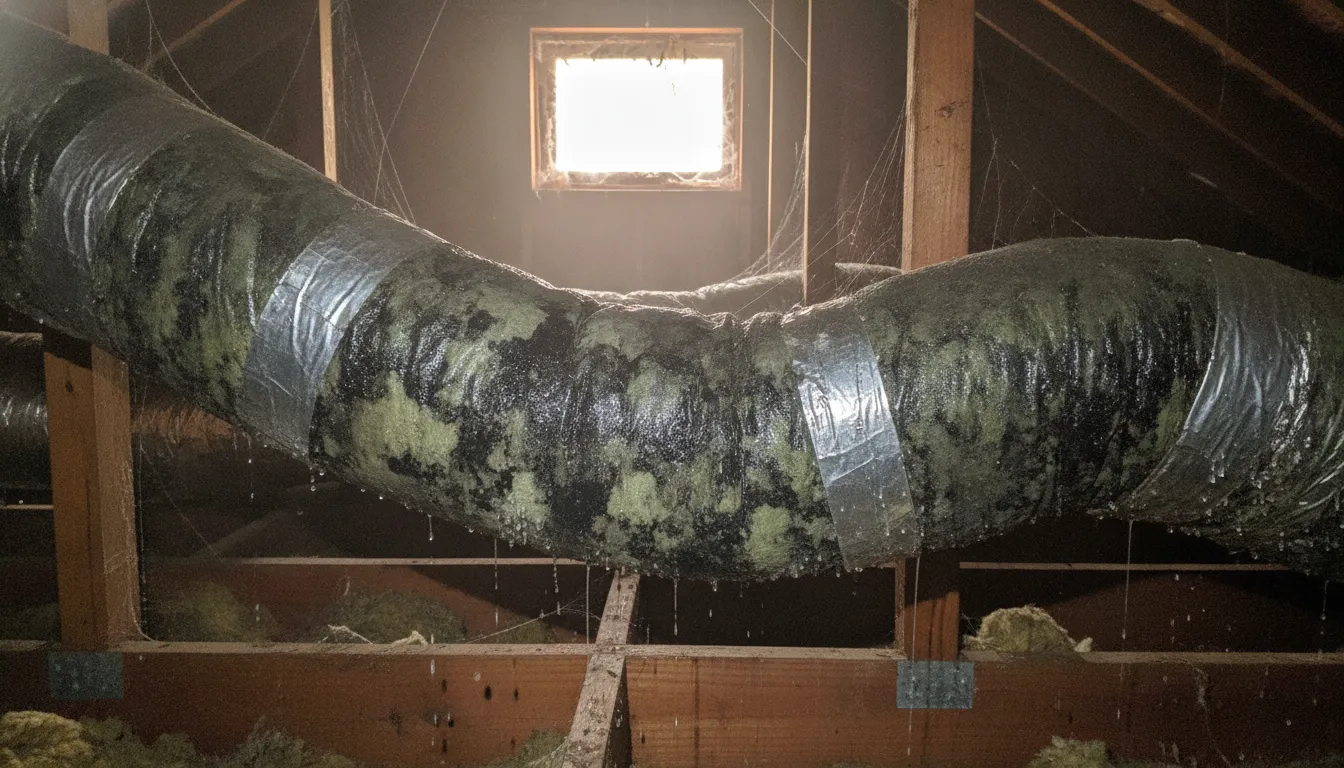
Your HVAC system is only as good as the ductwork that distributes the air. If your ducts are old, leaky, or improperly sized, your brand-new, high-efficiency unit won't perform as it should. That’s why a thorough inspection is a critical first step. If you need new air ducts, it can add a significant amount to the project, but it’s an investment in your system's overall efficiency and your home's comfort. Ignoring duct issues can lead to higher energy bills and poor performance, so it's best to address them during the installation.
Indoor Air Quality Add-Ons
These days, an HVAC system does more than just cool your home; it plays a huge role in the quality of the air you breathe. Especially here in humid Florida, managing air quality is key to a comfortable and healthy home. You might want to consider indoor air quality add-ons like whole-home dehumidifiers, UV air purifiers, or advanced filtration systems. These components can be integrated with your new HVAC system to remove allergens, mold spores, and other pollutants from the air, making your home a healthier place to live.
Zoning Systems for Custom Comfort
Do you have rooms that are always too hot or too cold? A zoning system could be the perfect solution. Zoning allows you to divide your home into different areas, each controlled by its own thermostat. This means you can have different temperatures in the living room, bedrooms, and kitchen, all at the same time. While implementing a zoning system adds to the initial installation cost, it provides customized comfort and can lead to energy savings since you’re not cooling empty rooms. It’s a feature that brings the personalized control of sophisticated commercial HVAC systems right into your home.
Extended Warranties and Maintenance Plans
A new HVAC system is a major investment, and you want to protect it. While most new units come with a manufacturer's warranty, an extended warranty can offer extra peace of mind for years to come. Just as important is a regular maintenance plan. To keep your system running efficiently and prevent surprise breakdowns, it’s recommended that your unit be serviced by a professional at least twice a year. Our maintenance plans at 5 Star Air are designed to keep your system in top shape, extending its lifespan and ensuring it runs efficiently season after season.
How to Save Money on Your New HVAC System
A new HVAC system is one of the most significant investments you’ll make in your home. While the price tag can seem daunting, there are several practical ways to lower the upfront cost and maximize your long-term savings. Thinking strategically about your purchase can make a high-quality, energy-efficient system much more accessible. From taking advantage of government programs to choosing the right time to buy, a little planning goes a long way. Here are a few key strategies to help you get the best value for your investment.
Find Tax Credits and Rebates
Don’t leave free money on the table. Federal, state, and local utility programs offer financial incentives to homeowners who install energy-efficient HVAC systems. The federal government often provides tax credits for qualifying equipment like heat pumps, which can put a significant amount of money back in your pocket come tax season. Many local Florida utility companies also offer rebates to encourage energy conservation. These programs can change, so it’s always a good idea to ask us what incentives are currently available for your new system. We stay up-to-date on these programs to help our customers save as much as possible.
Explore Financing Options
Paying for a new HVAC system all at once isn’t always feasible. That’s where financing comes in. Many HVAC companies partner with lenders to offer plans that let you break down the cost into manageable monthly payments. This can give you the flexibility to install the right system for your home without draining your savings or compromising on quality. At 5 Star Air, we believe a comfortable home should be within reach for everyone, which is why we provide straightforward financing options to fit different budgets. It’s a simple way to manage the cost while enjoying immediate comfort and efficiency.
Time Your Installation for Savings
Timing can make a difference in what you pay. The busiest times for HVAC contractors are the peak of summer and the dead of winter when systems are most likely to fail. If you can, plan your replacement for the milder shoulder seasons, like spring or fall. Demand is typically lower, which can sometimes lead to more competitive pricing and flexible scheduling. It’s also more cost-effective to replace your entire system at once rather than piece by piece. This ensures all components are compatible and working together efficiently, saving you from surprise replacement costs and headaches down the road.
Look for High-Efficiency Incentives
Investing in a high-efficiency system is one of the smartest ways to save money. While these units may have a higher initial cost, they generate significant savings on your monthly energy bills for years to come. Systems with high SEER ratings use advanced technology like variable-speed motors to cool your home more effectively while using less power. Plus, these are often the exact models that qualify for the tax credits and rebates mentioned earlier. You not only get a discount on the purchase but also enjoy lower operating costs for the life of the system. It’s a win-win for your wallet and your home comfort.
Common Myths About HVAC Costs
When you’re making a major home investment like a new HVAC system, it’s easy to get tripped up by common misconceptions. Believing these myths can lead to choosing the wrong system, overspending, and dealing with years of discomfort and high energy bills. Let’s clear the air on a few of the most persistent myths about HVAC costs so you can make a decision with confidence. Understanding the truth behind the price tag is the first step toward finding a system that truly fits your home, your budget, and your comfort needs for years to come.
Myth: A Higher Price Means a Better System
It’s easy to assume that the unit with the highest price tag offers the best performance, but that’s not always the case. While premium brands often come with advanced features and high-efficiency ratings, the "best" system is the one that’s perfectly matched to your home. A top-of-the-line unit won’t perform well if it’s installed incorrectly or paired with leaky ductwork. The quality of the air conditioning installation is just as important as the equipment itself. A well-installed, mid-range system will always outperform a poorly installed premium one. The goal is to find the right balance of efficiency, size, and professional installation for your specific needs.
Myth: A Bigger System Is Always Better
When it comes to air conditioning, bigger isn’t better; it’s often worse. An oversized AC unit will cool your home too quickly, which sounds great in theory but causes a major problem called short-cycling. The system will constantly turn on and off without running long enough to properly dehumidify the air, leaving you with a cool but clammy feeling. This constant cycling also puts extra wear and tear on the components and drives up your energy bills. A professional technician will perform a detailed calculation to determine the exact size your home needs for optimal comfort and efficiency, ensuring you don’t pay for more power than you need.
Don't Underestimate Maintenance Costs
One of the most common mistakes homeowners make is viewing maintenance as an optional expense. In reality, skipping your annual tune-ups is one of the costliest things you can do. Regular air conditioning maintenance keeps your system running at peak efficiency, which means lower energy bills every month. It also allows technicians to catch small issues before they become major, expensive breakdowns that always seem to happen on the hottest day of the year. Think of it like an oil change for your car; it’s a small investment that protects your larger one and prevents much bigger repair bills down the road.
The Difference Between Commercial and Residential Systems
If you’re a business owner, it’s important to know that you can’t just use a residential system for your commercial space. Commercial HVAC systems are designed to handle much larger areas with different layouts and occupancy levels. They are typically larger, more complex, and often housed in a single unit on the roof. The installation process is also more involved, requiring specialized knowledge of commercial building codes and ventilation requirements. Because of their size and complexity, both the initial equipment and installation costs for commercial systems are significantly different from their residential counterparts.
When Is It Time to Replace Your HVAC System?
Deciding to replace your HVAC system is a major homeownership decision, and it’s one you definitely want to get right, especially here in Florida. It’s not just about staying cool; it’s about your home’s efficiency, air quality, and your budget. While a new system is a significant investment, continuing to patch up an old, failing unit can cost you more in the long run through constant repairs and high energy bills. Knowing when to repair versus when to replace can save you from a lot of sweat and stress down the road.
Know the Warning Signs
Your air conditioner will usually give you a few hints before it completely gives out. One of the most obvious signs is age. If your system is over 10 years old, it’s living on borrowed time in our climate. You might also notice your energy bills creeping up without a change in your usage, which means the unit is working harder to do the same job. Frequent breakdowns are another huge red flag. If you’re calling for AC repairs more than once a year, it’s time to start thinking about a replacement. Other tell-tale signs include strange noises, musty smells, or inconsistent temperatures throughout your home.
Repair vs. Replace: Making the Call
So, how do you make the final call? A good rule of thumb is the 50% rule. If a proposed repair costs 50% or more of what a new system would, replacement is the more financially sound option. For a newer system with a minor issue, a repair makes perfect sense. But if you have an older unit facing a major component failure, like a bad compressor, putting that money toward a new, reliable system is a much better investment. An air conditioning installation gives you a fresh start with a full warranty, providing peace of mind that a simple repair just can’t match.
How a New System Improves Energy Efficiency
The technology inside HVAC systems has improved dramatically over the last decade. Upgrading to a new, high-efficiency unit can significantly lower your monthly cooling costs, with some homeowners seeing savings of 20% or more. These savings add up year after year, helping the new system pay for itself over time. Modern units also do a much better job of managing humidity and improving your home’s indoor air quality by filtering out dust, allergens, and other pollutants more effectively. This means you get a more comfortable home that’s also healthier for your family.
Frequently Asked Questions
How can I get an accurate quote for my specific home? The only way to get a true price is to have a professional technician visit your home. Because so many factors influence the cost, like your home's layout, insulation quality, and existing ductwork, a one-size-fits-all price just doesn't exist. During an in-home consultation, a technician will perform a proper load calculation to determine the exact size system you need and assess your current setup. This ensures the quote you receive is comprehensive and tailored specifically to your home's requirements.
Is it really worth paying more for a high-efficiency system in Florida? Absolutely. While the initial purchase price is higher, a high-efficiency air conditioner is one of the smartest long-term investments you can make for your home in our climate. The monthly savings on your electric bill are significant and can offset the higher upfront cost over the life of the unit. Beyond the savings, these systems provide superior comfort by doing a much better job of controlling humidity, which makes a huge difference in how your home feels.
My current AC is over 10 years old but still works. Should I replace it now or wait for it to break? Being proactive is almost always the better financial move. An older, less efficient unit is likely costing you more on your monthly energy bills than you realize. Replacing it before it fails completely allows you to research your options, take advantage of financing, and schedule the installation at a convenient time. Waiting for a total breakdown often leads to a rushed decision during a hot and stressful emergency situation.
Besides the unit itself, what is the most common extra cost I should prepare for? The most frequent additional expense is related to ductwork. If your home's air ducts are old, poorly sealed, or improperly sized for a new system, they will need to be repaired or replaced. Installing a brand-new, high-efficiency unit connected to leaky ducts is like putting a powerful engine in a car with flat tires; you simply won't get the performance you paid for. A thorough duct inspection is a key part of any reputable installation quote.
How long does the entire installation process usually take? A straightforward replacement of an existing air conditioning system can typically be completed in one full day. However, if the job is more complex and requires work like installing new ductwork or making significant electrical modifications, it could extend to two or three days. A professional company will always provide you with a clear and realistic timeline for your specific project before any work begins.