What's the Real New HVAC System Cost for a Home?
In Southwest Florida, a reliable air conditioner isn't a luxury, it's a necessity. When your old system starts to fail, the first question that comes to mind is often followed by a wave of anxiety: "How much is this going to set me back?" You're not alone in asking this. The truth is, the price can vary significantly from one house to the next. This guide is here to demystify the process. We'll break down all the components that make up the final price, from the size of your home to the efficiency rating of the unit. Our goal is to give you a transparent look at the new hvac system cost for 1 home in our area.
Key Takeaways
- Look beyond the sticker price: The total cost for a new HVAC system is a combination of factors specific to your home, including its size, the unit's efficiency rating, the system type, and any necessary ductwork repairs.
- An efficient system pays for itself: Investing more upfront for a high-efficiency unit leads to substantial long-term savings on your utility bills. Make sure to ask about financing, rebates, and tax credits to help manage the initial cost.
- A proper quote is detailed and in-person: Never accept a quote over the phone. A professional will perform an in-home load calculation to ensure correct sizing and provide an itemized estimate that clearly lists all costs, including equipment, labor, and permits.
What's the Real Cost of a New HVAC System?
Let's get straight to it: figuring out the cost of a new HVAC system is a big deal for any homeowner. It’s a major investment in your home's comfort, so you want to know what you're getting into. While there's no single price tag that fits every home in Florida, we can look at the typical ranges to give you a clear picture of what to expect.
On average, a complete HVAC replacement, which includes both the air conditioning and heating components, can run anywhere from $10,000 to $20,000. Most homeowners find themselves spending around $14,000 for a standard, reliable setup. For smaller homes, say under 1,500 square feet, the cost is often a bit lower, typically falling between $10,000 and $12,000.
So, why such a wide range? Several key factors come into play. The size and layout of your home are major drivers, but so are the specific type of equipment you choose, the brand, and the system's energy efficiency rating. A more efficient unit might cost more upfront but can save you significant money on utility bills down the road. The complexity of the air conditioning installation itself also plays a part in the final cost.
The final price tag is a combination of the equipment and the labor required to install it correctly. For example, the air conditioner itself can cost between $2,000 to $3,000 per ton, which is a measure of its cooling capacity. Because this is a significant purchase, it's helpful to know that flexible financing options are often available to make it more manageable. The best way to get a precise number for your home is to get a detailed, transparent quote that breaks everything down for you.
Key Factors That Influence Your HVAC Cost
When you start shopping for a new HVAC system, one of the first questions you'll have is, "How much is this going to cost?" The truth is, there's no simple sticker price. The final cost depends on a unique mix of factors specific to your home and needs. Think of it less like buying a TV off the shelf and more like a custom home improvement project. Understanding what goes into the price tag will help you make a smart investment and avoid any surprises. From your home's size and the type of system you choose to the condition of your ductwork, several key elements come together to determine the total cost of your new system.
Your Home's Size
It makes sense that the size of your home is a major factor in your HVAC cost. A larger home with more square footage requires a more powerful system to cool it effectively. For a typical 2,000 to 2,500-square-foot home, a new system can range from $10,000 to $20,000. A smaller condo will naturally need a less powerful, and therefore less expensive, unit than a sprawling single-family house. It’s not just about the initial price, either. An appropriately sized unit is crucial for efficiency and keeping your energy bills in check down the road. An undersized unit will struggle to keep up, while an oversized one will cycle on and off too frequently, wasting energy.
AC System Type and Technology
Not all air conditioners are created equal. The type of system you choose will significantly impact the price. The most common option for homes is a traditional split system, which includes an outdoor unit and an indoor unit connected by refrigerant lines. However, you might also consider a ductless mini-split system, which is great for homes without existing ductwork or for cooling specific zones. Newer technologies, like variable-speed compressors or smart thermostats, can also add to the upfront cost but often provide better comfort and long-term savings. Your choice will depend on your home's layout, your budget, and your air conditioning installation needs.
Energy Efficiency Ratings (SEER)
When you look at a new AC unit, you'll see a SEER rating, which stands for Seasonal Energy Efficiency Ratio. Think of it like the MPG rating for a car: the higher the number, the more efficient the unit is. A system with a higher SEER rating will cost more initially, but it will use less electricity to cool your home. Over the life of the system, this can lead to significant savings on your monthly energy bills, especially here in sunny Florida. Investing in a more efficient system often pays for itself over time, making it a smart financial decision for many homeowners.
The Complexity of the Install
Where and how the new system is installed plays a big role in the final price. An easy, straightforward replacement in an accessible location like a garage will cost less in labor than a complicated installation in a tight attic or crawlspace. If your home needs modifications to accommodate the new unit, like new wiring or changes to the concrete pad outside, those costs will be added to the total. A professional technician will assess the installation site to identify any challenges that could affect the labor time and overall cost, ensuring you get an accurate and transparent quote.
Your Existing Ductwork
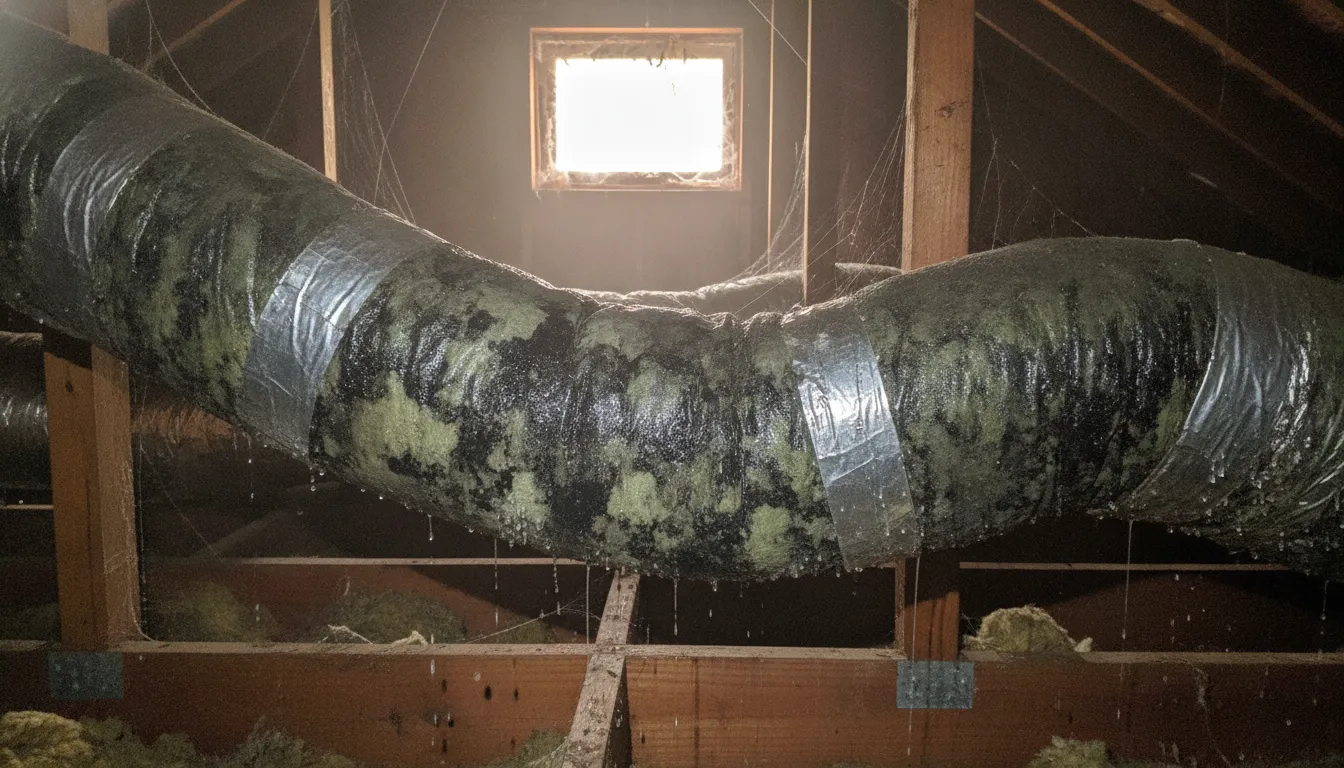
Your HVAC system is only as good as the ductwork that distributes the air. If your existing ducts are old, leaky, or improperly sized, they can't deliver cool air efficiently, which wastes energy and money. During an inspection, a technician might find that your ducts need to be sealed, repaired, or even completely replaced. While adding ductwork replacement can add a few thousand dollars to the project, it’s a critical investment. Good ductwork ensures your new, high-efficiency system can actually perform at its peak, keeping your home comfortable and your energy bills low.
Local Labor Costs and Season
Just like with any service, labor costs for HVAC installation can vary depending on where you live. The cost of living and local market demand in Southwest Florida will influence the rates technicians charge. The time of year can also have an impact. During the hottest summer months, demand for AC services skyrockets, which can sometimes affect pricing and scheduling availability. Planning your replacement during the milder shoulder seasons, like spring or fall, might give you more flexibility. Ultimately, getting a quote from a trusted local company is the only way to know the precise labor costs for your specific area and project.
Does Home Size Really Affect HVAC Costs?
Yes, the size of your home is one of the most significant factors determining the cost of a new HVAC system. A larger home requires a more powerful unit to cool it effectively, and more powerful units come with a higher price tag. But it’s not just about raw square footage. The layout of your home, the height of your ceilings, the number and quality of your windows, and even the amount of shade your house gets all play a role.
Think of it this way: you wouldn't buy a minivan engine for a semi-truck. The same logic applies to your air conditioner. The goal isn't just to buy the biggest unit you can afford; it's to find the one that is perfectly matched to your home's specific cooling needs. An improperly sized system, whether it's too big or too small, will struggle to keep you comfortable and will end up costing you more in the long run through high energy bills and frequent repairs. That’s why a professional assessment is the critical first step in any air conditioning installation. It ensures you invest in a system that works efficiently for years to come.
The Importance of a Load Calculation
Before you even look at different AC models, a qualified technician should perform a load calculation. This isn't a quick guess based on your home's square footage. It's a detailed analysis that determines the exact amount of cooling your home needs to stay comfortable. A proper load calculation, often called a Manual J calculation, considers factors like your local Florida climate, insulation levels, window efficiency, home orientation, and even the number of people living inside. This precise measurement is the only way to know the correct size for your new AC unit. Skipping this step is a gamble that can lead to years of discomfort and wasted energy.
Breaking Down Cost Per Square Foot
While a load calculation gives you the most accurate sizing, many homeowners want a general idea of cost. As a rough estimate, a new HVAC system for a typical 2,000-square-foot home can range from $10,000 to $20,000. This price includes both the air conditioner and the furnace or air handler. However, this is just a starting point. The final cost will depend on the system's energy efficiency rating (SEER), the brand you choose, and the complexity of the installation. Think of square footage as a baseline that helps set a budget, not the final word on your total investment.
Why the Right Size AC Saves You Money
One of the most expensive myths in the HVAC world is that a bigger air conditioner will provide better comfort. In reality, an oversized AC is a recipe for problems. It will turn on and off in short, frequent bursts, a process called "short-cycling." This prevents the system from running long enough to properly dehumidify your home, leaving you with that sticky, clammy feeling common in Florida. This constant starting and stopping also causes excessive wear and tear on components, leading to more frequent repairs. A correctly sized unit, on the other hand, runs for longer, smoother cycles, giving it time to cool and dehumidify your home efficiently, saving you money on your monthly utility bills.
Comparing HVAC System Types and Their Costs
Choosing the right type of HVAC system is one of the biggest decisions you'll make for your home. It’s not just about staying cool; it’s about finding a solution that fits your home’s layout, your family’s needs, and your budget. Each system has its own set of benefits and costs, and what works perfectly for a sprawling ranch-style home might not be the best fit for a smaller condo. The technology has come a long way, and there are more options available now than ever before.
Understanding the main contenders can help you feel more confident when it's time for an air conditioning installation. Let's walk through the most common options you'll encounter here in Florida, from the traditional systems most of us grew up with to more modern, flexible solutions. We'll look at what makes each one unique and give you a ballpark idea of the investment involved. This way, you can start to picture which system makes the most sense for keeping your home comfortable all year long. It's about making an informed choice that will serve you well for the next decade or more, impacting both your comfort and your utility bills.
Central Air Conditioning
This is the classic setup most people think of when they hear "HVAC." A central air conditioning system uses a split system, with an outdoor unit (the condenser) and an indoor unit (the air handler or furnace). It distributes cool air throughout your home via a network of ducts. It’s a reliable and effective way to cool an entire house evenly. For a standard home, the cost to replace a central AC system can range from around $5,500 to over $14,000, depending on the unit's size and energy efficiency rating. It remains a popular choice for its whole-home cooling power.
Ductless Mini-Splits
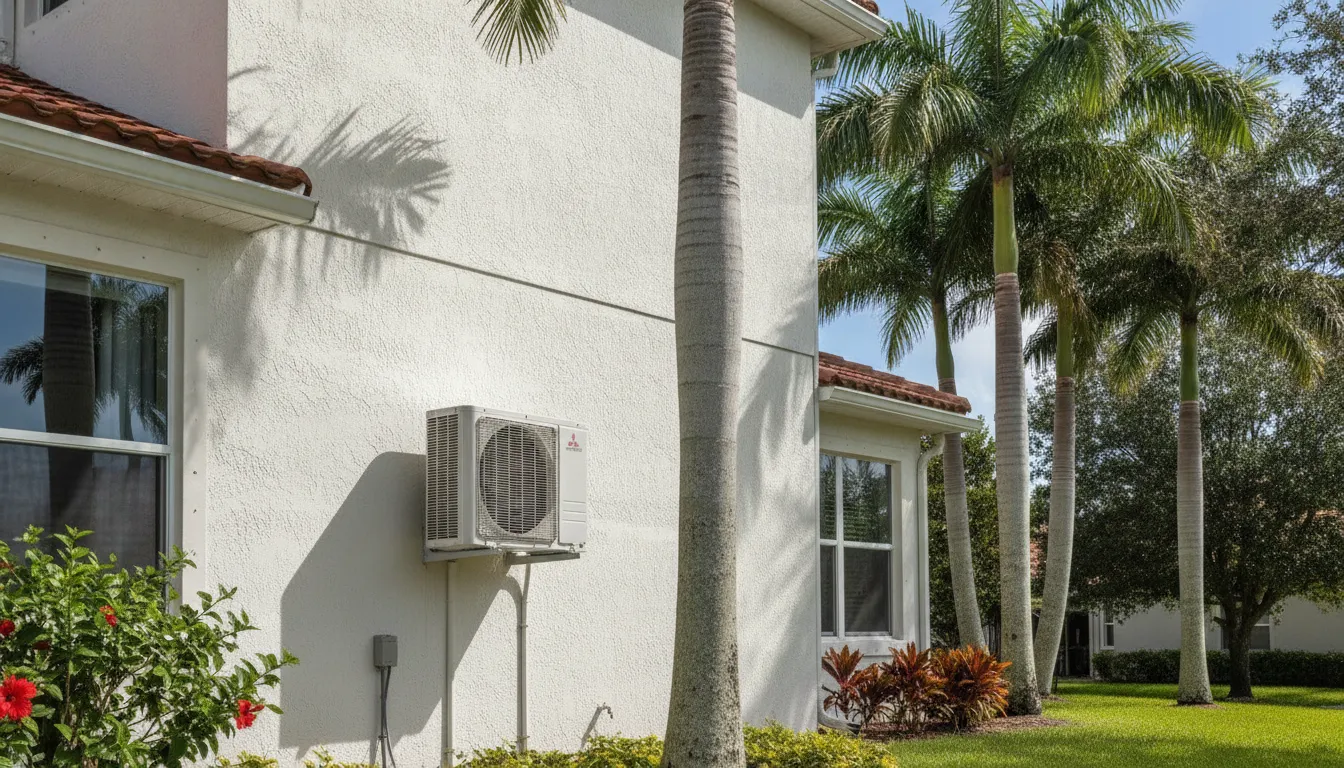
If your home doesn't have existing ductwork, or if you want to cool a specific area like a garage, addition, or sunroom, a ductless mini-split is a fantastic option. These systems have an outdoor compressor connected to one or more indoor air-handling units mounted on the wall or ceiling. They offer zoned cooling, meaning you can control the temperature in individual rooms, which can lead to significant energy savings. The cost for a ductless system installation typically falls between $7,000 and $10,000, offering a flexible and efficient solution without the need for extensive ductwork.
Heat Pumps
Heat pumps are an incredibly energy-efficient choice for Florida's climate. They look and function just like a central air conditioner in the summer, pulling heat out of your home to cool it down. But in the winter, they can reverse the process to bring heat inside. Because they move heat rather than creating it, they use much less energy than traditional furnaces. This dual-purpose functionality makes them a versatile and popular upgrade. The average cost for installing a heat pump system ranges from $9,000 to $20,000, an investment that often pays off in lower monthly utility bills.
Packaged Systems
While less common in residential homes than split systems, packaged units are a compact, all-in-one solution. All the mechanical components, including the condenser, compressor, and air handler, are housed in a single cabinet that sits outside, usually on the roof or a concrete slab. These are great for smaller homes or buildings with limited indoor space for a large air handler. Because all the components are in one place, they can be easier to service. They are a practical choice for specific home layouts where saving interior space is a top priority.
What Hidden Costs Should You Budget For?
Getting a quote for a new HVAC system is a great first step, but the price tag on the unit itself is rarely the final number. Several other factors can influence your total investment, and knowing about them ahead of time can save you from sticker shock. Think of it like buying a car; the base model price is just the beginning. From installation labor to necessary upgrades, a few additional costs are almost always part of a full system replacement.
A transparent quote should itemize these expenses, but it helps to know what to look for. Understanding the full scope of the project allows you to compare offers accurately and avoid surprises on the final bill. It’s about making an informed decision for a major home investment. Being prepared for these expenses ensures your project goes smoothly and stays on budget. Let's walk through the common "hidden" costs so you can plan your investment with confidence and get the most reliable and efficient system for your home.
Installation and Labor
The cost of professional installation is a significant part of your total HVAC investment, and for good reason. This isn't a DIY project. Proper installation requires technical expertise to handle electrical wiring, refrigerant lines, and duct connections safely and correctly. Most reputable quotes, including ours, will bundle the price of the equipment with the labor costs. According to Trane, a leading manufacturer, price ranges typically include both the equipment and the labor to install it. Investing in a quality installation from licensed and insured technicians ensures your system runs efficiently from day one and helps you avoid costly repairs down the road.
Ductwork Repairs or Replacement
Your air ducts are the circulatory system for your home's heating and cooling. If your existing ductwork is old, leaky, or improperly sized, it can't effectively deliver conditioned air, no matter how great your new HVAC unit is. A thorough inspection might reveal the need for repairs or even a full replacement. New ductwork can cost between $3,000 and $10,000, depending on the size of your home. Even minor repairs to seal leaks and improve airflow can add to the project's cost. Addressing these issues is crucial for efficiency and comfort, so it's wise to budget for potential duct sanitization and replacement.
Permits and Inspections
A proper HVAC installation needs to meet local building codes, which means you'll likely need a permit. This is a good thing; it ensures the work is done safely and correctly. The cost for permits and the subsequent inspections typically falls between $250 and $400. While it might seem like just another fee, this step protects you and your home. Any contractor who suggests skipping the permit process is cutting corners, which could lead to major problems later on. A professional company will handle the entire permitting process for you, rolling the cost into the final, transparent quote.
Old System Removal
Out with the old, in with the new. Removing and disposing of your old HVAC unit is another essential part of the replacement process. This task can be more complex than it sounds, especially if the system is in a hard-to-reach area like an attic or crawlspace. The cost can also increase if the old unit contains outdated refrigerants that require special handling for environmental safety. A professional team will manage the entire removal and disposal process, but it's a labor-intensive step that contributes to the overall project cost. Always confirm that your quote includes the removal of your old equipment.
Electrical and Thermostat Upgrades
Modern, high-efficiency air conditioners often have different electrical requirements than older models. This might mean you need to budget for some minor electrical work to ensure your home's wiring can safely support the new unit. Additionally, upgrading your thermostat is one of the best ways to maximize your new system's performance. A new thermostat can range from a basic model for around $40 to a smart thermostat for over $200. We almost always recommend a smart thermostat, as it gives you better control over your home's climate and can lead to significant energy savings over time.
How Efficiency Ratings Affect Your Overall Cost
When you're looking at price tags for new HVAC systems, it’s easy to gravitate toward the lowest number. But the sticker price is only one part of the equation. The system's energy efficiency rating plays a huge role in what you'll actually spend over the life of the unit. A more efficient system often costs more upfront, but it can lead to significant savings on your monthly utility bills, especially here in Florida where the AC runs almost year-round. Think of it as an investment that pays you back over time. Let's break down how to read those efficiency ratings and what they mean for your wallet.
SEER Ratings and Upfront Price
The key metric to look for is the SEER, or Seasonal Energy Efficiency Ratio. Think of it like the miles-per-gallon rating for your car; a higher SEER rating means the unit uses less energy to cool your home. As you might guess, systems with higher SEER ratings typically come with a higher initial price. However, federal regulations require new systems to meet minimum efficiency standards, so even a base model today is more efficient than what you likely have. Upgrading your old unit to a modern, high-efficiency air conditioning installation is one of the smartest moves you can make for your home's energy consumption.
Calculating Your Long-Term Savings
This is where that higher upfront cost starts to make sense. While you pay more initially for a high-SEER unit, the savings on your monthly electricity bills can be substantial. For example, upgrading from an older system to a modern, efficient one could save you hundreds of dollars each year on cooling costs alone. If you opt for a top-of-the-line variable-speed system, you could reduce your energy use by up to 40% compared to a basic model. Over the system's lifespan, those savings can add up to thousands of dollars, effectively paying for the initial investment and then some. Regular air conditioning maintenance also ensures your system continues to run at peak efficiency.
Finding Rebates and Tax Credits
You don't have to shoulder the entire cost of an energy-efficient upgrade alone. Because these systems are better for the environment and the power grid, there are often incentives to help you make the switch. You may qualify for federal tax credits, which can put a significant amount of money back in your pocket. On top of that, many local utility companies and equipment manufacturers offer their own rebates. It can feel like a lot to track down, but we can help you identify the programs you qualify for. Exploring your financing options can also make a new, high-efficiency system more accessible for your budget.
Common HVAC Myths That Cost You Money
We all want to save a little money on our energy bills, especially during those hot Florida summers. But sometimes, what seems like a smart shortcut is actually an expensive myth. Believing these common misconceptions about your HVAC system can lead to higher utility costs, unnecessary wear and tear, and even a premature system breakdown. Let's clear the air on a few of these myths so you can keep your home comfortable and your wallet happy. By understanding how your system truly works, you can make smarter decisions that pay off in the long run.
The "Bigger is Better" Fallacy
It’s easy to assume a larger, more powerful AC unit will cool your home better, but the opposite is often true. An oversized system will cool your space too quickly, then shut off. This constant starting and stopping, known as short-cycling, is incredibly inefficient. It drives up your energy bills and puts major stress on the system’s components. More importantly for us in Florida, it doesn't run long enough to properly dehumidify the air, leaving your home feeling cool but clammy. A proper air conditioning installation involves sizing the unit perfectly to your home for optimal comfort and efficiency.
Why Cranking the Thermostat Doesn't Work
When you walk into a hot house, it’s tempting to set the thermostat to a super-low temperature, thinking it will cool things down faster. Unfortunately, your air conditioner doesn't work that way. It cools your home at a steady, constant rate, regardless of whether you set it to 75 degrees or 65 degrees. Cranking the thermostat only makes the system run longer to reach that lower temperature, wasting energy and money in the process. For faster relief, use a ceiling fan to create a wind-chill effect while your AC works at a reasonable setting.
The Truth About Closing Vents
Closing the air vents in rooms you don’t use seems like a logical way to save energy. However, your HVAC system was designed to cool a specific total volume of space. Shutting vents throws off the air pressure balance within your ductwork. This restriction can strain your system's blower motor, leading to reduced efficiency and potential damage over time. It can even cause air leaks in other parts of the duct system. For better results, keep all your vents open to maintain balanced airflow and ensure your ductwork functions as intended.
Explore Your Financing and Rebate Options
A new HVAC system is one of the most important investments you'll make in your home, especially here in Florida where we rely on it year-round. While the initial cost can seem daunting, it’s rarely the final price you’ll pay. Think of the sticker price as a starting point. There are fantastic opportunities available that can make your new system much more affordable, putting a high-efficiency unit well within your reach. Many homeowners are surprised to learn just how much they can save by tapping into these programs.
By taking a little time to explore your options, you can uncover significant savings. From flexible payment plans that spread the cost over time to rebates that put cash back in your pocket, you have more financial control than you might think. Plus, federal and local programs are designed to reward homeowners for making energy-efficient choices. These incentives exist because upgrading to a modern, efficient system benefits everyone: it lowers your energy bills, reduces strain on the power grid, and is better for the environment. We believe everyone deserves to be comfortable in their home without financial strain, so let’s walk through the best ways to manage the cost of your new HVAC system. It's all about knowing where to look.
HVAC Financing Plans
Instead of paying one large sum upfront, financing allows you to break the cost into predictable monthly payments that fit your budget. This can make an immediate upgrade possible, so you don’t have to endure another sweltering summer with a failing AC unit. We partner with trusted lenders to offer flexible financing options tailored to your needs. The best way to understand what you’ll pay is to get a personalized quote. A professional will assess your home’s specific requirements to give you a clear, accurate price without any sales pressure, ensuring you know exactly what to expect.
Manufacturer Rebates
Keep an eye out for rebates from both HVAC manufacturers and your local utility company. These programs are designed to encourage homeowners to install high-efficiency systems that use less energy. It’s not uncommon for homeowners to receive over $1,000 back just for choosing a qualifying model. These rebates act like an instant discount, directly lowering the total amount you pay for your new unit. Our team stays up-to-date on the latest offers and can help you identify which rebates you qualify for, making sure you don’t leave any money on the table.
Local and Federal Energy Programs
Beyond immediate rebates, you can also find savings when you file your taxes. The federal government offers tax credits for certain energy-efficient home improvements, which can be a significant financial benefit. For example, you may be able to claim an annual credit of up to $3,200 for qualifying upgrades. If you install a high-efficiency heat pump, you could be eligible for a credit of up to $2,000. These programs reward you for making a smart, long-term investment in your home’s energy efficiency, making that top-tier system even more attainable.
How to Get an Honest, Accurate HVAC Quote
Getting a quote for a new HVAC system can feel like a big step, but it's also your best tool for making a smart decision. A quote shouldn't be just a single number on a piece of paper. It's a detailed plan that outlines the equipment, the work involved, and the total investment. A trustworthy contractor will walk you through every line item, ensuring you feel confident and clear about the process. The goal is to find a partner who is transparent and committed to giving you the best solution for your home, not just making a quick sale. Here’s what to look for to make sure you’re getting an honest, accurate quote.
Get a Professional Estimate
It’s always a good idea to get a few different estimates before making a final decision. We recommend getting at least three quotes from local, reputable companies. This isn't about finding the absolute cheapest option; it's about understanding the average cost for the work you need and comparing the value each company offers. A true professional will insist on an in-home visit to perform a proper assessment. They need to see your current setup, check your ductwork, and perform a load calculation to determine the right size unit for your home. A quote given over the phone without this step is just a guess, not a professional estimate. Ready to get a real, no-nonsense quote? You can schedule an appointment with our team.
Understand Your Warranty Coverage
A new air conditioner is a significant investment in your home's comfort, and a solid warranty protects that investment. Before you sign off on a quote, make sure you fully understand the warranty coverage. This includes the manufacturer's warranty on the equipment itself (which often covers parts like the compressor for a longer period) and the contractor's warranty on their labor. A company that stands behind its work will offer a clear and fair labor warranty. This coverage gives you peace of mind knowing that if anything goes wrong with the installation, you're covered. We believe in the quality of our work, and our 5-star service guarantee reflects that commitment.
Elements of a Transparent Quote
A trustworthy quote is a detailed one. Vague descriptions or a single lump-sum price can be red flags. Your estimate should be itemized, clearly listing the make and model of the proposed equipment, from the air handler to the condenser and thermostat. It should also break down all the work involved, including any necessary electrical updates, ductwork modifications, and the cost of permits. A transparent quote will also specify costs for the removal and disposal of your old system. This level of detail ensures there are no surprise fees later on. It shows the contractor has thoroughly assessed your needs and is providing a complete plan for your AC installation.
Related Articles
- Prepare Your HVAC for Florida Summer
- HVAC Tips & Insights Blog - Expert Advice from 5 Star Air
- HVAC Services in Southwest Florida - AC Repair, Installation & Maintenance | 5 Star Air
Frequently Asked Questions
How long should I expect my HVAC system to last here in Florida? In our warm, humid climate, air conditioners work hard all year long. Generally, you can expect a well-maintained system to last about 10 to 15 years. The key to reaching the upper end of that range is consistent, professional maintenance. Regular check-ups help catch small issues before they become big problems and keep the unit running as efficiently as possible, which is crucial given the demands of a Florida summer.
Is a high-efficiency unit really worth the extra cost in Florida? For most homeowners here, the answer is a definite yes. While a high-SEER system has a higher initial price, the long-term savings are significant. Because our air conditioners run so frequently, the energy savings on your monthly utility bills add up quickly. Over the life of the system, a high-efficiency unit can often pay for the initial price difference and then continue to save you money, all while providing better dehumidification and comfort.
Can I save money by just replacing the outdoor unit and not the indoor one? This is a common question, but it's usually not a good idea. Your indoor and outdoor units are designed to work together as a matched set. Combining a new, efficient outdoor unit with an old, inefficient indoor air handler can cause poor performance, reduce the system's lifespan, and even void the manufacturer's warranty. For reliable and efficient operation, it's always best to replace both components at the same time.
What's the first step if I think I might need a new system soon? The best place to start is with a professional, in-home assessment. A qualified technician can evaluate your current system's condition, perform a proper load calculation to determine the exact size unit your home needs, and walk you through your options. This gives you a clear, accurate picture of your situation without any sales pressure, so you can plan and budget accordingly.
How long does a typical installation take from start to finish? A standard HVAC system replacement can usually be completed in one full day. Our team arrives ready to remove your old system and install the new one efficiently and cleanly. If the job is more complex and involves things like replacing ductwork, it might extend into a second day. We will always give you a clear timeline upfront so you know exactly what to expect.