6 Reasons Your AC Isn't Cooling (& How to Fix It)
That moment when you realize the air coming from your vents is warm is a feeling no Florida homeowner wants. Your mind immediately jumps to expensive repairs and uncomfortable days ahead. However, the problem might be simpler than you think. Your AC system is a complex machine, but many of its potential failures have straightforward causes. Instead of just waiting and worrying, you can take action. By understanding the most common reasons AC isn't cooling, you can systematically check for the source of the trouble. This article will serve as your guide, helping you identify the issue and figure out the best next steps to restore comfort to your home.
Key Takeaways
- Check the basics first: Before you call for help, make sure your thermostat is set correctly, your air filter is clean, and your outdoor unit is clear of debris, as these simple fixes often solve the problem.
- Know when to call a professional: Don't ignore serious warning signs like ice on your coils, hissing sounds, or electrical issues; these symptoms point to complex problems that require a certified technician for a safe and proper fix.
- Make maintenance a habit: The best way to prevent future breakdowns is through consistent care, so regularly changing your air filter and scheduling an annual professional tune-up will keep your system running efficiently and extend its lifespan.
Is Your AC Blowing Warm Air? Here’s Why
Nothing is more frustrating than your AC blowing warm air, especially during a sweltering Florida day. It’s not just uncomfortable; it’s a sign that something in your system needs attention. Before you panic, know that the cause is often a common issue that can be identified and fixed. From a simple filter swap to a more complex mechanical problem, understanding the potential culprits is the first step toward getting that cool, refreshing air back. Let's walk through the most frequent reasons your AC isn't cooling your home.
Dirty Air Filters
Think of your air filter as your AC’s lungs. If it gets clogged with dust, pet dander, and other particles, your system can’t "breathe" properly. This restricted airflow forces your AC to work much harder to pull in air, severely reducing its ability to cool your home. In some cases, it can even cause the system to overheat and shut down completely. The good news is that this is one of the easiest problems to solve. Check your filter monthly and replace it when it looks dirty. This simple step is a key part of routine air conditioning maintenance and can make a huge difference in performance and efficiency.
Low Refrigerant
Refrigerant is the lifeblood of your air conditioner; it’s the chemical compound that absorbs heat from your home and releases it outside. If your system is low on refrigerant, it simply doesn’t have the capacity to cool the air. This isn't like running out of gas in a car. Refrigerant operates in a closed loop, so low levels almost always indicate a leak. Topping it off without fixing the leak is only a temporary fix. Handling refrigerant requires special certification, so this is a job for the pros. If you suspect a leak, it’s time to schedule an air conditioning repair to find and seal the source of the problem.
Thermostat Glitches
Sometimes the problem isn't with your AC unit at all, but with its control center: the thermostat. It’s surprisingly easy to overlook a simple setting mistake. First, double-check that it’s set to 'Cool' and not 'Heat' or 'Off.' Next, ensure the fan is set to 'Auto,' not 'On.' When the fan is set to 'On,' it runs continuously, even when the cooling cycle is off, circulating unconditioned air. A dying battery can also cause your thermostat to malfunction, so try replacing them if it’s been a while. These quick checks can save you the time and expense of a service call, so it’s always worth a look before assuming the worst.
A Blocked Outdoor Unit
Your AC system has two main parts: an indoor unit and an outdoor unit. The outdoor unit, or condenser, is responsible for releasing all the heat it has removed from your home. To do this effectively, it needs plenty of clear space for airflow. If it’s crowded by overgrown bushes, covered in leaves, or clogged with dirt, it can’t get rid of the heat. The heat gets trapped, and your system ends up circulating warm air back into your house. Take a walk outside and make sure there’s at least two feet of clearance around the unit. Gently clearing away debris is an important part of regular maintenance that helps your system run efficiently.
Frozen Evaporator Coils
It might sound strange, but a layer of ice on your indoor AC components is a clear sign of trouble. The evaporator coil, located inside your home, is where the cooling magic happens. If this coil gets too cold, the condensation on it can freeze solid, creating a block of ice that completely obstructs airflow. This is often caused by an underlying issue, like a dirty air filter restricting airflow or low refrigerant levels. If you see ice or notice a significant drop in airflow from your vents, turn your AC system off immediately to let the coils thaw. Then, it's best to call a professional to diagnose and fix the root cause of the freezing.
Electrical Failures
Your air conditioner relies on a series of electrical components to function, and a failure in any one of them can stop the cooling process. A tripped circuit breaker or a blown fuse is a common culprit that can cut power to your outdoor unit, even while the indoor fan continues to run. Other issues could include faulty wiring, a failed capacitor, or a problem with the compressor's contactor. Because of the high voltage involved, you should never attempt to fix electrical issues yourself. If you’ve checked your breaker box and the problem persists, it’s time to call a licensed technician for a safe and reliable AC repair.
Simple Fix or Major Problem? How to Tell the Difference
When your AC stops cooling, it’s easy to feel a little panic, especially in the Florida heat. But before you assume the worst, it’s helpful to figure out if you’re dealing with a minor hiccup or a major issue. Some problems have simple solutions you can handle yourself in just a few minutes. Others are clear signals that it’s time to call in a professional. Knowing how to spot the difference can save you time, money, and a lot of stress. Let’s walk through the common signs so you can feel confident about your next steps.
Quick Fixes You Can Handle
Before picking up the phone, there are a few things you can safely check yourself. First, take a look at your thermostat. Is it set to “cool” with the temperature set lower than the current room temperature? It sounds basic, but it’s a common oversight. Next, check your air filter. A clogged filter can restrict airflow and seriously reduce your AC’s cooling power. Finally, take a peek at your outdoor unit. Make sure it’s clear of any leaves, dirt, or debris. Keeping plants trimmed at least two feet away also helps it breathe. These simple AC maintenance tasks can often get your cool air flowing again.
Red Flags That Mean You Need a Pro
Some AC issues are best left to the experts. If you suspect a refrigerant leak (you might hear a hissing sound or notice your unit isn’t cooling effectively), that’s a job for a certified technician. Refrigerant is a chemical that requires special handling. Another major red flag is ice buildup on your evaporator coils. While it might seem like a cooling bonus, it actually points to a bigger problem like poor airflow or low refrigerant. If you see ice, turn your system off immediately to prevent damage and schedule a professional air conditioning repair. Complex electrical problems or issues with the compressor also require a pro’s touch.
Don't Ignore These Sights, Sounds, and Smells
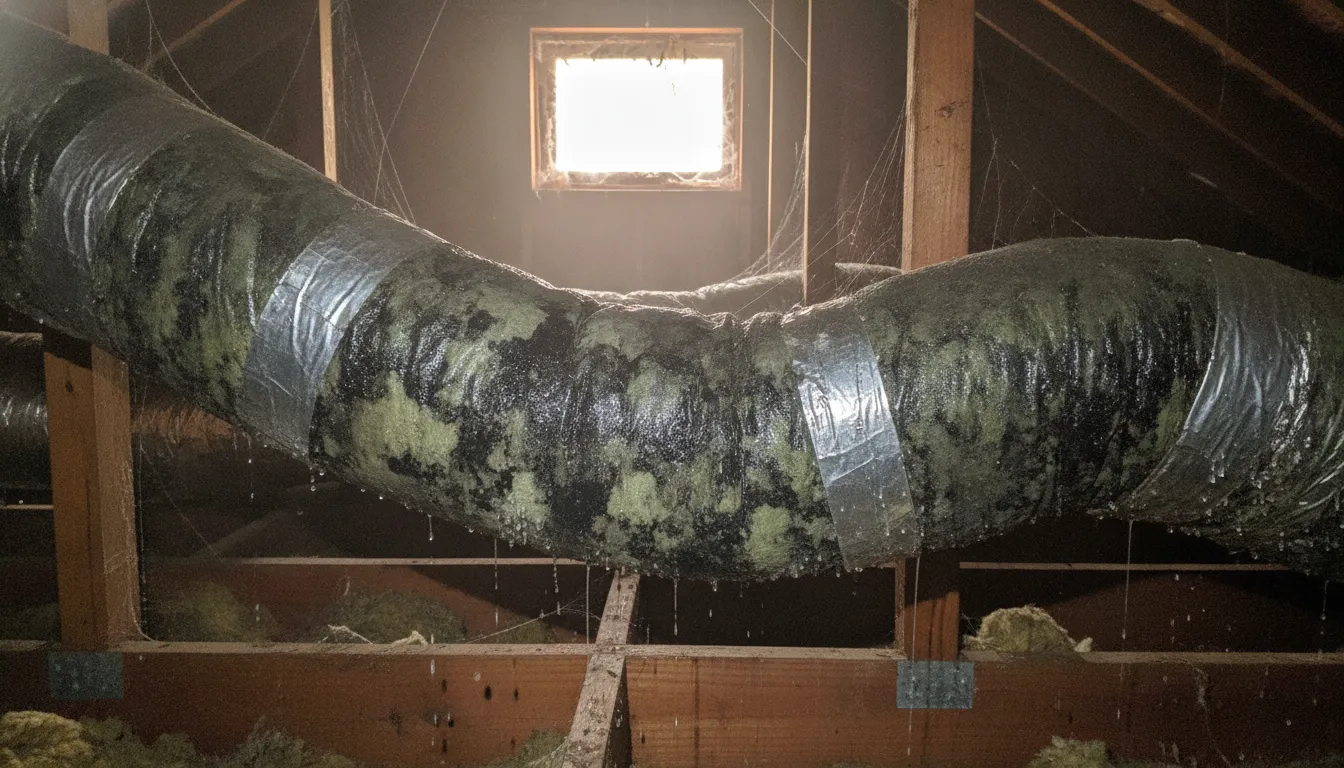
Your air conditioner often gives you sensory clues when something is wrong. Pay attention to unusual sounds like grinding, squealing, or loud clanking, as these can indicate serious mechanical problems. Similarly, strange smells are a cause for concern. A burning smell could signal an electrical issue, while a musty odor might mean you have mold or mildew in your ductwork. If you notice any of these warning signs, or if your system just won’t turn on, it’s time to call for help. For urgent issues, especially those involving electrical smells, don’t hesitate to use emergency AC services.
5 Simple AC Checks to Try Before You Call for Help
When your AC stops cooling, it’s easy to assume the worst. But before you panic about a major repair bill, take a deep breath. Often, the problem is something you can fix yourself in just a few minutes. Working through these simple checks can save you time, money, and the stress of a service call. Think of it as first aid for your air conditioner. By ruling out the easy stuff first, you can either solve the problem on your own or give our technicians a head start if you do end up needing professional help. These five steps cover the most common culprits behind an AC that’s running but not cooling, and they don’t require any special tools or technical know-how. It’s all about making sure your system is set up for success. If these tips don't get the cool air flowing again, you'll know it's time to call for an air conditioning repair.
Check Your Thermostat Settings
I know it sounds almost too simple, but you’d be surprised how often the thermostat is the source of the problem. First, make sure it’s set to "cool" and not accidentally switched to "heat" or "fan." Next, check that the temperature is set lower than the current room temperature; otherwise, it won’t kick on. If you have a digital thermostat, dead batteries can cause it to stop communicating with your AC system, so try swapping in a fresh pair. Also, take a look at where your thermostat is located. If it’s in direct sunlight or next to a hot lamp, it might be getting a false reading and thinking the room is warmer than it actually is, causing your system to run incorrectly.
Swap Out Your Air Filter
A dirty air filter is one of the most frequent reasons an AC system underperforms. When the filter gets clogged with dust, pet dander, and other debris, it chokes off the airflow. This forces your AC to work much harder to pull in air, which severely reduces its cooling power and can even cause the indoor evaporator coil to freeze over. Checking your air filter is a quick and easy task. Just slide it out and hold it up to the light. If you can’t see light through it, it’s time for a change. We recommend checking it monthly and replacing it every 1 to 3 months to keep your system running efficiently as part of a regular air conditioning maintenance routine.
Clear Your Outdoor Unit
Your air conditioner’s outdoor unit, the condenser, is responsible for releasing heat from your home. To do its job properly, it needs plenty of room to breathe. Take a walk outside and inspect the unit for any obstructions. Over time, things like leaves, grass clippings, dirt, and weeds can build up around it, blocking airflow. You’ll want to gently clear away any debris, making sure there’s at least two feet of clear space on all sides. Also, trim back any nearby shrubs or tree branches that might be crowding it. While you’re there, listen to the unit. If the fan isn’t spinning or is making strange noises, that could point to a bigger issue that needs a professional’s touch.
Safely Reset Your AC System
Sometimes, your air conditioner just needs a quick reboot, much like a computer. A simple power cycle can often resolve minor electrical glitches. To do this safely, start by turning your thermostat to the "off" position. Next, find your home’s main electrical panel (the breaker box) and locate the circuit breaker that controls your AC unit. Flip it to the "off" position and wait for about five minutes. This gives the system’s internal circuits time to reset completely. After waiting, flip the breaker back on, return to your thermostat, and set it back to "cool." If the problem was a temporary fault, this might be all it takes to get your cool air back. If not, it may be time to call for emergency air conditioning services.
Inspect Your Vents for Blockages
Even if your AC is producing cold air, it won’t do you any good if it can’t get into your rooms. Blocked or closed vents are a common reason for uneven cooling or a stuffy-feeling home. Do a quick walkthrough and check all the supply vents (where the cool air blows out) and return vents (where air is pulled back into the system). Make sure none of them are blocked by furniture, rugs, curtains, or anything else. It’s also a good idea to check that the vent louvers are open. Sometimes they get closed by accident, which completely stops airflow to that room. Ensuring a clear path for air circulation is a simple step that can make a huge difference in your home's comfort.
Spotting Refrigerant Leaks and Coil Problems
If you’ve tried the simple fixes and your AC is still blowing warm air, it might be time to look at some of the more complex components inside your system. Two of the most common culprits are the refrigerant and the evaporator coils. These parts work together to absorb heat from your home and move it outside. When something goes wrong with them, your AC’s cooling power drops dramatically. While you can’t fix these issues yourself, knowing the signs can help you understand what’s happening and why you need to call a professional. Ignoring these symptoms can lead to bigger, more expensive problems, so it pays to be aware.
Signs of Low Refrigerant
Refrigerant is the lifeblood of your air conditioner; it’s the substance that actually cools the air. If your system is low on refrigerant, it almost always means there’s a leak somewhere. Your AC won’t just "use up" refrigerant like a car uses gas. Signs of a leak include air from your vents that isn’t cold, a hissing or bubbling sound near the AC unit, or ice forming on the refrigerant lines. If you notice any of these, it’s a clear signal that your system needs professional attention. An expert will need to find and seal the leak before recharging the system. Attempting to handle refrigerant yourself is dangerous, so this is a definite job for a professional repair service.
Why Your AC Coils Are Freezing Over
Have you noticed frost or a layer of ice on your indoor AC unit’s coils or copper lines? Frozen evaporator coils are a serious problem that will stop your AC from cooling altogether. This happens when the coils get too cold, causing condensation to freeze on them. The most common causes are restricted airflow from a dirty filter or low refrigerant levels. A solid block of ice prevents air from passing over the coils, which is why you might feel very little air coming from your vents. You might also notice water pooling around your indoor unit as the ice melts. While you can turn off your AC to let it thaw, the underlying issue still needs to be fixed to prevent it from happening again.
How Leaks Impact Your Home's Comfort
A refrigerant leak doesn’t just make your home uncomfortable; it puts your entire AC system under serious strain. When refrigerant is low, your AC has to run much longer and harder to try and cool your home. This constant operation drives up your energy bills and can cause severe damage to the compressor, which is the heart of your air conditioner. A failing compressor is one of the most expensive parts to replace. Catching a leak early can save you from a complete system breakdown. If your AC is struggling to keep up, it’s best to get it inspected right away to prevent a small issue from turning into a major air conditioning emergency.
Could Your Ductwork Be the Problem?
If you’ve checked your AC unit and everything seems fine, but your home still feels like a sauna, the issue might not be the unit itself. The problem could be hiding within your walls and ceilings. Your ductwork is the delivery system for all that wonderful cool air, and when it’s compromised, your AC’s hard work goes to waste. Issues with ducts, vents, and even your home's insulation can prevent cool air from ever reaching you, leaving you with warm rooms and high energy bills.
Leaky Ducts and Wasted Air
Think of your ductwork as a series of highways for cool air. If those highways have potholes and cracks, a lot of that air will escape into your attic or crawlspace before it ever reaches your living room. Leaky ducts force your AC system to run longer and harder to cool your home, which is an expensive and inefficient way to live. If you suspect leaks are the culprit, a professional inspection can pinpoint the problem areas. Our team offers duct sanitization and replacement services to ensure your cool air gets exactly where it needs to go.
Poor Airflow from Blocked Vents
Sometimes the simplest solution is the right one. Before you assume a major mechanical failure, take a quick walk through your home and check all the air vents. Is a new piece of furniture blocking one? Did a rug get pushed over it? Are the louvers on the vent closed? Anything that obstructs the flow of air can create hot spots and make your system seem like it’s failing. Keeping vents clear is a key part of regular AC maintenance and ensures every room gets the airflow it needs to stay comfortable.
How Poor Insulation Sabotages Cooling
Your AC works hard to cool the air inside your home, but poor insulation lets the sweltering Florida heat sneak right back in. If your attic, walls, or the areas around windows and doors aren't properly insulated, your home is constantly fighting a losing battle against the sun. Your air conditioner has to run almost nonstop just to keep up, which leads to excessive wear and tear and sky-high utility bills. Sealing air leaks and ensuring you have adequate insulation can make a huge difference and help improve your indoor air quality by keeping conditioned air in and outdoor heat out.
When to Stop Troubleshooting and Call a Pro
While it’s empowering to fix things around the house, some AC problems are beyond a simple DIY fix. Knowing when to step back is key to avoiding bigger, more expensive issues and, most importantly, keeping you and your family safe. If you’ve tried the basic checks and your home still feels like a sauna, it’s probably time to let a professional take over. Certain symptoms are clear signs that your system needs an expert eye. Ignoring them can lead to more damage or create a safety hazard. When you’re dealing with complex electrical components, chemical refrigerants, or major mechanical parts, calling a licensed technician is always the smartest and safest move.
Electrical Issues and Safety Risks
Your air conditioner is a powerful electrical appliance, and working with its wiring is not a DIY job. If you notice your circuit breaker tripping repeatedly when the AC kicks on, or if you hear buzzing or humming sounds from the unit, these are red flags for an electrical problem. Issues like frayed wiring, a faulty capacitor, or a failing contactor require a trained professional to diagnose and fix safely. Attempting to handle these yourself can lead to electric shock or further damage to your system. For any electrical concerns, it’s best to schedule a professional air conditioning repair to ensure the job is done correctly and safely.
Handling Refrigerant Leaks
Refrigerant is the chemical that actually cools the air in your home. If your system is low on refrigerant, it’s almost always because there’s a leak. You might notice your AC running constantly but not cooling, hear a hissing sound, or see ice forming on the copper lines. Handling refrigerant is regulated by the EPA and requires special certification and equipment. A leak not only hurts your AC’s performance but is also harmful to the environment. A professional technician can locate the source of the leak, repair it, and recharge your system with the correct amount of refrigerant, restoring its cooling power.
Major Mechanical Failures
Loud, unusual noises like grinding, squealing, or banging are your AC’s way of screaming for help. These sounds often point to a serious mechanical issue, such as a failing compressor or a broken fan motor. The compressor is the heart of your air conditioner, and if it fails, the entire system stops cooling. These are complex components that require an expert diagnosis. Trying to fix them without the right knowledge can cause irreversible damage. If you hear any of these alarming sounds, turn off your AC to prevent further harm and call for emergency air conditioning services.
Deciding Between Repair or Replacement
Sometimes, the question isn’t just how to fix your AC, but whether you should. If your air conditioner is over 10-15 years old, frequently breaks down, or needs a very expensive repair (like a new compressor), it might be more cost-effective to replace it. A new, energy-efficient unit can significantly lower your monthly utility bills, often offsetting the initial investment over time. An honest technician can help you weigh the cost of the repair against the benefits of a new air conditioning installation. They’ll give you a clear picture of your system’s health so you can make the best decision for your home and budget.
How to Keep Your AC Running Smoothly
An ounce of prevention is worth a pound of cure, especially when it comes to your air conditioner in the Florida heat. Instead of waiting for a breakdown, you can take a few simple steps to keep your system in great shape. Consistent care not only extends the life of your AC but also helps it run more efficiently, saving you money on energy bills. Think of it as a small investment of your time that pays off big in comfort and savings. Here are three key habits to adopt to keep your AC running smoothly all year long.
The Monthly Air Filter Check
Your AC's air filter is its first line of defense. A dirty, clogged filter is one of the most common culprits behind cooling problems. It blocks airflow, forcing your system to work much harder to pull in air. This extra strain can lead to higher energy bills and can even cause the indoor evaporator coils to freeze over, stopping the cooling process entirely. Make it a habit to check your filter every month. If it looks dirty, replace it. This simple, five-minute task is one of the easiest ways to maintain good indoor air quality and keep your AC running efficiently.
Why Annual Tune-Ups Are a Must
While you can handle filter changes, some tasks are best left to the pros. Scheduling an annual tune-up is crucial for your AC's health and longevity. During a professional inspection, a technician can spot small issues, like a frayed wire or a minor refrigerant leak, before they turn into major, expensive breakdowns. A comprehensive air conditioning maintenance visit includes cleaning coils, checking electrical connections, testing refrigerant levels, and ensuring the whole system is operating safely and at peak performance. This yearly check-in gives you peace of mind and helps your system get through the long, hot Florida summer without a hitch.
Keep Your Outdoor Unit Clean
Your AC system has two main parts, and the outdoor unit (the condenser) needs attention, too. Its job is to release the heat that was removed from your home. If it’s covered in leaves, dirt, or grass clippings, it can’t do its job effectively. Make sure to keep the area around your unit clear, maintaining at least two feet of space on all sides. Trim back any bushes or weeds that might be crowding it. You can also gently rinse the exterior fins with a garden hose to wash away built-up grime. A clean outdoor unit works more efficiently and is less likely to need emergency repairs.
How to Stay Cool While You Wait for a Repair
When your AC gives out in the middle of a Florida summer, every minute can feel like an hour. While you wait for one of our technicians to arrive for your air conditioning repair, your top priority is keeping your home and family comfortable and safe. The good news is that you don’t have to just sit and sweat. There are several simple, effective things you can do to lower the temperature inside your home and make the wait much more bearable. These strategies can help you manage the heat and stay safe until your cooling system is back up and running.
Smart Ways to Cool Your Home Down
First, become the master of your domain by controlling the biggest heat source: the sun. Go through your home and close all the curtains, blinds, and shutters, especially on windows that face south and west. Blocking direct sunlight can dramatically reduce how much your home heats up. Next, focus on keeping yourself cool from the inside out by staying hydrated with plenty of cold water. You can also limit activities that generate extra heat, like running the oven or dryer. If you need immediate relief, a cool shower or placing a damp washcloth on your neck and wrists can work wonders.
Using Fans and Portable ACs Effectively
Fans are your best friend when the AC is out. While they don't lower the air temperature, they create a wind-chill effect that makes you feel cooler. For an extra bit of chill, try placing a shallow bowl of ice in front of a box fan. The fan will blow the cooler air from the melting ice around the room. If you have ceiling fans, make sure they are spinning counter-clockwise to push cool air down. If you have a portable or window AC unit, now is its time to shine. Close off a single room, like a bedroom, and use the unit to create a designated cool zone for your family to relax in.
Keeping Everyone Safe in the Heat
A hot house can be more than just uncomfortable; it can be dangerous. It’s so important to keep a close eye on children, elderly family members, pets, and anyone with pre-existing health conditions, as they are more vulnerable to heat-related illness. If the temperature inside becomes unbearable, don't hesitate to find a cooler location for a few hours, like a local library, community center, or a friend’s house. Your safety is what matters most. We understand how stressful this situation is, which is why we offer emergency air conditioning services to get your home cool again as quickly as possible.
Related Articles
- 5 Signs Your AC Needs Repair
- Benefits of Regular HVAC Maintenance
- HVAC Tips & Insights Blog - Expert Advice from 5 Star Air
- AC Repair Services
- AC Services
Frequently Asked Questions
I've checked my filter and thermostat, but my AC is still blowing warm air. What should I look at next? After you've ruled out the two most common culprits, the next simple step is to check your outdoor unit. Take a look outside to make sure it isn't covered in leaves, dirt, or grass clippings. It needs at least two feet of clear space around it to work properly. If the outdoor unit looks clean and is still not working, the issue is likely more complex, such as low refrigerant or a frozen indoor coil, which would require a professional diagnosis.
My AC unit has ice on it. Is it okay to just let it thaw and turn it back on? Seeing ice on your AC coils is a clear sign of an underlying problem, usually poor airflow or low refrigerant. While you should turn the system off to let the ice melt and prevent damage, simply turning it back on later won't fix the root cause. The unit will likely just freeze up again. It's best to leave the system off and schedule a repair so a technician can find and fix what caused the freezing in the first place.
Can I just add more refrigerant to my AC myself? No, you should never handle refrigerant yourself. It is a chemical that requires special certification and equipment to manage safely. More importantly, refrigerant operates in a closed system, so if your levels are low, it means there is a leak. Just adding more is a temporary fix that doesn't solve the actual problem. A professional needs to find and repair the leak before safely recharging the system to the correct level.
How can I tell if the problem is my AC unit or my ductwork? A good way to start is by checking the airflow from your vents. If you feel cool air, but it's very weak or isn't reaching certain rooms, you might have leaky or blocked ducts. You might also notice dustier rooms or unusually high energy bills. If the air coming out of all the vents feels warm or lukewarm, the problem is more likely with the AC unit itself, such as a refrigerant leak or a mechanical issue.
My AC is pretty old. How do I decide whether to repair it again or just replace it? A good rule of thumb is to consider both the age of the unit and the cost of the repair. If your AC is over 10 years old and the repair cost is close to half the price of a new system, replacement is often the smarter financial choice. Frequent breakdowns are another sign that it's time to consider a new unit. A new, more efficient system can also save you a significant amount on your monthly energy bills, helping to offset the initial cost over time.