Time to Replace AC Unit? A Guide to Cost & Process
That moment of dread when your air conditioner makes a strange noise on a sweltering August afternoon is something every Florida homeowner understands. An aging AC unit isn't just an appliance; it's a source of constant, low-grade anxiety. Will it make it through another heatwave? Are those hot spots in the living room getting worse? Living with an unreliable system means you’re always waiting for the other shoe to drop. Making the proactive choice to replace your AC unit isn't just about getting a new piece of equipment. It's about restoring your home's comfort and, more importantly, your peace of mind, knowing you have a dependable system ready to handle whatever the Florida climate throws at it.
Key Takeaways
- Know When to Stop Repairing and Start Replacing: If your AC is over a decade old, needs frequent fixes, or is causing high energy bills, you're likely spending more to keep it running than you would on a new, efficient system. A proactive replacement saves you from emergency costs and lowers your monthly expenses.
- The Installer Matters More Than the Brand: The performance and lifespan of your new AC depend almost entirely on the quality of the installation. Choosing a reputable, licensed technician who properly sizes the unit for your home is the most critical decision you'll make.
- Protect Your Investment with Smart Habits: Your job isn't done on installation day. To get the most out of your new system, commit to annual professional maintenance, change your filters regularly, and use your thermostat's energy-saving features to ensure long-term efficiency and comfort.
Is It Time to Replace Your AC? 5 Telltale Signs
Deciding whether to repair or replace your air conditioner is a big decision, especially here in Florida where it runs nearly year-round. While nobody wants an unexpected expense, holding onto an old, inefficient unit can cost you more in the long run through high energy bills and constant repair calls. Think of it this way: every dollar you spend on repairing an outdated system is a dollar that could have gone toward a new, reliable unit that saves you money every month. Plus, there's the peace of mind factor. An AC system isn't something you want to fail during a sweltering August heatwave, leaving you and your family uncomfortable and scrambling for an emergency fix.
So, how do you know when it’s time to say goodbye to your old unit? It’s not always a clear-cut answer, but your AC will usually give you some strong hints. Paying attention to these signs can help you make a smart, proactive choice for your home and your budget. Here are five telltale signs that it might be time for an upgrade.
Your Unit's Age and Performance
Most air conditioners in Florida have a lifespan of about 10 to 15 years. If your unit is in that age range, it’s wise to start thinking about a replacement, even if it hasn’t completely broken down. Technology has come a long way, and as many homeowners have found, newer AC units are significantly more energy-efficient and quieter than models from a decade ago. An older system has to work much harder to keep your home cool, leading to more wear and tear and higher energy consumption. A new, high-efficiency system from a trusted brand can make a world of difference in both your comfort and your budget.
Your Energy Bills Keep Climbing
Have you noticed your electricity bills creeping up month after month, even when your habits haven’t changed? Your aging air conditioner is a likely culprit. As AC components wear out, the system loses efficiency and has to run longer to do the same job, which drives up your energy usage. While you might think you're saving money by avoiding a replacement, those high monthly bills add up quickly. It's a common misconception that any energy-efficient unit will automatically lower your bills; proper air conditioning installation is critical to ensure it runs as efficiently as promised.
You're Paying for Frequent Repairs
A one-off repair is one thing, but if you’re on a first-name basis with your AC technician, it’s time to re-evaluate. As a general rule, if a repair costs 50% or more of the price of a new unit, replacement is the more sensible financial choice. Constantly patching up an old system is like putting a bandage on a much bigger problem. Those small fixes can quickly add up to what you would have spent on a brand-new, reliable system. If your unit is nearing the end of its lifespan and needs yet another expensive air conditioning repair, investing in a replacement is often the smarter move.
Some Rooms Are Hot, Others Are Cold
Does your home have frustrating hot spots and cold spots? This is a classic sign that your AC system is struggling. It could mean your unit is the wrong size for your home—a common issue if it was improperly sized from the start. An undersized unit will run constantly without ever reaching the set temperature, while an oversized one will cool too quickly and shut off, leading to poor humidity control. Uneven cooling can also indicate that your aging system is simply losing its capacity to push cool air effectively throughout your entire home.
Your Indoor Air Quality is Suffering
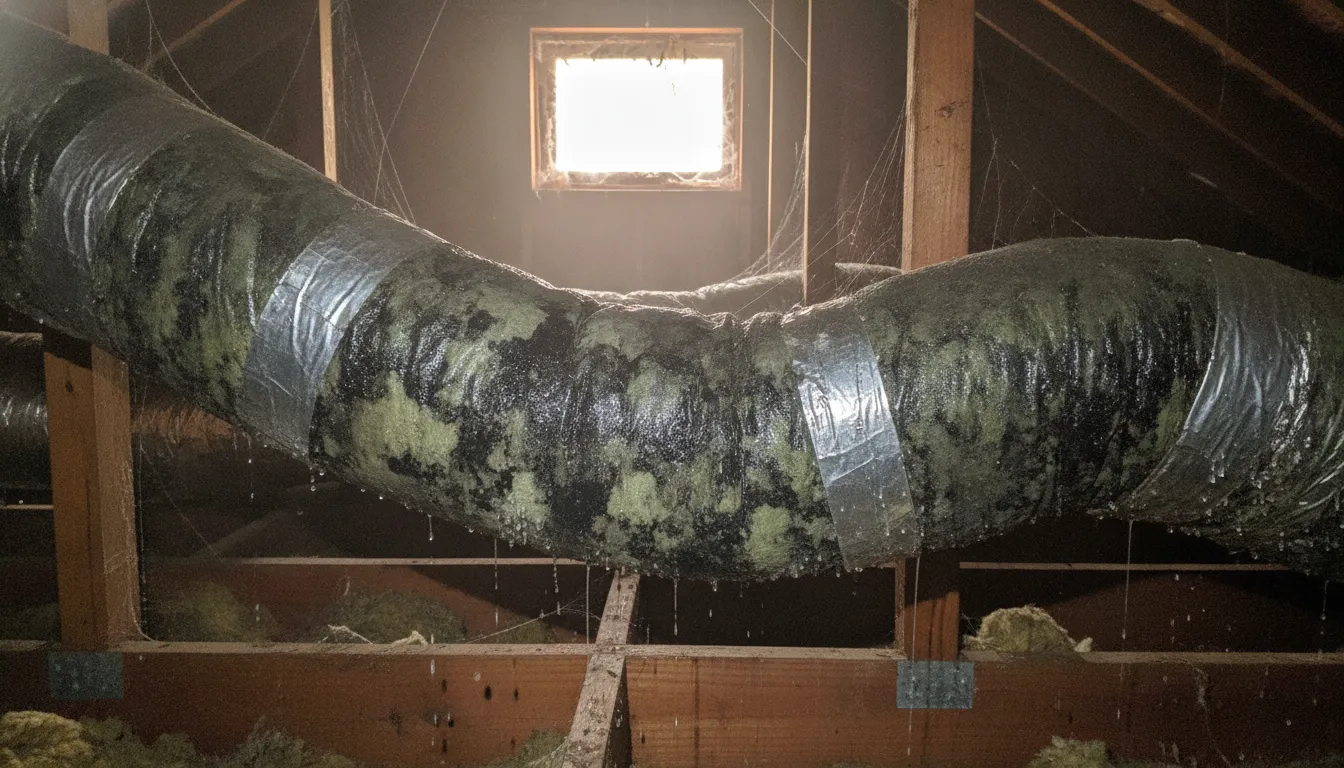
Your HVAC system does more than just cool your home; it also plays a huge role in your indoor air quality by filtering out dust, dander, and other allergens. If you’ve noticed more dust than usual, or if the air feels stuffy and humid, your old AC could be to blame. Over time, ductwork can accumulate debris, and older systems struggle to remove humidity effectively, which can create an environment for mold and mildew to grow. If your family is experiencing more allergy symptoms or respiratory issues at home, it’s a clear sign you should look into your indoor air quality and consider if your AC is the root cause.
Breaking Down AC Replacement Costs
Let’s talk numbers. The cost of a new air conditioner is one of the biggest questions homeowners have, and the answer isn't always straightforward. The final price tag depends on more than just the unit itself; it’s a combination of the equipment, the complexity of the installation, and a few other factors unique to your home. In Florida, a typical AC replacement can range from $5,500 to $16,000, with an average cost sitting around $8,500. That's a wide range, and it's because every home has different needs—from its size and layout to the condition of its existing ductwork. Understanding what goes into that number helps you make a confident decision without any surprises down the road. We believe in honest, transparent pricing—no salespeople, no pressure. Our goal is to give you all the information you need to feel good about your choice. So, here’s a clear breakdown of what you can expect when you invest in a new AC system, so you can plan your budget accordingly and know exactly where your money is going.
What Affects Equipment Costs?
The air conditioner itself is the largest part of your investment. The price of the unit is influenced by a few key things: its capacity (or size), its energy efficiency rating (SEER2), and the brand. A larger home naturally needs a more powerful unit, which costs more. Similarly, a system with a higher SEER2 rating will be more expensive upfront but will save you money on energy bills over time. Sometimes, other parts of your HVAC system, like the air handler, may also need to be replaced, which can add $3,000 to $6,000 to the total. Our job is to help you find the right balance of performance and value for your specific home and budget.
Factoring in Installation and Labor
A top-of-the-line AC unit won’t perform well if it’s installed incorrectly. That’s why professional installation is so critical for the efficiency and lifespan of your system. The labor for a standard air conditioning installation and replacement typically costs between $500 and $2,500. If your project is more complex and requires new ductwork or electrical updates, it could take a few days to complete. When you get an estimate, it’s important to make sure it includes all labor and fees. We provide clear, upfront quotes so you know exactly what you’re paying for, with no hidden charges or last-minute additions.
Other Costs to Plan For
Beyond the main unit and labor, a few other items can affect your total cost. Most installations require local permits to ensure everything is up to code. You might also need new components like copper tubing, PVC pipes, or an outdoor pad for the condenser. If you’re upgrading to a smart thermostat or if your electrical panel needs an update to handle the new system, that could add $100 to $600. We also always check your home’s air ducts. If they aren’t the right size for your new AC, you could end up with uneven cooling and higher energy bills, so it’s a crucial step we never skip.
Your Financing Options
A new air conditioner is a significant home investment, and you don’t have to pay for it all at once. Many homeowners choose to pay for their new system over time. We offer flexible financing options to make the process more manageable and fit within your budget. When getting quotes, it’s also a good idea to ask if the company performs a "Manual J Load Calculation." This detailed assessment ensures the new AC unit is perfectly sized for your home’s specific layout, windows, and insulation. It’s a key step that guarantees you get the most efficient and effective system possible.
Finding Rebates and Incentives
You may be able to lower the overall cost of your new AC by taking advantage of rebates and tax credits. Local power companies, AC manufacturers, and even the government often offer incentives for installing high-efficiency systems. It’s worth looking into federal tax breaks for models that are Energy Star approved, which could save you up to $3,200 annually on your taxes. These programs are designed to encourage homeowners to choose energy-efficient options that are better for the environment and your wallet. We can help you identify which incentives your new system qualifies for.
Common Myths About AC Replacement
Making the decision to replace your air conditioner is a big one, and it’s easy to get tangled up in conflicting advice and outdated beliefs. These myths can lead to poor choices that cost you money, comfort, and peace of mind down the road. When you’re investing in a system that will serve your home for the next decade or more, you deserve clear, honest information. Let's cut through the noise and tackle some of the most common misconceptions about AC replacement.
Understanding the truth behind these myths will help you make a confident, informed decision that’s right for your home and budget. From picking the right size unit to understanding the critical role of professional installation, we’ll set the record straight. This way, you can avoid common pitfalls and ensure your new system runs efficiently and reliably, keeping your Florida home cool and comfortable for years to come. We believe an educated customer is an empowered one, so let’s debunk these myths together.
Myth: A Bigger AC Unit is Always Better
It seems logical that a more powerful AC would cool your home faster and more effectively, but the opposite is true. An oversized air conditioner is a classic case of "too much of a good thing." These units cool the air so quickly that they shut off before they have a chance to properly dehumidify your home—a major issue here in Florida. This process, known as short cycling, leaves you with a cool but clammy and uncomfortable environment. It also causes excessive wear and tear on the system’s components and drives up your energy bills. A proper home assessment ensures your new unit is perfectly sized for your space.
Myth: Any New Unit is Energy-Efficient
While modern air conditioners are built to be more efficient than older models, the unit’s SEER (Seasonal Energy Efficiency Ratio) rating is only half the story. The quality of the installation is what truly determines how efficiently your system will operate. According to Goodman, a leading manufacturer, improper installation can cause a high-efficiency unit to perform well below its rating. Without sealed ductwork, correct refrigerant levels, and proper airflow, you won't see the energy savings you were promised. That’s why a professional, meticulous air conditioning installation is non-negotiable.
Myth: The Installer Doesn't Matter as Much as the Brand
You can buy the most expensive, top-of-the-line AC unit on the market, but if it’s installed incorrectly, you’ll be facing problems from day one. The quality of the installation has a massive impact on your system's performance, efficiency, and lifespan. A certified, experienced technician will ensure every component is installed to the manufacturer's exact specifications, from the electrical connections to the ductwork. Choosing a reputable company with fully licensed and insured technicians is the most important decision you'll make in the entire replacement process—it protects your investment and guarantees your comfort.
Myth: New Systems Don't Need Maintenance
Skipping maintenance on a new AC system is like buying a new car and never getting an oil change. It might run fine for a little while, but you're setting it up for premature failure. Regular air conditioning maintenance is essential for keeping your new unit running at peak efficiency, catching small issues before they become expensive repairs, and extending its lifespan. In fact, most manufacturer warranties require proof of annual professional maintenance to remain valid. Protecting your investment with a simple annual tune-up is one of the smartest things a homeowner can do.
Myth: You Should Wait Until It Completely Breaks Down
While it’s tempting to put off a major expense, waiting for your AC to fail completely is a risky strategy, especially during a Florida summer. A sudden breakdown leaves you scrambling for a replacement in uncomfortable, often sweltering, conditions. This can lead to rushed decisions and potentially higher costs for an emergency AC service. Proactively replacing an aging, inefficient, or unreliable unit allows you to research your options, find the best system for your needs, and schedule the installation on your own terms, all while staying cool and comfortable.
Your AC Replacement: A Step-by-Step Guide
Replacing your AC unit can feel like a huge project, but breaking it down into manageable steps makes the whole thing much clearer. Knowing what to expect helps you make confident decisions for your home and budget. From the first look at your old system to the final walkthrough of your new one, here’s a simple guide to the entire process so you can feel prepared every step of the way.
Step 1: The Initial Home Assessment
Before you even think about models or prices, a professional needs to assess your home. This isn't just a quick glance—it's a detailed evaluation to determine the right size and type of unit for your space. A technician will perform what’s called a "Manual J Load Calculation," which sounds technical but is simply a way to measure exactly how much cooling power your home needs. An oversized unit will cycle on and off too frequently, failing to remove humidity, while an undersized one will run constantly without ever cooling your home properly. Getting this step right is the foundation for an efficient and effective air conditioning installation.
Step 2: Choosing the Right Unit for Your Home
Once you know the right size, it’s time to pick your new unit. The cost will depend on several factors, including the system's capacity, its energy efficiency (known as the SEER2 rating), and the brand. While it’s a significant investment, think of it as an upgrade to your home’s comfort and value. A higher-efficiency model might cost more upfront but can lead to substantial savings on your monthly energy bills down the road. We understand that this is a major purchase, which is why it’s helpful to explore financing options that can make the cost more manageable and fit within your budget without compromising on quality.
Step 3: Handling the Necessary Permits
In most parts of Florida, you can’t just swap out an AC unit without the proper paperwork. A permit is typically required for a new air conditioning installation. This ensures the work is done according to local code, which is crucial for your safety and the system's performance. Don’t worry, this isn’t something you have to handle on your own. A reputable, professional HVAC company will manage the entire permitting process for you. Working with a locally owned and operated business means they understand the specific requirements in our area and will ensure everything is filed correctly, giving you complete peace of mind.
Step 4: Preparing for Installation Day
When installation day arrives, you can do a few things to help the process go smoothly. The most helpful task is to clear a path to your indoor and outdoor units. Make sure the area is free of furniture, boxes, or yard debris so the technicians have easy access. A standard replacement usually takes a full day, but if you need new ductwork, it could take longer. The installation team will protect your home with drop cloths and clean up thoroughly when they’re finished. Their goal is to leave your home cooler and cleaner than they found it, with minimal disruption to your day.
Step 5: Final System Testing and Walkthrough
After the new unit is in place, the job isn't quite done. The technicians will perform a series of tests to make sure everything is running perfectly. They’ll check refrigerant levels, test airflow, and calibrate the thermostat. Once they confirm the system is operating at peak efficiency, they’ll walk you through everything you need to know. This includes how to operate your new thermostat and any special features. They should also explain the best practices for keeping your system in top shape, which includes scheduling regular air conditioning maintenance to protect your investment for years to come.
How to Choose the Right AC System
Picking a new air conditioner can feel like a huge decision, especially when you’re trying to keep a Florida home comfortable year-round. It’s not just about buying a box that blows cold air; it’s about investing in the right technology for your space, your budget, and your family’s comfort. The good news is that modern systems are more efficient and feature-rich than ever before. When you understand the key factors, you can confidently choose a unit that will serve you well for years.
The goal is to find a system that balances performance, efficiency, and cost. From understanding energy ratings to selecting the right size, each piece of the puzzle is important. A professional can help you put it all together, ensuring your new air conditioning installation is a perfect fit. Let’s walk through the most important things to consider.
AC Options for Florida Homes
For most homes in our area, a central air conditioning system is the standard. But within that category, you have options. Many of today's best systems feature advanced technology like variable-speed compressors. Unlike older, single-stage units that are either on or off, a variable-speed system can adjust its output automatically. This means it runs at lower speeds for longer periods, providing more consistent cooling and excellent humidity control—a must-have feature for dealing with Florida’s climate. This technology not only keeps you more comfortable but also contributes to significant energy savings.
What SEER Ratings Mean for Your Bills
When you start shopping for AC units, you’ll see a SEER2 rating on every one. Think of it like a car's MPG—the higher the number, the more energy-efficient the unit is. While more efficient units with higher SEER2 ratings often cost more upfront, they can save you a lot of money on your monthly energy bills over the life of the system. It’s a classic "pay now or pay later" scenario. We can help you calculate the potential long-term savings to see if investing in a higher-efficiency model makes sense for your budget, and we also offer financing options to make it more manageable.
Getting the Right Size and Capacity
One of the biggest mistakes homeowners make is choosing the wrong size AC unit. It’s a common misconception that bigger is always better. An undersized unit will constantly struggle to cool your home, running nonstop and driving up your bills. On the other hand, an oversized unit will cool the space too quickly and shut off before it has a chance to properly dehumidify the air, leaving you with a cold, clammy feeling. A professional load calculation is the only way to determine the perfect size for your home’s unique layout, insulation, and window placement.
Exploring Smart Technology and Features
Modern AC systems come with some impressive tech. Smart thermostats learn your schedule and preferences, automatically adjusting the temperature to save energy when you're away and ensure comfort when you're home. You can control them right from your phone, whether you're on the couch or on vacation. Many models also include advanced sensors that can adjust the temperature based on who is in the room. These smart features offer a new level of convenience and control, helping you manage your home’s climate more efficiently than ever before.
Why Humidity Control is a Must
In Florida, fighting humidity is just as important as fighting the heat. High indoor humidity can make the air feel warmer than it is, lead to stuffiness, and create an environment where mold and mildew can thrive. A great air conditioner does more than just cool; it’s also your home’s primary dehumidifier. Modern systems are designed to pull moisture out of the air effectively, which dramatically improves your comfort and your home’s indoor air quality. When choosing a new system, always prioritize its dehumidification capabilities.
What to Look For in a Quality Installation
Choosing the right AC unit is only half the battle. The quality of the installation is what truly determines your new system's performance, efficiency, and lifespan. A sloppy job can lead to years of high energy bills and frustrating repairs, even with the best equipment. To make sure you get what you paid for, here are the key things to watch for during the installation process.
The Hallmarks of a Professional Job
A quality installation goes far beyond simply connecting the new unit. A professional technician will be meticulous, ensuring every component is set up for optimal performance. According to home services expert Angi, the way your AC is installed is the most important factor for its safety, efficiency, and longevity. This includes correctly charging the refrigerant, properly sealing connections to prevent leaks, and ensuring the unit is perfectly level. After the installation, a thorough technician will run a full system test to confirm everything is working as it should, from airflow to temperature output. This attention to detail is the signature of a true professional air conditioning installation.
Why Your Ductwork Needs an Evaluation
Your home’s ductwork is the circulatory system for your AC, and it needs to be in good shape to support a new unit. Connecting a modern, high-efficiency system to old, leaky, or improperly sized ducts is a recipe for trouble. As one industry resource notes, if your ducts aren't the right size for your new AC, it can lead to uneven cooling and higher energy bills. A reputable installer will always inspect your existing ductwork first. They’ll check for leaks, blockages, and proper sizing to ensure it can handle the airflow from your new system. Skipping this step can leave you with hot spots and wasted energy, completely undermining your investment in a new unit.
The Importance of Thermostat Placement
It might seem like a small detail, but where your thermostat is located can have a huge impact on your comfort and energy costs. Proper thermostat placement is crucial for accurate temperature readings and efficient system performance. If a thermostat is installed in direct sunlight, near a drafty window, or close to a heat source like a lamp or television, it will get false readings. This can cause your AC to run constantly or shut off too early, leaving your home uncomfortable and driving up your utility bills. A good technician will help you find the ideal spot—typically an interior wall in a central location, away from anything that could skew its readings.
Verifying Licenses and Insurance
Before you let any technician work on your home, make sure they are fully licensed and insured. This is non-negotiable. Most areas, including Florida, require a licensed professional to install an AC unit and may require permits for the work. Hiring a licensed contractor ensures they have the training and knowledge to do the job safely and correctly. More importantly, proper insurance protects you from any liability in case of an accident or damage to your property during the installation. At 5 Star Air, we are proud to be a fully licensed and insured company, giving our customers complete peace of mind.
What Your Warranty Should Cover
A new AC system is a major investment, and a solid warranty is your safety net. However, not all warranties are created equal. It’s important to read the fine print and understand exactly what’s covered. Does it include both parts and labor? What is the coverage period for critical components like the compressor versus other parts? Understanding these terms will protect you from unexpected costs down the road. Also, keep in mind that most manufacturers require proof of regular professional air conditioning maintenance to keep the warranty valid. Sticking to a maintenance schedule ensures your system stays in top shape and your coverage remains intact.
Get the Most Out of Your New AC
Congratulations on your new air conditioning system! Getting a new AC installed is a major home improvement, and it’s an investment in your family’s comfort for years to come. But the professional installation is just the beginning. To truly maximize that investment, you’ll want to adopt a few simple habits that keep your system running efficiently and extend its lifespan. Think of it like bringing home a new car—you wouldn't skip the oil changes and regular check-ups, right?
The same principle applies to your AC. By focusing on routine care, using its features wisely, and protecting it from the elements, you ensure it delivers the cool comfort and energy savings you expect. A little attention goes a long way in preventing unexpected repairs and keeping your utility bills in check. Here’s how you can protect your new unit and enjoy all the benefits of modern, efficient cooling, especially in the demanding Florida climate. Taking these steps will help you get the most value from your air conditioning installation for the next decade and beyond.
Stick to a Regular Maintenance Schedule
One of the biggest mistakes homeowners make is assuming a brand-new system doesn't need attention. But just like any complex piece of machinery, your AC needs consistent care to perform at its best. Regular air conditioning maintenance ensures every component is clean, calibrated, and working correctly. This not only keeps your system running at peak efficiency but also helps technicians catch small issues before they become costly problems. Plus, most manufacturer warranties require proof of annual maintenance to remain valid. Beyond professional tune-ups, remember to check your air filter monthly and replace it when it’s dirty—it’s one of the easiest ways to support healthy airflow and improve your home's indoor air quality.
Use Your System's Energy-Saving Features
Your new, energy-efficient AC unit is designed to save you money, but it can only do that if you use its features correctly. If your system came with a programmable or smart thermostat, take some time to set it up. Create a schedule that reduces cooling when you’re away from home or asleep, and let the thermostat handle the adjustments automatically. This prevents the system from working overtime to cool an empty house and avoids the energy-wasting habit of making drastic temperature changes. Consistent, gradual adjustments are far more efficient and will make a real difference in your monthly energy bills.
Protect Your Unit from Florida Storms
Living in Florida means preparing for tropical storms and hurricanes. Your outdoor AC unit, the condenser, is built to withstand the elements, but severe weather can cause significant damage. Before a storm arrives, walk around your property and secure any loose items like patio furniture, grills, or yard debris that could become projectiles in high winds. After the storm passes, inspect the unit for any visible damage from falling branches or flying debris. If you suspect a problem or your power was out for an extended period, it’s wise to call for a professional inspection before turning it back on. Having a trusted emergency AC service on call provides peace of mind.
Keep an Eye on Performance
You know your home best, so you’re the first line of defense in spotting potential AC issues. After your new system is installed, pay attention to how it runs. Does it cool all rooms evenly? Are there any new or unusual sounds, like rattling, buzzing, or grinding? Is it cycling on and off more frequently than it should? Noticing these small changes early can save you from a sudden breakdown on a hot day. If something feels off or your energy bills unexpectedly creep up, don't hesitate to schedule an air conditioning repair visit. A quick diagnosis can often prevent a minor issue from turning into a major headache.
Enjoy the Long-Term Savings
A new air conditioner is a significant upfront expense, but it’s one that pays you back over time. By following the steps above—maintaining your unit, using it efficiently, and protecting it from damage—you are actively safeguarding your investment. A well-cared-for system uses less energy, which translates directly into lower monthly utility bills. It also experiences fewer breakdowns, saving you money on unexpected repairs and helping it last its full expected lifespan. When you see your new AC as a long-term asset, the small efforts you put into its care deliver big returns in both comfort and savings.
Frequently Asked Questions
How long should my AC unit actually last in the Florida heat? While the general lifespan for an air conditioner is about 10 to 15 years, Florida's climate puts them to the test. The constant high humidity and near year-round use mean our systems work much harder than those in milder climates. If your unit is approaching the 10-year mark, it’s a good time to start planning for a replacement, as its efficiency has likely declined significantly.
Is it better to repair my old unit one more time or just replace it? This is a tough call, but a good rule of thumb is to consider both the cost of the repair and the age of your system. If a repair costs nearly half the price of a new unit, or if you're constantly calling for service on a system that's over 10 years old, you're likely better off investing that money into a new, reliable air conditioner. A new system comes with a warranty and the peace of mind that you won't be left sweating through a summer breakdown.
What's more important: the AC brand or the company that installs it? While choosing a reputable brand is a great start, the quality of the installation is what truly determines how well your new system will perform. You can have the best unit on the market, but if it's installed incorrectly, you'll face issues with efficiency and its overall lifespan. Always prioritize finding a licensed, insured, and experienced installation team to protect your investment.
How can I be sure I'm getting the right size AC for my home? The only way to guarantee the right fit is to have a professional perform a "Manual J Load Calculation." This isn't just a guess based on square footage; it's a detailed assessment of your home's specific needs, including its layout, insulation, window types, and sun exposure. This calculation ensures your new unit is powerful enough to cool your home effectively without being so large that it wastes energy.
Do I really need annual maintenance for a brand-new system? Yes, absolutely. Think of it like the required maintenance for a new car. An annual tune-up keeps your new AC running at peak efficiency, which saves you money on energy bills. It also allows a technician to catch any small issues before they become bigger problems. Most importantly, manufacturers require proof of regular professional maintenance to keep your warranty valid.