Replace Coil in AC Unit Cost: A Full Breakdown
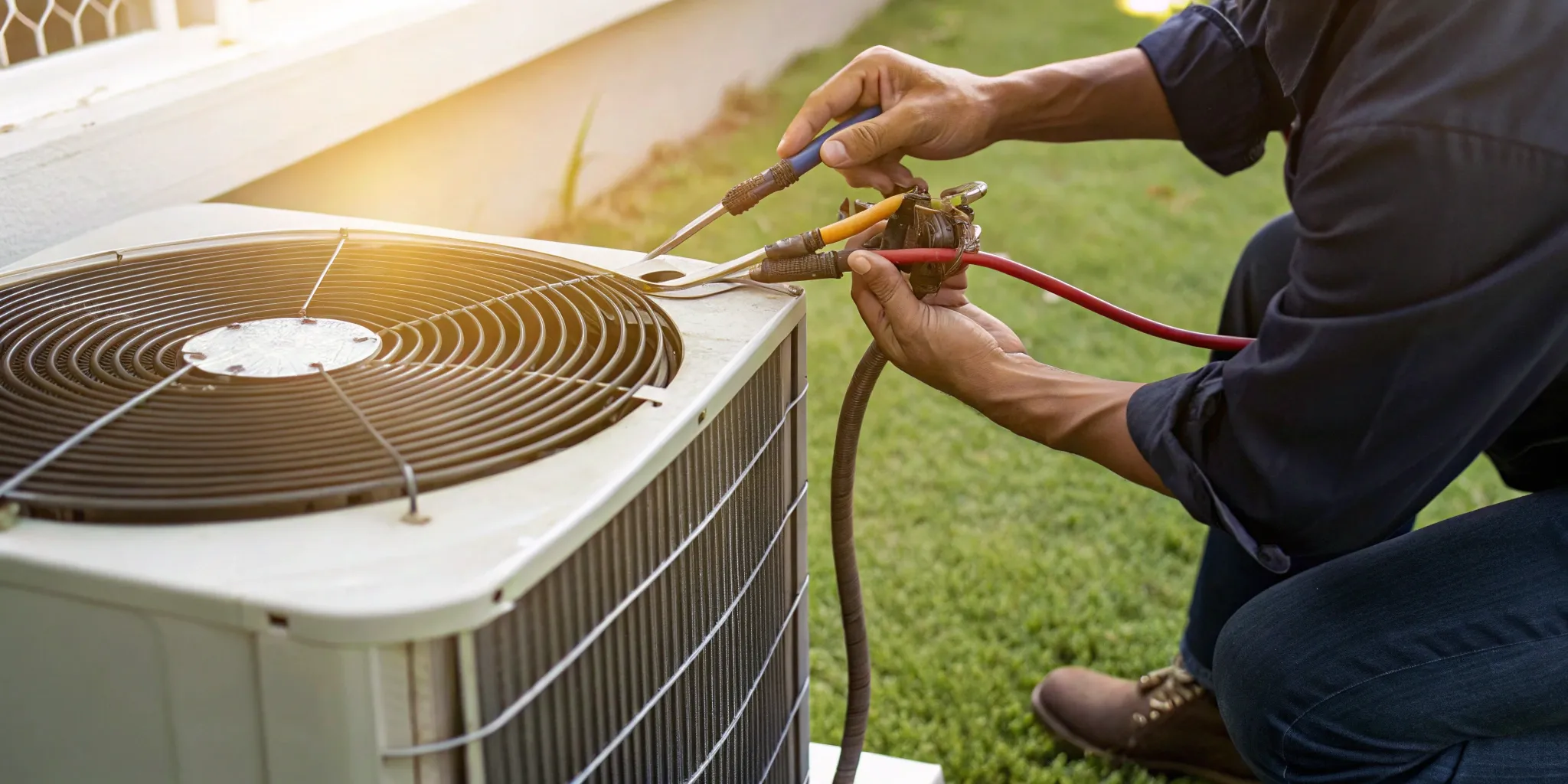
You’ve been told your AC coil needs to be replaced, and now you’re at a crossroads. Do you invest in fixing your current air conditioner, or is this a sign that it’s time to upgrade the entire system? The replace coil in ac unit cost is a major factor in this decision, as it can sometimes be nearly half the price of a brand-new unit, especially if your system is older. This guide will help you weigh your options carefully. We’ll explore the pros and cons of both repairing and replacing, considering your system's age, efficiency, and long-term savings to help you make the best financial choice for your home.
Key Takeaways
- Act on warning signs immediately: If your AC blows warm air, freezes up, or makes hissing noises, it's signaling a coil problem. Addressing these issues right away prevents minor fixes from turning into major system failures.
- Consider replacement if your AC is over 10 years old: Pouring money into a major repair for an aging system is often not cost-effective. If the repair cost is high, investing in a new, energy-efficient unit provides better long-term value and reliability.
- Understand the costs and hire a trusted pro: A coil replacement is a complex job where costs vary based on your system's size, brand, and accessibility. Always check your warranty, get itemized quotes from licensed contractors, and never attempt this repair yourself.
What Are AC Coils and What Do They Do?
Your air conditioner might seem like magic, but it relies on a few key parts working together to keep your Florida home cool. Among the most important are the AC coils. Understanding what they do can help you spot problems before they turn into major headaches. Your AC system has two types of coils, and each has a specific job in the cooling cycle. They work as a team to move heat from inside your home to the outside, leaving you with cool, comfortable air.
Evaporator vs. Condenser Coils
Think of your AC as a heat-moving machine. The evaporator coil, located inside your home (usually with your furnace or air handler), is where the cooling happens. It absorbs heat from your indoor air as a special fluid called refrigerant runs through it. This process cools the air that gets circulated through your vents. On the other hand, the condenser coil is part of your outdoor unit. Its job is to release all that collected heat outside, getting the refrigerant ready to cycle back inside and grab more heat.
How Coils Impact Your AC's Performance
The performance of your entire AC system really depends on how well these coils do their jobs. If a coil is dirty, damaged, or failing, it can't transfer heat effectively. You'll notice this as weak cooling, but you'll also see it on your utility bill as your system works harder to keep up. A healthy, efficient coil not only keeps you comfortable but also lowers energy costs. In fact, keeping your coils in good shape is a key part of proper air conditioning maintenance and can help your system last much longer.
Common Problems That Affect Coils
Over time, AC coils can run into a few common issues from simple wear and tear. If your AC starts blowing warm air, that’s a major red flag. You might also see ice building up on the coil itself or notice fluid leaks, which could be a refrigerant issue. These aren't problems you want to ignore, as a small leak or a bit of grime can quickly lead to bigger, more expensive failures. If you spot any of these signs, it’s best to call for an air conditioning repair to get it checked out right away.
How Much Does an AC Coil Replacement Cost?
When your AC coil fails, one of the first questions you'll have is about the cost. While the final price tag can vary, understanding the different components can help you know what to expect. Let's break down the numbers so you can feel prepared.
Breaking Down the Average Cost
Nationally, an AC coil replacement can cost anywhere from $627 to $2,700, with the average homeowner paying around $1,350. This price typically includes the new coil itself, the refrigerant needed to recharge the system, and the labor to get the job done. Think of this as a ballpark figure—your final cost will depend on a few specific factors related to your home and AC system. It’s always a good idea to get a precise quote from a trusted professional so you know exactly what to expect before any work begins.
Factoring in Labor and Installation
The labor for an AC coil replacement usually runs between $400 and $1,500. This fee covers the technician's time, skill, and the specialized tools needed to handle refrigerants safely. The cost can lean toward the higher end if your indoor unit is in a tricky spot, like a cramped attic or a tight crawlspace, which makes the job more complex. A proper, professional air conditioning installation is crucial for your system's performance and longevity. At 5 Star Air, we provide clear, upfront pricing so you’re never caught off guard by hidden labor fees.
The Price of Parts and Materials
The evaporator or condenser coil itself is often the most significant part of the bill, costing anywhere from $600 to $2,000. The price of the coil depends heavily on your AC unit's brand, size, and specific model. High-efficiency units or systems from premium brands often require more expensive, specialized coils. Beyond the coil, the cost of refrigerant is another key material expense. Different systems use different types of refrigerant, which can also affect the final price. We always use high-quality parts to ensure your repair lasts, giving you peace of mind and reliable cooling.
Other Factors That Influence the Final Price
Several other details can shift the total cost of your coil replacement. The type of refrigerant your system uses is a big one; older R-22 refrigerant is being phased out and is much more expensive than the standard R-410A. The brand of your AC unit and the coil's warranty status can also play a role. If your system is still under warranty, it could significantly reduce the cost of the part. The only way to get a truly accurate price is to have a trusted technician assess your system. You can contact us for a straightforward estimate with no sales pressure.
Signs You Need to Replace Your AC Coil
Your air conditioner is pretty good at telling you when something’s wrong—you just have to know what to look for. When an AC coil starts to fail, it sends out several clear signals. Ignoring them won't make the problem go away; it usually just leads to a bigger, more expensive headache. Catching these signs early can be the difference between a straightforward repair and a full system breakdown on the hottest day of the year.
Think of it like a check-engine light for your home's cooling system. Paying attention to these warnings helps you stay ahead of the problem, keeping your home comfortable and your repair bills in check. Let's walk through the specific signs that point to a failing AC coil, what makes a situation an emergency, and why acting sooner rather than later is always the smartest move.
Warning Signs to Look For
If your AC isn't cooling your home like it used to, a failing evaporator coil is a likely suspect. One of the most obvious signs is your system blowing warm or lukewarm air. You might also notice frost or a layer of ice building up on the coil itself, which is a clear indicator that something is wrong with the refrigerant flow.
Other clues include your AC turning on and off frequently without actually cooling the space, or water pooling near your indoor unit. Strange noises, like hissing or banging, are also red flags. A hissing sound often points to a refrigerant leak, which is a serious issue. If you spot any of these problems, it’s time to schedule an air conditioning repair service call.
When a Replacement Becomes an Emergency
While any AC issue is an inconvenience, a refrigerant leak is a true emergency. The main reason an evaporator coil needs to be replaced is due to a leak that allows refrigerant to escape. This isn't just bad for your AC's performance; it can cause significant damage to the compressor and other critical components. Continuing to run an AC with a refrigerant leak can lead to a complete system failure.
If your AC suddenly stops cooling or you hear a distinct hissing sound, you should turn the system off and call for help right away. These situations require immediate attention to prevent further damage. Our team is ready to handle emergency air conditioning services to get your system back up and running safely.
Why Waiting Costs You More in the Long Run
Putting off a necessary coil replacement might seem like a way to save money now, but it almost always costs more down the road. If your AC system is over 10 years old, sinking a significant amount of money into a single part might not be the most financially sound decision. You could spend thousands on a new coil only to have another major component fail a year or two later.
Think about the bigger picture. Pouring money into an aging, inefficient system often means you'll still need to replace the entire unit soon anyway. A full air conditioning installation provides you with a new, energy-efficient system, a solid warranty, and long-term peace of mind, which can be a much smarter investment.
What Factors Change the Price of a Coil Replacement?
When you get a quote for an AC coil replacement, you’ll notice the price isn't a simple, flat rate. That’s because several key factors influence the final cost. Think of it like ordering a custom piece of furniture—the size, materials, and complexity all play a role. Understanding these variables will help you see exactly what you’re paying for and why the investment is crucial for your home’s comfort. From the type of AC system you have to where it’s located in your home, each detail contributes to the overall price.
Your AC System's Size and Type
The size and type of your air conditioner are the biggest factors in determining the cost of a new coil. Larger homes need more powerful AC units to keep them cool, and those larger units require bigger, more complex coils. Naturally, a larger coil costs more than a smaller one. The type of system you have also matters. For example, the coil for a standard central air conditioner might be priced differently than one for a high-efficiency heat pump. The average cost for an evaporator coil replacement can range from around $650 to over $2,500, and the specific needs of your air conditioning system will determine where your project falls in that range.
The Unit's Location and Accessibility
Where is your indoor AC unit located? If it’s easily accessible in a garage or utility closet, the labor involved in replacing the coil will be straightforward. However, if your unit is tucked away in a cramped attic, a tight crawl space, or a hard-to-reach spot, the job becomes more complex. Our technicians may need more time and specialized tools to safely access and replace the coil. This extra time and effort will be reflected in the labor costs. A safe and proper AC repair is always our top priority, and ensuring our technicians can work without constraints is part of that process.
Differences Between Brands and Models
Just like with cars, different AC brands have different price points for their parts. Some manufacturers use proprietary coil designs that can only be sourced directly from them, which can increase the cost. The design of the coil itself also plays a role. The most common types are A-coils and N-coils, which are shaped to maximize surface area in a small space. A simpler slab coil might be less expensive, but it may not be compatible with your system. We always work to find the exact right part for your specific model to ensure your system runs efficiently for years to come.
How Your Location Affects the Price
It’s a simple fact of business: labor costs vary from one place to another. The cost of living, local market demand, and regional regulations can all influence what HVAC companies charge for their services. Here in Southwest Florida, we’re committed to providing honest, transparent pricing without any hidden fees or sales pressure. While we can't speak for others, our goal is to offer fair, competitive rates for top-quality work. The best way to know the exact cost for your home is to get a personalized quote from a trusted local professional who understands the specific needs of our community.
The Type of Refrigerant Your System Needs
The type of refrigerant your AC system uses is another critical factor. Most modern air conditioners use R-410A, which is the current industry standard. However, older systems (typically those manufactured before 2010) often use R-22, also known as Freon. Due to environmental regulations, R-22 is being phased out and is no longer produced, making it very expensive and difficult to source. If your failing coil is in an R-22 system, the cost of the refrigerant needed to recharge the unit after the repair can significantly increase the total price. This is often a sign that it’s time to consider upgrading to a more efficient, modern unit that improves your indoor air quality.
Should You Replace the Coil or the Entire AC Unit?
When you find out your AC coil is the problem, you’re faced with a big question: do you just replace the faulty part or is it time to upgrade the whole system? It’s a tough call, especially when you’re trying to balance a budget with long-term comfort. The right answer depends on a few key things, like your system's age, the cost of the repair, and your future energy savings. Let's walk through the factors you should consider to make the best decision for your home.
Consider Your System's Age and Efficiency
The age of your air conditioner is one of the most important factors in this decision. As a general rule, if your AC system is over 10 years old, replacing the entire unit is often the smarter move. An older system is likely nearing the end of its lifespan anyway, and investing in a major repair like a coil replacement might not be worth it. Plus, AC technology has come a long way. A new, modern system will be significantly more energy-efficient than your old one, which is a huge plus in the Florida heat. A complete air conditioning installation can provide you with a more reliable and efficient system for years to come.
Weighing the Costs: Repair vs. Replace
Next, let's talk numbers. Replacing an evaporator coil can be expensive, with costs often running from $2,500 to $4,500 or more if your unit is out of warranty. If your system is older and the repair bill is approaching half the cost of a new unit, replacement is almost always the better financial choice. Pouring thousands of dollars into an aging system that could fail again soon is a risky bet. Instead, that money could be a down payment on a brand-new, reliable unit. We always provide honest, upfront pricing for any air conditioning repair, so you’ll have a clear picture of the costs before making a decision.
Making Sure the New Coil is Compatible
You can't just drop any new coil into an old AC unit. Mismatched parts can cause major problems. The new coil must be compatible with your existing system, especially concerning the type of refrigerant it uses. Many older systems use R-22 refrigerant, which is being phased out, while new coils are designed for modern refrigerants. An incompatible coil will lead to poor performance, higher energy use, and could even damage your compressor, leading to another expensive repair. This is why it’s crucial to have an experienced technician handle the job to ensure all components work together perfectly. Our licensed and insured team has the expertise to get it right.
Thinking About Long-Term Savings
While the upfront cost of a new AC unit is higher, it’s important to think about the long-term savings. A new, high-efficiency system can drastically cut your monthly energy bills, and those savings add up quickly over the years. A new coil can certainly improve your current unit's efficiency and extend its life, but it won't match the performance of a completely new system. Investing in a new unit means you’ll also get a new warranty, providing peace of mind and protecting you from unexpected repair costs. Regular air conditioning maintenance will also help you get the most efficiency and longest life out of your system, whether it’s new or newly repaired.
How to Choose the Right HVAC Contractor
Replacing an AC coil is a significant investment, and the quality of the installation is just as important as the quality of the part itself. The right contractor can mean the difference between a seamless repair and years of recurring problems. Choosing a trustworthy professional protects your investment, ensures your system runs efficiently, and gives you peace of mind. Here in Florida, where our ACs work overtime, you can’t afford to take chances. Finding a reliable partner for the job is the most critical step in the entire process.
Always Check for Licensing and Insurance
Before you let anyone touch your HVAC system, your first step should always be to verify their credentials. A licensed and insured contractor isn't just a "nice to have"—it's a must. Licensing proves they have met state and local requirements for knowledge and competency. More importantly, proper insurance protects you from any liability if an accident happens on your property. Hiring an unlicensed technician might seem cheaper upfront, but it can lead to shoddy work, voided warranties, and major financial risks. A professional company will always be upfront about their credentials, just like we are on our About Us page.
Find an Expert Who Knows Your System
Not all air conditioners are created equal, and not all technicians have the same expertise. Modern HVAC systems can be complex, with different brands and models having unique quirks and specifications. You’ll want to find a contractor who has proven experience with your specific type of system. An expert will be able to diagnose issues accurately, recommend the correct coil, and perform the replacement according to the manufacturer's standards. Don't hesitate to ask about their experience with your brand—a true professional will be happy to share their qualifications and ensure you feel confident in their AC repair skills.
Why You Should Get a Few Quotes
It’s always a smart move to get a few different quotes before committing to a major repair. This isn't about finding the absolute cheapest option, but about understanding the fair market price for the job and comparing the value each company offers. A detailed quote should clearly break down the costs for parts, labor, and any additional fees. Be wary of any quote that is significantly lower than the others, as it could signal subpar parts or inexperience. Look for companies that offer honest, transparent pricing without pushy sales tactics. This process helps you find a contractor who is both fair and trustworthy, which our customer testimonials show is what homeowners value most.
Key Questions to Ask Before You Hire
Once you’ve narrowed down your options, it’s time to ask some specific questions to make your final decision. Having a list ready can help you gauge a contractor's professionalism and expertise.
Here are a few key questions to ask:
- Are you licensed and insured in Florida?
- Can you provide a written, itemized estimate?
- What kind of warranty do you offer on parts and labor?
- How long have you been in business, and do you have experience with my AC brand?
- What is the estimated timeline for completing the replacement?
A reputable contractor will answer these questions clearly and confidently. If you feel rushed or get vague answers, it’s a red flag. Feel free to contact us with your questions—we believe an informed customer is a happy customer.
What to Expect During the Installation
Knowing what happens during an AC coil replacement can make the process feel much smoother. When you schedule a service with a professional team, you’re not just getting a new part; you’re getting a seamless experience designed to get your home cool and comfortable again with minimal disruption. From the moment our technician arrives to the final system check, every step is handled with care and precision. We believe in transparency, so we want you to know exactly what our process for air conditioning installation and replacement looks like. Our goal is to make the installation day as stress-free as possible, leaving you with a perfectly running AC system.
What Happens Before the Work Starts
Before any tools come out, our technician will walk you through the plan for the day. They’ll start by preparing the work area, laying down protective coverings to keep your home clean. They will also perform a final confirmation of the issue and ensure the new coil is the correct model for your system. Replacing an evaporator or condenser coil requires specialized knowledge and equipment, so our first priority is always safety. This includes shutting off the power to the HVAC unit and safely recovering the old refrigerant according to EPA regulations. This careful preparation ensures the job is done right from the very beginning.
How Long Will the Replacement Take?
Most AC coil replacements are completed within two to four hours. Our technicians work efficiently to get your system back up and running as quickly as possible. However, the timeline can sometimes extend depending on the location of your indoor unit. If the coil is in a hard-to-reach spot, like a cramped attic or a tight crawl space, the job could take between five and ten hours. We’ll always give you a clear time estimate before we begin, so you know exactly what to expect and can plan your day accordingly.
Ensuring the Job is Done Right
An AC coil replacement is a complex task that’s best left to the pros. It involves handling refrigerant, making precise connections, and testing the system to ensure it’s sealed and functioning correctly. Attempting this as a DIY project can lead to further damage, void your system’s warranty, and even pose safety risks. Our fully licensed and insured technicians have the right tools and training to handle the job safely and effectively. We follow strict industry standards to make sure your new coil is installed perfectly, giving you peace of mind and reliable cooling.
Caring for Your New Coil After Installation
Once your new coil is installed, a little upkeep will go a long way in protecting your investment. The best way to extend its lifespan is through consistent care. Make it a habit to change your air filters regularly and keep the outdoor unit clear of leaves, grass clippings, and other debris. To keep everything running at peak performance, we highly recommend scheduling an annual tune-up. Professional air conditioning maintenance allows a technician to clean the coils, check refrigerant levels, and catch any small issues before they become big problems.
How to Save Money on Your AC Coil Replacement
Facing an AC coil replacement can feel overwhelming, especially when you start thinking about the cost. But there are practical ways to manage this expense without sacrificing quality. A little bit of know-how can go a long way in making sure you get the best value. From checking your warranty to understanding the benefits of professional service, these tips will help you make an informed decision that keeps your home cool and your budget intact.
Check Your Warranty Coverage First
Before you do anything else, dig up the paperwork for your AC unit and check the manufacturer's warranty. If your system is still covered, the warranty will often pay for the new coil itself. Keep in mind that you’ll likely still be responsible for the labor costs, which can range from $1,000 to $2,500, but having the part covered is a huge relief. If you can’t find the physical documents, try searching for your model number on the manufacturer’s website. Understanding your coverage is the best first step to take and can instantly clarify your expected costs. If you find the out-of-pocket expense is still a stretch, many HVAC companies offer financing options to make it more manageable.
The Value of a Regular Maintenance Plan
The best way to save money on repairs is to prevent them from happening in the first place. Think of an air conditioning maintenance plan as a wellness checkup for your AC system. Regular service from a professional technician keeps your unit running efficiently and helps catch small issues before they turn into major, expensive problems like a corroded coil. An expert can clean the coils, check refrigerant levels, and ensure all components are working correctly. This not only extends the lifespan of your entire system but also helps it use less energy, saving you money on your monthly utility bills. Consistent care is a small investment that delivers significant long-term savings.
Look for Energy Efficiency Rebates
A coil replacement can sometimes be an opportunity to make a smart upgrade. Before committing to a repair, it’s worth looking into rebates from your utility company or the AC manufacturer for installing energy-efficient equipment. Programs like ENERGY STAR often provide incentives for homeowners who choose higher-efficiency systems. While a more efficient coil or unit might have a higher price tag initially, the combination of a rebate and lower monthly energy bills can make it a financially savvy move. It’s a great way to turn a necessary expense into a long-term investment in your home’s efficiency and comfort.
Why This Isn't a DIY Job
While the internet is full of DIY tutorials for just about everything, replacing an AC coil is one job you should always leave to a professional. This repair requires specialized tools, technical knowledge, and certification to handle refrigerant, which is regulated by the EPA. Attempting it yourself can lead to bigger problems, like damaging other parts of your AC system, voiding your warranty, or creating a safety hazard. Hiring a licensed and insured technician ensures the job is done correctly and safely. In the long run, calling an expert for air conditioning repair saves you money by preventing costly mistakes and guaranteeing your system runs properly.
Frequently Asked Questions
How can I tell which coil is failing—the one inside or the one outside? While a professional diagnosis is always best, you can look for a few clues. If you see ice or frost building up on the unit inside your home, that points to a problem with the indoor evaporator coil. If the fan on your outdoor unit is running but the air it's blowing out isn't warm, the issue might be with the outdoor condenser coil. Either way, these signs mean it's time to call a technician to pinpoint the exact problem.
Can a leaking AC coil be repaired, or is replacement the only option? In most cases, replacing the coil is the only reliable solution. While patching a tiny leak is sometimes technically possible, it’s usually a temporary fix at best. A leak is often a sign of widespread corrosion, meaning another one is likely to pop up soon. A full replacement is the industry standard because it provides a lasting solution and ensures your system operates correctly and safely.
How long does an AC coil typically last? Generally, you can expect your AC coils to last about as long as your entire system, which is typically 10 to 15 years. However, here in Florida, the constant humidity and salty air can sometimes shorten that lifespan. The best way to get the most life out of your coils is with consistent annual maintenance, which helps keep them clean and free of corrosive buildup.
If I replace the coil, will my old air conditioner work like it's brand new? A new coil will definitely make a big difference in your AC's cooling ability and efficiency, but it won't turn an old system into a new one. Think of it like putting a new engine in an old car—it will run much better, but the transmission and other parts are still the same age. If your system is over a decade old, a new coil is a significant improvement, but it won't match the overall performance and energy savings of a completely new unit.
You mentioned a refrigerant leak is an emergency. Is it dangerous to my family? The primary danger of a refrigerant leak is to your AC system itself. Continuing to run the unit with low refrigerant can destroy the compressor, which is the most expensive component. While the refrigerant isn't typically harmful in a well-ventilated space, a large leak in a confined area could displace oxygen. If you hear a hissing sound or suspect a leak, the safest thing to do is turn off your AC system completely and call for emergency service.