A Guide to Residential HVAC System Replacement
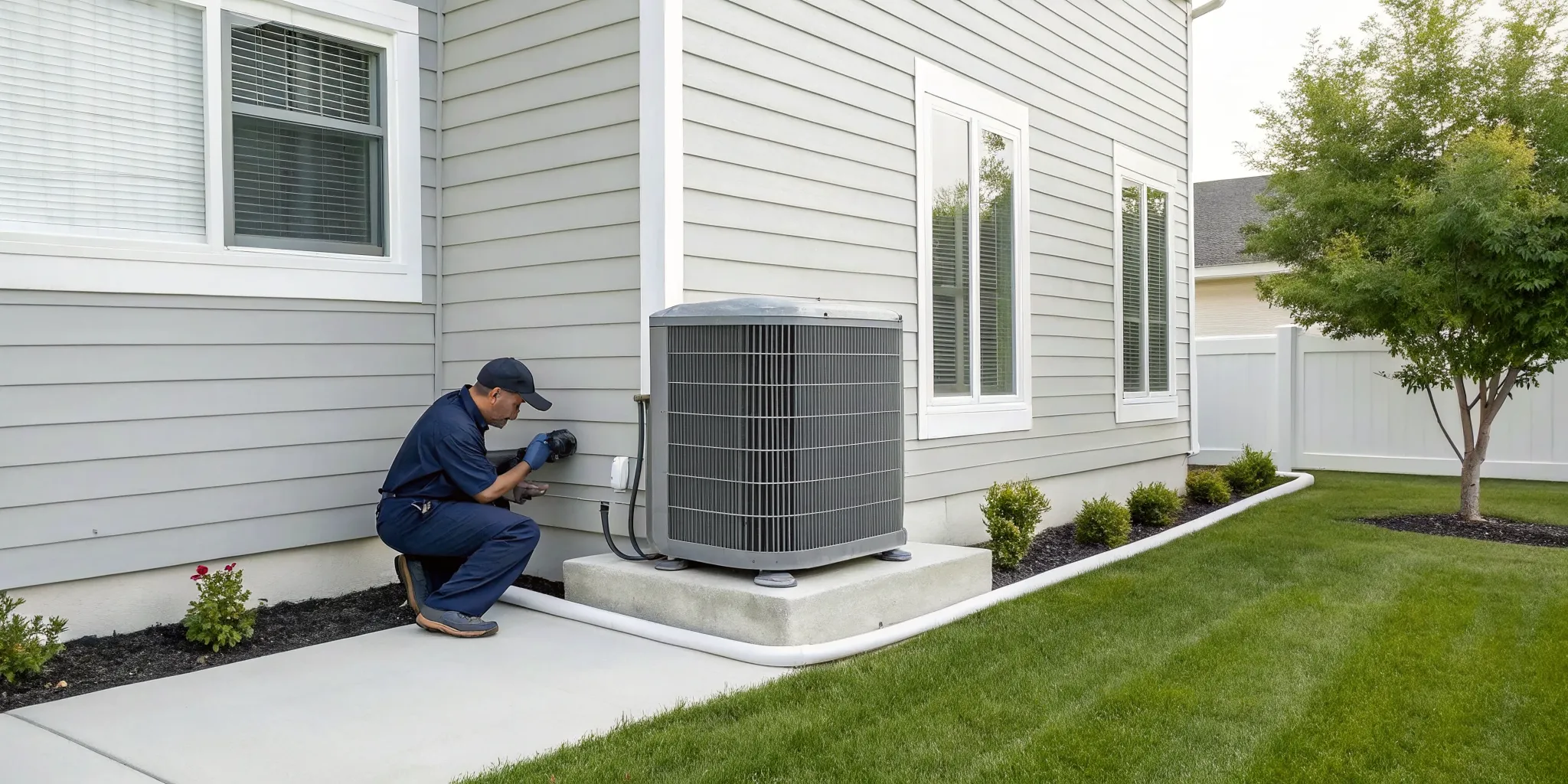
That moment your air conditioner makes a new, unsettling noise is a feeling every Florida homeowner knows. You hold your breath, hoping it’s a fluke, but the thought immediately follows: is this the end? Deciding whether to repair an aging unit or invest in a new one can feel overwhelming, especially with the pressure of our relentless heat. This guide is designed to bring clarity to that decision. We’ll walk you through the clear signs that your system is on its last legs, from rising energy bills to inconsistent temperatures. Think of this as your complete roadmap for a residential HVAC system replacement, helping you move from uncertainty to a confident choice for your home’s comfort.
Key Takeaways
- Know the signs of a failing system: Pay attention to rising energy bills, frequent repairs, and inconsistent temperatures. These are clear indicators that it might be more cost-effective to replace your unit rather than continue with expensive fixes.
- Prioritize proper sizing and installation: The efficiency and lifespan of your new system depend on choosing the right size for your home, not just the most powerful model. A professional installation is crucial to ensure your system runs correctly and your warranty remains valid.
- Commit to regular maintenance from day one: To get the most out of your new system, simple habits are key. Change your air filters regularly and schedule annual professional tune-ups to ensure peak efficiency, prevent costly breakdowns, and extend the life of your unit.
Is It Time to Replace Your HVAC System?
Deciding whether to repair or replace your HVAC system can feel like a huge decision, especially when you’re sweating it out in the Florida heat. It’s not just about the upfront cost; it’s about your home’s long-term comfort, air quality, and energy savings. When your air conditioner starts acting up, it’s often trying to tell you something important. Paying close attention to the warning signs can help you make a smart, proactive choice before you’re stuck with a complete system failure on the hottest day of the year. Think of it as listening to your home. An occasional hiccup might just need a simple fix, but a pattern of problems usually points to a deeper issue that repairs can no longer solve effectively. Ignoring these signs can lead to more expensive emergency calls and days of discomfort. Understanding when to move on from an old unit is key to maintaining a cool and healthy home environment. A new system isn't just a replacement; it's an opportunity to improve your home's efficiency and overall comfort for years to come. Let's walk through the key indicators that signal it might be time for an upgrade, so you can feel confident in your decision and invest wisely in your home's future.
Your System's Age
Just like any major appliance, your HVAC system has a lifespan. Most systems last between 10 and 20 years. If yours is in that age range, it’s operating on borrowed time. Older units are significantly less efficient than modern ones and often use refrigerants like R-22, which are being phased out for environmental reasons. Continuing to run an outdated system means you're missing out on the energy savings and improved performance of new technology. An expert can help you explore your options for a new air conditioning installation and find a model that fits your home and budget perfectly.
Are Repairs and Energy Bills Piling Up?
Are you on a first-name basis with your AC repair technician? Frequent breakdowns are a classic sign that your system is on its last legs. While a single repair might seem manageable, the costs add up quickly. A good rule of thumb is to consider replacement if a repair costs 50% or more of a new unit's price. Also, take a look at your monthly energy bills. If they’re steadily climbing without a change in your usage, your aging system is likely working overtime just to keep up. A new, energy-efficient unit can often pay for itself over time through lower utility costs.
Struggling with Uneven Temperatures?
If you find yourself constantly adjusting the thermostat because some rooms are freezing while others feel like a sauna, your HVAC system is failing to do its job. Inconsistent temperatures are a common problem with older or improperly sized units. Your system may have lost its capacity to distribute air evenly throughout your home, leaving you with uncomfortable hot and cold spots. This isn't just an annoyance; it's a clear sign that your system can no longer meet your home's cooling demands. Improving your indoor air quality and comfort starts with a system that performs correctly.
Hearing Strange Noises or Smelling Odd Odors?
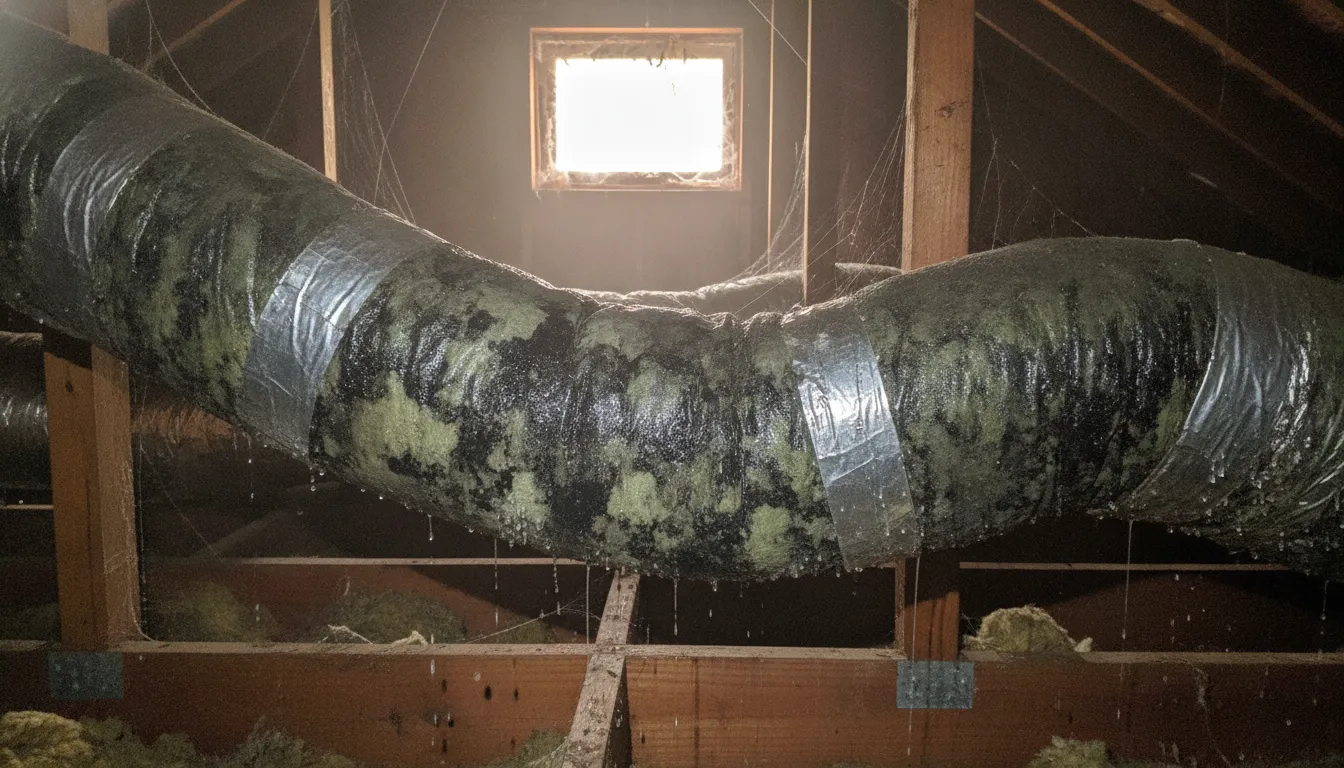
Your air conditioner should operate relatively quietly in the background. If you start hearing loud grinding, squealing, or banging sounds, it’s a major red flag. These noises often point to serious mechanical problems, like a failing motor or a broken belt. Similarly, strange odors are a cause for concern. A musty smell could indicate mold or mildew growth in your ductwork, while a burning smell might signal an electrical issue. Don't ignore these sensory warnings; they can indicate problems that need immediate attention from a professional offering emergency air conditioning services.
What Is the $5,000 Rule for HVAC Replacement?
When your air conditioner breaks down in the middle of a Florida summer, the last thing you want is to be stuck wondering whether to pay for a repair or invest in a whole new system. This is where the $5,000 rule can help. It’s a simple guideline to help you make a smart financial decision when you’re on the fence.
Here’s how it works: Take the age of your HVAC unit in years and multiply it by the estimated cost of the repair. If the total is more than $5,000, it’s generally a good idea to consider a replacement. For example, let’s say your AC is 12 years old and needs a $500 repair. The math would be 12 years x $500 = $6,000. Since that number is over $5,000, putting that money toward a new, reliable system is likely the better long-term investment. This rule isn't set in stone, but it provides a solid starting point for deciding between a quick fix and a lasting solution.
How to Use the Rule
The $5,000 rule is a great tool, but the number it gives you is just one piece of the puzzle. You should also consider a few other key factors. First, think about your system’s age. Most HVAC units last about 10 to 15 years, and in our hot and humid climate, they work extra hard. If your unit is getting up there in age, frequent air conditioning repair might just be the start of more problems. Also, consider its energy efficiency. An older model could be costing you a lot more on your monthly utility bills than a new, high-efficiency system would. If you find yourself constantly calling for repairs, those costs can add up fast, making a replacement a more sensible choice.
When to Apply This Guideline
This guideline is most helpful when your system starts showing clear signs of trouble. If you’re dealing with weak airflow, strange grinding or squealing noises, or air that just won’t get cold, it’s time to run the numbers. Other red flags include moisture or leaks around the unit and musty or burning smells coming from your vents. If your system is over 10 years old and you’re experiencing any of these issues, the $5,000 rule can help you weigh the cost of another repair against a full air conditioning installation and replacement. A new system is a big investment, so using this simple formula can bring clarity and confidence to your decision.
What Are the Main Types of HVAC Systems?
When you start looking at HVAC systems, you'll find a few common types, each with its own strengths. The right one for your home depends on factors like your home's size, whether you have existing ductwork, and your budget. Understanding the basics of each option will help you make a confident decision when it's time for an upgrade. Here’s a straightforward look at the main systems we install for homeowners in Southwest Florida.
Central Air Conditioning Systems
This is the system most of us picture when we think of AC. A central air conditioner cools your entire home by distributing air through a network of ducts. It uses an outdoor unit (the condenser) and an indoor unit (the evaporator coil) to pull heat and humidity out of your indoor air. These systems are highly effective for cooling the whole house evenly and are generally more efficient than window units. If you have a larger home with existing ductwork, installing a new central AC system is often the most practical and cost-effective choice for consistent comfort.
Heat Pumps
Heat pumps are a fantastic, all-in-one solution for Florida’s climate. They look and function just like a central air conditioner in the summer, efficiently cooling your home. But in the winter, they can reverse the process to provide heat. Instead of generating heat, they move it from the outside air into your home, which is an incredibly energy-efficient process. This dual capability makes them a versatile and popular option, perfect for handling our hot summers and mild winters without needing a separate furnace. You can learn more about how heat pumps work from the Department of Energy.
Ductless Mini-Split Systems
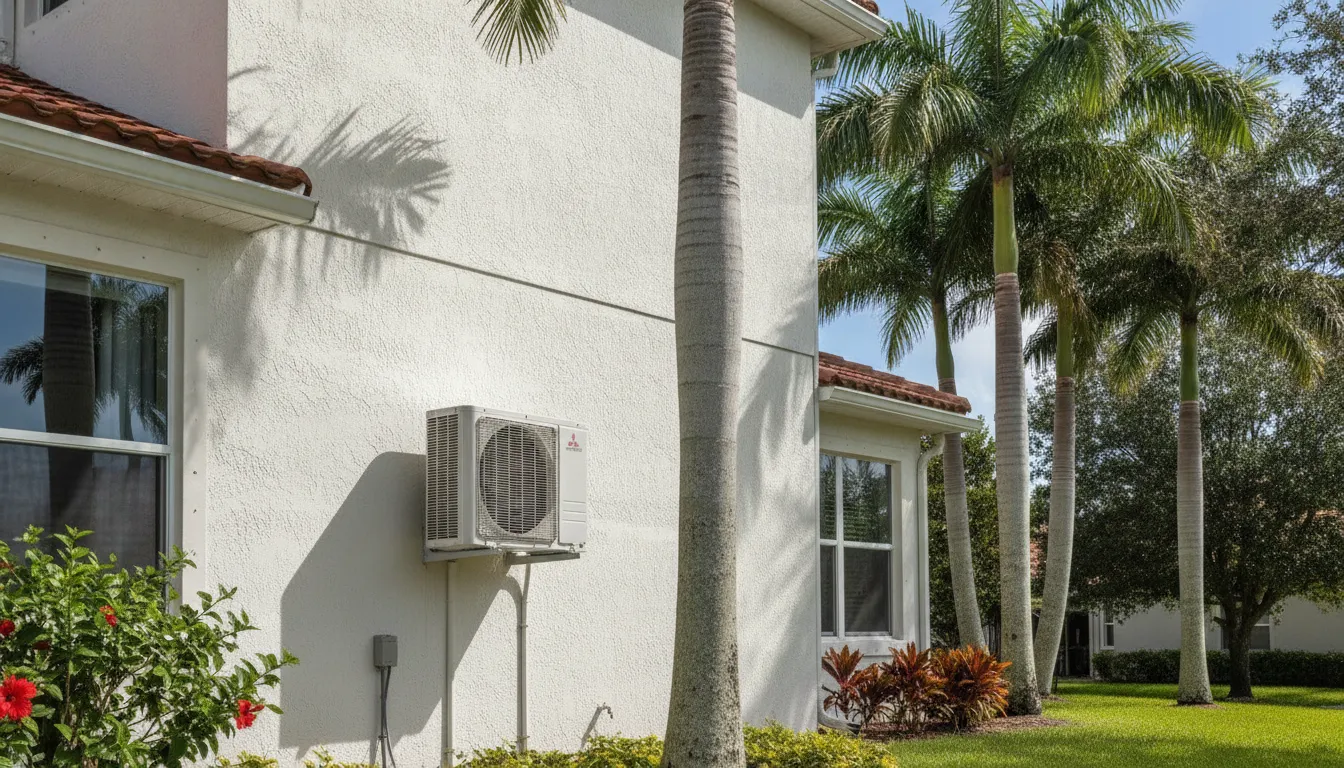
What if your home doesn't have ductwork, or you just want to cool a specific area like a garage, sunroom, or new addition? That’s where ductless mini-splits shine. These systems use an outdoor compressor connected to one or more indoor air-handling units mounted on the wall or ceiling. Each indoor unit can be controlled independently, allowing you to create different temperature zones throughout your house. This flexibility makes them a great solution for targeted cooling, and since there are no ducts, you don’t lose energy through leaks. They can also help you achieve better indoor air quality in specific rooms.
Gas Furnaces
While not as common in Florida, gas furnaces are a powerful heating option. They burn natural gas or propane to create heat, which is then distributed through your home's ductwork. Furnaces are known for producing strong, consistent heat very quickly, making them a go-to choice in colder climates. Here in Florida, they are typically part of a "split system," paired with a central air conditioner that handles all the cooling. If your home already has a gas line and you want a robust heating source for those occasional cold snaps, a gas furnace could be part of your ideal HVAC setup.
How Much Does a New HVAC System Cost?
Let’s talk about the number one question on every homeowner’s mind: the price. A new HVAC system is a significant investment in your home’s comfort and value, and the cost can range quite a bit depending on what you need. While the final price tag can seem daunting, understanding the different components that contribute to it can help you make a confident and informed decision. Think of it less as an expense and more as an upgrade to your daily life, especially here in the Florida heat.
Below, we’ll break down the typical costs by system type, explore the factors that influence the final price, and look at ways to make this important purchase more manageable for your budget.
Comparing Costs by System Type
The type of HVAC system you choose is the biggest factor in determining the overall cost. In Florida, central air conditioners and heat pumps are the most common choices for their excellent cooling capabilities. Here are some general price ranges to give you an idea of what to expect for a full system replacement, including the unit and installation.
- Central Air Conditioner: $3,000–$15,000
- Heat Pump: $6,000–$25,000
- Ductless Mini-Split: $2,000–$10,500
- Gas Furnace: $3,800–$12,000
Remember, these are just estimates. The final cost will depend on the brand, energy efficiency rating, and the specific needs of your home.
What Factors Influence Installation Costs?
The price on the sticker isn’t the whole story. Several other factors play a role in the total cost of your new system. The size and age of your home, the quality of your existing insulation, and your local climate all affect which unit is right for you. A larger home naturally requires a more powerful (and more expensive) system to cool it effectively.
The condition of your ductwork is another major consideration. If your ducts are old, leaky, or improperly sized, they may need repairs or replacement to ensure your new system runs efficiently. Finally, the quality of the air conditioning installation itself is critical. A top-of-the-line unit won’t perform well if it’s installed incorrectly, so choosing an experienced, licensed contractor is essential.
Exploring Financing and Payment Plans
A new HVAC system can be a planned upgrade or an unexpected emergency. Either way, the cost doesn't have to be a barrier to keeping your home comfortable. Many homeowners use flexible payment options to manage the expense. At 5 Star Air, we offer straightforward financing plans that allow you to get the system you need now and pay for it over time with manageable monthly payments.
Additionally, you might be able to lower the overall cost by choosing a high-efficiency model. ENERGY STAR® qualified units may be eligible for federal tax credits and local utility rebates, which can save you a significant amount of money. We can help you identify which systems qualify and make sure you get the best value for your investment.
How Do You Choose the Right HVAC System?
Picking a new HVAC system can feel like a huge decision, but it doesn't have to be complicated. When you know what to look for, you can confidently choose a unit that keeps your home comfortable and your energy bills in check. It really comes down to four key areas: energy efficiency, proper sizing, modern features, and the condition of your existing ductwork. Getting these right will set you up for years of reliable, cool comfort, which is something we all want here in Florida. By focusing on these elements, you can make a smart investment that pays off in both comfort and savings for years to come.
Understanding Energy Efficiency and SEER Ratings
Think of an energy efficiency rating as the miles-per-gallon sticker on a new car. For air conditioners, the most important rating is the SEER, or Seasonal Energy Efficiency Ratio. A higher SEER rating means the unit uses less energy to cool your home. While a higher-rated system might have a bigger price tag upfront, it can lead to real savings on your monthly utility bills. Given how much we run our ACs in Southwest Florida, opting for a more efficient system is one of the smartest investments you can make in your home. These systems often come with more advanced technology for better overall performance.
Why Proper System Sizing Matters
When it comes to HVAC systems, bigger isn't always better. The size of your unit needs to be just right for your home. A system that’s too large will turn on and off constantly, a process called short cycling. This is inefficient, puts extra wear on the components, and does a poor job of removing humidity from the air, leaving you feeling sticky and damp. On the other hand, a system that’s too small will run nonstop and struggle to keep your home cool on the hottest days. A professional air conditioning installation always starts with a proper load calculation to find the perfect size for your space.
Considering Smart Features and New Technology
Modern HVAC systems are packed with technology designed to make your life easier and more comfortable. One of the best advancements is variable-speed technology. Instead of just blasting on at full power, these systems can adjust their output to precisely match your home's cooling needs at any given moment. This results in more even temperatures and significant energy savings. Pairing your new system with a smart thermostat is another great move. These devices learn your schedule and preferences, automatically optimizing your system’s performance so you don’t have to think about it.
Should You Assess or Upgrade Your Ductwork?
Your ductwork is the highway that carries cool air throughout your home. If that highway is full of leaks, cracks, or blockages, even the most efficient HVAC system in the world can’t do its job properly. Before you install a new unit, it’s essential to have your ducts inspected. Leaky ducts can waste a surprising amount of cooled air and drive up your energy bills. In some cases, you may need simple sealing and repairs, while in others, a full duct sanitization and replacement might be the best option to ensure your new system performs at its peak.
The Perks of Upgrading Your HVAC System
Deciding to replace your HVAC system is a big step, but the benefits go far beyond simply having a working air conditioner. A modern system can completely change your home's comfort, air quality, and even your monthly budget. While the initial investment is a key consideration, think of it as an upgrade for your entire home and lifestyle. From saving money to breathing easier, a new HVAC system offers some serious advantages, especially here in the Florida climate.
Save Money with Lower Energy Bills
One of the most immediate benefits you'll notice is a drop in your energy bills. Newer HVAC systems are built to be far more energy-efficient than models from a decade ago. They use advanced technology to cool your home with significantly less electricity. This means you can stay comfortable during those long, hot Florida summers without dreading your monthly power bill. An efficient air conditioning installation not only pays for itself over time through these savings but also adds value to your home. It’s a smart financial move that keeps your family comfortable and your budget in check.
Enjoy Better Comfort and Cleaner Air
A new HVAC system does more than just cool your home; it creates a healthier living environment. Modern units offer superior humidity control, which makes a huge difference in Florida's sticky climate. You'll feel more comfortable at higher temperatures, saving even more energy. Plus, new systems come with advanced filtration that can capture dust, pollen, pet dander, and other allergens. If anyone in your family suffers from allergies or asthma, improving your indoor air quality can bring welcome relief. It’s about creating a space where you can truly relax and breathe easy.
Fewer Repairs and More Reliability
Are you tired of calling for AC repairs every summer? If you've been spending money on frequent fixes for an aging system, those costs can really add up. A full replacement brings peace of mind and reliability. Instead of worrying about your AC giving out during the hottest week of the year, you can count on consistent, quiet performance. A new system under warranty means you can stop budgeting for unexpected breakdowns and instead enjoy uninterrupted comfort. It’s an investment in dependability, saving you from the stress and expense of constant air conditioning repair.
A Greener Home with Modern Refrigerants
Upgrading your HVAC system is also a responsible choice for the environment. The Department of Energy has updated efficiency standards, and new systems are designed to meet these stricter requirements. They use modern refrigerants that are much kinder to the planet than the older types being phased out. By choosing a high-efficiency model, you reduce your home's carbon footprint and contribute to a healthier environment. It feels good to know that your comfortable home is also running on cleaner, more sustainable technology.
How to Choose the Right HVAC Contractor
Selecting the right HVAC system is only half the battle; choosing the right contractor to install it is just as important. The quality of the installation directly affects your new system's performance, efficiency, and lifespan. A great contractor ensures the job is done correctly, safely, and to code, giving you peace of mind. Finding a trustworthy professional means looking for someone with a proven track record of quality work and excellent customer service.
Your goal is to find a partner who will help you make the best investment for your home. This means looking beyond the price tag to consider their qualifications, transparency, and the guarantees they offer. Taking the time to vet your options will save you from headaches and costly repairs down the road. Here are the key steps to finding a contractor you can count on.
Check for Proper Licensing and Insurance
Before you dive into quotes and system models, your first step should always be to verify a contractor's credentials. A reputable HVAC company must be fully licensed and insured. This isn't just a formality; it's your protection. Licensing proves they have the training and knowledge required by the state, while insurance protects you from liability if an accident happens on your property during the installation. Don't hesitate to ask for proof. Any professional company will be happy to provide it. This simple check ensures you're working with a legitimate business that adheres to industry standards and prioritizes your safety.
Why You Should Get Multiple Quotes
It’s wise to get at least three written estimates from different local HVAC companies. This isn't just about finding the lowest price. Comparing quotes helps you understand the scope of work each contractor is proposing and what’s included in their price. A detailed estimate should break down the costs for the equipment, labor, and any additional materials. Be wary of quotes that are significantly lower than others, as they might signal subpar equipment or hidden costs. This process gives you a clearer picture of the market rate and helps you find a contractor who offers fair, honest pricing for high-quality work.
Know What's Covered: Warranties and Guarantees
A new HVAC system is a major investment, and a solid warranty is your safety net. Your new unit will come with a manufacturer's warranty that covers parts, but you should also ask about the contractor's labor warranty. This covers the installation itself. A confident contractor will stand behind their work with a guarantee. Make sure you get the warranty details in writing and understand what is covered and for how long. This protection saves you from unexpected repair costs and shows that the company is committed to a quality air conditioning installation and your long-term satisfaction.
What to Expect on Installation Day
Getting a new HVAC system is a big step, but the installation process doesn't have to be a mystery. Knowing what happens on the big day can make everything feel much smoother and less disruptive. At 5 Star Air, we believe in total transparency, so we want to walk you through exactly what our process looks like from start to finish. Here’s a breakdown of what you can expect when our team arrives to give your home the comfort upgrade it deserves.
The Pre-Installation Visit: What to Prepare
Before we even schedule your installation, one of our expert technicians will visit your home. This isn't just a quick look; it's a crucial first step. We'll assess your current system, check your ductwork, and talk with you about your specific comfort needs and any issues you've been having, like hot spots or high humidity. To get the most out of this visit, I suggest jotting down any questions you have beforehand. It’s also helpful to clear the area around your indoor and outdoor units so our technician can get a good look. This initial consultation ensures we recommend the perfect system for your home and that installation day goes off without a hitch.
A Look at the Installation Day Timeline
When installation day arrives, our professional team will get to work efficiently and respectfully. We always start by protecting your home, laying down drop cloths and wearing shoe covers to keep things clean. The first major step is carefully removing your old system. Once that’s done, we’ll begin the air conditioning installation of your new unit. The entire process typically takes a few hours to a full day, depending on the complexity of the job. We handle every detail, from electrical work to connecting the refrigerant lines, ensuring everything is done right the first time. Our goal is to make the transition as seamless as possible for you.
After Installation: Testing and Final Setup
Once your new system is in place, our job isn't over. We perform a series of rigorous tests to make sure everything is running perfectly and at peak efficiency. We’ll check airflow, test thermostat calibration, and inspect for any potential issues. After we’re satisfied that your new HVAC system is working flawlessly, we’ll walk you through how to use it. We’ll show you the features of your new thermostat and answer any questions you have. We also handle all the warranty registration for you. To keep your system in top shape for years to come, we can also talk about a regular air conditioning maintenance plan.
Common HVAC Replacement Mistakes to Avoid
Choosing a new HVAC system is a major home investment, and you want to get it right the first time. A great system can bring you years of comfort and energy savings, but a few common missteps can lead to frustration and wasted money. Let’s walk through some of the most frequent mistakes homeowners make so you can feel confident in your decision.
Picking the Wrong System Size
When it comes to HVAC systems, size is everything. It’s easy to think a smaller unit will save you money or a larger one will provide more power, but both assumptions can cause problems. A system that’s too small will constantly struggle to cool your home, running nonstop, driving up your energy bills, and wearing out prematurely. On the other hand, a unit that’s too large will cool your home in short, inefficient bursts. This "short-cycling" prevents the system from properly dehumidifying the air, leaving your home feeling cool but uncomfortably clammy, a common issue in Florida’s humid climate. A professional technician should perform a detailed load calculation to find the perfect size for your home’s specific needs.
Overlooking Your Ductwork's Condition
Your ductwork is the delivery system for all that comfortable, conditioned air. If your ducts are old, leaky, or improperly sized, even the most advanced HVAC unit won't perform well. Leaky ducts can lose up to 30% of your conditioned air to the attic or crawlspace, which means you’re paying to cool areas you don’t even use. It’s also important to consider the cleanliness of your ducts. Over time, they can accumulate dust, allergens, and other debris that gets circulated throughout your home. Before you invest in a new unit, have a professional inspect your ductwork. A proper duct sanitization or replacement might be necessary to get the most out of your new system.
Assuming Bigger Is Always Better
The idea that a bigger HVAC system will cool your home faster and more effectively is one of the most common misconceptions. In reality, an oversized system is inefficient and can even reduce your comfort. As we mentioned, it will cool the air so quickly that it shuts off before it has a chance to remove humidity. This leads to that sticky, damp feeling even when the thermostat says it’s cool. The constant starting and stopping also puts extra strain on the system’s components, which can lead to more frequent breakdowns and a shorter lifespan. The goal isn’t to find the most powerful unit, but the one that’s correctly sized to run efficiently and maintain a consistent, comfortable temperature.
Skipping Professional Installation
An HVAC replacement is not a weekend DIY project. Proper installation requires technical expertise, specialized tools, and a deep understanding of electrical systems, refrigerant lines, and airflow principles. An incorrect installation can lead to a whole host of issues, from poor performance and high energy bills to serious safety hazards. It can also void your new system’s warranty, leaving you on the hook for future repairs. To protect your investment and ensure your system runs safely and efficiently for years to come, always hire a team of fully licensed and insured technicians. A professional installation is the final, crucial step to guaranteeing your home’s comfort.
How to Maintain Your New HVAC System
Getting a new HVAC system is a fantastic upgrade for your home, but the work doesn't stop once it's installed. Think of it like a new car; it needs regular care to run smoothly for years to come. Consistent maintenance is the key to protecting your investment, ensuring your system operates at peak efficiency, and preventing surprise breakdowns, especially during a Florida heatwave.
A little proactive care goes a long way. By staying on top of a few simple tasks and scheduling professional check-ups, you can keep your energy bills low, your air quality high, and your home comfortable. It’s about creating simple habits that will save you money and stress down the road. Let’s walk through the essential steps to keep your new system in top-notch condition.
Create a Regular Maintenance Schedule
The single best thing you can do for your new HVAC system is to get it on a regular maintenance schedule. Just like you visit the doctor for an annual check-up, your HVAC system needs a professional tune-up to stay healthy. Scheduling a visit once or twice a year allows a technician to clean the components, check refrigerant levels, and catch small issues before they turn into costly repairs. This proactive approach ensures your system runs efficiently, which helps keep your energy bills in check. A consistent air conditioning maintenance plan is the easiest way to extend the life of your unit and maintain your peace of mind.
When and How to Replace Your Filters
Changing your air filter is a simple task you can do yourself, and it has a huge impact on your system’s performance and your home’s air quality. A clogged filter forces your HVAC unit to work harder, which increases energy consumption and can lead to system strain. As a general rule, check your filter every month and plan to replace it every 30 to 90 days. If you have pets, live in a dusty area, or have family members with allergies, you’ll want to change it more frequently. Improving your indoor air quality starts with this easy step, so set a recurring reminder on your phone to make it a habit.
Why Professional Service Is a Must
While changing filters is a great DIY task, it doesn’t replace the need for professional service. An experienced HVAC technician has the tools and training to perform a comprehensive inspection that goes far beyond what a homeowner can do. During a tune-up, they’ll clean coils, check electrical connections, and test system controls to ensure everything is working safely and efficiently. This is also crucial for keeping your manufacturer’s warranty valid. Having a trusted professional look at your system annually is the best way to ensure it runs reliably for its entire lifespan. If you ever notice a problem, it's always best to call for a professional air conditioning repair to get it fixed right.
Related Articles
- Benefits of Regular HVAC Maintenance
- 5 Signs Your AC Needs Repair
- How to Prepare Your HVAC for a Florida Summer
- HVAC Tips & Insights Blog - Expert Advice from 5 Star Air
- Duct Replacement Services
Frequently Asked Questions
Is it worth paying more for a higher SEER rating in Florida? Absolutely. Think of it this way: here in Florida, our air conditioners work overtime for most of the year. A higher SEER rating means the unit uses less electricity to do its job. While the initial cost might be higher, the monthly savings on your energy bill can be significant and add up quickly. Over the lifespan of the system, a high-efficiency unit often pays for the initial price difference and then some, making it a very smart financial choice for our climate.
My AC isn't that old, but it needs a major repair. Should I still consider replacing it? This is a tough spot to be in, and it happens more often than you'd think. Even if your system is under 10 years old, a major repair can be a sign of more problems to come. This is a great time to use the $5,000 rule we talked about. Multiply the system's age by the repair cost. If the number is over $5,000, replacement is often the wiser long-term investment. You're not just paying for a fix; you're investing in reliability and avoiding the stress of future breakdowns.
If I have a central AC and a furnace, do they need to be replaced at the same time? While you don't technically have to replace both at once, it's usually a good idea. Your AC and furnace are designed to work together as a matched system. The indoor unit (the furnace or air handler) and the outdoor unit (the AC condenser) are engineered for compatible efficiency and performance. Replacing only one half can create an unbalanced system, which can reduce efficiency, strain the components, and shorten the lifespan of both the old and new parts.
Will I be without air conditioning for a long time on installation day? This is a top concern for everyone in Florida, and we completely get it. A standard, straightforward installation typically takes a full day. Our professional team works as efficiently as possible to minimize your downtime. We handle the removal of the old unit and the complete installation of the new one in a single visit, so you can be back to enjoying a cool, comfortable home by the evening.
Besides financing, are there other ways to make a new system more affordable? Yes, there are. Choosing a high-efficiency system can open the door to savings beyond your monthly bill. Many ENERGY STAR® certified units qualify for federal tax credits or rebates from your local utility company. These incentives are designed to encourage homeowners to choose more energy-efficient models. We can help you identify which systems qualify for these programs to help lower the overall cost of your investment.