The Ultimate Split AC Maintenance Checklist (Free PDF)
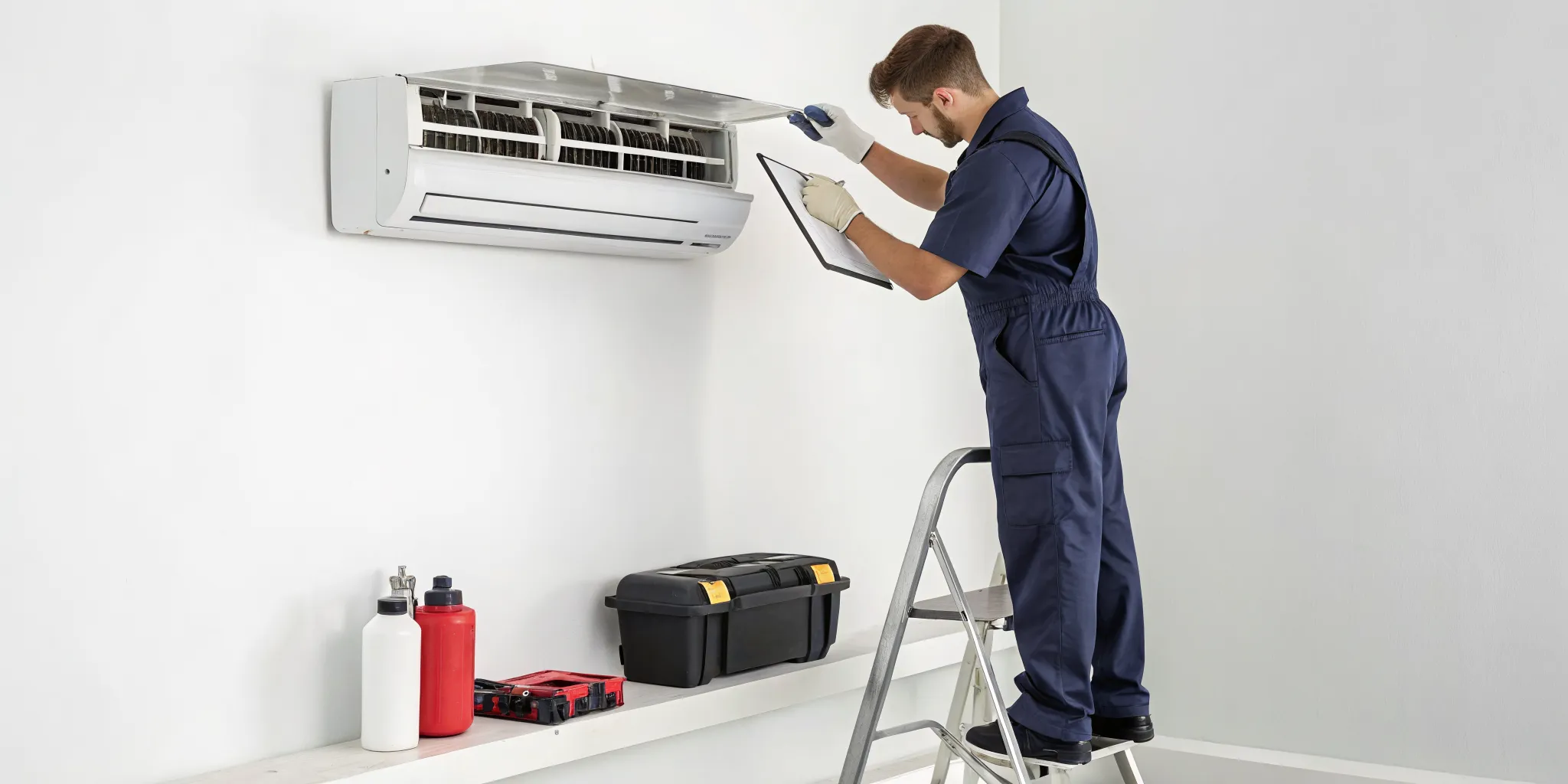
An air conditioner that suddenly stops working on a hot afternoon is a homeowner’s nightmare. The good news is that many of these breakdowns are preventable. Most major AC problems start as small, fixable issues that go unnoticed. By performing regular checks, you can spot warning signs early and address them before they lead to a system failure. This guide is all about putting you in control of your home’s comfort. We’ll explain the key maintenance tasks that extend the life of your unit and keep it running at peak performance. To help you build a solid routine, we’re also providing a free split ac maintenance checklist pdf to guide you through every step.
Key Takeaways
- Balance DIY care with professional service: You can easily handle monthly tasks like changing air filters and clearing debris from the outdoor unit, but an annual professional visit is essential for complex safety checks on electrical systems and refrigerant levels.
- Make maintenance a consistent habit: Sticking to a routine of monthly self-checks and at least one professional tune-up per year is the most effective way to improve efficiency, prevent costly repairs, and extend your system's lifespan.
- Act on warning signs immediately: Don't ignore issues like weak cooling, strange noises, or water leaks; addressing these problems early can prevent a minor issue from turning into a complete system breakdown during a Florida heatwave.
What is a Split AC Maintenance Checklist?
Think of a split AC maintenance checklist as a simple to-do list for your air conditioner. It’s a guide that walks you through the essential tasks needed to keep your system running efficiently and reliably, especially during those hot Florida months. A good checklist covers all the critical components of your system. This includes cleaning or replacing the air filters, wiping down the evaporator and condenser coils, and making sure the condensate drain is clear of any blockages.
Beyond the cleaning tasks, a thorough checklist also includes inspections. You’ll want to check refrigerant levels to spot potential leaks, tighten any loose electrical connections to prevent power issues, and listen for any unusual noises. The goal isn't to turn you into an HVAC technician overnight. Instead, it’s about empowering you to handle the small, routine tasks that prevent bigger problems down the road. Following a checklist helps you stay organized and ensures you don’t miss a step, which is key to extending the life of your AC and maintaining good indoor air quality.
The Benefits of Regular Maintenance
Sticking to a regular maintenance schedule does more than just tick a box on your home care list; it brings some real, tangible benefits. First and foremost, it keeps your home comfortable. A well-maintained AC unit cools more effectively and consistently, so you won't have to deal with unexpected warm spots or weak airflow. It also helps lower your energy bills. When your system is clean and running smoothly, it doesn't have to work as hard to cool your home, which means it uses less electricity. Keeping a simple log of your maintenance tasks also helps you track your system's performance over time, making it easier to spot when something isn't right.
How Preventive Care Saves You Money
Preventive care is one of the smartest financial decisions you can make as a homeowner. Many of the most expensive AC problems start as small, fixable issues that could have been caught during a routine check. For example, a clogged drain line is easy to clear, but if left alone, it can cause water damage that costs thousands to repair. By investing a little time and effort into regular air conditioning maintenance, you can avoid the stress and high cost of emergency breakdowns. This proactive approach not only reduces the need for expensive repairs but also helps your AC unit last longer, pushing back the date when you'll need a full system replacement.
Key Tasks for Your Split AC Maintenance Checklist
To keep your split AC system running smoothly, especially in the Florida heat, a little proactive care goes a long way. Think of this checklist as the foundation of your maintenance routine. These are the essential tasks that prevent small issues from turning into costly breakdowns. While some of these steps are simple enough to handle on your own, others require the keen eye and steady hand of a professional. Going through these key tasks regularly ensures your system operates efficiently, keeps your air clean, and extends the life of your unit.
Clean and Replace the Air Filter
This is one of the simplest yet most important things you can do for your AC. A dirty, clogged air filter forces your system to work much harder to pull in air, which wastes energy and reduces its cooling power. When airflow is restricted, dust and allergens can get pushed back into your home, affecting your indoor air quality. I recommend checking your filter every month. If you have pets or live in a particularly dusty area, you might need to clean or replace it more often. A clean filter is your first line of defense for an efficient and healthy AC system.
Clean the Evaporator and Condenser Coils
Your split AC has two sets of coils that are critical for the cooling process: the evaporator coil inside and the condenser coil outside. Over time, both collect dirt, dust, and grime. This buildup acts like a blanket, making it difficult for the coils to transfer heat effectively. The result? Your AC runs longer and works harder to cool your home, driving up your energy bills. While you can gently rinse the outdoor unit, a deep, proper cleaning is best left to a professional. Our air conditioning maintenance service includes a thorough coil cleaning to restore your system’s performance.
Check Refrigerant Levels for Leaks
Refrigerant is the lifeblood of your air conditioner; it’s what absorbs heat from your home. Your AC is designed as a closed system, so low refrigerant almost always means there’s a leak somewhere. Simply topping off the refrigerant without fixing the leak is a temporary fix that ignores the real problem. A trained technician can accurately check the refrigerant levels and use specialized tools to find and seal any leaks. If your AC isn’t cooling like it used to, it’s a good idea to schedule a professional air conditioning repair to get it checked out.
Inspect Electrical Components
Your AC system has a complex network of electrical connections and components that control its operation. Over time, wires can loosen, corrode, or fray, creating a serious safety hazard and causing system failure. During a maintenance check, a technician will inspect all the electrical connections, tighten them as needed, and check capacitors and contactors for wear and tear. This is definitely not a DIY job. Handling electrical components without proper training is dangerous, so please leave this critical safety check to a licensed and insured professional from a team like ours at 5 Star Air.
Flush the Condensate Drain Line
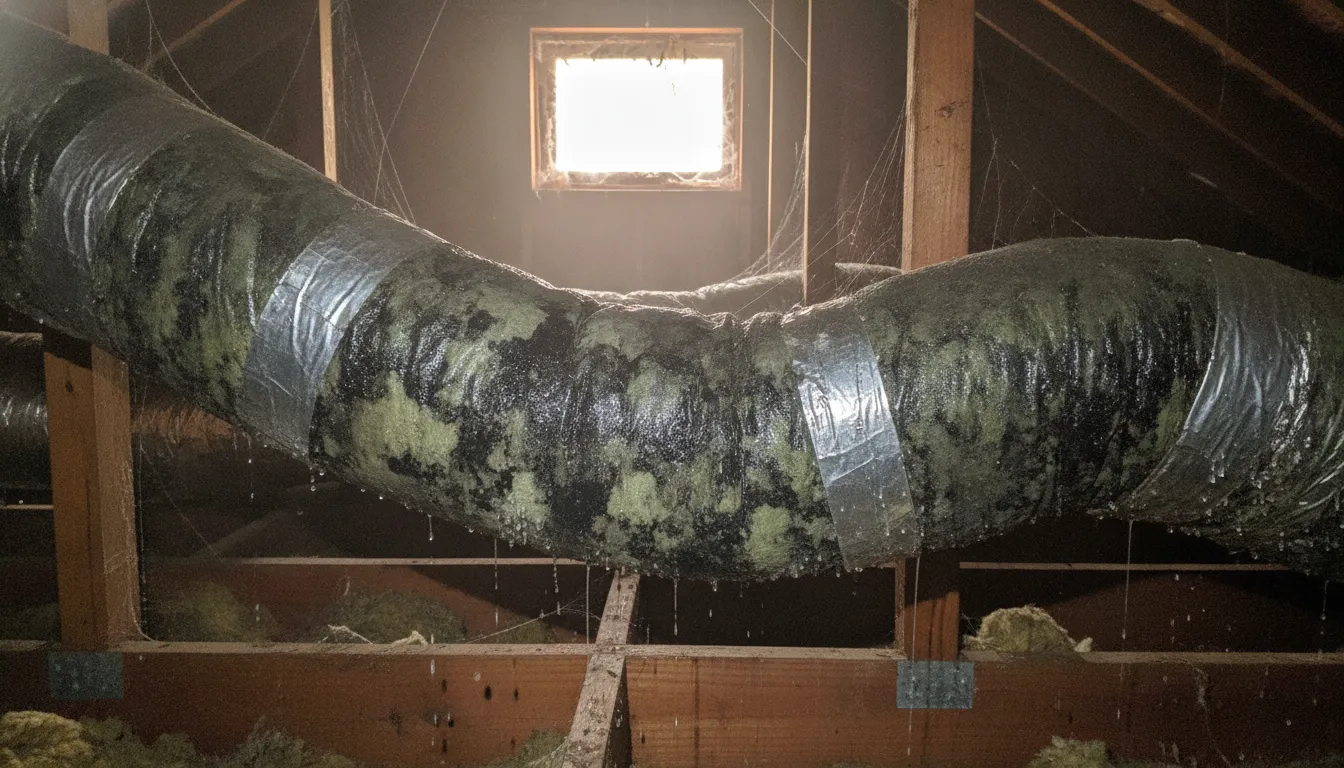
Your AC doesn't just cool the air; it also removes humidity. That moisture is collected and funneled outside through a condensate drain line. Here in humid Florida, it’s easy for that line to get clogged with algae, mold, and sludge. When a clog happens, the water has nowhere to go and can back up, causing water damage to your walls, ceilings, and floors. Flushing the drain line every few months can help prevent these clogs. While you can pour a bleach and water solution down the line yourself, a professional can perform a more powerful flush to clear out any stubborn blockages.
How Often Should You Perform Split AC Maintenance?
Keeping your split AC system running smoothly isn't a once-a-year task. It requires a consistent rhythm of care. Think of it like this: some tasks are simple enough for you to handle monthly, while others need a professional's touch once or twice a year. Here in Florida, our air conditioners work overtime, making a regular maintenance schedule even more important for preventing unexpected breakdowns and keeping energy bills in check.
A balanced approach combines your own efforts with expert oversight. By staying on top of the small things, you help your system operate more efficiently day-to-day. Then, a professional can come in to handle the more complex checks that ensure your system’s long-term health and safety. This combination is the key to getting the most out of your investment and enjoying reliable, cool air when you need it most.
Simple Monthly DIY Tasks
You don’t need to be an HVAC expert to handle a few key maintenance tasks each month. The most important one is cleaning or replacing your mini split’s air filters. When filters get clogged with dust and debris, they force your system to work much harder to pull in air. This wastes energy and can strain the components. A clean filter not only helps with efficiency but also contributes to better indoor air quality for your home. You should also take a look at the indoor and outdoor coils and gently clean away any visible dirt or dust to help maintain proper airflow.
When to Schedule Professional Service
While monthly self-checks are great, you should schedule professional air conditioning maintenance at least once a year. A trained technician can perform a thorough inspection that goes far beyond a simple filter change. They will check refrigerant levels for potential leaks, inspect all electrical components to prevent failures, and perform a deep cleaning of parts you can’t easily reach. This annual tune-up is your best defense against major problems down the road. For systems that run almost constantly in the Florida heat, you might even consider a check-up every six months to ensure peak performance year-round.
Warning Signs Your Split AC Needs Attention
Even with the most diligent maintenance schedule, your split AC system can sometimes run into trouble. Think of these warning signs as your air conditioner’s way of telling you it needs a little extra help. Paying attention to subtle changes in its performance can save you from a full-blown breakdown, especially during a hot Florida summer. When you notice something is off, it’s always better to investigate sooner rather than later.
Most issues fall into a few key categories: a drop in cooling power, strange sounds, unexpected water, or a sudden jump in your energy bills. Some of these problems have simple fixes you can handle yourself, like cleaning a dirty filter. Others are clear signals that it’s time to call in a professional. Knowing how to tell the difference is key to keeping your system running smoothly and avoiding costly repairs down the road. Let’s walk through the most common signs that your split AC needs attention.
Poor Performance and Odd Noises
One of the most obvious signs of trouble is when your AC just isn’t cooling your home like it used to. Before you panic, check for the simple culprits. A dirty air filter is a common cause of reduced airflow and poor performance. Make sure your filter is clean and that the area around your outdoor unit is clear of leaves, branches, or other debris.
If those simple checks don’t solve the problem, listen closely. New or unusual sounds like grinding, squealing, or clanking are definite red flags. These noises often point to a mechanical issue, such as a problem with the motor or a loose part. Don’t ignore them. Turning off the unit and calling for professional AC repair can prevent a small issue from becoming a major failure.
Water Leaks and High Energy Bills
Have you noticed water pooling around your indoor or outdoor unit? That’s a sign you shouldn’t ignore. It could be caused by a clogged condensate drain line, which is a relatively simple fix. However, it can also indicate a more serious problem, like a refrigerant leak. According to the Department of Energy, incorrect refrigerant levels can seriously impair your system's efficiency.
Another subtle but important warning sign is a sudden, unexplained increase in your electricity bill. If your usage habits haven’t changed, a higher bill often means your AC is working harder to cool your home. This inefficiency can stem from low refrigerant, dirty coils, or an aging component. A professional maintenance check can identify the root cause and get your system back to peak performance.
Your Step-by-Step Maintenance Guide
Ready to get hands-on? A consistent maintenance routine is the best way to keep your split AC running smoothly. While some tasks require a professional, there are several simple steps you can take to support your system's health. This guide breaks down the process for both your indoor and outdoor units. Remember, safety is the top priority, so we’ll cover that, too. If you ever feel unsure about a step, it's always best to contact us for help.
How to Maintain the Indoor Unit
Your indoor unit circulates cool air, so keeping it clean is key. Start by checking the air filter. A dirty filter restricts airflow, making your system work harder and driving up energy bills. Clean or replace it monthly. Next, look at the condensate drain pan to ensure it’s draining properly and isn't clogged. You can also visually inspect the fan and coils for obvious dust. While a deep clean of these parts is best left to a professional during a scheduled air conditioning maintenance visit, keeping the filter clean is a simple step that makes a huge difference.
How to Care for the Outdoor Unit
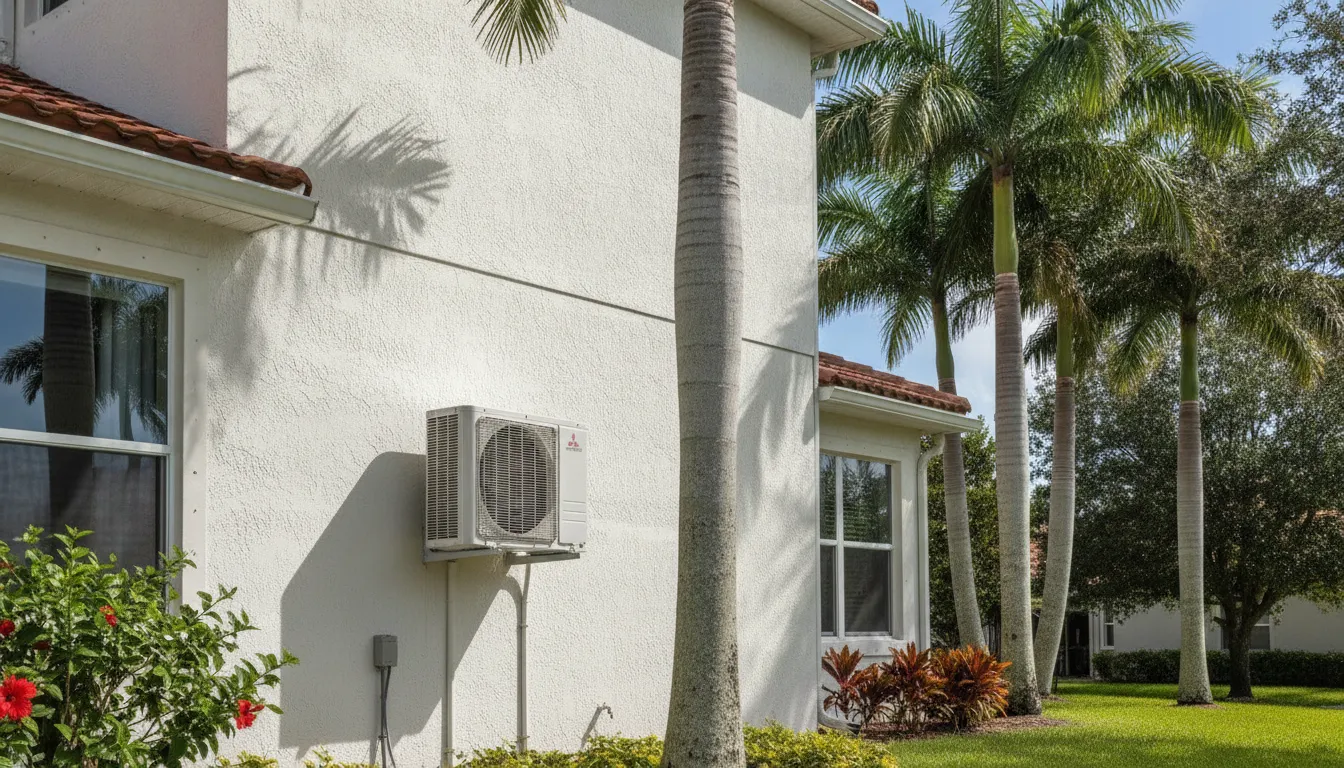
The outdoor condenser releases heat from your home, and it needs breathing room to work well. Make it a habit to clear away any leaves, grass clippings, or debris from around the unit. Aim for at least two feet of clear space on all sides for proper airflow. You can also gently rinse the outer fins with a garden hose to wash away dirt. Just use a light spray to avoid bending the delicate fins. If you notice any damage or hear unusual noises while it's running, it might be time for an air conditioning repair.
Important Safety Precautions
Before you touch any part of your AC system, your first step is to turn off the power. Go to your home’s breaker box and flip the switch that controls your air conditioner to prevent electrical shock. Once the power is off, you can perform visual inspections. Look for any loose electrical connections or frayed wires. If you see anything that looks worn, corroded, or out of place, stop immediately. Electrical issues are not a DIY fix. For your safety, call for emergency air conditioning services and let a licensed technician handle it.
DIY vs. Professional AC Maintenance
A healthy split AC system thrives on a partnership: the simple tasks you handle regularly and the expert care a professional provides. Knowing the difference between a DIY job and a call to the pros is key to keeping your system running efficiently without risking costly mistakes. Some maintenance is straightforward and essential for day-to-day performance, while other tasks require specialized tools and knowledge to be done safely and correctly. Think of it like this: you can keep your car clean and check the tire pressure, but you leave the engine diagnostics to a mechanic. Let's break down what you can tackle yourself and when it's time to call us.
What You Can Do Yourself
Taking an active role in your AC's upkeep can make a huge difference in its performance and lifespan. Your main job is to focus on cleanliness and airflow. Start by cleaning or replacing your mini split's air filters every month. Dirty filters not only restrict airflow, forcing your system to work harder, but they also impact your home's indoor air quality. You should also keep the outdoor unit clear of leaves and debris. Finally, take a peek at the condensate drain line to make sure it’s not clogged, which helps prevent water leaks and mold growth. These simple steps are your first line of defense.
When to Call the 5 Star Air Professionals
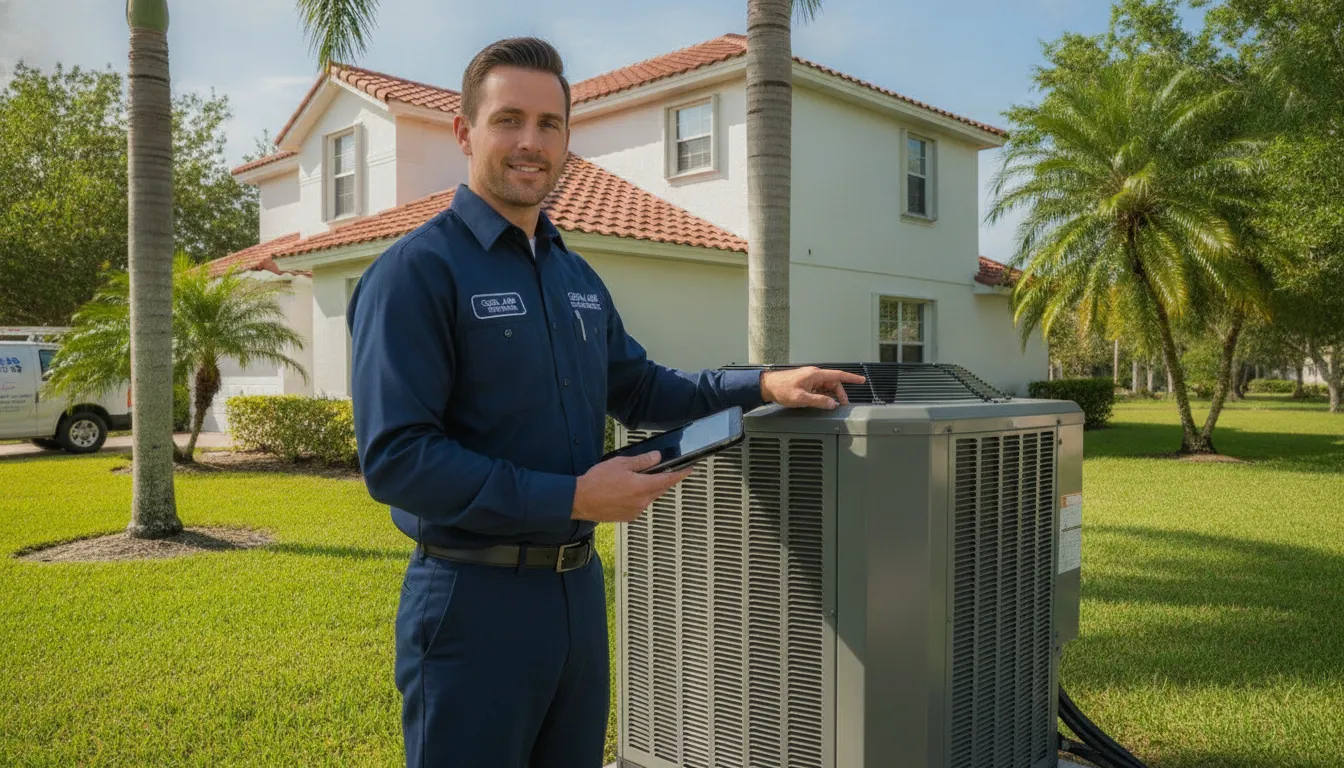
While DIY tasks are great, an annual professional tune-up is non-negotiable for your AC's long-term health. Our technicians have the tools and training to handle the complex parts of your system. We perform a deep clean of the coils, check for refrigerant leaks, and inspect all electrical components to ensure they’re safe and functioning correctly. This is especially important if your system is over 10 years old. Trying to handle these tasks yourself can lead to poor performance or even serious damage. A yearly air conditioning maintenance visit from our team ensures your system runs efficiently and catches small issues before they become big, expensive problems.
Common Maintenance Mistakes to Avoid
Taking care of your split AC system is a lot like taking care of your car. If you ignore the small things, they eventually turn into big, expensive problems. Many common AC issues stem from simple oversights that are easy to prevent. One of the most frequent mistakes is forgetting about the air filter. A dirty, clogged filter forces your system to work much harder to pull in air, which drives up your energy bill and can cause the indoor coils to freeze over.
Another common misstep is neglecting the outdoor unit. It’s easy to forget about it, but leaves, grass clippings, and dirt can pile up and block airflow. When the condenser can't release heat effectively, your system can’t cool your home properly and may even overheat. While some tasks are perfect for homeowners, others require a professional touch. Trying to handle things like refrigerant levels on your own can cause serious damage. Too little or too much refrigerant can ruin the compressor, which is the heart of your AC system. Avoiding these simple mistakes will keep your system running smoothly and save you from needing a costly air conditioning repair.
Don't Skip These Important Tasks
To keep your split AC in top shape, there are a few non-negotiable tasks. Think of these as the foundation of good AC care. First and foremost is regularly cleaning or replacing your air filters. This simple step has the biggest impact on your system's efficiency and longevity. Next, make a habit of checking your outdoor unit. A quick inspection to clear away any leaves, branches, or debris will ensure it can breathe easily. Finally, don’t skip your professional tune-up. A trained technician can spot hidden issues like small refrigerant leaks or worn electrical components before they lead to a complete system breakdown. These proactive steps are your best defense against unexpected AC failures.
Getting the Timing and Frequency Right
Knowing what to do is only half the battle; knowing when to do it is just as important. For the best results, plan on checking your air filter once a month. Here in Florida, where our ACs work overtime, you’ll likely need to replace it every 30 to 45 days during the heavy-use summer months. At least twice a year, ideally in the spring and fall, you should schedule a professional air conditioning maintenance visit. This allows a technician to perform a thorough cleaning and inspection to prepare your system for the demanding season ahead. A consistent schedule makes maintenance manageable and ensures your AC is always ready to keep you cool and comfortable.
Why Use a PDF Checklist?
Let's be honest, remembering every little task for your AC unit can feel like a chore, especially when you have a million other things on your plate. A checklist simplifies everything. Think of it as your personal guide to keeping your split AC in top shape, taking all the guesswork out of the equation. Instead of wondering, "What was I supposed to check this month?" you have a clear, step-by-step plan right in front of you. This simple tool empowers you to be proactive about your home's comfort system, giving you peace of mind.
Using a checklist helps you stay consistent, which is the secret to a long-lasting and efficient air conditioner. It turns a potentially overwhelming job into a series of simple, manageable tasks. This small organizational tool can make a huge difference in your home's comfort and your energy bills, especially when that Florida humidity kicks in. It also helps you understand what goes into proper air conditioning maintenance, so you know exactly what to look for. By following a structured guide, you're not just ticking boxes; you're actively preventing small issues from turning into costly breakdowns that require an emergency call. It's about creating a routine that protects your investment and keeps your home cool and comfortable year-round.
Easy Access and Simple Record-Keeping
One of the best things about a PDF checklist is its convenience. You can print it out and stick it on your utility closet door, or just save it to your phone or tablet. This way, it’s always right where you need it, when you need it. No more searching for instructions online every time you need to change a filter. Beyond easy access, the checklist serves as a simple maintenance log. Just jot down the date each time you complete the tasks. This record helps you track your AC’s service history, which is incredibly useful for spotting patterns or remembering when a specific part was last checked.
A More Organized Approach to Maintenance
A checklist brings a structured, systematic approach to your AC care routine. It guides you through a thorough inspection, ensuring no critical component is overlooked. From cleaning the coils to checking the drain line, each step is laid out so you can be confident you’ve covered all your bases. This organized method directly translates to better performance and efficiency for your unit. When you consistently care for every part of the system, it runs more smoothly and uses less energy. More importantly, this proactive approach helps you catch minor issues before they escalate into major, expensive problems that might require an emergency AC service call on the hottest day of the year.
Download Your Free Split AC Maintenance Checklist
Keeping your split AC unit in top shape shouldn't feel like a chore. To make it easier, we’ve created a straightforward maintenance checklist you can download for free. Think of it as your personal guide to a happy, healthy air conditioner. This simple tool walks you through the essential checks that keep your system running efficiently, helping you catch small issues before they turn into expensive, middle-of-the-summer emergencies. A little proactive care goes a long way, especially here in Florida where our ACs work overtime to keep us comfortable.
Our checklist is designed specifically for homeowners, breaking down tasks into simple, manageable steps. You don’t need to be an HVAC expert to use it. Following along will help you maintain consistent airflow, improve your home's air quality, and keep your energy bills from creeping up. It’s all about giving you the confidence to handle the basics yourself. When you’re ready to get started, you can grab your free copy. Taking just a few minutes each month for some basic air conditioning maintenance can save you a lot of sweat and stress down the road, ensuring your home stays the cool oasis it should be. It's the simplest way to protect your investment and guarantee comfort year-round.
How to Use Your Checklist Effectively
The best way to use this checklist is to make it part of your monthly routine. Just pick a day, maybe the first Saturday of the month, and spend a few minutes walking through the points. It’s designed to be a quick but thorough inspection. You’ll be looking at key areas like the air filter, the drain line, and the outdoor unit to ensure everything is clean and clear of debris. The goal is consistency. By checking on your system regularly, you’ll become familiar with how it normally looks and sounds, making it easier to spot when something is off. This simple habit is one of the most effective ways to extend the life of your AC.
Create Your Personal Maintenance Schedule
While monthly self-checks are great, your AC also needs a little extra attention a couple of times a year. We recommend setting a reminder on your calendar to perform the more detailed tasks on the checklist every six months, ideally in the spring and fall. This prepares your system for the heavy demands of summer and helps it recover afterward. For your annual deep clean and professional tune-up, it’s best to schedule a visit from a certified technician. Keeping a simple log of your maintenance dates and any notes will help you track your AC’s performance and ensure you never miss an important service appointment with the 5 Star Air professionals.
Related Articles
- 5 Signs Your AC Needs Repair
- Benefits of Regular HVAC Maintenance
- AC Repair Services
- Maintenance Services
- AC Services
Frequently Asked Questions
How much time should I set aside for the monthly DIY tasks? Honestly, not much at all. Once you get the hang of it, the basic monthly checks should only take about 15 to 20 minutes. The main task is cleaning or replacing the air filter, which is usually quick. A visual inspection of the indoor and outdoor units to make sure they are clean and clear of debris only takes a few moments. Think of it as a small investment of time that pays off big in efficiency and preventing future problems.
Is an annual professional tune-up really necessary if my AC seems to be working fine? Yes, I absolutely recommend it. Many serious AC problems, like small refrigerant leaks or wearing electrical parts, don't show obvious symptoms until they cause a major failure. A professional technician can spot these hidden issues during a tune-up. Think of it like a regular check-up at the doctor; it's about catching things early to ensure long-term health and avoid a costly emergency down the road.
What's the most critical maintenance task I should focus on if I can only do one thing? If you only have time for one thing, make it the air filter. A clean filter is the single most important factor for your AC's efficiency and longevity. A clogged filter restricts airflow, forcing the entire system to work harder, which wastes energy and puts unnecessary strain on its components. Checking it monthly is the simplest, most effective step you can take.
Can I clean the AC coils myself with a household cleaner? I would advise against using standard household cleaners on your AC coils. The coils are made of soft metal fins that can be easily damaged or corroded by harsh chemicals. It's best to use a foaming coil cleaner specifically designed for HVAC systems or simply use a gentle spray of water on the outdoor unit. For a deep, safe clean of the indoor evaporator coils, it's always best to let a professional handle it.
My AC is making a strange noise, but it's still cooling. Should I wait to call for a repair? No, you should never ignore strange noises. Sounds like grinding, squealing, or clanking are your system's way of telling you something is wrong internally, like a failing motor or a loose part. Even if it's still cooling, continuing to run the unit could turn a minor issue into a catastrophic failure. It's much safer and more affordable to turn the system off and call for a professional inspection right away.