A Homeowner's Guide to Split Level Ductwork
Think of your home’s HVAC system as its circulatory system. The AC unit is the heart, and the ducts are the arteries carrying conditioned air to every room. In a standard single-story home, this network is fairly straightforward. But in a split-level, it’s a more complex web that has to navigate multiple, staggered floors. If these pathways are poorly designed, leaky, or improperly sized, some parts of your home simply won’t get the airflow they need, leading to hot and cold spots. This is why a specialized approach to split level ductwork is so critical for your home’s overall health and comfort.
Key Takeaways
- A Custom HVAC Design Solves Uneven Temperatures: To keep every floor comfortable, your split-level home needs a tailored HVAC solution. A professional plan that accounts for your home's unique layout is the only way to get consistent comfort across staggered floors, whether through smart ductwork or a zoned system.
- Your Existing Ducts Must Be Ready for a New AC: A new, high-efficiency air conditioner can't perform well if it's connected to leaky or improperly sized ducts. A professional evaluation is a critical first step to ensure your ductwork can support your new system and deliver the efficiency you're paying for.
- No Ducts Doesn't Mean No Central Air: If your home lacks ductwork, you still have great options for whole-home comfort. Modern solutions like ductless mini-splits are highly efficient and can be more affordable than installing a brand-new duct system from the ground up.
What Is Split-Level Ductwork?
If you live in a split-level home, you already know its unique layout creates a lot of character. That staggered design also presents a special challenge for heating and cooling. Split-level ductwork isn’t a different type of material; it’s the strategic design and installation of air ducts made to effectively move air across multiple, staggered floors. Most of these homes use a split HVAC system, which has two main parts: an outdoor unit and an indoor unit. These two are connected, and the ductwork is the network of pathways that delivers conditioned air from the indoor unit to every room in your home. Getting this network right is the key to consistent comfort on every level.
The Unique Challenge of Split-Level Homes
The staggered floors and open stairways in split-level homes make it easy for air to move between levels, but not always in the way you want. Heat naturally rises, leaving lower levels chilly, while cool air sinks, making upper floors feel stuffy. If your ductwork isn't designed to counteract this, you end up with uneven temperatures and an overworked HVAC system. The efficiency of your entire AC system depends heavily on the condition and design of your ducts. Poorly planned or leaky ductwork can lead to significant energy loss, forcing your system to run longer and driving up your utility bills.
How It Differs from Traditional Ductwork
In a single-story home, the ductwork layout is usually straightforward, often running through an attic or crawlspace in a simple, linear path. Split-level homes require a more complex design. The ductwork has to travel vertically between floors and be carefully planned to deliver balanced airflow to rooms at different elevations. This involves more intricate runs and precise sizing to ensure air pressure is consistent throughout the system. This complexity is also why ductless mini-split systems, which cool individual rooms without needing any ducts, have become a popular alternative for these types of homes.
Designing for Airflow Across Multiple Levels
Creating an effective ductwork system for a split-level home is both an art and a science. A professional design focuses on smooth, efficient airflow, which means avoiding sharp bends or long, winding runs that can restrict air movement. To get it right, experienced technicians use a formal process called a "Manual D calculation" to determine the exact size your ducts need to be based on your home's specific layout and your AC unit's capacity. A proper air conditioning installation involves mapping out the entire duct system to ensure each run is as direct as possible, delivering consistent comfort to every corner of your home.
How Does Split-Level Ductwork Work?
Getting your split-level home to feel comfortable on every floor comes down to smart ductwork design. The main goal is to create a system that efficiently moves conditioned air from your central HVAC unit to all the different living areas, overcoming the challenges of multiple levels and short staircases. A well-designed system ensures that the air is distributed evenly, so you don't have a stuffy upstairs and a chilly downstairs.
It’s a bit of an engineering puzzle. The ductwork has to be routed through tight spaces, between floors, and around structural elements without compromising airflow. When done right, the system works quietly and effectively in the background, delivering consistent comfort. When it’s not, you’ll definitely notice the hot and cold spots. That’s why professional planning is so important; it lays the foundation for an efficient and effective heating and cooling system for the unique layout of your home.
Moving Air Between Floors
The primary job of your ductwork is to act as a highway for conditioned air. In a split-level home, this highway has multiple exits on different levels. The system relies on a network of ducts, often hidden in walls, ceilings, and crawl spaces, to connect your HVAC unit to every room. The challenge is that poorly designed or low-quality ducts can lead to inefficient air distribution. This is especially true in a split-level home where air has to travel both vertically and horizontally. A professional air conditioning installation ensures the ducts are properly sized and laid out to maintain strong, balanced airflow, preventing pressure drops that leave some rooms without enough cool air.
Using Zone Control to Manage Temperatures
One of the best ways to manage comfort across different levels is with a zoned system. Zoning divides your home into different areas, each controlled by its own thermostat. This allows you to set different temperatures for your upstairs bedrooms and your downstairs living area, for example. For homes with existing ductwork, this is done by installing dampers that open and close to direct airflow. Alternatively, ductless mini-splits are a fantastic solution. A key benefit of mini-split systems is that you can adjust for individual temperature needs in hard-to-regulate rooms, giving you precise control over your home’s indoor air quality and comfort.
Solving Common Airflow Issues
Even the best-designed systems can run into problems. The most common issues in split-level ductwork are leaks, poor insulation, and blockages. Air duct leaks can slash your HVAC system’s efficiency by up to 20%, forcing it to work harder and driving up your energy bills. That’s why proper sealing during installation is a step that can pay for itself in energy savings. Over time, ducts can also accumulate dust and debris, restricting airflow. Regular air conditioning maintenance is the best way to catch these problems early, ensuring your ducts are clean, sealed, and delivering cool air exactly where you need it.
Pros and Cons of Split-Level Ductwork
Deciding on the right HVAC system for a split-level home means weighing the good against the not-so-good. While a well-designed ductwork system can keep every floor comfortable, there are a few trade-offs to consider. Understanding these points will help you have a more productive conversation with your HVAC technician and make a choice that fits your home and budget perfectly. It’s all about finding the right balance between upfront investment, long-term savings, and overall comfort for your family.
The Upside: Key Advantages
One of the biggest wins for a split system is its energy efficiency. Modern units can be incredibly effective at cooling your home without sending your utility bills through the roof. Because the system is divided, with separate indoor and outdoor components, you get more flexibility in how it’s set up. This allows for zoning, which means you can cool different areas or levels of your home independently. So, if you spend most of your time downstairs during the day, you don’t have to waste energy cooling empty upstairs bedrooms. This level of control not only saves money but also lets you customize your home’s climate for maximum comfort.
The Downside: Potential Drawbacks
The main drawback is the initial installation cost. Because you’re dealing with two separate units and potentially complex ductwork runs, the upfront price can be higher than for a simpler, single-level system. You also need to think about space. The outdoor condenser unit requires a dedicated spot in your yard, which could be a challenge for homes with limited outdoor space. Finally, there’s the noise factor. While modern units are quieter than ever, an improperly maintained outdoor unit can become noisy, which is something to consider if it’s placed near a bedroom window or patio. Regular air conditioning maintenance helps keep it running quietly and efficiently.
Factoring in Costs and Energy Efficiency
The cost to install a new system in a split-level home can vary widely, with homeowners reporting everything from a few thousand dollars to tens of thousands. It all depends on your home’s size, layout, and the state of any existing ductwork. It’s also important to remember that even the best system can lose its edge if the ducts aren't right. Leaky or poorly insulated ductwork can waste a significant amount of the cool air your AC produces before it ever reaches your rooms. That’s why a professional AC installation is so critical. It ensures your ducts are sealed tight and your system operates at peak efficiency from day one.
Can You Use Existing Ducts for a New AC?
It’s one of the first questions homeowners ask when considering an AC upgrade: can I just use the ducts I already have? The short answer is yes, it’s often possible. Reusing your existing ductwork can save you a significant amount of money and hassle compared to a full replacement. However, it’s not a simple plug-and-play situation. The success of this approach depends entirely on the condition, size, and design of your current duct system.
A new, high-efficiency air conditioner needs the right ductwork to perform at its best. If your ducts are old, leaky, or improperly sized for the new unit, you could end up with poor airflow, hot spots, and higher energy bills, completely defeating the purpose of your upgrade. Before you move forward, it’s essential to have a clear understanding of what your system is working with. A professional evaluation is the best way to determine if your ducts are ready for a new air conditioning installation. This step ensures your new system runs efficiently from day one.
How to Evaluate Your Current Ductwork
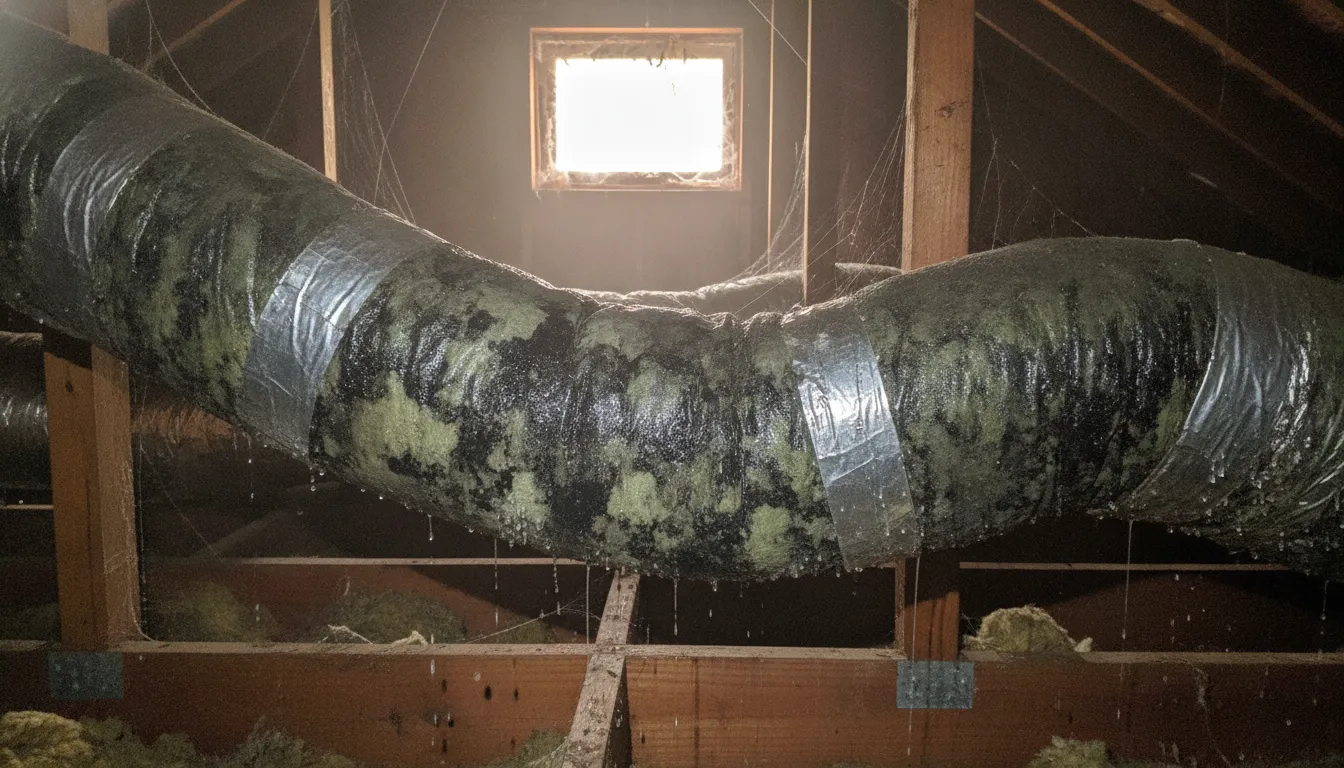
Think of your ductwork as the circulatory system of your home’s HVAC. If it’s not in good shape, the whole system suffers. A thorough evaluation will tell you if your ducts are up to the task. A technician will inspect for several key things: leaks, which can waste a huge amount of cooled air; poor insulation, a common issue in older Florida homes that leads to energy loss; and any signs of mold or excessive dust, which can impact your home’s air quality. They’ll also check for crushed or disconnected sections that restrict airflow. A proper assessment gives you a clear path forward, whether that’s a simple cleaning, minor repairs, or a recommendation for replacement. Getting your ducts professionally cleaned and sanitized is also a great step to take before installing a new system.
Sizing and Modifying Ducts for a New System
Proper sizing is everything when it comes to ductwork. A new air conditioner is chosen based on a "load calculation," which determines the exact amount of cooling your home needs. Your existing ducts must be able to handle the airflow from this new unit. If your ducts are too small, they can choke the system, causing it to work harder, make more noise, and wear out faster. If they’re too large, the airflow might be too weak to reach every room effectively. In many cases, some modifications are needed to make things work. This could involve sealing joints, replacing damaged sections, or even adding new ducts to improve airflow to a specific area. An experienced technician can identify these issues and ensure your ductwork is a perfect match for your new AC replacement.
Navigating Installation and Space Issues
Once you’ve confirmed your ducts are in good shape and properly sized, the final piece of the puzzle is the installation itself. The placement of both the indoor air handler and the outdoor condenser is critical for efficiency. A technician will find the best spots to maximize airflow and minimize noise. In split-level homes, this can sometimes be tricky due to tight spaces in closets, attics, or crawlspaces where the equipment and ducts are located. An experienced installer knows how to work within these constraints to ensure a clean and effective setup. Planning for these potential challenges helps the installation go smoothly and ensures you get the performance you expect from your new system. If you’re ready for a professional opinion, you can schedule an assessment to get started.
What If Your Home Has No Ductwork?
If you own an older home, a historic property, or a house with a unique layout like a converted garage, you might not have any ductwork. Don't worry, you aren't destined for a life of window units and portable fans. Modern HVAC technology offers fantastic, efficient solutions for homes without existing ducts, giving you the cool comfort you deserve without a massive renovation project. The key is finding the right system for your space, budget, and lifestyle.
Why Ductless Mini-Splits Are a Great Fit
Ductless HVAC systems, often called mini-splits, are a popular and effective solution. These systems use an outdoor compressor connected to one or more indoor units mounted on walls or ceilings. Each indoor unit cools a specific room or "zone," giving you precise temperature control right where you need it. Because they don't rely on a network of ducts, you avoid the energy loss that happens with leaky ductwork. This makes ductless systems incredibly energy-efficient, which can lead to real savings on your monthly utility bills. They are a modern, flexible, and smart alternative for any home.
Other Options, Like High-Velocity Systems
If wall-mounted units aren't your style, a high-velocity system is another excellent choice. This type of system uses small, flexible ducts that are about the diameter of a soda can. These mini-ducts can be threaded through existing walls, ceilings, and floors with minimal disruption to your home's structure. The vents are small and discreet, blending seamlessly into your decor. A high-velocity HVAC system delivers conditioned air quietly and effectively, providing even temperatures throughout your home without the need for bulky, traditional ductwork. It’s a great way to get central air in a home that wasn't built for it.
Comparing Installation Costs and Efficiency
When it comes to cost, it’s important to look at the big picture. While the upfront price for a ductless system might seem higher than a traditional unit, it can actually be more affordable than installing a brand-new ductwork system from scratch. The long-term savings are also significant. The energy efficiency of ductless and high-velocity systems means lower monthly bills. Plus, the ability to create zones and only cool the rooms you're using prevents you from wasting energy on empty spaces. We offer straightforward financing options to help make your new, efficient system a reality for your home.
Ducted vs. Ductless: How to Make the Right Choice
Deciding between a traditional ducted system and a ductless mini-split feels like a huge decision, because it is. It impacts your home's comfort, your energy bills, and your budget for years to come. For split-level homes, the choice is even more critical. There’s no single right answer for everyone, but breaking it down into a few key areas can make the path forward much clearer. Let's walk through how to figure out the best fit for your home.
Get a Professional Assessment
This is the most important first step. Your home has its own unique layout, insulation, and airflow quirks, and what worked for your neighbor might not be the best solution for you. It's always best to talk to an HVAC professional to figure out the right type and size of system for your home and budget. A true expert won't just give you a quote over the phone. They’ll come to your home, assess your existing setup (if you have one), and discuss your family’s comfort needs before recommending a solution. This is the only way to get a clear picture of what will work efficiently in your space.
Consider Long-Term Maintenance Needs
Every air conditioning system needs a little TLC to perform at its best. With a traditional ducted system, you’ll need regular professional tune-ups and filter changes. You’ll also want to consider periodic duct sanitization to keep the air circulating through your home clean and healthy. Ductless systems have their own maintenance checklist, which includes cleaning the filters on the indoor units and making sure the outdoor unit is clear of debris. No matter which system you choose, scheduling annual air conditioning maintenance will help it run more efficiently, keep it quieter, and extend its lifespan, saving you from surprise repair bills down the road.
Choose the Best Investment for Your Home
Cost is always a major factor, but it’s helpful to look at it from two angles: the upfront installation price and the long-term operating costs. If your home already has ductwork in good condition, a new ducted system might be the more affordable initial choice. However, if you don't have ducts, installing a ductless system can actually cost less than adding a whole new network of ductwork. While ductless systems can sometimes have a higher upfront cost, their ability to create independent temperature zones often leads to significant energy savings over time. We can help you weigh these options and explore financing solutions to make your choice more manageable.
Common Myths About Split-Level HVAC, Busted
Split-level homes have a unique charm, but they also come with a unique set of heating and cooling challenges. If you've ever felt like one floor is an icebox while another is a sauna, you know exactly what I mean. All the conflicting advice out there doesn't help, and it’s easy to get tangled up in myths about what works and what doesn’t. Let's clear the air and tackle some of the most common misconceptions about split-level HVAC systems. My goal is to give you the straightforward facts so you can make confident, informed decisions for your home.
Myths About Installation and Efficiency
One of the biggest myths is that modern HVAC solutions, like ducted mini-splits, take up too much space for a split-level layout. The truth is, these systems are incredibly flexible and can be installed discreetly in crawl spaces or ceiling gaps. Another common misconception is that ductless systems aren't as powerful as traditional central air. In reality, ductless HVAC systems are just as strong and are highly effective at cooling and heating each room evenly. A professional air conditioning installation and replacement ensures your system is perfectly suited to your home's unique needs, maximizing both space and efficiency.
Misconceptions About Temperature Control
Have you ever heard that mini-split systems are noisy? That’s a myth we’re happy to bust. Modern systems are designed for whisper-quiet operation, so you’ll barely even notice they’re running. People also worry that ductless systems create hot and cold spots, but that’s simply not true. When sized and placed correctly by a professional, they deliver consistent, even temperatures, which can greatly improve your home's overall indoor air quality. You get precise temperature control right where you need it, without the disruptive noise or uneven airflow you might expect from older systems.
Overlooking Maintenance and Performance
Some homeowners believe that mini-split systems are high-maintenance, but they don't require any more care than a traditional HVAC unit. Just like any system, they run best with consistent, professional attention. Scheduling regular air conditioning maintenance keeps them in top shape. Perhaps the most critical myth to ignore is that professional installation is optional. An expert evaluation is essential to make sure your system is the right size, placed correctly, and set up for peak performance. Proper installation is the foundation for an efficient, long-lasting HVAC system that keeps your split-level home comfortable for years to come.
Related Articles
- Duct Replacement Services
- HVAC Tips & Insights Blog - Expert Advice from 5 Star Air
- Prepare Your HVAC for Florida Summer
- Schedule HVAC Service - Book Online 24/7 | 5 Star Air
- 5 Star Air - Premier HVAC Services in Southwest Florida
Frequently Asked Questions
Why are the different floors in my split-level home always at different temperatures? This is the classic split-level challenge. Because heat naturally rises and cool air sinks, the staggered floors and open stairways create an environment where temperatures become uneven. The lower levels often feel cool while the upper floors can get stuffy. If your ductwork wasn't specifically designed to counteract this natural air movement, it can struggle to deliver conditioned air evenly, leading to those frustrating hot and cold spots.
Do I have to get a ductless mini-split system to fix this? Not necessarily. While ductless mini-splits are an excellent solution for split-level homes, especially those without existing ductwork, they aren't your only option. A traditional ducted system can also be very effective, particularly when it's designed with zoning. A zoned system uses dampers in the ducts to direct airflow, allowing you to control the temperature of different levels independently. The right choice really depends on your home's layout and your specific needs.
My house already has ducts. Can't I just connect a new AC to them? You might be able to, but it’s not a simple swap. The condition and size of your existing ducts are critical. A new, high-efficiency air conditioner needs a specific amount of airflow to operate correctly. If your current ducts are too small, leaky, or poorly insulated, they can restrict that airflow, which reduces efficiency and can even damage your new unit. A professional inspection is the only way to know for sure if your ducts are ready for an upgrade.
What is "zoning" and how does it help a split-level home? Zoning is a way to divide your home into different areas that can be cooled independently. Think of it as creating separate climate controls for different parts of your house. For a split-level, you could have one zone for the lower living area and another for the upstairs bedrooms, each with its own thermostat. This allows you to send cool air only where you need it, which stops you from having to freeze out the downstairs just to make the upstairs comfortable.
What's the most important thing to do before I decide on a new system? The single most important step is to get a professional assessment. A qualified technician can perform what’s called a "load calculation" to determine the precise cooling needs of your home. They will also inspect your insulation, windows, and any existing ductwork. This detailed evaluation provides the essential information needed to recommend a system that is perfectly sized and designed for your home's unique layout, ensuring you get efficient and even comfort on every level.