UV Light for HVAC: Does It Work? The Honest Truth
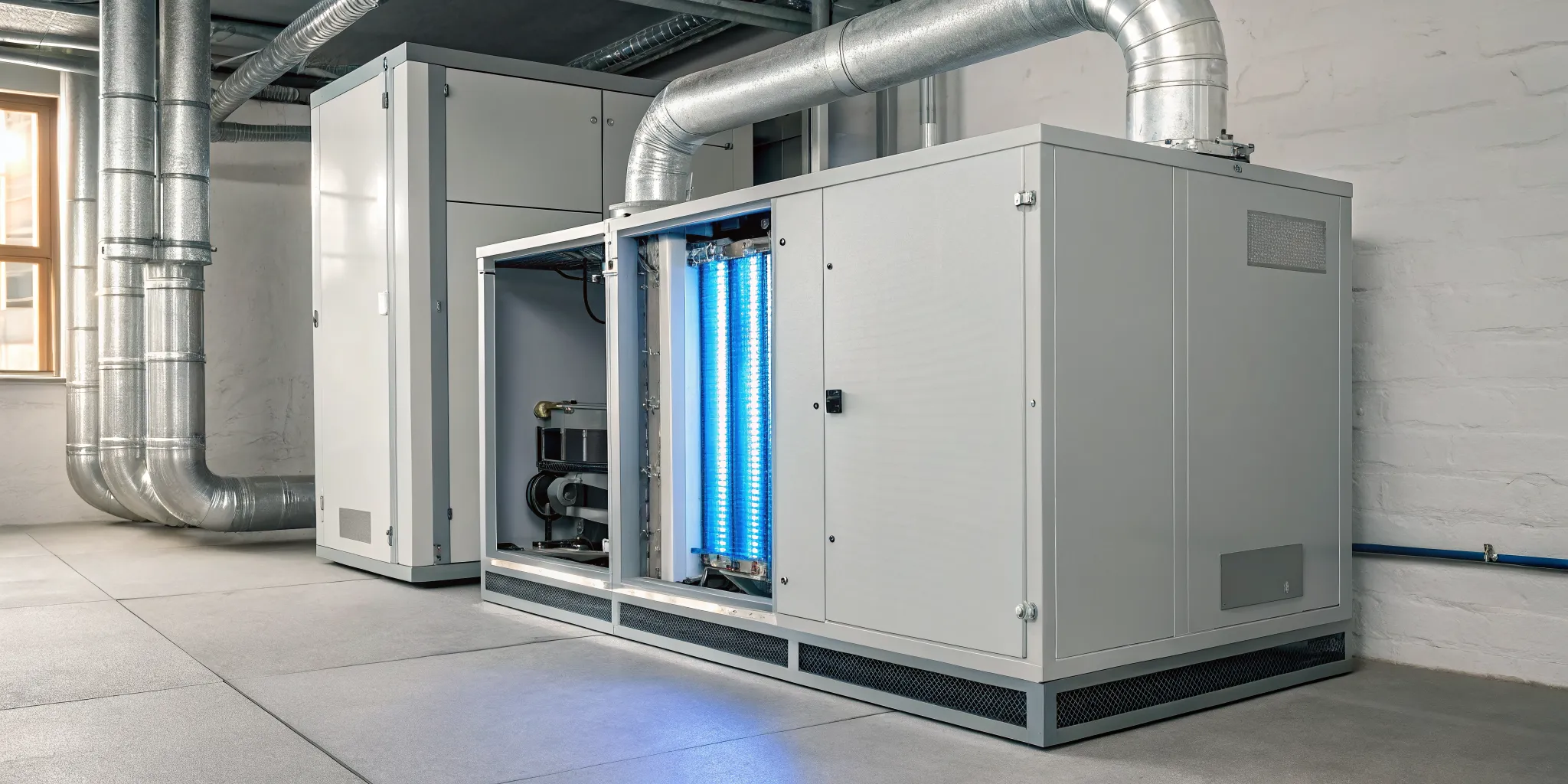
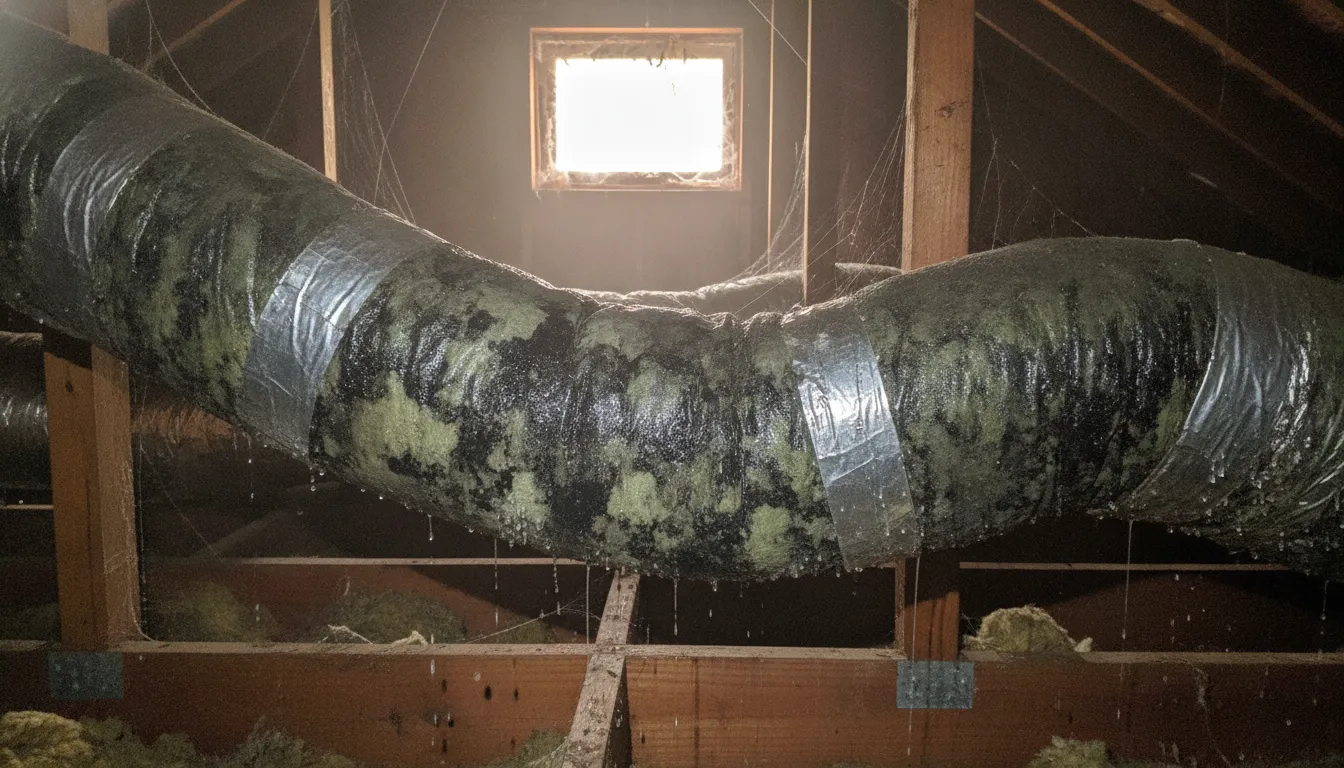
Here in Florida, that musty smell that sometimes kicks on with the AC is a familiar problem. Our constant humidity creates the perfect dark, damp environment inside your air handler for mold and bacteria to thrive. You might have heard about installing a UV light in your system as a high-tech solution to this issue. But with all the claims out there, it’s fair to ask, uv light for hvac does it work to actually solve these problems? This guide cuts through the hype. We’ll explain the science, detail the real benefits for your system’s health, and cover the limitations so you can make an informed decision for your home.
Key Takeaways
- It Cleans Your AC, Not All Your Air: A UV light excels at preventing mold and bacteria from growing on the internal components of your HVAC system, like the damp coils and drain pan. It's a powerful tool for system hygiene, not a whole-home air purifier.
- It's a Team Player, Not a Solo Fix: UV lights work best when paired with a high-efficiency air filter. The filter traps physical particles like dust and dander, while the UV light neutralizes germs on surfaces, creating a more complete approach to cleaner air.
- Rely on Pros for Installation and Upkeep: For safety and effectiveness, a UV light must be installed by a licensed technician. Remember that the bulb loses its germ-killing power over time and needs to be replaced annually, even if it's still lit.
How Do UV Lights Work in an HVAC System?
It might sound like something out of a sci-fi movie, but using UV light to clean your HVAC system is based on some pretty straightforward science. These aren't the same as the blacklights you see at parties. Instead, they use a specific type of ultraviolet light to target the gunk that can grow in the dark, damp corners of your air conditioner. Think of it as a silent, hardworking guardian for your system's internal components, helping to keep things clean right at the source.
The Science Behind UV-C Light
The magic ingredient here is UV-C light, a specific wavelength of ultraviolet light that’s a powerhouse against germs. When microorganisms like mold spores, bacteria, and viruses are exposed to this light, it damages their DNA. This essentially stops them in their tracks, preventing them from reproducing and spreading through your home’s air system. The lights are installed inside your HVAC unit, continuously shining on key areas to neutralize contaminants before they become a bigger problem for your indoor air quality. It’s a targeted approach that tackles microbial growth at its source.
Why Placement Is Key for Cleaning Surfaces
Where you put the UV light matters, a lot. For the best results, we install them right near the evaporator coil and drain pan. Why there? Because this area is cool, dark, and damp, making it the perfect breeding ground for mold and bacteria. By bathing the coil in constant UV-C light, we can prevent that slimy buildup (often called biofilm) from ever forming. This keeps your system cleaner and helps maintain good airflow. While some systems place lights in the ductwork to treat the air, the most significant impact comes from this targeted surface cleaning, which is a key part of any good air conditioning maintenance strategy.
What Are the Real Benefits of an HVAC UV Light?
So, what does an HVAC UV light actually do for your home? When installed correctly, these lights offer some specific advantages that can make a real difference, especially here in Florida where humidity is a constant battle. They aren't a magic wand for all air quality issues, but they excel in a few key areas. Think of a UV light as a silent guardian for the inside of your AC system, working around the clock to keep some of the most sensitive components clean and functioning properly. This targeted approach helps maintain your system's health and can contribute to a fresher, cleaner home environment.
The light uses a specific wavelength, UV-C, which is proven to disrupt the cellular structure of microorganisms like mold, bacteria, and viruses, rendering them harmless. It’s not about filtering the air in the traditional sense, but about sanitizing surfaces and the air that passes directly over the bulb. This makes it a powerful tool for preventing problems before they start, rather than just cleaning up after them. By focusing its energy on the dark, damp parts of your air handler, a UV light stops microbial growth where it’s most likely to begin. This proactive measure is one of the best ways to support your entire system, from the air you breathe to the efficiency of the machine itself. Let's look at the three main ways a UV light can benefit your home.
Stop Mold and Bacteria on Coils and Drain Pans
The inside of your air handler is dark, cool, and damp, which is the perfect breeding ground for mold and bacteria. A UV-C light installed near the indoor coil and drain pan shines continuously on these surfaces, disrupting the DNA of microorganisms and stopping them from growing. This is its primary and most effective job. By preventing this slimy buildup right at the source, you help keep your entire system cleaner. This is a huge plus for maintaining better indoor air quality and reducing the musty odors that can develop when your AC system becomes a home for microbial growth.
Improve Your System's Efficiency and Airflow
When your system's indoor coil gets covered in mold and grime, it can't transfer heat effectively. This buildup forces your air conditioner to work harder and run longer to cool your home, which drives up your energy bills. It also restricts airflow, reducing your system's overall performance. By keeping the coil clean, a UV light helps your AC run as efficiently as possible. A clean system is an efficient system, meaning you can enjoy better cooling power and potentially lower energy costs. This preventative cleaning also reduces strain on your equipment, which can contribute to a longer lifespan and fewer repair calls.
Reduce Contaminants at the Source
While a UV light won't purify all the air in your home in a single pass, it does an excellent job of neutralizing airborne contaminants that pass through your system. As viruses, bacteria, and mold spores travel through your ductwork and past the UV bulb, the light can deactivate them, preventing them from circulating back into your living spaces. This process is especially effective when combined with a high-quality air filter that traps larger particles. By tackling germs at the source, a UV light adds another layer of defense, supporting a healthier environment for you and your family. It's a key tool for a comprehensive duct sanitization strategy.
HVAC UV Lights: Fact vs. Fiction
When it comes to HVAC UV lights, there's a lot of information out there, and not all of it is accurate. It’s easy to get confused about what these lights can and can’t do for your home. Let's clear the air and separate the common myths from the reality so you can make a smart decision for your family.
Myth: They Purify All the Air in Your Home
One of the biggest misconceptions is that a UV light will instantly sterilize all the air circulating through your house. While it sounds great, the science doesn't quite work that way. For a UV light to effectively neutralize a microorganism, it needs a certain amount of exposure time. The air moving through your ductwork is traveling so quickly that it doesn't spend enough time under the light for a complete, single-pass purification. The primary strength of a UV light is cleaning the surfaces inside your system, not scrubbing every cubic foot of air on the fly.
Myth: They Get Rid of Dust, Dander, and Allergens
If you’re hoping a UV light will solve your dust or pet allergy problems, you’ll be disappointed. UV-C light is designed to target and destroy biological contaminants like mold, bacteria, and viruses. It has no effect on non-living particulate matter. Things like dust, pet dander, pollen, and smoke will pass by the light completely unharmed. For those issues, your best defense is a high-quality air filter and a comprehensive approach to your home’s indoor air quality. A UV light is a great tool, but it can't catch what it isn't designed to fight.
Myth: They Replace Your Air Filter and Regular Maintenance
Think of a UV light as a valuable player on a team, not a solo superstar. It’s a powerful addition to your HVAC system, but it absolutely does not replace your air filter or the need for routine check-ups. In fact, a UV light works best when paired with a clean, high-efficiency filter. The filter traps larger particles, which can otherwise act like tiny shields, protecting germs from the UV rays. To keep your entire system running smoothly and efficiently, you still need professional air conditioning maintenance to ensure every component is in top shape.
Reality: Air Moves Too Fast for Total Disinfection
This is the core reason behind some of the myths we just discussed. The effectiveness of UV disinfection is all about contact time. In a hospital setting, UV lamps might be used to sterilize a room over a long period. In your HVAC system, however, the air is constantly in motion. An airborne particle might pass the UV bulb in a fraction of a second, which often isn't long enough to guarantee its destruction. This is why the most proven benefit of an HVAC UV light is its ability to keep the indoor coil and drain pan clean, as these are stationary surfaces where mold and bacteria love to grow.
Are UV Lights a Safe Choice for Your Home?
When you hear "ultraviolet radiation," it's natural to have questions about safety. After all, we spend our lives putting on sunscreen to block UV rays from the sun. The good news is that when installed correctly, UV lights are a perfectly safe and effective tool for improving your home's air quality. The key is making sure you have the right type of bulb and that it’s installed by a professional who knows exactly what they’re doing. The light is contained entirely within your HVAC system, so it never comes into contact with you or your family. It works silently behind the scenes to clean your system's components, targeting mold and bacteria where they grow. Think of it as a security guard for your AC coils, stopping contaminants before they have a chance to circulate. Let’s walk through the two most important safety considerations to ensure you get all the benefits without any of the risks.
Choose Modern, Ozone-Free Bulbs
First things first, not all UV lights are created equal. Some older or less reputable models can produce ozone as a byproduct. While ozone is great high up in the atmosphere, it’s not something you want inside your home, as it can irritate your lungs and cause respiratory issues. To avoid this, it’s essential to choose modern UV bulbs that are certified as "ozone-free." These newer models are designed specifically for residential use and provide powerful germicidal effects without producing any harmful ozone. When you work with a trusted HVAC company, they will only use high-quality, certified products that are proven to be safe for your family and your indoor air quality.
Why Professional Installation Is a Must
This is not a DIY project. The UV-C light used in HVAC systems is incredibly powerful, and direct exposure can be harmful to your skin and eyes. That’s why the light must be installed deep inside your air handler, where it is completely shielded from view and contact. A licensed and insured technician knows exactly how to position the light for maximum effectiveness on the coils and drain pan while ensuring it’s safely contained. They will also wire it correctly so that the light automatically shuts off when the access panel is opened for maintenance. For a safe and effective setup, you should always contact a professional to handle the installation from start to finish.
What Can't HVAC UV Lights Do?
UV lights are a fantastic tool for targeting specific problems within your HVAC system, but it's important to have realistic expectations. They aren't an all-in-one cure for every indoor air quality issue. Think of them as a specialized player on your home comfort team, not the entire team itself. Understanding their limitations helps you build a truly effective strategy for cleaner, healthier air. An honest approach means knowing what a tool can and can't do. Let's break down what falls outside the scope of a UV light's job description.
They Don't Remove Particles Like Dust
One of the biggest misconceptions is that UV lights "purify" the air of everything. In reality, their power is focused exclusively on neutralizing living, organic microorganisms. The UV-C radiation scrambles the DNA of mold, bacteria, and viruses, stopping them from reproducing. However, it has no effect on non-living particles. Things like dust, pet dander, pollen, and smoke will pass by the light completely unharmed. For those common irritants, your best line of defense is still a high-quality air filter that physically traps them. A UV light is a great addition to your indoor air quality strategy, but it can't replace good old-fashioned filtration.
Their Effectiveness Fades Over Time
Just because a UV bulb is still glowing doesn't mean it's still working effectively. The specific UV-C wavelength that neutralizes germs diminishes over time, long before the bulb actually burns out. Most HVAC UV bulbs need to be replaced every one to two years to maintain their germicidal strength. Forgetting to swap out an old bulb is like leaving a security guard at their post without any tools to do their job. This is why including a bulb check in your regular air conditioning maintenance plan is so important. It ensures your investment continues to protect your system and your home's air as intended.
They Aren't a Standalone Air Quality Fix
A UV light works best as part of a multi-layered approach to clean air. It's a powerful supplement, not a substitute for other essential components. In fact, a good air filter makes your UV light more effective. Filters trap larger particles like dust, which can otherwise act like tiny shields, protecting germs from the UV rays as they pass through the system. According to research on HVAC UV light benefits, combining UV lights with high-efficiency filters creates a more comprehensive defense. The filter tackles the particles, and the UV light handles the germs on the coil and drain pan. Together, they provide a much more complete solution for your home.
How to Maintain Your HVAC UV Light
Installing a UV light in your HVAC system is a great first step toward cleaner indoor air, but it’s not a "set it and forget it" solution. Just like the rest of your air conditioner, your UV light needs a little attention to keep it working effectively. The good news is that the maintenance is pretty straightforward and ensures you get the full benefit of your investment. Keeping up with these simple tasks will help your UV light continue to prevent mold and bacteria from growing on your system’s internal components, which is exactly what it’s designed to do.
Think of it as part of your system's overall wellness plan. Regular upkeep not only helps the UV light perform its job but also supports the efficiency and longevity of your entire HVAC unit. When the light is working properly, it keeps critical parts like the indoor coil and drain pan free from the gunk that can clog up your system and reduce airflow. By following a simple maintenance schedule, you can be confident that your light is providing a constant defense against microbial growth, keeping your system running smoothly and your air cleaner year-round.
Plan for Annual Bulb Replacements
One of the most important parts of UV light maintenance is replacing the bulb regularly. While the light might still glow after a year, its germicidal effectiveness fades significantly. The invisible UV-C wavelength that actually neutralizes microorganisms is what weakens, so you can’t rely on your eyes to tell you when it’s time for a change. To ensure your light is always working at its best, you should plan to have the bulb replaced once a year. The easiest way to remember this is to schedule it with your annual air conditioning maintenance appointment. This way, a professional can handle it safely and make sure everything is in perfect working order.
Keep the Light and Nearby Components Clean
Your UV light works hard to keep your cooling coils and drain pan free of mold and slimy buildup. But for the light to do its job, the bulb itself needs to be clean. Over time, a fine layer of dust and debris can settle on the glass, blocking the UV rays from reaching their target. A dirty bulb is an ineffective bulb. During your yearly maintenance check, the technician should gently wipe down the bulb to remove any buildup. This simple step ensures that the UV-C light can shine brightly on the surrounding surfaces, stopping microbial growth right where it starts and keeping your system cleaner and more efficient.
Know When the Bulb Is Losing Power
It’s easy to assume that if the light is on, it’s working. However, with UV-C bulbs, the visible blue glow is not an indicator of its germ-killing strength. The power to neutralize contaminants diminishes long before the light burns out completely. Most bulbs are designed to be effective for about 9,000 hours, or roughly one year of continuous use. Sticking to an annual replacement schedule is the only sure way to know your system is protected. Waiting until the light goes out means you’ve likely gone months without any real benefit, giving mold and bacteria a chance to return. This is a key part of maintaining your home's indoor air quality.
How Do UV Lights Compare to Other Air Quality Tools?
It’s easy to think of a UV light as a single solution for clean air, but it’s really just one tool in the toolbox. To get the best results, you have to understand what it does well and where other tools are needed to fill the gaps. When it comes to creating healthier air in your home, it’s all about teamwork between different technologies.
UV Lights vs. High-Efficiency Air Filters
Think of UV lights and air filters as specialists on the same team. A UV light’s job is to target and neutralize living microorganisms like mold, bacteria, and viruses. It’s great at keeping your system’s indoor coil and drain pan clean. However, it can’t do anything about non-living particles.
That’s where a high-efficiency air filter comes in. The filter’s job is to physically trap things like dust, pet dander, pollen, and smoke. You need both for complete indoor air quality. In fact, a good filter makes your UV light more effective by catching larger particles that could otherwise shield germs from the UV rays.
Why a Multi-Layered Approach Is Best
Relying on just one device to clean your home’s air is like trying to cook a whole meal with only a fork. It just doesn’t work. The most effective strategy is always a multi-layered one. This means combining a high-quality air filter to trap particles with a UV light to handle microbial growth on your system’s components.
The Environmental Protection Agency (EPA) is often skeptical of single products that make big claims, and for good reason. True air quality improvement comes from a holistic approach. This includes using the right tools together and keeping up with regular air conditioning maintenance to ensure your entire system runs cleanly and efficiently.
Is a UV Light Worth It for Your Florida Home?
So, you've learned what HVAC UV lights can and can't do. Now for the big question: is one right for your home here in Florida? The answer isn't a simple yes or no. It really comes down to your specific needs, your home's environment, and your budget. Let's walk through the final factors to help you decide if this technology is a worthwhile addition to your AC system.
Assess Your Home's Indoor Air Quality
Florida's humidity is no joke, and it can create the perfect breeding ground for mold and bacteria inside your AC unit. This is where a UV light really shines. It's excellent at preventing microbial growth on the damp, dark surfaces of your system, like the evaporator coils and drain pan. However, its ability to purify the air itself is often debated. For a UV light to have any effect, it needs to be installed correctly by a professional who understands the specific needs of your system. A poorly placed light won't deliver the indoor air quality benefits you're looking for.
Weigh the Costs and Long-Term Value
Let's talk numbers. Installing a UV light system typically costs between $400 and $1,000. On top of that, you'll need to replace the bulbs every one to two years, which can run from $50 to $150 per bulb. It's an ongoing investment, so you have to weigh that against the potential benefits for your home. It's also wise to be a skeptical consumer. Many products make bold claims about improving air quality, but not all have independent testing to back them up. We believe in transparency, which means helping you understand both the potential gains and the real-world costs of any HVAC upgrade.
Make an Informed Choice for Your System
A UV light isn't a standalone solution. Think of it as one tool in a larger toolkit for clean air. It works best when paired with other measures, especially high-efficiency air filters. Good filters trap larger particles like dust and dander, which can otherwise shield germs from the UV rays. This layered approach, combined with regular air conditioning maintenance, creates a more effective system overall. Most importantly, proper installation is non-negotiable for both safety and performance. Having a trained technician handle the job ensures the light is positioned for maximum impact and won't cause any damage to your system's components.
Related Articles
- Benefits of Regular HVAC Maintenance
- HVAC Tips & Insights Blog - Expert Advice from 5 Star Air
- How to Prepare Your HVAC for a Florida Summer
- HVAC Maintenance Services
- Schedule HVAC Service - Book Online 24/7 | 5 Star Air
Frequently Asked Questions
What is the main purpose of an HVAC UV light? The primary job of a UV light is to stop mold and bacteria from growing on the cool, damp surfaces inside your air handler, specifically the indoor coil and drain pan. By continuously shining on these areas, it prevents the slimy buildup that can hurt your system's efficiency and lead to musty smells. Think of it as a preventative measure that keeps the internal components of your AC system clean right at the source.
Will a UV light help with my dust or pet allergies? No, a UV light won't solve issues with dust or pet dander. Its function is to neutralize living microorganisms like mold spores and bacteria. It has no effect on non-living particles such as dust, pollen, or pet dander. For those types of airborne irritants, your best tool is a high-quality, high-efficiency air filter that is changed regularly.
Are these lights safe to have running in my house? Yes, they are completely safe when installed by a qualified professional. The UV light is installed deep inside your HVAC system's indoor unit, so you are never exposed to the rays. A professional installation also ensures the light is wired to shut off automatically when the access panel is opened for service. We also use modern, ozone-free bulbs, so you don't have to worry about any harmful byproducts.
How much maintenance does a UV light require? The maintenance is quite simple. The most important task is to replace the bulb about once a year. Even though the bulb may still be glowing after a year, its germ-killing effectiveness will have faded significantly. This is something a technician can easily handle during your annual AC tune-up, where they can also give the bulb a quick cleaning to ensure it's working at peak performance.
Do I still need to change my air filter if I have a UV light? Absolutely. A UV light and an air filter perform two very different, but complementary, jobs. The air filter physically traps particles like dust and pollen, while the UV light neutralizes germs on your system's surfaces. In fact, a clean, high-quality filter helps the UV light work better by preventing dust from coating the bulb and shielding germs from the light.