4 Signs: When to Replace Air Ducts in Your Home
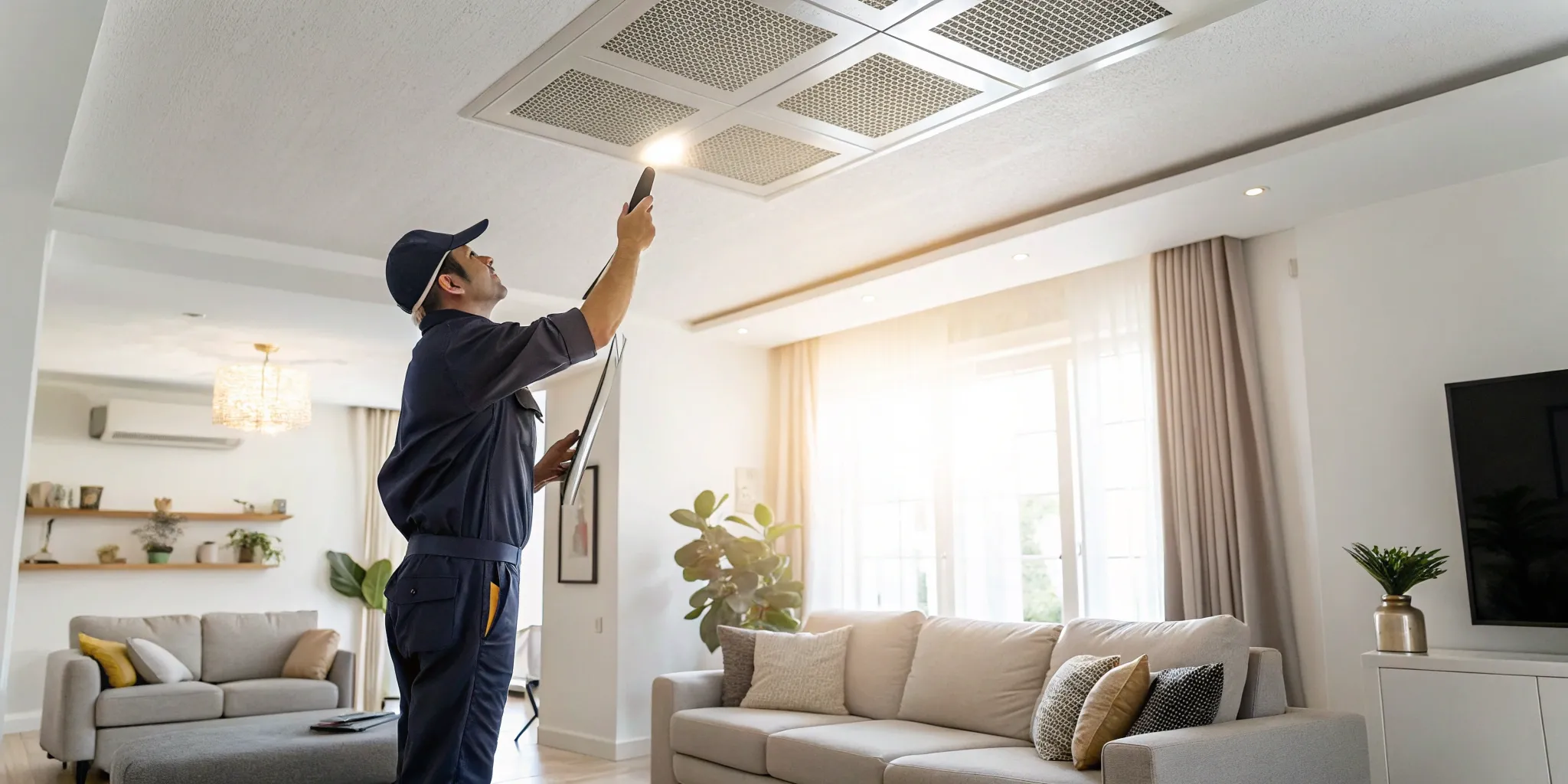
That creeping feeling that your electricity bill is higher than it should be isn't just in your head. You could be paying to cool your attic. When air ducts get old, they develop tiny leaks, cracks, and loose connections that let precious cool air escape before it ever reaches your rooms. It’s like trying to fill a leaky bucket—your AC system has to work much harder and run longer just to keep up, and you’re the one paying for all that wasted energy. Understanding when to replace air ducts isn’t just about comfort; it’s a crucial financial decision that can save you a significant amount of money each month.
Key Takeaways
- Your Ducts Have an Expiration Date: Most ductwork lasts about 10-15 years, and Florida's humidity can speed up that timeline. Uneven cooling, a sudden increase in dust, or musty odors are clear signs that your ducts need a professional inspection.
- Leaky Ducts Cost More Than You Think: Old ductwork doesn't just waste cool air—it wastes money through higher energy bills, harms your air quality by pulling in contaminants, and puts extra strain on your AC system, leading to premature failure.
- Replacement Is an Investment, Not Just a Cost: While a simple repair can fix minor issues, replacing old or damaged ducts is often the smarter long-term solution. It improves your home's energy efficiency and comfort, saving you from the cycle of frequent repairs and high utility bills.
How Long Do Air Ducts Typically Last?
It’s easy to forget about your air ducts. Tucked away in ceilings, attics, and walls, they aren’t exactly top of mind—until something goes wrong. But just like any other part of your home, your ductwork has a lifespan. Generally, you can expect your air ducts to last about 10 to 15 years. After a decade or so, the materials can start to break down, seals can fail, and the system just doesn’t work as well as it used to.
Here in Florida, the constant humidity and heat can put extra stress on your entire HVAC system, including the ducts. Over time, this can lead to tiny cracks, leaks, and other issues that quietly impact your comfort and your energy bills. While 15 years is a good benchmark, it’s not a strict deadline. The actual lifespan of your ducts depends on the original quality of the installation, the materials used, and how well they’ve been maintained. Thinking about your ductwork is a key step to maintain your AC system and improve your indoor air quality.
What Makes Air Ducts Wear Out Faster?
Several factors can shorten the life of your air ducts. Simple aging is the most common culprit; after 10-15 years, ducts are more likely to have leaks and collect dust, debris, or even mold. Physical damage is another major issue. Visible holes, dents, or crushed sections can seriously disrupt airflow and cause your AC to work much harder than it should. Pests can also chew through ductwork, creating openings that let conditioned air escape into your attic. Finally, a mismatch between your ducts and your AC unit can cause problems. Older ductwork might not be the right size for a modern, high-efficiency air conditioning installation, leading to poor performance and premature wear.
How Duct Material Affects Lifespan
The material your ducts are made of plays a huge role in how long they last. Many older homes were built with flexible ducts or duct board, which are more susceptible to tears, moisture damage, and degradation over time. While they are cheaper to install, they often don't hold up as well in the long run. Modern duct systems often use more durable materials that are designed for better energy efficiency and longevity. For example, rigid sheet metal ducts are a far more robust option. They are less likely to be crushed or torn and provide a smoother surface for air to travel, which improves efficiency. When you opt for a professional duct replacement, choosing high-quality materials can mean better performance and a longer-lasting system.
4 Telltale Signs You Need to Replace Your Air Ducts
Your home’s air ducts are the unseen heroes of your comfort, quietly channeling cool air to every room. But when they start to fail, the signs aren't always so quiet. Ignoring them can lead to bigger energy bills, poor air quality, and a home that’s never quite comfortable. If you’ve noticed something is off with your home’s climate, your ductwork might be trying to tell you something. Paying attention to these clues can help you decide when it’s time for a change.
Think of your ductwork as the circulatory system for your home's air. When there's a problem, it affects the health of the entire system. Leaks, blockages, and general wear and tear can force your AC to work much harder than it should, especially during a hot Florida summer. This not only shortens the lifespan of your expensive HVAC unit but also drives up your monthly utility costs. From visible damage to strange smells, these four signs are clear indicators that your ducts may need to be replaced. Addressing these issues not only restores your comfort but also helps your entire HVAC system run more efficiently, saving you money and stress in the long run.
Cracks, Tears, and Other Visible Damage
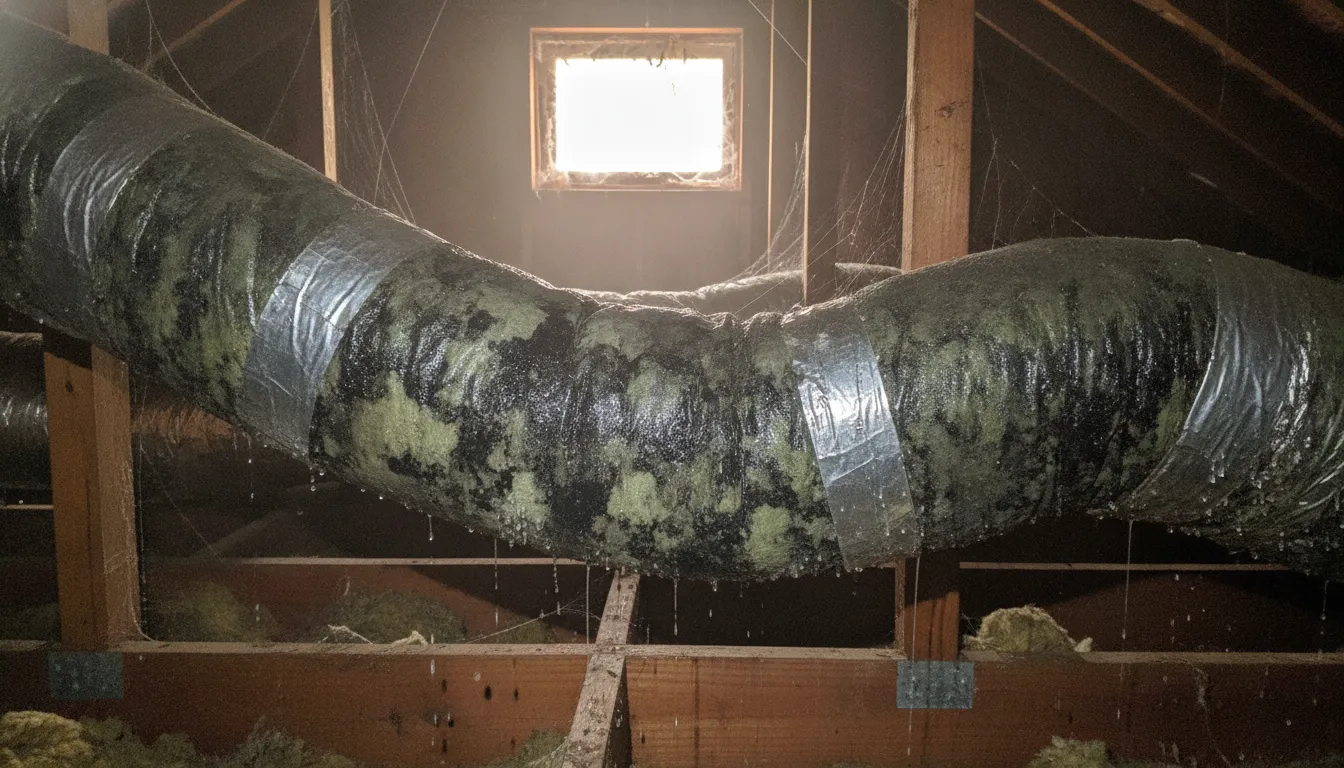
One of the most straightforward signs is damage you can actually see. If you can safely access your attic, crawl space, or basement, take a look at the ductwork. Obvious tears, holes, or sections that are crushed or dented are red flags. These breaches allow your precious cool air to leak out into unconditioned spaces, which is like throwing money away. Damaged ducts can also pull in dust, insulation fibers, and even pests, circulating them right into your living areas. If you spot any of these issues, it’s a strong signal that your ductwork is compromised and likely needs professional duct sanitization and replacement.
Uneven Cooling and Poor Airflow
Do you have a room that feels like a sauna while another feels like an icebox? When your home cools unevenly, it’s often a problem with airflow. Leaks, blockages, or poorly designed ductwork can prevent conditioned air from reaching every room as intended. This forces your AC unit to work overtime trying to cool those hard-to-reach spots, leading to wasted energy and unnecessary strain on your system. If you’re constantly fiddling with the thermostat and closing vents to balance the temperature, your ducts are probably the culprit. A well-sealed and properly sized duct system ensures consistent comfort throughout your entire home.
More Dust and Allergy Flare-Ups
If you feel like you’re dusting more than ever or your allergies are acting up inside your own home, your air ducts could be to blame. Old, leaky ducts can pull in dust, pollen, and other contaminants from your attic or crawlspace and distribute them through your vents. Over time, debris can build up inside the ducts, creating a breeding ground for mold, bacteria, and dust mites. This can have a major impact on your home’s indoor air quality and your family’s health. A sudden increase in airborne irritants is a clear sign that your ductwork is no longer keeping your air clean.
Strange Noises, Musty Smells, and Mold
Your HVAC system should operate relatively quietly. If you start hearing rattling, vibrating, or whistling sounds when the air kicks on, it could mean your ducts are loose, damaged, or have blockages. Even more concerning are persistent musty or mildewy odors coming from your vents. In a humid climate like Florida’s, this smell is a classic indicator of mold or mildew growth inside your ductwork. Not only is the smell unpleasant, but breathing in mold spores can pose serious health risks. Don’t ignore strange sounds or smells—they’re often the first warning of a much bigger problem that requires immediate attention.
The Hidden Costs of Old, Leaky Air Ducts
It’s easy to forget about your air ducts since they’re tucked away in ceilings and walls. But when they start to age, they can create problems that go far beyond a simple draft. Old, leaky ductwork doesn't just make your home less comfortable; it quietly drains your wallet and can even affect your family's health. Think of your ducts as the circulatory system for your home's air. If that system has leaks, cracks, or blockages, it can't do its job efficiently. This forces your entire HVAC system to work overtime, leading to a chain reaction of higher energy bills, poorer air quality, and unnecessary stress on your expensive AC unit. Understanding these hidden costs is the first step toward making a smart decision for your home and your budget. In a place like Southwest Florida, where our air conditioners are our best friends, ensuring every part of the system is in top shape is crucial. Ignoring your ducts is like buying a high-performance car and then driving it on flat tires—you're just not getting the efficiency or performance you paid for, and you're setting yourself up for bigger problems down the road.
Why Old Ducts Mean Higher Energy Bills
Have you noticed your electricity bills creeping up, even when your cooling habits haven't changed? Your air ducts could be the culprit. When ducts have cracks, gaps, or loose connections, a significant amount of the cool air your AC produces escapes into the attic, crawlspace, or behind walls before it ever reaches your living areas. Your system has to run longer and harder to compensate for this lost air, driving up your energy consumption. It’s like trying to fill a leaky bucket—you’re constantly losing what you put in. Sealing or replacing faulty ductwork ensures that conditioned air gets where it’s supposed to go, allowing your AC to work more efficiently and giving your wallet a much-needed break.
How Aging Ducts Affect Your Air Quality
The air you breathe inside your home travels through your ductwork multiple times a day. If those ducts are old and compromised, they can become a highway for contaminants. Holes and gaps don't just let cool air out; they also pull in dust, insulation fibers, mold spores, and other allergens from your attic or crawlspace. These pollutants are then circulated throughout your home, which can trigger allergies, asthma, and other respiratory issues. If you're dealing with persistent musty odors or find yourself dusting more often than usual, it might be time to look at your ducts. Improving your indoor air quality starts with ensuring the pathways that deliver that air are clean and sealed.
The Strain on Your AC System
Your air conditioner is one of the most expensive appliances in your home, and leaky ducts can shorten its lifespan. When cooled air escapes, your AC unit is forced to run almost constantly to meet the temperature set on your thermostat. This continuous operation puts excessive wear and tear on critical components like the compressor and fan motor, leading to more frequent breakdowns and costly repairs. Even a brand-new, high-efficiency AC unit will struggle if it's connected to old, leaky ductwork. To get the performance and longevity you paid for, it’s essential that your entire HVAC system, including the ducts, works together seamlessly. A proper air conditioning installation always includes an assessment of the existing ductwork.
Repair or Replace? Making the Right Choice for Your Ducts
So you know your ducts are having issues, but what’s the next step? It’s the classic homeowner dilemma: do you patch things up with a repair, or is it time to go all-in on a full replacement? The truth is, there’s no single right answer. The best choice depends on the age of your ducts, the extent of the damage, and your long-term goals for your home’s comfort and efficiency. Let’s walk through how to make a smart decision for your home and your budget.
When a Simple Repair Is Enough
If you’re dealing with minor problems, a full replacement is often overkill. Small leaks, loose connections, or minor blockages can usually be handled with a straightforward fix. For instance, professionally sealing a few small leaks can make a noticeable difference in your system's efficiency without the cost and disruption of a total overhaul. Think of it like fixing a leaky faucet instead of re-piping the whole house. If your ductwork is relatively new and the damage is isolated, a targeted air conditioning repair is typically the most sensible and cost-effective solution to get your system running smoothly again.
Why Replacement Is a Smarter Investment
Sometimes, a repair is just a temporary fix for a bigger problem. If your ductwork is over 10-15 years old, has widespread damage, or is made from outdated materials, replacement is often the smarter long-term investment. Old ducts can be poorly insulated or sized incorrectly for modern, high-efficiency AC systems, creating a bottleneck that wastes energy. Investing in a full duct sanitization and replacement ensures your entire HVAC system works together seamlessly. This leads to better airflow, more consistent temperatures throughout your home, and lower energy bills for years to come, making it a valuable upgrade.
Comparing the Costs: Repair vs. Replace
Let’s talk about the budget. While a full duct replacement has a higher upfront cost than a simple repair, it’s important to look at the bigger picture. If you find yourself calling for frequent repairs, those costs can add up quickly, eventually surpassing the price of a replacement. Think about the long-term savings, too—new, efficient ductwork can significantly lower your monthly energy bills. While the initial investment might seem large, it often proves more cost-effective over time by preventing future issues and improving performance. We understand it's a big decision, which is why we offer transparent pricing and flexible financing options to help.
How to Check Your Air Ducts Yourself
While a thorough inspection requires professional tools and expertise, you can absolutely do a preliminary check on your own. Knowing what to look for can help you decide if it’s time to call in a pro. Just grab a flashlight and take a look at any ductwork you can safely access, like in your attic, crawlspace, or basement.
A Quick DIY Visual Check
Start with a simple visual scan. Look for any obvious signs of damage on the accessible parts of your ducts. Are there any clear punctures, dents, or sections that look crushed? Pay close attention to the seams and joints where sections of ductwork connect. You might find that they’ve become disconnected or have gaps, which allows precious cool air to leak out. If you see tangled, kinked, or torn flex ducts, that’s a definite red flag. These visible issues can seriously hinder your system's performance and are a clear sign you may need professional duct sanitization and replacement.
Why a Professional Inspection Matters
A DIY check is a great starting point, but it won’t tell you the whole story. Much of your ductwork is hidden behind walls and ceilings, making it impossible to inspect without the right equipment. An experienced technician can use specialized cameras and tools to assess the entire system, identifying hidden leaks, blockages, or mold growth that you can’t see. They can also test your system’s airflow and pressure to get a complete picture of its health. If you’ve noticed any warning signs or just want peace of mind, it’s always best to schedule a professional inspection with a team you can trust.
When to Consider Age Alone
Sometimes, the most telling sign is simply your ductwork’s age. Most air ducts have a lifespan of about 10 to 15 years. After a decade of constant use, the materials can start to break down, seals can degrade, and the system becomes much more prone to leaks and other problems. So, if you know your ducts are more than 10 years old—or if you have no idea how old they are—it’s a good idea to have them inspected. Even if they look okay on the surface, they may be operating inefficiently and quietly costing you money on your energy bills.
Common Myths About Air Duct Replacement
When it comes to air ducts, a lot of misinformation can lead to costly decisions. Believing these common myths can leave you with high energy bills, poor air quality, and an overworked AC system, even after you’ve invested in what you thought was the right solution. Let’s clear the air and separate fact from fiction so you can make the best choice for your home.
Myth: A new AC unit fixes everything.
It’s easy to assume that a brand-new, high-efficiency air conditioner will solve all your cooling problems. While a new unit is a great start, it’s only one part of your HVAC system. Your air ducts are the delivery network, and if they are old, leaky, or damaged, your new AC can’t perform at its peak. Think of it like this: you wouldn’t expect a powerful new engine to work well in a car with leaky fuel lines. An air conditioning installation is a major upgrade, but pairing it with faulty ductwork means you’re still losing cooled air, wasting energy, and putting unnecessary strain on your new equipment.
Myth: Duct cleaning is always the answer.
Regular duct cleaning is an important part of home maintenance. It helps remove dust, allergens, and debris, keeping your air fresh. However, cleaning is not a cure-all for failing ductwork. If your ducts have tears, collapsed sections, or corroded parts, a cleaning service can’t repair that physical damage. While experts recommend cleaning your ducts every three to five years for optimal performance, it’s not a substitute for replacement. When the material itself is breaking down, a full duct replacement is the only way to restore efficiency and ensure your system is properly sealed.
Myth: If it's not broken, don't fix it.
With air ducts hidden behind walls and in ceilings, it’s easy to adopt an "out of sight, out of mind" approach. Many homeowners believe that as long as air is coming out of the vents, everything is fine. The reality is that ducts degrade slowly over time. Small leaks, loose connections, and deteriorating insulation can go unnoticed for years, quietly driving up your energy bills and compromising your home’s indoor air quality. Ignoring aging ducts until a major failure occurs means you’ve likely been overpaying for electricity and breathing in more dust and allergens than necessary for a long time.
What to Expect During a Duct Replacement
The thought of replacing your home’s air ducts can feel a bit overwhelming, but knowing what the process involves makes it much more manageable. A professional duct replacement isn’t just about tearing out old materials; it’s a systematic project designed to improve your home’s comfort, air quality, and energy efficiency for years to come. The entire process is handled by trained technicians who know how to get the job done right with minimal disruption to your daily life. It generally breaks down into two main phases: a thorough assessment to create a custom plan for your home, followed by the physical installation of your new ductwork.
The Professional Assessment and Plan
The first step is always a detailed inspection. A qualified HVAC technician will come to your home to get a clear picture of your current system. They’ll assess the condition of your existing ducts, checking for damage, leaks, and poor design. This is when we determine the best solution for your home, whether that’s a targeted repair or a full replacement. If your ductwork is over 15 years old or in rough shape, a full replacement is often the smartest move to ensure your AC system runs efficiently. Based on this evaluation, we’ll design a custom plan that outlines the scope of the work, the materials we’ll use, and a clear timeline for your duct replacement project.
A Look at the Installation Process
On installation day, our team will arrive ready to work. The process involves carefully removing your old, inefficient ductwork from your attic, crawlspace, or walls. While this can sometimes require opening up access points, we always work carefully to protect your home. We then install the new ducts, making sure every piece is properly sized and sealed to match your HVAC system’s requirements for optimal airflow. Using durable, high-quality materials is key to a long-lasting system. Once everything is in place, we test the system to confirm it’s running perfectly, leaving you with cleaner air and a more efficient home. If you’re ready to see what a difference new ducts can make, contact us to schedule an assessment.
How to Make Your Air Ducts Last Longer
Your air ducts are the respiratory system of your home, and just like any other major system, they need a little care to perform their best for years to come. The good news is that you don’t have to be an HVAC expert to extend the life of your ductwork. A few simple habits and a smart maintenance schedule can make a huge difference, helping you save money, breathe cleaner air, and keep your AC running smoothly. Taking these proactive steps helps you avoid premature replacements and costly repairs down the road.
Simple Maintenance You Can Do
You can play a big role in your ductwork’s health with just a few minutes of attention each month. Start with the easiest task: changing your air filter regularly. A clogged filter forces your system to work harder, pulling more dust and debris into the ducts and straining the entire system. Next, take a quick walk through your home and make sure none of your vents are blocked by furniture, rugs, or clutter. Proper airflow is essential for efficiency and preventing pressure buildups that can damage duct connections over time. Finally, visually inspect any accessible ductwork in your attic or crawlspace for obvious tears or disconnected joints. Sealing these leaks is a critical part of routine air conditioning maintenance.
The Best Cleaning Schedule for Florida Homes
Here in Florida, our biggest enemy is humidity. That constant moisture in the air can create the perfect breeding ground for mold and mildew inside your ductwork, which can degrade the materials and harm your air quality. Because of this, waiting until you see a problem is often too late. We recommend a professional cleaning every three to five years for most Florida homes. This isn't just about dusting; it's a deep clean that removes contaminants and moisture buildup. A professional duct sanitization service is one of the best investments you can make for both the longevity of your ducts and the quality of your indoor air.
Frequently Asked Questions
How long does a typical duct replacement take? The timeline for a full duct replacement can vary depending on the size and complexity of your home, but most residential projects are completed within one to two days. Our team works efficiently to minimize any disruption to your routine. The first step is always a thorough assessment, which allows us to create a clear plan and give you a precise timeline before any work begins.
Will replacing my air ducts really lower my energy bills? Yes, it can make a significant difference. Old, leaky ducts can lose up to 30% of the air that passes through them, forcing your AC to run much longer to cool your home. By installing a new, properly sealed duct system, you ensure that all that conditioned air actually reaches your living spaces. This allows your AC unit to work more efficiently, which often leads to noticeable savings on your monthly electricity bills.
My house isn't that old. Could my ducts already need replacing? While ducts typically last 10-15 years, age isn't the only factor. Sometimes, ducts in newer homes need attention due to poor initial installation, the use of low-quality materials, or unforeseen damage from pests or construction. If you're experiencing issues like uneven cooling or a sudden spike in dust, it's worth getting your ducts inspected, regardless of your home's age.
Can I just use duct tape to patch up small leaks myself? It’s a common thought, but standard duct tape isn't a good long-term solution for sealing air ducts. The adhesive breaks down quickly from the temperature changes and humidity inside your duct system. Professionals use specialized materials like mastic sealant or foil tape that are designed to create a durable, airtight seal that lasts for years, ensuring the repair is effective and permanent.
What's the difference between duct cleaning and duct replacement? Think of it like maintaining a car. Duct cleaning is like getting an oil change—it's routine maintenance that removes dust, allergens, and debris to keep the system running well and your air quality high. Duct replacement is like getting a new engine. It's the solution for when the ducts themselves are physically damaged, degraded, or too old to function efficiently anymore. Cleaning can't fix holes, collapsed sections, or failing seals.