Which Way Does the Airflow in My Air Conditioner?
Taking care of your own home is empowering, and mastering small tasks like changing an AC filter can give you a real sense of accomplishment. It’s a straightforward job, but there’s a common mistake that can quickly turn a simple DIY task into a call for a professional repair. That little arrow on the filter’s edge is more than a suggestion; it’s a critical instruction. If you’ve ever felt a moment of uncertainty when holding a new filter, wondering if you’re putting it in correctly, you’re not alone. To feel confident every time, you need a clear answer to the question: which way does the airflow in my air conditioner? We’ll show you how to find the airflow direction and get it right every time.
Key Takeaways
- Point the Arrow Correctly: Your AC filter's arrow must always point toward the main air handler unit, not away from it. This single action ensures air flows properly and prevents system strain, higher energy costs, and potential damage.
- Filter Details Matter: Beyond the arrow, using the correct size to prevent gaps and changing the filter on schedule (every 30 to 45 days in Florida) is essential. A poorly fitted or clogged filter allows dirt into your system and hurts its performance.
- Know When to Call for Help: If a new, correctly installed filter doesn't solve issues like weak airflow, high humidity, or uneven temperatures, it's a sign of a deeper problem. These symptoms often point to issues with ductwork or AC components that require a professional diagnosis.
How Does Air Move Through Your AC?
To get a handle on your AC system, it helps to think of it like your own respiratory system. It breathes air in, processes it, and breathes it back out. This continuous cycle is what keeps your home cool and comfortable, especially here in Florida. Understanding this airflow is the first step to troubleshooting common issues and keeping your system running efficiently. It also makes simple tasks, like changing your air filter, feel a lot less confusing.
The Cycle: From Return Duct to Supply Vent
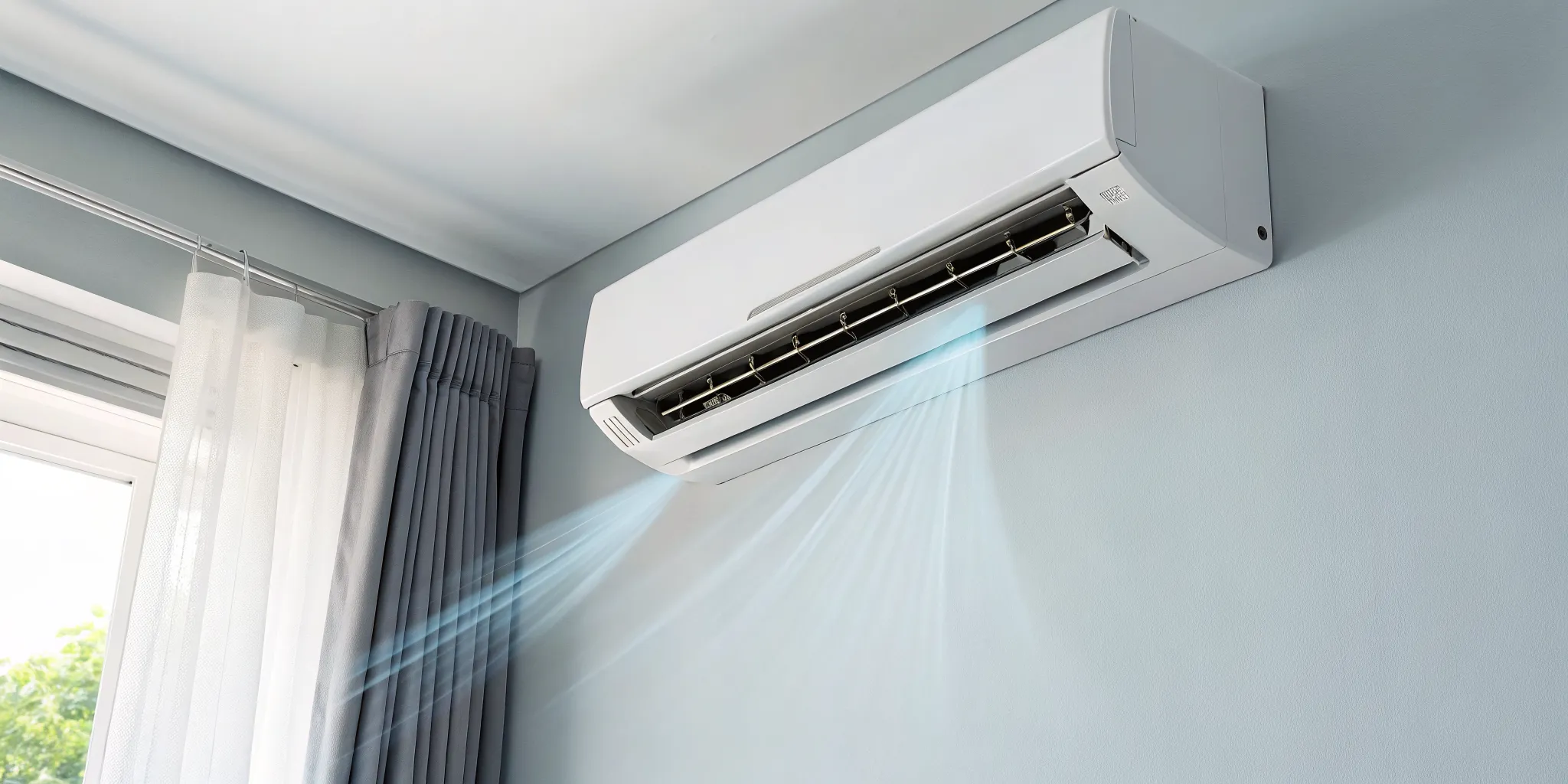
Your AC system's breathing process starts at the return vents. These are the larger grilles, often on your walls or ceiling, that pull warm, humid air out of your rooms. This air travels through a network of return ducts to your indoor AC unit. Before it reaches the core components, it passes through the air filter, which traps dust, pollen, and other particles. This is a critical step for maintaining good indoor air quality. Once the air is cleaned and cooled, a blower fan pushes it through another set of ducts, called supply ducts, and back into your rooms through the supply vents, which are the smaller vents you feel cool air coming from.
What Your Air Handler and Outdoor Unit Do
The two main players in this process are your indoor air handler and your outdoor condenser unit. The air handler is the large metal cabinet inside your home (maybe in a closet, attic, or garage) that contains the blower fan and the evaporator coil. This is where the magic happens: the fan moves the air, and the coil absorbs heat and moisture. The air filter is positioned to protect this sensitive equipment from getting clogged with debris. The heat that was removed from your air is then transferred to the outdoor unit, which works to release it outside. This is why the arrow on your filter must always point toward the air handler; it follows the path the air takes to be cooled. An improperly installed filter can strain your system and lead to a call for air conditioning repair.
Find the Airflow Arrow on Your Filter
Changing your AC filter is one of the easiest ways to keep your system running well, but one tiny detail can trip people up: the airflow arrow. Every disposable air filter has an arrow printed on its frame, and getting it right is crucial for your AC's health and efficiency. Putting the filter in backward can restrict airflow, strain your system, and even lead to costly repairs down the road.
The good news is that figuring out the correct direction is simple once you know what to look for. The arrow’s job is to show you the path the air needs to travel through the filter to get cleaned before entering your AC system’s air handler. Think of it as a one-way sign for air. Let’s walk through a few easy ways to find this arrow and make sure your filter is installed perfectly every time.
Check the Filter Frame
The first and most obvious place to look is on the cardboard frame of the new filter. Almost every filter has at least one arrow printed on its side, often with text like "Airflow" or "Airflow Direction." This arrow indicates the direction the air must travel. When you slide the filter into its slot, you want this arrow to point toward the main machinery of your HVAC system (the air handler) and away from the return air duct that pulls air from your rooms. It’s a simple instruction, but it’s the most important step in the whole process.
Look at the Packaging
If the arrow on the filter frame is faint or you just can't find it, your next stop should be the filter's packaging. The plastic wrap or cardboard box your filter came in usually includes installation instructions or a diagram. This can be a helpful visual guide, confirming which way the filter should face inside the unit. It’s always a good idea to give the packaging a quick scan before you toss it, just in case you need that extra bit of guidance. It only takes a second and can save you a lot of guesswork.
Reference Your Old Filter
Here’s a clever trick if you’re still feeling unsure: use your old filter as a guide before you throw it away. Take a look at the filter you just removed. One side will be noticeably dirtier than the other. The dirty side is where all the dust, pet dander, and other particles were caught as the air entered the filter. This dirty side was facing the return air duct, where air from your home was being pulled in. The cleaner side was facing your AC’s air handler. This tells you the exact direction of the airflow, giving you a real-world map to follow when you install the new one.
Which Way Should the Arrow Point?
Let’s put it all together. The arrow on your air filter must always point toward your air handler and away from the return duct. The air handler is the indoor part of your AC system that contains the fan and cooling coil; it’s the heart of the operation. The air from your home gets pulled into the return duct, passes through the filter, and then enters the air handler to be cooled. The arrow simply follows that path. If you’re ever in doubt, it’s better to be safe than sorry. During a professional AC maintenance visit, a technician can show you the correct orientation and make sure everything is working as it should.
What Happens If You Install Your Filter Backward?
It seems like a small mistake, but installing your air filter backward can cause a surprising amount of trouble for your AC system. That little arrow on the filter's frame is there for a very important reason. When it’s ignored, your system has to work much harder than it should, leading to a chain reaction of problems that can affect your comfort, your wallet, and your AC’s lifespan.
Restricted Airflow and System Strain
Air filters are designed with a specific structure to trap dust and debris while letting clean air pass through easily. When you install one backward, you're forcing air through the dense, supportive side of the filter first. This immediately restricts airflow, making your system struggle to pull in enough air. It’s like trying to breathe through a thick blanket. This strain puts a heavy load on your AC’s blower motor and can even cause dust and particles to get sucked around the filter, dirtying your ductwork and internal components. Keeping airflow smooth is a key part of routine air conditioning maintenance.
Spikes in Your Energy Bills
When your AC system is straining against a blocked filter, it has to run longer and harder to cool your home. That extra effort doesn't come free. The blower motor consumes significantly more electricity as it fights to circulate air, causing a noticeable spike in your monthly energy bills. If you’ve recently changed your filter and see your power bill jump, a backward installation is a likely culprit. It’s one of the simplest things to check before assuming you have a bigger problem. An efficient system is a cost-effective one, and proper filter placement is step one.
Potential Damage to Your AC System
Constant strain is never good for any machine, and your AC is no exception. Over time, the extra work caused by a backward filter can lead to serious mechanical failures. The blower motor can overheat and burn out, and restricted airflow can cause your system’s evaporator coils to freeze over. This can damage the compressor, which is one of the most expensive parts of your entire unit. What starts as a simple mistake can easily turn into a need for costly air conditioning repair or even a premature system replacement.
Avoid These Common Filter Installation Mistakes
Changing your AC filter seems simple enough, but a few common slip-ups can prevent your system from working its best. Getting this small task right is one of the easiest ways to support your air conditioner's health and keep your home's air clean. Let's walk through the mistakes to watch out for so you can feel confident every time you swap out a filter.
Putting the Filter in Backward
This is by far the most frequent mistake we see. It’s an easy one to make, but it has real consequences. Installing your filter backward forces your system to work much harder to pull air through. The filter is designed for air to flow in one specific direction, so reversing it can restrict airflow, strain the fan motor, and let more dust and debris into your AC system. Always double-check that the airflow arrow points away from the return duct and toward the main AC unit. Getting this right helps your system breathe easy and protects it from unnecessary wear.
Choosing the Wrong Size
When it comes to air filters, size is everything. A filter that’s even slightly too small will leave gaps around the frame, allowing unfiltered air to bypass it completely. This defeats the whole purpose of having a filter, as dust, pollen, and other particles can get sucked directly into your AC system and circulated back into your home. A filter that’s too big won’t fit at all, or you might be tempted to bend it, which also creates gaps. Always use the exact size recommended for your unit. You can find the dimensions printed on the side of your old filter or in your AC system’s manual.
Not Sealing Gaps Around the Frame
Even with the right-sized filter, you need to make sure it fits snugly in the slot. If there are any visible gaps around the edges, air will take the path of least resistance and flow right around the filter. This can significantly reduce your home's indoor air quality and allow dirt to build up on sensitive system components. Before you slide the access panel back on, take a moment to check that the filter is secure and that there are no spaces along the top, bottom, or sides. A proper seal ensures that nearly all the air passing through is cleaned effectively.
Forgetting to Change It on Time
Out of sight, out of mind, right? It’s easy to forget about your air filter, but a dirty, clogged one can cause a host of problems. A clogged filter severely restricts airflow, forcing your system to run longer and harder to cool your home, which drives up your energy bills. Over time, this added strain can lead to expensive breakdowns and a shorter lifespan for your unit. In Florida's humid climate, a dirty filter can also become a breeding ground for mold. Setting a recurring reminder on your phone is a great way to stay on schedule and avoid the need for a costly air conditioning repair call.
How to Tell If You Have an Airflow Problem
When your air conditioner is working correctly, you probably don’t think about it much. It’s just a quiet hum in the background keeping your home comfortable. But when something is off, the signs can be subtle at first. An airflow problem means your system is struggling to move air, which can lead to bigger issues, higher bills, and a less comfortable home. Paying attention to these early warning signs can help you catch a problem before it becomes a major headache.
More Dust Around the House
If you feel like you’re constantly wiping down surfaces only to see a fresh layer of dust appear the next day, your AC’s airflow might be the culprit. A healthy air conditioning system pulls air from your rooms, filters out dust and allergens, and then circulates the clean air back. When airflow is weak, the system can’t effectively trap these particles. Instead, they get left behind to settle on your furniture, floors, and shelves. It’s a clear sign you may need to improve your home’s indoor air quality.
Your AC Runs Constantly (and Costs More)
Your air conditioner should run in cycles, turning on to cool your home and then shutting off once it reaches the temperature on your thermostat. If you notice your system is running almost nonstop, it’s working too hard. Restricted airflow forces the system to run longer to achieve the same result, struggling to circulate cool air throughout your home. This constant operation not only puts extra wear and tear on the unit but also causes a noticeable spike in your monthly energy bills.
Strange Noises or Weak, Warm Air
Go ahead and hold your hand up to a vent. Do you feel a steady, strong stream of cold air? If you’re met with a weak puff or, even worse, warm air, you have an airflow problem. This is one of the most direct signs that something is blocking the air’s path. You might also hear strange whistling or whining sounds coming from your vents or air handler. This is often the sound of air being forced through a space that’s too small, like a clogged filter or blocked duct. If you hear loud noises or the system isn't cooling, it may require emergency air conditioning services.
Stuffy Air and High Humidity
Living in Florida, we know that one of the most important jobs of an air conditioner is to remove humidity. If your home starts to feel stuffy, sticky, or damp even when the AC is running, it’s a red flag. Poor airflow prevents the system from effectively pulling moisture out of the air. This can also create uneven temperatures, leaving you with hot and cold spots around the house. One room might feel fine while another feels like a sauna, indicating that the cool air isn’t being distributed properly. Regular air conditioning maintenance can often prevent these issues.
How Often Should You Change Your AC Filter in Florida?
Living in Florida means our air conditioners work overtime, especially during those long, humid summers. A common question we get is how often the AC filter really needs to be changed. While there isn't a single magic number, the answer depends on your specific filter, your home, and our unique Florida climate. Forgetting this simple task is one of the fastest ways to cause problems for your system, leading to poor airflow and even the need for costly air conditioning repair. Let's walk through what to consider so you can keep your AC running smoothly and your air clean.
Different Filters, Different Timelines
Not all air filters are created equal, and their type directly impacts how often you'll need to swap them out. The most common filters are the standard 1-inch pleated ones. Here in Florida, you should plan on changing these every 30 to 45 days during the heavy-use summer months. In the milder winter, you can stretch that to about 45 to 60 days. If your system uses a thicker, 2 to 4-inch media filter, you have a bit more breathing room. These larger filters have more surface area to trap particles, so they typically only need to be replaced every 6 to 12 months. Always check your filter's packaging for the manufacturer's recommendation, but use your best judgment based on how your system is performing.
The Florida Humidity Factor
Florida's signature humidity does more than just make the air feel heavy; it also affects your AC filter's lifespan. High humidity creates an environment where dust, pollen, and mold spores can thrive and circulate through your home. Your AC filter works hard to trap these particles, but the moisture in the air can cause it to become clogged much faster than it would in a drier climate. This is why a filter that might last 90 days elsewhere may only last 30 days here. Keeping a closer eye on your filter is essential for maintaining good indoor air quality and preventing your AC from working harder than it needs to.
Signs It's Time for a Change
Your AC system will give you a few clues when its filter is ready for a change. The most obvious sign is simply looking at it. If the filter is gray, covered in a thick layer of dust, or looks clogged, it's time for a new one. You might also notice a drop in performance, like reduced airflow coming from your vents. Other signs include a sudden spike in your energy bills, since a clogged filter makes your system strain to pull in air. If you notice more dust settling on your furniture or if your allergy symptoms are acting up, a dirty filter is a likely culprit. If you have pets or family members with respiratory sensitivities, you should plan to check and change your filter more frequently.
Keep Your AC's Airflow Running Smoothly
Changing your filter is a great start, but keeping your AC's airflow strong involves looking at the bigger picture. When your system's airways are blocked or leaky, it has to work much harder to keep you cool. This extra effort can strain the components and drive up your energy bills. A few simple checks around your home can make a huge difference in your system's performance and your overall comfort. Here’s what you can do to ensure your air is flowing freely from the unit to your rooms, keeping your home cool and your bills in check.
Clear Your Vents and Registers
Take a quick walk through your house and check your supply and return vents. It’s easy for furniture, rugs, or even pet beds to block them, but an obstructed vent can disrupt airflow for an entire room. This leads to inconsistent temperatures and stuffy, humid air. Keeping these pathways clear helps your system distribute cool air evenly and efficiently. If you've noticed your home's air quality seems off or there's excess moisture, poor airflow could be the cause. A simple adjustment can significantly improve your home's comfort and indoor air quality, making the air you breathe fresher and healthier.
Check Your Ductwork for Leaks
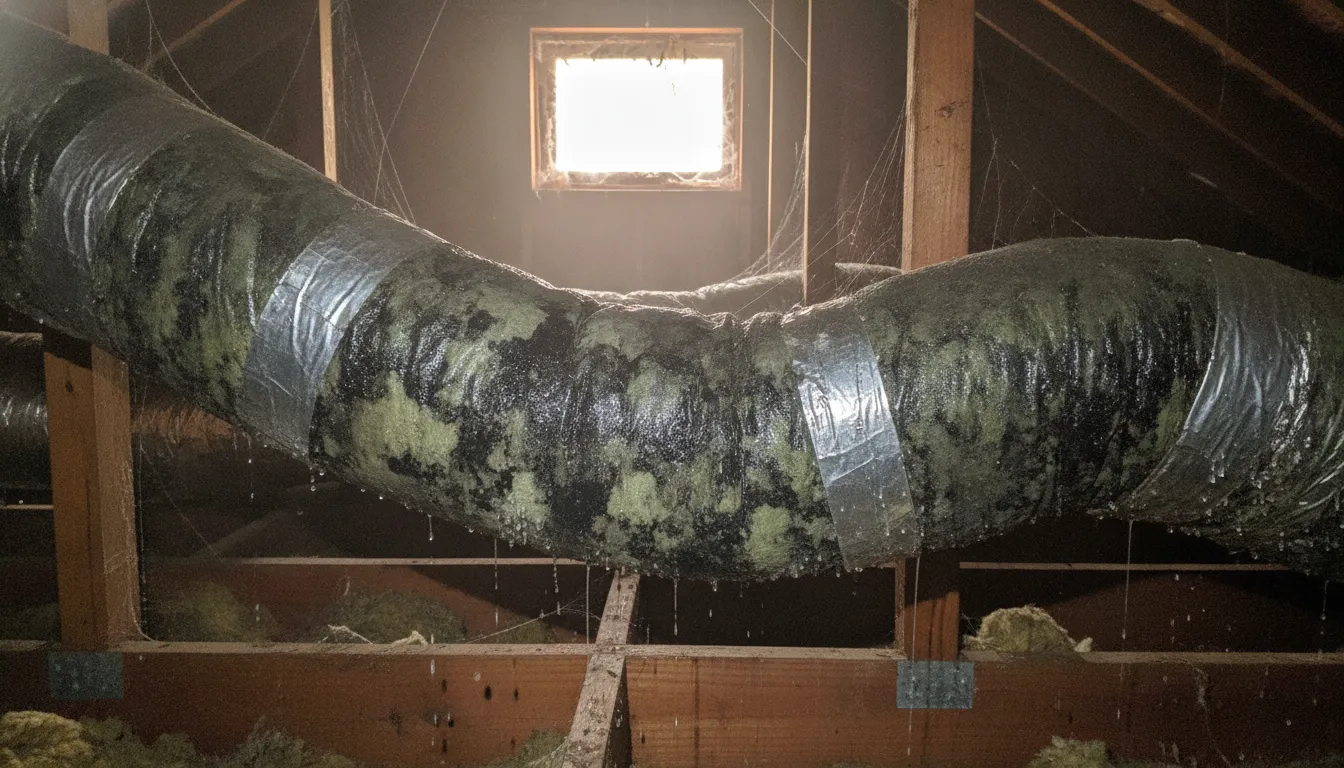
Do you have rooms that are always warmer than others, no matter how low you set the thermostat? Your ductwork might be the problem. Ducts are the highways that carry cool air, and leaks mean you're paying to cool your attic or crawlspace instead of your living room. This forces your AC to run longer, wasting energy and money. While a full inspection requires a professional, you can sometimes spot obvious issues yourself. If you suspect a problem, it's best to have your ducts inspected. Proper duct sanitization and replacement ensures you're not paying to cool unused spaces.
Schedule Professional AC Maintenance
While these DIY tips are helpful, the best way to guarantee optimal airflow is with regular, professional maintenance. An experienced technician can go beyond a simple visual check. They have the tools to measure airflow accurately, identify hidden leaks, and clean essential components like the evaporator and condenser coils, which can get clogged with dirt. Think of it as an annual check-up for your AC. Scheduling routine air conditioning maintenance not only keeps your system running efficiently but also helps catch small issues before they turn into major, costly repairs during a Florida heatwave.
When to Call a Pro for Airflow Issues
While changing your AC filter is a simple task you can handle yourself, some airflow problems are symptoms of a much bigger issue. Trying to fix them on your own can sometimes do more harm than good. Knowing when to step back and call a professional can save you from future headaches, expensive repairs, and the misery of a hot, humid Florida home. If you’ve done the basic checks and your AC still isn’t performing right, it’s time to get an expert opinion. A trained technician can diagnose the root cause and get your system running efficiently again.
When the Problem Isn't Just the Filter
You’ve replaced your filter, but the problem persists. What now? If you notice certain rooms are always warmer or cooler than others, it’s a classic sign of an airflow imbalance that a new filter can’t fix. This could point to issues within your ductwork, like blockages or leaks. Similarly, if you’re dealing with poor air quality, stuffy air, or excessive moisture inside, your HVAC system is likely struggling. These are signs that the problem goes beyond a simple filter clog. Instead of guessing, it’s best to have a professional perform an air conditioning repair to find the source of the trouble.
The Importance of Regular Maintenance
The best way to deal with major airflow issues is to prevent them from happening in the first place. If the air blowing from your vents feels warm or just isn't as cold as it used to be, your equipment has a problem that needs attention. Correct airflow is critical to the health and performance of your entire AC system, and small issues can quickly become big ones. During a professional tune-up, a technician can spot and fix potential problems like a struggling fan motor or dirty coils before they restrict airflow and strain your system. Scheduling regular air conditioning maintenance keeps your AC running smoothly and efficiently, especially through our long, hot summers.
Related Articles
- Prepare Your HVAC for Florida Summer
- 5 Signs Your AC Needs Repair
- HVAC Tips & Insights Blog - Expert Advice from 5 Star Air
- HVAC Services in Southwest Florida - AC Repair, Installation & Maintenance | 5 Star Air
Frequently Asked Questions
I think I put my filter in backward. Is it a big deal? It’s a common mistake, but yes, it is a big deal for your AC system. When a filter is in backward, it severely restricts airflow, forcing your system’s fan motor to work much harder than it should. This strain can increase your energy bill and lead to damage over time. The best thing to do is turn your system off, pull the filter out, and reinstall it with the arrow pointing toward the main AC unit.
Why do I have to change my filter so often here in Florida? Our Florida environment is tough on air conditioners. The combination of high humidity and a long cooling season means your system runs almost constantly. The humidity causes dust and other particles to get trapped in the filter more quickly, turning it into a damp, clogged mat. Because the AC runs so frequently, the filter is always working, so it simply fills up faster than it would in a cooler, drier climate.
My filter is clean and my vents are clear, but my AC still isn't cooling well. What should I do? You’ve already done the right first steps, which is great. If you've handled the basics and your home still feels warm or humid, it usually means the problem is deeper within the system. This could point to an issue with your ductwork, a refrigerant leak, or a problem with the fan motor or coils. At this point, it’s best to call a professional technician to diagnose the issue correctly.
What's the difference between a return vent and a supply vent? It helps to think of your AC system as a breathing person. The return vents are the ones "inhaling" your home's warm air; they are typically larger and have slats you can see through. This air gets pulled through the ducts to be filtered and cooled. The supply vents are the ones "exhaling" the cold air back into your rooms. These are usually smaller, and you can feel the cool air blowing out of them.
Besides the filter, what's one easy thing I can do to help my AC's airflow? Take a quick walk through your home and make sure none of your vents are blocked. It’s very easy for a piece of furniture, a rug, or even a pile of laundry to cover a vent and obstruct airflow. Both the return vents (which pull air in) and the supply vents (which blow air out) need to be completely clear to keep the air circulating properly and your system running efficiently.