Why Is My AC Not Turning On? A Homeowner's Guide
The silence of an air conditioner that won't start is deafening, especially during a Florida summer. Your mind immediately jumps to the worst-case scenario, but let's not get ahead of ourselves. When you're trying to figure out why is my ac not turning on, a logical, step-by-step approach is your best friend. Often, the solution is hiding in plain sight. We'll start with the easiest and most common culprits, like your thermostat settings and circuit breakers, before moving on to other simple checks. This guide provides a clear roadmap to help you troubleshoot the problem safely and efficiently, so you can find the cause and get back to being comfortable.
Key Takeaways
- Check Power and Settings First: Before assuming the worst, confirm your thermostat is set to cool, reset the AC's circuit breaker, and check for any other safety switches near the unit. These simple power-related checks solve many common issues.
- Inspect for Simple Blockages: A dirty air filter or a clogged condensate drain line are frequent reasons for an AC shutdown in Florida. Regularly changing your filter and keeping the drain line clear are easy preventative steps you can take.
- Recognize Serious Warning Signs: Stop troubleshooting and call a professional if you smell burning odors, hear grinding noises, see ice on the coils, or if a breaker trips repeatedly. These are signs of a bigger problem that requires an expert to fix safely.
AC Not Turning On? Start Your Troubleshooting Here
That moment of panic when you realize your AC isn't kicking on is something every Floridian dreads. Before you assume the worst and start picturing a massive repair bill, take a deep breath. Often, the problem is something simple you can fix yourself in just a few minutes. Working through these basic troubleshooting steps can help you identify the issue and potentially save you a service call. Let's walk through the easiest checks you can perform safely to see if we can get your cool air flowing again.
Check Your Thermostat First
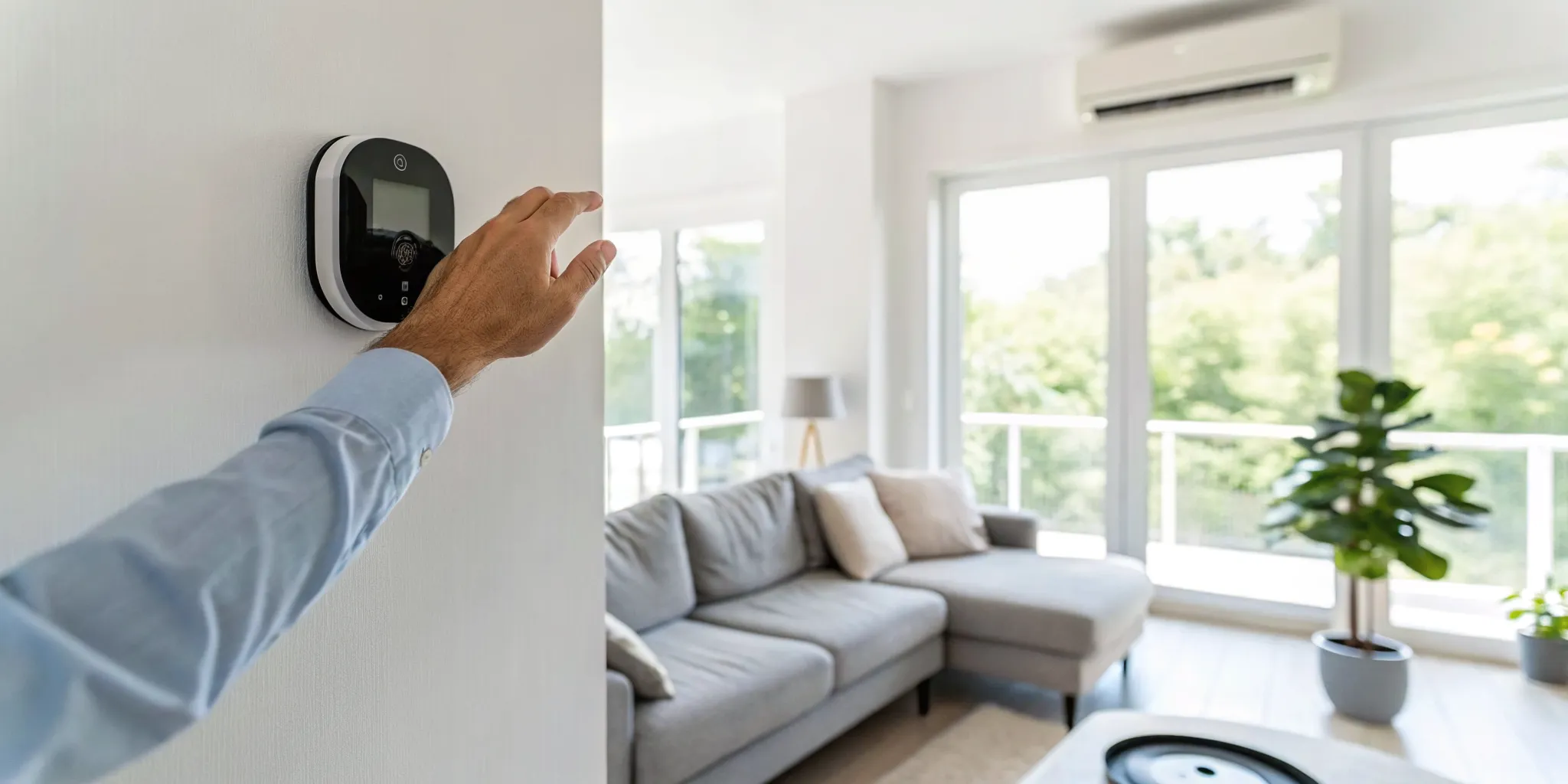
Your thermostat is the brain of your air conditioning system, so it's the first place you should look. It might sound obvious, but make sure it's set to "Cool" and that the target temperature is a few degrees lower than the current room temperature. If it's not, your AC won't have a reason to turn on. For digital thermostats, check if the screen is blank, as you might just need to replace the batteries. Some models also have a "hold" function that can override your regular schedule, so try turning that off to see if it helps. If these simple adjustments don't work, it's time to move on to the power supply.
Inspect the Power Supply
Your air conditioner is a powerful appliance that uses a lot of electricity, so it has its own dedicated circuit breaker. Head to your home's main electrical panel (usually in the garage, a closet, or utility room) and look for a breaker labeled "AC," "HVAC," or "Air Cond." If the switch is in the middle or "off" position, it has tripped. To reset it, flip the switch completely to the "off" position and then firmly back to "on." A breaker can trip for many reasons, like a power surge during a storm. If it trips again right away, don't keep resetting it. This indicates a more serious electrical issue that requires professional air conditioning repair.
Is Your Outdoor Unit Getting Power?
Your AC system has two main parts, and both need power. Outside your home, near the large condenser unit, there should be a metal power box with a disconnect switch. Sometimes this switch can be accidentally turned off during yard work or other maintenance. Open the box and ensure the switch is in the "ON" position. Some systems also have a light-switch-style power switch for the indoor unit, often located in the attic or a utility closet. Make sure that switch hasn't been flipped off by mistake. If you've checked all the switches and breakers and still have no power, it's best to call for emergency air conditioning services to safely diagnose the problem.
Check Your Breakers, Fuses, and Safety Switches
If your thermostat has power but the AC unit itself is silent, the next stop on our troubleshooting tour is your home’s electrical panel. Your air conditioner is a powerful appliance that draws a lot of electricity, so it has its own dedicated circuit breaker. Sometimes, a power surge or an overworked system can cause this breaker to "trip," cutting off power as a safety measure. This is a very common reason for an AC to suddenly stop working, and thankfully, it's often a simple fix.
Beyond the main panel, your system has other built-in safety switches designed to prevent damage. For instance, your outdoor unit has a disconnect switch, and the indoor unit often has a float switch in the drain pan. These components are designed to shut the system down if they detect a serious electrical issue or a problem like a water leak. Before you assume the worst, a quick check of these electrical points can often get your cool air flowing again without needing to call for help.
How to Reset a Tripped Circuit Breaker
First, locate your home's main electrical panel. It’s usually in a garage, basement, or utility closet. Open the panel door and look for the breaker labeled "AC," "HVAC," or "Air Conditioner." A tripped breaker will be in the middle position, not fully on or off. To reset it, you need to flip the switch completely to the "Off" position first, then firmly push it back to the "On" position. You should hear a distinct click. After you’ve done this, go back to your thermostat and try turning the AC on again. This simple reset often resolves the issue.
What to Do If the Breaker Keeps Tripping
If you reset the breaker and it immediately trips again, stop what you are doing. A breaker that keeps tripping is a clear signal that there's a more serious underlying electrical problem. This could be a short circuit in the wiring, a failing compressor, or an issue with the motor. Continuously trying to flip it back on is not only ineffective but can also be a fire hazard or cause severe damage to your AC unit. This is a situation where you absolutely need a professional. An experienced technician can safely diagnose the electrical fault and perform the necessary air conditioning repair.
The Drain Float Switch: A Common Culprit in Florida
Here in Florida, our air conditioners work overtime to pull humidity out of the air. This moisture collects and is supposed to exit through a condensate drain line. If that line gets clogged with algae or debris, the water backs up into a drain pan. To prevent an overflow that could cause major water damage to your home, a small safety device called a float switch will automatically shut off your entire AC system. You can check for this by looking at your indoor air handler. If you see standing water in the pan beneath it, a clogged drain line is almost certainly your problem. Keeping up with regular maintenance is the best way to prevent these clogs from happening in the first place.
Could a Dirty Filter or Clogged Drain Line Be the Problem?
Sometimes, the reason your AC won't turn on is surprisingly simple. Before you assume the worst (and a huge repair bill), it's worth checking two of the most common culprits: a dirty air filter and a clogged drain line. These issues are especially prevalent here in Florida, where high humidity and year-round use put extra strain on our systems. The good news is that addressing these problems is often straightforward and doesn't always require a service call.
A dirty filter can restrict airflow so much that your system shuts down to protect itself, while a clogged drain line can trigger a safety switch to prevent water damage inside your home. Both are designed to stop a small problem from becoming a big, expensive one. Think of it as your AC's way of telling you it needs a little attention. Keeping up with these small tasks is a huge part of preventative care. Regular air conditioning maintenance helps you catch these things before they leave you sweating. Let's walk through how to check for these issues and what you can do about them.
How a Clogged Air Filter Can Stop Your AC
Your AC's air filter has one main job: to trap dust, pollen, and other particles before they get into your system. Over time, it gets clogged. When that happens, your air handler has to work much harder to pull air through, which can cause the unit to overheat and shut down. In other cases, the lack of warm air moving over the evaporator coils can cause them to freeze solid, which also stops your AC in its tracks. This simple component plays a big role in your home's indoor air quality. To check, find your air filter, which is usually located in the indoor air handler or a return air vent in your wall or ceiling. Slide it out and hold it up to a light. If you can't see light through it, it's time for a new one.
How to Clear a Blocked Condensate Drain Line
Your air conditioner doesn't just cool the air; it also removes humidity. That moisture collects and drains away through a PVC pipe called a condensate drain line. Here in Florida, the combination of constant moisture and warmth creates the perfect environment for algae and mold to grow inside that pipe, creating a clog. To prevent water from backing up and damaging your home, most AC units have a float switch that will shut the entire system down if the drain line is blocked. You can often find the drain line exit outside near your outdoor unit. Using a wet/dry vacuum to clear the blockage from the outside can sometimes solve the problem. If you're not comfortable doing this or the clog persists, it's best to call for professional air conditioning repair.
How to Reset Your Air Conditioner
Sometimes, your air conditioner just needs a simple reboot to get back on track. An AC reset, also known as a power cycle, can clear minor electronic glitches that might be preventing the system from turning on. It’s a straightforward troubleshooting step you can safely do yourself before calling for help. Think of it like restarting your computer when it acts up; this simple process can often resolve the issue and get that cool air flowing again, which is a huge relief in the Florida heat. Modern air conditioners have complex circuit boards that can sometimes get stuck in a protective mode after a power flicker or brownout, which are common occurrences here. A reset forces the system to restart its internal computer, clearing out any temporary errors.
If your system seems to have power but just won’t kick on, a reset is the perfect place to start. It’s a common fix for when the unit’s internal safety mechanisms have been tripped. Before you start worrying about expensive repairs, taking a few minutes to perform a reset is always a smart move. We’ll walk through the correct way to do it and what to check if your AC still refuses to cooperate. Following these steps ensures you’ve covered the most common, easy-to-fix issues before deciding you need a professional.
A Step-by-Step Guide to Resetting Your AC
Ready to give it a try? Here’s how to safely reset your air conditioner. First, go to your thermostat and switch the system completely to the “Off” position. This is a crucial first step to prevent the system from trying to start up during the reset. Next, head to your home’s electrical panel and find the circuit breaker for your air conditioner. It’s usually labeled “AC,” “HVAC,” or “Air Conditioner.” Flip the breaker to the “Off” position. Now, just wait for about five minutes. This brief pause allows the internal circuits to fully reset. After waiting, flip the breaker back on and return to your thermostat to turn your AC back on.
Still Not Working After a Reset? Here’s What to Do
If the reset didn’t solve the problem, don’t worry. There are a few more things you can check. First, take another look at your thermostat. Make sure it’s set to “Cool” and the temperature is set lower than the current room temperature. If your thermostat is battery-powered, try putting in a fresh set. Next, check for any other power switches. There is often a switch located near your indoor air handler (usually in a closet, attic, or garage) and another near the outdoor condenser unit. Ensure both are in the “On” position. If you’ve gone through all these steps and are still sweating it out, it’s time to call in an expert for a professional diagnosis and air conditioning repair.
Could a Faulty Part Be the Culprit?
If you’ve worked through the basic troubleshooting steps and your AC still won’t kick on, the problem might be a specific part that has failed. Your air conditioner is a complex machine with many interconnected components, and when one piece gives out, it can bring the whole system to a halt. While some of these issues are quick to identify, they almost always require a trained technician to fix safely and correctly. Attempting to replace electrical components or handle refrigerant without a license is dangerous and can lead to more expensive damage.
If you suspect a broken part is to blame, your best next step is to call for a professional diagnosis. A technician can pinpoint the exact cause and let you know what it will take to get your home cool again. Here are a few common part failures that could be behind your AC troubles.
Failed Capacitors and Contactors
Think of a capacitor as a small battery that gives your AC’s motor the powerful jolt it needs to start and run. If this part fails, your AC unit might hum but never actually start, or it might struggle to stay on. Similarly, a contactor is a switch that controls the flow of electricity to the unit. If the contactor is worn out or broken, it can’t deliver the power needed to operate. Both of these are common wear-and-tear items, especially in Florida’s demanding climate. Replacing them involves working with high-voltage electricity, so this is definitely a job for a professional air conditioning repair technician.
Spotting a Refrigerant Leak
Refrigerant is the lifeblood of your air conditioner; it’s the substance that absorbs heat from your home. If your system is low on refrigerant, it can’t cool effectively and may shut down to prevent damage to the compressor. Signs of a leak include hissing noises, ice forming on the copper lines, or warm air blowing from your vents. Because refrigerant is a controlled substance and can be hazardous, you’ll need a licensed technician to find and fix the leak, then recharge the system to the proper level. A sudden loss of cooling could be an emergency, so don't hesitate to call for emergency AC services.
Dealing with Frozen Evaporator Coils
It seems strange, but seeing a block of ice on your indoor AC unit is a clear sign something is wrong. This is called a frozen evaporator coil. The coil freezes when it gets too cold, which usually happens because of poor airflow from a dirty filter or a blockage. It can also be caused by low refrigerant levels. If you see ice, turn your AC system off completely (don't just set it to "fan") to allow the ice to melt. Trying to run it while frozen can severely damage the compressor. Once it thaws, you’ll need a professional to diagnose and fix the underlying cause.
Checking the Disconnect Switch
Before you assume the worst, there’s one more simple power check you can do. Your outdoor condenser unit has its own power shut-off switch, often located in a small metal box on the exterior wall of your house. This is called the disconnect switch. Sometimes, this switch can be accidentally turned off during yard work or by a previous technician. Carefully open the box and see if the switch or pull-out tab is in the "off" position. If it is, you can try switching it back to "on." If this doesn't solve the problem, it's time to contact us for professional help.
Warning Signs of a Bigger AC Problem
Sometimes, an AC that won’t turn on is more than a minor hiccup. It can be a signal that a larger, more complex issue is at play. While simple troubleshooting steps can solve many common problems, certain red flags indicate it’s time to stop tinkering and call for professional help. Ignoring these signs can lead to more extensive damage and costly repairs down the road. If you notice any of the following issues, your air conditioner is likely telling you it needs an expert’s attention.
Hearing Unusual Noises or Smelling Burning Odors
Your air conditioner should operate with a consistent, low hum. If you suddenly hear grinding, squealing, or banging, it’s a clear sign that something is wrong internally. These sounds often point to mechanical failures, like a worn-out motor bearing or a loose part. A burning smell is even more serious, as it usually indicates an electrical problem, such as an overheated motor or a failed capacitor. Don't ignore these sensory warnings. Turn off your system at the breaker and schedule a professional air conditioning repair to safely diagnose and fix the source of the problem.
Noticing a Spike in Your Energy Bills
Your utility bill is a great indicator of your AC’s health. If you see a sudden and unexplained spike in your energy costs, your system is likely working harder than it should to cool your home. This inefficiency can be caused by several underlying issues, from low refrigerant levels to a failing compressor. While a dirty air filter can contribute to this, if you’ve already replaced it and your bills are still high, a deeper problem is probably the cause. Regular air conditioning maintenance can help catch these efficiency drains before they become major expenses.
Your System Is Constantly Breaking Down
Are you on a first-name basis with your AC repair technician? If your system needs frequent fixes, it’s a strong sign that it’s nearing the end of its lifespan. Pouring money into constant repairs on an older unit, especially one over 15 years old, can become a financial drain. At a certain point, it’s more cost-effective to stop patching up an unreliable system. Investing in a new, energy-efficient unit can provide peace of mind and lower energy bills. If you’re facing another expensive repair, it might be time to consider an air conditioning installation and replacement.
Finding Water Leaks Around Your Unit
Water should never pool around your indoor or outdoor AC unit. If you spot a leak, it needs immediate attention. A common cause in humid climates like Florida is a clogged condensate drain line, which can trigger a safety switch that shuts down your entire system to prevent water damage. Other culprits include a cracked drain pan or a frozen evaporator coil that has started to melt. Because water can damage your floors, walls, and ceilings, it’s best to address leaks quickly. This situation often warrants a call for emergency air conditioning services to prevent further issues.
When Is It Time to Call a Professional?
While it feels great to solve a problem yourself, there are times when the smartest and safest move is to call in an expert. Your air conditioner is a complex piece of machinery with high-voltage electrical components and chemical refrigerants. Attempting certain fixes without proper training and tools can be dangerous, and it can often lead to bigger, more expensive problems. If you’ve worked through the basic troubleshooting steps and your AC still isn’t cooperating, it’s time to let a professional take over.
Knowing your limits is key. A licensed technician has the experience to quickly and accurately diagnose the root cause of the issue, from a faulty motor to a refrigerant leak. They can perform a safe and effective air conditioning repair that gets your home cool again without putting you or your system at risk. Sometimes, a quick call is the most efficient path to a cool and comfortable home.
Repairs You Should Never Try Yourself
Some AC issues are strictly for the pros. If you suspect any of the following problems, please don’t attempt a DIY fix. Electrical work, for instance, is extremely hazardous. A professional will inspect for damaged wiring or test components like capacitors and contactors, but this can be very dangerous for an untrained person. Another major one is a refrigerant leak. Handling refrigerant requires an EPA certification, and exposure can be harmful. A technician has the right equipment to find and fix leaks safely.
Beyond those, issues with the blower motor or other internal mechanical parts require a trained eye. Our licensed and insured technicians have specialized diagnostic tools to pinpoint the exact problem, whether it’s a strange noise coming from the motor or a more hidden issue. Trying to fix these complex parts on your own can easily cause more damage, turning a simple repair into a costly replacement.
Will a DIY Repair Void My Warranty?
In most cases, yes. Attempting a DIY repair on a system that is still under warranty is a risky move that can end up costing you a lot of money. Manufacturers typically require that all service and repairs be performed by a licensed HVAC professional to keep the warranty valid. They put this rule in place because an incorrect repair can cause a cascade of other parts to fail, and they won’t cover damage caused by unqualified work.
If your system is still covered, you should always call a professional, especially for issues like a frozen evaporator coil or a suspected faulty capacitor. Even if the fix seems simple, doing it yourself gives the manufacturer a reason to deny future claims. Think of it this way: the cost of a professional service call is a small price to pay to protect an investment worth thousands of dollars. If you're concerned about the cost of a major repair, we even offer financing options to help manage the expense.
How to Prevent Future AC Breakdowns
An ounce of prevention is worth a pound of cure, especially when it comes to your air conditioner in the Florida heat. Instead of waiting for a breakdown to happen, you can take a few simple, proactive steps to keep your system running smoothly all year long. These aren't complicated tasks, but they make a huge difference in your AC's performance, lifespan, and even your energy bills. By giving your system a little attention now, you can save yourself a lot of stress and money later. Think of it as a small investment in your home's comfort and your own peace of mind. Here are the three most important habits to adopt to prevent future AC headaches.
Schedule Regular Maintenance
The single best thing you can do for your AC is to schedule professional maintenance. Just like your car needs regular oil changes, your air conditioner needs routine tune-ups to perform at its best. During a maintenance visit, a technician can spot worn-out parts, clean essential components, and catch small issues before they turn into major, expensive repairs. Many companies offer air conditioning maintenance plans that include checks in the spring and fall, which is perfect for getting your system ready for the intense Florida summer. It’s a simple way to ensure your AC runs efficiently and reliably when you need it most.
Change Your Air Filter Consistently
This is one of the easiest and most effective DIY tasks you can do. A dirty air filter is a common culprit behind AC problems because it blocks airflow, forcing your system to work much harder than it should. When the filter gets too clogged, it can cause your AC to stop working altogether. Make it a habit to check your filter every month. A good rule of thumb is to replace basic pleated filters every 30 days, though you might need to change them more often if you have pets or allergies. Keeping your filter clean is not only great for your AC unit, but it also helps improve your indoor air quality.
Keep Your Outdoor Unit Clear of Debris
Your AC system has two main parts: an indoor unit and an outdoor unit. The outdoor unit, or condenser, needs plenty of space to breathe. When it’s surrounded by leaves, grass clippings, or overgrown shrubs, it can’t release heat effectively. This can restrict airflow and cause the system to overheat, leading to a shutdown or even permanent damage. Take a few minutes every month to walk around your outdoor unit and clear a two-foot radius around it. While you can gently rinse the outside with a hose, it's best to leave any deep cleaning of the delicate coils to a professional. Always remember to turn off the power at the breaker before doing any cleaning yourself.
Related Articles
- 5 Signs Your AC Needs Repair
- AC Repair Services
- HVAC Tips & Insights Blog - Expert Advice from 5 Star Air
- Duct Replacement Services
- AC Services
Frequently Asked Questions
I'm overwhelmed. What are the first three things I should check before calling anyone? Of course, it's easy to feel a little panicked. Before you pick up the phone, start with the three simplest checks. First, look at your thermostat to make sure it's set to "Cool" and the temperature is set lower than it is in the room. Second, check your air filter to see if it's clogged with dust. Finally, find your home's electrical panel and see if the breaker for the AC has tripped. These three steps are safe for anyone to do and solve a surprising number of problems.
My circuit breaker tripped again right after I reset it. What should I do now? Stop trying to reset it and turn the system off. A breaker that trips repeatedly is a clear warning sign of a more serious electrical issue within your AC system, such as a short circuit or a problem with the motor. Forcing it back on can be a fire hazard and could cause more damage to the unit. This is a definite sign that it's time to call a professional technician to diagnose the problem safely.
I see ice on my AC unit. Should I just let it run to melt it? No, you should turn your air conditioner completely off at the thermostat right away. Running the system while the coils are frozen can badly damage the compressor, which is one of the most expensive parts of your AC. After you turn the system off, the ice will start to melt on its own. A frozen coil is always a symptom of another problem, like restricted airflow or low refrigerant, so you'll still need a professional to find and fix the root cause once it has thawed.
How do I know if the problem is a simple fix or something that needs a professional? A good rule to follow is that if the solution involves your thermostat settings, the air filter, or a one-time breaker reset, it's likely a simple fix you can manage. However, if the problem requires opening up the AC unit, handling any wiring or electrical parts, or if you hear loud noises or smell something burning, that is your signal to call for professional help. Your safety is the most important thing, and some repairs are best left to a trained expert.
Is regular maintenance really that important if my AC seems to be working fine? Yes, it is one of the most important things you can do for your system. Think of it as a regular health checkup for your air conditioner. Professional maintenance allows a technician to clean vital components, catch worn-out parts before they fail, and ensure your system is running at peak efficiency. This not only prevents sudden breakdowns during a heatwave but also helps keep your energy bills in check and can add years to the life of your unit.