AC in House Not Cooling? Try These 5 Easy Fixes
When your air conditioner stops cooling, your first instinct might be to call for an expensive repair. But before you pick up the phone, take a few minutes to play detective. Many of the reasons for an AC in house not cooling are surprisingly simple to diagnose and even fix on your own. A clogged air filter, an incorrect thermostat setting, or a blocked outdoor unit can all prevent your system from doing its job effectively. We’ll guide you through the essential DIY checks that can save you time, money, and stress. By ruling out the easy stuff first, you’ll either solve the problem yourself or be better prepared to explain the issue to a technician.
Key Takeaways
- Start with the Basics Before You Call: Many cooling problems have simple solutions. Before assuming the worst, check that your thermostat is set correctly, your air filter is clean, and your outdoor unit is clear of debris.
- Know When to Call a Professional: For your safety and to prevent further damage, leave complex issues to the experts. Unusual noises, burning smells, ice on the coils, or electrical problems are clear signs to stop DIY troubleshooting.
- Make Maintenance a Year-Round Habit: The best way to avoid a mid-summer breakdown is through proactive care. Regular filter changes and an annual professional tune-up are key to improving efficiency, extending your AC's lifespan, and ensuring reliable performance.
Why Is My AC Running But Not Cooling?
There’s nothing more frustrating than hearing your air conditioner running on a sweltering Florida day, only to realize your home isn’t getting any cooler. When your AC runs but doesn't cool, it’s a clear sign that part of the system isn't doing its job. The good news is that the cause is often a common issue, from a simple clogged filter to a more complex refrigerant leak. Understanding what might be going wrong is the first step toward getting cool, comfortable air flowing again.
Common Culprits at a Glance
When your AC isn't cooling, the problem usually traces back to one of a few key areas. First, check your air filter. A dirty or clogged filter is a top reason for poor cooling because it restricts airflow, forcing your system to work much harder for poor results. Another frequent issue is the thermostat; if it’s set incorrectly or malfunctioning, it won’t signal your AC to cool properly. More serious problems include refrigerant issues. If your system has a leak, it won’t have enough refrigerant to cool the air effectively. This is a job that always requires professional air conditioning repair to handle safely.
How Your AC System Works
To understand why your AC might not be cooling, it helps to know how it operates. Your air conditioner doesn't create cold air; it removes heat from inside your home using a chemical called refrigerant. This refrigerant absorbs heat from your indoor air, turning from a liquid into a gas. It then travels to the outdoor unit, where a compressor puts it under pressure. A large fan blows air over the condenser coils, releasing the absorbed heat outside. The refrigerant then cools back into a liquid and returns inside to repeat the process. Proper air conditioning maintenance ensures this cycle works smoothly.
Common Myths About AC Cooling
One of the biggest misconceptions is that it’s okay to let your AC run even if it’s not cooling. Continuing to operate a malfunctioning AC can turn a minor issue into a major one. For example, running the system with a clogged filter can strain the fan motor, leading to a much more expensive repair. Ignoring a potential refrigerant leak can damage the compressor, the heart of your AC system. If you notice a problem, it’s always best to address it right away. Prompt action can save you from a bigger headache, especially if you need emergency air conditioning services.
Simple Fixes to Try First
When your AC stops cooling, it’s easy to assume the worst. But before you panic about a major repair bill, take a deep breath. Often, the problem is something you can identify and fix yourself in just a few minutes. Walking through these simple checks can save you time, money, and a lot of stress. Think of it as basic troubleshooting—a way to rule out the easy stuff before calling for backup. If you try these steps and still can't get cool air flowing, you'll know it's time for a professional air conditioning repair. Let's start with the control center of your system: the thermostat.
Check Your Thermostat
It might sound obvious, but your thermostat settings can sometimes be the source of the problem. First, make sure it’s set to "cool." Accidental bumps or even power flickers can sometimes switch the mode. Next, check the temperature setting. It needs to be set lower than the current temperature in the room for the AC to kick on. If the set temperature is 78 degrees and the room is 75, your system won't start cooling. Try lowering the temperature by five degrees and see if that triggers the cool air.
Inspect Your Air Filter
Your AC system needs to breathe, and a dirty air filter is like trying to run a marathon while breathing through a straw. A clogged filter restricts airflow, forcing your system to work much harder to cool your home and sometimes causing it to freeze up. Pull out your air filter and hold it up to the light. If you can't see light through it, it's time for a change. We recommend checking your filter every month and replacing it at least every three months to maintain good indoor air quality and keep your AC running efficiently.
Clear Your Outdoor Unit
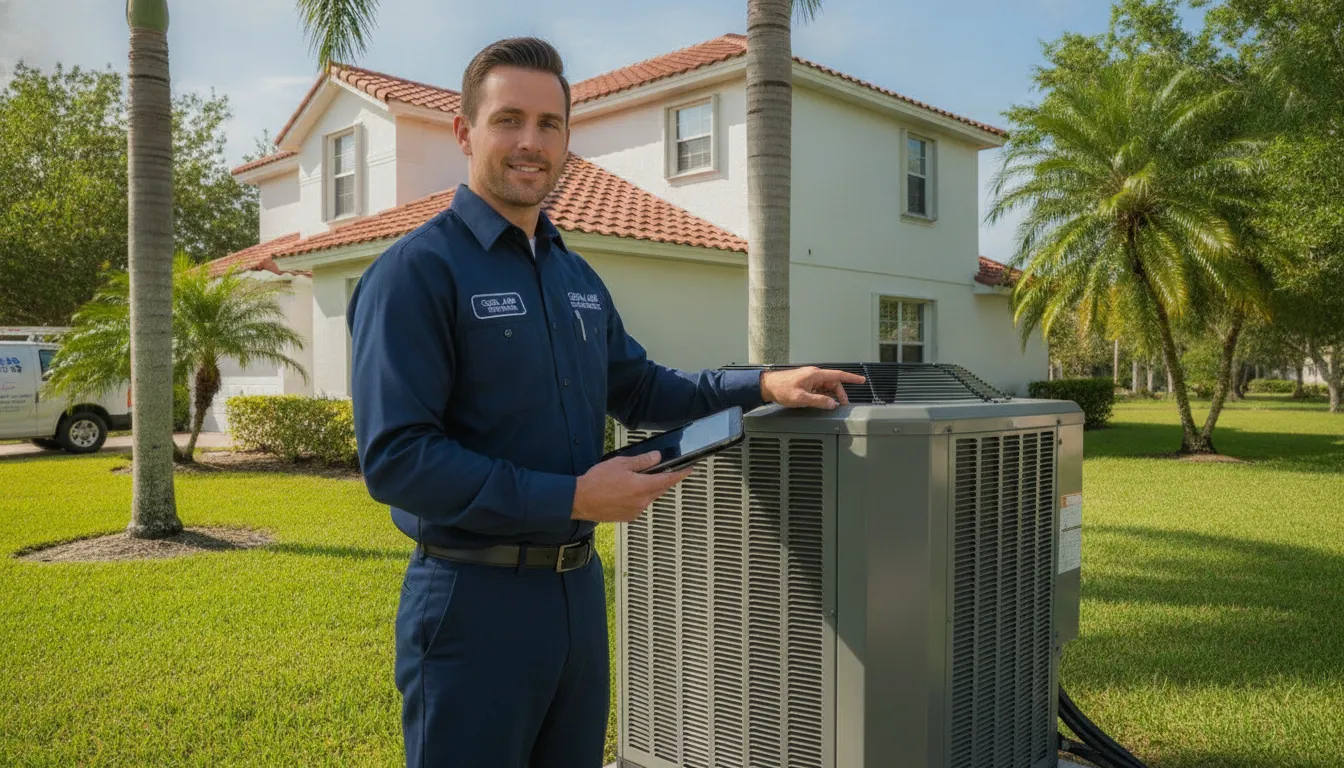
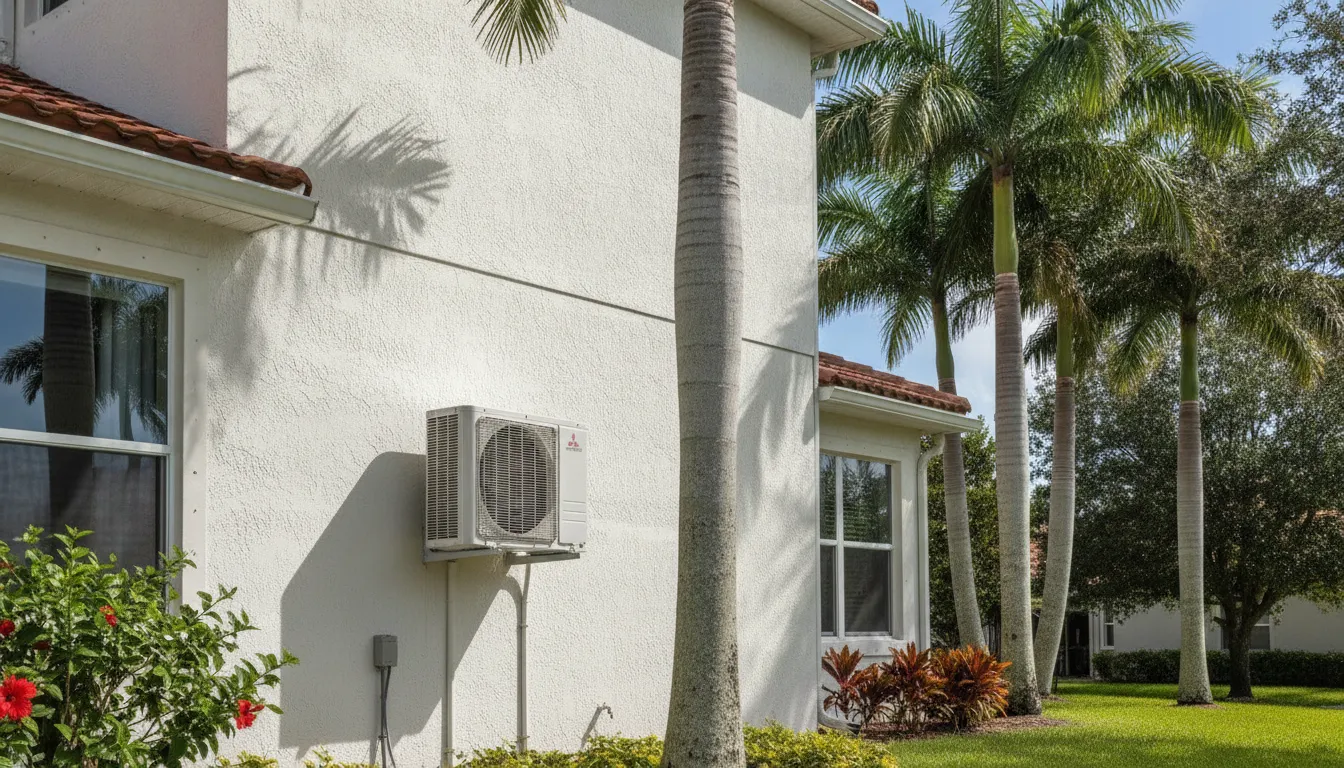
Your indoor unit isn't the only part of the system that needs clear airflow. Head outside and take a look at your condenser unit—the big metal box with a fan inside. This unit's job is to release the heat pulled from your home. If it's covered in leaves, grass clippings, or dirt, it can't do its job effectively. Make sure there are at least two feet of clear space around the entire unit. You can gently rinse off any built-up grime with a garden hose, but avoid using a high-pressure nozzle, which can damage the delicate fins.
Examine Your Vents
Now, let's head back inside and check your supply vents—the registers where the cool air comes out. Walk through your home and make sure none of them are blocked by furniture, rugs, or curtains. Closed or obstructed vents can disrupt the airflow balance in your home, leading to hot spots and making your AC system less effective. Also, check that the louvers on the vents are open. It’s a simple step that can make a surprising difference in how well your home cools down.
Perform a Quick Maintenance Check
Taking a few minutes for these quick checks is a great habit to get into. Consistent, simple actions are the foundation of good air conditioning maintenance and can prevent many common issues from happening in the first place. If you’ve gone through all these steps—your thermostat is set correctly, your filter is clean, and your outdoor unit and indoor vents are clear—but your home still isn't cooling, the problem likely requires a professional diagnosis. At this point, it's best to turn the system off to prevent further damage and give us a call.
When to Call a Professional
While it’s great to be a hands-on homeowner, some AC issues are beyond a simple DIY fix. If you’ve tried the basic troubleshooting steps and your home still feels like a sauna, it’s time to bring in an expert. Continuing to run a malfunctioning AC can cause more extensive—and expensive—damage. Plus, certain problems, especially those involving electrical components or refrigerant, can be hazardous to handle without proper training and tools.
Think of it this way: you’ve done your part by ruling out the simple stuff. Now, let a professional take it from here. A licensed technician can accurately diagnose the root cause and perform a safe, effective air conditioning repair. Knowing when to make that call protects your system, your home, and your peace of mind.
Urgent Signs to Watch For
Sometimes, your AC gives you clear signals that it needs immediate attention. If your system is running constantly but the air coming out of the vents is barely cool or even warm, that’s a major red flag. The same goes for an AC that stops working altogether or cycles on and off every few minutes. Another critical sign, especially here in Florida, is ice buildup on the refrigerant lines or coils. While it might seem counterintuitive, ice often means the system isn’t cooling properly. If you notice any of these issues, it’s best to call for emergency air conditioning services to prevent a small problem from becoming a total system failure.
Unusual Sounds and Smells
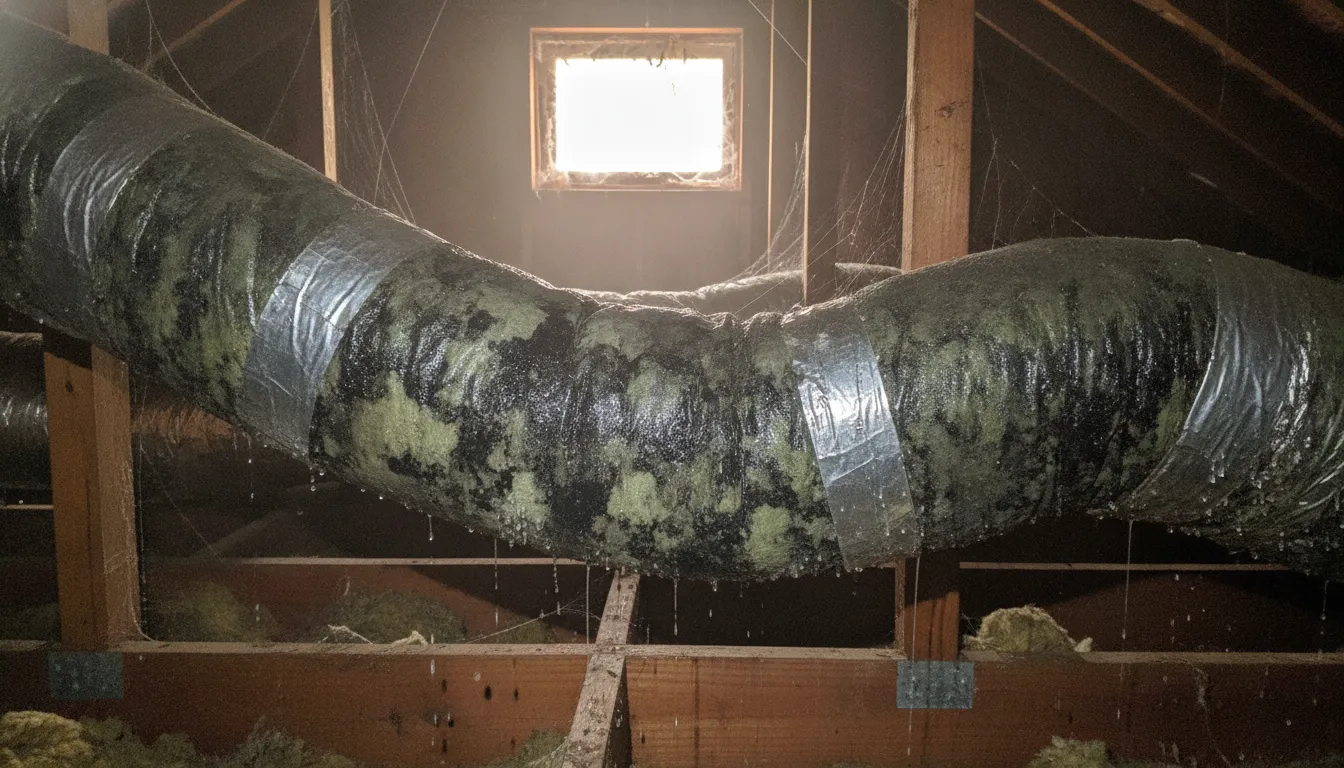
Your air conditioner should operate with a consistent, low hum. If you start hearing new and alarming noises, it’s your system’s way of crying for help. Loud clanking, grinding, or squealing can point to serious mechanical problems, like a failing motor or a loose part. Don’t ignore strange smells, either. A musty odor could indicate mold in your ductwork, while a sharp, burning smell is a serious warning sign of an electrical issue. If you smell anything burning, turn off your AC at the breaker immediately and call a professional. It’s not worth the risk to wait.
Spotting a Refrigerant Leak
Refrigerant is the essential substance that absorbs heat from your home. If your system is low on it, it simply can’t cool your air effectively. This isn't because the AC "uses up" refrigerant; it means there's a leak somewhere. Signs of a leak include a hissing sound near your unit, frozen evaporator coils, or warm air blowing from your vents. Handling refrigerant requires special certification and tools, as it can be harmful. This is one job you should always leave to a licensed technician who can safely find the leak, repair it, and recharge your system to the correct level.
Clues You Have an Electrical Issue
Faulty wiring or failing electrical components can stop your AC in its tracks. If your circuit breaker trips every time the air conditioner kicks on, it’s a clear sign of an electrical problem. You might also notice your lights dimming when the AC starts or hear a buzzing or humming noise from the unit without the fan turning on. While you should always check your breaker box first, you should never attempt to fix wiring or electrical parts yourself. For your safety, any suspected electrical issue requires a professional diagnosis from a qualified HVAC technician.
Know Your Limits: When to Stop DIY
It’s empowering to solve a home maintenance issue on your own, but it’s even smarter to know when to stop. If you’ve cleaned the filter, checked the thermostat, and cleared the outdoor unit but the problem persists, you’ve reached the limit of safe DIY troubleshooting. Any issue you suspect involves refrigerant or your home’s electrical system is an immediate stop sign. Trying to fix these complex components without the right expertise can lead to personal injury or irreversible damage to your AC unit. When in doubt, it’s always the right decision to contact us and let a professional handle it.
Solving Problems Inside Your Home
Sometimes, the reason your AC isn't cooling has less to do with the unit itself and more to do with what’s happening inside your house. Your home is a complete system, and issues in one area can easily affect another. From hidden air leaks to high humidity, let's look at some common in-home problems that can prevent you from feeling cool and comfortable. Understanding these factors can help you pinpoint the real issue and find a lasting solution.
Leaky or Dirty Ductwork
Think of your ductwork as the highway system for cool air in your home. If those highways have potholes or leaks, a lot of that precious cool air escapes into your attic or walls before it ever reaches your living spaces. This forces your AC to work overtime just to keep up, leading to higher energy bills and a system that feels like it’s constantly running. Dirty ducts can also restrict airflow and circulate dust and allergens. If you suspect your ducts are the culprit, a professional duct sanitization and replacement service can seal leaks and clear out debris, ensuring cool air gets where it needs to go.
Why Some Rooms Are Hotter Than Others
It’s a common complaint: the living room is an icebox while the bedroom feels like a sauna. This often happens because of blocked or poorly designed ductwork that doesn’t distribute air evenly. You might be tempted to close the vents in cooler rooms to force more air into the warmer ones, but this can actually backfire. Closing vents increases pressure within your HVAC system, which can strain the blower motor and reduce overall efficiency. Instead, make sure all your vents are open and unobstructed by furniture or curtains. If that doesn't solve the problem, it might be time for a professional to assess your ductwork and airflow.
Dealing with Florida Humidity
Here in Florida, we know that heat is only half the battle—the humidity is what really makes you feel sticky and uncomfortable. Your air conditioner’s job is not only to cool the air but also to remove moisture from it. If your system is old, improperly sized for your home, or hasn't been maintained, it will struggle to pull that excess humidity out of the air. This leaves you with a cool but clammy feeling. Regular air conditioning maintenance is key to ensuring your system can effectively manage our state's notorious humidity and keep your home truly comfortable.
How Insulation and Air Leaks Affect Cooling
Your home's insulation acts as a barrier against the sweltering Florida heat. When insulation is old, thin, or missing, your house gains heat much faster, forcing your AC to run constantly. The same goes for air leaks around windows, doors, and electrical outlets. These small gaps allow hot, humid air to sneak inside while your cooled air escapes. You can do a quick check for drafts on a windy day or use a candle to see if the flame flickers near these areas. Sealing leaks and ensuring you have proper insulation can make a huge difference in your AC’s performance and your energy bills.
Get the Most from Your Smart Thermostat
Your thermostat is the brain of your cooling system, so it’s important to make sure it’s set up for success. First, double-check that it’s set to "cool" and the temperature is lower than the current room temperature. If you have a smart thermostat, take a few minutes to program a schedule that cools your home when you’re there and saves energy when you’re away. However, if your settings are correct but the AC still isn’t cooling, the thermostat might not be the problem. It could be a sign of a deeper issue that requires a professional air conditioning repair.
Caring for Your Outdoor AC Unit
Your indoor comfort depends heavily on a piece of equipment that lives outside: the condenser unit. This is the workhorse of your AC system, responsible for releasing all the heat it has pulled from your home. When this unit is dirty or blocked, it can’t do its job efficiently, which is often why your house feels warm even when the AC is running.
A little bit of attention to your outdoor unit can make a huge difference in your system's performance and even lower your energy bills. Think of it like this: your AC is trying to exhale all that hot air, and if its mouth is covered, it’s going to struggle. These simple steps will help you clear the way for cool, refreshing air inside your home.
How to Clean Your Condenser Unit
A clean condenser is a happy condenser. Over time, the metal fins on your outdoor unit can get caked with dirt, grass clippings, and dust. This buildup acts like a blanket, trapping heat and forcing your system to work harder.
Before you do anything, make sure you turn off the power to the unit at the breaker box for safety. Once the power is off, you can clear away any leaves or debris from around the unit. Then, take a regular garden hose and gently rinse the fins from the top down. You don’t need a high-pressure nozzle—a gentle spray is all it takes to wash away the grime. This simple cleaning can improve efficiency and is a key part of any good air conditioning maintenance routine.
Give Your Unit Room to Breathe
Your outdoor unit needs space to work properly. It pulls in air from the sides and pushes hot air out the top. If you have bushes, tall grass, or other items crowded around it, you’re essentially suffocating it. Dirt, grass, and leaves can get sucked in and clog the coils, preventing the unit from releasing heat from your home.
Take a walk around your condenser and make sure there’s at least two feet of clear space on all sides. Trim back any overgrown shrubs, pull weeds, and move any stored items like garbage cans or lawn equipment. Giving your unit plenty of breathing room is a free and easy way to help it run more effectively and avoid a potential air conditioning repair call.
What a Professional Cleaning Includes
While a quick rinse with a hose is great for surface-level dirt, it can’t replace a professional cleaning. An HVAC technician has the tools and expertise to clean your condenser unit safely and thoroughly. During a maintenance visit, a professional will often use a special, non-acidic coil cleaner that foams up and pushes out deep-seated dirt and grime that a hose can’t reach.
They’ll also clean the interior components, check electrical connections, and make sure the fan motor is in good shape. This deep clean not only improves cooling performance but also extends the life of your unit. Think of it as a spa day for your AC—it’s a crucial step in preventing breakdowns and keeping your system running smoothly all year long.
How to Check Your Unit's Performance
Here’s a quick way to see if your outdoor unit is doing its job. First, go to your thermostat and make sure it’s set to “cool” and the temperature is at least five degrees lower than the current room temperature. Give it a few minutes to kick on, then head outside to the condenser unit.
You should hear it running and see the fan on top spinning. Carefully place your hand over the top of the unit (without touching it). You should feel warm air blowing out. This is a good sign—it means the unit is successfully transferring heat from inside your house to the outdoors. If the fan isn’t spinning or the air feels cool, it’s a clear signal that something is wrong and you may need emergency air conditioning services.
Your Year-Round AC Maintenance Plan
Keeping your air conditioner running smoothly isn't just a summer project. A little attention throughout the year can prevent those frustrating moments when your AC gives up on the hottest day. Think of it as a simple routine that saves you from future headaches and expensive repair bills. By breaking down maintenance into small, manageable tasks, you can extend your unit's lifespan and ensure it’s always ready to handle that Florida heat. From quick monthly checks to seasonal prep, this plan will help you stay cool and comfortable.
Simple Monthly AC Tasks
The single most effective thing you can do for your AC each month is check the air filter. A clogged, dirty filter is one of the most common reasons for cooling problems. It forces your system to work much harder to pull in air, which reduces efficiency and can even cause the unit to freeze up. Just slide the filter out and hold it up to a light. If you can't see light through it, it's time for a change. This simple, two-minute task can dramatically improve your system's performance and your home's indoor air quality.
Prepping Your AC for the Season
Before the cooling season really kicks into high gear, take a few minutes to care for your outdoor unit. Your condenser needs plenty of space to breathe, so clear away any leaves, grass clippings, branches, or weeds that have gathered around it over the winter. Aim for at least two feet of clear space on all sides. For a deeper clean, you can turn the power off to the unit and gently spray the exterior fins with a garden hose to wash away dirt and debris. Just be sure not to use a high-pressure nozzle, as it can damage the delicate fins.
The Value of a Professional Tune-Up
While DIY tasks are helpful, they can’t replace a professional check-up. Scheduling an annual tune-up is the best way to catch small issues before they become major, costly breakdowns. A trained technician can inspect electrical components, check refrigerant levels, clean internal parts, and ensure your entire system is running safely and efficiently. This preventative air conditioning maintenance not only helps your unit last longer but also gives you peace of mind knowing it’s in top shape. If you ever suspect a serious problem like a refrigerant leak or a broken compressor, it’s always best to call for professional help right away.
Maintenance Mistakes That Cost You Money
Putting off maintenance can feel like saving money in the short term, but it often leads to much bigger expenses down the road. When you skip regular professional tune-ups, you miss the opportunity for an expert to spot a worn-out part or a minor electrical issue. Left unchecked, these small problems can cascade, causing significant damage to your system. Continuing to run an AC that is making strange noises or struggling to cool can also make the underlying problem worse. Instead of a simple fix, you could end up needing an emergency air conditioning repair or even a full system replacement.
Tips for an Efficient, Long-Lasting AC
Keeping your AC unit in top shape doesn't have to be complicated. With a few simple habits, you can help your system run more efficiently, last longer, and keep your home comfortable, even during the peak of a Florida summer. These tips will help you save money on energy bills and avoid unnecessary repairs down the road. Think of it as a little TLC for one of the hardest-working appliances in your home.
Simple Ways to Save on Your Energy Bill
You’d be surprised how much a couple of easy tasks can impact your monthly energy bill. Start with your air filter. A clogged filter forces your AC to work harder to pull in air, which uses more electricity. Swapping it out regularly is one of the quickest ways to improve efficiency. Next, take a look at your outdoor unit. Keeping the coils clean and free of debris like leaves, grass clippings, and dirt helps it release heat effectively. These simple steps ensure your system isn't fighting against itself, leading to better performance and lower costs.
Find the Perfect Thermostat Setting
Sometimes the simplest solution is the right one. If your home isn’t cooling, your first stop should always be the thermostat. Make sure it’s set to “cool” and that the target temperature is lower than the current temperature in the room. It’s also a good idea to check the batteries; weak batteries can cause all sorts of strange issues. For optimal savings, try to set the temperature as high as you can while still being comfortable. Using a programmable or smart thermostat can automate this process, adjusting the temperature for you when you’re away from home.
How to Extend Your AC's Lifespan
Your air conditioner is a major investment, and you want it to last as long as possible. The single best way to do that is with preventative care. Just like your car needs regular oil changes, your AC benefits from an annual check-up. Scheduling professional air conditioning maintenance allows a technician to spot and fix small issues before they turn into major, expensive breakdowns. A well-maintained unit not only lasts longer but also runs more efficiently year after year, saving you from the stress of a sudden system failure on a hot day.
Get the Best Performance from Your AC
To get the cool, comfortable air you expect, your AC needs to breathe. A dirty air filter is a common culprit for poor performance because it restricts airflow, making your system struggle to cool your home. Another key step is to keep the area around your outdoor condenser unit clear. Trim back any bushes, weeds, or grass, and clear away leaves or other debris that might have collected around it. Giving your unit at least two feet of clear space on all sides ensures it has the proper ventilation to run at its best and keep you cool.
Working with an HVAC Professional
When you’ve tried the simple fixes and your AC still isn’t cooling, it’s time to call in a professional. Bringing a technician into your home requires trust, and finding the right company can feel like a big task. But knowing what to look for and what to expect can make the process much smoother. A great HVAC professional won't just fix the immediate problem; they'll help you understand your system better and make informed decisions for your home. The goal is to find a partner you can rely on for years to come, someone who values honesty as much as you do.
How to Choose the Right HVAC Company
Finding a trustworthy HVAC contractor is the most important step. Start by ensuring any company you consider is fully licensed and insured. This protects you and your home from any potential accidents. Next, look for a company with a strong local reputation. Ask friends and neighbors for recommendations, or check online testimonials to see what other customers are saying. A company with deep roots in the community understands the specific challenges of Florida's climate. Look for transparent pricing and avoid companies that rely on high-pressure sales tactics. You want an expert technician, not a salesperson, guiding your decisions.
What Happens During a Service Call?
When a technician arrives, they should perform a thorough diagnostic to pinpoint the exact cause of the problem. This isn't just a quick look; it's a comprehensive inspection. The technician will check refrigerant levels, examine electrical components, inspect the ductwork for leaks, and test the system's overall performance. They might also clean coils or check filters as part of the process. A professional will explain what they're doing and what they find in clear, simple terms. This detailed approach ensures that the right AC repair is made, addressing the root issue instead of just treating a symptom.
Should You Repair or Replace Your AC?
This is a big question for many homeowners. The answer usually depends on a few key factors: the age of your unit, the cost of the repair, and how often it breaks down. As a general guideline, if your AC is over 10 years old and needs a major, expensive repair, it’s often more cost-effective to invest in a new system. A new unit will be more energy-efficient, saving you money on utility bills. However, if your system is relatively new and the repair is minor, fixing it is usually the better choice. A good technician will walk you through the pros and cons of both air conditioning installation and replacement to help you decide.
Making Sense of AC Service Costs
AC service costs can vary widely, so it’s important to understand what you’re paying for. The final price depends on the type of service, the complexity of the issue, and the parts required. A reputable company will provide a clear, itemized quote before any work begins, so there are no surprises. Don’t hesitate to ask questions about the pricing structure. It’s also wise to inquire about warranties on parts and labor, which provide peace of mind. While it might be tempting to go with the lowest bidder, quality work from an experienced technician is an investment in your home’s comfort and safety. Many companies also offer financing options to make unexpected costs more manageable.
Frequently Asked Questions
My AC is blowing air, but it's not cold. What's the very first thing I should check? Before you do anything else, check two things: your thermostat and your air filter. First, make sure the thermostat is set to "cool" and the temperature is set lower than the current room temperature. It's a simple step, but it's a surprisingly common culprit. If the settings are correct, pull out your air filter. If it's clogged with dust and debris, it can block airflow and prevent your home from cooling down.
Why would my AC unit have ice on it when it's hot outside? It seems strange, but ice is a classic sign that your AC is struggling. It usually points to one of two problems: restricted airflow from a dirty filter or clogged ductwork, or a refrigerant leak. In either case, the evaporator coils get too cold and cause the condensation on them to freeze. Continuing to run the system can seriously damage the compressor, so if you see ice, it's best to turn the AC off and call a professional.
I hear it's bad to close vents in rooms I don't use. Is that true? Yes, that's absolutely true. While it might seem like a clever way to redirect cool air to the rooms you use most, your HVAC system was designed to work with a specific amount of airflow. Closing vents increases the air pressure inside your ductwork, which can strain the blower motor, reduce efficiency, and even lead to bigger problems like frozen coils or leaky ducts. It's always best to keep all your vents open and unobstructed.
If my AC is low on refrigerant, can't I just top it off? This is a common misconception. Your air conditioner doesn't "use up" refrigerant like a car uses gas. It operates in a closed loop, so if the level is low, it means there is a leak somewhere in the system. Simply adding more refrigerant without finding and fixing the leak is only a temporary fix that doesn't solve the root problem. A professional needs to locate the leak, repair it, and then recharge the system to the correct level.
How often should I really have my AC professionally serviced? We strongly recommend having your system professionally tuned up once a year, ideally in the spring before the heavy cooling season begins. This preventative maintenance allows a technician to clean essential parts, check electrical connections, and spot small issues before they turn into major, expensive breakdowns on a sweltering afternoon. An annual check-up is the single best thing you can do to extend the life of your unit and keep it running efficiently.