How to Add Central Air to a House with Forced Hot Air
Surviving a Florida summer often means dealing with a collection of noisy window AC units that cool one room but leave the rest of your home feeling sticky and warm. If you're ready for consistent, whole-home comfort, you might be wondering if your existing heating system can help. The good news is that adding central air to a house with forced hot air is not only possible, but it's also one of the most common HVAC upgrades. Your home's ductwork provides the perfect foundation. Before you start, though, it’s important to understand what the project involves, from checking your system's compatibility to choosing the right equipment and knowing what to expect during installation.
Key Takeaways
- Confirm your system's compatibility first: Before committing to an installation, have a professional inspect your home's ductwork, furnace, and electrical panel to ensure they can handle the demands of a new central air conditioner.
- Understand the full scope of the project: Adding central air involves more than just the outdoor unit; it requires an indoor evaporator coil, refrigerant lines, and often includes necessary ductwork modifications or electrical updates for safe, effective cooling.
- Plan for long-term efficiency and care: Once your system is installed, simple habits like changing filters regularly, scheduling annual tune-ups, and using a smart thermostat will help it run efficiently and extend its lifespan.
Can You Add Central Air to a Forced Hot Air System?
If your home has a forced hot air heating system, you're in a great position to add central air conditioning. The short answer is yes, you can absolutely add central AC. Your home already has the most crucial component: a network of ducts to distribute air. This existing infrastructure makes the project much more straightforward than starting from scratch. Instead of a massive renovation, the process involves adding the necessary cooling components to your current setup.
However, it’s not quite as simple as just plugging in a new unit. The success of the project depends on whether your current system can handle the demands of central air. Your furnace, ductwork, and electrical panel all need to be evaluated to ensure they are compatible and properly sized for an air conditioner. Think of it as adding a new member to a team; you need to make sure everyone can work together efficiently. A professional assessment is the first step to determine what modifications, if any, are needed to bring cool, comfortable air to your entire home.
Why Add Central Air?
Adding central air is one of the best ways to improve your home’s comfort, especially during the long, humid Florida summers. It provides consistent, whole-home cooling that window units simply can't match. No more hot spots or noisy, clunky units blocking your windows. Beyond just cooling, a central AC system also helps manage humidity and improve your indoor air quality. As air circulates through the system, filters trap dust, pollen, and other allergens, which means you and your family can breathe a little easier. It’s a true upgrade to your quality of life.
Check Your System's Compatibility
While adding AC to a forced-air system is possible, it’s a complex job that requires a professional touch. Before moving forward, a technician needs to perform a thorough evaluation. They will check if your ductwork is large enough to handle the increased airflow required for cooling, as ducts designed only for heat are often too small. They’ll also inspect your electrical panel to ensure it can support the new unit's power demands. This professional air conditioning installation assessment is key to making sure your new system runs efficiently and effectively for years to come.
The Key Parts of a Central Air System
Adding central air conditioning to your forced-air heating system involves installing a few key components that work together to cool your home. Think of it as giving your existing furnace a new, powerful partner. Each part has a specific job, and they all need to be correctly sized and connected to keep you comfortable when the Florida heat kicks in. Understanding these components helps you know what to expect during the installation process and how your new system keeps your home cool and comfortable.
Evaporator Coil and Indoor Unit
The evaporator coil is the heart of your indoor cooling setup. This component is typically installed inside your home, right next to your furnace in the main ductwork. Its job is to absorb heat from the air inside your house. As your furnace's blower pushes warm indoor air over the chilly evaporator coil, the coil pulls the heat and humidity out, leaving behind cool, refreshing air to be circulated through your ducts. A professional air conditioning installation ensures the coil is perfectly matched to your system for maximum efficiency, turning your home into a cool oasis.
Outdoor Condenser Unit
You’ve probably seen the outdoor condenser unit sitting next to homes. It’s the large, boxy unit with a fan inside. This piece of equipment works hand-in-hand with the indoor evaporator coil. After the coil absorbs heat from your home's air, the refrigerant carries that heat outside to the condenser. The condenser’s job is to release that collected heat into the outdoor air. This heat exchange is what makes air conditioning possible. Proper placement and regular cleaning are essential for this unit to work effectively, which is why routine air conditioning repair and service are so important.
Refrigerant Lines and Connections
Refrigerant lines are the vital link between your indoor and outdoor AC units. These insulated copper tubes act like a highway for the refrigerant, the special fluid that transfers heat. One line carries cool, low-pressure refrigerant to the evaporator coil to absorb indoor heat, while the other carries hot, high-pressure refrigerant back to the condenser to release it outside. These lines must be perfectly sealed and installed to prevent leaks and ensure your system runs efficiently. It’s a delicate part of the installation that requires a skilled touch to get just right for long-term, trouble-free cooling.
Thermostat and Control Upgrades
Your old thermostat was designed just for heating, so adding central air requires an upgrade. You’ll need a new thermostat that can manage both your heating and cooling systems, allowing you to switch between them seamlessly. This is a great opportunity to install a programmable or smart thermostat. These modern controls can help you save on energy bills by automatically adjusting the temperature based on your schedule. A compatible thermostat gives you precise control over your home’s climate, ensuring your new AC system operates efficiently and keeps you comfortable all year long.
Can Your Ductwork Handle Central Air?
If your home already has a forced-air heating system, you have a major head start on adding central air conditioning. The network of ducts is already in place, which can save you a lot of time and money. However, it’s not always a simple plug-and-play situation. The ductwork designed for your furnace needs to be properly evaluated to make sure it can handle the demands of an air conditioner.
Cooled air is heavier and denser than warm air, so it moves differently through your home. Your existing ducts might need some adjustments to effectively distribute cool air without putting extra strain on your new AC unit. Before you move forward, it’s essential to assess three key areas: the size and airflow capacity of your ducts, their current condition, and the overall ventilation design. A thorough check ensures your new system will run efficiently and keep your home comfortable for years to come.
Check Your Duct Size and Airflow
The first thing to consider is whether your ducts are the right size. For an air conditioner to work effectively, it needs to move a specific volume of air. If your ducts are too small, they can restrict airflow, almost like trying to breathe through a narrow straw. This forces your AC’s blower motor to work much harder than it should, which can lead to higher energy bills, reduced cooling power, and even premature system failure. An expert can perform calculations to determine if your ductwork can support the airflow needed for your new air conditioning installation. In some cases, older systems may require modifications to handle the new cooling load properly.
Find Leaks and Insulation Issues
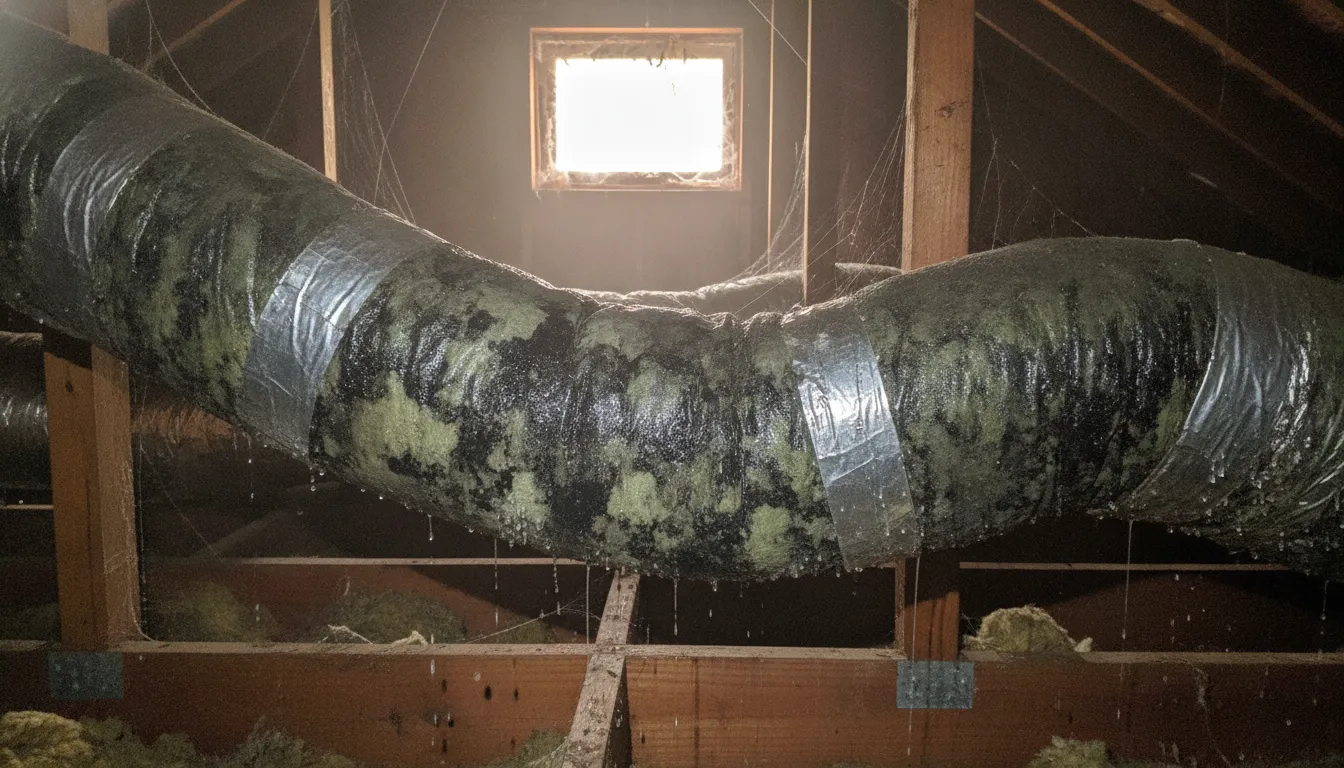
Next, you’ll want to inspect the condition of your ductwork. Over time, ducts can develop leaks, cracks, or loose connections, especially at the seams. Leaky ducts are a huge energy drain. In fact, you could lose up to 30% of your cooled air into spaces like your attic or crawl space. That’s conditioned air you’re paying for but not enjoying. Poor insulation is another common problem, allowing cool air to warm up as it travels to your rooms. A professional can identify these problem areas and seal them, ensuring the air stays cool all the way to the vents. Addressing these issues is a key part of any duct sanitization and replacement project.
Review Return Air and Ventilation Needs
Finally, take a look at your return air system. Your HVAC system works like a pair of lungs, breathing air in and pushing it out. The return vents are what pull warm air from your rooms back to the AC unit to be cooled. Many older heating systems were installed with just one central return, which often isn’t enough for an efficient cooling system. Without enough return airflow, your AC unit can be starved for air, causing it to run inefficiently and struggle to cool your home evenly. A balanced system is key, so it’s important to have a professional assess your ventilation and determine if additional return ducts are needed to support your new central air.
How Much Does It Cost to Add Central Air?
Let's talk about the big question on every homeowner's mind: what's the budget for a project like this? The truth is, there isn't a single price tag for adding central air. The final cost depends on several key factors, including the equipment you choose, the complexity of the installation, and any necessary upgrades to your home's existing systems. While online estimates can give you a general idea, the best way to get an accurate number is with a professional, in-home assessment. A trustworthy technician can evaluate your specific situation and provide a clear, honest quote without any sales pressure.
Cost of Equipment and Materials
The biggest piece of the puzzle is the cost of the AC unit itself. The total price for a new central air system typically ranges from $6,000 to $11,500, but this can vary. The size of your home dictates the size of the unit you'll need, which is a major factor in its price. Another consideration is the unit's energy efficiency, measured by its SEER rating. Higher SEER units cost more upfront but can lead to significant savings on your monthly energy bills. If your existing ductwork needs repairs or modifications, the cost of materials for that work will also be part of the final bill. A professional air conditioning installation includes a full assessment of these needs.
Labor and Installation Fees
Beyond the equipment, you're also paying for the expertise of the technicians who install it. Labor costs depend on how complex the job is. A straightforward installation in a home with perfectly compatible ductwork will take less time and cost less than a project that requires extensive modifications. The process can take anywhere from a few days to a week. This is one area where you don't want to cut corners. Hiring a team of fully licensed and insured technicians ensures the job is done safely and correctly, protecting your investment for years to come. You can learn more about our team's qualifications and commitment to quality service.
Factor in Electrical and Permit Costs
Adding a powerful appliance like a central air conditioner often requires some electrical work. Your home's electrical panel needs to be able to handle the new load, and in some older homes, this might mean an upgrade is necessary. A dedicated circuit is also standard practice for safety and performance. Additionally, most municipalities in Florida require a permit for HVAC installations. This ensures the work is done to code, which is crucial for your family's safety and for passing future home inspections. A comprehensive quote should always account for these electrical and permitting needs, so be sure to ask for a detailed breakdown when you're gathering estimates.
Should You DIY or Hire a Professional?
When you’re thinking about a big home project, it’s natural to wonder if you can tackle it yourself to save some money. While I’m all for a good weekend DIY, adding central air is a different beast entirely. This is one of those jobs where a small mistake can lead to big headaches, from poor performance to costly repairs down the road. Let’s walk through why bringing in a professional is almost always the right call.
Why You Should Hire a Pro
Adding an air conditioner to a forced-air heating system is a complicated job that requires specialized knowledge. A professional technician does more than just connect the boxes; they ensure the entire system works together seamlessly. While you might save some cash upfront doing it yourself, a pro makes sure the unit is installed correctly for peak performance and efficiency. An expert air conditioning installation also comes with the peace of mind of knowing the work is done safely, correctly, and often backed by a warranty. It’s an investment in your home’s comfort and value.
The Risks of a DIY Installation
Jumping into a DIY AC installation can lead to some serious issues. One of the biggest risks is improper sizing. A system that's too big or too small for your home will struggle to cool effectively, run inefficiently, and could even suffer damage. Even if you have existing ductwork, it often needs professional adjustments to handle the airflow from a new AC unit. Incorrect installation can also lead to refrigerant leaks, electrical problems, and poor drainage, creating a perfect storm for expensive air conditioning repairs and potential water damage.
When to Call in the Experts
The best time to call an expert is before you even start. It’s so important to have a professional assess your current system to see what’s needed and identify any potential challenges. A trained technician can evaluate your home’s layout, check your electrical panel’s capacity, and inspect your ductwork to create a solid plan. They’ll make sure everything is sized correctly and installed to meet local building codes. Instead of spending your weekends troubleshooting, you can trust the experts to get it right the first time. Ready to get a professional opinion? You can contact us to schedule an honest, no-pressure consultation.
What to Expect During Installation
Once you’ve decided to move forward, the installation process can feel like a big undertaking. But when you work with a professional team, it’s a well-organized project with clear steps. From the initial assessment to the final system test, every stage is designed to ensure your new central air system runs perfectly. Knowing what’s coming can help you feel more prepared and confident. Here’s a breakdown of what a typical installation looks like.
Design and Size Your System
The first step is a thorough evaluation of your home. Before any equipment is ordered, a technician will inspect your existing forced-air heating system, including the ductwork and electrical panel, to see what they can handle. This isn't a step you want to rush. Getting the right size AC unit is critical; one that's too big will cycle on and off too frequently, while one that's too small will struggle to cool your home. An expert will perform a detailed calculation to determine the perfect size for your space, ensuring efficient and effective cooling for years to come. This careful planning is the foundation of a successful air conditioning installation.
Place and Connect the Equipment
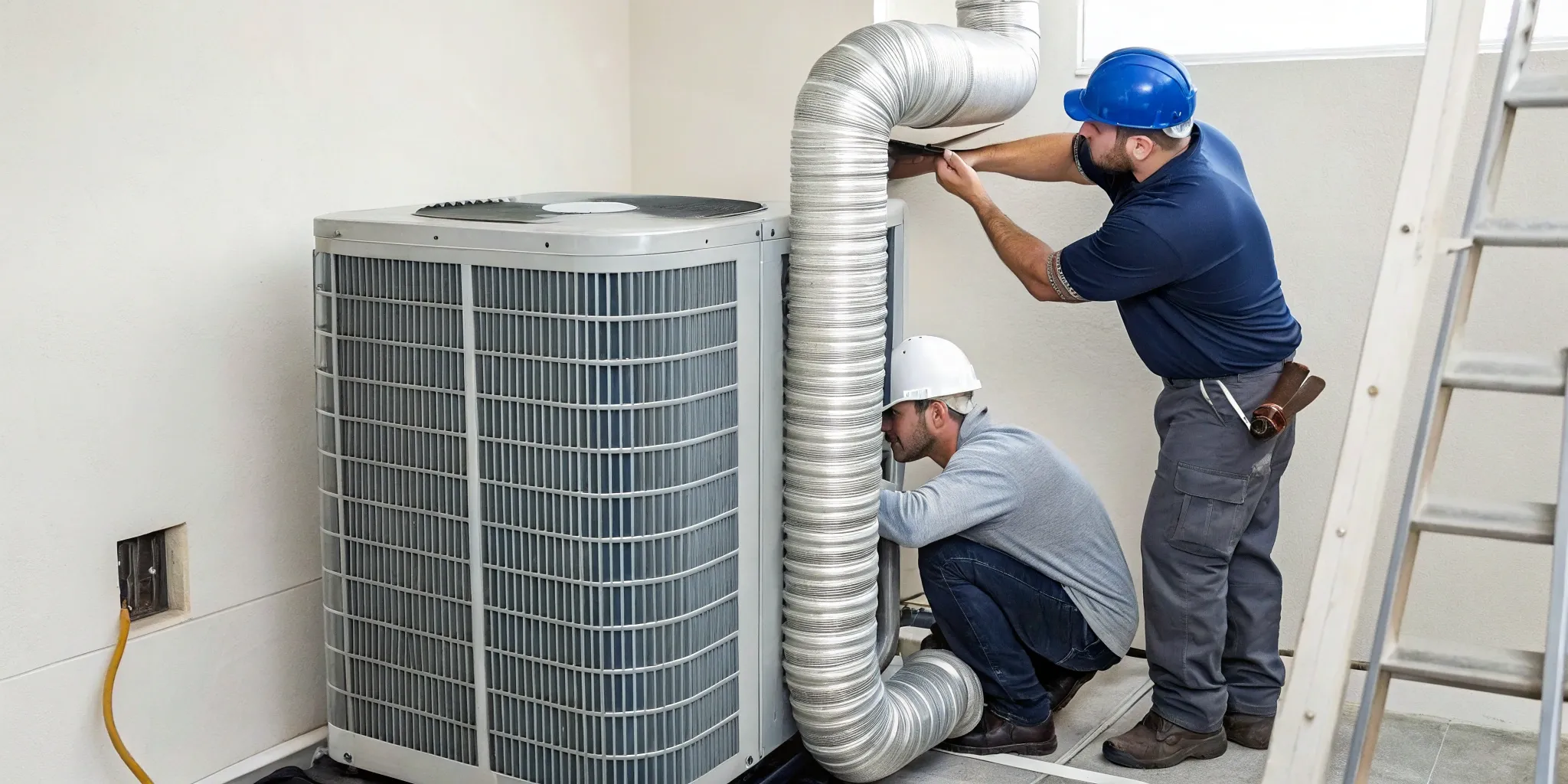
After the planning phase, the physical installation begins. This involves placing the condenser unit on a stable, level pad outside your home and installing the evaporator coil inside, usually near your furnace. If you have existing ductwork, the team will connect it to the new system, making any necessary modifications to optimize airflow. Don’t worry if your home doesn’t have ducts. Professionals can install new ductwork, often hiding it within walls, closets, or attic spaces with minimal disruption to your home. The goal is to integrate the system seamlessly into your home’s structure.
Test the New System
With all the components in place, the final step is to test everything. The technicians will charge the system with refrigerant, check for leaks, and power it on. They’ll perform a series of tests to make sure it’s running at peak performance, including measuring the temperature difference between the air going into and coming out of the indoor unit. This ensures your system is cooling efficiently right from the start. Once the installation is complete, it’s important to schedule regular air conditioning maintenance to keep your new system in top shape and protect your investment.
What Challenges Might Come Up During Installation?
Adding central air is an exciting upgrade, but it’s not always a simple plug-and-play process. Your home’s existing infrastructure was designed just for heating, so a few adjustments are usually needed to get it ready for cooling. Thinking about these potential hurdles ahead of time helps ensure your installation goes smoothly. A professional technician will assess these areas from the start, but it’s always good for you to know what they’re looking for.
Modify or Repair Ductwork
Your ductwork is the highway for air in your home, but if it was only built for heat, it might not be ready for AC. Ducts that are too small, poorly sealed, or uninsulated can cause major efficiency problems. In fact, leaky ducts can allow up to 30% of your cooled air to escape into your attic or walls before it ever reaches your rooms. Our technicians will inspect your entire duct system to check its size and condition. We often find that some ductwork repairs or sealing are needed to ensure your new system works perfectly and saves you money.
Meet Electrical Requirements
A central air conditioner requires a significant amount of power to run. Before installation, it’s critical to confirm that your home's electrical panel can handle the additional load. An experienced technician will evaluate your panel and wiring to make sure everything is safe and up to code. Adding a new, dedicated circuit for the AC unit is a common part of the process. This step is essential for preventing tripped breakers or, more seriously, an electrical fire. This is one of the biggest reasons a professional AC installation is not just recommended, but necessary for your safety.
Deal with Tight Spaces
Finding the right spot for the new indoor equipment can sometimes be tricky. The evaporator coil needs to be installed within your furnace or air handler, which might be located in a cramped closet, attic, or crawl space. Our technicians need enough room to not only fit the unit but also to access it for connecting refrigerant lines, electrical wiring, and a drain for condensation. While it might look like a tight squeeze, our team of technicians has years of experience working in all types of homes and can find the best way to install your equipment safely and effectively.
How to Maintain Your New Central Air System
Congratulations on your new central air system! Now that it’s installed, a little bit of care will go a long way in protecting your investment. Consistent maintenance keeps your system running efficiently, helps you save on energy bills, and extends its lifespan. Think of it as simple upkeep that prevents bigger headaches down the road. By staying on top of a few key tasks, you can ensure your home stays cool and comfortable for years to come, especially during those hot Florida summers. Here are the essential steps to keep your new AC in top shape.
Change Filters and Keep It Clean
One of the easiest and most effective things you can do is change your air filters regularly. A clogged filter forces your system to work harder, which can lead to higher energy costs and unnecessary strain on the equipment. Plan to check your filter once a month and replace it as needed, or follow the manufacturer's recommendation. You should also keep the area around your outdoor unit clear. Remove any leaves, grass clippings, or debris that could block airflow. A clean system not only runs better but also contributes to better indoor air quality for your family.
Schedule Annual Professional Tune-Ups
While changing filters is a great DIY task, your new system also needs an annual check-up from a professional. A trained technician can spot potential issues before they become major problems, clean internal components, and ensure everything is running at peak efficiency. Scheduling routine air conditioning maintenance is the best way to protect your warranty and get the most out of your system. An annual tune-up keeps your AC reliable, efficient, and ready to handle the Florida heat without any surprises. It’s a small step that provides significant peace of mind.
Monitor Its Performance Each Season
Get to know your new central air system by paying attention to how it operates. Listen for any unusual noises, notice if some rooms feel warmer than others, or keep an eye on your energy bills. If you see a sudden spike, it could be a sign that something isn't right. It’s also a good idea to occasionally check your visible ductwork for any loose connections or damage. Catching small issues early can prevent them from turning into costly fixes. If you ever suspect a problem, don't hesitate to call for a professional air conditioning repair to get it sorted out quickly.
Get the Most Out of Your New AC
Your new central air system is a major investment in your home's comfort, especially here in Florida. Once the installation is complete, you can take a few simple steps to ensure it runs efficiently for years to come. Making smart choices about your system's settings and performing some light upkeep will help you save on energy bills and extend the life of your equipment. It’s all about creating good habits that protect your new AC and keep your home cool and comfortable.
What Are SEER Ratings?
When you choose a new AC unit, you'll hear the term "SEER rating." SEER stands for Seasonal Energy Efficiency Ratio, and it’s basically a measure of how efficient your air conditioner is. Think of it like the miles-per-gallon rating for a car. A higher SEER rating means the unit uses less energy to cool your home. While a high-SEER unit might have a higher upfront cost, it can lead to significant savings on your monthly energy bills. Our team can help you find the right balance between cost and efficiency for your home during your AC installation.
Integrate a Smart Thermostat
A smart thermostat is one of the best upgrades you can make for your new central air system. These devices learn your daily routines and automatically adjust the temperature, so you aren't cooling an empty house. This prevents your system from working overtime. Setting a consistent schedule reduces the workload on your new AC, helping it cool your home more efficiently without overtaxing the components. Plus, you can control it from your phone, giving you total command over your home’s climate from anywhere. It's a simple change that improves both comfort and your system's long-term health.
Optimize Your Airflow and Temperature
Great cooling depends on good airflow. You can help your new system work its best by keeping things clear and clean. Make sure furniture, curtains, and rugs aren't blocking any air vents. It's also a good idea to regularly inspect your outdoor unit and clear away any leaves, grass clippings, or debris. Over time, dust can build up on the unit's coils and vents, which reduces efficiency. Also, keep an eye on your ductwork for any visible leaks or loose connections. If you suspect an issue, our maintenance services can ensure your ducts are sealed and your system is running smoothly.
Related Articles
- HVAC Tips & Insights Blog - Expert Advice from 5 Star Air
- Prepare Your HVAC for a Florida Summer
- Duct Replacement Services
- HVAC Services in Southwest Florida - AC Repair, Installation & Maintenance
- 5 Star Air - Premier HVAC Services in Southwest Florida
Frequently Asked Questions
How long does it take to install a new central air system? For a home with existing, compatible ductwork, a standard installation typically takes one to three days. If your project requires significant ductwork modifications or electrical upgrades, it might take a bit longer. A professional team will give you a clear timeline upfront so you know exactly what to expect and can plan accordingly. The goal is always to complete the work efficiently with minimal disruption to your daily life.
Will adding central air make my energy bills a lot higher? While you are adding a major appliance, a modern, energy-efficient air conditioner doesn't have to break the bank. The impact on your utility bills depends heavily on the unit's SEER rating (its energy efficiency score) and how well it's installed. A properly sized, high-efficiency system, paired with well-sealed ductwork and a smart thermostat, can operate very economically. Many homeowners are surprised at how manageable the costs are, especially compared to running multiple window units.
What happens if my current ductwork isn't suitable for AC? This is a common situation, so don't worry. If an assessment finds that your ducts are too small, leaky, or poorly insulated, there are several solutions. In many cases, a technician can seal leaks and add insulation to improve performance. Sometimes, certain sections of the ductwork may need to be replaced or enlarged to handle the airflow for cooling. A thorough evaluation will identify the most effective and least invasive way to get your ducts ready for your new system.
Can I keep my existing furnace when I add central air? Most of the time, yes. As long as your furnace is in good working condition and its blower is powerful enough to circulate the cooled air, it can be integrated with a new central air system. The new evaporator coil is typically installed right alongside your furnace, allowing them to share the same ductwork and blower motor. A technician will evaluate your furnace during the initial assessment to confirm it's a good match for the new AC unit.
Is the installation process disruptive to my home? Professional installers work hard to keep disruptions to a minimum. They will protect your home with drop cloths and clean up the work area at the end of each day. While there will be some noise during the process, a skilled team operates efficiently to get the job done as quickly as possible. They will communicate with you throughout the project so you are always aware of what is happening and when.