Can Air Duct Cleaning Cause Damage? The Honest Answer
When you hire someone to work on your home, you expect them to leave it in better condition than they found it. But with services like duct cleaning, the line between helpful maintenance and a costly mistake can be thin. It’s a specialized job where expertise is everything, and a lack of it can lead to serious issues. If you’re asking, “can air duct cleaning cause damage?” you’re already thinking like a smart homeowner. An improper cleaning can lead to torn ducts, higher energy bills, and even worse air quality. Here, we’ll break down what can go wrong and how to ensure you hire a team that protects your investment.
Key Takeaways
- Clean ducts for a reason, not a routine: This service is only necessary for specific problems. Look for clear signs like visible mold, evidence of pests, or a home filled with dust after a major renovation.
- Hiring the right pro prevents damage: The biggest risk in duct cleaning is an inexperienced technician who can tear your ducts or harm your HVAC unit. Protect your investment by choosing a licensed, insured, and NADCA-certified company.
- A professional job is clean and contained: A quality service involves more than a vacuum. Technicians should use drop cloths, seal your vents, and use a negative pressure system to pull all dust and debris completely out of your home.
What Is Air Duct Cleaning, Really?
You’ve probably seen the ads and heard the claims, but what does “air duct cleaning” actually involve? It’s a service that’s often misunderstood, so let’s break it down. At its core, duct cleaning is meant to be a thorough cleaning of your entire forced-air system—not just the ducts themselves. Think of it as a deep clean for your home’s entire respiratory system.
When done correctly by a professional, the service addresses every component that air passes through. This includes the supply and return air ducts, registers, grilles, and diffusers in each room. It also covers the internal parts of your HVAC unit, like the heat exchanger, cooling coils, and blower motor. The goal is to remove any buildup of dust, debris, or other contaminants from the system to improve function and, in specific cases, your home’s air quality. It’s a detailed process that, when necessary, can make a real difference.
The Process Explained
When you hire a professional for a true duct cleaning service, you should expect more than a quick vacuum at your vents. A proper cleaning starts with a thorough inspection. The technician will open various access ports to view the condition of your ductwork and HVAC components. They’ll use specialized tools like brushes and high-powered vacuums to dislodge and remove debris. A key part of the process is creating negative pressure within the system to ensure that dust and particles are sucked into a containment unit, not released into your home. This is what separates a professional duct sanitization from a superficial job that just stirs up trouble.
Common Myths vs. Reality
Let’s clear the air on a few things. The biggest myth is that every home needs its ducts cleaned on a regular schedule. The reality is, it’s not always necessary. The U.S. Environmental Protection Agency (EPA) doesn't have a blanket recommendation for routine duct cleaning, noting that it hasn't been proven to prevent health problems. Much of the dust in your ducts is heavy and tends to stay put rather than circulating through your home. The reason duct cleaning gets such a bad rap is that when it's done incorrectly, it can actually make your air quality worse. This is why it’s so important to understand when it’s truly needed and who you can trust to do the job right.
Can Duct Cleaning Actually Damage Your HVAC?
It’s a fair question, and the honest answer is yes, duct cleaning can cause damage—but only when it’s done incorrectly by inexperienced or careless technicians. A professional, well-executed cleaning should never harm your system. The horror stories you might have heard usually stem from aggressive methods, the wrong equipment, or a simple lack of training. When done right, the process is perfectly safe and beneficial for your home.
The primary risks fall into three categories: physical damage to the ductwork itself, harm to sensitive HVAC components, and, ironically, making your indoor air quality worse instead of better. A reputable company understands these potential pitfalls and uses specific techniques and equipment to avoid them entirely. The key is knowing the difference between a true professional service and a corner-cutting operation that could leave you with a bigger, more expensive problem than you started with.
Torn Ducts and Loose Connections
Think of your ductwork as the circulatory system for your home’s air. If it gets punctured or disconnected, you’ve got a serious problem. Aggressive cleaning methods, like using overly stiff brushes or high pressure in fragile ducts, can easily cause tears, especially in flexible ductwork. According to home service experts at Angi, these flexible ducts are particularly easy to damage. A tear or a loose connection means your conditioned air escapes into your attic or crawlspace instead of your living room. This forces your AC to work harder, driving up energy bills and reducing its effectiveness.
Harm to HVAC Components
Your ductwork isn't the only thing at risk. Inside your HVAC unit are delicate components like the evaporator coils and the blower fan, which are essential for your system to function. A careless technician can easily bend the fragile aluminum fins on the coils or damage the fan motor while cleaning. This kind of damage isn't just a minor issue; it can lead to poor performance, system failure, and the need for expensive air conditioning repairs. A true professional knows how to work around these sensitive parts, ensuring they remain untouched and in perfect working order throughout the cleaning process.
Spreading Dust Instead of Removing It
The whole point of duct cleaning is to remove contaminants, not spread them around your house. However, if the job is done without the proper containment measures, that’s exactly what can happen. The Environmental Protection Agency (EPA) warns that an improper cleaning can release more dust, debris, and other particles into your home. Professionals prevent this by using powerful negative pressure vacuums to suck all the dislodged contaminants out of your home entirely. Without this crucial step, you’re just stirring up years of dust and letting it settle in your living spaces.
Why Duct Cleaning Goes Wrong
Duct cleaning sounds like a straightforward home maintenance task, but it’s a specialized service where expertise truly matters. When done improperly, it can cause more problems than it solves, leaving you with damaged ducts and a lighter wallet. Understanding the common pitfalls is the first step to ensuring you hire a team that will protect your home and your HVAC system. The difference between a beneficial cleaning and a costly mistake often comes down to the technician’s experience, the condition of your ductwork, and the equipment they use.
Inexperienced Techs and Harsh Methods
Not all duct cleaning services are created equal. A common reason for a job to go wrong is simply a lack of experience. A technician without proper training might use overly aggressive methods, like powerful brushes or high-pressure air that can tear or puncture your ductwork. Damage often happens when the wrong cleaning methods or equipment are used for your specific type of system. An inexperienced crew might not know how to handle different materials or system layouts, leading to costly mistakes. That’s why it’s so important to work with a locally owned and operated business that employs fully licensed and insured technicians who understand the nuances of HVAC systems in Florida homes.
The Age and Condition of Your Ductwork
Your home’s ductwork isn't designed to last forever, and its age and material are critical factors in whether it can be safely cleaned. Older homes, especially those with original flexible ducts, are particularly at risk. Over time, these materials can become brittle and fragile. An aggressive cleaning process can easily cause cracks, tears, or complete collapses in older, delicate ductwork. A true professional will always inspect your ducts before starting any work. This initial assessment helps them understand the condition of your system and determine if a standard cleaning is safe or if you might need duct sanitization or replacement instead. Without this crucial first step, you risk turning a simple cleaning into a major repair project.
Using the Wrong Tools for the Job
The right equipment is just as important as the right technician. Professional duct cleaning requires specialized tools designed to dislodge debris without harming the duct surfaces. Unfortunately, some companies cut corners with improper or outdated equipment. Using overly stiff brushes in flexible ducts can easily rip the inner lining, while poorly calibrated negative air pressure machines can cause seams to separate. This kind of damage can lead to significant air leaks, which forces your AC to work harder, drives up your energy bills, and compromises your indoor air quality by pulling in dust and allergens from your attic or crawlspace. A reputable company invests in the right tools for the job to protect your system.
How to Choose the Right Duct Cleaning Company
Finding a trustworthy duct cleaning company is the single most important step you can take to protect your home and HVAC system. A great team won't just clean your ducts; they'll do it safely, using the right equipment and techniques to prevent damage. The wrong company can leave you with bigger problems than you started with. So, how do you tell the difference? It comes down to doing a little homework and knowing what to look for.
When you're vetting potential companies, you're looking for signs of professionalism, transparency, and expertise. A reputable provider will be upfront about their process, pricing, and credentials. They should be able to answer your questions clearly and make you feel confident in their ability to care for your home. Taking the time to choose wisely ensures you get the fresh, clean air you want without any of the risks.
Check for Certifications and Licenses
Before you let anyone near your ductwork, make sure they are properly qualified. A professional HVAC company should have fully licensed and insured technicians. This protects you in the unlikely event that something goes wrong. Beyond that, look for certifications from respected industry organizations. The most important one in the duct cleaning world is the National Air Duct Cleaners Association (NADCA).
Companies with NADCA certification follow a higher standard for quality and safety. Their technicians are trained on the best practices for cleaning HVAC systems without causing harm. Don't be afraid to ask a company directly if they are NADCA-certified and if their technicians are licensed. A trustworthy company like 5 Star Air will be proud to share their credentials with you.
Get Written Estimates and Read Reviews
Never agree to a price over the phone. A reputable company will want to inspect your system before giving you a quote. Ask for written estimates from at least three different companies to compare services and pricing. A detailed estimate should clearly outline the scope of work, what’s included, and the total cost. This helps you avoid surprise fees and ensures you’re getting a fair price for a thorough job.
Once you have a few estimates, check out what past customers have to say. Reading online testimonials and reviews gives you a real-world look at a company's reliability, customer service, and quality of work. Look for patterns in the feedback. Are customers consistently happy with the results? Did the technicians arrive on time and act professionally? This insight is invaluable for making your final decision.
Red Flags to Watch Out For
Unfortunately, the duct cleaning industry has its share of scams. Knowing the warning signs can help you steer clear of trouble. Be cautious of any company that makes sweeping claims about health benefits or insists that duct cleaning is a routine, annual necessity. According to the Environmental Protection Agency (EPA), duct cleaning is only necessary on an as-needed basis.
Here are a few other red flags:
- Unbelievably low prices: "Whole house" specials for under a couple hundred dollars often lead to aggressive upselling once the technician is in your home.
- Lack of a physical address: A legitimate business should have a local office you can find.
- High-pressure sales tactics: Don't let anyone convince you to buy extra services you don't understand or feel you need.
What Does a Safe Duct Cleaning Look Like?
So, we’ve covered how duct cleaning can go sideways. But what does it look like when it goes right? A professional, safe duct cleaning isn’t a mystery—it’s a methodical process performed by trained experts who respect your home and your HVAC system. When you know what to look for, you can easily spot the difference between a true professional and someone who might cause more harm than good. It’s all about having the right tools, the right training, and a commitment to doing the job without cutting corners.
The Right Equipment and Techniques
A professional duct cleaning service uses much more than a powerful vacuum. Technicians arrive with specialized equipment designed to dislodge and capture debris safely. This often includes a high-powered vacuum collection system that creates negative pressure in your ductwork, ensuring dust, dander, and other contaminants are pulled directly into a containment unit. They also use tools like soft-bristled brushes and air whips that are specifically designed for duct cleaning and replacement without tearing or damaging the material. A true professional knows how to handle different types of ductwork and will use the right method for your specific system.
Why Professional Training Matters
The best equipment in the world won’t help if the person using it doesn’t know what they’re doing. According to the US Environmental Protection Agency, improper duct cleaning can actually make your indoor air quality worse. That’s why professional training is non-negotiable. A certified technician understands the complex workings of your entire HVAC system. They know how to access your ductwork without damaging sensitive components and can identify potential issues along the way. Our fully licensed and insured technicians have the expertise to clean your system thoroughly and safely, protecting your investment and your family’s health.
Proper Sealing and Containment
One of the biggest signs of a professional job is proper containment. Before any cleaning begins, the technicians should seal off all your supply and return vents to create a closed loop. This step is crucial because it prevents the dust and debris being knocked loose from blowing back into your rooms. Once the system is sealed, a large vacuum hose is connected to your ductwork, pulling all the contaminants out of your home and into a collection device. This ensures that the dirt, mold, and allergens being removed from your ducts actually leave your home for good, resulting in cleaner, healthier air.
When Do You Actually Need Your Ducts Cleaned?
Let’s be honest: air duct cleaning isn’t something you need to schedule like your annual AC tune-up. While some companies might push it as a routine service, the truth is that most homes don’t require frequent duct cleaning. Your HVAC system’s filters are designed to trap the majority of dust and particles, preventing them from ever reaching your ductwork in the first place. So, if your system is working well and you aren’t noticing any specific issues, you can probably cross this off your immediate to-do list.
However, there are absolutely times when a professional duct cleaning is not just a good idea, but a necessary step for protecting your home’s air quality and your family’s health. The key is knowing what to look for. Instead of following an arbitrary schedule, it’s better to treat duct cleaning as a solution to specific problems. If you’re dealing with unexplained allergies, notice strange odors coming from your vents, or have recently undertaken a major home project, it might be time to take a closer look at what’s circulating through your air. Our goal is to help you identify these real-world scenarios so you can make an informed choice, not an unnecessary one.
Visible Mold or Pests
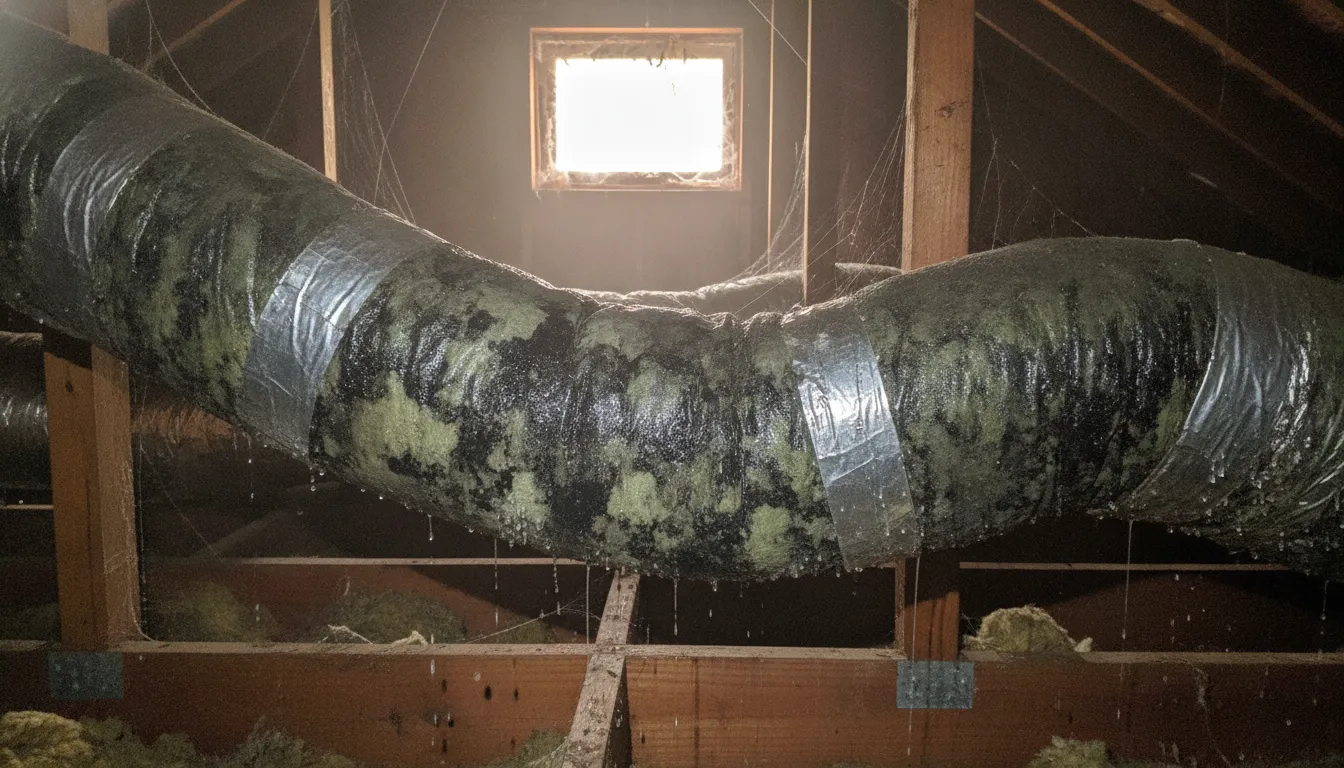
This is the most critical reason to call in a professional. If you can see mold growing inside your ducts or on other parts of your HVAC system, it’s a problem that needs immediate attention. The Environmental Protection Agency (EPA) advises that you should have your ducts cleaned in this situation. Mold releases spores into the air, which can then circulate throughout your entire home, potentially causing allergic reactions and respiratory issues. Similarly, if you find evidence of an insect or rodent infestation in your ducts, a thorough cleaning and sanitization is essential to remove droppings, nests, and other contaminants that pose serious health risks. This isn't a DIY job—it requires professional equipment to be handled safely.
After a Home Renovation
Just finished a big remodel? That’s a perfect time to consider having your ducts cleaned. Home renovations, no matter how carefully you seal off the area, create a massive amount of fine dust and debris. Drywall dust, sawdust, and other construction particles can easily get sucked into your return vents and settle in your ductwork. Without a cleaning, your HVAC system will just circulate this debris through your home for weeks or even months to come, which can aggravate allergies and create a constant layer of dust on your furniture. A post-renovation duct cleaning is a great final step to ensure your newly updated space has the fresh, clean air to match.
Following EPA and Industry Guidelines
While the EPA doesn't recommend duct cleaning as a routine task, it does identify specific situations where it’s justified. Beyond visible mold and pest infestations, you should consider a cleaning if your ducts are clogged with excessive amounts of dust and debris. If you notice puffs of dust being released from your supply registers when the system kicks on, that’s a clear sign your ducts are holding onto more than they should. A professional assessment can determine if the buildup is significant enough to restrict airflow, which can impact your system's efficiency. Addressing these issues is a key part of maintaining good indoor air quality and ensuring your HVAC system runs smoothly.
What Do the Experts (Like the EPA) Say?
When you’re getting conflicting information, it’s always a good idea to turn to the experts. In the world of HVAC and indoor air quality, that means looking at the guidelines from organizations like the National Air Duct Cleaners Association (NADCA) and the U.S. Environmental Protection Agency (EPA). These groups aren’t trying to sell you a service; they’re focused on providing objective, research-backed information for homeowners.
Their recommendations help cut through the marketing hype and give you a clear picture of when duct cleaning is necessary and what a safe, professional job looks like. Understanding these standards is the best way to protect your home and your HVAC system. It empowers you to ask the right questions and spot a company that cuts corners versus one that prioritizes quality and safety. Let’s break down what they have to say.
NADCA Professional Standards
The National Air Duct Cleaners Association (NADCA) sets the professional standard for HVAC system cleaning. Reputable companies follow these guidelines to ensure the job is done right without causing damage. A key standard involves using the correct tools for your specific ductwork. For example, aggressive brushes used on flexible ducts can cause tears, while softer tools are needed for other materials.
A certified technician will always use a system that creates negative pressure, essentially turning your ductwork into a vacuum. This ensures that dust, debris, and contaminants are pulled directly out of your home, not blown into your living spaces. Following these professional standards is non-negotiable for a safe and effective duct sanitization.
The EPA's Stance on Routine Cleaning
Here’s something you might not hear from every HVAC company: the EPA doesn't recommend cleaning your air ducts on a regular, routine basis. According to the EPA’s official guidance, duct cleaning has not been conclusively shown to prevent health problems, nor does the research prove that dust in ducts increases dust levels in your home.
Most of the dirt and debris in your air ducts adheres to the surfaces and stays put. This is why we believe in an honest, as-needed approach rather than pushing a yearly cleaning you might not need. A trustworthy technician will help you determine if your home actually needs the service.
Factors That Influence Cleaning Frequency
So, if not routinely, when should you consider having your ducts cleaned? The EPA outlines a few specific situations where it’s a good idea. If you can see significant mold growth inside your ducts or on other components of your HVAC system, it’s time to call a professional. Another clear sign is an infestation of pests, like rodents or insects, in your ductwork.
Finally, if your ducts are so clogged with dust and debris that you can see particles blowing out of your supply registers, a cleaning is warranted. These situations go beyond normal dust accumulation and can directly impact your indoor air quality. A home renovation can also be a trigger, as fine dust from construction can easily overwhelm your system.
How to Protect Your Home During a Duct Cleaning
Hiring a professional for duct cleaning should give you peace of mind, not create new worries. While a reputable company will always treat your home with respect, you play an important role in ensuring the process goes smoothly. By taking a few simple steps before, during, and after the service, you can protect your property and make sure you get the high-quality results you’re paying for. It’s all about being an informed homeowner and knowing what to expect from a truly professional team.
Preparing for the Appointment
A little prep work goes a long way. Before your appointment, take a few minutes to clear the areas around your air vents, registers, and HVAC unit. This gives the technicians easy and safe access so they can work efficiently without having to move your furniture. It’s also the perfect time to ask your chosen company a few key questions. Inquire about their experience and what specific tools they plan to use. A professional team will know that different duct materials require different methods—for example, using air whips on flex ducts instead of abrasive brushes that could cause damage. This is a key reason to work with fully licensed and insured technicians who understand how to protect your system.
What to Watch for During the Service
On the day of the cleaning, pay attention to how the team operates. Professionals will begin by protecting your home. You should see them lay down drop cloths or plastic sheeting to cover your floors and furniture near the work areas. A key part of a proper duct cleaning service involves using a powerful, high-efficiency particle air (HEPA) vacuum or a system that vents directly outside. This prevents the dust and debris from the ducts from being released back into your home. The technicians should also open all necessary access points to clean and inspect the entire system thoroughly, not just the parts you can see.
Post-Cleaning Checks and Guarantees
Once the work is complete, don't be afraid to ask for a final walkthrough. The technicians should be able to show you that the inside of your ducts and the system components are visibly clean. A reputable company will stand behind its work and want you to be completely satisfied. Ask about their service guarantee and what happens if any issues arise after they leave. Knowing the company is insured and committed to quality provides an extra layer of security. Checking out a company's customer testimonials beforehand can also give you confidence that you're hiring a team that consistently delivers on its promises.
Frequently Asked Questions
So, how often should I really get my ducts cleaned? Think of duct cleaning as a solution to a specific problem, not as routine maintenance. Unlike your yearly AC check-up, there's no set schedule. Most homes can go many years without needing it. You should only consider it when you notice a clear issue, such as visible mold growth, signs of a pest infestation in your vents, or a significant amount of dust blowing out when your system turns on.
Will duct cleaning help with my allergies or improve my home's air quality? While it seems logical that a cleaner system means cleaner air, the connection isn't always direct. The EPA notes that much of the dust in your ducts tends to stay put and doesn't circulate. A cleaning can certainly help your air quality if the ducts contain specific contaminants like mold or debris from a recent renovation. However, for general allergies, consistent filter changes and other indoor air quality solutions often make a bigger day-to-day difference.
What's the difference between a cheap "whole house" special and a professional service? A super-low price is often a red flag for a superficial job that can lead to aggressive upselling. A true professional service is a comprehensive cleaning of your entire HVAC system, not just a quick vacuum at the vents. It involves a detailed inspection, proper containment to protect your home from dust, and specialized tools to do the job safely. You're paying for expertise and peace of mind, not just a basic service.
Is the process going to make a mess in my house? When done correctly, absolutely not. A key sign of a professional company is their commitment to containment. Technicians should use drop cloths to protect your floors and furniture. More importantly, they will seal your vents and use a powerful negative air pressure system to ensure all the dust and debris from inside the ducts is captured and removed from your home, not released into it.
My ducts are old. Is it still safe to have them cleaned? This is a great question, and it highlights why a pre-cleaning inspection is so important. Older ductwork, especially flexible ducts, can become brittle over time. A reputable technician will always assess the condition of your system before starting any work. If they determine that a cleaning would be too aggressive and might cause damage, they will recommend alternative solutions, which could include sanitization or replacement of fragile sections.