Commercial HVAC Installation Cost Per Square Foot Explained
Trying to budget for a new commercial air conditioner can feel like trying to hit a moving target. You might start by searching for a simple commercial hvac installation cost per square foot, hoping for a straightforward number. The reality is a bit more complex. That figure is less of a fixed price and more of a vague starting point. The true cost depends on your building's unique layout, the type of system you need, the condition of your existing ductwork, and even local labor rates here in Florida. This guide will break down all those variables, helping you understand what really goes into the final price tag.
Key Takeaways
- Understand the full cost picture: The final price for a commercial HVAC system depends on more than just building size; it includes factors like system type, ductwork condition, and your building's specific layout.
- Plan for the total investment: A complete budget accounts for more than just the unit itself, so be sure to factor in costs for labor, permits, potential ductwork or electrical updates, and a contingency fund.
- Choose a partner, not just a price tag: The best choice comes from evaluating the whole package, so compare itemized quotes, equipment warranties, and contractor reputation to find true long-term value.
How Much Does Commercial HVAC Installation Cost Per Square Foot?
Pinpointing an exact cost for commercial HVAC installation per square foot is tricky because it's not a one-size-fits-all situation. Think of it less like buying flooring by the yard and more like commissioning a custom piece of equipment. The final price depends heavily on your building's unique characteristics, the type of system you choose, and even your specific location in Florida. While a square footage estimate can give you a rough starting point, a true understanding of the cost comes from looking at factors like your building's layout, insulation, and specific cooling needs. Let's break down how these elements come together to form your total investment.
Breaking Down Costs by Building Size
The size of your commercial space is a major cost driver. For smaller venues, a complete system replacement might fall somewhere between $5,000 and $15,000. For larger buildings, a more helpful metric is the cost per ton. A "ton" in HVAC terms refers to the system's cooling capacity, not its weight. On average, you can expect to pay around $2,873 per ton. The key is determining how many tons your building actually needs. This requires a professional load calculation to assess factors like ceiling height, window placement, and daily foot traffic. A proper commercial HVAC installation ensures you get the right size system without overpaying for unnecessary capacity.
Factoring in Florida's Regional Prices
Here in Florida, your location plays a big role in your final installation cost. Factors like local supply chain availability and the demand for skilled technicians can cause prices to vary from one city to the next. Labor costs alone can range from $1,000 to $5,000 depending on the complexity of the job and regional market rates. That's why getting a generic online estimate isn't very helpful. The best way to get an accurate picture of your expenses is to get a detailed quote from a local expert who understands the specific market conditions in Southwest Florida. We can provide an honest, transparent quote tailored to your business.
What Factors Influence Commercial HVAC Costs?
When you're looking at a new commercial HVAC system, the final price tag is more than just the cost of the unit itself. Several key elements come together to determine the total investment for your business. Understanding these factors will help you make sense of quotes and ensure you’re getting the right system for your space without any surprises. From the unique layout of your building to the condition of your existing infrastructure, each detail plays a significant role.
Think of it like this: you wouldn't expect a small boutique and a large warehouse to have the same cooling needs, right? The same logic applies here. The size of your property, the type of system you choose, the state of your ductwork, and even local labor rates all contribute to the final cost. A professional air conditioning installation involves a careful assessment of these variables to create a solution that is both effective and efficient for your specific commercial space. Let's break down exactly what goes into that calculation.
Your Building's Size and Layout
The most straightforward factor is the size of your building. A larger square footage requires a more powerful, and therefore more expensive, system to cool and heat the space effectively. But it's not just about size; the layout is just as important. An open-concept office has very different airflow dynamics than a medical facility with many small, private rooms. Factors like ceiling height, the number and type of windows, and the quality of your building's insulation also influence how much work the HVAC system has to do. A thorough evaluation is essential to match the system's capacity to your building's unique characteristics.
The System's Type and Efficiency Rating
Not all HVAC systems are created equal, and the type you choose is a major piece of the cost puzzle. Standard packaged rooftop units might have a lower upfront cost, while more advanced options like Variable Refrigerant Flow (VRF) systems offer superior energy efficiency and zone control at a higher initial price. The system's efficiency rating, often measured in SEER (Seasonal Energy Efficiency Ratio), also impacts the price. A higher-rated unit costs more initially but can lead to significant savings on your monthly energy bills, making it a smart long-term investment for your business.
The Condition of Your Existing Ductwork
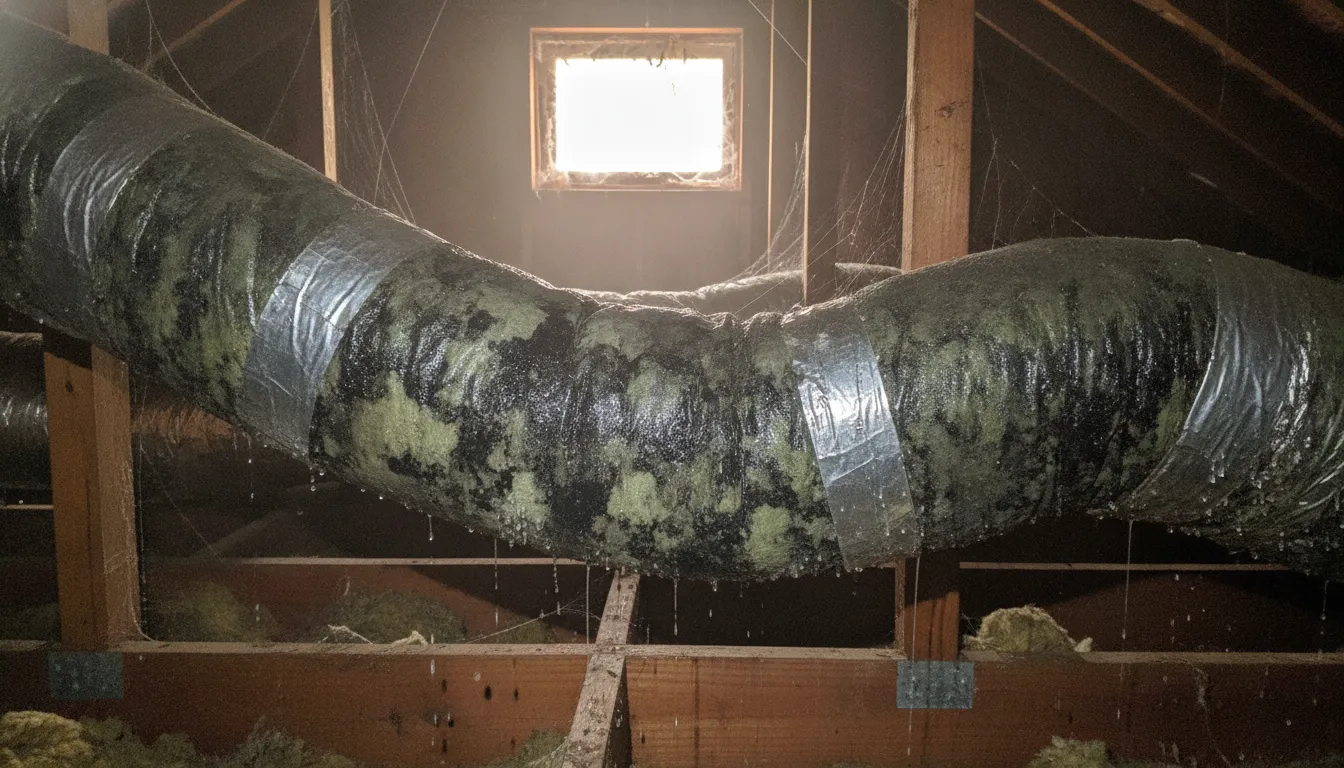
Your HVAC unit is the heart of the system, but the ductwork is the circulatory system that delivers conditioned air throughout your building. If your existing ducts are old, leaky, improperly sized, or contaminated, they can seriously undermine the performance of a brand-new unit. A proper installation includes inspecting the ductwork and recommending repairs or replacements if needed. While this can add to the project's cost, investing in duct sanitization and replacement ensures your new system operates at peak efficiency and provides clean, healthy air.
Local Labor Rates and Permit Fees
Installing a commercial HVAC system is a complex job that requires skilled, licensed technicians. Labor costs are a significant part of the total price and can vary based on your location and the complexity of the installation. Beyond labor, you also have to account for municipal permits and inspections. These are required to ensure the installation is done safely and up to code. A trustworthy contractor will handle the permitting process for you and include these fees in their quote, providing you with a clear and honest price for the entire project.
A Look at Commercial HVAC Systems and Their Price Tags
Choosing the right HVAC system for your commercial space is a big decision, and it’s about more than just temperature control. The type of system you select will impact everything from your monthly energy bills to the comfort of your employees and customers. Commercial systems aren't one-size-fits-all; they come in various configurations, each designed for different building sizes, layouts, and cooling demands. Understanding the main types and their general price points can help you make a more informed choice for your business.
From all-in-one rooftop units to highly efficient zoned systems, the options can feel overwhelming. The key is to match the technology to your specific needs. A small retail shop has very different requirements than a large office building or a restaurant. Let's walk through some of the most common commercial HVAC systems we see here in Florida, breaking down what they do and what you can generally expect them to cost. This will give you a solid starting point for budgeting your air conditioning installation. We'll cover the pros, cons, and typical price tags for each, so you can feel confident when you start comparing quotes and planning your project.
Packaged Rooftop Units (RTUs)
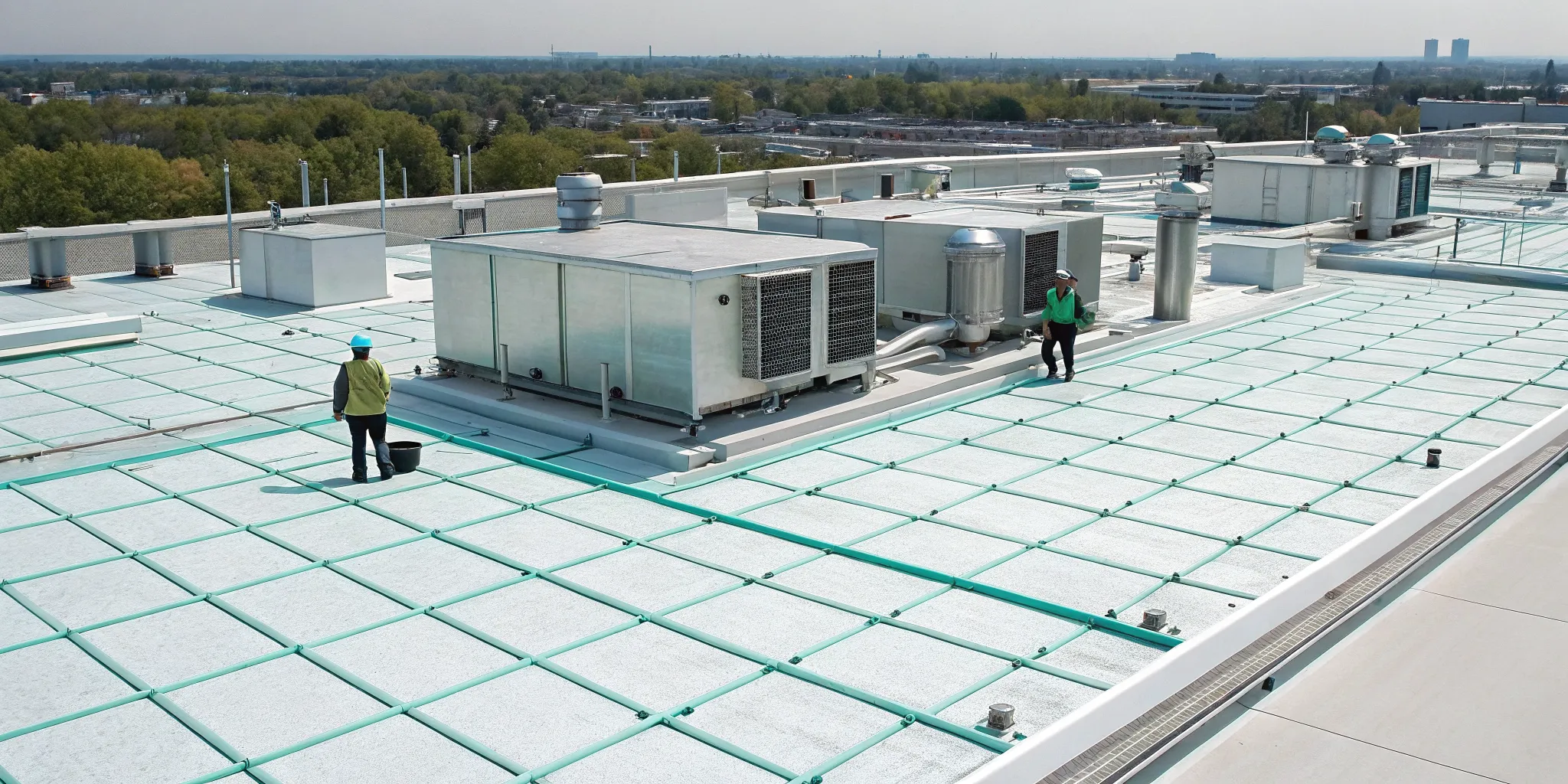
Packaged rooftop units, or RTUs, are a go-to choice for many commercial buildings, and for good reason. These are all-in-one systems, meaning the heating and cooling components are housed together in a single cabinet on the roof. This design saves valuable indoor space and makes installation and maintenance more straightforward. RTUs are a cost-effective and reliable solution for spaces like retail stores, single-story offices, and warehouses. The cost for these units typically falls between $5,000 and $15,000, depending on the size and features you need. They are a practical workhorse for many Florida businesses.
Ductless Mini-Split Systems
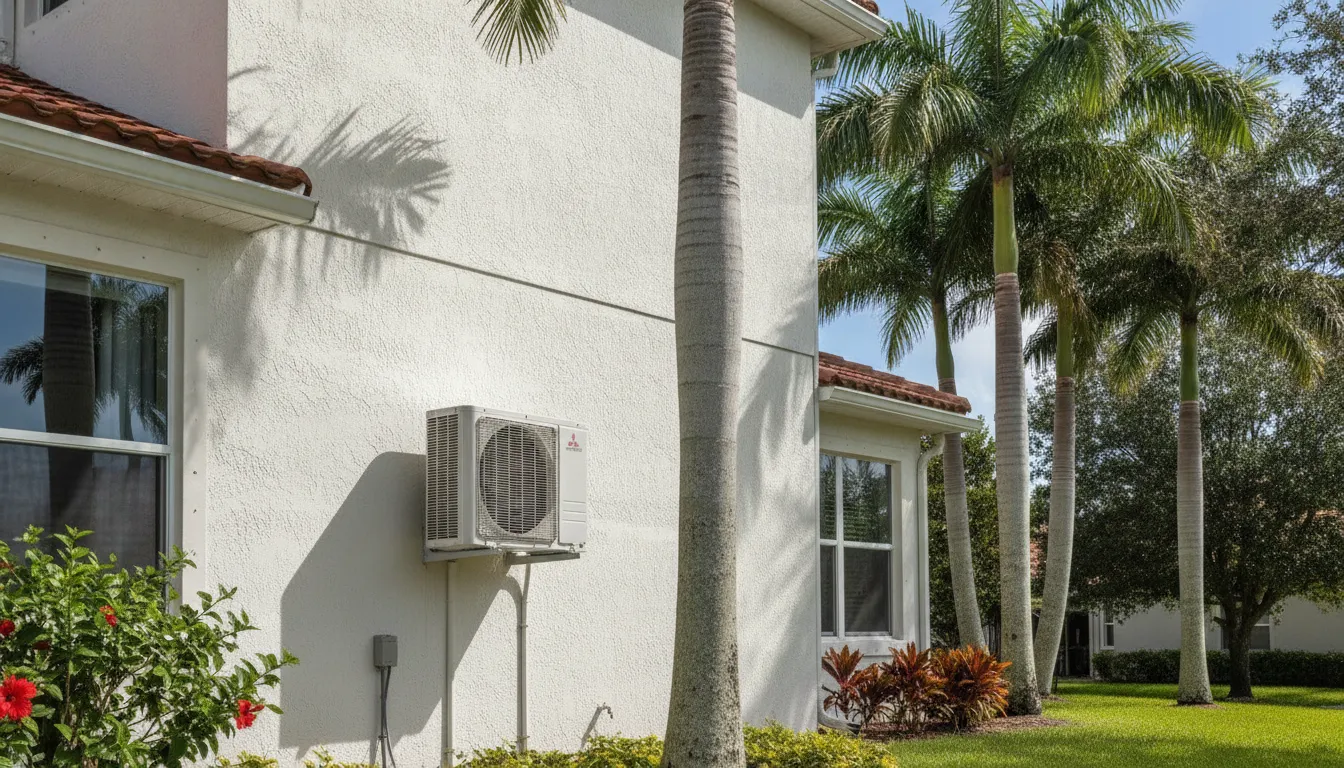
If your commercial space doesn't have existing ductwork or you need to cool specific zones independently, a ductless mini-split system is an excellent option. These systems offer incredible flexibility. They consist of an outdoor compressor connected to one or more indoor air-handling units, allowing you to create different temperature zones within the same building. They are highly efficient and perfect for additions, server rooms, or offices where traditional ductwork is impractical. Installation costs generally range from $5,000 to $20,000, based on how many indoor units you need and the complexity of the setup.
Variable Refrigerant Flow (VRF) Systems
Variable refrigerant flow (VRF) systems are a step up in technology and efficiency. They are similar to mini-splits but can support many more indoor units, making them ideal for medium to large commercial spaces like hotels, apartment buildings, and multi-floor offices. VRF systems are known for their superior energy efficiency and ability to provide simultaneous heating and cooling to different zones. This advanced performance comes with a higher price tag, typically costing between $10,000 and $50,000 or more, depending on the system's complexity and your building's layout. They are a smart investment for businesses focused on long-term energy savings.
Chilled Water Systems
For very large commercial buildings like hospitals, universities, and high-rises, chilled water systems are often the standard. These powerful systems use chilled water to cool the air, which is then circulated throughout the building. They can handle massive cooling loads efficiently, but their complexity means they come with a significant initial investment. The installation costs for chilled water systems can vary widely, generally starting around $20,000 and going well over $100,000. A project of this scale requires a detailed assessment, so it's best to contact us for a custom evaluation of your property's unique needs.
What Other Costs Should You Budget For?
When you’re planning for a new commercial HVAC system, the price of the unit itself is just the starting point. It’s easy to focus on the hardware, but the total project cost includes several other essential services and requirements. A trustworthy contractor will always provide a detailed, transparent quote, but knowing what to expect can help you create a more accurate budget from the get-go. Think of these as necessary investments that ensure your new system runs safely, efficiently, and effectively for years to come. Let’s walk through the additional costs you should plan for.
Labor and Installation Fees
The cost of labor is a significant part of your total investment, and for good reason. Proper air conditioning installation requires skilled, licensed, and insured technicians who understand the complexities of commercial systems. Labor costs can range from $1,000 to $5,000 or more, depending on the size of the unit, the difficulty of the installation, and the time it takes to get everything running perfectly. While it might be tempting to cut corners here, paying for expert installation protects your warranty, ensures your system’s safety, and sets you up for optimal performance and energy efficiency down the road.
Ductwork Modifications
Your new HVAC system is only as good as the ductwork that distributes the air. If your building's existing ducts are old, leaky, or improperly sized for the new unit, they will need to be repaired or replaced. Forcing conditioned air through faulty ductwork wastes energy and money, and it can also lead to poor indoor air quality. A thorough inspection will determine if modifications are needed. Factoring in potential duct sanitization and replacement costs ensures your entire system works together seamlessly, delivering comfort and clean air to every corner of your space.
Permits and Inspections
A commercial HVAC installation is a major construction project, and it requires the proper permits from your local municipality. These permits ensure the work complies with Florida’s building codes and safety standards. The cost of pulling permits and scheduling the necessary inspections will be added to your final bill. While it’s an extra expense, it’s a non-negotiable step that protects your business, your employees, and your customers. A professional HVAC company will handle the entire permitting process for you, making sure everything is filed correctly and your project stays on track without any legal hiccups.
Necessary Electrical Upgrades
Modern, high-efficiency HVAC systems often have different power requirements than the older units they replace. Your building’s current electrical system may not be equipped to handle the load of a new unit. This could mean you need to budget for an electrician to upgrade circuits, breakers, or even the main electrical panel. These updates are crucial for safe operation and preventing electrical issues like tripped breakers or, in worst-case scenarios, fires. Your HVAC contractor should assess your electrical setup as part of the initial consultation and let you know if any upgrades are needed to support your new system.
How to Compare Quotes from HVAC Contractors
Once you have a few quotes in hand, it’s tempting to just scan for the lowest price. But the total cost is only one piece of the puzzle. A truly great deal comes from a balance of fair pricing, high-quality equipment, and a contractor you can trust to do the job right. The best quotes are detailed and transparent, giving you a clear picture of what you’re paying for. This helps you spot value, identify potential red flags, and ask the right questions before signing on the dotted line.
Making an informed decision means looking closely at three key areas: the itemized breakdown of costs, the specifics of the equipment being installed, and the reputation of the company providing the quote. A contractor who is upfront and thorough in their proposal is likely to bring that same level of professionalism to the installation itself. If you’re ready to see what an honest, detailed proposal looks like, you can always get a transparent quote from our team. We believe in clear communication from start to finish, ensuring you feel confident in your investment.
Understand the Quote's Itemized Breakdown
A vague quote with a single number at the bottom should make you pause. A professional, trustworthy quote will always include an itemized breakdown that clearly separates the costs. You should be able to see the price for the new HVAC unit, the labor charges for installation, and the cost of any additional materials or work required. This might include removing your old equipment, modifying existing ductwork, or upgrading electrical wiring to support the new system. This level of detail shows that the contractor has thoroughly assessed your home’s needs and isn’t hiding any fees. A clear breakdown is the foundation of a successful new system installation.
Evaluate Equipment Specs and Warranties
The quote should specify the exact make and model of the equipment being proposed, not just a generic description. Look for the system’s efficiency rating, like its SEER (Seasonal Energy Efficiency Ratio) rating. A higher SEER rating means lower energy bills over the life of the unit, which can save you a lot of money in the long run. The quote should also clearly outline the warranties. This includes the manufacturer's warranty on parts and the contractor's warranty on labor. A company that is confident in its workmanship will offer a solid labor warranty, showing that they stand behind their work and are committed to your long-term satisfaction.
Check the Contractor's Reputation and Credentials
Finally, remember that a quote is only as reliable as the company that provides it. Before making a final decision, do a little homework on the contractor. Are they fully licensed and insured? This is non-negotiable, as it protects you from liability in case of accidents. Look up their online presence and read through recent reviews and customer testimonials. A contractor with a long history of positive feedback and a strong local reputation is more likely to provide excellent service. Choosing a well-regarded, established company ensures you have a trusted partner for years to come, not just a one-time installer.
Common Myths About HVAC Installation Costs
When it comes to a major investment like a commercial HVAC system, misinformation can be costly. It’s easy to get caught up in advice that sounds right but leads to expensive mistakes down the road. Sorting fact from fiction helps you make a confident, informed decision for your business. Let's clear the air and tackle some of the most common myths about HVAC installation costs. Understanding these points will not only help you budget more accurately but also ensure you get a system that truly meets your needs.
A successful air conditioning installation is about more than just the price tag; it’s about securing long-term value, efficiency, and reliability for your commercial space. By debunking these myths, you can approach your project with a clearer perspective and ask contractors the right questions.
Myth: A Bigger System Is Always Better
It seems logical that a bigger, more powerful AC unit would cool your space more effectively, but that’s not how it works. An oversized HVAC system is actually a recipe for inefficiency. It will cool the space too quickly, leading to short, frequent cycles. This constant starting and stopping uses more energy, drives up your utility bills, and puts extra wear and tear on the components. It also fails to properly dehumidify the air, leaving your space feeling cool but clammy. A professional load calculation is essential to determine the exact size your building needs for optimal performance and comfort.
Myth: The Lowest Quote Is the Best Value
Everyone loves a good deal, but when it comes to HVAC installation, the lowest bid can be a red flag. A quote that’s significantly cheaper than the competition might mean the contractor is cutting corners with subpar materials, inexperienced labor, or a rushed installation process. These shortcuts often lead to poor performance, frequent breakdowns, and higher long-term costs that wipe out any initial savings. It’s better to focus on transparent, itemized quotes from reputable companies that stand behind their work. At 5 Star Air, we provide honest pricing without any sales pressure, ensuring you understand exactly what you’re paying for.
Myth: Energy Efficiency Doesn't Affect Total Cost
Focusing only on the upfront installation price and ignoring the system's energy efficiency rating is a common mistake. While a high-efficiency unit may have a higher initial cost, it can save you a substantial amount of money over its lifespan. These systems use less energy to cool your building, which means lower monthly utility bills. Over several years, these savings can more than make up for the higher purchase price. Think of it as a long-term investment in your business’s operational costs. Choosing an energy-efficient model is one of the smartest financial decisions you can make for your property.
Myth: All Systems Need the Same Maintenance
Treating all HVAC systems the same when it comes to maintenance is like assuming every car needs an oil change at the exact same interval. Different types of systems, from rooftop units to ductless mini-splits, have unique components and operational demands. Their maintenance needs vary based on design, usage patterns, and the specific environment they operate in. Following a tailored air conditioning maintenance plan designed for your specific unit is the best way to keep it running efficiently, prevent unexpected breakdowns, and extend its lifespan. Regular, system-specific check-ups protect your investment and ensure consistent comfort.
How to Budget for Unexpected Installation Costs
Even the most detailed project plan can hit a snag. When it comes to a major investment like a commercial HVAC system, being prepared for the unexpected is the best way to keep your project on track and your stress levels low. Think of it as building a financial safety net. A little bit of planning can make a huge difference if unforeseen issues pop up during the installation process.
Budgeting for potential surprises doesn't mean you should expect a bad experience. With an honest partner like 5 Star Air, you’ll get transparent pricing from the start. However, factors like hidden structural issues or sudden material price changes can be out of anyone’s control. By planning ahead, you can handle these bumps in the road without derailing your budget. We can even help you explore financing options to make the entire process more manageable.
Set Aside a Contingency Fund
A contingency fund is simply a portion of your budget reserved for unexpected expenses. For a commercial HVAC project, it’s smart to set aside an extra 5% to 10% of the total estimated cost. This isn't money you'll necessarily spend, but having it available provides peace of mind. This fund can cover things that can't be seen until the work begins, like discovering old, faulty wiring that needs updating or finding that a section of ductwork is damaged and requires replacement. Having this buffer ensures that your AC installation can proceed smoothly without stressful, last-minute financial scrambles.
Plan for Potential Delays and Price Changes
The HVAC industry, like many others, can be affected by factors outside of a contractor's control. Things like supply chain issues or workforce shortages can sometimes lead to price fluctuations on equipment and materials. While we always work to secure the best pricing for our clients, it’s wise to build a little flexibility into your timeline and budget. Understanding that these things can happen helps set realistic expectations from the start. Working with a locally owned and operated company means you have a team that’s committed to clear communication and will keep you informed every step of the way.
Insist on a Professional Load Calculation
One of the best ways to control costs from the very beginning is to get a professional load calculation. This isn't just a simple estimate; it's a detailed analysis of your building that determines the exact size and capacity of the HVAC system you need. A system that's too big will waste energy and money, while one that's too small will struggle to cool your space effectively, leading to premature wear and frequent air conditioning repairs. A proper load calculation ensures you invest in the right-sized system, which saves you money on the initial purchase and on your energy bills for years to come.
Repair or Replace Your Commercial HVAC System?
Deciding whether to repair your existing commercial HVAC system or invest in a new one is a major decision for any business owner. It’s tempting to opt for a quick fix, but that isn’t always the most cost-effective choice in the long run. You have to weigh the immediate expense of a repair against the long-term value of a full replacement. To make the right call for your business, it helps to look at a few key factors: the age of your current unit, how often it breaks down, and the potential for future savings.
Consider Your System's Age and Efficiency
The age of your HVAC system is one of the clearest indicators of its future performance. If your unit is over 10-15 years old, it’s likely operating far less efficiently than modern systems. In Florida, where air conditioners work hard year-round, that inefficiency translates directly into higher energy bills. A new, high-efficiency unit can significantly lower your monthly operating costs. Think of it less as a replacement and more as an upgrade to your building’s infrastructure. A modern air conditioning installation provides better cooling, improved air quality, and lower energy consumption from day one.
Analyze Repair Frequency vs. Total Cost
Are you on a first-name basis with your HVAC technician? If you find yourself scheduling frequent service calls, it’s time to do some math. Constant repairs add up quickly, and those costs can eventually exceed the value of the system itself. If your unit breaks down often, a full replacement might be the smarter financial move. Beyond the direct cost of parts and labor, consider the hidden costs of downtime. An unreliable AC system can disrupt your business operations and create an uncomfortable environment for employees and customers. A dependable new system eliminates the headache of unexpected air conditioning repair bills.
Calculate Your Potential Long-Term Savings
While a new commercial HVAC system requires a significant upfront investment, it’s important to focus on the long-term financial picture. Modern systems are engineered for maximum efficiency and can reduce your energy costs by 20% to 40% compared to older units. These monthly savings, combined with the money you’ll save by avoiding constant repairs, can help the new system pay for itself over time. Plus, a new unit comes with a manufacturer's warranty, giving you peace of mind for years to come. We offer flexible financing options to help make the investment manageable for your business budget.
Related Articles
- HVAC Tips & Insights Blog - Expert Advice from 5 Star Air
- HVAC Services in Southwest Florida - AC Repair, Installation & Maintenance | 5 Star Air
- Schedule HVAC Service - Book Online 24/7 | 5 Star Air
- 5 Star Air - Premier HVAC Services in Southwest Florida
Frequently Asked Questions
Why is there no simple 'per square foot' price for a commercial HVAC system? A square footage estimate doesn't account for the unique details of your building. Factors like ceiling height, the number of windows, the quality of insulation, and even how many people are in the building each day all affect the cooling load. A professional installation requires a detailed load calculation to determine the exact size and type of system your space needs, ensuring you don't overpay for a unit that's too powerful or get stuck with one that can't keep up.
Is a more expensive, high-efficiency unit really worth the investment for my Florida business? Yes, it almost always is. While a high-efficiency system has a higher initial price, the long-term savings are significant, especially here in Florida where air conditioners run nearly year-round. These units use far less energy, which translates directly to lower monthly utility bills. Over the lifespan of the system, the money you save on energy can easily offset the higher upfront cost, making it a smart financial decision for your business.
My current system still works, but it's old. How do I know when it's time to replace it instead of just repairing it again? Look for a few key signs. If your system is over 10 years old, its efficiency is likely much lower than modern units. Also, consider the frequency and cost of repairs. If you're constantly calling for service and the repair bills are starting to add up, you may be spending more to keep an old system running than you would on a new, reliable one. A new system provides peace of mind, lower energy bills, and a solid warranty.
What should I look for in a quote to make sure I'm getting a fair price? A trustworthy quote is about transparency, not just the final number. Look for a detailed, itemized breakdown that separates the cost of the equipment, labor, permits, and any necessary ductwork or electrical modifications. The quote should also specify the exact make and model of the proposed unit and clearly outline the warranty information for both parts and labor. This level of detail shows the contractor has done their homework and is being upfront about all costs.
How long will a commercial installation disrupt my business operations? The timeline for an installation can vary depending on the complexity of the job. A straightforward rooftop unit replacement might be completed relatively quickly, while a more involved project like a VRF system with new ductwork will take longer. A professional contractor will assess your specific situation and provide a clear project schedule. They should also work with you to plan the installation in a way that minimizes disruption to your employees and customers.