Small Commercial HVAC Installation Cost: A Breakdown
When you start getting quotes for a new system, it’s tempting to jump at the lowest price. But an unusually cheap offer can be a serious red flag, often hiding subpar equipment or cutting corners on installation that will cost you more in the long run. Understanding the true small commercial HVAC installation cost means looking beyond the sticker price to see the full picture. This includes labor, potential ductwork modifications, and permits. We’ll explore the hidden costs to watch out for and debunk common pricing myths, so you can confidently choose a reliable partner who offers transparent pricing and quality work that lasts.
Key Takeaways
- Look beyond the initial price tag: A cheaper system can cost more over time through higher energy bills and frequent repairs. Investing in a high-efficiency unit is a smarter financial decision that pays off in the long run.
- Recognize that every quote is custom: The final price is tailored to your business and depends on key factors like the system's size and type, your building's unique layout, and the condition of your existing ductwork.
- A detailed estimate signals a trustworthy partner: Always choose a contractor who provides a clear, itemized quote. Protect your investment by confirming they are licensed and insured and by asking about warranties on both the equipment and the labor.
What Factors Into Your Commercial HVAC Installation Cost?
Figuring out the price for a new commercial HVAC system isn't like picking an item off a shelf. There’s no single price tag because every business and every building is unique. The final cost is a combination of several important factors, from the size of your space to the specific type of equipment you need. Understanding these variables is the first step to creating a realistic budget and making a smart investment for your business. Think of it as building a custom solution for your comfort and operational needs. Let's break down the five main components that will shape your commercial HVAC installation quote, so you know exactly what to expect.
System Size and Capacity
One of the biggest factors in your cost is the size of the HVAC system, which is measured in "tons." This doesn't refer to the unit's weight, but rather its ability to cool a space. A larger office, restaurant, or retail store simply requires a more powerful unit to keep everyone comfortable, and bigger units cost more. Our technicians perform a detailed calculation, considering your building's square footage, ceiling height, window placement, and even the heat generated by equipment and people. Getting this right is critical. A system that's too small will constantly struggle to keep up, while one that's too large will cycle on and off too frequently, wasting energy and failing to properly dehumidify the air. A professional air conditioning installation ensures your system is perfectly sized for maximum efficiency.
HVAC System Type
The kind of HVAC system your business needs is another huge piece of the cost puzzle. The final price is directly tied to the type of equipment you choose. For example, a packaged rooftop unit, common in commercial buildings, has a different price point and installation process than a series of ductless mini-splits designed to cool individual rooms. Other options include variable refrigerant flow (VRF) systems, which offer zoned heating and cooling for larger, more complex spaces. The best choice depends entirely on your building’s structure, your operational needs, and your budget. Our team can walk you through the pros and cons of each system type to find the perfect fit for your Southwest Florida business.
Your Building's Layout and Ductwork
The physical characteristics of your building play a major role in the installation process and its cost. A straightforward, open-plan office is simpler to work with than a historic building with multiple small rooms. We have to consider the existing ductwork. Is it in good shape and properly sized for a new system, or does it need to be modified or completely replaced? Sometimes, a new, high-efficiency unit requires ductwork replacement to perform at its best. Accessibility is another factor. Installing a unit on a high roof, for instance, might require a crane, which adds to the project's cost. We may also need to perform electrical upgrades to support the new equipment, ensuring everything is safe and up to code.
Labor Costs and Local Permits
A commercial HVAC installation is a complex job that requires a team of skilled, licensed technicians, and labor is a significant part of the total cost. Unlike a simple residential swap, a commercial project involves more coordination, specialized tools, and often a longer timeline to complete the work with minimal disruption to your business. Furthermore, any new HVAC installation requires permits from your local municipality to ensure it meets safety and building codes. The process of pulling permits and scheduling inspections has associated fees. At 5 Star Air, our quotes are transparent, so you’ll see these necessary costs laid out clearly. We handle the entire process, giving you peace of mind that your installation is done right and fully compliant with Florida regulations.
Equipment Quality and Efficiency Ratings
When you're looking at different HVAC units, you'll notice they come with varying price points and efficiency ratings, often measured by a SEER (Seasonal Energy Efficiency Ratio) rating. A unit with a higher SEER rating will cost more upfront, but it will also use less energy, saving you a significant amount on your monthly utility bills. Opting for the cheapest, lowest-quality equipment might seem like a good way to save money initially, but it often leads to problems down the road. These systems can be less reliable, leading to more frequent breakdowns and costly air conditioning repairs. Investing in a high-quality, energy-efficient system is an investment in your business's long-term financial health and reliability.
What's the Price Tag on a Commercial HVAC System?
Let's talk numbers. Pinning down an exact price for a commercial HVAC system without an on-site inspection is tricky because so many factors come into play. Think of it like buying a car; the base model has one price, but adding features, a bigger engine, or custom paint will change the final cost. The same goes for your HVAC. The size of your space, the type of system you choose, the complexity of the installation, and even your building's existing ductwork all influence the bottom line.
To give you a clearer picture, we can look at the typical price ranges for the most common types of commercial systems. These figures can help you create a realistic budget and understand what you're paying for. Remember, a new air conditioning installation is a major investment in your business's comfort and efficiency. Choosing the right system isn't just about the upfront cost; it's about finding a solution that will serve your employees and customers well for years to come, especially in the Florida heat. Below is a breakdown of what you can generally expect to invest in different systems.
Packaged Rooftop Units
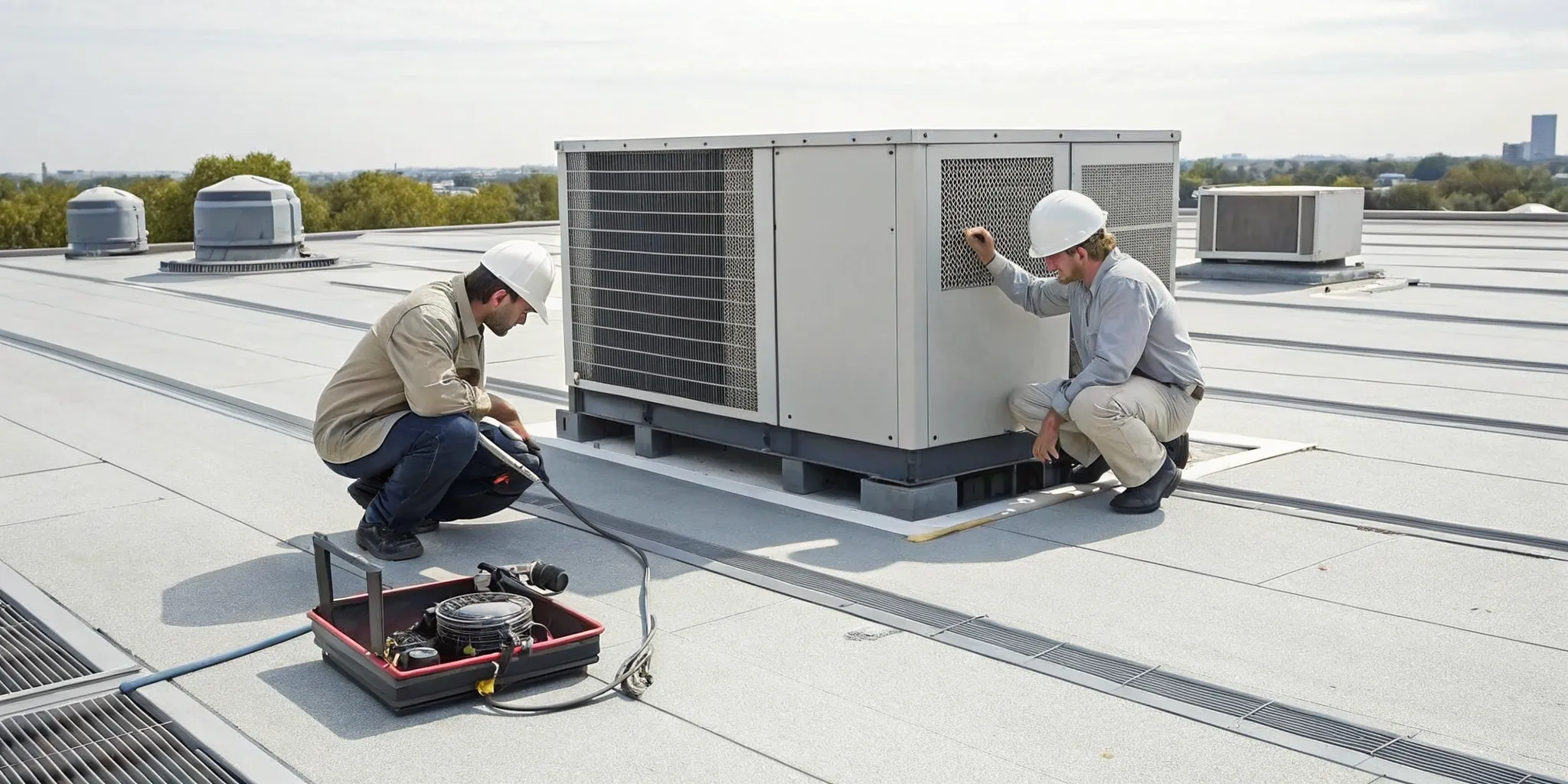
You’ve probably seen these boxy units on the roofs of stores and small office buildings. Packaged rooftop units, or RTUs, are a go-to choice for many small commercial spaces because they contain all the components in one convenient cabinet. This all-in-one design makes them relatively straightforward to install and service. For a business owner, that means less disruption and a streamlined process. The cost for these units typically falls between $5,000 and $15,000. The final price tag will depend on the unit's size (tonnage) and its energy efficiency rating. A larger, more efficient unit will be at the higher end of that range, but it can also lead to lower energy bills over time.
Ductless Mini-Split Systems
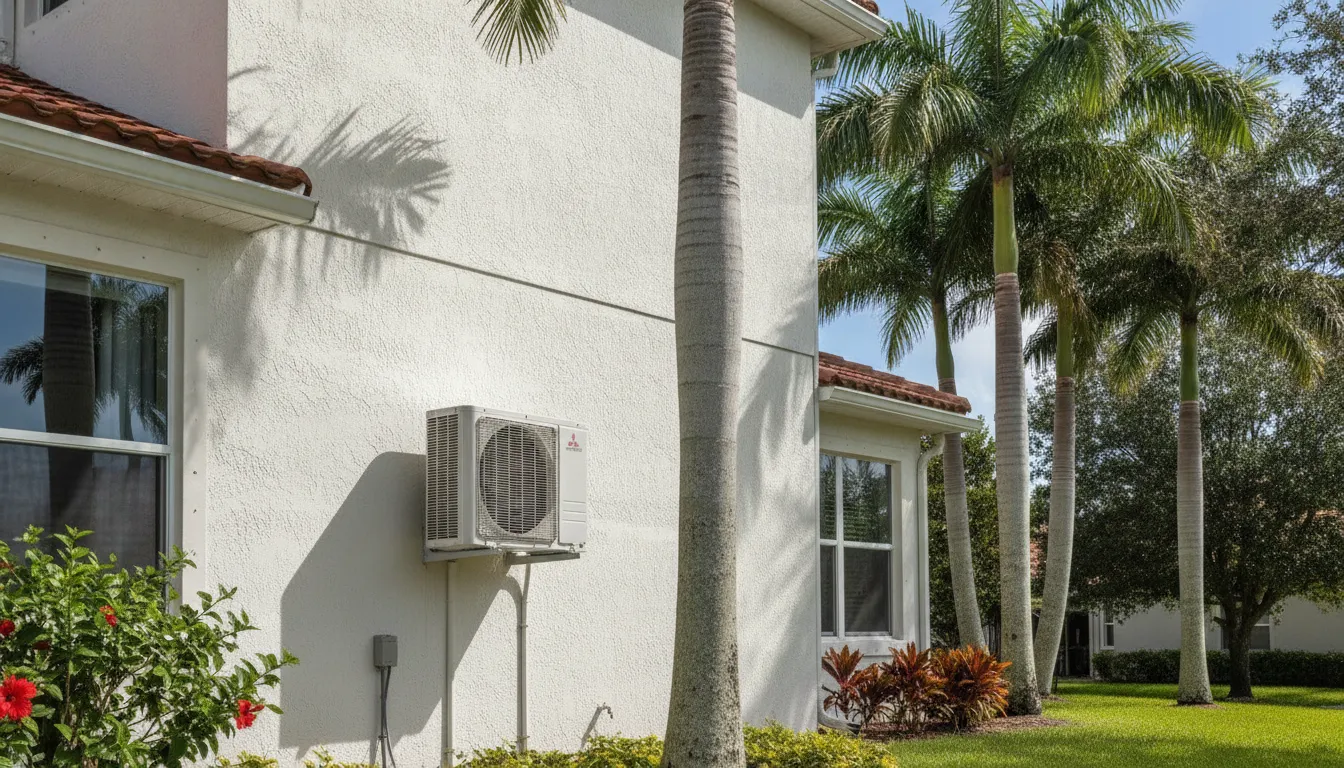
If your commercial space has unique cooling needs or lacks existing ductwork, a ductless mini-split system is an excellent, flexible option. These systems use an outdoor compressor connected to one or more indoor air-handling units, giving you zoned temperature control. They are highly energy-efficient and perfect for offices, retail shops, or restaurants. The installation cost for a commercial ductless system generally ranges from $5,000 to $20,000. The main factors that influence this price are the number of indoor units you need to cool your space effectively and how complex the installation is. More zones mean a higher initial investment, but also more customized comfort.
Variable Refrigerant Flow (VRF) Systems
Variable refrigerant flow (VRF) systems are one of the most advanced and efficient technologies on the market. They are ideal for medium to large commercial buildings that require different zones to be heated and cooled at the same time. Think of an office building where one side gets direct sun and needs cooling, while the other side is shaded and needs a bit of warmth. VRF systems handle this with ease, leading to significant energy savings. This advanced technology comes with a higher price, typically ranging from $10,000 to $50,000 or more. The cost varies widely based on the system's capacity and the specific requirements of your building's layout.
Heat Pumps and Hybrid Systems
Heat pumps are becoming incredibly popular in Florida for their impressive energy efficiency. Instead of generating heat, they move it, which makes them great for both cooling and heating in our mild climate. A hybrid system pairs a heat pump with a furnace, giving you the best of both worlds for year-round efficiency. These systems are a smart investment for businesses looking to lower their carbon footprint and their utility bills. The installation costs for commercial heat pumps and hybrid systems usually range from $7,000 to $25,000. The final price depends on the type of system, its size, and any extra features you might choose.
Look Out for These Hidden HVAC Installation Costs
Getting a quote for a new HVAC system can feel like a big step, but the price of the unit itself is often just the starting point. To create an accurate budget, you need to account for several other factors that can influence the final cost. Think of it like buying a car; the sticker price is one thing, but taxes, fees, and optional features add to the total. Being aware of these potential costs upfront helps you avoid surprises and ensures your installation goes smoothly from start to finish.
Installation and Labor
The cost of labor goes far beyond just the hours a technician spends at your property. Commercial HVAC installations are complex projects that require a team of highly skilled, licensed professionals. You're paying for their expertise, precision, and the coordination needed to get the job done right, especially with longer installation timelines for commercial systems. Investing in quality air conditioning installation means you're getting a team that understands the nuances of your building and can ensure your system runs efficiently and safely for years to come. Cutting corners here often leads to more expensive repairs down the road.
Ductwork Modifications
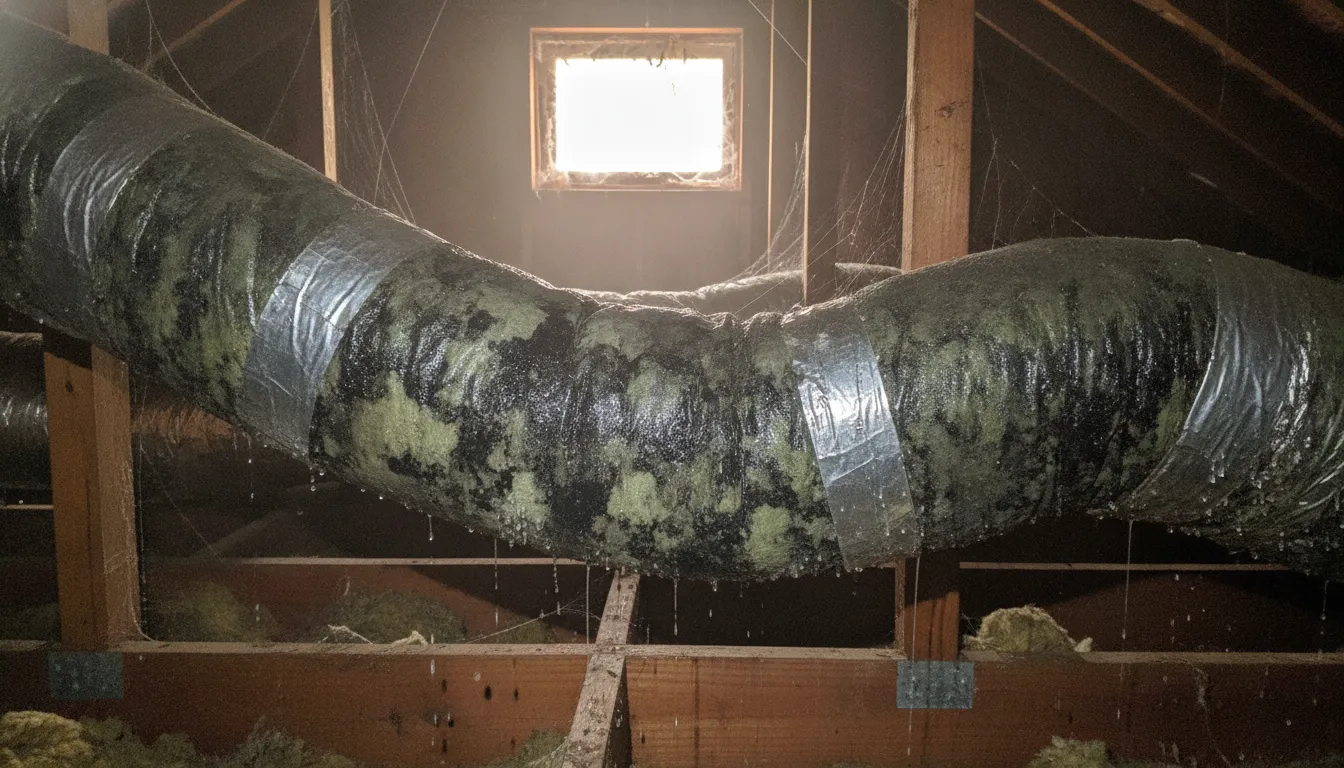
Your building's existing ductwork is the circulatory system for your HVAC. If it’s old, improperly sized, or leaky, your brand-new, high-efficiency unit won't perform at its peak. In many cases, modifications are needed to accommodate the new system's airflow requirements. This could involve resizing, sealing, or even replacing sections of the ductwork. The cost also includes any pipes installed in walls or ceilings to distribute refrigerant. Proper ductwork is essential for even cooling, better air quality, and making sure you get the energy savings you're paying for.
Permits and Inspections
Any major HVAC work requires the right paperwork. Most installations need local permits to ensure they comply with Florida's building codes and safety regulations. These permits, along with the required inspections by a municipal official, come with fees that are added to your total project cost. While it might seem like a hassle, this process protects you and your business. A professional and trustworthy company will handle the entire permitting process for you, making sure everything is filed correctly so your project stays on track and up to code without any added stress on your part.
Electrical and Structural Upgrades
Modern HVAC systems are often more powerful and efficient than the older units they replace, which can sometimes mean your building needs a few upgrades to support them. For example, an existing commercial building might require electrical service upgrades to handle the new unit's power load. If you're installing a heavy rooftop unit, you may also need structural reinforcement to ensure the roof can safely support the weight. A thorough initial inspection will identify these needs early on, so you can contact us to get a complete picture of the project scope before work begins.
Don't Fall for These HVAC Pricing Myths
When you're looking at HVAC quotes, it's easy to get lost in the numbers. A lot of misinformation can lead business owners to make costly mistakes, like overspending on the wrong system or facing unexpected repair bills. Let's debunk a few persistent HVAC pricing myths so you can make a confident, informed decision for your business.
The "Lowest Quote is Best" Myth
It’s tempting to go with the lowest bid, but an unusually cheap quote can be a major red flag. These offers often cut corners with lower-quality equipment or rushed installations, leading to frequent breakdowns and higher energy bills that erase any initial savings. A quality air conditioning installation is an investment in your business's comfort and long-term budget. Instead of focusing only on price, look for a detailed quote that guarantees you’re getting a reliable system built to last.
The "All Systems Are Equal" Myth
Thinking any new AC unit will do the job is a common mistake. Commercial HVAC systems are not one-size-fits-all; a system for a small shop is wrong for a large office. The final cost is tied to the system type, and choosing the wrong one leads to inefficient cooling and wasted energy. The right system should match your building’s size and layout. This is also a key factor in maintaining good indoor air quality for the health and comfort of your employees and customers.
The "Maintenance is Optional" Myth
Skipping routine maintenance to save money is one of the most expensive mistakes you can make. Your HVAC system needs regular tune-ups to run efficiently and reliably. Preventive maintenance catches small issues before they become major breakdowns that could shut down your business on a sweltering day. An air conditioning maintenance plan keeps your system at peak performance, extends its lifespan, and lowers your long-term operational costs. It’s a small expense that prevents a much bigger headache.
The "Efficiency Doesn't Pay" Myth
The higher price of an energy-efficient unit can cause sticker shock, but focusing only on the upfront cost ignores long-term savings. High-efficiency systems use less energy, which means lower monthly utility bills. In Southwest Florida, where the AC runs constantly, these savings add up fast and the unit often pays for itself. Understanding what your equipment needs reduces waste and improves performance. We even offer financing options to make these smarter investments more accessible for your business.
The Long-Term Payoff of an Energy-Efficient HVAC
The initial price of a new commercial HVAC system can feel like a hurdle, but it’s only one part of the story. The real cost of your system unfolds over its entire lifespan, factoring in energy use, repairs, and maintenance. Choosing an energy-efficient model is a smart financial investment in your property's future. A high-efficiency system works smarter, not harder, to keep your space comfortable, providing a return that you’ll appreciate for years to come.
Lower Monthly Energy Bills
In Florida, air conditioning is a major utility expense. An energy-efficient HVAC system tackles this by using significantly less power to cool your space. Modern systems have advanced components that reduce electricity consumption without sacrificing performance. Over time, these daily savings lead to noticeably lower monthly bills. The money you save can eventually cover the cost of the new air conditioning installation.
Rebates and Tax Incentives
You can often get money back for choosing an energy-efficient HVAC system. Federal, state, and local utilities frequently offer rebates and tax credits for installing high-efficiency models. Programs like the Energy Efficient Home Improvement Credit can lower your upfront costs. These incentives make greener technology more accessible. Ask your technician about current programs you might qualify for, and explore our financing options to make the investment more manageable.
Calculating Your ROI
Thinking about your return on investment (ROI) helps you see the full financial picture. While a high-efficiency system might have a higher initial cost, its long-term savings often deliver a better ROI. To figure this out, weigh the upfront price against the money you’ll save on energy and repairs over the system's life. A cheaper unit might save you money today but will likely cost more in the long run through higher utility bills and frequent breakdowns.
Fewer Repair Bills
A new, professionally installed HVAC system is reliable. You can say goodbye to the stress and expense of unexpected breakdowns and costly emergency calls. Investing in a quality unit from the start means fewer malfunctions and a longer operational lifespan. To protect that investment, consistent preventative care is key. Scheduling regular air conditioning maintenance keeps your system efficient and helps you avoid surprise repair bills.
What to Look for in an HVAC Quote
Once you have a few quotes in hand, it’s time to put on your detective hat. Comparing HVAC estimates can feel like trying to compare apples and oranges, but a good quote is much more than just a final price. Think of it as a detailed roadmap for your project and a first impression of the company you might be working with. A clear, comprehensive quote shows that a contractor is transparent, has thoroughly assessed your needs, and respects your investment. It should break down exactly what you’re paying for, from the specific equipment models to the labor involved.
On the other hand, a vague or confusing quote can be a sign of trouble ahead. It might mean the contractor hasn't done their homework or, worse, they might be hiding future costs. Taking the time to carefully review each proposal helps you spot the difference between a genuine value and a potential headache. This is your best tool for making an informed decision and finding a true partner who will keep your business comfortable and running smoothly for years to come.
Spotting Red Flags in an Estimate
It’s easy to get drawn in by the lowest bid, but an unusually low price can be a major red flag. These quotes often cut corners by using subpar equipment that breaks down frequently or runs inefficiently, costing you more in the long run. They can also hide costs that magically appear later, like unexpected fees for permits or electrical work. A trustworthy estimate will be detailed and transparent, breaking down every aspect of the job. If a quote is vague or the price seems too good to be true, it probably is. Look for a company that provides a clear, itemized proposal for your air conditioning installation, so you know exactly what you’re paying for from the start.
Key Questions for Your Installer
Don’t hesitate to ask questions before signing anything. A true professional will be happy to walk you through their quote and provide clear answers. Start by asking for a complete breakdown of costs that separates labor from materials. Inquire about the specific make and model of the proposed equipment and, more importantly, why it was chosen for your space. You should also ask about the project timeline and what the installation process will look like. Another great question is, "What's not included in this price?" This helps uncover any potential extra costs. Getting these details helps you compare offers accurately and ensures there are no surprises. If you have questions, a reliable team is always ready to provide answers.
Checking for Licenses and Insurance
This step is absolutely non-negotiable. Any HVAC contractor working in your commercial space must be fully licensed and insured. This protects your business from liability if an accident happens on your property and ensures the technicians are qualified to do the job correctly and safely. Hiring an unlicensed contractor can void your new equipment’s warranty and leave you with no recourse if the work is faulty. At 5 Star Air, we are proud to be a fully licensed and insured company, giving our clients the peace of mind that their investment is in capable hands. Always ask for proof of credentials before any work begins; a reputable company will provide it without hesitation.
Understanding Warranties and Financing
A new HVAC system is a significant investment, so you need to know how it’s protected. Be sure to ask about the warranties included, and clarify if they cover both the equipment (manufacturer's warranty) and the installation (labor warranty). A solid warranty on both parts and labor shows that the company stands behind its work. You should also inquire about payment options. Many companies offer flexible financing plans to help manage the upfront cost of a new system, making it a more manageable expense. Understanding these financial details will help you budget effectively and protect your investment for years to come, ensuring your business stays comfortable without breaking the bank.
Smart Budgeting for Your Commercial HVAC Installation
A new commercial HVAC system is a significant investment, and creating a smart budget is about more than just the price on the quote. A thoughtful financial plan considers the entire scope of the project, from potential surprises to the long-term costs of operating your new system. By planning ahead, you can ensure your installation goes smoothly and delivers value for years to come. Here’s how to approach your budget with confidence.
Plan for the Unexpected
Even with the most thorough inspection, surprises can pop up during a major installation. You might discover that your building’s existing electrical system needs an upgrade to support the new unit, or that some ductwork needs to be reconfigured. That’s why it’s a good practice to set aside a contingency fund. Budgeting an extra 5% to 10% of the total project cost gives you a financial cushion to handle these unforeseen issues without derailing your project or causing stress. Think of it as insurance for your budget; it provides peace of mind and ensures the installation is completed correctly, no matter what.
Install During the Off-Season
Timing your installation can have a real impact on your budget. In Florida, the peak season for HVAC work is during the sweltering summer months when AC units are working overtime. If you can, schedule your commercial AC installation during the off-season, like in the late fall or early spring. During these milder months, HVAC technicians are less likely to be swamped with emergency calls. This often means more scheduling flexibility for your business and can sometimes lead to better availability and pricing on equipment and labor. Planning your installation for a quieter time of year is a simple strategy that can save you both time and money.
Factor in Maintenance Costs
The day your new HVAC system is installed is just the beginning of its journey. To keep it running efficiently and extend its lifespan, you need to budget for regular upkeep. Just like a company vehicle needs oil changes, your HVAC system needs professional attention. A preventative maintenance plan is a small, predictable operating expense that helps you avoid large, unexpected repair bills down the road. Routine service keeps your system in top shape, ensures it’s running as efficiently as possible to keep energy costs down, and helps catch minor issues before they become major headaches.
Look at Total Cost, Not Just Upfront Price
It’s easy to focus on the initial price tag, but the cheapest quote isn't always the best value. A truly smart budget considers the total cost of ownership. This includes the upfront price, installation fees, and the long-term costs of energy consumption and maintenance. A less expensive, lower-efficiency unit might save you money today, but it could lead to significantly higher utility bills every month for the next decade. Investing in a high-efficiency system from a reputable installer often results in lower operating costs and fewer repairs, saving you more money over the life of the unit. We also offer flexible financing options to make this important investment more manageable for your business.
Related Articles
- HVAC Tips & Insights Blog - Expert Advice from 5 Star Air
- Prepare Your HVAC for the Florida Summer
- HVAC Installation Services
- Schedule HVAC Service - Book Online 24/7 | 5 Star Air
- 5 Star Air - Premier HVAC Services in Southwest Florida
Frequently Asked Questions
Why is there such a wide price range for commercial HVAC systems? The price isn't a one-size-fits-all number because every business is different. The final cost depends on the size of your space, the type of system you need (like a rooftop unit versus a ductless system), the condition of your existing ductwork, and the complexity of the installation itself. A professional quote is tailored specifically to your building's unique requirements.
Is it really worth paying more for a high-efficiency system in Florida? Absolutely. While the initial price is higher, a high-efficiency unit uses much less energy to cool your business. Here in Florida, where the AC runs almost constantly, those energy savings add up to a lower utility bill every single month. Over time, the system can pay for itself and will continue to save you money for years.
What are some common "hidden" costs I should plan for? A good quote will be transparent, but it's smart to be aware of potential extra needs. Sometimes a new system requires electrical upgrades to handle the power load or modifications to your existing ductwork to ensure proper airflow. You should also account for the cost of local permits and inspections, which are necessary to make sure the job is done safely and to code.
How can I tell if a low quote is a red flag? A quote that seems too good to be true often is. Unusually low prices can signal that a contractor is using lower-quality equipment that won't last or is cutting corners on the installation. A trustworthy quote will be detailed and itemized, clearly explaining the costs for both the equipment and the labor. If an estimate is vague or the price is drastically lower than others, it's wise to ask more questions.
How often does a new commercial HVAC system need maintenance? To keep your new system running at its best, professional maintenance is key. We generally recommend a full system check-up at least twice a year, once before the cooling season and once before the heating season. This regular service keeps the unit efficient, helps prevent unexpected breakdowns during busy times, and protects your long-term investment.