How Much Does It Cost to Add AC to a Forced Air System?
When you're looking to add central air to your home, the biggest variable isn't the AC unit itself—it's the ductwork hiding in your walls and ceilings. The condition of this hidden network is the single most important factor that determines the final cost to add AC to a forced air system. If your ducts are in great shape, you're looking at a straightforward installation. If they need repairs or a complete replacement, it's a much different project. This guide focuses on what you need to know about your ducts and other key factors, helping you understand your specific situation before you even call a professional.
Key Takeaways
- Understand Your Ductwork's Role in the Final Cost: The condition of your existing ducts is the single biggest factor influencing your project's price. A system that's ready for AC will be far more affordable than one requiring extensive modifications or a brand-new installation.
- Look Beyond the Unit's Price Tag: Your total investment includes more than just the equipment. Factor in the system's efficiency (SEER rating), professional labor costs, permits, and potential electrical upgrades to create a realistic budget.
- Prioritize a Professional Sizing and Assessment: Avoid the common pitfalls of an oversized or undersized system by getting a professional load calculation. A proper assessment ensures your new AC is perfectly matched to your home, which is crucial for both comfort and long-term efficiency.
How Does AC Work With a Forced Air System?
If your home already has a furnace, you might have the perfect foundation for central air conditioning. Many homeowners don’t realize that their heating system's ductwork can often pull double duty, circulating cool air in the summer just as effectively as it does warm air in the winter. Understanding how these two systems work together can make the process of adding AC feel a lot less intimidating. It all starts with knowing what a forced air system is and how it can be adapted for cooling, which can help you feel more confident when you contact a professional.
What is a forced air system?
Think of a forced air system as the respiratory system of your home. It’s a heating and cooling setup that uses a powerful fan, called a blower, to push conditioned air through a network of ducts and into your living spaces. While it often includes a furnace for heating, the key components are the blower and the ductwork that distributes the air. This existing infrastructure is exactly what makes it possible to add central air conditioning without having to start from scratch. It’s an efficient way to deliver comfort throughout your entire home.
Integrating AC with your current heating system
So, how do you get that cool air? You integrate an air conditioner into your existing forced air setup. This involves adding two main components: an outdoor condenser unit and an indoor evaporator coil. The evaporator coil is installed right next to your furnace, inside the ductwork. When you turn on the AC, the coil gets icy cold. Your furnace’s blower then pushes air across this coil, cooling it down before sending it through the ducts to cool your home. A successful air conditioning installation depends on making sure your existing ductwork is compatible and that the new AC unit is the right size for your home.
How Much Does It Cost to Add AC to a Forced Air System?
If your home has a forced-air furnace but no central air, you're already halfway to a cooler, more comfortable space. The great news is that adding AC to your existing system is usually much more affordable than starting from scratch. But let's be honest, the big question on your mind is: what's the final bill going to look like?
The truth is, the cost can vary quite a bit. Think of it like any home renovation project—the final price depends on the size of your space, the condition of what you're starting with, and the quality of the new components you choose. Your home's layout, the state of your current ductwork, and the efficiency of the new unit all play a significant role. Before you can get an exact quote, a professional needs to assess your current setup to see what's compatible and what needs to be upgraded. This isn't just about adding an outdoor unit; it involves connecting an indoor evaporator coil, running refrigerant lines, and ensuring the electrical system can handle the load. We'll walk through the key factors so you can get a clearer picture of the investment required for your air conditioning installation and feel confident in your decision to bring cool, refreshing air to your Florida home.
Price ranges based on home size
The size of your home is one of the biggest factors in determining the cost. A larger home requires a more powerful (and more expensive) AC unit to cool it effectively. For an average 2,000-square-foot house, you can generally expect the price to land somewhere between $5,000 and $12,000, with most homeowners spending around $7,000. This estimate assumes that your existing ductwork is in good shape and ready to handle the airflow from a new AC system. If your home is larger, has multiple stories, or features an open-concept layout, you'll likely be on the higher end of that range. We'll cover ductwork in more detail later, but it's a crucial part of the equation.
Comparing costs: adding on vs. a new installation
Deciding whether to add on to your current system or install a brand-new one often comes down to the numbers. If your furnace is relatively new and already equipped with the necessary components like an evaporator coil, you're in luck. In this best-case scenario, adding just the outdoor condenser unit and connecting it might only cost between $1,000 and $3,000. On the other hand, if your furnace is older or not compatible, a full HVAC system replacement typically runs from $10,000 to $15,000, and sometimes more for high-efficiency models. We can help you explore financing options to make the investment more manageable for your budget.
What Factors Influence Your Final Cost?
When you start budgeting to add air conditioning to your forced air system, you’ll quickly find there isn’t a single, one-size-fits-all price. The final cost is a puzzle with several pieces that need to fit together. Think of it less like buying a product off the shelf and more like a custom project for your home. The price depends on your specific situation, from the size of your house to the condition of your existing setup.
Understanding these factors will help you see where your money is going and make informed decisions. It also prepares you for conversations with HVAC professionals, so you know what questions to ask. We’ll walk through the four main variables that have the biggest impact on your total investment: your home’s unique cooling requirements, the efficiency of the unit you choose, local labor costs, and how well a new AC will play with your current heating system. Getting a handle on these elements is the first step toward a clear and accurate project quote.
Your home's size and cooling needs
The size of your home is one of the most significant factors in determining the cost of a new AC unit. A larger house simply requires a more powerful system to keep every room cool and comfortable, especially during a Florida summer. For example, a 2,000-square-foot home might need a 3-ton unit, while a smaller home could get by with a less powerful—and less expensive—system. It’s not just about square footage, though. Factors like ceiling height, the number of windows, and how much sun your home gets also play a role. A professional assessment is key to getting an air conditioning installation that’s perfectly sized for your space.
The system's SEER rating and efficiency
You'll hear the term "SEER rating" a lot when shopping for an AC. It stands for Seasonal Energy Efficiency Ratio, and it’s a measure of how efficiently the unit cools your home. A higher SEER rating means better efficiency. While units with high ratings (think 18 or more) have a higher upfront cost, they can lead to significant savings on your monthly energy bills. In a place like Southwest Florida where the AC runs almost year-round, investing in an efficient system often pays for itself over time. It’s a balance between the initial investment and long-term operating costs.
Local labor rates
The cost of professional installation is another major piece of the puzzle. Labor rates can vary depending on your location and the complexity of the job. An installation in a tight attic or crawlspace, for instance, will likely cost more than one in an easily accessible area. This is where working with a trusted local company makes a difference. At 5 Star Air, we believe in honest and transparent pricing. Our quotes clearly outline all labor costs, so you won’t be surprised by hidden fees. Our team of fully licensed and insured technicians ensures the job is done right, giving you peace of mind.
Your current system's compatibility
Before a new AC can be installed, it’s crucial to make sure your existing forced air system is up to the task. Your furnace, blower, and ductwork must be able to handle the increased airflow required for cooling. If your ducts are old, leaky, or improperly sized, they may need modifications or even replacement. Similarly, the furnace and blower need to be compatible with the new AC unit to ensure everything runs smoothly and efficiently. A thorough inspection of your current setup is a non-negotiable first step in the process, preventing costly performance issues down the road.
Does Your Ductwork Affect the Installation Cost?
The short answer is: absolutely. The condition and layout of your home’s ductwork play one of the biggest roles in the final cost of adding air conditioning to your forced air system. Think of your ducts as the highway system for cool air. If the roads are already paved, wide enough for traffic, and in good repair, adding a new car (your AC unit) is pretty straightforward. But if there are no roads, or if they’re full of potholes and too narrow, you’ve got a much bigger construction project on your hands.
Before you can get an accurate quote, a professional needs to assess your current ductwork. They’ll check if it’s properly sized for the airflow a new AC system requires, look for leaks that could waste energy and money, and determine if it’s even compatible with a cooling system at all. This initial inspection is crucial because it determines whether you’re looking at a simple connection, a few modifications, or a full-scale ductwork installation. Each path comes with a very different price tag. Understanding where your home falls in this spectrum will help you set a realistic budget and avoid surprises down the line. Let’s break down what you can expect for each scenario.
When your ductwork is ready to go
This is the ideal situation. If your home’s forced-air heating system was designed with future AC in mind, you’re in luck. This usually means the ductwork is the right size, the furnace already has an evaporator coil, and the proper wiring is in place. In this case, the job is mostly about installing the outdoor condenser unit and connecting it to the existing setup. As one homeowner on Reddit noted, this kind of project could cost between $1,000 and $3,000, since you’re mainly paying for the unit and a few hours of labor. It’s the quickest and most affordable way to add central air.
Modifying or upgrading your ducts
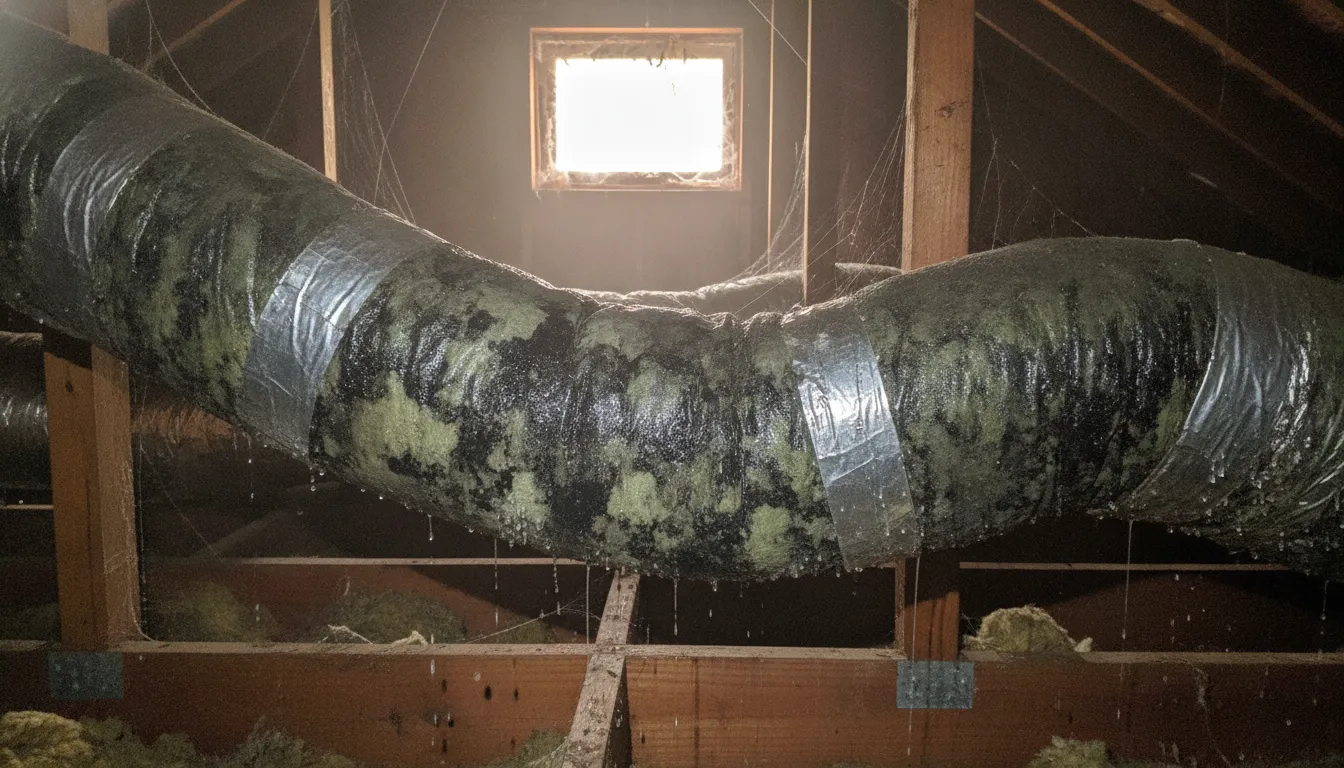
Many homes fall into this middle category. You have ductwork, but it might not be ready for the demands of a modern air conditioner. Perhaps the ducts are too small, poorly sealed, or haven't been cleaned in years. In these cases, some modifications are necessary to ensure your new system runs efficiently. As experts point out, having ducts already makes the job cheaper than starting from scratch, but upgrades will add to the cost. This could involve sealing leaks, replacing sections, or a full duct sanitization and replacement to improve airflow and air quality.
Installing new ductwork from scratch
If your home uses a heating system without ducts, like radiators or a boiler, you’ll need a complete ductwork system installed. This is the most complex and expensive scenario because it involves a major construction project. Technicians will need to open walls and ceilings to run the new ducts throughout your home. This process alone can add thousands to your total bill. According to one discussion, installing new ductwork can add over $4,000 to the project, potentially pushing the total cost for a new AC system into the $10,000 to $20,000 range. While it’s a big investment, it’s a necessary step for homes without any existing duct infrastructure.
Breaking Down the Costs: Equipment and Labor
When you get a quote for adding AC, the final number is a combination of two main things: the equipment itself and the skilled labor required to install it. It’s helpful to see how these costs are divided so you can understand exactly what you’re paying for. The major components, like the condenser and evaporator coil, make up a significant portion of the price. But don't forget about the other essential costs, like the technician's time, any necessary electrical work, and local permits.
Think of it like a recipe. The ingredients are your equipment, and the chef's time and expertise are the labor. Both are critical for a successful outcome. A quality air conditioning installation ensures your new system runs efficiently and safely for years to come. Understanding this breakdown helps you compare quotes more effectively and spot any red flags. A transparent quote should clearly list these different costs, so you know where your money is going. It also empowers you to ask the right questions, like whether a specific brand of equipment is being used or how many hours of labor are estimated for the job. This knowledge transforms you from a passive buyer into an informed homeowner who can confidently manage this important home improvement project. Let's look at each piece of the puzzle so you can get a clearer picture of the total investment.
The outdoor condenser unit
The outdoor condenser is the large, boxy unit that sits outside your home. Its job is to release the heat that's been removed from inside your house. If your furnace is already equipped with an evaporator coil and the right wiring, you might only need to add the condenser. In this scenario, the cost for the unit and the labor to connect it can range from about $1,000 to $3,000. This is the most straightforward type of AC addition, but it relies on your existing system being fully prepared for the new component.
The indoor evaporator coil
More often than not, adding central air means installing both the outdoor condenser and the indoor evaporator coil. The evaporator coil sits inside, usually with your furnace, and is responsible for absorbing heat and humidity from your indoor air. When you need both components, the total costs for this installation typically fall between $3,000 and $8,000. This wider range accounts for different system sizes, efficiency ratings, and the specific layout of your home, which can influence the complexity of the job.
Professional installation and labor
The cost of labor is a major factor in your final bill. HVAC professionals have specialized skills to ensure your system is installed correctly, safely, and according to code. Hourly rates for technicians generally range from $50 to $150. The total labor cost will depend on how complex the installation is. For example, working in a tight crawlspace or a hot attic will likely take more time and effort than working in an easily accessible basement, which will be reflected in the price.
Electrical updates and permits
Before any work begins, your project will likely require a permit from your local municipality. This is a good thing—it ensures the installation is done safely and meets building codes. The cost for an HVAC permit usually runs between $250 and $400. Additionally, your home's electrical panel may need updates to handle the power demands of a new central air conditioner. An electrician may need to run a new dedicated circuit, which is a separate cost to consider in your overall budget.
Are There Any Hidden Costs to Plan For?
When you get a quote for a new AC installation, you want to know that the number you see is the number you’ll pay. At 5 Star Air, we believe in honest, transparent pricing, which means we do our best to account for everything your specific project will need. However, every home is unique, and sometimes, unexpected requirements pop up during an installation.
Being aware of these potential extras ahead of time helps you create a realistic budget and ensures there are no surprises on installation day. Think of these not as "hidden" costs, but as variables that depend entirely on your home's current setup. A thorough initial assessment, like the one we provide, is the best way to identify if any of these will apply to your project. From custom fittings to necessary upgrades, here are a few additional costs that could factor into your final price.
Custom metal work
To connect your new evaporator coil to your existing furnace and ductwork, technicians often need to create custom-fit metal pieces called transitions. This isn't a sign that something is wrong; it's a sign of a quality installation. Custom sheet metal ensures a perfect, airtight seal between the components. This prevents cooled air from leaking out, which is crucial for your system's efficiency. Without these precise connections, you could lose energy and money every time your AC runs.
Thermostat upgrades
Your old thermostat might not be able to communicate with a new, high-efficiency air conditioner. If your current thermostat isn't compatible with the new AC system, you may need to upgrade. While this is an added expense, it’s also a great opportunity to improve your home's comfort and efficiency. Upgrading to a smart or programmable thermostat gives you more control over your home's climate and can even help you save on energy bills. It’s a small change that can make a big difference in your overall indoor air quality.
The outdoor unit's foundation
Your outdoor condenser unit needs a solid, level place to sit. The installation of the outdoor unit may require a new concrete pad or another type of foundation to ensure it’s stable. If your current pad is cracked, sinking, or doesn't meet local building codes, it will need to be replaced. This is a critical step because an unstable unit can vibrate excessively, leading to noise and potential damage to the refrigerant lines and internal components over time.
Refrigerant lines
Refrigerant lines, also known as a line set, are the copper tubes that run between your indoor and outdoor AC units, circulating the refrigerant that cools your home. If your existing lines are the wrong size, damaged, or incompatible with modern, environmentally friendly refrigerants, they’ll need to be replaced. Running new refrigerant lines can add to the installation cost, but it’s essential for the performance and longevity of your new system. Using the correct lines is a key part of a professional air conditioning installation.
Cost Scenarios: What to Expect for Your Home
The biggest variable in adding AC to a forced air system is the condition of your existing ductwork. Your home will likely fall into one of three categories, each with a different price range. Think of these as starting points to help you budget for the project. The best way to get an exact number is to schedule a professional assessment, but these scenarios will give you a solid idea of what to expect.
For homes with compatible ductwork
If your home has a forced air furnace and ductwork that’s in good shape and properly sized, you’re in the best possible position. This is the most straightforward type of installation. In this case, adding central air conditioning typically costs between $4,000 and $10,000. The project involves adding an outdoor condenser unit and an indoor evaporator coil to your existing furnace. If your furnace is newer and was built to accommodate AC, the job might be even simpler and less expensive. A professional air conditioning installation can be completed relatively quickly when the foundational duct system is already in place.
For homes that need ductwork modifications
Sometimes, existing ductwork isn't quite ready for central air. It might be old, leaky, or improperly sized to handle the airflow needed for efficient cooling. In these situations, modifications are necessary. This could involve sealing leaks, replacing sections, or adding new ducts to certain rooms. These modifications will add to the overall cost of your project. If your home requires extensive ductwork replacement, the total price can climb significantly, sometimes reaching as high as $50,000 for very large homes with complex systems. It’s why a thorough inspection of your ducts and vents is a critical first step.
For homes without any existing ducts
If your home uses a system like radiators or baseboard heaters, you won't have any ductwork to begin with. Installing a central AC system from scratch means a full ductwork installation is required, which is a major construction project. For a home without ducts, you can expect the total cost to range from $10,000 to $20,000 or more. Because this is a significant investment, it’s also a good time to consider alternatives. Ductless mini-split systems, for example, can cool your home efficiently without the need for any ductwork. Exploring all your options, including potential financing plans, can help you make the best choice for your home and budget.
Smart Ways to Save on Your New AC Installation
A new air conditioner is a significant home investment, but that doesn't mean it has to break the bank. With a little planning, you can find some great ways to lower the upfront cost of your air conditioning installation. Thinking strategically about the system you choose, how you pay for it, and when you schedule the work can make a big difference in your final bill. Here are a few practical tips to help you get the best value without compromising on quality or comfort.
Find energy efficiency rebates
Choosing a high-efficiency air conditioner is one of the smartest moves you can make. Not only will it lower your monthly utility bills, but it can also qualify you for valuable rebates and tax credits. Both federal and local utility programs often provide incentives for homeowners who install energy-efficient systems. While a unit with a higher SEER rating might have a bigger price tag initially, these savings can significantly reduce the net cost. We can help you identify which systems qualify for current programs, ensuring you get the best possible deal while investing in a unit that will save you money for years to come.
Explore payment plans and financing
Feeling overwhelmed by the upfront cost of a new AC system is completely normal. The good news is, you don't have to pay for it all at once. Reputable HVAC companies understand this is a major purchase and offer flexible options to make it more manageable. We provide straightforward financing solutions designed to fit your budget, allowing you to get the comfort you need now and pay over time. Exploring these payment plans can take the pressure off, turning a large one-time expense into predictable monthly payments. It’s always worth asking about the available options before making a final decision.
Schedule your installation during the off-season
Timing is everything, even in HVAC. In Florida, the busiest times for AC technicians are the sweltering summer months when systems are working overtime and breakdowns are common. If you can plan your installation for the "off-season"—think late fall or early spring—you can often find some advantages. Because demand is lower, you may find more flexible scheduling and sometimes even better pricing. Planning ahead for a replacement instead of waiting for an emergency gives you more control over the process and your budget. It’s a simple strategy that can lead to real savings and a much smoother installation experience.
Costly Mistakes to Avoid When Adding AC
Adding central air is a fantastic upgrade for your home, especially here in Florida. But it's also a major investment, and a few common missteps can turn an exciting project into a costly headache. Getting it right from the start saves you money, time, and frustration down the road. Let's walk through the biggest mistakes homeowners make so you can avoid them and enjoy that cool, comfortable air with confidence.
Miscalculating the total project budget
It’s easy to focus on the price tag of the AC unit itself, but that’s only one piece of the puzzle. The total cost includes the equipment, labor, permits, and any necessary modifications to your current system. If your home already has compatible ductwork, you might spend between $4,000 and $10,000. However, if you need new ducts installed, the project cost can climb significantly higher. To avoid sticker shock, get a detailed, itemized quote from a trusted professional. This ensures you have a clear picture of all expenses upfront, so you can budget accordingly. If the total seems daunting, remember to ask about available financing options to make the investment more manageable.
Picking the wrong AC size for your home
You might think a bigger, more powerful AC unit will cool your home faster, but that’s a common myth that can cost you. An oversized system will cool the air so quickly that it shuts off before it has a chance to remove humidity, leaving your home feeling cold and clammy. This constant starting and stopping, known as short-cycling, also puts extra strain on the components and drives up your energy bills. On the other hand, an undersized unit will run constantly without ever reaching a comfortable temperature. A professional AC installation ensures your unit is perfectly sized for your home’s specific needs, guaranteeing both comfort and efficiency.
Skipping a professional assessment
Before you buy any equipment, the most important step is to have a qualified technician assess your home. A professional evaluation is about more than just getting a quote; it’s about creating a smart plan. An expert will inspect your existing ductwork to see if it can handle the airflow of a new AC system, perform a proper load calculation to determine the exact size unit you need, and check the overall condition of your forced-air system. This single step can save you from buying the wrong equipment or facing unexpected, expensive repairs mid-installation. Ready to get a clear plan for your home? You can contact us to schedule an honest, no-pressure assessment with one of our experienced technicians.
Frequently Asked Questions
My house already has ducts for heating. Does that guarantee adding AC will be cheap and easy? Not necessarily, but it's a fantastic head start. While having existing ductwork is the biggest factor in keeping costs down, its condition is what really matters. We need to make sure the ducts are properly sealed, free of leaks, and large enough to handle the airflow required for cooling, which is different from heating. A professional inspection is the only way to know for sure if you're looking at a simple connection or if some modifications will be needed first.
What does a 'professional assessment' actually involve? A professional assessment is much more than just a quick look. A technician will thoroughly inspect your entire forced air system, including the furnace, blower, and all accessible ductwork. They'll also perform what's called a "load calculation," which considers your home's square footage, window placement, insulation, and ceiling height to determine the exact size and power of the AC unit you need. This step is crucial for ensuring your new system runs efficiently and keeps you comfortable.
Is it worth paying more for a high-efficiency AC unit in Florida? In almost every case, yes. A high-efficiency unit, indicated by a higher SEER rating, might have a larger price tag, but the long-term savings are significant here in Florida. Because our air conditioners run for a large part of the year, the reduction in your monthly energy bills can be substantial. These savings often help the unit pay for itself over its lifespan, making it a smart financial decision.
How do I know if I need a new thermostat too? Your technician will be able to tell you for sure, but a good rule of thumb is that if your thermostat is old or very basic, it likely won't be compatible with a modern air conditioner. Newer AC systems have features that older thermostats can't control. While it is an extra cost, upgrading to a programmable or smart thermostat gives you better control over your home's comfort and can contribute to even more energy savings.
What's the biggest mistake I can make in this process? The most costly mistake is choosing an AC unit that's the wrong size for your home. It's tempting to think "bigger is better," but an oversized unit will cool your home too quickly without removing humidity, leaving you feeling damp and clammy. It also wears out the system faster. An undersized unit will run constantly and struggle to keep up. Skipping the professional load calculation and just guessing on the size is a recipe for inefficiency and discomfort.