How Much Does It Cost to Replace Ductwork?
Are you noticing that some rooms in your house are always warmer than others? Or maybe your energy bills are creeping up every summer, no matter what you do. These are classic signs that your home's ductwork might be failing. Once you suspect your ducts are the problem, the next logical question is, how much does it cost to replace ductwork in a house? The answer depends on a variety of factors, from the size of your home to the condition of your current system. We'll break down every variable so you can understand the investment and make an informed decision for your home's health and your family's comfort.
Key Takeaways
- Understand what drives your quote: The final price isn't arbitrary; it's based on your home's size and layout, how easy the ducts are to access, and the type of material you select.
- Budget for more than just the ducts: A smart plan includes a 10-20% contingency fund for potential costs like building permits, drywall repairs, or hauling away old materials.
- Focus on the long-term payoff: Replacing your ductwork is an investment that pays you back through lower energy bills, more consistent home comfort, and healthier indoor air.
What's the Average Cost to Replace Ductwork?
Figuring out the cost to replace your home's ductwork can feel a bit like guessing the number of shells on Sanibel Island—there are a lot of variables. The final price tag depends on your home's size, the materials used, and even your specific location here in Florida. While I can't give you an exact number without seeing your home, I can break down the typical costs so you have a clear starting point. Let's look at the national averages first, and then we'll bring it home to what you can expect in our corner of Southwest Florida.
A Look at National Averages
Across the country, the price for replacing ductwork can swing pretty widely. According to home improvement experts, a full replacement typically falls somewhere between $250 and $12,000. A simple, straightforward job might be less than $1,500, but a larger home with a more complex system could push the cost over $10,000. Another way to look at it is by the linear foot, with the cost of new ductwork estimated to be around $40 to $65 for materials and labor. These numbers give you a general idea of the budget you might need, but remember, they're just a starting point.
What to Expect in Southwest Florida
Here in Southwest Florida, our local market has its own set of factors that influence the final price. Things like local labor rates and the unique layout of your home play a big role in the total cost. As you might guess, replacing ductwork in a sprawling ranch in Naples can be a different project than in a two-story home in the Keys. The complexity of the job is a major driver of the final price. Because demand for HVAC services can be high, especially during our warmer months, it's always best to get a quote from a local, trusted company. This will give you the most accurate picture of the investment for your specific home.
What Determines the Final Price?
When you get a quote for ductwork replacement, you’ll notice it’s not a simple, one-size-fits-all price. That’s because every home is unique, and the final cost is a combination of several key factors, from the size of your house to the specific materials you choose. Understanding these variables will help you see exactly where your money is going and why one quote might differ from another. Think of it less like buying a product off the shelf and more like a custom project tailored to your home’s specific needs. Let’s walk through the main components that shape the total investment.
Your Home's Size and Layout
It makes sense that the bigger your home, the more ductwork you'll need. A sprawling 3,000-square-foot house will require significantly more materials and labor than a cozy 1,200-square-foot bungalow. The layout also plays a huge role. A simple, single-story rectangular house has a more straightforward duct system than a multi-level home with complex angles and vaulted ceilings. The more twists, turns, and branches your ductwork needs to efficiently reach every room, the more complex the job becomes. This complexity is naturally reflected in the final price of the project.
How Easy the Ducts Are to Access
Where your ducts are located is one of the biggest factors in the labor cost. If your ductwork is easily accessible in an open attic or a spacious basement, our technicians can work quickly and efficiently. However, if ducts are hidden behind drywall, tucked into tight crawl spaces, or squeezed into ceilings, the job gets more complicated. Accessing these areas often requires more time, specialized tools, and sometimes even minor demolition and repair work. A job in a cramped crawl space can cost significantly more than one in an accessible attic simply because of the difficulty and time involved.
The Condition of Your Current Ductwork
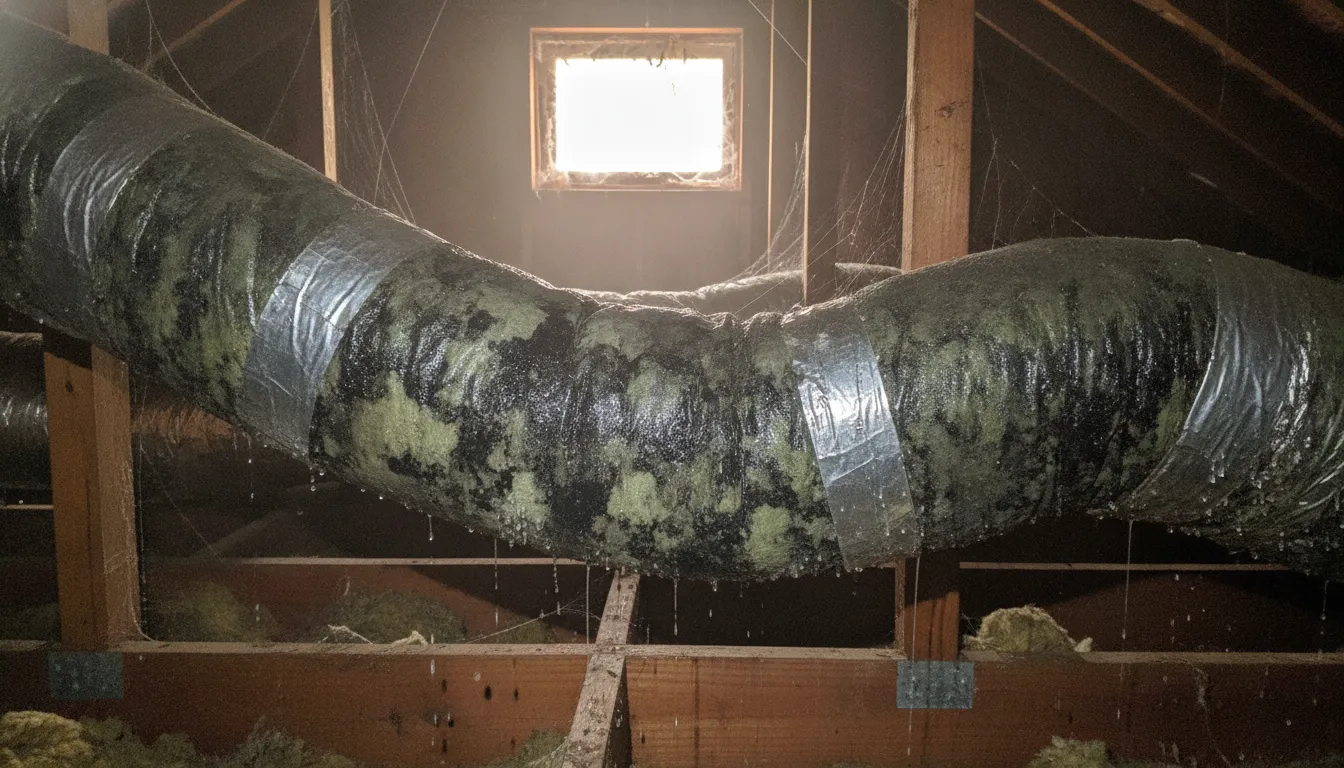
The state of your existing system sets the stage for the replacement project. If your ducts are simply old and inefficient, it’s a relatively straightforward removal and replacement. But sometimes, we uncover bigger issues. The presence of mold, asbestos, or pest infestations requires careful, specialized removal and remediation before any new ducts can be installed. This extra step is crucial for your family’s health and the integrity of your new system, but it does add to the overall cost. Proper duct sanitization and replacement ensures you’re starting with a clean, healthy slate.
The Type of Materials You Choose
You have a few options when it comes to ductwork materials, and your choice will impact both the price and performance of your system. Flexible ductwork is often the most affordable option, but it’s less durable than other types. Fiberglass duct board is a mid-range choice that offers good insulation. The most durable—and most expensive—option is sheet metal, which lasts the longest and is less prone to damage or leaks. We can help you weigh the pros and cons of each material to find the right balance between your budget and your long-term goals for indoor air quality.
Local Labor Rates and Permit Fees
Finally, the cost of labor and any required permits will be part of your final quote. Labor rates vary based on our local Southwest Florida market. At 5 Star Air, we pride ourselves on transparent, honest pricing with no hidden fees or sales commissions. Additionally, most major HVAC work, including full ductwork replacement, requires a permit from your local municipality. This ensures the job is done safely and up to code. As a fully licensed and insured company, we handle the entire permitting process for you, giving you peace of mind that everything is done by the book.
How Your Home's Size Changes the Cost
It makes sense that one of the biggest factors in your ductwork replacement cost is the size of your home. A larger house simply requires more ducting to effectively cool every room, which means you'll be paying for more materials and more hours of labor to get the job done right. Think of it like painting: a one-bedroom condo needs a lot less paint and time than a five-bedroom house. The same principle applies here. The total square footage gives us a solid starting point for estimating the project's scope and budget. Below, we'll break down the typical cost ranges based on common home sizes here in Florida, so you can get a clearer picture of what to expect for your project.
Small Homes (Under 1,500 sq ft)
For smaller homes, condos, or townhouses under 1,500 square feet, the project is naturally more contained. With less ground to cover, you'll need fewer materials and the installation process is typically faster. For a home of this size, you can generally expect the cost of a full ductwork replacement to fall between $1,500 and $3,000. This range covers the essentials for getting fresh, clean ducts installed without the complexities that come with larger, more sprawling layouts. Home improvement resources confirm that this is a standard air duct replacement cost for more compact living spaces.
Medium Homes (1,500-2,500 sq ft)
If your home is between 1,500 and 2,500 square feet—a common size for many families—the scope of the project expands. You'll need a more extensive network of ducts to ensure conditioned air reaches every corner of your home efficiently. This increase in materials and labor brings the estimated cost up to the $2,500 to $5,000 range. The final price within this bracket often depends on the specific layout of your home. For example, a two-story house might require more intricate duct runs than a single-story ranch-style home of the same square footage, which can influence the total time and effort involved.
Large Homes (Over 2,500 sq ft)
For homes over 2,500 square feet, the investment for ductwork replacement is understandably higher, typically ranging from $4,500 to $8,000. Larger homes not only require a significant amount of ducting material but often have more complex HVAC systems, sometimes with multiple units or zoning systems that need to be connected properly. The installation is more labor-intensive, and navigating multi-level layouts or high ceilings can add to the project's timeline. Getting a precise professional quote is especially important for larger properties, as the layout and specific needs of your system will heavily influence the final cost.
Breaking Down Duct Materials and Their Costs
The material used for your new ductwork is one of the biggest factors influencing the final price tag. It affects not just the upfront cost but also your system's durability, efficiency, and even the quality of the air you breathe. Think of it like choosing flooring for your home—each option has its own set of pros, cons, and costs. Understanding these differences will help you have a more productive conversation with your HVAC technician and make a choice that fits your home and budget perfectly. Let's look at the most common materials you'll encounter.
Flexible Ductwork
Flexible ducts, often made from a pliable plastic over a wire coil, are the go-to solution for tricky, tight spaces where rigid ducts just won't fit. They're also the most budget-friendly option. You can expect non-insulated versions to cost around $1 to $3 per linear foot, while insulated flex ducts run about $2 to $4. While their low cost and versatility are appealing, they are more prone to kinks, tears, and airflow restrictions if not installed carefully. They're a great tool for specific parts of a system but are less common for an entire home's ductwork.
Sheet Metal Ducts
When you picture traditional ductwork, you're probably thinking of sheet metal. Made from galvanized steel or aluminum, these ducts are the most durable and long-lasting choice, typically costing between $7 and $13 per linear foot. Their smooth, non-porous surface resists mold growth and is easy to clean, which is a huge plus for maintaining good indoor air quality. Sheet metal's rigidity allows for excellent airflow and makes it a solid, long-term investment for any home, especially in Florida's humid climate where durability is key.
Fiberglass Duct Board
Fiberglass duct board is a rigid material made from compressed fiberglass insulation and coated with a foil layer. It’s known for its excellent thermal and acoustic insulation properties, meaning it keeps your conditioned air at the right temperature and dampens the sound of the system running. This material generally costs about $4 to $6 per linear foot. Because it's internally insulated, it's a great choice for improving energy efficiency. However, the interior surface can degrade over time if not properly maintained, potentially releasing fibers into the air.
Semi-Rigid Ducts
Think of semi-rigid ducts as a hybrid, offering a middle ground between the flexibility of plastic ducts and the durability of sheet metal. They are typically made from aluminum and are more robust than fully flexible ducts, holding their shape better to ensure good airflow. While they cost more than flexible options, they are less expensive than sheet metal. This makes them a practical choice for specific applications, like dryer vents or connecting parts of a system where you need a bit of flexibility without sacrificing too much durability.
Don't Forget These "Hidden" Costs
When you get a quote for ductwork replacement, it’s easy to focus on the main number. But a few other expenses can pop up that aren’t always included in the initial estimate. Thinking about these potential costs ahead of time helps you create a more realistic budget and avoid surprises down the road. It’s not about being pessimistic; it’s about being prepared. A full ductwork replacement is a significant investment in your home's comfort and efficiency, and you want to make sure you have a complete picture of the total cost.
From local permits and inspections to the potential for drywall repair, these additional items can add up. Sometimes, the project might uncover bigger issues, like mold or the need for a system upgrade to match the new ducts. A trustworthy contractor will be upfront about these possibilities, but it’s always smart to go into the conversation knowing what to ask. This way, you can compare quotes accurately and understand exactly what is—and isn't—covered. Let’s walk through some of the most common "hidden" costs so you can feel fully prepared for your project from start to finish and ensure your investment truly pays off.
Permits and Official Inspections
Depending on where you live in Florida, your ductwork replacement project may require a permit from your local building department. This isn't just red tape; it's a process to ensure the work is done correctly and safely, meeting all local codes. The cost of permits can vary, and there might also be a fee for an official inspection after the job is complete. Be sure to ask your HVAC contractor if they handle the permitting process or if that’s something you need to manage. Factoring this in from the start prevents any last-minute scrambles or unexpected fees.
Repairing Walls and Ceilings
Your ductwork is mostly hidden behind walls and above ceilings, so replacing it sometimes requires a bit of "demolition." Technicians may need to cut into drywall to access and remove the old ducts and install the new ones. While a professional team will be as careful as possible, you should plan for some minor cosmetic repairs. This could involve patching holes, re-texturing, and painting to get your walls and ceilings looking good as new. It’s a good idea to set aside a small part of your budget for these finishing touches.
Dealing with Asbestos or Mold
If your home was built before the 1980s, there’s a chance your old ductwork or the insulation around it contains asbestos. If disturbed, asbestos fibers can become airborne and pose a serious health risk. Similarly, leaky ducts in Florida's humid climate can create a perfect environment for mold growth. If either of these issues is discovered, you’ll need specialized remediation services, which is a separate cost. Addressing these problems is critical for your family’s health and your home’s indoor air quality. A professional inspection is the only way to know for sure.
Hauling Away the Old Ductwork
Once the old, inefficient ducts are removed, they have to go somewhere. Disposing of construction materials isn’t always as simple as leaving them on the curb. Many HVAC companies include a fee in their quote for hauling away and properly disposing of the old ductwork and any related debris. However, this isn't always standard. It’s a simple but important question to ask when reviewing your estimate. Make sure you know whether debris removal is included so you aren’t left with a pile of old materials to deal with yourself.
Necessary HVAC System Upgrades
Replacing your ductwork is a fantastic step toward a more efficient home, but if your AC unit is old and struggling, you won't get the full benefit. Think of it like putting brand-new tires on a car with a failing engine. If your HVAC system is over 10-15 years old, it might be wise to consider replacing it at the same time as your ducts. A new, energy-efficient unit paired with new, sealed ductwork creates a powerful system that can lower your energy bills and improve comfort. Talk to your technician about whether an air conditioning installation makes sense for your home.
Ductwork Cost Myths, Busted
When it comes to ductwork, a lot of misinformation can float around, causing unnecessary stress and leading to costly decisions. Let's clear the air and tackle some of the most common misconceptions about ductwork replacement costs. Understanding the truth will help you make a smarter, more confident choice for your home.
Myth: You Always Need a Full Replacement
The moment you hear there's an issue with your ducts, it's easy to assume the worst: a full, expensive replacement. But that's rarely the only option. Often, problems are isolated to specific sections that just need a repair or resealing. If your ducts are simply dirty and affecting your air quality, a thorough professional cleaning might be all you need to get them working efficiently again. An honest technician will assess the situation and tell you if a targeted repair is a better solution than a complete overhaul, saving you a significant amount of money.
Myth: Your Homeowner's Insurance Will Cover It
It would be nice if this were true, but homeowner's insurance typically doesn't cover ductwork replacement. Insurance is designed for sudden and accidental damage, like from a fire or storm. It generally does not cover issues that arise from normal wear and tear, old age, or a lack of maintenance. So, if your ducts are failing because they're old, you'll likely be paying out of pocket. This is why sticking to a regular AC maintenance schedule is so important; it helps prevent the kind of gradual decay that insurance won't touch.
Myth: Going DIY Will Save You a Fortune
The DIY route is tempting, but ductwork isn't the place to cut corners. A professional installation involves precise calculations for airflow, perfect sealing to prevent leaks, and correct handling of materials. A DIY job can easily lead to leaky ducts that waste energy, drive up your utility bills, and strain your HVAC system. In some cases, it could even void your system's warranty. Hiring a licensed and insured professional ensures the job is done right the first time, giving you peace of mind and actual long-term savings.
How to Create a Smart Budget for Your Project
Creating a budget for a big home project like ductwork replacement can feel like trying to hit a moving target. But with a little bit of planning, you can get a firm handle on the numbers and move forward with confidence. A smart budget isn’t just about finding the lowest price; it’s about understanding the full scope of the project, planning for the unexpected, and finding a payment solution that works for you. By breaking it down into a few simple steps, you can ensure there are no surprises along the way and that you’re making a sound investment in your home’s comfort and efficiency.
Get Estimates from a Few Reputable Contractors
Your first step is to get a clear picture of the costs. The best way to do this is by getting written estimates from a few different licensed and insured HVAC companies. Don’t just look at the final number—a quality estimate should provide a detailed breakdown of labor, materials, and any other fees. This lets you compare apples to apples and understand exactly what you’re paying for. It’s also your chance to ask questions and get a feel for the company’s professionalism and expertise. At 5 Star Air, we believe in total transparency, which is why we provide honest, upfront pricing without any sales pressure. You can schedule a free estimate with one of our technicians to get a clear, detailed quote for your project.
Plan for Unexpected Expenses
In any home renovation project, it’s wise to expect the unexpected. When you’re replacing ductwork, technicians might uncover issues hidden behind your walls or in your attic, such as mold, pests, or even asbestos in much older homes. You might also need to budget for drywall repairs, painting, or the proper disposal of old materials. A good rule of thumb is to set aside a contingency fund of about 10% to 20% of the total project cost. This buffer ensures that a surprise discovery doesn’t derail your budget. Discussing potential issues with your contractor beforehand can also help you prepare for what might come up during the duct replacement process.
Explore Financing and Scheduling Options
A full ductwork replacement is a significant investment, but it doesn’t have to be a financial burden. Many HVAC companies offer flexible financing options that allow you to break up the total cost into manageable monthly payments. This can make the project much more accessible without requiring you to pay everything upfront. You can explore our financing plans to find a solution that fits your budget. Also, think about timing. If your AC unit is getting older, it’s often more cost-effective to replace your ductwork at the same time you install a new system. Bundling the projects can save you money on labor and minimize disruption to your home.
The Big Question: Is It Worth the Investment?
Replacing your ductwork is a big project, and it’s smart to ask if the cost is truly justified. Think of it less as a simple repair and more as a long-term investment in your home’s health and your family’s comfort. When you live in Florida, your air conditioner is the hardest-working appliance you own, and the ducts are its delivery system. If that system is old, leaky, or contaminated, you’re not just losing cool air—you’re losing money and sacrificing air quality. Looking at the big picture, new ductwork can pay for itself through lower energy bills, a more comfortable home, and even a higher property value.
The Payoff in Long-Term Energy Savings
Let's talk numbers. Old, leaky ducts can make your air conditioning system up to 20% less efficient. In Southwest Florida, that’s a huge deal. It means your AC has to run longer and harder to keep your home cool, which shows up as a painfully high electric bill every month. By replacing compromised ductwork, you ensure that all the cool air your AC produces actually makes it into your living spaces. While there's an upfront cost, the monthly savings can be substantial, helping the project pay for itself over time. It’s one of the most effective ways to improve your home's energy efficiency and get your air conditioning maintenance costs under control.
Better Comfort and Cleaner Air
Beyond the financial savings, new ductwork dramatically improves your quality of life at home. Are you tired of dealing with rooms that are always too hot or too cold? Properly sealed and installed ducts distribute air evenly, eliminating those frustrating temperature imbalances. Even more importantly, they improve your home’s indoor air quality. Old ducts can be a breeding ground for dust, allergens, mold, and other pollutants, which get circulated through your home every time the AC kicks on. New, clean ductwork means you and your family can breathe easier, which is a priceless benefit, especially for anyone with allergies or asthma.
How It Affects Your Home's Value
A well-maintained home is a valuable home, and your HVAC system is a major component of that. Most homeowner's insurance policies won't cover issues that arise from normal wear and tear or neglect, so staying on top of your ductwork's condition is key. When it comes time to sell, a new or recently updated duct system is a strong selling point. It signals to potential buyers that the home has been cared for and that they won't have to worry about a major air conditioning installation and replacement project anytime soon. It’s a proactive investment that protects your property and makes it more attractive on the market.
Frequently Asked Questions
How can I tell if my ducts need to be replaced or just repaired? The best way to know for sure is to have a professional take a look. Generally, if you have a single leak or a problem in one specific area, a targeted repair is often the perfect solution. However, if your ducts are over 20 years old, have widespread leaks, are contaminated with mold, or are the wrong size for your HVAC system, a full replacement is usually the smarter long-term investment for your home's efficiency and air quality.
How long does a typical ductwork replacement take? For an average-sized home, a full ductwork replacement project usually takes our team about one to three days to complete. The exact timeline depends on several factors, including the size of your home, the complexity of the layout, and how easy it is to access the ductwork. A simple job in an open attic will be quicker than one that requires working in tight crawl spaces or behind walls.
Will new ductwork actually make a noticeable difference in my energy bills? Yes, it absolutely can. The Department of Energy estimates that the typical home loses 20 to 30 percent of its conditioned air through leaks and holes in the ductwork. When you replace old, inefficient ducts with a new, properly sealed system, your air conditioner doesn't have to work nearly as hard to cool your home. This improved efficiency translates directly into lower monthly energy bills.
What's the best duct material for a home in Southwest Florida? Given our humid climate, sheet metal is often the most durable and reliable choice. Its rigid, non-porous surface is highly resistant to mold growth and physical damage, ensuring excellent airflow and longevity. While it is the most expensive option upfront, its durability makes it a fantastic long-term investment. We can always discuss all the material options to find the right fit for your home and budget.
Is it better to replace my AC unit at the same time as my ductwork? If your air conditioner is more than 10 years old, it's a very smart move to consider replacing it along with your ducts. A brand-new, efficient duct system won't deliver its full benefits if it's connected to an old, struggling AC unit. Bundling the two projects ensures your entire HVAC system is perfectly matched for peak performance and efficiency. It can also save you money on labor costs and means you only have to deal with one installation project instead of two.