Cost to Replace Ductwork: A Budgeting Guide
Are you constantly dusting, even though you just cleaned? Do you notice a lingering musty smell when the AC kicks on? These are more than just minor annoyances; they can be signs that your ductwork is failing. Old, leaky ducts can circulate dust, allergens, and even mold spores throughout your home, impacting your family’s health and comfort. While fixing these issues is a priority, understanding the financial side is just as important. We’ll explore the factors that determine the cost to replace ductwork in 1 home, so you can make an informed decision for a healthier, more comfortable living space.
Key Takeaways
- Understand what shapes your replacement cost: The total price is a custom figure based on your home's square footage, the type of duct material you choose, and how easily technicians can access the work areas.
- Recognize the warning signs of failing ductwork: Spiking energy bills, inconsistent temperatures from room to room, and a noticeable increase in dust are common signals that your ducts are leaky, damaged, or inefficient.
- Plan your project with a clear strategy: Start by getting several professional estimates to compare, explore financing options to make the investment manageable, and work with a pro to select the right materials for your budget and goals.
How Much Does Ductwork Replacement Cost?
Figuring out the budget is often the first step for any major home improvement project, and replacing your ductwork is no exception. The truth is, there isn't a single flat-rate price. The final cost depends on several key factors, including the size of your home, the type of materials used, and the complexity of the installation. Think of it as a custom project for your home’s specific needs.
While it’s a significant investment, new ductwork is essential for your HVAC system’s efficiency, your home’s air quality, and your overall comfort, especially in the Florida heat. Understanding the potential costs can help you plan accordingly and make an informed decision. We’ll break down the main pricing components to give you a clearer picture of what to expect for your ductwork replacement project.
Breaking Down Costs by Home Size
One of the most significant factors in determining the cost of ductwork replacement is the size of your house. A larger home simply requires more ducting material and more time for technicians to complete the installation. To give you a general idea, here are some typical cost ranges based on square footage:
- 1,000–2,000 sq. ft.: $1,400 to $4,500
- 2,000–3,000 sq. ft.: $2,800 to $6,700
- 3,000–4,000 sq. ft.: $4,200 to $9,000
These figures are a helpful starting point for budgeting. Remember that the layout of your home can also play a role. A complex, multi-story layout might require more intricate work than a simple, single-story floor plan of the same square footage.
The Price Per Linear Foot
Another way to look at the cost is by the linear foot. On average, you can expect to pay between $40 and $65 per linear foot for new ductwork. This price typically includes both the cost of the materials and the professional labor required for installation. The variation in this range often comes down to the type of duct material you choose. For example, flexible ducts might have a different material and labor cost compared to more rigid options like sheet metal. An experienced technician can help you determine the total linear feet your home needs and which material is best for your system.
Does Your Florida Location Affect the Price?
Yes, your location within Florida can influence the final cost. While a basic installation might have a minimum cost between $3,000 and $5,000, regional factors can cause this to fluctuate. Labor rates can vary from one part of Southwest Florida to another, and local building codes and permit requirements can also add to the total expense. Material costs can also differ slightly by region. That’s why getting a quote from a local, trusted company is so important. We understand the specific requirements in areas like the Florida Keys and can provide a transparent estimate with no hidden fees. We also offer flexible financing options to help make the project more manageable for your budget.
What Factors Influence Your Final Cost?
When you get a quote for ductwork replacement, the final number is based on several key details specific to your home. It’s not a one-size-fits-all price. Understanding these factors can help you see exactly where your money is going and why one quote might differ from another. From the size of your house to the type of materials used, each element plays a role in the total investment. Let’s walk through the main components that shape the cost of your project.
Your Home's Size and Layout
It makes sense that the bigger your home, the more ductwork you’ll need. A sprawling single-family house will require significantly more materials and labor than a smaller condo, which is directly reflected in the price. The layout matters, too. A multi-story home or one with a complex floor plan can require more intricate duct routing, which can also influence the final cost. Our team always performs a thorough assessment to map out the most efficient plan for your specific layout during an air conditioning installation and replacement project.
The Type of Duct Material
Ducts aren't all made from the same stuff, and the material you choose has a big impact on both the upfront cost and the system's longevity. Flexible ducts are typically the most affordable option, making them a popular choice for budget-conscious projects. On the other hand, rigid sheet metal ducts cost more initially but are incredibly durable and can last for decades. Making the right choice is about balancing your budget with your long-term goals for efficiency and durability. We can help you weigh the pros and cons to find the perfect fit for your home and improve your indoor air quality.
How Accessible Are Your Ducts?
Where your ducts are located is a major factor in the labor cost. If your ductwork is in an easily accessible basement or an open attic, the replacement process is relatively straightforward. However, if your ducts are hidden behind walls, tucked into tight crawl spaces, or squeezed into other hard-to-reach areas, the job becomes more complex and time-consuming. Safely accessing and working in these confined spaces requires extra time and care from our technicians, which will be factored into the overall cost of your duct sanitization and replacement.
Factoring in Labor and Permits
The labor involved in replacing ductwork goes beyond just fitting new pieces together. A significant portion of the work includes the careful removal and disposal of your old ducts, followed by the meticulous planning of the new system for optimal airflow. This is where professional expertise really counts. Additionally, major HVAC work often requires a municipal permit to ensure everything is up to code. The cost of this permit, which can vary by location, is typically included in your project quote. Working with a fully licensed and insured team guarantees that all the necessary paperwork and inspections are handled correctly.
Do You Need to Replace Your Ductwork?
It’s easy to forget about your ductwork. Tucked away in ceilings, walls, and crawl spaces, it’s the unsung hero of your home’s comfort system. But just like any other part of your house, it doesn’t last forever. Knowing when it’s time for a replacement can save you from high energy bills, poor air quality, and an uncomfortable home. So, how can you tell if your ducts are past their prime? Let’s look at a few clear signs that it might be time for an upgrade.
Key Warning Signs of Aging Ducts
First, take a look at any visible ductwork in your attic or garage. Do you see obvious holes, cracks, or disconnected sections? While a technician can often fix small issues with sealant or tape, widespread damage is a different story. If your ducts are over 15 years old and showing significant wear and tear, replacement is usually the smarter long-term solution. You might also hear rattling or whistling sounds when your AC kicks on, which can signal loose or damaged ducts. If you’re hearing strange noises, it might be time to have a professional diagnose the problem as part of an air conditioning repair visit.
Are Your Energy Bills Spiking?
Have you noticed your electricity bills creeping up month after month, even when your habits haven’t changed? Your ductwork could be the culprit. When ducts have leaks, cracks, or poor connections, a significant amount of the conditioned air you’re paying for escapes before it ever reaches your rooms. This forces your HVAC system to run longer and work harder to keep your home cool, driving up your energy costs. Think of it like trying to fill a leaky bucket; you’re constantly losing what you put in. Regular air conditioning maintenance can help spot these costly leaks early on.
Changes in Air Quality and Comfort
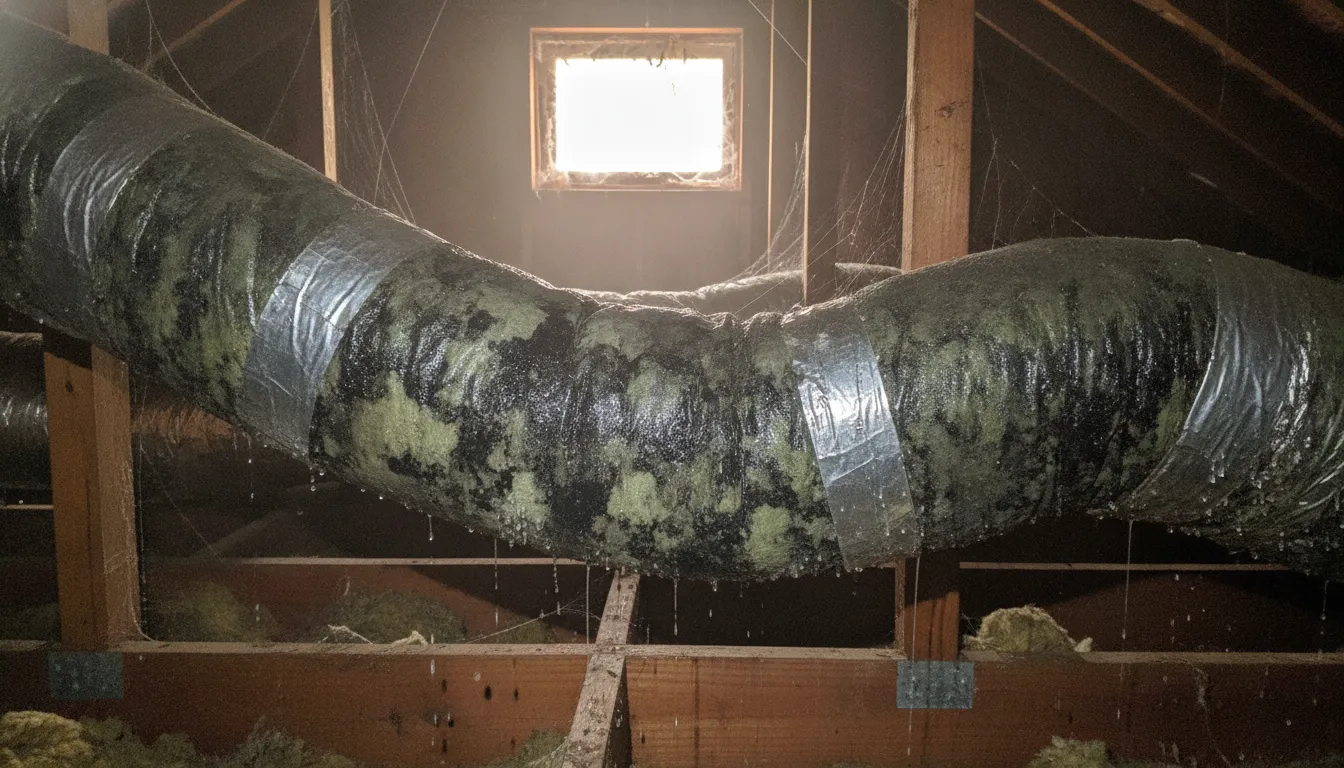
If some rooms in your house feel like a sauna while others are perfectly cool, your ducts might be to blame. Uneven temperatures are a classic sign of problems like leaks or blockages that prevent air from being distributed properly. You might also notice an increase in dust around your home or a persistent musty smell. This can happen when old, leaky ducts pull in dust, insulation particles, and other contaminants from your attic or crawl space and circulate them throughout your home. In Florida's humid climate, if insulated ducts get wet, they can become a breeding ground for mold and must be replaced, as they can’t be cleaned effectively. Improving your indoor air quality often starts with healthy ductwork.
What Are the Benefits of New Ductwork?
Replacing your ductwork might feel like a behind-the-scenes project, but the impact it has on your home is front and center. Think of your ducts as the circulatory system for your home’s air. When they’re in top shape, everything just works better. You’ll feel more comfortable, breathe easier, and even see a difference in your monthly budget. It’s an investment that pays off by improving your home’s efficiency and your family’s well-being. Let’s look at the three biggest advantages of upgrading your home’s duct system.
Save Money on Energy Bills
Leaky, poorly insulated, or improperly sized ducts force your air conditioner to work much harder than it should. When cooled air escapes through cracks and gaps before it even reaches your rooms, your AC unit has to run longer and more often to hit the temperature on your thermostat. This wasted effort shows up directly on your energy bill. Installing new, properly sealed ductwork ensures that every bit of conditioned air gets where it’s supposed to go. This efficiency means your system can cool your home faster, reducing its runtime and lowering your monthly utility costs.
Breathe Cleaner Air and Feel More Comfortable
Old ductwork can be a hidden source of indoor air pollution. Over the years, dust, pollen, pet dander, and other allergens accumulate inside. Worse, cracks and holes can pull in contaminants like mold spores, insulation fibers, and dust from your attic or crawlspace, circulating them throughout your home every time the AC kicks on. If you’ve noticed more dust than usual or a persistent musty smell, your ducts could be the culprit. A new system can dramatically improve your home’s indoor air quality, helping everyone breathe a little easier and feel more comfortable.
Help Your HVAC System Run Better
Your HVAC system is a significant investment, and its performance depends heavily on the quality of your ductwork. Old, inefficient ducts create airflow problems that put a major strain on your air conditioner’s components. This added stress can lead to more frequent breakdowns and a shorter lifespan for your entire system. If you’re planning a new air conditioning installation, pairing it with old ducts is like putting regular fuel in a high-performance car. New ductwork ensures your system operates at the peak efficiency it was designed for, protecting your investment and keeping your home cool for years to come.
Common Ductwork Cost Myths, Busted
When it comes to ductwork, it’s easy to get tangled up in conflicting advice and surprise costs. Let's clear the air on a few common myths so you can approach your project with confidence. Understanding the difference between a necessary replacement and a simple repair, or knowing what to expect from the process, can save you a lot of stress and money. We'll walk through some of the biggest questions homeowners have about their ductwork projects.
Repair vs. Replace: Making the Right Call
One of the most common questions is whether to patch up old ducts or replace them entirely. While a repair might seem cheaper upfront, it’s often a temporary fix for a bigger problem. If your ductwork is over 15 years old, poorly sealed, or improperly sized for your home, replacement is usually the smarter long-term investment. Leaky or inefficient ducts make your HVAC system work harder, which shows up on your energy bills. A full air conditioning replacement is the perfect time to assess your ducts and ensure your new, efficient system has an equally efficient network to deliver cool air.
Is Duct Cleaning Enough?
Duct cleaning is an important part of home maintenance, but it’s not a cure-all. If your main issues are dust, allergens, or a bit of mildew, a professional cleaning can make a world of difference for your indoor air quality. However, cleaning can't fix crushed sections, seal cracks, or repair disconnected joints. If the ducts themselves are damaged, corroded, or falling apart, no amount of cleaning will solve the underlying problems of air leaks and inefficiency. Think of it this way: you wash your clothes, but you replace them when they're full of holes.
What to Expect for Timelines and Hidden Costs
A full ductwork replacement isn't a quick, one-hour job. For most homes, the project takes between one and three days to complete. A major factor in both the timeline and the final cost is accessibility. If your ducts are hidden behind walls or in tight crawl spaces, the labor involved will be more intensive. This can also lead to extra costs for drywall repair after the job is done. That’s why it’s so important to get a detailed, transparent quote from a trusted professional who can identify these potential challenges upfront.
How to Plan and Budget for Your Ductwork Replacement
Replacing your home’s ductwork is a significant project, but it doesn't have to be a stressful one. With a bit of planning, you can create a clear budget and timeline that works for you. Thinking through the key steps ahead of time ensures the process goes smoothly and you get the best value for your investment. Here’s how you can prepare for your ductwork replacement from start to finish.
Get a Few Professional Estimates
For any major home project, it’s smart to get a few different price quotes, and ductwork replacement is no exception. Gathering several estimates from reputable HVAC companies helps you understand the typical market rate for the job in your area. This isn't just about finding the lowest price; it's about comparing the scope of work, materials proposed, and the company's reputation. Use this opportunity to ask questions and get a feel for their customer service. A trustworthy contractor will provide a detailed, transparent quote and take the time to explain everything. When you're ready, you can schedule an honest estimate with our team to see the 5 Star difference.
Explore Your Financing Options
Let’s be honest, the cost of a full ductwork replacement can be a concern. If the upfront expense feels daunting, it’s a good idea to look into your payment options. Many HVAC companies understand this is a major investment for homeowners and offer flexible plans to make it more manageable. Spreading the cost over several months or years can help you get the necessary work done now without draining your savings. Our goal is to make home comfort accessible, which is why we offer straightforward HVAC financing options to fit your budget. This allows you to move forward with confidence, knowing your home will be more comfortable and efficient.
Choose the Right Materials for Your Budget
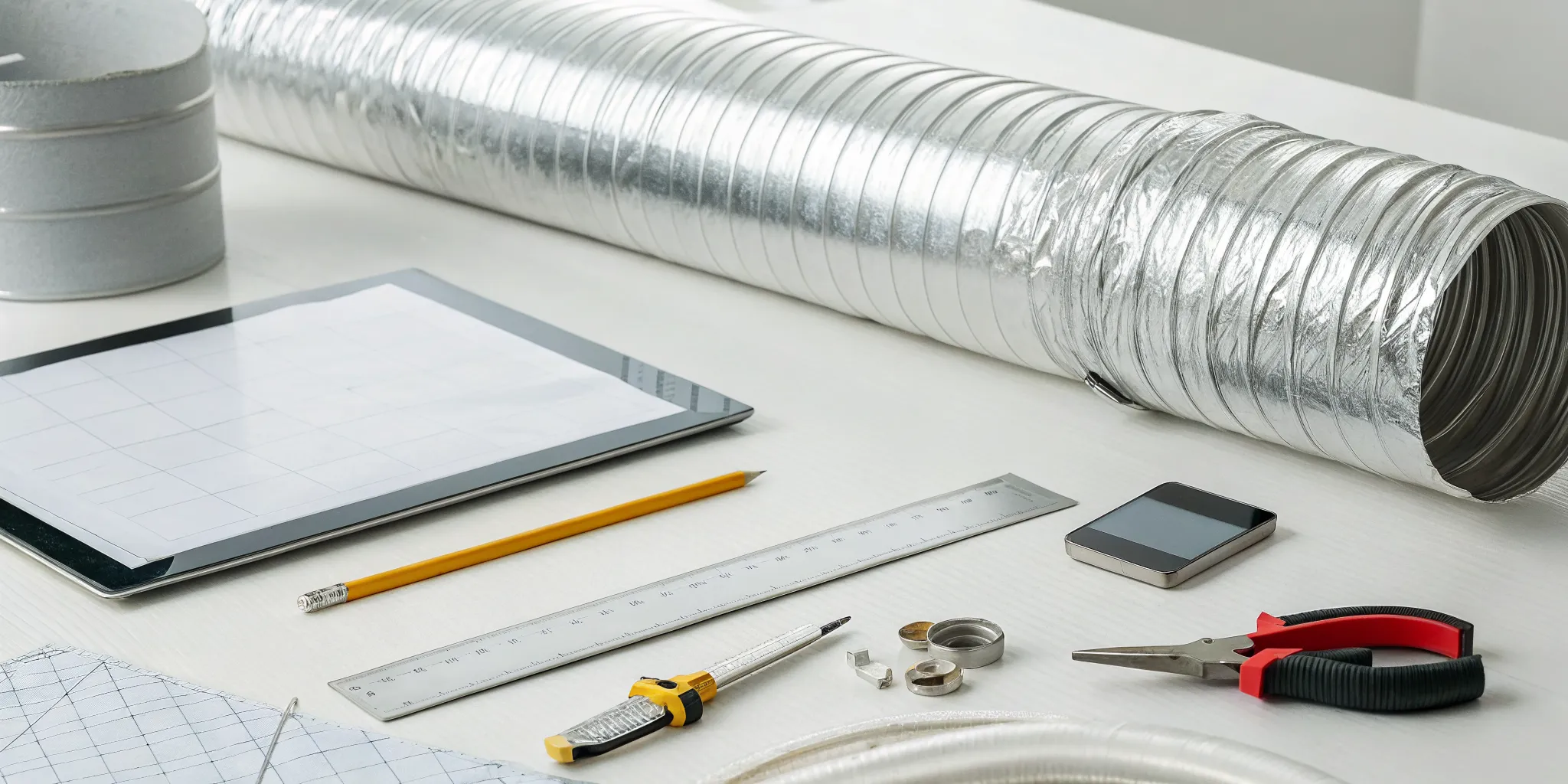
The type of material used for your new ducts plays a big role in both the initial cost and the system's long-term performance. There are a few common options, each with its own price point and benefits. Flexible ducts are typically the most affordable but are less durable and efficient. Fiberglass ducts are a solid mid-range choice, offering better insulation and durability. For the highest efficiency and longest lifespan, sheet metal ducts are the premium option, though they come with a higher price tag. An experienced technician can help you weigh the pros and cons and select the best material for your home’s needs and your budget.
Plan for the Project Timeline
Knowing what to expect during the installation can make the entire process feel much smoother. For most homes, a standard ductwork replacement takes about one to three days to complete. Larger or more complex homes might take a little longer. The installation team will need access to areas like your attic, crawl space, or basement where the ducts are located. You can prepare by clearing pathways to these areas. While the technicians will work to minimize disruption, there will be some noise. Planning for this ahead of time helps ensure the project goes off without a hitch, getting you back to enjoying your comfortable home as quickly as possible.
Related Articles
Frequently Asked Questions
How long can I expect new ductwork to last? The lifespan of your new ductwork really depends on the material you choose. Rigid sheet metal ducts are the most durable option and can easily last for several decades with proper care. More common options like flexible or fiberglass ducts typically have a lifespan of around 15 to 20 years. No matter the material, a professional installation is the most important factor in ensuring your ducts last as long as possible.
Is it okay to install a new AC unit but keep my old ducts? While it might seem like a way to save money, pairing a new, high-efficiency air conditioner with old, leaky ductwork is generally not a good idea. Your ducts are responsible for delivering all that cool air, and if they're full of holes or are improperly sized, you'll lose a lot of that efficiency before the air even reaches your rooms. This forces your new system to work harder, which can lead to higher bills and a shorter lifespan for your new unit.
Can I just repair one leaky section instead of replacing everything? For a single, minor issue in an otherwise healthy duct system, a spot repair can be a perfectly fine solution. However, if your ducts are over 15 years old or show signs of widespread wear, patching one leak is often just a temporary fix. The underlying problems of poor airflow, accumulated contaminants, and general inefficiency will still be there, and you'll likely find yourself calling for another repair soon.
How much can I realistically save on my energy bills with new ducts? The exact savings will vary from home to home, depending heavily on the condition of your old ductwork. If your previous system was extremely leaky, you could see a very noticeable drop in your monthly cooling costs. The main benefit is that new, properly sealed ducts ensure the conditioned air you're paying for actually makes it into your living spaces instead of escaping into the attic or crawl space.
What's the first step if I suspect my ductwork is failing? If you're noticing warning signs like high energy bills, dusty air, or uneven temperatures, the best first step is to schedule a professional inspection. A qualified technician can perform a thorough assessment of your entire duct system, identify the source of any problems, and give you a clear, honest recommendation on whether a repair or a full replacement is the right move for your home.