Home AC Unit Not Cooling: A Troubleshooting Guide
Nothing causes a homeowner's stomach to drop quite like a broken air conditioner, mainly because of the potential cost. But a home ac unit not cooling doesn't automatically signal a four-figure repair bill. In fact, many of the most frequent issues are completely free to fix and take less than five minutes of your time. Before you spend money on a service call, it’s worth investing a little time in some basic diagnostics. This guide is designed to save you money by showing you exactly what to check first. We'll cover the simple fixes that can get your system back up and running, and help you know for sure when it's truly time to call in a professional.
Key Takeaways
- Check the Basics Before You Call: Many cooling problems have simple solutions. Before scheduling a repair, always confirm your thermostat is set to "cool," inspect the air filter for clogs, and ensure the outdoor unit is clear of debris.
- Recognize Serious Warning Signs: Your AC will let you know when it needs professional help. Turn the system off immediately if you see ice forming on the coils, hear loud grinding or hissing sounds, or smell anything burning to prevent costly damage.
- Consistent Maintenance Prevents Breakdowns: The most effective way to ensure reliable cooling is through proactive care. Regular filter changes and annual professional tune-ups keep your system running efficiently, extend its lifespan, and help you avoid unexpected repairs.
Why Isn't My AC Cooling the House?
Walking into a warm house on a sweltering Florida day when you expect a cool oasis is beyond frustrating. When your air conditioner is running but not cooling, it’s easy to assume the worst. But don't panic just yet. Often, the cause is a simple issue you can identify and sometimes even fix yourself. Understanding a little about how your system works and what can go wrong is the first step to getting that cool air flowing again. We'll walk through the most common reasons your AC might be failing to cool your home and help you figure out your next steps.
How Your AC System Works
Your air conditioner is a system with two main parts: an indoor unit and an outdoor unit. Together, they pull heat and humidity from your home's air and transfer it outside. The magic happens with a special fluid called refrigerant, which cycles through coils in both units, absorbing heat from inside and releasing it outside. The outdoor unit, or condenser, is where this heat gets released. Because it's exposed to the elements, it's susceptible to problems like dirty coils, blockages, or even compressor issues. When any part of this cycle is disrupted, your AC’s ability to cool your home is compromised.
Common Reasons Your AC Stops Cooling
Before you call for help, it's worth checking a few common culprits. The problem could be as simple as an incorrect thermostat setting—make sure it's set to "cool" and the temperature is lower than the current room temperature. A surprisingly frequent issue is a dirty air filter, which restricts airflow and forces your system to work overtime. Head outside and check your condenser unit; it needs at least two feet of clear space, so trim back any plants or remove debris. More serious issues include frozen indoor coils or a refrigerant leak, both of which prevent the system from properly absorbing heat and require professional air conditioning repair.
Signs It's Time to Call a Professional
While it’s great to be proactive, some problems are best left to the experts. If you’ve checked the thermostat, changed the filter, and cleared the outdoor unit but still have no cool air, it’s time to make a call. You should also seek professional help immediately if you notice ice buildup on the refrigerant lines or indoor coil, as this points to a frozen system. Other red flags include hissing or bubbling noises, which can signal a refrigerant leak, or if your AC system is constantly cycling on and off without cooling. Attempting to fix these issues yourself can lead to more extensive damage, so it's always safer to contact a qualified technician.
Simple DIY Troubleshooting to Try First
When your AC stops cooling, especially here in the Florida heat, it’s easy to feel a wave of panic. But before you pick up the phone, there are a few simple checks you can do yourself that might solve the problem in minutes. These quick troubleshooting steps are safe for any homeowner and can often save you time and the cost of a service call. Walking through these basics helps you rule out the simple stuff, and if you do end up needing a professional, you’ll have more information to share. Let’s look at the four most common culprits you can safely investigate on your own before calling for backup.
Check Your Thermostat Settings
First things first, let's look at the thermostat. It might sound a little too simple, but you’d be surprised how often an incorrect setting is the issue. Someone in the house might have accidentally changed it. Make sure your thermostat is set to “Cool” and that the target temperature is at least a few degrees lower than the current room temperature. Also, check the fan setting. If it’s set to “On” instead of “Auto,” the fan will run continuously, even when the cooling cycle is off, blowing unconditioned air through your vents. Switching it back to “Auto” ensures the fan only runs when the AC is actively cooling your home.
Inspect and Change the Air Filter
A dirty air filter is one of the most common reasons an AC system struggles. When the filter gets clogged with dust and debris, it chokes the airflow, forcing your system to work much harder to cool your home. This strain can even cause the unit to overheat and shut down. Pull out your air filter and hold it up to the light. If you can’t see light passing through it, it’s definitely time for a change. Regularly replacing your filter is a crucial part of good air conditioning maintenance and can prevent bigger, more expensive problems down the road.
Clear Debris From Your Outdoor Unit
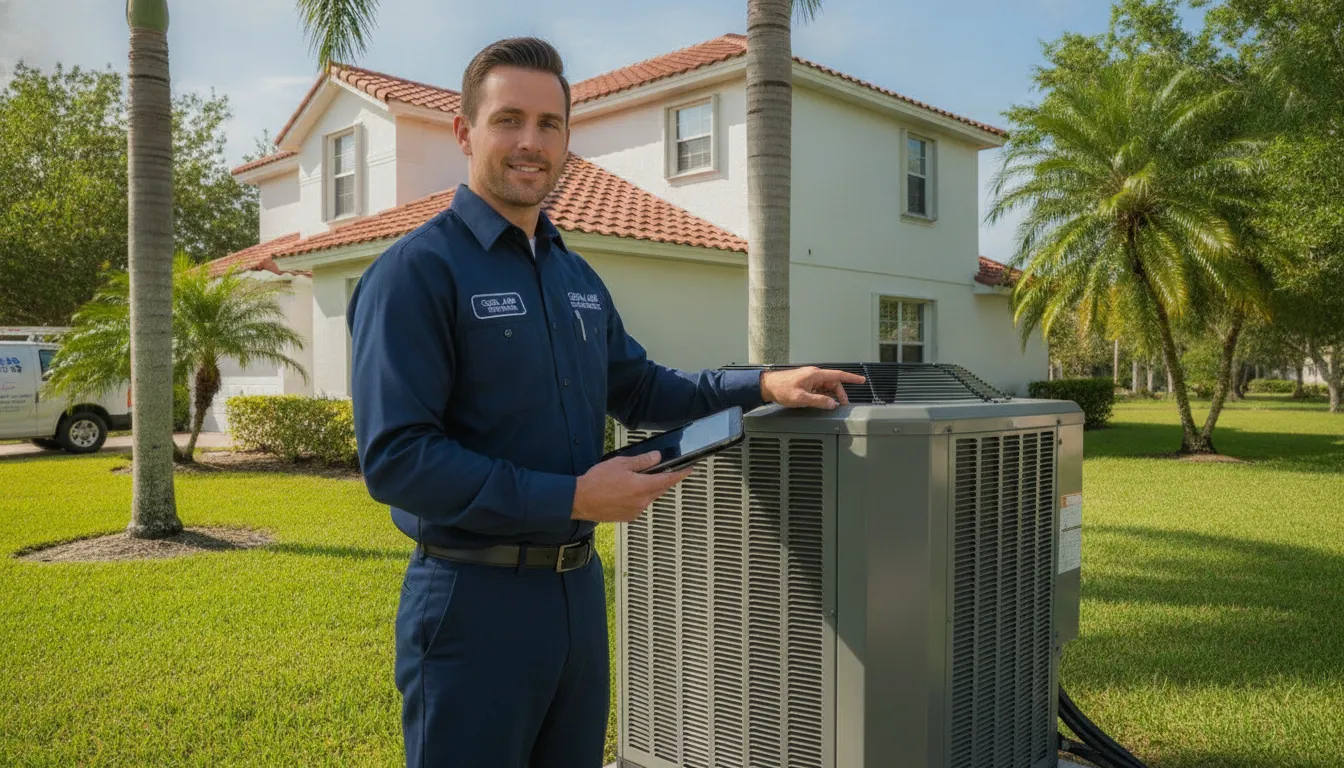
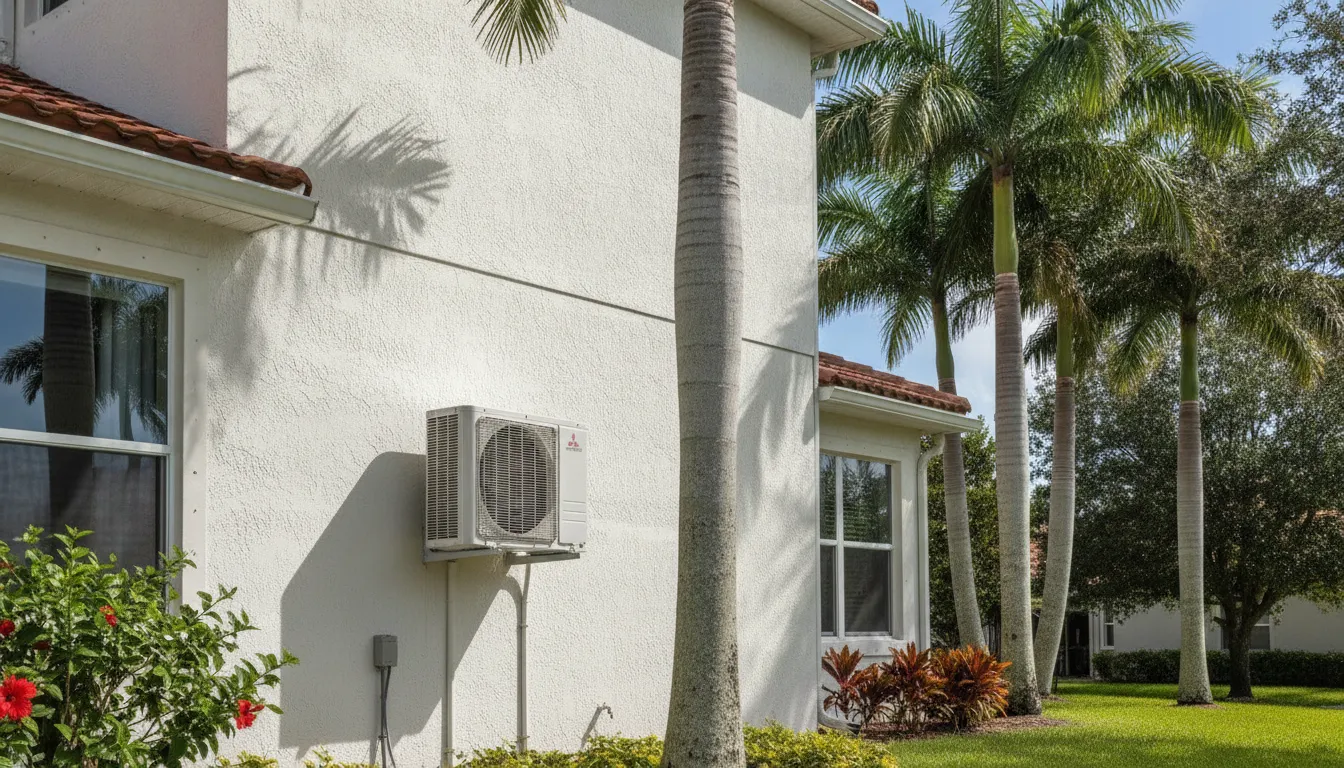
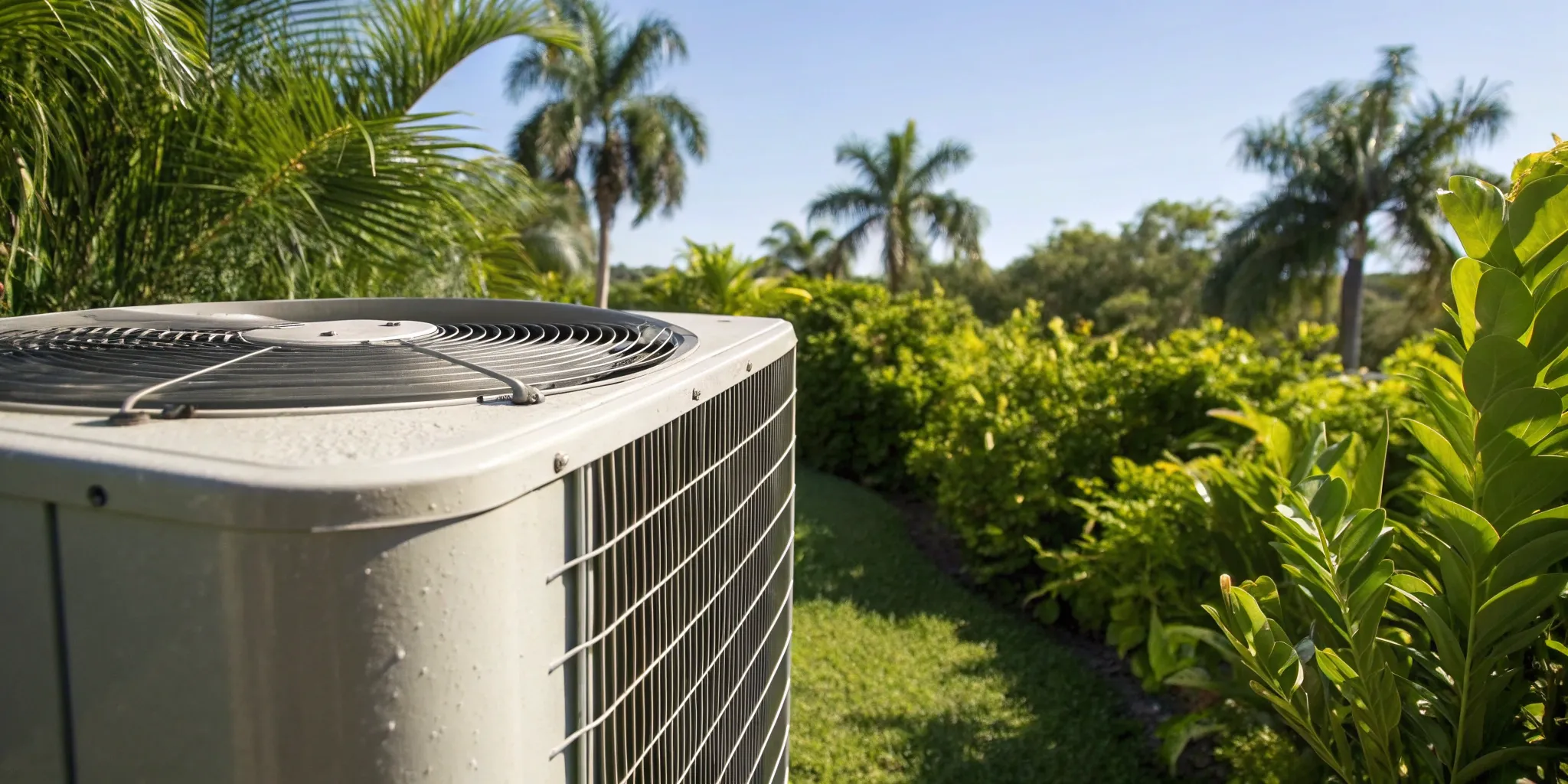
Your air conditioner has two main parts: an indoor unit and an outdoor one. The outdoor unit, called the condenser, is responsible for releasing the heat it pulls from your home. For it to work properly, it needs plenty of clear space for air to circulate. Head outside and take a look. Trim back any overgrown shrubs, weeds, or grass around the unit. Clear away any leaves, dirt, or grass clippings that might be stuck to the fins. We recommend keeping at least two feet of clearance all the way around the unit for optimal performance.
Reset the Circuit Breaker
If your AC system won’t turn on at all or suddenly stops working, a tripped circuit breaker could be the cause. Head to your home’s electrical panel and look for the breaker labeled for your AC or air handler. If the switch is in the middle or “Off” position, flip it completely off and then back on again to reset the circuit. However, if the breaker trips again right away, don’t keep resetting it. This is a clear sign of a deeper electrical issue that needs professional air conditioning repair to be diagnosed and fixed safely.
How to Solve Common Airflow Problems
If your AC is running but your home isn’t getting cool, poor airflow is often the culprit. Think of it this way: your system might be producing plenty of cold air, but if that air can’t get to you, it’s not doing much good. Airflow issues can stem from something as simple as a blocked vent or something more complex like a problem deep within your ductwork. Before you assume the worst, let’s walk through some of the most common airflow problems you can investigate yourself.
Check for Blocked Vents and Returns
One of the easiest checks you can do is a quick walkthrough of your home. Take a look at all the supply vents (where the cool air blows out) and return vents (where air is pulled back into the system). Are any of them blocked by furniture, rugs, or curtains? Even a partial obstruction can disrupt the airflow for an entire room. It’s also a common myth that closing vents in unused rooms saves energy. In reality, this can create pressure imbalances in your ductwork, forcing your system to work harder and less efficiently. Make sure all your vents are open and clear for balanced cooling.
The Problem with Dirty Air Filters
Your AC system’s air filter is its first line of defense, trapping dust, pollen, and other particles. But when it gets too full, it can suffocate your system. A clogged filter severely restricts the amount of air that can pass through, forcing your AC’s blower motor to strain just to circulate air. This not only reduces cooling performance but also drives up your energy bills and can lead to premature system failure. Checking your air filter once a month and replacing it when it’s dirty is one of the simplest and most effective parts of regular AC maintenance.
How to Spot Ductwork Issues
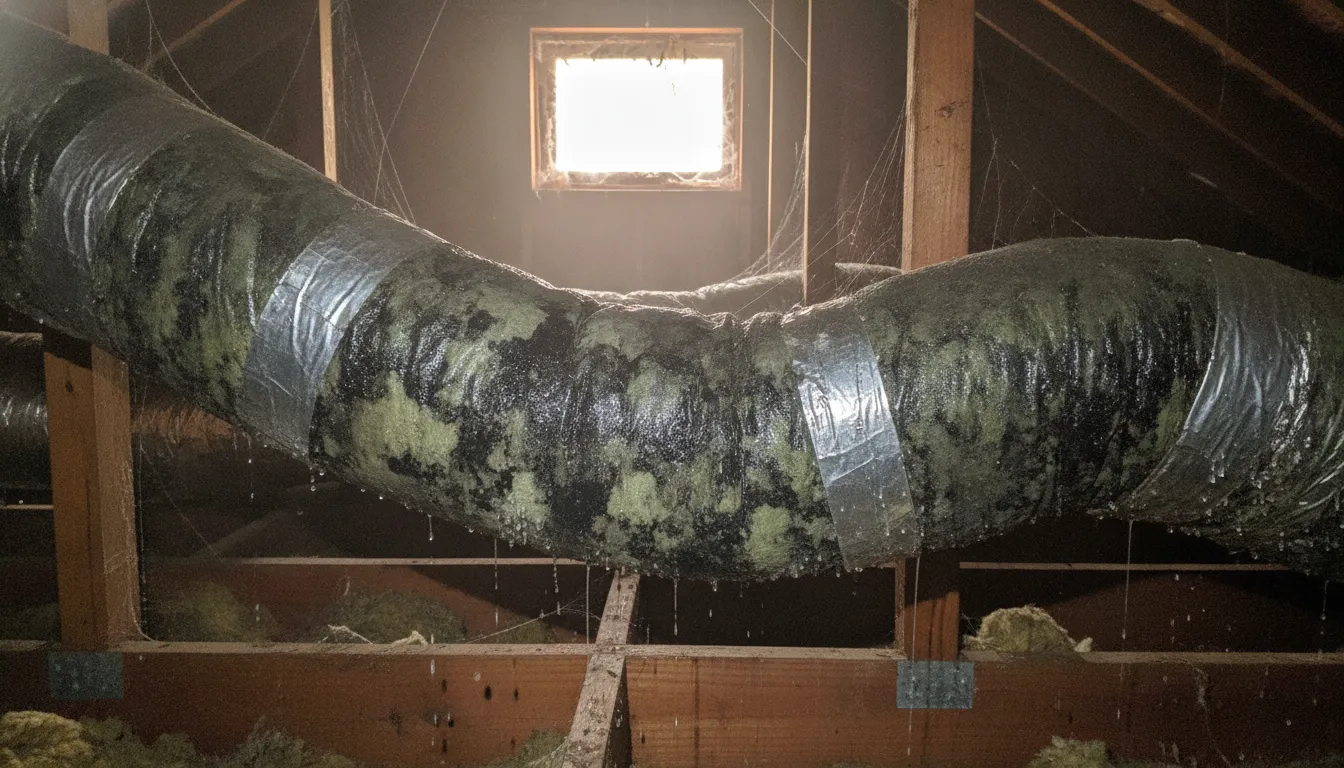
Your ductwork is the highway system that delivers cool air throughout your home. If those highways have leaks, cracks, or disconnected sections, a significant amount of that conditioned air can escape into your attic or crawlspace before ever reaching your living areas. You might notice that some rooms are much warmer than others or see a sudden spike in your energy bills. While a full inspection requires a professional, you can look for obvious signs of damage in visible duct areas. If you suspect a problem, professional duct sanitization and replacement can ensure your air is going exactly where it’s needed.
Diagnosing Blower Motor Problems
The blower motor is the powerful fan inside your indoor unit that pushes the cool air through the ductwork. If the motor fails, you won’t feel any air coming from your vents, even if you can hear the outdoor unit running. Before calling for help, find your home’s circuit breaker panel and check if the breaker for your HVAC system has tripped. If resetting it doesn’t solve the problem, the motor itself may have burned out or have a bad capacitor. This is a job for a trained technician, as it involves working with high-voltage electrical components. If you suspect a motor issue, it’s time to schedule a professional AC repair.
Identifying Refrigerant and Component Issues
When simple fixes don't work, the problem might be with one of your AC's core components. Issues with refrigerant, coils, or the compressor are more complex and almost always require a professional. Here’s how you can spot the signs that it’s time to call for backup.
Spotting the Signs of a Refrigerant Leak
Refrigerant is the substance that actively cools the air in your home. If it's leaking, your AC simply can't do its job. The most obvious sign is a noticeable drop in cooling efficiency, but you might also see ice forming on the refrigerant lines or hear a faint hissing sound near the unit. Refrigerant doesn't get "used up" like gas in a car, so if the level is low, you definitely have a leak. This isn't a DIY fix; you'll need a technician to find and seal the leak before recharging the system. A professional AC repair is essential to get your system running safely and efficiently again.
What to Do About Frozen Evaporator Coils
Seeing ice on your indoor AC unit is a definite red flag. Frozen evaporator coils are often caused by poor airflow from a clogged filter or low refrigerant levels. If you see ice, turn your AC off at the thermostat immediately to prevent serious damage to the compressor. While the unit thaws, the root cause still needs to be fixed. This issue typically requires professional assistance to diagnose and resolve to prevent it from happening again. Consistent air conditioning maintenance is the best way to prevent the airflow problems that cause your coils to freeze in the first place, saving you from a much bigger headache down the road.
Recognizing Compressor Problems
The compressor is the engine of your AC system, pumping refrigerant to cool your home. If it's failing, you might hear loud rattling or clanking noises coming from the outdoor unit. A compressor that struggles to start can also trip your circuit breaker repeatedly. These are serious symptoms that you shouldn't ignore. Because a malfunctioning compressor is such a critical and complex part, any suspected issues should be diagnosed by a qualified technician. Don't hesitate to call for professional service if you think your compressor is in trouble, as catching it early can sometimes prevent a full replacement.
Troubleshooting Electrical Issues
Sometimes, an electrical fault can stop your AC from cooling. Before calling for help, start by checking your home's circuit breaker panel. If the breaker for the AC has tripped, you can try resetting it once. If it trips again right away, there's a bigger problem. A breaker that keeps tripping could mean the compressor is overheating or there's a short in the wiring. For your safety, avoid repeatedly resetting it. This is a clear warning sign that you need an expert to find and fix the underlying electrical issue and ensure your system is operating safely.
Common AC Troubleshooting Mistakes to Avoid
When your AC stops working on a sweltering Florida day, it’s tempting to jump into action and try to fix it yourself. While we encourage homeowners to handle the basics, like changing a filter, some troubleshooting attempts can do more harm than good. Knowing what not to do is just as important as knowing what to do. Making the wrong move can turn a simple fix into a costly repair or even a full system replacement. Let’s walk through some of the most common mistakes we see so you can avoid them and protect your air conditioning system.
The Pitfalls of DIY Repairs
It’s great to be proactive, and many AC issues stem from simple things you can absolutely handle, like a dirty filter or an incorrect thermostat setting. However, it's crucial to recognize where your DIY skills should stop. If you’ve tried the basic fixes and your AC still isn’t working, it’s time to pause. Attempting to fix complex components like a refrigerant leak, a faulty compressor, or electrical wiring without proper training is dangerous and can cause irreversible damage. If you suspect a serious issue, the safest and most cost-effective solution is to call for a professional air conditioning repair. Our technicians have the tools and expertise to diagnose the problem correctly and fix it safely.
Why You Shouldn't Run a Frozen AC Unit
Seeing ice on your AC unit is a clear sign something is wrong. Your first instinct might be to let it keep running, hoping it will sort itself out, but this is one of the worst things you can do. Running an AC with frozen coils can severely damage the compressor, which is the heart of your system. A damaged compressor is one of the most expensive parts to replace. If you notice your AC is running but not cooling or you see ice anywhere on the unit, turn it off immediately. This allows the ice to melt and prevents further strain on the system. Then, give us a call for emergency AC service to find and fix the root cause.
Don't Ignore These Warning Signs
Your air conditioner will almost always give you hints before it breaks down completely. Ignoring these warning signs is a mistake that can lead to a much bigger problem. Pay attention to things like strange noises (grinding, squealing, or clanking), musty or burning smells, weak airflow from your vents, or the system turning on and off more frequently than usual. These are all symptoms of an underlying issue, such as a failing motor, a refrigerant leak, or blocked ducts. Addressing these signs early with a professional inspection can often prevent a total system failure. At 5 Star Air, our team is trained to spot these issues before they escalate.
The Real Cost of Skipping Maintenance
Putting off routine maintenance might seem like a way to save a few dollars now, but it almost always costs you more in the long run. Simple tasks like changing your air filter and keeping the outdoor unit clear of debris are essential for your AC's health and efficiency. When you skip these steps, your system has to work harder, which drives up your energy bills and causes premature wear and tear on its components. Over time, this neglect can lead to major breakdowns and shorten the lifespan of your unit. Investing in a professional AC maintenance plan is the best way to keep your system running smoothly, efficiently, and reliably for years to come.
Your Guide to Professional AC Service
Sometimes, a problem is bigger than a clogged filter or a tripped breaker. While DIY troubleshooting can solve minor issues, certain situations require a trained eye and specialized tools. Knowing when to step back and call a professional not only saves you time and frustration but can also prevent a small problem from turning into a costly catastrophe. Here’s what you need to know about working with an HVAC expert.
When You Should Call an HVAC Expert
If you’ve tried the basic troubleshooting steps and your home still feels like a sauna, it’s time to call for backup. Continuing to run an air conditioner that isn't cooling properly can cause more significant damage to the system. If you suspect a frozen evaporator coil or a refrigerant leak, it’s best to turn the unit off completely and schedule a professional air conditioning repair. These aren't DIY-friendly fixes and require professional attention to resolve safely and effectively. An expert can accurately diagnose the root cause, whether it’s a complex mechanical failure or an electrical issue, and get your system running correctly again.
What to Expect During a Service Call
A professional service call should be a straightforward and transparent process. When a technician from a reputable company like 5 Star Air arrives, they will perform a thorough inspection of your entire HVAC system, not just the part you think is broken. They’ll check refrigerant levels, test electrical components, and inspect for airflow obstructions. Once they’ve completed their diagnosis, they should clearly explain the issue and walk you through your options without any high-pressure sales tactics. You can learn more about our commitment to honest service by reading about our company. We believe in empowering you with information so you can make the best decision for your home.
Emergency Warning Signs to Watch For
Some AC problems need immediate attention to protect your system and your home. If you see ice or frost building up on the indoor evaporator coils, it’s a sign of a serious issue like low refrigerant or restricted airflow. Hissing or bubbling sounds often point to a refrigerant leak, which can be hazardous. Other red flags include burning smells, loud grinding or squealing noises, or the system repeatedly tripping the circuit breaker. If you experience any of these, you should shut down your AC and call for emergency air conditioning services right away to prevent further damage.
How to Choose a Qualified Technician
Choosing the right HVAC company is crucial for getting reliable and lasting repairs. Look for a technician who does more than a quick visual check. A truly qualified professional will use gauges to check refrigerant pressures, test electrical readings, and thoroughly inspect your system’s components. Always choose a company that is fully licensed and insured, and don’t be afraid to check their customer testimonials. An honest technician will provide a clear diagnosis and upfront pricing before any work begins. Finding a trustworthy expert ensures the job is done right the first time, giving you peace of mind and a cool, comfortable home.
Essential Maintenance for a Healthy AC
In Florida, your air conditioner is more than an appliance; it's the heart of your home's comfort. Just like any hardworking machine, it needs regular attention to perform its best. Consistent maintenance helps your AC run efficiently, extends its lifespan, and prevents those dreaded middle-of-the-night breakdowns. A little proactive care can save you from costly repairs and keep your energy bills in check.
Think of it as a simple wellness plan for your AC. By tackling a few easy tasks yourself and knowing when to call for professional help, you can ensure your system is ready to handle the Florida heat year-round. These small steps make a huge difference in your home's comfort and your peace of mind. Below are some practical tips to keep your AC unit in top shape.
A Simple Monthly Maintenance Checklist
Setting aside just a few minutes each month can make a world of difference for your AC's health. Start with these three simple steps:
- Check your thermostat. Make sure it’s set to “cool” and the temperature is set lower than the current room temperature. It sounds basic, but incorrect settings are a common reason for an AC not kicking on.
- Inspect the air filter. A dirty filter is one of the biggest culprits behind poor airflow and cooling. Hold it up to the light; if you can't see through it, it's time for a change. This single step can significantly improve your indoor air quality.
- Clear the outdoor unit. Your outside condenser needs to breathe. Trim back any plants, weeds, or grass, and clear away leaves and other debris that may have collected around the unit.
How to Prepare Your AC for the Season
While Florida’s “AC season” feels like it lasts all year, it’s smart to give your system a little extra attention before the peak summer heat arrives. Start by giving the coils on your outdoor unit a gentle cleaning to help it release heat more effectively. A clean system doesn't have to work as hard to cool your home.
One of the most important things to know is what to do if you find ice on your unit. If your AC seems frozen, turn it off immediately. Running a frozen air conditioner can cause serious and expensive damage to the compressor. Let the unit thaw completely before trying to run it again, and if it refreezes, it's a clear sign you need professional help.
When to Schedule Professional Service
DIY maintenance is great, but some jobs are best left to the experts. If you’ve tried the basic troubleshooting steps and your home still isn’t cooling down, it’s time to make a call. You should also schedule a service visit if you suspect a refrigerant leak—often indicated by a hissing sound or a system that runs constantly but produces warm air.
Other clear signs you need a technician include visible frost on the indoor evaporator coil or if your AC just can't seem to keep up on hot days. These issues often point to more complex problems that require specialized tools and knowledge. Regular professional air conditioning maintenance ensures your system is safe, efficient, and ready for whatever the weather brings.
Easy Ways to Save Energy
Keeping your home cool doesn’t have to break the bank. A few small adjustments to your habits can lead to noticeable savings on your energy bills. First, never underestimate the power of a clean air filter. When your filter is clogged with dust and debris, it forces your AC to work much harder to push air through, wasting energy in the process.
Another simple switch is setting your thermostat’s fan to “auto” instead of “on.” When the fan is set to “on,” it runs continuously, even when the AC isn’t actively cooling. This can circulate unconditioned, humid air through your home, making you feel warmer and prompting you to lower the thermostat even more. The “auto” setting ensures the fan only runs when your system is cooling.
Tips for Better Indoor Comfort
A cool house is great, but a comfortable house is even better. True indoor comfort is about more than just the number on the thermostat—it’s about managing humidity, ensuring clean air, and making sure your entire system works together seamlessly. These simple adjustments and maintenance habits can make a huge difference in how your home feels, especially during those long, hot Florida summers. By paying attention to these details, you can create a more pleasant living space and help your AC run more efficiently.
How to Control Your Home's Humidity
Here in Florida, we know that humidity can make 80 degrees feel like 95. Your air conditioner's job isn't just to cool the air, but also to remove excess moisture. If your home feels sticky or damp even when the AC is running, it’s a sign your system is struggling to keep up. This can be due to an oversized or undersized unit, or even issues with your ductwork. An efficient system pulls that muggy feeling right out of the air, leaving you with a crisp, cool environment. For a complete solution, you might consider whole-home dehumidifiers or other indoor air quality solutions to keep your home perfectly balanced.
Choose the Right Air Filter for Your Home
Think of your air filter as the lungs of your HVAC system. A dirty, clogged filter forces your AC to work much harder to pull in air, which wastes energy and reduces its cooling power. It can even lead to the system overheating and shutting down. Make it a habit to check your filter every month and replace it at least every 90 days—or more often if you have pets or allergies. Choosing the right filter matters, too. While high-MERV filters capture more particles, they can also restrict airflow if your system isn't designed for them. Regular air conditioning maintenance can help you determine the best filter for your specific unit.
Why Duct Maintenance Matters
Your ducts are the highways that deliver cool air to every room in your house. If those highways have leaks, blockages, or are poorly designed, that precious cool air gets lost along the way. You might notice that some rooms are much warmer than others or that your energy bills are creeping up. Leaky ducts in an attic or crawlspace can pull in hot, dusty, and humid air, compromising both your comfort and your air quality. Ensuring your ducts are properly sealed and clean is one of the most effective ways to improve your AC's performance. If you suspect a problem, a professional duct inspection can pinpoint any issues.
Master Your Home's Temperature
Sometimes the simplest fix is the right one. Before you assume the worst, double-check that your thermostat is set to "cool" and the temperature is set lower than the current room temperature. Also, consider a smart thermostat, which can learn your schedule and adjust automatically to save energy. One of the most important things to remember is if your AC is running but not blowing cold air, turn it off immediately. Continuing to run it can cause severe damage to the compressor, turning a small issue into a major expense. At that point, it's best to call for professional air conditioning repair to diagnose the problem safely.
Frequently Asked Questions
What's the very first thing I should do if my AC stops cooling? Before you do anything else, check your thermostat. Make sure it’s set to “cool” and the temperature is set a few degrees lower than the current room temperature. After that, check your air filter. A filter that’s clogged with dust and debris can stop airflow and prevent your home from cooling down. These two simple checks solve the problem more often than you’d think.
Why is my AC unit covered in ice? Shouldn't it be cold? Seeing ice on your AC unit is a definite red flag. It usually means that something is restricting airflow, like a dirty filter, or that your system is low on refrigerant. While it seems like a sign of being extra cold, it actually prevents your system from working properly and can cause serious damage to the compressor. If you see ice, turn your AC system off completely to let it thaw and call a professional to diagnose the underlying issue.
How often do I really need to change my air filter in Florida? Because our systems work so hard year-round in the Florida heat, you should check your air filter every 30 days. A good rule is to replace it at least every 90 days. However, if you have pets, allergies, or live near a dusty area, you’ll probably need to change it more frequently, perhaps every month, to keep your air quality high and your system running efficiently.
My AC is running, but some rooms are hot while others are cold. What's going on? Uneven cooling is usually a sign of an airflow problem. Start by walking through your home and making sure all the vents are open and not blocked by furniture or rugs. If that doesn't solve it, the issue could be deeper within your ductwork. Leaks or blockages in the ducts can prevent cool air from ever reaching certain rooms, which might require a professional inspection to fix.
What kind of noises from my AC unit are a bad sign? Your air conditioner should run with a consistent, low hum. If you suddenly hear loud or unusual noises, it’s time to pay attention. Grinding or squealing can point to a problem with the motor, while a loud clanking or banging from the outdoor unit could mean a serious issue with the compressor. It's best not to ignore these sounds—turn the unit off and call for a professional repair to prevent a small problem from becoming a major one.