How Much Does a 2-Ton Air Conditioner Cost?
Shopping for a new air conditioner can feel overwhelming with all the talk of tonnage, BTUs, and SEER ratings. It’s easy to get lost in the technical details. Let's clear up the confusion, starting with one of the most common sizes: the 2-ton AC unit. First off, "tonnage" has nothing to do with weight—it’s all about cooling power. Understanding this is the key to making an informed choice. Once you know what you're looking for, you can confidently ask how much an air conditioner cost for a 2-ton system and understand the answers you get. This guide will break it all down in simple terms, so you can feel like an expert.
Key Takeaways
- Focus on the right fit, not just square footage: While a 2-ton unit often suits homes around 1,000-1,400 sq. ft., a professional load calculation is essential. This step ensures your AC is perfectly sized to cool effectively and manage Florida's humidity without wasting energy.
- Look beyond the sticker price for true savings: The total investment covers the unit, expert labor, and any necessary modifications. Choosing a higher-efficiency (SEER2) model might cost more initially, but it pays you back with lower monthly utility bills.
- Your choice of installer impacts everything: The best AC unit will underperform with a poor installation. Protect your investment by hiring a licensed and insured team that provides detailed quotes and insists on a proper home assessment before starting work.
What Is a 2-Ton AC and Is It Right for You?
When you start shopping for a new air conditioner, you’ll hear a lot of talk about "tonnage." It’s one of the most important factors in choosing the right system, but it can also be one of the most confusing. Getting the size right is key to keeping your home comfortable and your energy bills in check, especially here in Florida. An AC that’s too small will struggle to keep up, while one that’s too big will cycle on and off too frequently, failing to properly dehumidify your home. Let's break down what a 2-ton AC unit is and how to figure out if it’s the right fit for your space.
Decoding AC Tonnage and BTUs
First things first: AC tonnage has nothing to do with how much the unit weighs. It’s actually a measure of its cooling power. This power is measured in British Thermal Units, or BTUs. Think of a BTU as the amount of energy needed to remove a certain amount of heat from a room. One ton of cooling capacity is equal to 12,000 BTUs per hour.
So, a 2-ton air conditioner can remove 24,000 BTUs of heat from your home every hour. This makes it a common size for smaller homes, condos, or specific zones in a larger house. It’s a popular choice, but that doesn’t automatically make it the right one for you.
Signs Your Home Needs a 2-Ton Unit
As a general rule of thumb, a 2-ton AC unit is often suitable for homes between 1,000 and 1,400 square feet. However, square footage is just the starting point. In Southwest Florida, factors like high ceilings, the number of windows you have, how much shade your home gets, and the quality of your insulation all play a huge role in determining your cooling needs.
The only way to know for sure is to have a professional perform a load calculation. This detailed analysis considers all your home's unique features to determine the precise cooling load. Simply replacing your old unit with the same size isn't always the best move. A proper assessment is a critical step in any professional air conditioning installation and ensures your new system works efficiently for years to come.
How Much Does a 2-Ton Air Conditioner Cost?
Let’s talk numbers. When it comes to a major home investment like a new air conditioner, the first question on everyone’s mind is, "What's this going to cost me?" The answer isn't a single number, because the final price tag is a mix of the equipment itself, the complexity of the installation, and the team you hire to do the job. But don't worry—we can break it down into clear, understandable pieces so you know exactly what to expect.
Think of it like buying a car. You have the sticker price for the vehicle, but then you have other factors that contribute to the final "out-the-door" cost. An AC system works the same way. We’ll walk through the cost of the unit, the price of professional installation, and what you can expect for a total, all-in price range. This way, you can budget with confidence and make a smart choice for your home and your wallet.
The Price of the Unit Itself
First, let's look at the hardware. A standalone 2-ton air conditioning unit typically costs between $2,000 and $4,000. This price is just for the equipment—the outdoor condenser and the indoor air handler or furnace coil. The exact cost within this range depends heavily on the brand, the unit's energy efficiency rating (SEER2), and any special features it might have, like variable-speed technology.
Think of this as the foundational cost. It’s an important number, but it’s only one part of the puzzle. Choosing a high-quality unit from a reputable brand is a great start, but the performance and lifespan of that unit will ultimately depend on a perfect air conditioning installation.
Breaking Down Installation Costs
This is where a skilled technician makes all the difference. The total cost for a 2-ton AC unit with professional installation generally falls between $3,500 and $7,500. This range covers both the equipment and the labor required to get it running safely and efficiently in your home. Installation isn't just about plugging in a new machine; it involves handling refrigerant lines, making electrical connections, and ensuring proper airflow.
If your existing ductwork needs significant repairs or modifications to fit the new system, the cost could be higher. A proper installation ensures your new AC runs at peak performance, keeps your warranty valid, and prevents future headaches. It’s the most critical step in guaranteeing you get the comfort and energy savings you’re paying for.
Your All-In Price Range
So, what’s the final number you should budget for a complete replacement? For a full 2-ton central air conditioning system replacement, homeowners can expect to pay between $4,500 and $12,000. A more straightforward project with a basic, builder-grade unit might start around $3,800, while a high-efficiency system with complex installation requirements will be at the higher end of that range.
This all-in price covers everything: the unit, labor, necessary parts like copper lines and wiring, and proper disposal of your old equipment. We know this is a significant investment, which is why we believe in transparent pricing without any sales pressure. Many homeowners also find that flexible financing options can make the upgrade more manageable.
What Factors Influence the Final Price?
When you get a quote for a new 2-ton air conditioner, you’ll notice the final price is more than just the cost of the unit itself. Several key factors come together to determine your total investment. Understanding these elements helps you see exactly what you’re paying for and why a quality installation is worth every penny. From the brand you choose to the unique characteristics of your home, each piece plays a role in ensuring you get a system that’s efficient, reliable, and perfectly suited for your needs. Let’s break down the four biggest factors that shape the final price.
Brand and Quality
Just like with cars or appliances, the brand of your air conditioner makes a difference. Well-known brands like Carrier, Trane, and Lennox have built reputations for reliability, performance, and solid warranties. While they might come with a higher price tag, you’re often paying for better engineering, more durable parts, and the peace of mind that your system will last. A trusted brand is an investment in long-term comfort. At 5 Star Air, we guide you toward brands that offer the best value and performance for Florida homes, ensuring your AC installation is built to withstand our demanding climate.
Energy Efficiency (SEER2 Rating)
Think of a SEER2 rating as the miles-per-gallon for your air conditioner. The higher the SEER2 (Seasonal Energy Efficiency Ratio 2) rating, the less electricity the unit uses to cool your home. In a place like Southwest Florida where the AC runs constantly, a higher SEER2 rating can lead to significant savings on your monthly utility bills. While a more efficient unit costs more upfront, the long-term savings often make it a smart financial choice. The U.S. Department of Energy sets minimum SEER2 standards, and we can help you find the sweet spot between upfront cost and future energy savings.
Your Home's Unique Layout
There’s no one-size-fits-all solution when it comes to air conditioning. A 2-ton unit might be perfect for a 1,200-square-foot home, but other factors matter, too. We look at your home’s total square footage, ceiling height, window quality, insulation levels, and how much direct sun it gets. All these details influence how much cooling power you actually need. Getting this right is critical—a unit that’s too small will struggle to keep up, while one that’s too big will cycle on and off too frequently, wasting energy and failing to dehumidify properly. A professional assessment ensures your new system is a perfect match for your space.
Local Labor Rates
The cost of labor is a major part of your total installation price, and it reflects the skill, training, and insurance of the technicians doing the work. Proper installation is just as important as the quality of the unit itself. An improperly installed system can lose efficiency, break down sooner, and even be unsafe. When you hire a professional team, you’re paying for expertise that ensures every connection is secure, the refrigerant levels are perfect, and the system is calibrated to run at peak performance. Our fully licensed and insured technicians have the experience to get the job done right the first time.
Which 2-Ton AC Brands Give You the Best Value?
Walking into the world of AC brands can feel like navigating the car market—you’ve got your luxury models, your reliable workhorses, and everything in between. The brand you choose has a real impact on your system's lifespan, energy bills, and overall performance, especially in the demanding Florida climate. While many names are out there, we focus on brands that consistently deliver on their promises of quality and reliability. The goal isn't just to find a good brand, but to find the right brand for your home and budget.
At 5 Star Air, we believe in giving you honest, straightforward advice. We’ve seen firsthand which brands stand up to the heat and which ones fall short. We’ll help you understand the key differences so you can feel confident in your choice for a new air conditioning installation.
Brands We Trust and Recommend
When it comes to top-tier performance and reliability, a few brands consistently lead the pack. We often recommend names like Carrier, Trane, and Lennox because they have a long-standing reputation for engineering excellence and durability. These manufacturers are at the forefront of HVAC technology, offering high-efficiency models with SEER2 ratings that can go from 16 all the way up to 26. While the best air conditioner brands come with a higher price tag, you’re paying for premium components, quieter operation, and innovative features that can lead to significant long-term energy savings. They are a solid investment in your home’s comfort.
Premium vs. Budget-Friendly: What's the Difference?
So, do you really need to spring for a premium brand? Not necessarily. While brands like Carrier and Trane are fantastic, a more budget-friendly option like Goodman offers incredible value without sacrificing performance. In fact, many consider Goodman one of the best all-around AC systems for its balance of reliability and price. The main difference often comes down to extra features, like advanced humidity control or ultra-quiet operation. Our job is to give you the honest pros and cons of each, helping you find the perfect fit for your budget and comfort needs. We’re not salespeople; we’re comfort experts dedicated to finding your best solution.
Why the Warranty Matters
A strong warranty is more than just a piece of paper—it’s a manufacturer’s vote of confidence in its own product. Most reputable brands offer a 10-year parts warranty once the system is registered, which is a huge indicator of quality. This protects you from the cost of unexpected component failures down the road. However, this warranty is only valid if the unit is installed by a licensed professional. For most Florida homes, the efficiency sweet spot is a unit with a SEER2 rating between 15 and 18. This range offers a great balance of upfront cost and energy savings, and a solid warranty ensures that investment is protected for years to come.
Are There Other Costs to Consider?
When you're budgeting for a new air conditioner, the price of the unit and the standard installation are the two biggest pieces of the puzzle. But they aren't the only pieces. To give you a truly transparent look at the total investment, it’s important to be aware of a few other factors that can influence the final cost. These aren't "hidden fees"—they're necessary adjustments to make sure your new system runs safely, efficiently, and effectively for years to come. Think of it as building a solid foundation for your home's comfort. A trustworthy technician will always walk you through these potential needs before any work begins, ensuring there are no surprises on your final bill.
Ductwork Repairs or Modifications
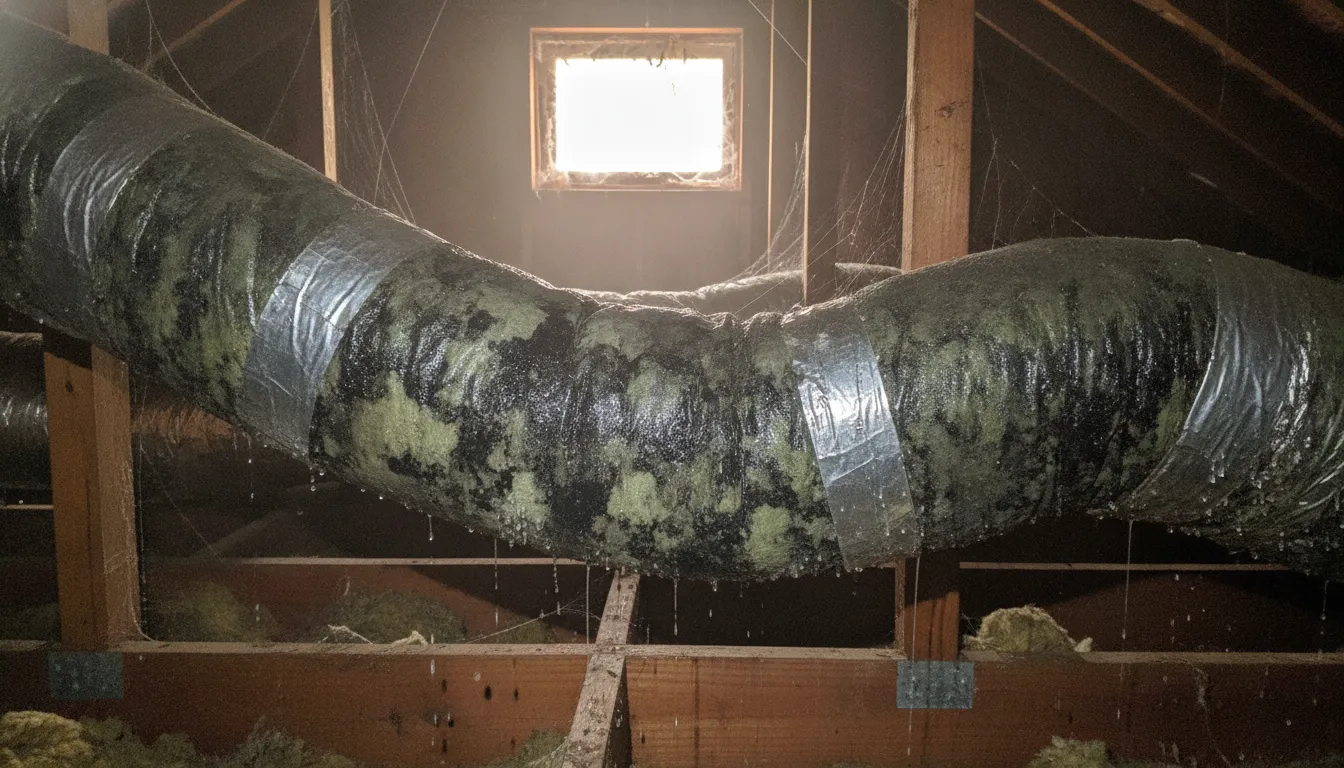
Your air ducts are the highways that carry cool air throughout your home. If those highways are old, leaky, or improperly sized for your new system, you're going to lose a lot of that precious cool air before it ever reaches your rooms. In some cases, existing ductwork might need to be repaired or replaced to handle the airflow of a modern AC unit. If your home needs significant ductwork modifications, the cost can increase, but it’s a crucial step. Installing a high-efficiency AC with leaky ducts is like trying to fill a bucket with holes in it—you’re just wasting energy and money.
Electrical Upgrades and Permits
A new air conditioning system might have different electrical requirements than your old one. To ensure everything runs safely and up to code, some homes need minor electrical upgrades, like a new circuit or disconnect box. Additionally, most cities and counties in Florida require permits for new AC installations. This isn't just red tape; it's a process that ensures the work is done correctly and safely by a licensed professional. A reputable company like 5 Star Air handles the entire permitting process for you, so you can have peace of mind knowing everything is done by the book.
Professional Sizing (Load Calculation)
It’s tempting to just replace your old 2-ton unit with a new one, but that’s often a mistake. Your home may have changed over the years—maybe you’ve added insulation or new windows. The only way to know the exact size AC your home needs is with a professional load calculation, often called a "Manual J" calculation. This in-depth analysis considers your home's square footage, layout, insulation, and window types. This step is non-negotiable for a proper air conditioning installation because it ensures you don't overpay for a unit that's too large or end up with one that can't keep up with the Florida heat.
New Materials and Refrigerant
The HVAC industry is constantly evolving to become more environmentally friendly and efficient. Older systems often use refrigerants like R-22 or R-410A, which are being phased out. Newer systems use more advanced refrigerants that require different components. Because of this, you can't just mix and match an old indoor unit with a new outdoor unit. When you upgrade, you'll almost always need to replace both components to ensure they are compatible and work correctly. This guarantees your new system meets modern efficiency standards and runs reliably from day one.
What Features Are Worth Paying For?
When you’re looking at different AC models, the list of features can feel a little overwhelming. It’s easy to wonder which upgrades are just fancy add-ons and which ones will actually make a difference in your comfort and your monthly bills. The truth is, investing in the right features upfront can lead to significant savings and a much more comfortable home down the road. Think of it less as an extra cost and more as a long-term investment in efficiency. Here in Florida, where our ACs work overtime, choosing the right technology isn’t a luxury—it’s a smart financial decision. Let’s break down the features that deliver the most bang for your buck.
Variable-Speed vs. Single-Stage Technology
Most of us are familiar with traditional single-stage air conditioners. They work like a light switch: they’re either on at full blast or completely off. While this gets the job done, it’s not the most efficient way to cool your home. Enter variable-speed compressors, which are designed to act more like a dimmer switch. Instead of shutting off, they adjust their speed to precisely match your home’s cooling needs. This means they can run at a lower, steadier speed for longer periods, which keeps the temperature consistent, removes more humidity from the air (a huge plus in Florida!), and uses far less energy. It’s a game-changer for both comfort and your electric bill.
Smart Thermostats and Home Zoning
Pairing your new AC with the right controls can make a huge difference. Investing in smart thermostats is one of the easiest ways to cut down on energy waste. These devices learn your schedule and automatically adjust the temperature, so you’re not paying to cool an empty house. You can also control them from your phone, giving you total command over your home’s climate. For even more customized comfort, consider a home zoning system. This allows you to set different temperatures for different areas of your house. No more over-cooling the downstairs just to make the upstairs bedrooms comfortable. It’s the perfect solution for multi-story homes or rooms that get a lot of sun.
Other Money-Saving Features
Beyond the big-ticket items, a few other key features can help you save money over the life of your system. One of the most important is the unit’s efficiency rating. Look for a system with a high SEER2 (Seasonal Energy Efficiency Ratio 2) rating. A unit with at least a 16 SEER rating is optimized for energy-efficient cooling and can lead to lower bills. Also, given our coastal climate, look for features like weather-resistant coatings that protect the outdoor unit from salt and humidity, extending its lifespan. When you work with our team on your AC installation, we’ll help you identify the features that make the most sense for your home and budget.
Common Mistakes to Avoid When Buying a 2-Ton AC
Investing in a new air conditioner is a big decision, and it’s easy to feel overwhelmed by all the options and numbers. The good news is that you can avoid the most common pitfalls by knowing what to look out for. A little bit of knowledge goes a long way in ensuring you get a system that keeps you cool and comfortable for years without any buyer's remorse. Think of this as your cheat sheet for making a smart, confident choice. From getting the size just right to understanding the full scope of the project, we’ll walk you through the mistakes we see homeowners make so you can sidestep them completely.
Guessing on the Size
It’s tempting to simply replace your old 2-ton unit with a new one, but that’s one of the biggest gambles you can take. Your home’s cooling needs may have changed over the years due to new windows, better insulation, or even landscaping that adds shade. The only way to know for sure is to have an expert perform a "Manual J load calculation." This professional assessment analyzes your home's specific features to determine the exact size AC you need. An oversized unit will constantly turn on and off, failing to remove humidity and wasting energy. An undersized one will run nonstop without ever making your home comfortable. Insist on a proper load calculation before any AC installation begins.
Only Focusing on the Upfront Cost
We all love a good deal, but fixating only on the initial price tag can lead to trouble down the road. A super-low quote might mean you’re getting a less efficient unit, which will cost you more every month on your energy bills. It could also be a red flag for a rushed or subpar installation, leading to frequent breakdowns. While the cost of a new AC is significant, it's better to view it as a long-term investment in your home's comfort and efficiency. A high-quality, professionally installed system saves you money over its lifespan. If the initial cost is a concern, exploring flexible financing options can help you get a reliable system without compromising on quality.
Forgetting About Permits and Future Maintenance
A quality installation involves more than just the physical unit. It also includes securing the necessary local permits to ensure the work is done to code, which is crucial for your safety and your home’s resale value. A contractor who skips this step is cutting a major corner. Likewise, your new AC system needs care to keep it running efficiently. Forgetting to plan for future upkeep is like buying a new car and never changing the oil. The best way to protect your investment is by scheduling regular air conditioning maintenance from day one. This keeps your warranty valid, extends the system's life, and ensures it performs at its best, especially during our hot Florida summers.
How to Save on Your New 2-Ton AC System
A new air conditioner is a significant home investment, but it doesn't have to break the bank. With a little planning, you can get a high-quality, energy-efficient system that fits your budget. The key is to look beyond the sticker price and take advantage of savings opportunities that many homeowners miss. From manufacturer rebates to smart scheduling and flexible payment plans, there are several practical ways to lower the overall cost of your air conditioning installation. Let's walk through a few of the best strategies to make your new AC unit more affordable without compromising on the comfort and reliability you deserve.
Find Rebates and Local Incentives
One of the easiest ways to save is by taking advantage of rebates. Both utility companies and AC manufacturers often offer cash back for purchasing high-efficiency systems. These aren't small discounts, either—rebates can often range from $300 to over $1,500, which can make a huge difference in your final cost. We always recommend checking with your local electric provider to see what programs they have available. As your installation partner, we stay on top of current manufacturer offers and can help you identify and apply for any rebates you qualify for, ensuring you don't leave any money on the table.
Schedule Your Install During the Off-Season
Timing is everything, especially in Florida. The busiest time for HVAC companies is during the sweltering summer months when AC units are working overtime and breakdowns are common. If you can plan your replacement ahead of time, scheduling it during the cooler "off-season"—typically between October and March—can lead to significant savings. Because demand is lower, you may find more flexible scheduling and better pricing, sometimes with discounts of up to 20%. If your current system is getting old but hasn't failed yet, planning a winter replacement is a brilliant financial move.
Explore Flexible Financing Options
You don't have to pay for your new AC system all at once. Reputable HVAC companies understand this is a major purchase, which is why we offer flexible payment solutions. Financing options allow you to spread the cost over time with manageable monthly payments, making it much easier on your budget. Many plans even include no-interest periods, often for 12 to 18 months, if paid in full within that time. This approach allows you to invest in a higher-efficiency model that will save you more on energy bills in the long run, rather than settling for a less effective unit because of upfront cost concerns.
How to Choose the Right Installation Team
Picking the right AC unit is only half the battle. The quality of the installation team determines how well that new system will actually perform for years to come. A top-of-the-line air conditioner installed incorrectly will run inefficiently, break down sooner, and fail to keep you comfortable. That’s why vetting your contractor is just as important as choosing your brand. You’re not just buying a piece of equipment; you’re investing in a long-term home comfort solution, and the right partner makes all the difference.
Compare Quotes, Not Just Prices
It’s smart to get a few different quotes, but it’s crucial to look beyond the final number. The cheapest option is rarely the best value. Always ask for a detailed, written quote that breaks down the costs for the equipment, labor, and any additional materials. This transparency helps you understand exactly what you’re paying for. A suspiciously low bid might signal that a contractor is cutting corners, using subpar parts, or isn’t accounting for necessary permits. A trustworthy company will be happy to explain every line item and help you understand the scope of your AC installation project.
Check for Proper Licensing and Insurance
This step is non-negotiable. Before you let any technician into your home, confirm they work for a company that is fully licensed and insured. Proper licensing ensures the contractor meets state and local standards for safety and skill. More importantly, liability insurance protects you and your property from any accidental damage that might happen during the installation. Hiring an uninsured contractor puts you at financial risk. We believe in complete peace of mind, which is why our team of technicians is fully licensed and insured to work in your home. Don’t be afraid to ask for proof—any reputable company will provide it without hesitation.
Know What a 5-Star Installation Looks Like
A truly professional installation starts long before any tools come out. A great contractor will perform a thorough assessment of your home, including inspecting your existing ductwork. They should never size your new AC unit based on square footage alone or simply match the size of your old system. Instead, they should perform a proper load calculation (often called a "Manual J" calculation) to determine the precise cooling needs of your home. This detailed approach ensures your new system is perfectly sized for maximum efficiency and comfort. Anything less is just guesswork, and you deserve an expert solution, not a shot in the dark.
What to Expect on Installation Day
Knowing what happens on installation day can make the entire process feel smoother and less disruptive. When you work with a professional team, the day should be straightforward and efficient. We handle the heavy lifting, but a little preparation on your end can help everything go off without a hitch. Our goal is to get your new system running perfectly so you can get back to enjoying a cool, comfortable home.
From the moment we arrive, our licensed and insured technicians focus on a clean, safe, and precise installation. We protect your home by laying down drop cloths, wearing shoe covers, and ensuring we clean up thoroughly when we’re done. Think of us as respectful guests in your home who just happen to be HVAC experts. We’ll walk you through the process, answer any questions you have, and ensure every connection is secure before we leave. This commitment to a seamless experience is part of our promise to you—we’re here to do the job right and leave you with a system you can rely on for years to come.
How to Prepare Your Home
Your main job on installation day is to clear a path for our technicians. We’ll need easy access to the areas where the indoor and outdoor units are located. This means clearing away any furniture, decorations, or storage items from around your furnace or air handler. Outside, please make sure the area around your old condenser unit is free of toys, garden tools, or overgrown plants. This simple step helps us work safely and efficiently. While it might be tempting to try a DIY approach to save money, a professional AC installation is the only safe option. AC systems involve high-voltage electricity and chemical refrigerants that require expert handling.
Our Process for a Perfect Fit
Getting the right size AC unit is the most critical step, and it’s something we never guess on. Instead of just replacing your old unit with one of the same size, we perform what’s called a "Manual J load calculation." This is the industry standard for accurately determining your home's specific cooling needs. We measure your home’s square footage, window placement, insulation levels, and even local climate factors. This detailed analysis ensures your new 2-ton unit isn’t too big or too small—it’s just right. An improperly sized unit will struggle to cool your home, wear out faster, and drive up your energy bills. Our commitment to this process is part of our 5-star service guarantee.
Tips for Maintaining Your New System
Once your new air conditioner is installed, a little care will go a long way in protecting your investment. The single best thing you can do is schedule regular air conditioning maintenance at least once a year. A professional tune-up keeps your system running at peak efficiency, catches small issues before they become expensive problems, and is often required to keep your manufacturer's warranty valid. Between professional visits, you can help by regularly changing your air filter—usually every 1 to 3 months. A clean filter improves airflow and indoor air quality, helping your new system breathe easier and last longer.
Related Articles
- HVAC Tips & Insights Blog - Expert Advice from 5 Star Air
- How to Prepare Your HVAC for a Florida Summer
- 5 Signs Your AC Needs Repair
Frequently Asked Questions
How do I know for sure if a 2-ton unit is the right size? My house is about 1,200 square feet. While square footage is a good starting point, it's only part of the story. Think about factors like your ceiling height, the number and quality of your windows, and how much direct sun your home gets. The only way to be certain is with a professional load calculation, which is a detailed analysis a technician performs. This ensures the unit isn't too powerful or too weak, but is sized perfectly to cool your home efficiently and keep humidity down.
Is it worth paying more for a unit with a higher SEER2 rating? In a place like Florida where the AC runs almost year-round, it absolutely is. A higher SEER2 rating means the unit uses less electricity to do its job, which translates directly into lower monthly energy bills. While the initial cost is higher, the money you save on electricity often pays back that difference over the life of the system. It's a smart investment in long-term savings.
My old AC was a 2-ton unit. Why can't I just replace it with another one of the same size? It's a common assumption, but it can be a costly mistake. Your home might have changed since that last unit was installed—perhaps you've updated your windows or added insulation. Modern AC units are also much more efficient, which can affect sizing. Simply matching the old size without a new assessment could leave you with a system that's too powerful for your home's actual needs, causing it to cycle improperly and fail at controlling humidity.
Can I save money by buying a 2-ton unit myself and just hiring someone to install it? It might seem like a good way to cut costs, but it often leads to bigger problems. A professional HVAC company ensures the indoor and outdoor units are a perfect match, which is critical for efficiency. Plus, most manufacturer warranties are only valid if the system is installed by a licensed contractor. You're not just paying for labor; you're investing in the expertise that guarantees your system runs correctly and is protected for years.
What's the most important thing to look for in an installation company? Beyond checking for proper licensing and insurance, look for a team that insists on doing a full load calculation before giving you a quote. This shows they are committed to finding the right solution for your specific home, not just making a quick sale. A great installer will also be transparent about the entire process, provide a detailed quote, and stand behind their work with a solid guarantee.