A Homeowner's Guide to HVAC Air Purifier Installation
As homeowners, we put so much effort into creating a safe and healthy space for our families. We scrub countertops, filter our water, and choose safe products. But what about the air circulating through our homes? It can be filled with invisible irritants like dust, pet dander, mold spores, and bacteria that trigger allergies and other respiratory issues. An HVAC air purifier offers a solution by cleaning the air in every room, not just one. It’s a meaningful step toward a healthier home environment. A correct hvac air purifier installation ensures these contaminants are captured before they ever reach your living spaces, helping everyone breathe a little easier.
Key Takeaways
- Get Whole-Home Coverage: An HVAC air purifier cleans the air in your entire home, not just one room. It works with your existing AC system to deliver consistent, clean air everywhere, making it a set-it-and-forget-it solution for better air quality.
- Choose Technology Based on Your Needs: The right purifier depends on your specific goals, as different technologies target different pollutants. Pinpoint your main concerns, such as dust, germs, or odors, to choose a system that will effectively solve your air quality problems.
- Rely on Professional Installation: This is not a DIY project; professional installation is essential for an HVAC air purifier. An expert ensures the unit is compatible with your system and installed correctly, which protects your equipment and guarantees you get the clean air you're paying for.
What Is an HVAC Air Purifier?
So, what exactly is an HVAC air purifier? Think of it as a powerful cleaning system that works for your entire home, not just one room. Instead of a standalone unit you plug into the wall, an HVAC air purifier integrates directly with your central heating and cooling system. As air circulates through your home's ductwork, the purifier gets to work, filtering out contaminants before the air ever reaches your vents. This means every room in your house gets the benefit of cleaner, fresher air. It’s a comprehensive solution for improving your home's indoor air quality without cluttering up your living space.
How It Differs from a Portable Purifier
You’ve probably seen portable air purifiers, the kind you can place in a bedroom or living room. While they can be effective for a small space, their reach is limited. An HVAC air purifier is different because it provides whole-home coverage. Since it’s part of your central air system, it cleans the air everywhere, from the kitchen to the bedrooms. Another big difference is convenience. HVAC purifiers are installed out of sight, so you don't have to look at them or trip over them. Plus, they are incredibly low-maintenance, often requiring a filter change just once or twice a year, unlike portable units that need more frequent attention.
How It Integrates with Your Existing System
Adding an air purifier to your HVAC system is a pretty seamless process. A technician installs the unit directly into your home’s ductwork, usually near the indoor air handler (the part of your AC system that's inside). Once it’s connected, it works automatically whenever your HVAC fan is running. As your system pulls air in to be cooled, it first passes through the purifier, which removes dust, allergens, and other particles. The clean air is then distributed evenly throughout your home. While it sounds complex, a professional installation ensures everything is set up correctly and works efficiently with your specific system.
Exploring the Types of HVAC Air Purifiers
When you start looking into an air purifier for your HVAC system, you’ll quickly find there isn’t just one type. Think of it like choosing the right tool for a job; different purifiers are designed to solve different problems. Some are fantastic at trapping dust and pollen, while others are built to neutralize germs or eliminate odors. Understanding the main options is the first step toward finding the perfect fit for your home and family, especially here in Florida where humidity can add another layer to air quality concerns.
Unlike portable units that only clean the air in a single room, these systems integrate directly with your air conditioner. This means they work to clean the air throughout your entire home every time your system runs, providing consistent and widespread purification. Getting familiar with the technology behind each type will help you pinpoint which solution best matches your specific concerns, whether it's seasonal allergies, musty smells from the damp air, or just wanting fresher, cleaner air for your family. Our team can help you explore all the indoor air quality solutions available for your home, ensuring you make a choice you feel confident about. We'll walk you through what each system does without the confusing jargon, so you can focus on the benefits.
Media Filters (High-MERV)
Think of a media filter as a super-powered version of your standard air filter. These are thick, pleated filters with a high MERV (Minimum Efficiency Reporting Value) rating, usually between 11 and 16. In simple terms, the higher the MERV rating, the smaller the particles it can trap. High-MERV filters are excellent at capturing common irritants like dust, pollen, pet dander, and even some bacteria. If your main goal is to reduce allergens and dust that circulate through your home, a high-efficiency media filter is a straightforward and highly effective choice. They provide a strong first line of defense for improving your home’s air.
UV-C Light Purifiers
If your concerns are less about dust and more about germs, a UV-C light purifier might be the right solution. These systems use powerful ultraviolet light to attack the DNA of microorganisms, neutralizing mold spores, bacteria, and viruses as they pass through your HVAC system. Here in Florida, the humidity can create a perfect environment for mold to grow on your indoor AC coil. A UV light installed near the coil not only purifies the air but also helps keep the coil clean, which supports your system’s efficiency. This makes it a popular choice for homeowners who want to reduce sickness and prevent musty odors caused by microbial growth in their ductwork.
Electronic Air Cleaners and Ionizers
Electronic air cleaners, also known as ionizers, work a bit like a magnet for airborne particles. They use an electrical charge to make tiny contaminants like dust, smoke, and other fine particulates clump together. Once they are charged, these larger particles are much easier for your system’s filter to catch, or they may stick to a collector plate within the cleaner itself. This technology is particularly good at removing particles that are too small for many standard filters to trap. If someone in your home is sensitive to smoke or other microscopic irritants, an electronic air cleaner can make a noticeable difference in your air quality.
Photo-Catalytic Oxidation (PCO) Purifiers
PCO purifiers are one of the most advanced options for tackling odors and chemical pollutants. These systems use a combination of UV light and a catalyst (usually coated in titanium dioxide) to create a reaction that actually breaks down volatile organic compounds (VOCs), odors, and chemical vapors. Instead of just trapping pollutants, a PCO purifier transforms them into harmless water and carbon dioxide molecules. This makes it incredibly effective against smells from pets, cooking, and off-gassing from new furniture, paint, or cleaning products. If you’re looking for a comprehensive solution to achieve the freshest possible indoor air quality, a PCO system is an excellent choice.
Key Benefits of an HVAC Air Purifier
Integrating an air purifier directly into your HVAC system isn't just about cleaner air; it's about creating a healthier, more comfortable living environment from the ground up. Unlike portable units that only tackle one room at a time, a whole-home system works silently in the background to deliver major improvements you can feel. From reducing allergy symptoms to protecting your HVAC equipment, the advantages are clear.
Enjoy Consistent, Whole-Home Air Cleaning
One of the biggest perks of an HVAC air purifier is that it provides consistent, whole-home air cleaning. Because the purifier connects directly to your existing heating and cooling system, it cleans the air in every single room that your HVAC system reaches. As your system circulates air, it’s constantly passing it through the purifier, ensuring a steady flow of clean air throughout your entire house. This means you don't have to worry about moving a portable unit from the living room to the bedroom or remembering to turn it on. It’s a seamless way to maintain better indoor air quality for your whole family without even thinking about it.
Reduce Allergens, Dust, and Pet Dander
If you or someone in your family deals with allergies or asthma, an HVAC air purifier can be a game-changer. These systems are designed to capture and remove tiny airborne particles that trigger respiratory issues. We’re talking about common irritants like dust, pollen, pet dander, and even mold spores that thrive in Florida's humid climate. By filtering these contaminants out of the air before they have a chance to circulate, the system helps create a space where everyone can breathe a little easier. Reducing these allergens can lead to fewer symptoms and a more comfortable home environment year-round.
Neutralize Mold, Bacteria, and VOCs
Some of the most harmful pollutants in your home are the ones you can't even see. Mold spores, bacteria, and viruses can circulate through your air, while volatile organic compounds (VOCs) can be released from everyday items like paint, cleaning products, and furniture. Advanced HVAC purifiers, especially those with UV-C light technology, don't just trap these contaminants; they actively neutralize them. The ultraviolet light works to destroy the cellular structure of mold and bacteria on contact. This process helps ensure the air you’re breathing isn’t just free of dust, but also sanitized from microscopic threats, which is a key part of effective duct sanitization.
Keep Ducts Cleaner and Lower Maintenance
An HVAC air purifier acts as a gatekeeper for your entire system, and that benefits more than just your lungs. By capturing dust, debris, and other particles at the source, it prevents them from building up inside your ductwork. Cleaner ducts mean cleaner air, but it also protects your HVAC equipment. When your system isn't clogged with contaminants, it can run more efficiently, which may lead to lower energy bills and a longer lifespan for the unit. This proactive approach can reduce the need for frequent repairs and supports your regular air conditioning maintenance schedule, saving you time and money in the long run.
How Is an HVAC Air Purifier Installed?
Installing an HVAC air purifier isn't like plugging in a portable unit. It’s a precise process that involves integrating a new component directly into your home’s central heating and cooling system. Because it becomes part of your home's infrastructure, the installation has to be done correctly to ensure it works effectively and safely. The process involves finding the perfect spot within your ductwork, making sure your system can handle the new addition, and carefully connecting everything so it functions as a single, seamless unit. It’s a job that requires technical skill to get right, but the result is cleaner air in every corner of your home.
Finding the Right Placement in Your System
The key to a whole-home air purifier is its placement. Technicians typically install the unit in the return air duct, which is the part of your system that pulls air from your rooms to be heated or cooled. By placing it here, the purifier can clean the air before it reaches your air handler and furnace. This strategic placement ensures that all the air circulating through your home passes through the filter, removing contaminants before the conditioned air is sent back out through your vents. This approach is far more effective than a portable unit, which can only clean the air in a single room.
Checking for Ductwork and System Compatibility
Not every HVAC system is immediately ready for every type of air purifier. Some high-efficiency purifiers, like those with dense HEPA filters, can restrict airflow. If your system's blower motor isn't strong enough to push air through the new filter, it can strain your entire HVAC unit, leading to reduced efficiency and potential damage. That's why a professional assessment is so important. A technician will check your existing ductwork and system specifications to ensure they are compatible with the purifier you choose. In some cases, minor modifications to your air conditioning system or ductwork may be needed for optimal performance.
Why Professional Installation Is Essential
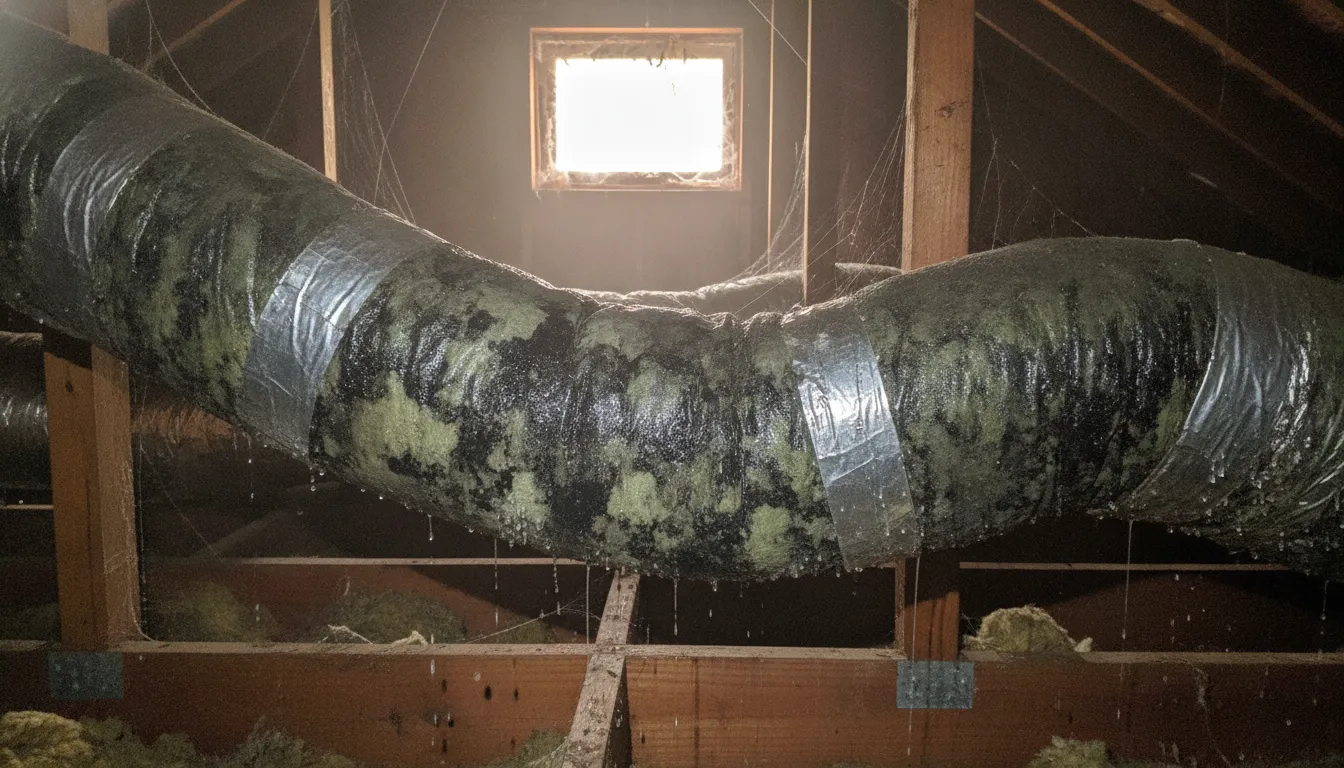
While a DIY project can be tempting, installing an HVAC air purifier is a job best left to the pros. An improper installation can do more harm than good. For example, if the unit isn't sealed perfectly within the ductwork, it can create leaks. These leaks could pull in dusty, unfiltered air from your attic or crawlspace, defeating the purpose of the purifier and potentially worsening your air quality. A professional technician ensures the unit is installed securely, wired correctly, and calibrated to work with your specific system. This guarantees both safety and effectiveness, giving you confidence in your home's indoor air quality.
What to Expect on Installation Day
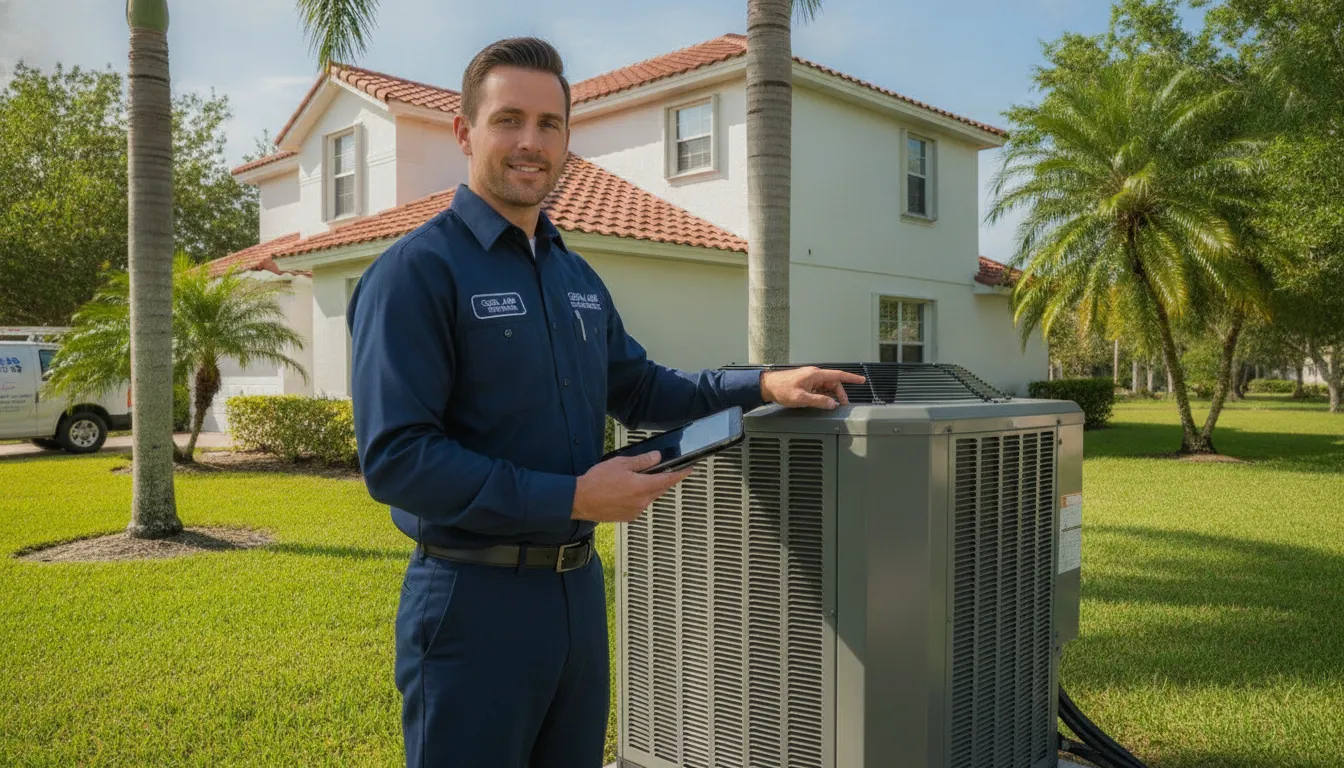
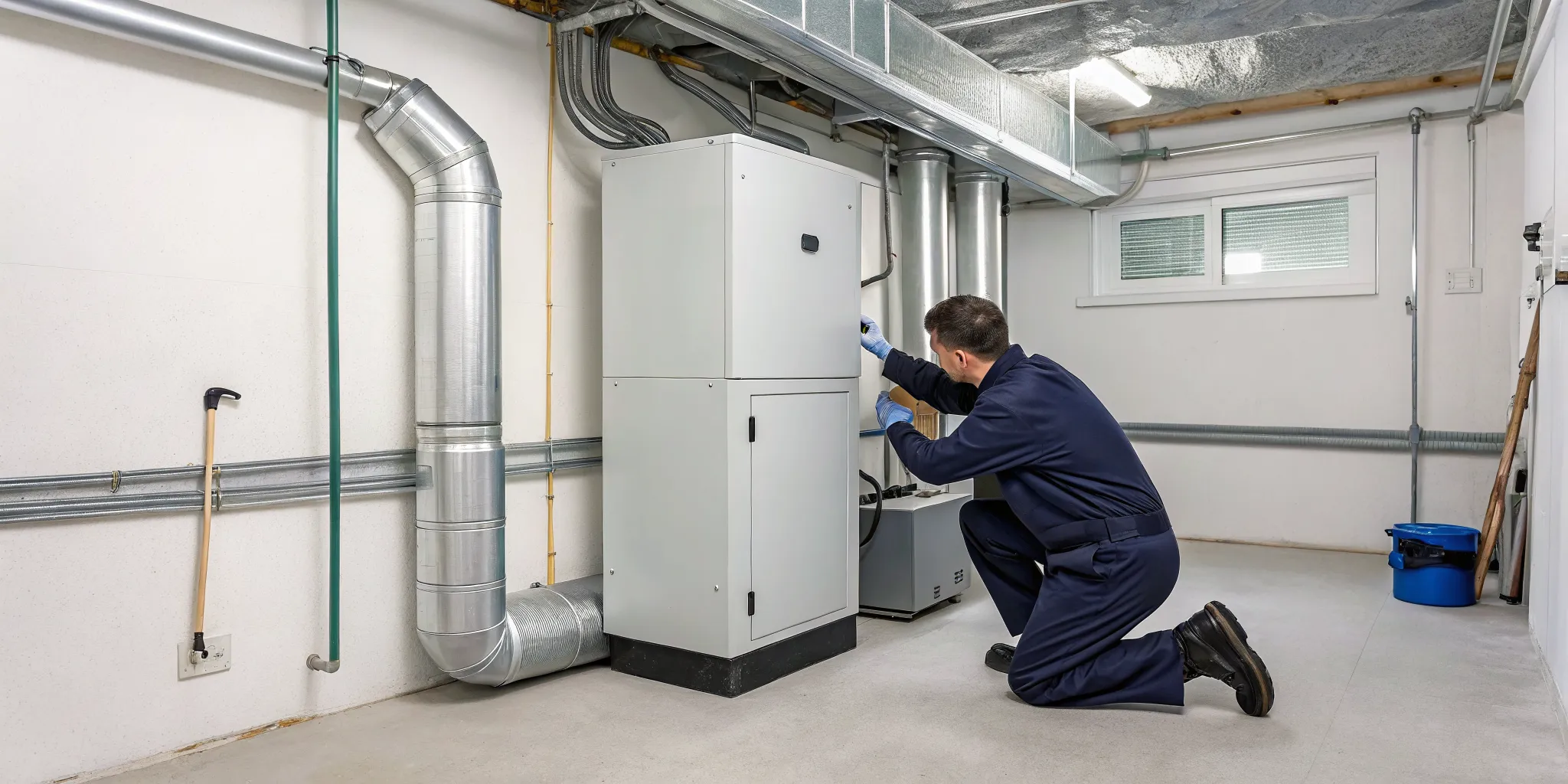
On installation day, you can expect a straightforward and organized process. Our technician will start by confirming the best location for the purifier in your ductwork. They will then carefully cut an opening, fit the purifier snugly inside, and seal it to prevent any air leaks. Next, they'll handle the electrical wiring, connecting the unit to your HVAC system's power and controls. Once everything is installed, they will run your system to test the purifier, check airflow, and make sure everything is working together perfectly. Before leaving, they’ll walk you through the new system and explain any maintenance, like how to change the filter. If you're ready to schedule your installation, you can contact us today.
How to Choose the Right HVAC Air Purifier
Picking the right HVAC air purifier can feel like a big decision, but it doesn’t have to be complicated. When you know what to look for, you can confidently choose a system that fits your home, budget, and air quality goals. It really comes down to four key factors: identifying your main concerns, understanding the technology, checking for system compatibility, and matching the unit to your home’s size. Let’s walk through each step so you can find the perfect fit for your Florida home.
Pinpoint Your Specific Air Quality Concerns
Before you start looking at models, take a moment to think about why you want an air purifier. Are you constantly battling dust and pet dander? Do seasonal allergies leave your family sneezing and congested? Maybe you’re worried about musty odors from Florida’s humidity or want to neutralize germs and bacteria. Different purifiers are designed to target different pollutants. Some excel at capturing particles like dust and pollen, while others use UV light or other technologies to handle mold, viruses, and volatile organic compounds (VOCs) from cleaning supplies or furniture. Identifying your primary concerns is the most important first step to improving your home’s indoor air quality.
Compare Filtration Technologies and Ratings
Once you know what you want to target, you can compare filtration technologies. For particle filters, the key rating to understand is MERV, or Minimum Efficiency Reporting Value. Think of it as a report card for how well a filter captures airborne particles. A low MERV rating (1-4) is very basic, while a medium rating (7-12) is great for trapping dust, pollen, and dander. High-MERV filters (13+) and HEPA filters can capture up to 99% of even the tiniest particles. However, a higher rating isn’t always better. A very dense filter can restrict airflow, putting a strain on your HVAC system. It’s about finding the right balance between filtration power and what your system can handle, which is something a professional can help determine during routine air conditioning maintenance.
Ensure It's Compatible with Your HVAC System
This step is absolutely critical. An HVAC air purifier has to work in harmony with your existing heating and cooling equipment. Not all purifiers are compatible with every system, and forcing a mismatch can lead to reduced efficiency or even damage. For example, installing a high-efficiency filter on a system not designed for it can strain the fan motor. Furthermore, if your ductwork has leaks, a powerful purifier could inadvertently pull in more dust, humidity, and contaminants from your attic or crawl spaces. That’s why we always recommend a professional evaluation to ensure your system is a good candidate and that your ducts are properly sealed and clean.
Match the Purifier to Your Home's Size
Finally, make sure the purifier you choose is rated for the size of your home. HVAC air purifiers are designed to clean a specific volume of air, usually measured in square feet. An undersized unit will struggle to keep up, leaving you with air that’s not as clean as you’d like. On the other hand, an oversized system might be more than you need. A qualified technician can assess your home’s layout and square footage to recommend a purifier with the right capacity to clean your air effectively and efficiently. This is often a simple consideration when you’re already planning a new air conditioning installation, but it can be done for any existing system.
Understanding the Costs of an HVAC Air Purifier
Let's talk about the investment. Adding a whole-home air purifier to your HVAC system is a significant upgrade for your home's health and comfort, and it's important to have a clear picture of the costs involved. The total price isn't just about the unit itself; it includes professional installation and any future maintenance needs. Prices can vary quite a bit depending on the technology you choose, from high-efficiency media filters to advanced UV light systems. Think of it less as a simple purchase and more as a long-term investment in your family's well-being and the cleanliness of your home.
The final cost depends on several factors: the type and brand of the purifier, the size of your home, and the current state of your ductwork. A straightforward installation in a newer system will naturally cost less than a complex retrofit in an older home. That's why a one-size-fits-all price tag doesn't really exist. At 5 Star Air, we believe in complete transparency, so we want to walk you through what to expect. We'll break down the initial costs, what goes into ongoing upkeep, and the flexible financing options available to help you breathe easier without the financial stress. Our goal is to help you find the perfect solution that fits both your air quality needs and your budget, ensuring you feel confident in your decision from start to finish. We always start with an in-home assessment to give you an accurate, honest quote with no hidden fees.
Breakdown of Costs by Purifier Type
When you start looking at whole-home air purifiers, you'll find that the initial investment for the unit and installation typically ranges from $1,000 to $3,000. Where your project falls in that range depends largely on the type of purifier you select. For example, a high-MERV media filter is often the most budget-friendly option and provides excellent particle filtration. On the other hand, more advanced systems like UV-C light purifiers or electronic air cleaners will be at the higher end of the price spectrum. These technologies are designed to neutralize germs and capture microscopic particles, offering a more comprehensive approach to improving your indoor air quality. The final price reflects not just the hardware but also the expertise needed for a seamless installation.
Factoring in Ongoing Maintenance and Filters
Beyond the initial installation, it’s smart to plan for the ongoing upkeep of your new air purifier. Most systems require some form of regular maintenance to keep them running effectively. For media filters and electronic air cleaners, this means replacing the filters or cleaning the collector cells periodically. The cost and frequency will depend on your specific model. For UV purifiers, the bulbs will need to be replaced every year or two to maintain their germicidal effectiveness. It's also critical that the system is installed perfectly. Any leaks in your ductwork could cause the purifier to pull in dirty air, making your air quality worse. This is why professional air conditioning maintenance and installation are so important for long-term performance.
Exploring Your Financing Options
An HVAC air purifier is a valuable addition to your home, and we understand it's also a notable expense. Before making a decision, it’s a great idea to have an expert visit your home for a consultation. This allows a technician to assess your specific HVAC setup and recommend the best solution for your needs and budget. We always suggest choosing a contractor you trust, not just the one with the lowest bid. At 5 Star Air, we provide clear, upfront pricing without any sales pressure. To make this home improvement more accessible, we also offer flexible financing plans. This allows you to enjoy the benefits of cleaner air right away while managing the cost over time in a way that works for you.
Weighing the Pros and Cons
Like any home upgrade, installing an HVAC air purifier comes with its own set of benefits and considerations. It’s a fantastic solution for many Florida homes, but it’s smart to look at the decision from all angles. Let's walk through what you can expect so you can make a confident choice.
The Upsides
The biggest advantage is easily the whole-home coverage. Instead of moving a portable unit from room to room, an HVAC purifier cleans the air throughout your entire house every time your system runs. It works quietly behind the scenes, removing tiny particles like dust, pet dander, mold spores, and even germs and chemical odors (VOCs). Because these systems are so efficient, they often require less frequent attention, with some filters only needing to be changed once or twice a year. This set-it-and-forget-it approach is perfect for busy households that want consistently better indoor air quality without the daily hassle.
The Downsides
It’s important to look at the full picture, and that includes a few potential drawbacks. The most significant is the higher upfront cost compared to a portable unit. These systems also require professional installation to ensure they work correctly with your HVAC. Another critical point is the condition of your ductwork. If you have leaky ducts, the system could pull in unfiltered air from your attic or crawlspace, which can actually worsen your air quality. That's why a professional should always inspect your ducts first. Finally, not every purifier is compatible with every HVAC system, so getting an expert opinion is a must before you buy.
Common Myths About HVAC Air Purifiers
When you start looking into HVAC air purifiers, you’ll find a lot of information, and not all of it is accurate. It can be tough to sort fact from fiction. To help you make a clear and confident decision for your home, let’s walk through some of the most common myths about these systems and get to the truth. Understanding these points will give you a much better picture of what to expect and how to find the right solution for your family’s needs.
Myth: One Purifier Can Do It All
It’s a nice thought: a single device that zaps every possible airborne issue. While a whole-home air purifier does connect to your HVAC system to clean the air in every room, no single type of purifier can eliminate every kind of contaminant. Different technologies target different problems. For example, a high-MERV media filter is fantastic for trapping dust, pollen, and pet dander. However, it won’t do much against viruses, bacteria, or odors. For those, you’d need something like a UV-C light or a PCO purifier. The key is to identify your main air quality concerns and choose a system that specifically addresses them.
Myth: Installation Is a Simple DIY Job
This is one of the most critical myths to debunk. Installing an HVAC air purifier isn’t like plugging in a portable unit. These systems have to integrate perfectly with your existing equipment. A mismatched purifier can restrict airflow, strain your HVAC system’s fan, and ultimately lead to poor performance or even damage. A professional technician needs to assess your current system and ductwork to ensure compatibility. They’ll confirm your system can handle the purifier you’ve chosen and find the right placement for it to work effectively. For a job this important, you want to rely on a licensed and insured professional to get it right.
Myth: A Higher Price Tag Guarantees Better Performance
It’s easy to assume that the most expensive option is always the best, but that’s not the case with HVAC air purifiers. A higher price doesn’t automatically mean better air quality for your specific situation. The total cost depends on the type of technology, the size of the unit, and the complexity of the installation. The "best" purifier is the one that effectively targets your home’s unique pollutants and is correctly sized for your HVAC system. An honest technician will help you find a solution that fits your needs and budget, rather than just pushing the priciest model. Many companies also offer financing options to make the investment more manageable.
Is an HVAC Air Purifier a Smart Choice for Your Florida Home?
If you live in Florida, you know our air is anything but ordinary. The high humidity, year-round pollen, and constant use of our air conditioners create a unique environment inside our homes. So, is an HVAC air purifier a smart choice here? Absolutely. Think of it as a powerful ally for your home's entire breathing space, not just a single room.
Unlike a portable unit you plug into a wall, a whole-home air purifier integrates directly with your HVAC system. This means every time your AC kicks on, it's not just cooling the air; it's actively cleaning it as it circulates through your ductwork. This continuous process is a game-changer in our climate, where mold and mildew can thrive in damp conditions. An integrated system helps capture those tiny particles, like mold spores, dust, pet dander, and even germs, before they have a chance to settle.
The benefits go beyond just cleaner surfaces. For many Florida families, reducing allergens and other airborne irritants can make a real difference in day-to-day comfort, especially for anyone with allergies or asthma. Advanced systems use technologies like UV lamps or special filters to neutralize germs and harmful chemicals, improving your home's overall indoor air quality. While it's an investment in your home's infrastructure, it's also an investment in your family's health and well-being, providing clean, fresh air throughout your entire house, all year long.
Related Articles
- Prepare Your HVAC for Florida Summer
- Benefits of Regular HVAC Maintenance
- Air Quality Services
- HVAC Tips & Insights Blog - Expert Advice from 5 Star Air
- 5 Star Air - Premier HVAC Services in Southwest Florida
Frequently Asked Questions
Will an HVAC air purifier increase my energy bill? This is a common concern, and the answer depends on the type of purifier and the condition of your system. Some high-efficiency filters can make your system work a bit harder to push air through, which could slightly raise energy use. However, other types, like UV lights, use very little electricity. A purifier also helps keep your system's internal components cleaner, which can improve efficiency and potentially offset any minor increase in energy consumption. A professional can help you choose a model that is properly matched to your system to ensure it runs as efficiently as possible.
How do I know which type of purifier is right for my family's specific issues, like allergies versus pet odors? The best way to start is by identifying your main goal. If your primary concern is reducing allergens like dust, pollen, and pet dander, a high-efficiency media filter is an excellent and effective choice. If you're more worried about neutralizing germs, mold, and viruses, a UV-C light purifier is designed for that job. For tackling stubborn odors from pets or cooking, or chemical smells from new furniture, a PCO purifier is the most advanced solution. We can help you assess your home's specific needs to find the perfect match.
Are these systems noisy? For the most part, no. Since HVAC air purifiers are installed directly inside your ductwork, they operate silently in the background. You won't hear any buzzing or humming from the unit itself. The only sound you’ll ever notice is the normal sound of air flowing through your vents when your heating or cooling system is running, which is something you're already used to. It’s a quiet, out-of-sight solution for cleaner air.
How long does the installation process usually take? A standard installation is typically a straightforward process that can be completed in just a few hours. Our technician will need access to your indoor HVAC unit to find the best placement in the ductwork. The process involves cutting into the duct, fitting the unit securely, sealing it to prevent leaks, and handling the electrical connections. We test everything thoroughly to make sure it’s running perfectly before we leave, and we’ll walk you through any maintenance needs.
Can I just use a high-MERV filter instead of a more advanced purifier? You certainly can, and using a high-MERV filter is a great step for improving air quality. These filters are fantastic at trapping particles like dust and pollen. However, they don't address everything. If you also want to neutralize germs, viruses, mold spores, or break down odors and chemical vapors, you would need a more advanced system like a UV light or a PCO purifier. It really comes down to what you want to remove from your air.