Free HVAC Preventive Maintenance Checklist Template in Excel
Everyone wants to find smart ways to save money, and one of the biggest opportunities is hiding right inside your home: your HVAC system. An inefficient or poorly maintained unit can quietly drain your bank account through high energy bills and, eventually, a shockingly expensive emergency repair. The good news is that a little proactive care goes a long way. Regular maintenance keeps your system running at peak efficiency, which means lower utility costs and a much longer lifespan for your equipment. This guide will show you how to set up a simple routine that protects your investment. You can start today with our free hvac preventive maintenance checklist template excel.
Key Takeaways
- Prioritize Prevention Over Reaction: A consistent maintenance checklist helps you catch small issues before they become big ones. This proactive approach saves you from the high costs and stress of emergency repairs while extending your system's lifespan.
- Combine DIY Efforts with Expert Help: A healthy HVAC system requires a partnership. Handle simple monthly tasks like changing filters yourself, but schedule an annual tune-up with a licensed technician for complex jobs involving electrical components and refrigerant.
- Use a Checklist to Track and Improve: An organized template is more than a to-do list—it’s a record of your system’s health. Documenting every task helps you spot recurring problems, track performance, and make smarter decisions about repairs and replacements.
What is an HVAC Preventive Maintenance Checklist?
Think of an HVAC preventive maintenance checklist as a detailed to-do list for your air conditioning and heating system. It’s a step-by-step guide that outlines all the essential tasks needed to keep your system running efficiently and reliably. Instead of waiting for a problem to pop up, this checklist helps you stay ahead of the game with routine inspections and upkeep. For homeowners in Florida, where our AC units work overtime, this is especially important.
A good checklist covers everything from the simple things, like changing air filters, to more technical checks, like inspecting electrical connections and refrigerant levels. It ensures that no detail is overlooked during a service visit. Using a checklist helps you or your technician systematically care for your equipment, which can improve its efficiency, extend its lifespan, and catch small issues before they turn into major, expensive breakdowns. It’s the foundation of a solid air conditioning maintenance plan that keeps your home cool and your energy bills in check.
Why Regular Maintenance Matters for Your Commercial HVAC
For a business, a functioning HVAC system isn't just about comfort—it's about continuity. Regular maintenance keeps your system running smoothly, which means fewer unexpected disruptions for your employees and customers. Following a preventive checklist helps improve your unit's efficiency, which translates directly to lower utility costs. It also plays a huge role in safety by ensuring all components are working correctly.
Most importantly, consistent upkeep extends the life of your equipment, protecting a significant business investment. By catching wear and tear early, you can avoid the costly downtime and emergency repairs that hurt your bottom line. Think of it as a strategic move that keeps your team organized, your assets protected, and your doors open for business. As a locally owned and operated company, we understand how critical that is.
Preventive vs. Reactive Maintenance: A Cost Breakdown
You have two main approaches to HVAC care: preventive or reactive. Reactive maintenance means waiting for your AC to break down and then calling for a fix. This often happens during the hottest days of the year, leading to uncomfortable conditions and expensive emergency service calls. It’s a stressful and costly way to manage your system.
Preventive maintenance is the opposite. It’s about fixing small problems before they become big ones, which saves a lot more money in the long run. A simple task like cleaning a clogged drain line during a routine check-up can prevent a major water leak and property damage later. By investing a little in regular service, you avoid the much larger expense and headache of emergency air conditioning services. It’s a smarter, more predictable approach to keeping your home cool.
What to Include on Your HVAC Maintenance Checklist
A great preventive maintenance checklist is your roadmap to a healthy, efficient HVAC system. It helps you stay organized and ensures no critical component is overlooked. Think of it as a regular health check-up for your air conditioner. In Florida, where our AC units work overtime, this isn't just a good idea—it's essential for keeping your home comfortable and your energy bills in check. A thorough checklist should cover everything from the simplest tasks, like changing a filter, to more technical inspections that are best left to a professional.
The goal is to catch small issues before they become big, expensive problems. Regular checks can extend the life of your system, improve your home's air quality, and give you peace of mind. While some tasks are simple enough for a homeowner to handle, a comprehensive air conditioning maintenance plan involves a trained eye. Our technicians at 5 Star Air use a detailed checklist to inspect, clean, and tune every part of your system, ensuring it runs at peak performance all year long. This systematic approach guarantees that every wire, coil, and filter gets the attention it needs.
Check and Replace Air Filters
One of the easiest and most effective maintenance tasks is checking and replacing your air filters. A clogged filter forces your HVAC system to work harder to pull in air, which wastes energy and can strain the motor. It also fails to trap dust, pollen, and other allergens, which can negatively impact your home's indoor air quality. Generally, you should replace your filters every month, especially during the heavy-use summer months here in Florida. If you have pets or family members with allergies, you might need to change them even more frequently. A clean filter is your first line of defense for an efficient system and a healthy home.
Clean and Inspect Coils
Your AC unit has two sets of coils—the evaporator coil inside and the condenser coil outside—that work together to cool your home. Over time, these coils collect dirt, dust, and debris, which insulates them and reduces their ability to transfer heat. This forces your system to run longer and harder to cool your space. It’s a good practice to have both the evaporator and condenser coils cleaned at least once a year. Keeping them clean is a simple way to maintain your system’s efficiency, lower your energy consumption, and prevent premature wear and tear on the compressor.
Check Refrigerant Levels
Refrigerant is the lifeblood of your air conditioner; it’s the substance that absorbs heat from inside your home and releases it outside. If the refrigerant level is low, it’s almost always a sign of a leak. An undercharged system can’t cool effectively and can cause serious damage to the compressor. Checking refrigerant levels is a task that requires specialized tools and training, so it’s best handled by a professional. If you notice your AC isn't cooling as well as it used to, it might be time to schedule an air conditioning repair visit to have a technician check for leaks and restore the proper refrigerant charge.
Test Electrical Components and Safety Controls
Your HVAC system contains a complex network of electrical components, including wires, capacitors, and contactors. Loose connections or failing parts can cause the entire system to shut down or operate unsafely. During a maintenance visit, a technician will test safety controls and check all electrical wires to ensure connections are tight and secure. This step is crucial for preventing unexpected breakdowns and potential electrical hazards. If you ever suspect an electrical issue, it's important to call for emergency air conditioning services right away instead of attempting a DIY fix.
Inspect Ductwork and Lubricate Parts
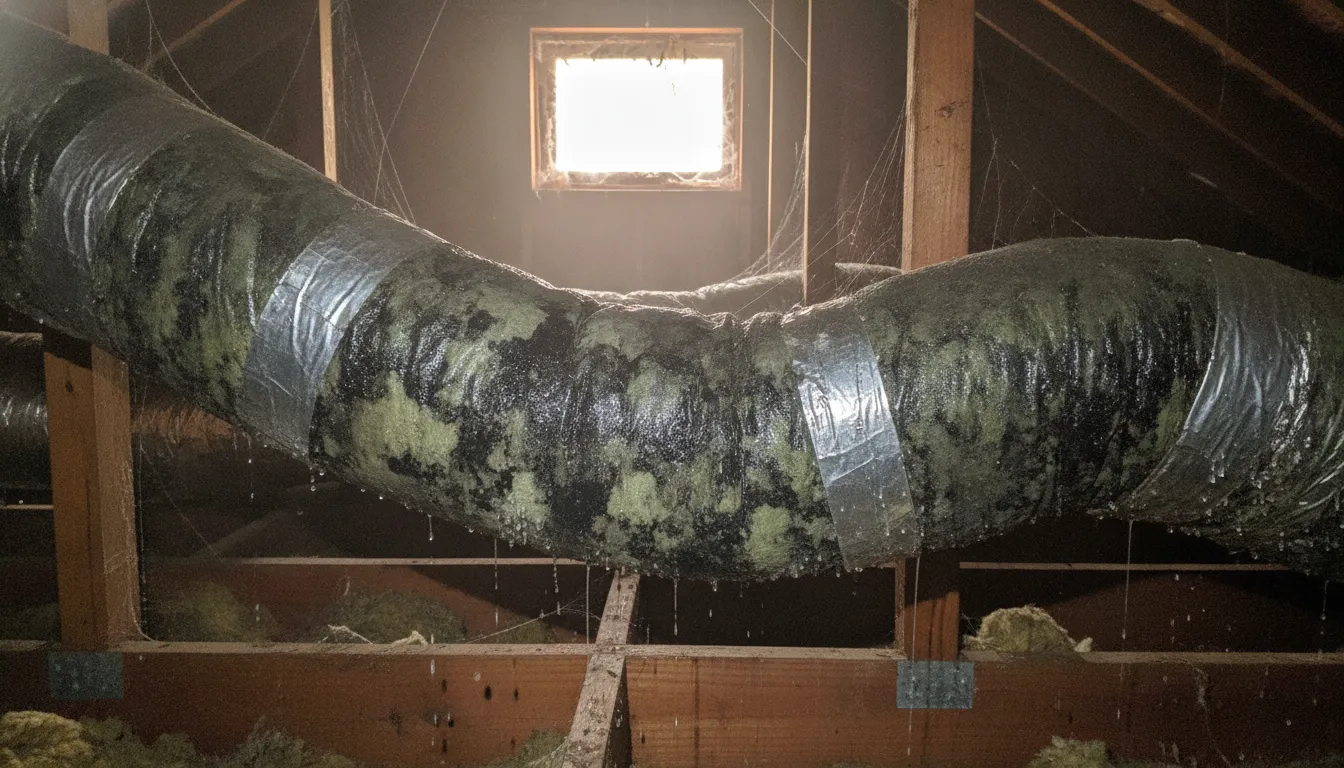
Your ductwork is the delivery system for all that cool air. Leaks, holes, or disconnected sections in your ducts can lead to significant energy loss, forcing your system to work harder to cool your home. A thorough inspection can identify these issues so they can be sealed. At the same time, it's important to lubricate all moving parts, like fan motors and bearings, to reduce friction and ensure smooth operation. Proper lubrication prevents parts from wearing out prematurely and helps keep your system running quietly and efficiently. If your ducts are old or damaged, you may need professional duct sanitization and replacement.
Why Use Excel for Your HVAC Maintenance Template?
You might be wondering if you need fancy software to keep your HVAC maintenance on track. The good news is, you probably already have the perfect tool: Microsoft Excel. It’s accessible, flexible, and powerful enough to create a comprehensive maintenance schedule that works for you. Using an Excel template is more than just organizing tasks; it’s about taking control of your system’s health, saving money, and ensuring everything runs smoothly year-round.
Customize and Automate Your Checklist
One of the best things about Excel is its flexibility. No two HVAC systems are exactly alike, and your maintenance checklist shouldn't be either. An Excel template allows you to easily change your checklist to fit your specific equipment and needs. You can add or remove tasks, adjust frequencies, and make notes relevant to your property. Plus, you can use special formatting to automatically highlight overdue tasks—making them turn red, for example—so you never miss a critical check. This level of customization helps you save time and keep your system running efficiently.
Track Tasks Visually
A long list of maintenance duties can feel overwhelming, but Excel helps you see everything at a glance. You can create columns to list every task, how often it needs to be done, the last completion date, and the next due date. This visual layout makes it simple to see what’s been done and what’s coming up. As mentioned, you can even set it up so that overdue tasks automatically change color, giving you an immediate visual cue. This clear, organized view is essential for preventing system failures and staying on top of your maintenance schedule.
Simplify Record Keeping and Analysis
Your Excel checklist is more than just a to-do list; it’s a living record of your HVAC system’s history. Every time you log a completed task, you’re building a valuable database. This data helps you spot recurring issues, track the performance of different components, and make informed decisions about future repairs or upgrades. Keeping good records is crucial for understanding what work has been done and preventing unexpected breakdowns. Over time, this information can help you refine your maintenance strategy and improve your overall process.
A Cost-Effective Tool for Your Business
Let’s be honest: specialized software can be expensive. Excel is a cost-effective solution that most homeowners and businesses already have. Using a template to manage your preventive maintenance schedule is a smart financial move. By catching small issues before they become major problems, you can avoid the high cost of emergency AC repairs and premature system replacements. Think of your Excel template as a powerful tool for protecting your investment, saving money on energy bills, and keeping your system safe and reliable for years to come.
How to Set Up Your Excel Maintenance Schedule
Once you have a template, setting it up for your specific needs is the next step. A little organization upfront will save you a ton of time and prevent major headaches down the road. Think of your Excel sheet as the command center for your HVAC system's health. By structuring it thoughtfully, you can create a dynamic schedule that not only tracks tasks but also helps you budget for the future and make smarter decisions about your equipment. Let's walk through how to build a schedule that works for you.
Organize by Equipment and Frequency
Start by listing every piece of HVAC equipment you have. For each unit, create rows for the different maintenance tasks required. Then, create columns for frequency—daily, weekly, monthly, quarterly, and annually. This structure gives you a clear, at-a-glance view of what needs to be done and when. For example, checking the air filter might be a monthly task, while a full system inspection is an annual one. Organizing your checklist this way ensures no task gets missed and helps you manage your time effectively. It’s the foundation of a solid air conditioning maintenance plan that keeps your systems running smoothly.
Add Seasonal Adjustments
Here in Florida, our air conditioners work overtime. Your maintenance schedule should reflect that. Instead of thinking in terms of a traditional spring and fall, adjust your tasks for our wet and dry seasons. Before the summer heat and humidity really kick in, schedule tasks like cleaning condenser coils and checking refrigerant levels to prepare your system for the heavy workload. As things cool down slightly in the fall, you can focus on inspecting heating components if you have them. Always build a little buffer time into your schedule for unexpected issues. This proactive approach helps prevent breakdowns when you need your AC the most and avoids the need for urgent air conditioning repair.
Create Automated Reminders
One of Excel’s best features for maintenance tracking is its ability to automate reminders. You can use conditional formatting to automatically change the color of a cell when a task is due or overdue—turning it yellow as a warning or red when it’s late, for instance. This visual cue is incredibly helpful for staying on top of your schedule without having to constantly check dates. Setting up these simple automations ensures you address small issues before they escalate into bigger, more expensive problems. It’s a simple way to make sure a forgotten task doesn’t turn into a situation requiring emergency air conditioning services.
Track Equipment Specs and Costs
Your Excel sheet should be more than just a checklist; it should be a comprehensive log for each piece of equipment. Add columns for important details like the equipment name, model number, installation date, and warranty information. Every time maintenance is performed, log the service date, the technician's name, the work completed, and any parts that were replaced. Tracking these details creates a valuable service history that helps with troubleshooting and budgeting. When it’s finally time for an upgrade, this data will make your decisions about a new air conditioning installation much more informed.
How Often Should You Perform HVAC Maintenance?
Keeping your HVAC system in top shape isn't a once-a-year task. Think of it like caring for a car; it needs regular attention to run efficiently and avoid major breakdowns, especially in the demanding Florida climate. A consistent maintenance schedule is your best defense against unexpected repair bills and uncomfortable, humid days. By breaking down tasks into daily, monthly, and annual checks, you can stay on top of your system’s health without feeling overwhelmed.
This proactive approach helps you catch small issues before they become big problems, extends the life of your unit, and keeps your energy bills in check. Some of these tasks are simple enough to handle on your own, while others are best left to a professional. A well-maintained system is an efficient system, which means more comfort for you and less strain on your wallet. Creating a simple checklist and a schedule can turn maintenance from a chore into a simple routine. Let’s walk through what you should be doing and when, so you can feel confident that your AC is ready to handle whatever the weather throws at it.
Daily and Weekly Checks
You don’t need to be an HVAC expert to perform these simple, regular check-ins. Think of these as quick wellness checks for your system. On a daily or weekly basis, take a moment to listen for any strange sounds like rattling, grinding, or squealing, which could signal a loose part or a bigger issue. Also, make sure your thermostat is working correctly and maintaining the set temperature.
A quick visual scan is also helpful. Look for any leaks around the indoor and outdoor units. Finally, do a quick walk-through of your home to ensure that furniture, curtains, or rugs aren’t blocking any air vents. Keeping them clear ensures proper airflow and helps your system cool your home evenly and efficiently. These small habits can make a huge difference.
Monthly and Quarterly Tasks
A little more hands-on attention each month can significantly improve your system's performance. The single most important monthly task is checking your air filter. A dirty filter restricts airflow, forcing your system to work harder and driving up your energy costs. It also harms your home’s indoor air quality. Simply replace it if it’s clogged with dust and debris.
On a quarterly basis, it’s a good idea to inspect the outdoor unit and clear away any leaves, dirt, or grass clippings that have accumulated around it. You can gently rinse the coils with a garden hose to remove buildup. Inside, check your drain pan and line to ensure they are clear of any blockages that could cause water damage. These steps help your system breathe easier and run more smoothly.
Annual Deep Maintenance
While your own checks are vital, nothing replaces a comprehensive annual tune-up from a licensed professional. This deep dive ensures every component of your system is clean, safe, and functioning correctly for the year ahead. During a professional air conditioning maintenance visit, a technician will perform tasks that go beyond a typical DIY checklist.
This includes checking refrigerant levels, testing electrical connections, cleaning and inspecting internal components, lubricating moving parts, and inspecting the ductwork. An expert can spot wear and tear you might miss, preventing a potential system failure during the peak of summer. Scheduling this visit in the spring, before the cooling season kicks into high gear, is the best way to ensure your system is ready for the heat.
How to Use Your Checklist Effectively
Having a great checklist is one thing, but using it effectively is what truly protects your investment. A checklist isn't just a to-do list to be rushed through; it's a systematic tool for ensuring the health and longevity of your HVAC system. When used correctly, it becomes the foundation of a maintenance program that prevents costly breakdowns, improves energy efficiency, and maintains comfortable indoor air quality. The key is to build a consistent process around the checklist itself.
This means going beyond simply ticking boxes. It involves training your team to understand the purpose behind each task, meticulously documenting their findings, and treating the checklist as a living document that evolves with your equipment. By integrating these practices, you transform a simple spreadsheet into a powerful asset management tool. A well-executed maintenance plan not only saves money on repairs but also provides peace of mind, knowing your system is in good hands. For complex systems or tasks you're unsure about, a professional air conditioning maintenance plan can ensure every detail is covered correctly.
Train Your Maintenance Team
A checklist is only as effective as the person using it. Proper training ensures your team understands that preventive maintenance is a proactive strategy designed to prevent equipment failure before it happens. Your team should know not only what to do for each item on the list but also why it’s important.
When technicians understand that a dirty filter can strain the entire system or that a low refrigerant level indicates a potential leak, they become more observant and thorough. This deeper knowledge empowers them to spot subtle signs of trouble that might otherwise go unnoticed. A well-trained team works more safely, efficiently, and can provide better feedback, turning routine checks into valuable diagnostic sessions.
Document All Findings and Actions
Consistent and detailed documentation is crucial. Every time maintenance is performed, your team should capture every detail and keep accurate records. This includes noting the date, the technician's name, the tasks completed, and any measurements taken, like temperature differentials or refrigerant pressures. It’s also important to record any issues found and the actions taken to resolve them.
This creates a comprehensive service history for each piece of equipment. Over time, this log becomes an invaluable resource for identifying recurring problems, tracking performance trends, and making informed decisions about future air conditioning repairs. Good records help you budget for replacements and provide clear evidence of regular upkeep, which can be important for warranty claims.
Review and Update Your Template Regularly
Your HVAC system isn't static, and neither should your maintenance checklist be. It’s essential to review your checklists at least annually to keep them relevant. Your maintenance needs can change for several reasons: you might install new equipment, the original manufacturer might update their service recommendations, or you might notice a recurring issue that needs a dedicated spot on the checklist.
Treat your template as a living document. After a new air conditioning installation, for example, you'll need to create or update your checklist to match that specific model's requirements. Regularly refining your checklist ensures your team is always working with the most accurate and effective tool, keeping your maintenance program sharp and your equipment running smoothly.
Where to Find a Great HVAC Maintenance Template
Starting a preventive maintenance routine for your HVAC system can feel like a big project, but the right template can make all the difference. Think of it as your roadmap to keeping your system running smoothly and efficiently. A great checklist ensures you cover all your bases, from simple filter changes to more detailed inspections, without having to reinvent the wheel every time. It helps you stay organized, track your progress, and build a complete service history for your equipment.
The good news is you don't have to start from scratch. There are excellent, ready-to-use templates available that you can adapt for your home or business. And if you have a unique system or specific needs, creating your own is easier than you might think. The key is to find or build a template that is comprehensive, easy to follow, and fits your maintenance schedule. A solid plan is the first step toward a more reliable and long-lasting HVAC system, and a great template is the foundation of that plan. It’s an essential tool for any property owner serious about proper air conditioning maintenance.
Download Our Free Excel Template
To help you get started, we’ve put together a free HVAC Preventive Maintenance Checklist Template in Excel. We designed it to be straightforward and easy to use, whether you’re a seasoned facility manager or a homeowner just getting into DIY maintenance. This template helps you capture every important detail in one place, so you can maintain accurate records and ensure no task is overlooked. Using a standardized checklist not only simplifies your maintenance routine but also helps you track the health of your system over time, making it easier to spot potential issues before they become costly problems.
What Makes a Template Reliable?
A reliable template is more than just a list of tasks; it’s a structured tool that brings consistency and accountability to your maintenance efforts. Look for a checklist that is comprehensive, covering all the critical components of your system, from filters and coils to electrical connections and safety controls. A truly effective preventive maintenance checklist is standardized, meaning every inspection follows the same thorough process. This consistency is what helps reduce equipment downtime, improve safety, and ultimately extend the life of your HVAC unit. It turns routine checks into a systematic process that keeps your team organized and your equipment in top shape.
How to Create Your Own Template
If you prefer a more personalized approach, you can easily create your own template. Start by making a complete list of all the components in your specific HVAC system. Group tasks by frequency—daily, weekly, monthly, quarterly, and annually—to build a logical schedule. For each task, include columns for the completion date, notes on the equipment’s condition, and the initials of the person who performed the work. This creates a detailed service log. Building your own checklist ensures it’s perfectly tailored to your equipment and maintenance goals, guaranteeing that no critical step is ever missed.
How to Measure Your Maintenance Program's Success
A great preventive maintenance plan does more than just keep your system running; it delivers tangible results you can see and measure. But how do you know if your checklist and schedule are truly paying off? It comes down to tracking a few key metrics over time. When you see improvements in your equipment's lifespan, a drop in your energy bills, and fewer surprise repair costs, you know your maintenance strategy is working. It’s about turning routine tasks into real-world value for your home or business.
Track Equipment Longevity and Efficiency
One of the biggest wins of a solid maintenance program is getting more years out of your HVAC system. Regular tune-ups help you find small issues before they become big, expensive problems, which is crucial for extending the life of your equipment. A well-maintained system simply doesn't have to work as hard. When components are clean and lubricated, the unit runs more smoothly and uses less power to cool your space. Think of it this way: consistent care helps your system perform at its best for longer, delaying the need for a costly replacement. A professional air conditioning maintenance plan is the key to achieving this long-term efficiency.
Calculate Savings on Energy and Repairs
Your wallet is often the best indicator of a successful maintenance program. Start by looking at your monthly energy bills. Clean HVAC systems can help cut energy costs, sometimes by a significant margin. When you take steps like sealing and insulating ductwork, you can improve your system's efficiency even more. Beyond your utility bills, consider what you’re not spending on repairs. Preventive maintenance saves a lot more money than waiting for a major breakdown. By catching worn-out parts or potential leaks early, you can avoid the stress and expense of an unexpected system failure and an emergency air conditioning repair call.
When to Call an HVAC Professional
While a good maintenance checklist empowers you to handle many routine tasks, it's just as important to know when to put down the tools and pick up the phone. Some jobs carry risks to your safety and your system's health, and that's where a professional comes in. Recognizing the line between a simple DIY task and a complex repair is key to keeping your HVAC system running smoothly and safely for years to come.
Know Which Tasks Require a Licensed Technician
Let's be clear: some HVAC tasks are strictly for the pros. Anything involving electrical components, for instance, requires a licensed technician who understands the safety protocols, like properly managing electrical panels. The same goes for handling refrigerants, which are regulated substances that can be harmful if mishandled. Deep system diagnostics, major part replacements, and comprehensive air conditioning repair also fall into this category. A trained professional has the specialized tools and expertise to do the job correctly and safely, protecting both you and your expensive equipment. Don't risk turning a small issue into a major hazard; for these jobs, always call for expert help.
Balance DIY and Professional Maintenance
Think of HVAC care as a partnership. Your role is to handle the simple, regular tasks from your checklist, like changing air filters and keeping the outdoor unit clear of debris. These actions are fantastic for catching small issues before they escalate. The professional's role is to perform the annual deep dive. With a professional air conditioning maintenance plan, a technician will follow a detailed checklist to inspect, clean, and tune up the entire system. This combination of your consistent efforts and an expert's annual check-up ensures nothing gets missed. It’s the smartest way to extend your system's lifespan, maintain efficiency, and prevent costly emergency calls down the road.
Frequently Asked Questions
How often should I have my AC professionally serviced in Florida? Because our air conditioners in Florida run almost constantly, it’s best to have a professional tune-up once a year. The ideal time is in the spring, right before the intense summer heat and humidity arrive. This ensures your system is clean, efficient, and ready for its busiest season, which helps prevent a breakdown when you need it most.
My air conditioner is brand new. Do I still need to worry about maintenance? Yes, absolutely. Think of it like a new car—it still needs regular oil changes to keep the engine in good shape. Regular maintenance from the start keeps your new system running at peak efficiency, which saves you money on energy bills. More importantly, most manufacturers require proof of annual maintenance to keep your warranty valid.
What's the most important maintenance task I can do myself? Without a doubt, the most critical and simplest task you can do is to check and change your air filter regularly. A clogged filter makes your entire system work harder, which wastes energy and can lead to expensive damage. In Florida, you should check it every month and replace it whenever it looks dirty.
What are some signs that my AC needs maintenance right away? You should pay attention to any changes in your system's performance. If you notice it's not cooling as well as it used to, making strange noises like grinding or squealing, or if you see a sudden spike in your energy bill, it's time to schedule a check-up. Another red flag is water pooling around your indoor unit, which could signal a clogged drain line.
Is a professional maintenance plan really worth the cost? A maintenance plan is an investment in your home's comfort and your system's longevity. The small annual cost is far less than what you'd pay for a major repair or an emergency service call on the hottest day of the year. Regular tune-ups catch small problems before they become big ones, improve energy efficiency, and can add years to the life of your equipment.