5 Factors in an HVAC Replacement Cost Estimate
In Southwest Florida, our air conditioners aren't just a luxury—they're essential. They work tirelessly year-round to battle our intense heat and humidity. This constant demand means that when it’s time for a replacement, you need a system built to handle our specific climate. But what does that kind of robust system cost? The price is shaped by factors like energy efficiency ratings and the need for superior dehumidification. This article will explain how our local environment impacts pricing and what you should look for in a reliable hvac replacement cost estimate that’s tailored for a Florida home.
Key Takeaways
- Focus on Long-Term Value, Not Just the Initial Price: A cheaper, less efficient AC unit will cost you more over time through higher energy bills. Investing in a high-SEER system, especially in Florida, often pays for itself through significant monthly savings.
- Your Contractor Choice is as Critical as the AC Brand: A flawless installation is the key to your system's performance and lifespan. Always choose a licensed and insured contractor who provides detailed, written quotes and has a strong history of positive customer reviews.
- Ensure Your New System is Sized Correctly: The most common mistake is installing a system that's too big or too small, leading to wasted energy and poor comfort. Insist on a professional load calculation to guarantee the unit is perfectly matched to your home.
What Determines the Cost of a New HVAC System?
When you start shopping for a new air conditioner, you’ll quickly find there’s no simple price tag. The final cost of an AC installation depends on a unique set of factors specific to your home and needs. Understanding these variables will help you make sense of any quote you receive and feel confident in your investment. From the size of your house to the condition of your existing ductwork, here are the five main elements that shape the price of a new HVAC system.
Your Home's Size and Layout
The square footage of your home is one of the biggest factors in determining cost. A larger home requires a more powerful air conditioning unit to cool it effectively, and more powerful units come with a higher price tag. It’s not just about size, though. The layout, ceiling height, and number of windows also play a role in how much cooling power you need. A professional technician will perform a detailed load calculation—not just a "rule of thumb" estimate—to find the perfectly sized system for your space. This ensures you aren't overpaying for a unit that's too big or getting a system that can't keep up.
The Type and Efficiency of the System
HVAC systems aren't all the same. Options like central air conditioners, heat pumps, and ductless mini-splits each have different upfront costs. Beyond the type, the system's energy efficiency rating, known as the SEER (Seasonal Energy Efficiency Ratio), is a major cost driver. Units with higher SEER ratings are more expensive initially but can lead to significant savings on your monthly energy bills. For a typical 2,000-square-foot home, a new system can range from $10,000 to $20,000, with efficiency being a key variable in that spectrum. We can help you find the right balance between upfront cost and long-term savings.
Your Existing Ductwork's Condition
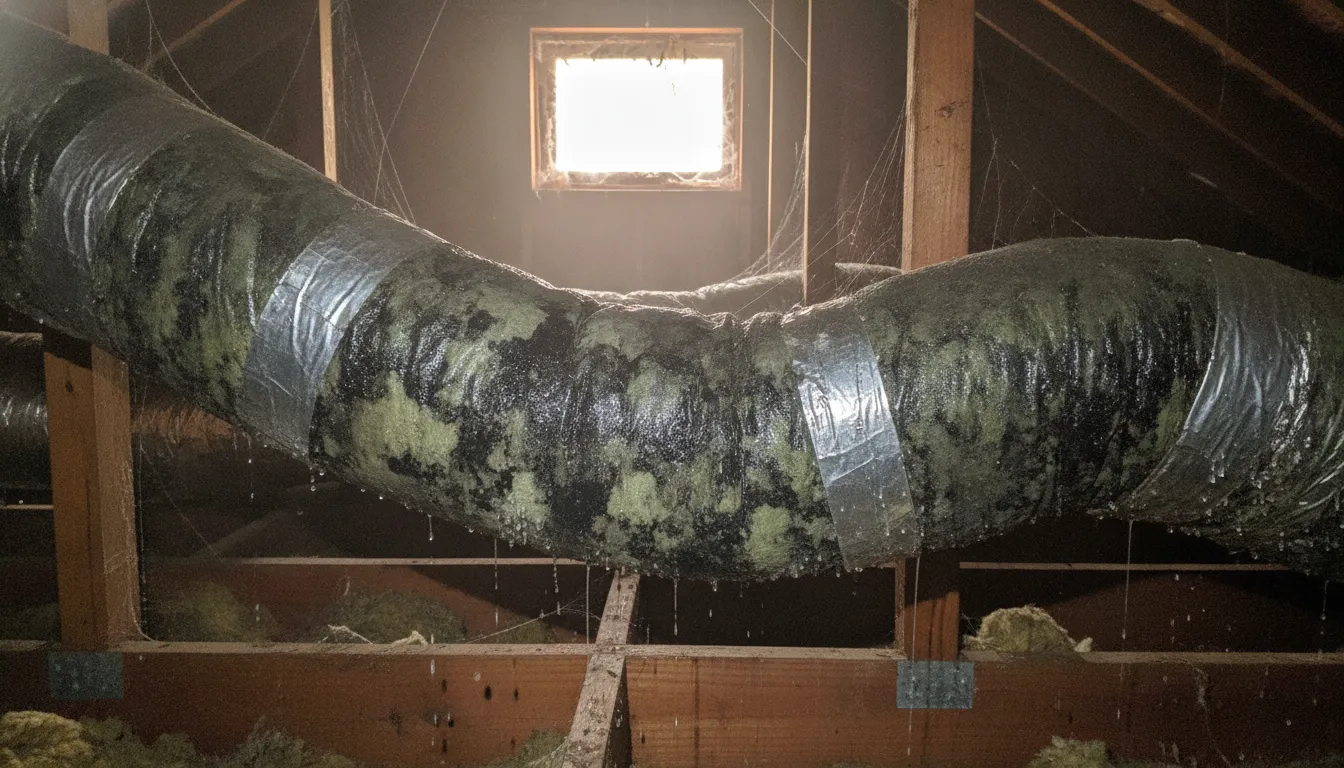
Your air ducts are the veins of your HVAC system, carrying cool air to every room. If your existing ductwork is old, leaky, or improperly sized, it can’t do its job efficiently. A reputable contractor will always inspect your ducts before installing a new unit. Ignoring underlying issues like leaks or poor airflow means even the best new system will underperform and struggle to cool your home. Necessary repairs, sealing, or even a full duct replacement can add to the overall project cost, but it’s a crucial step for efficiency and comfort.
Local Labor Rates and Required Permits
The cost of labor is a significant part of your total investment and can vary based on your location and the complexity of the installation. A straightforward replacement will cost less in labor than a job that requires extensive modifications or electrical work. Additionally, most cities and counties in Florida require permits for HVAC installations. This ensures the work is done to code, protecting your safety and your home's value. While it adds a small cost, pulling the right permits is the mark of a professional, licensed contractor who does things the right way.
The Demands of Our Florida Climate
Living in Southwest Florida means your air conditioner works hard nearly year-round. Our intense heat and humidity demand a system that’s not only powerful but also excellent at dehumidifying your home. A unit that’s right for a cooler, drier climate simply won't cut it here. This often means investing in a more robust, higher-efficiency system built to withstand our demanding environment. Choosing the right equipment for our climate is essential for maintaining comfortable and healthy indoor air quality and preventing issues like mold and mildew growth.
How Much Does a New HVAC System Cost?
Alright, let's talk numbers. The cost of a new HVAC system is one of the biggest questions homeowners have, and for good reason—it’s a significant investment in your home's comfort and value. While the final price tag depends on factors like your home's size, the system's efficiency rating, and the condition of your ductwork, having a general idea of the cost can help you plan.
Think of these numbers as a starting point. The price ranges cover the equipment and professional installation, but every home is unique. The best way to get a precise figure is with a detailed, in-home estimate. Below, we’ll break down the typical costs for the most common types of systems you'll find here in Florida, so you can see where your project might land. Getting a new air conditioning installation is a big decision, and we want you to feel confident and informed every step of the way.
Central Air Conditioners ($8,000-$15,000)
This is the system most of us are familiar with in Southwest Florida. A central air conditioner cools your entire home by distributing air through a network of ducts. The cost, typically between $8,000 and $15,000, is influenced by the unit's size (measured in tons), its energy efficiency (SEER rating), and the complexity of the installation. For most homes, this is the go-to solution for reliable, whole-house cooling. A properly sized and installed central AC unit is essential for beating the Florida heat efficiently.
Heat Pumps ($9,000-$20,000)
A heat pump is a fantastic all-in-one solution that provides both cooling and heating. It works like a standard air conditioner in the summer, but in the cooler months, it can reverse the process to warm your home. This versatility makes them incredibly efficient, especially for our mild winters. The upfront cost of $9,000 to $20,000 is slightly higher than a traditional AC, but the year-round energy savings can make it a smart long-term investment. They are a popular choice for homeowners looking for a single system to handle all their comfort needs.
Ductless Mini-Splits ($7,000-$10,000)
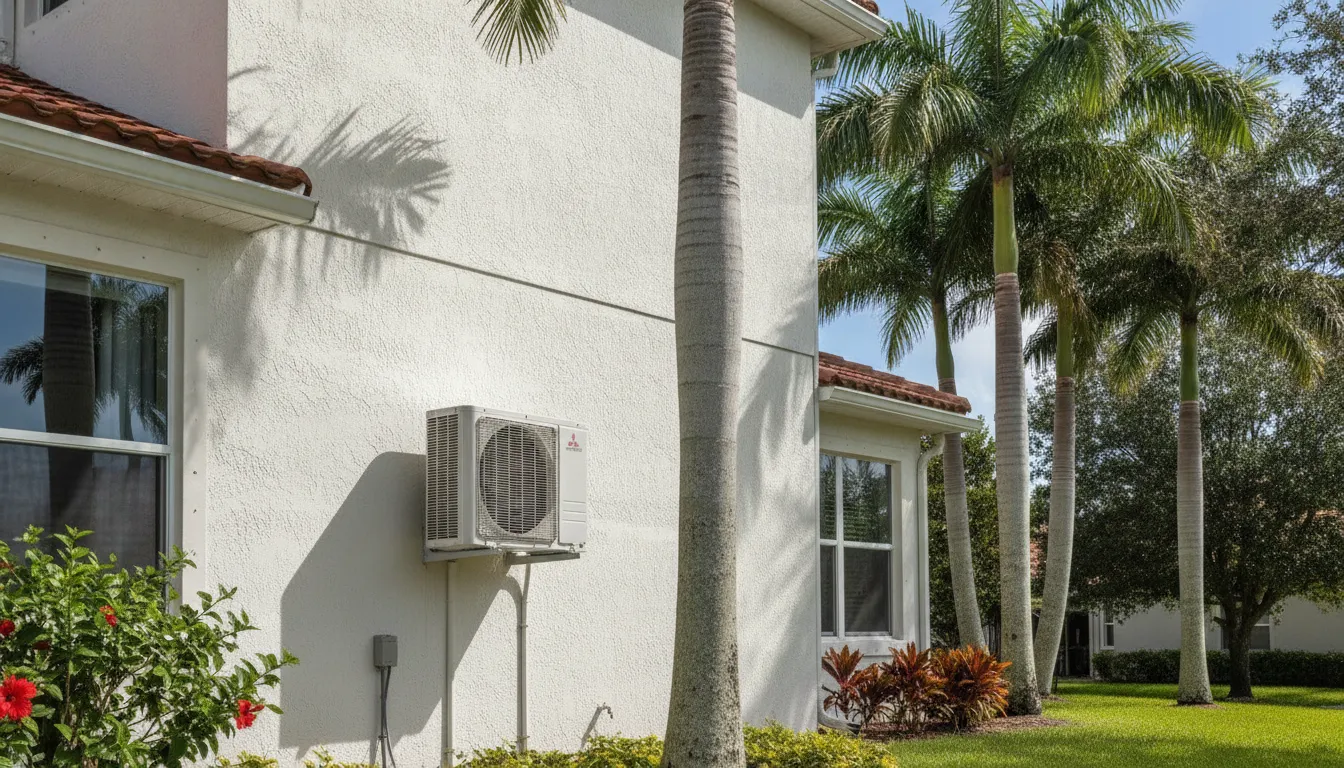
If you have a home without existing ductwork, or if you want to cool a specific area like a new addition, a garage, or a sunroom, a ductless mini-split is an excellent option. These systems use an outdoor unit connected to one or more indoor units mounted on the wall or ceiling. This setup allows for zoned cooling, meaning you only cool the rooms you're using. Ranging from $7,000 to $10,000, they offer great flexibility and can significantly improve your home's indoor air quality by providing filtered air directly where you need it.
Gas Furnaces ($7,000-$9,000)
While central air conditioners handle the cooling, some homes use a gas furnace for heat. In Florida, it's more common to see these as part of a "split system," where the furnace is paired with an AC unit. The furnace itself typically costs between $7,000 and $9,000. If you're replacing your entire system, this cost would be in addition to the air conditioner. While many Floridians rely on the heating function of a heat pump, a gas furnace provides powerful, consistent heat for those who prefer it.
Geothermal Systems ($20,000-$100,000)
Geothermal systems are the top-tier choice for energy efficiency. They use the stable temperature of the earth to heat and cool your home, making them incredibly effective and sustainable. The initial investment is substantial, ranging from $20,000 to over $100,000, due to the need for underground pipe installation. However, the long-term payoff is huge, with some of the lowest energy bills possible and a system lifespan that far exceeds traditional HVAC units. It's a major commitment, but for those focused on ultimate efficiency and environmental impact, it's unmatched.
Which HVAC Brands Are the Most Reliable?
When you’re investing in a new HVAC system, you want to know it’s going to last, especially with the demands of the Florida climate. Choosing a reputable brand is a great starting point for ensuring you get a quality piece of equipment. But remember, even the best system on the market will fail if it’s not installed correctly. The quality of the air conditioning installation is just as critical as the brand name on the unit itself.
That’s why we focus on both: recommending top-tier brands and backing them up with expert, meticulous installation. We’ve spent years in the field, and we’ve seen which brands hold up best against our heat and humidity.
The Brands We Trust and Install
After countless installations and service calls, we’ve learned which manufacturers consistently deliver on their promises of performance and durability. We only install systems that we’d be confident putting in our own homes. While we can service any make or model, we often recommend brands like Carrier, Trane, Lennox, and Daikin because they have a proven track record of reliability. These companies are known for their quality engineering, strong warranties, and commitment to innovation, giving you peace of mind for years to come.
Carrier: Innovative and Dependable
Carrier has been a household name in air conditioning for over a century, and for good reason. They are true innovators in the industry, constantly pushing for better efficiency and performance. Carrier offers a wide variety of air conditioners, heat pumps, and furnaces, which means there’s a dependable option for almost any home and budget. Their systems are known for their quiet operation and consistent cooling, making them a trusted choice for homeowners who want a blend of comfort and reliability.
Trane: Built to Last
You’ve probably heard the saying, "It's hard to stop a Trane," and in our experience, it’s true. Trane systems are engineered to be incredibly durable and are rigorously tested to withstand the harshest conditions. This makes them a fantastic option for Southwest Florida, where your AC unit works overtime day in and day out. If you’re looking for a workhorse system that provides consistent, powerful performance year after year, Trane is one of the most dependable brands you can choose.
Lennox: A Leader in Energy Efficiency
If lowering your monthly energy bills is a top priority, Lennox is a brand you’ll want to consider. They are widely recognized for producing some of the most energy-efficient systems available, with some models boasting incredibly high SEER ratings. Lennox often incorporates advanced technology, like precise temperature control and smart thermostat compatibility, into their units. This focus on efficiency doesn’t just help you save money; it also provides superior home comfort by maintaining more consistent temperatures throughout your space.
Daikin: Smart and Seamless Integration
Daikin is a global leader in HVAC and is particularly well-known for its ductless mini-split systems, which are a great solution for cooling specific rooms or home additions. They also produce excellent central air systems and heat pumps that are built for quiet, efficient operation. Daikin is at the forefront of smart home technology, offering systems that integrate seamlessly with your other devices. For homeowners looking for smart compatibility and cutting-edge features, Daikin is an excellent choice.
How Does Energy Efficiency Impact Your Cost?
When you're looking at the price tag for a new HVAC system, it’s easy to focus on the upfront cost. But the most important number is the total cost of ownership over the life of the unit. A more energy-efficient system might require a larger initial investment, but it can lead to significant savings on your monthly utility bills. In a place like Southwest Florida where air conditioners work overtime, those savings add up fast, making efficiency one of the smartest investments you can make in your home.
What SEER Ratings Mean for Your Wallet
Think of a SEER rating as the miles-per-gallon for your air conditioner. SEER stands for Seasonal Energy Efficiency Ratio, and it’s a simple measure of how much cooling a system produces for each unit of electricity it uses. The higher the SEER rating, the more efficient the unit is. While a system with a higher SEER rating typically has a higher purchase price, it will cost you less to operate each month. Over the years, a high-efficiency unit can pay for itself through lower energy bills. The U.S. Department of Energy sets minimum SEER standards, but choosing a unit that exceeds those minimums is a great way to manage your long-term home expenses.
The Value of an ENERGY STAR System
If you’re looking for a straightforward way to identify an efficient HVAC system, look for the ENERGY STAR label. This is a certification from the U.S. Environmental Protection Agency (EPA) given to products that meet strict energy efficiency guidelines. Choosing an ENERGY STAR certified system is a guarantee that you’re getting a unit designed to perform efficiently and lower your utility costs without sacrificing comfort. These systems are better for your wallet and the environment, making them a responsible choice for any homeowner. We can help you find the right ENERGY STAR model that fits your home’s specific needs and your budget.
Comparing High-Efficiency and Standard Models
The main difference between high-efficiency and standard-efficiency models comes down to paying now or paying later. A standard model has a lower upfront cost, but its higher energy consumption means you’ll pay more on your utility bills every month. A high-efficiency model costs more to purchase but saves you money over time with lower operating costs. For many Florida homeowners, the energy savings are substantial enough to offset the higher initial price within just a few years. We can help you weigh the options and even explore flexible financing to make a high-efficiency system more accessible from day one.
The Benefits of Variable-Speed Technology
Variable-speed technology is a game-changer for home comfort and efficiency. Unlike traditional single-stage systems that are either all on or all off, variable-speed units can run at different speeds, much like cruise control in a car. This allows the system to make small, continuous adjustments to maintain a consistent temperature. The biggest benefit for us in Florida is superior humidity control. By running for longer periods at a lower speed, these systems are incredibly effective at removing moisture from the air, making your home feel cooler and more comfortable. This advanced technology is a key feature in the modern, high-performance air conditioning systems we install.
Are There Other Costs to Consider?
When you get a quote for a new HVAC system, the price of the unit itself is just the starting point. Several other factors contribute to the final cost, and it’s smart to know what they are so you can budget accurately and avoid any surprises. Think of it like buying a car—the sticker price is one thing, but taxes, fees, and optional features add to the total. A transparent quote from a trusted contractor will break down these additional expenses for you.
From the hands-on work of the installation team to local permits and potential upgrades for your home's existing infrastructure, these elements are essential for a safe and effective HVAC replacement. Understanding them helps you see the full scope of the project and appreciate the value that goes into a professional installation. Let's walk through the most common additional costs you might see on your estimate.
Installation and Labor
A new HVAC system is a complex piece of machinery that needs to be installed correctly to work efficiently and safely. The cost of labor covers the expertise of the certified technicians who handle the entire process. This isn't just about carrying a heavy unit into place; it involves intricate electrical wiring, handling refrigerants, and connecting ventilation. Professional air conditioning installation ensures your system runs at peak performance from day one and that your warranty remains valid. It’s a critical investment in the longevity and reliability of your new equipment.
Electrical Work and Permits
Your home's electrical system might need a few adjustments to support a modern, high-efficiency HVAC unit. This could involve upgrading a circuit breaker or running new wiring to handle the electrical load safely. Additionally, most cities and counties in Florida require a permit for HVAC installation. This ensures the work is done to local building codes, which is a crucial safety measure for your family. A reputable contractor will manage the entire permitting process for you, making sure every part of the job is compliant and properly documented.
Ductwork Repair or Replacement ($2,100-$4,000)
Your ductwork is the circulatory system for your home's air. If it's old, leaky, or improperly sized, your brand-new HVAC unit won't be able to perform efficiently. You'll lose cooled air into your attic or walls, driving up energy bills. A thorough inspection might reveal that your ducts need to be sealed, repaired, or even fully replaced. While adding new ductwork can cost between $2,100 and $4,000 for a typical home, it’s a worthwhile investment that maximizes your system’s efficiency. Proper duct sanitization and replacement also greatly improves your home's air quality.
Removing Your Old System
Before the new system can go in, the old one has to come out. This isn't as simple as just hauling it to the curb. The process involves safely disconnecting the unit, draining environmentally sensitive refrigerants, and breaking it down for proper disposal and recycling. Labor costs typically include the careful removal of all old materials and equipment from your property. This service ensures that your old system is handled responsibly and in accordance with all environmental regulations, leaving your space clean and ready for the new installation.
New Thermostats and Accessories
Upgrading your HVAC system is the perfect time to install a new thermostat. A programmable or smart thermostat can help you save money on energy bills by automatically adjusting the temperature based on your schedule. Beyond the thermostat, you might also consider accessories that improve your home’s comfort and health. This is a great opportunity to explore indoor air quality solutions like whole-home dehumidifiers, UV air purifiers, or advanced filtration systems. These add-ons can make a huge difference in managing Florida’s humidity and reducing allergens in your home.
How Can You Save Money on Your New HVAC?
A new HVAC system is a significant investment in your home’s comfort, but the price tag doesn’t have to be intimidating. With a little planning, you can find several ways to lower the upfront cost and make your new system more affordable. From manufacturer deals to government incentives, there are plenty of opportunities to save. Here are a few of the best strategies to keep in mind as you budget for your AC replacement.
Look for Manufacturer Rebates
HVAC manufacturers frequently offer rebates on their products, especially for new, energy-efficient models. Think of it as a thank-you gift for choosing a system that saves energy. These rebates can cut hundreds of dollars off the purchase price, making a higher-end unit much more accessible. We stay current on all the latest offers from top brands like Carrier and Trane, and we always help our customers find and apply for any rebates they qualify for. It’s an easy way to get a better system without stretching your budget.
Check for Local Utility Company Programs
Your local utility provider wants you to use less energy, and they’re often willing to pay you for it. Companies like Florida Power & Light (FPL) have programs that give homeowners rebates and incentives for installing high-efficiency air conditioners. These programs can significantly reduce your initial air conditioning installation cost. The requirements can change, so it’s a good idea to check their websites or ask us about current offers. We can help you identify which systems meet the criteria for local rebates, ensuring you don’t leave any money on the table.
Explore Flexible Financing Options
Instead of paying for your new system all at once, financing allows you to spread the cost over time with manageable monthly payments. This can make an unexpected replacement much less stressful on your finances and might even allow you to invest in a more efficient system than you thought you could afford. We partner with trusted lenders to offer straightforward and transparent financing options to our customers. Our goal is to find a plan that fits your budget so you can get the comfort you need right away.
Take Advantage of Energy Tax Credits
The federal government rewards homeowners for making energy-efficient upgrades. By choosing a qualifying high-efficiency HVAC system, you may be eligible for federal tax credits that directly reduce the amount of income tax you owe. This isn’t a simple deduction—it’s a dollar-for-dollar credit that can save you a substantial amount of money. The specific systems that qualify can change from year to year, so we can help you select a unit that meets the latest government standards for energy efficiency and ensures you can claim this valuable credit.
How to Choose the Right HVAC Contractor in Southwest Florida
Choosing the right HVAC contractor is just as important as selecting the right system for your home. A great installation from a trustworthy team ensures your new unit runs efficiently for years, while a poor one can lead to endless problems and higher energy bills. Think of it as finding a long-term partner for your home's comfort. A great contractor will guide you through the entire HVAC replacement process, from selecting the right size unit to explaining your financing options. Here are the key steps to finding a reliable pro in Southwest Florida who will get the job done right.
Verify Their License and Insurance
Before you even schedule a quote, make sure any contractor you’re considering is properly licensed and insured. This is non-negotiable. A license proves they meet Florida’s standards for safety and competence, while insurance protects you from any liability if an accident happens on your property. You can easily verify a contractor's license online. At 5 Star Air, we are proud to be a fully licensed and insured company, giving our customers complete peace of mind. Don’t be afraid to ask for proof—any reputable company will be happy to provide it. This simple step weeds out unqualified individuals and protects your biggest investment: your home.
Get a Few Detailed Quotes
It’s wise to get at least three estimates from different local HVAC companies. This isn’t about finding the rock-bottom price; it’s about understanding the value of what’s being offered. A legitimate quote should be a detailed, written document, not just a number. It should clearly break down the cost of the equipment, labor, materials, and any necessary permits. Comparing these detailed proposals helps you see exactly what you’re paying for and spot any red flags. It also gives you a chance to meet the team, ask questions, and see if their approach fits your needs and budget.
Read Reviews and Ask for References
A company’s reputation is one of the best indicators of the service you’ll receive. Spend some time reading online reviews on sites like Google to see what past customers have to say. Look for patterns in the feedback related to professionalism, timeliness, and the quality of the installation. Don’t hesitate to ask a potential contractor for references from recent jobs in your area. Hearing directly from other homeowners can provide invaluable insight. We stand by our work and are always happy to share testimonials from our satisfied customers across Southwest Florida.
Look for Professional Certifications
Certifications are a clear sign that a contractor is committed to their craft. Look for companies whose technicians hold credentials from respected organizations like NATE (North American Technician Excellence). This indicates they have passed rigorous testing and are up-to-date on the latest technology and best practices. Additionally, top-tier contractors are often factory-authorized dealers for leading brands like Carrier or Trane. This means they have received specialized training to install and service that specific equipment, ensuring your system is set up for optimal performance and longevity from day one.
What Common Mistakes Should You Avoid?
Investing in a new HVAC system is a big decision, and a few common missteps can lead to years of high energy bills, poor comfort, and even premature system failure. Knowing what to watch out for can make all the difference between a smart investment and a costly headache. When you’re getting quotes, make sure your contractor helps you steer clear of these all-too-common mistakes. A great installation starts with a great plan, and that means avoiding shortcuts that compromise your home's comfort and your system's longevity.
Getting the Wrong Size System
It might seem logical to just replace your old unit with one of the same size, but this is one of the biggest mistakes you can make. An HVAC system that’s too large will constantly turn on and off, a process called short-cycling. This not only wastes energy but also fails to properly dehumidify your home—a critical job here in Florida. On the other hand, a unit that’s too small will run constantly without ever reaching the set temperature, leading to high bills and excessive wear and tear. The right size isn't a guess; it's a calculation based on your home's specific needs.
Overlooking Ductwork Problems
Your ductwork is the delivery system for all that cool air. If it's old, leaky, or improperly sized, even the most efficient new air conditioner won't perform well. Leaky ducts can lose up to 30% of your conditioned air into the attic or crawlspace, forcing your system to work harder to cool your home. Before you install a new unit, it’s essential to have a professional inspect your ducts. A proper air conditioning installation should always include a thorough evaluation of your existing ductwork to ensure it can support the new system effectively.
Skipping a Professional Load Calculation
So, how do you find the "right size" for your system? The answer is a professional load calculation, often called a Manual J calculation. This isn't a quick estimate based on square footage alone. It’s a detailed analysis that considers your home’s insulation, window efficiency, ceiling height, layout, and even its orientation to the sun. Any contractor who tries to size a system without performing this calculation is taking a shortcut. Insisting on a proper load calculation ensures your new system is perfectly tailored to your home for optimal performance and efficiency.
Focusing Only on the Initial Price Tag
It’s easy to get sticker shock when looking at new HVAC systems, but choosing the cheapest option can cost you more in the long run. A high-efficiency system may have a higher upfront cost, but it can lead to significant savings on your monthly electricity bills. In a climate like Southwest Florida where the AC runs nearly year-round, those savings add up fast. Think about the total cost of ownership—the initial price plus long-term energy costs. Often, investing a bit more in an energy-efficient model is the most financially sound decision, and flexible financing options can make it more manageable.
Is It Time to Repair or Replace Your HVAC?
It’s the question every homeowner faces at some point: should you pay for another AC repair or invest in a new system? Making the right call can save you a lot of money and frustration down the road. While every situation is a little different, a few key signs can point you toward a clear answer. Let's walk through what to consider when your air conditioner is on the fritz.
Consider Your System's Age and Efficiency
The age of your HVAC system is a huge factor. Here in Florida, our air conditioners work incredibly hard all year long. If your system is over 10 years old, it’s likely nearing the end of its effective lifespan. Technology has improved dramatically over the last decade, and newer models are far more energy-efficient. While a repair might seem cheaper in the moment, sinking more money into an outdated unit is often a poor long-term strategy. An older system will never perform as well as a new one, meaning you're paying more for less comfort. A modern air conditioning installation can lead to immediate savings and provide reliable cooling for years to come.
Weigh Frequent Repair Bills vs. a New Unit
Take a look at your repair history. Are you calling for service every summer? If you're facing a repair that costs nearly half the price of a new unit, replacement is almost always the smarter financial move. It’s easy to fall into the trap of paying for one "last" fix, only to have another component fail a few months later. An older system can create a domino effect of breakdowns. Instead of patching up a failing unit, it’s often more cost-effective to replace it. While we're always here for an honest air conditioning repair, we want to help you make the best investment for your home.
Watch for Rising Energy Bills and Poor Performance
Your utility bill is a great report card for your HVAC system. If your cooling costs are creeping up without a change in your habits, your AC is losing efficiency. Upgrading from an older unit to a modern high-efficiency model can cut your energy use by up to 30%, saving you hundreds of dollars each year. Other warning signs include rooms that are consistently too hot or cold, excessive dust, or strange noises. These issues don't just affect your comfort; they can also impact your home's indoor air quality. If your system can no longer keep you comfortable and costs more to run, it's telling you it's time for a change.
How to Get an Accurate Replacement Estimate
Getting a new HVAC system is a major home investment, and you deserve a clear, accurate price. While online calculators can give you a general idea, they can’t see the unique factors of your home. The only way to get a true cost is through an in-home consultation with a professional. This process ensures the quote is tailored specifically to your needs, preventing surprise costs down the road. A thorough estimate also gives you a chance to meet the team you might be working with and get a feel for their professionalism and expertise. At 5 Star Air, we believe in transparent, honest pricing, which is why we always start with a comprehensive look at your home to provide a quote you can trust.
Prepare for the In-Home Consultation
To get the most out of your consultation, a little prep work goes a long way. Before the technician arrives, gather some basic information. Know the age and model of your current HVAC system if you can find it. Make a list of any issues you’ve noticed, like rooms that are always too hot or cold, strange noises, or a sudden jump in your energy bills. Having this information handy helps the technician diagnose the situation accurately. This is your opportunity to get a solution that truly fits your home, so think about your comfort goals and budget ahead of time.
Know What Questions to Ask
Don’t be shy during the estimate—this is your chance to gather all the facts. It’s a smart practice to get at least three quotes from different local HVAC companies to compare your options. When the technician is there, ask them to explain why they’re recommending a specific system size and type for your home. Other great questions include: "What does the warranty cover?", "Is your team licensed and insured?", and "Can you provide a few references?" A trustworthy contractor will be happy to answer all your questions. Remember, the goal is to find a partner who provides quality installation and service, not just the lowest price. You can see what our customers say about our commitment to service on our testimonials page.
Understand What's in the Quote
A legitimate quote is more than just a number on a piece of paper. It should be a detailed, itemized document that breaks down all the costs. Look for specifics, including the exact make and model of the new unit, labor charges, permit fees, and the cost of removing your old system. If your current system is over 15 years old, the quote will likely include replacing both the indoor and outdoor units to ensure they work together efficiently. A clear, written quote protects you and ensures there are no misunderstandings about the scope of your air conditioning installation.
Compare Your Estimates Like a Pro
Once you have a few quotes in hand, it’s time to compare them. Lay them out side-by-side and look beyond the final price. Are you comparing the same quality of equipment? Check the SEER2 ratings—a higher rating means more efficiency and lower energy bills over time. Does one quote include a smart thermostat while another doesn't? Also, review the warranty terms for both parts and labor. Choosing a licensed, reputable contractor who installs the right-sized system for your home is the best way to ensure long-term comfort and value. When you’re ready for an honest, no-pressure estimate, contact our team to schedule a visit.
Related Articles
- HVAC Tips & Insights Blog - Expert Advice from 5 Star Air
- HVAC Services in Southwest Florida - AC Repair, Installation & Maintenance | 5 Star Air
- 5 Star Air - Premier HVAC Services in Southwest Florida
- Customer Reviews - 5 Star HVAC Service in Southwest Florida | 5 Star Air
Frequently Asked Questions
Why can't I get a simple price for a new AC unit over the phone? A simple price over the phone would be a simple guess, and that’s not fair to you. The final cost depends on many factors unique to your home, such as its size, layout, insulation, and the condition of your existing ductwork. A professional needs to see the space in person to perform a proper load calculation and determine the right size and type of system. This ensures the quote is accurate and the system you get will actually keep you comfortable and run efficiently.
Is it really worth paying more for a high-efficiency system in Florida? Absolutely. In Southwest Florida, our air conditioners run almost constantly, which means energy costs are a major part of our household budgets. While a high-efficiency unit has a higher initial price, the monthly savings on your utility bills are significant and can help the system pay for itself over time. Beyond the savings, these systems are also much better at removing humidity, which makes your home feel more comfortable at a higher temperature.
My current AC is over 10 years old but still seems to work. Should I replace it? If your system is over a decade old, it's a good time to start planning for a replacement, even if it hasn't failed completely. An older unit is far less efficient than today's models, meaning you're likely paying more than you need to on your energy bills. It's also operating on borrowed time, and you don't want to be forced into a rushed decision when it finally breaks down during a summer heatwave. Proactively replacing it allows you to choose the right system for your budget without the stress of an emergency.
Which is more important: the brand of the AC unit or the company that installs it? This is a great question, and the answer is that the installation quality is the most critical factor. Even the most reliable, top-of-the-line air conditioner will have problems if it's installed incorrectly. A poor installation can lead to inefficiency, frequent breakdowns, and a shorter lifespan for the unit. That's why it's essential to choose a licensed, reputable contractor who stands behind their work. A great installer will make sure a quality brand performs exactly as it was designed to.
What is a load calculation, and why do I need one? A load calculation is a detailed analysis a technician performs to determine the exact amount of cooling power your home needs. It goes way beyond simple square footage and considers factors like your home's insulation, window types, ceiling heights, and even how much sun it gets. This calculation is the only way to ensure your new system is sized perfectly. A system that's too big or too small will waste energy and struggle to keep you comfortable, so insisting on a proper load calculation is crucial for a successful installation.