New AC Unit Cost: What Are You Really Paying For?
Is your current air conditioner getting older? Maybe it’s making strange noises, or perhaps your summer energy bills have been slowly creeping up. If you’re not in an emergency situation yet, now is the perfect time to plan ahead. Waiting for a complete breakdown on the hottest day of the year is a recipe for a rushed, stressful, and often more expensive decision. By understanding the new ac unit cost now, you can take your time, explore your options, and create a budget that works for you. This article will give you the knowledge you need to make a proactive choice, ensuring you get the best system for your home without the pressure of a crisis.
Key Takeaways
- Look beyond the unit's price tag: A trustworthy quote accounts for the complete job, including the cost of professional labor, required permits, and any necessary ductwork or electrical modifications for a safe installation.
- Invest in efficiency for long-term savings: Choosing a system with the right SEER rating and size for your home may cost more upfront, but it directly translates to lower monthly energy bills and a better return on your investment.
- The quality of the installation is paramount: Even the best AC unit will fail to perform well if installed incorrectly. Hiring a licensed, professional contractor is the most critical step to protect your system's performance, lifespan, and warranty.
How Much Does a New AC Unit Really Cost?
Let’s get straight to the point: a new air conditioner is a major home investment. So, what kind of numbers are we talking about? Generally, you can expect the total cost for a new AC unit, including professional installation, to range from $8,800 for a basic system to over $20,000 for a top-of-the-line model. Most homeowners in Florida find their final cost lands somewhere between $10,800 and $16,400.
This price range seems wide because it is. The final number on your quote depends on a handful of key factors, from the type of unit you choose to the specifics of your home. Understanding what goes into the cost will help you budget wisely and feel confident in your decision. When you’re ready, our team can walk you through the entire air conditioning installation and replacement process, ensuring you get the perfect fit for your home and budget.
See Average Costs by Unit Type
The single biggest factor influencing the price is the air conditioning unit itself. Just like with cars, there are standard models and luxury editions. A basic, entry-level AC unit will be the most affordable option, designed to cool your home effectively without extra bells and whistles. On the other end of the spectrum, you’ll find high-end systems with advanced features, smart home compatibility, and superior energy efficiency ratings. These premium models cost more upfront but can lead to significant savings on your energy bills over time. The right choice depends entirely on your budget, priorities, and long-term goals.
Break Down Installation Costs
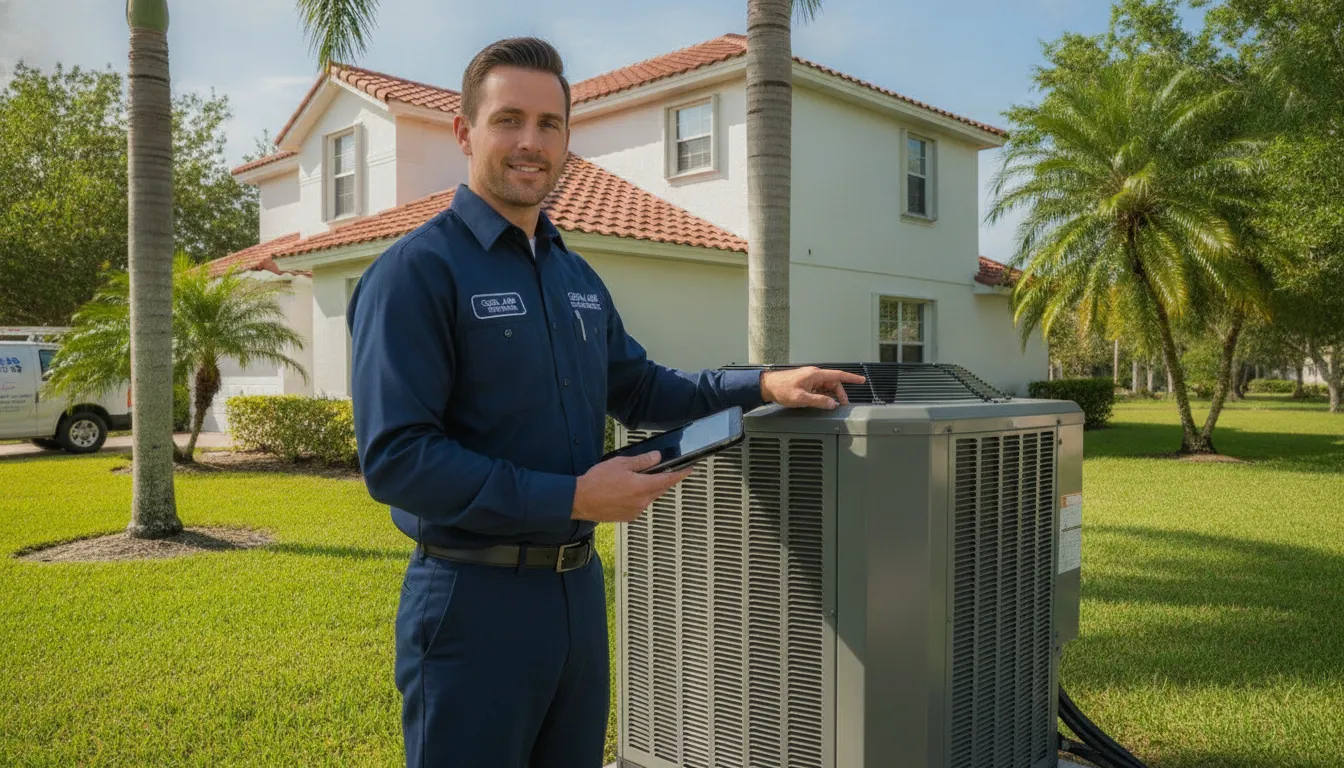
The price of the physical AC unit is only one part of the equation. Professional installation makes up a significant portion of the total cost, and this isn't a flat fee. The complexity of the job plays a huge role. For example, installing a unit in a tight attic space or making significant modifications to your home’s infrastructure will require more time and expertise, which affects the labor cost. The experience of the technicians also matters. At 5 Star Air, our team is fully licensed and insured, so you can trust the job is done right the first time, preventing costly issues down the road.
How Location Affects Pricing
Believe it or not, your zip code can influence the cost of your new AC. Labor rates vary from one region to another, and they’re often higher in dense urban centers and coastal areas. Here in Southwest Florida, we’re in a unique market. While some southern states may see lower installation costs, our coastal location and high demand for reliable cooling can impact pricing. Working with a local company that understands the area ensures you get a fair and accurate price based on regional standards, not a generic national average. We’re committed to providing honest, transparent pricing that reflects the real cost of quality work in our community.
Learn to Read Your Price Quote
When you start gathering quotes, it’s important to remember that the initial numbers are usually estimates. A truly accurate price can only be determined after a technician has visited your home to assess your specific needs. A trustworthy quote should be detailed and transparent, breaking down the costs for the unit, labor, and any additional materials. Don’t hesitate to ask questions if something isn’t clear. We pride ourselves on our no-salesman approach, which means you get straightforward answers and a firm price without any pressure. When you’re ready for an honest assessment, contact us to schedule a visit.
What Determines the Final Cost of Your AC?
When you start looking at new AC units, you’ll quickly see that there’s no single price tag. The final cost is a mix of several key factors, from the equipment itself to the specifics of your home. Understanding what goes into the quote is the first step to making a smart investment. Think of it less as a simple purchase and more as a custom solution for your home’s comfort. Let’s break down the main elements that shape the bottom line.
Finding the Right Size for Your Home
Choosing the right size AC isn’t about getting the biggest, most powerful unit you can find. In the HVAC world, size is measured in "tons," which refers to how much heat the unit can remove from your home in an hour. While a home’s square footage is a starting point, factors like your ceiling height, insulation quality, window placement, and even the Florida sun exposure all play a role. An undersized unit will run constantly without ever cooling your home, while an oversized one will cycle on and off too quickly, failing to remove humidity and causing unnecessary wear. A professional AC installation always starts with a proper load calculation to find the perfect fit.
Why SEER Ratings Matter for Your Wallet
You’ll hear the term "SEER" a lot, and for good reason. The Seasonal Energy Efficiency Ratio is like a car's MPG—it tells you how much cooling you get for the energy you use. Ratings typically range from 14 to 22, and while units with higher SEER ratings have a higher upfront cost, they can lead to significant savings on your monthly energy bills. In a place like Southwest Florida where the AC runs almost year-round, investing in a higher-efficiency unit often pays for itself over the system's lifespan. It’s a classic case of spending a little more now to save a lot more later.
Choosing the Best Brand for Your Needs
While brands like Carrier, Trane, and Lennox are well-known, the brand name is only part of the equation. The price can vary widely between different manufacturers, but the most important factor is the quality of the installation. Even the most expensive, top-of-the-line air conditioner will fail if it’s not installed correctly. A trustworthy contractor will help you find a reliable brand that fits your budget and home’s requirements without pushing you toward a model you don’t need. The goal is to find the right balance of performance, price, and long-term reliability.
How Installation Complexity Impacts Price
Every home is unique, and so is every installation. The complexity of the job directly affects the labor costs. For example, is your air handler located in a tight attic or a spacious, easy-to-access closet? Does your home have multiple stories that require extra equipment and time to run lines? Are any electrical upgrades needed to support the new system? These variables determine how much time and work our licensed and insured technicians need to complete the job safely and correctly, which is reflected in the final price.
The Condition of Your Existing Ductwork
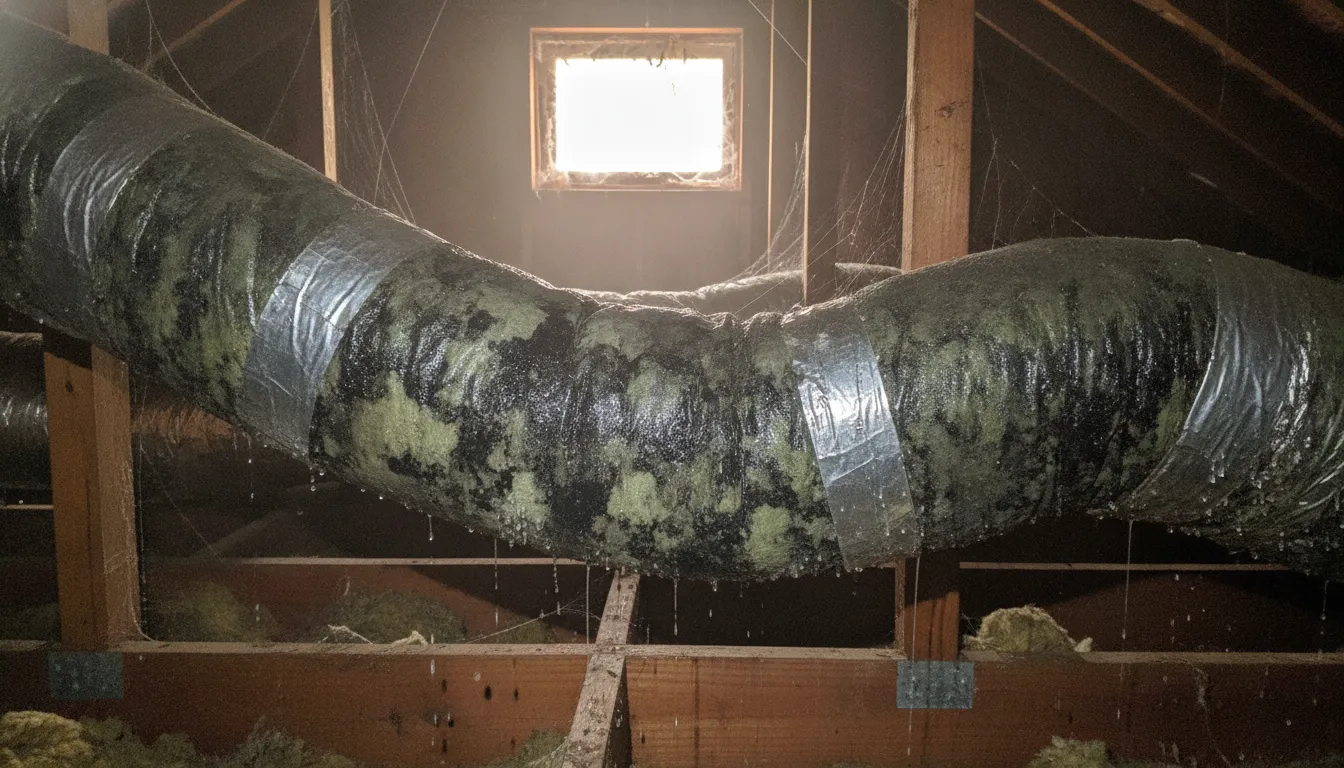
Your ductwork is the circulatory system for your home’s air, and its condition is critical. A brand-new, high-efficiency AC unit can’t do its job if your ducts are old, leaky, or improperly sized. Leaks can send all that precious cool air into your attic or crawlspace, wasting energy and money. During our assessment, we’ll inspect your ducts to see if they need repairs or replacement. While addressing ductwork issues adds to the initial cost, it ensures your entire system works efficiently, improving both comfort and indoor air quality.
Factoring in Florida's Climate
Living in beautiful Southwest Florida means your air conditioner works hard. Our intense heat and relentless humidity put a massive strain on HVAC systems, making a high-quality unit and a flawless installation essential. Local labor costs also play a part in the final price, reflecting the high demand for skilled, experienced technicians who understand the unique challenges of our coastal climate. When you get a quote from a local company, you’re paying for expertise that’s tailored to keeping Florida homes cool and comfortable, no matter how hot it gets outside.
Explore AC Systems and Their Price Ranges
When you start shopping for a new AC, you’ll quickly see there isn’t a one-size-fits-all answer—or price tag. The type of system you choose is one of the biggest factors in your total cost. From traditional central air to more flexible ductless options, each comes with its own set of benefits and price points. Understanding these differences is the first step to finding the right fit for your home, your family, and your budget. Let's look at the most common systems we install here in Florida and what you can generally expect to invest.
Central Air Conditioning
This is the system most of us picture when we think of air conditioning. Central AC circulates cool air through a network of ducts to cool your entire home at once. It’s a fantastic solution for consistent, whole-house comfort. The cost for a new central air conditioner typically runs from $3,000 to $15,000 or more. It’s important to know that this price usually covers the unit itself. If you need significant modifications to your home's existing ductwork or other major components, the total investment will be higher. We can give you a clear, honest quote that covers everything needed for a complete AC installation.
Ductless Mini-Split Systems
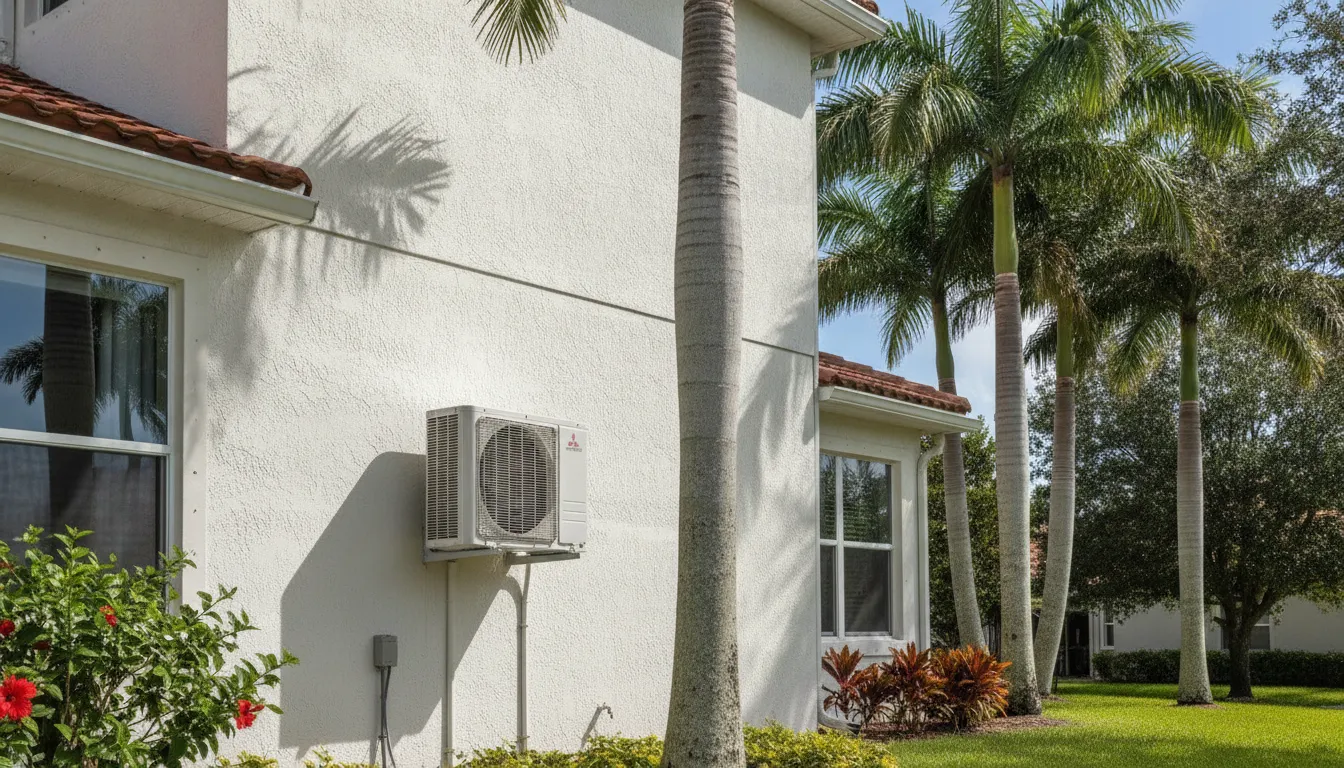
Ductless systems, or mini-splits, are a super flexible and efficient way to cool your home. They’re perfect for houses without existing ductwork, or for cooling specific areas like a new addition, a garage, or a sunroom that always gets too hot. Because they don't require extensive ductwork, their installation is often simpler and less invasive. You can generally expect the price for a ductless mini-split system to fall between $2,000 and $10,500. They give you amazing zone control, meaning you can cool just the room you’re in, which can also help you save on energy bills over time. They're a popular choice for many Florida homeowners looking for targeted cooling solutions.
Packaged HVAC Units
A packaged unit is an all-in-one system that combines heating and cooling components into a single cabinet. These are typically installed on a concrete slab outside your home or on the roof, which is common for commercial buildings but also an option for some residential properties. This setup saves indoor space since there's no need for a separate indoor unit. The cost for these convenient, self-contained systems usually ranges from $5,000 to $15,000. The final price depends on the unit's size and efficiency rating, but they offer a streamlined solution for managing your home's climate year-round.
Heat Pumps
Heat pumps are an incredibly efficient and popular choice here in Florida. They work by moving heat rather than generating it, which makes them great at both cooling and heating. In the summer, a heat pump pulls heat out of your home, and in our mild winters, it reverses the process to bring heat in. This versatility makes them a smart, year-round solution. The cost for a new heat pump installation can range from $4,000 to $12,000. Given their high efficiency, many homeowners find that the investment pays off in lower monthly energy bills, making them a cost-effective choice for our climate.
Systems with Smart Technology
Modern HVAC systems are getting smarter, and these upgrades can make a real difference in your comfort and energy bills. Features like smart thermostats learn your schedule and adjust temperatures automatically, while advanced air filters can significantly improve your home’s indoor air quality. Integrating smart technology can add an extra 5% to 15% to the total price of your new system. While it’s an upfront investment, the added control, convenience, and potential for long-term energy savings make it a worthwhile consideration for many families looking to create a more comfortable and efficient home environment.
What Other Costs Should You Expect?
When you get a quote for a new air conditioner, the price of the unit itself is just the starting point. Several other factors contribute to the final bill, and understanding them helps you see the full picture of your investment. A professional installation is about more than just plugging in a new machine; it’s a comprehensive service that ensures your system is safe, efficient, and perfectly suited to your home. From the skilled labor required for the job to the necessary local permits and potential modifications your home might need, each element plays a crucial role. Let's break down what else you can expect to see on your final invoice so there are no surprises.
Professional Labor and Expertise
A significant portion of your installation cost covers the professional labor required to get the job done right. This isn't just about having a few people carry a heavy unit; it's about paying for the skill, training, and experience of certified technicians. A proper AC installation ensures your system operates at peak efficiency, preventing future problems and extending its lifespan. Hiring a skilled installer is crucial for your system to work correctly. When you invest in professional labor, you're paying for the peace of mind that comes from knowing the job is handled by fully licensed and insured experts who stand by their work and protect your home.
Necessary Permits and Inspections
In Florida, installing a new HVAC system isn't something you can just do over a weekend. Most local municipalities require permits to ensure the work complies with building codes and safety standards. These permits and the subsequent inspections add to the overall cost, but they are non-negotiable. They protect you by verifying that the installation is safe and up to code. A reputable company will handle the entire permitting process for you, rolling the fees into your total quote. This step is essential for your home's safety and is often required for warranty validation and homeowners insurance, so it’s not a corner you want to cut.
Essential Equipment and Materials
Beyond the indoor and outdoor units, a complete AC installation requires a variety of other materials. These can include copper refrigerant lines, electrical wiring, PVC drain lines, mounting pads for the outdoor unit, and potentially a new thermostat. The cost of these essential components is typically bundled into your installation quote. The quality of these materials matters, as they ensure the different parts of your HVAC system connect and communicate properly. A professional quote will account for all the necessary equipment to provide a seamless and durable installation without any surprise costs later on.
Potential Electrical Upgrades
Modern air conditioners are far more energy-efficient, but their electrical requirements can differ from older models. If you live in an older home, your existing electrical panel or wiring might not be equipped to handle a new system. A technician will assess your home's electrical setup to see if any upgrades are needed. This could involve running a new circuit or even upgrading your main service panel. While this adds to the cost, it's a critical safety measure to prevent overloaded circuits and ensure your new AC unit has the stable power it needs to run efficiently and safely.
Removing and Disposing of Your Old System
What happens to your old AC unit? It doesn't just disappear. Part of the installation service includes safely disconnecting, removing, and disposing of your old system. This process takes time and must be done carefully, especially when handling refrigerants, which are subject to strict environmental regulations. The labor for removal and any associated disposal fees are typically included in the overall project cost. This service saves you the major headache of figuring out what to do with a large, heavy piece of equipment and ensures it's disposed of responsibly and in compliance with the law.
Modifying Your Ductwork
Your ductwork is the circulatory system for your home's air, and its condition directly impacts your new AC's performance. If your existing ducts are old, leaky, or improperly sized, your new high-efficiency unit won't be able to deliver the comfort you're paying for. A thorough inspection might reveal the need for sealing, repairs, or even a full duct replacement. While modifying your ductwork adds to the initial investment, it's one of the best ways to maximize energy efficiency, improve indoor air quality, and ensure consistent temperatures throughout your home, helping you get the most out of your new system.
Think Long-Term: Costs Beyond Installation
The price tag on a new AC unit is just the beginning of the story. To understand the true cost of your investment, you need to look at the bigger picture—from your monthly energy bills to the system's overall lifespan. Thinking about these long-term factors from the start helps you choose a system that not only keeps you cool but also provides the best value for years to come. A cheaper unit might save you money today, but it could lead to higher operating costs and earlier replacement down the road. Let's break down what you can expect after the installation is complete.
Your Yearly Operating Expenses
Once your new AC is running, its biggest impact on your budget will be your monthly utility bill. This is where the unit's energy efficiency really comes into play. An AC unit's efficiency is measured by its SEER (Seasonal Energy Efficiency Ratio) rating. While units with higher SEER ratings often have a higher upfront cost, they use significantly less electricity to cool your home. Over time, these energy savings can more than make up for the initial price difference. Think of it as paying a little more now to save a lot more later, especially with the constant demand placed on ACs here in Florida.
The Need for Regular Maintenance
Just like your car, your air conditioner needs regular tune-ups to run at its best. Scheduling professional maintenance each spring, before the heavy cooling season begins, is one of the smartest things you can do to protect your investment. A technician can catch small issues before they become expensive problems, clean critical components, and ensure your system is running efficiently. Simple homeowner tasks, like keeping the outdoor unit clear of leaves and debris, also help maintain proper airflow. Consistent care not only extends the life of your unit but also keeps your warranty valid and your energy bills low. A maintenance plan is an easy way to make sure this essential task never gets overlooked.
How a New AC Affects Your Energy Bill
Upgrading an older, inefficient air conditioner can have a dramatic effect on your energy consumption. In fact, modern standard HVAC models can reduce your monthly cooling costs by 20% to 40% compared to units that are just 10 to 15 years old. For Florida homeowners who run their AC nearly year-round, those savings add up quickly. Imagine what you could do with that extra money each month. This reduction in energy use isn't just good for your wallet; it also means your home has a smaller environmental footprint. The long-term savings on your utility bills are one of the most compelling reasons to invest in a new, high-efficiency system.
What Your Warranty Actually Covers
A new AC unit comes with a manufacturer's warranty, which is a fantastic safety net that protects you from defects and premature component failure. These warranties offer peace of mind, but it's important to understand what they cover and what they require. Typically, a warranty covers the cost of parts, but not always the labor for the repair. More importantly, most manufacturers require proof of professional installation and annual maintenance for the warranty to remain active. This is why choosing a licensed and insured contractor is so critical. Proper air conditioning installation ensures your system is set up correctly from day one, safeguarding your warranty and your investment.
The Expected Lifespan of Your System
Most central air conditioning units are built to last between 10 and 15 years. If your current system is approaching or has passed the 10-year mark, it's likely operating far less efficiently than a new model. The actual lifespan of your AC depends heavily on factors like how often it runs, the climate you live in, and how well it has been maintained. Here in Southwest Florida, our systems work hard, which makes regular upkeep even more crucial. Investing in a quality unit and a solid maintenance plan can help you get the most years out of your system, ensuring you stay comfortable without facing another major replacement cost too soon.
How to Make a Smart AC Investment
Buying a new air conditioner is one of the bigger investments you'll make in your home, especially here in Florida where it runs nearly year-round. But a high price tag doesn't have to mean high stress. With a little planning, you can make a strategic purchase that keeps you comfortable without draining your savings. It’s about looking beyond the initial quote and considering the long-term value. Thinking like a savvy investor will help you find the right balance of efficiency, performance, and cost. Here are five practical steps to ensure you get the best possible return on your new AC system.
Find Available Rebates and Incentives
One of the best ways to reduce the upfront cost of a new AC is to take advantage of rebates and incentives. Many people don't realize how much money is available through federal, state, and even local utility programs. These programs are designed to encourage homeowners to choose high-efficiency models that save energy. For example, you may be eligible for federal energy tax credits just for installing a system that meets certain efficiency standards. Manufacturers often offer their own rebates on specific models, too. It’s worth doing a little research or asking your HVAC technician what you might qualify for—it can easily save you hundreds of dollars.
Explore Your Financing Options
Seeing the total cost of a new AC system can feel overwhelming, but you don't have to pay for it all at once. Most reputable HVAC companies understand that this is a major purchase and offer flexible payment plans to make it more manageable. Spreading the cost over time with predictable monthly payments can help you get a higher-quality, more efficient system without disrupting your budget. This means you don't have to settle for a less effective unit just because of the initial price. We offer straightforward financing options to help you find a plan that works for your family and your finances.
Know the Best Time of Year to Buy
Timing can make a real difference in what you pay for a new air conditioner. The busiest times for HVAC companies are the peak of summer, when ACs are failing left and right, and the dead of winter. If you can, plan your purchase for the "shoulder seasons"—spring and fall. During these milder months, demand is lower, and companies are often more flexible with scheduling and sometimes even pricing. Planning your replacement ahead of time, rather than waiting for an emergency breakdown, gives you the power to shop around and buy when the time is right for your budget.
Get a Professional Assessment
You can find plenty of cost estimators online, but they can’t give you the full picture. The only way to get a truly accurate quote is to have a qualified technician come to your home for a professional assessment. Every home is different, and an expert needs to see your space to determine the right size and type of unit for your specific needs. They’ll evaluate your home's layout, insulation, window quality, and existing ductwork. This in-home consultation ensures you get a system that’s perfectly matched to your home, which is key for both comfort and efficiency. Ready for an accurate, no-obligation quote? You can contact us to schedule a visit.
Understand Why Quality Installation Is Key
You can buy the most expensive, highest-rated AC unit on the market, but it won't perform well if it's installed incorrectly. Proper installation is absolutely critical to your system's efficiency, reliability, and lifespan. An improperly installed unit can struggle to cool your home, use more energy than it should, and break down sooner. This is why choosing a contractor with fully licensed and insured technicians is so important. A quality installation from a team of trusted professionals ensures your new system runs at peak performance from day one, protecting your investment and giving you peace of mind for years to come.
Get the Most Out of Your New AC
Buying a new air conditioner is a major investment in your home’s comfort, especially here in Florida. Once you’ve made your choice, the next step is to make sure you get every bit of value out of it for years to come. A little planning and care can go a long way in protecting your new system, keeping your energy bills low, and ensuring your home stays cool and comfortable.
The Payoff of Energy Efficiency
It can be tempting to choose an AC unit with a lower price tag, but it’s worth looking at its energy efficiency rating, or SEER rating. Units with higher SEER ratings often have a higher upfront cost, but they use significantly less electricity to cool your home. Over the lifespan of the unit, those savings on your monthly energy bills can really add up, often making the more efficient model the more economical choice in the long run. Think of it as an investment that pays you back every time you get your utility bill.
Protect Your System with a Maintenance Plan
You wouldn’t buy a new car and then skip all the oil changes, right? The same logic applies to your new AC system. The best way to keep it running smoothly and efficiently is with regular professional check-ups. A maintenance plan helps catch small issues before they become big, expensive problems. During a tune-up, a technician will clean the components, check refrigerant levels, and make sure everything is working correctly. This proactive care not only prevents unexpected breakdowns on the hottest day of the year but also helps your system last longer.
Why Choosing the Right Contractor Matters
The quality of your AC installation is just as important as the quality of the unit itself. A system that’s installed incorrectly will never perform at its peak efficiency, can break down more often, and may not even last as long as it should. Hiring a skilled, licensed, and insured contractor ensures that your system is set up for success from day one. A true professional will assess your home’s specific needs to recommend the right unit and install it correctly, giving you peace of mind that your investment is in good hands.
Clear Up Common AC Cost Myths
Let’s tackle a couple of common myths. First: bigger isn’t always better. An oversized AC unit will cool your house too quickly and shut off, a process called "short-cycling." This is inefficient and doesn't give the system enough time to properly dehumidify the air, leaving your home feeling cool but clammy. Another myth is that any energy-efficient unit will automatically save you money. Without proper air conditioning installation, even the highest-rated AC will struggle to perform efficiently, wiping out any potential savings.
Choose an AC Built to Last
Most air conditioners have a lifespan of about 10 to 15 years. If your current system is getting up there in age, it’s likely far less efficient than modern units. A new standard AC model can save you a surprising amount on your monthly energy bills compared to an older one. When you invest in a new system, you’re not just buying a machine; you’re investing in over a decade of reliable comfort. Choosing a quality unit and having it professionally maintained is the best way to ensure it serves your family well for its entire expected lifespan.
Frequently Asked Questions
Why is there such a wide price range for a new AC system? The final price for a new air conditioner is tailored to your specific home, which is why you see such a broad cost estimate. The total depends on a mix of factors, including the size and energy-efficiency rating of the unit you choose, the complexity of the installation, and the current condition of your home's ductwork. A straightforward replacement in an accessible space will cost less than a complex job that requires electrical upgrades or duct modifications.
Is a high-efficiency unit with a high SEER rating really worth the extra cost in Florida? For most Florida homeowners, the answer is a definite yes. Because our air conditioners run almost constantly, energy consumption is a major part of our monthly budget. A high-efficiency unit uses significantly less electricity to cool your home. While it does cost more upfront, the substantial savings on your utility bills each month can quickly offset that initial investment, making it a smarter financial choice over the life of the system.
How do I know if a price quote is fair and honest? A trustworthy quote should be clear, detailed, and transparent. It should break down the costs for the specific unit, the labor involved, and any necessary materials or permits, so you know exactly what you're paying for. Be wary of any contractor who gives you a firm price over the phone without first visiting your home. A true professional will always perform an in-home assessment to understand your needs before providing an accurate, pressure-free quote.
Do I have to replace my ductwork when I get a new AC? Not always, but it’s something that should be professionally inspected. Your ductwork is the delivery system for all that cool air, and if it's leaky, poorly sized, or in bad shape, your new high-efficiency unit won't be able to perform its best. Investing in duct repairs or replacement ensures you aren't losing cooled air to your attic, which improves comfort, lowers energy bills, and helps you get the full value out of your new system.
Besides the AC unit itself, what is the most important part of this investment? Without a doubt, the quality of the installation is the most critical factor. You can buy the most advanced, expensive air conditioner on the market, but it will never run efficiently or reliably if it isn't installed correctly by a skilled professional. Proper installation ensures your system performs at its peak from day one, protects its lifespan, and validates the manufacturer's warranty, making it the best way to safeguard your investment.