The Pros and Cons of UV Light in HVAC Explained
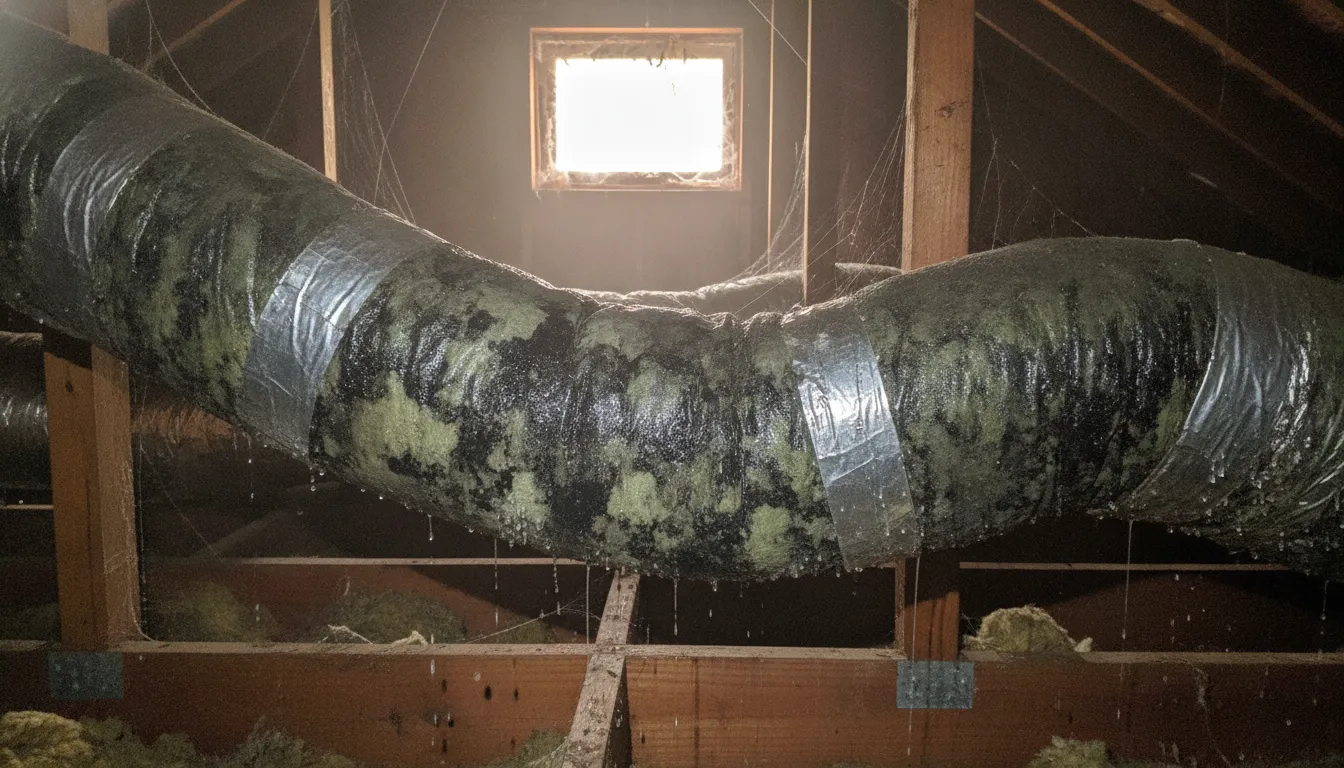
That musty, slightly funky smell that sometimes comes from your vents when the AC kicks on is a common complaint here in Florida. It’s often a sign of mold or bacteria growing in the dark, damp corners of your air handler. While air fresheners only mask the issue, an HVAC UV light is designed to eliminate it at the source. This technology uses germicidal light to stop microbial growth in its tracks. Before you make a decision, it’s important to understand the full picture. This article will explore the real-world pros and cons of UV light in HVAC systems, helping you determine if it’s the right solution for a fresher, cleaner-smelling home.
Key Takeaways
- Think of UV lights and air filters as a team: A UV light neutralizes living microorganisms like mold and bacteria, while a high-quality air filter is still essential for trapping physical particles such as dust and pet dander for complete air purification.
- They are a targeted solution for Florida's humidity: If you struggle with musty odors or are concerned about mold and bacteria growth in your damp AC system, a UV light directly addresses these common issues at the source, making it a worthwhile investment for many homeowners.
- Prioritize safety with professional installation: To be effective and safe, a UV light system must be installed correctly by a trained technician; this ensures it won't damage your HVAC equipment and guarantees you're using a modern, certified ozone-free model.
How Do HVAC UV Lights Actually Work?
You’ve probably heard about UV lights for your HVAC system, but how do they actually clean your air? It might sound a bit like science fiction, but the technology is surprisingly straightforward and has been used for decades in sterile environments like hospitals. It’s all about using a specific kind of light to stop germs in their tracks before they can circulate through your home.
Think of it as a silent guardian inside your air ducts. As your HVAC system runs, it pulls air from your home, heats or cools it, and then sends it back out. A UV light installed within the system acts as a checkpoint, purifying the air and sanitizing surfaces that are prone to getting grimy. Let's break down the science and where these lights are placed to be most effective.
The Science Behind Germicidal UV-C Light
The magic behind these systems is a specific type of ultraviolet light called UV-C. This isn't the same as the UV rays from the sun; it has a shorter, more powerful wavelength that is particularly effective at disrupting microorganisms. When mold spores, bacteria, and viruses are exposed to this germicidal light, the UV-C energy penetrates their cell walls and scrambles their DNA. This damage makes it impossible for them to reproduce. So, a single virus can't multiply and spread through your vents, which is a huge step toward better indoor air quality.
Where UV Lights Are Installed in Your System
To be effective, UV lights need to be installed where they can do the most good. There are two primary locations for this. The first is a "coil sanitizing" light, which is placed near your system's indoor evaporator coil. This part of your AC is dark, cool, and damp, making it a perfect breeding ground for mold and bacteria. A constant UV-C light bath keeps that surface clean. The second option is an "air sanitizing" light, which is installed in the ductwork to purify the air itself as it circulates. This setup targets airborne germs as they pass by, helping to keep your whole system cleaner as part of your overall air conditioning maintenance plan.
The Pros: Why Homeowners Install UV Lights
If you're exploring ways to get cleaner, healthier air in your home, you've likely come across UV lights for HVAC systems. While they sound futuristic, the technology is straightforward and offers some compelling benefits. Installing a UV light isn't just about adding a new gadget; it's about actively targeting microscopic problems before they can circulate through your home. Let's look at the main reasons homeowners decide this upgrade is right for them.
Eliminate Mold, Bacteria, and Viruses
One of the biggest draws of HVAC UV lights is their ability to purify the air. The UV-C light targets the DNA of microorganisms like mold, bacteria, and viruses, destroying their ability to reproduce. In a humid climate like ours in Southwest Florida, the dark, damp environment of your indoor AC coil is a perfect breeding ground for mold. A UV light installed near the coil can neutralize these contaminants, preventing them from entering your home's airflow. This is a significant advantage for anyone with allergies or asthma, as it helps improve your overall indoor air quality.
Improve Your System's Airflow and Efficiency
A cleaner AC system is a more efficient one. Over time, organic buildup on your system's indoor coil and drain pan can restrict airflow, forcing your unit to work harder to cool your home. This extra strain increases your energy bills and can lead to premature wear on expensive components. By continuously cleaning the coil, a UV light helps maintain your system's performance, much like regular air conditioning maintenance does. A clean system doesn't have to work as hard, which can reduce energy consumption and save you money on monthly utility costs.
Stop Musty Odors at the Source
Have you ever turned on your AC and noticed a funky, musty smell? That "dirty sock syndrome" is often caused by mold and bacteria growing inside your HVAC system. While air fresheners only mask the problem, a UV light addresses it at the source. By killing the odor-causing microbes, the light helps eliminate those unpleasant smells, leaving your home smelling fresher and cleaner. This is especially helpful for preventing the mildewy odors that can become a persistent issue in Florida homes. It’s a proactive step that works well alongside services like duct sanitization to keep your whole system fresh.
The Cons: Potential Downsides to Consider
While UV lights offer some impressive benefits, it's important to look at the full picture. We believe in giving you honest information so you can make the best decision for your home. Let's walk through the potential downsides to consider before you invest in this technology.
Upfront Cost and Ongoing Maintenance
First, let's talk about the budget. Getting a quality UV light system professionally installed isn't a minor expense, with initial costs often ranging from several hundred to a thousand dollars. It's an investment in your home's air quality. Beyond that, the bulbs themselves have a limited lifespan and need to be replaced every one to two years to remain effective. This recurring maintenance cost is something to factor into your decision. We understand that home comfort is a priority, which is why we offer flexible financing options to help homeowners manage these important upgrades without financial strain.
What UV Lights Can't Do (Like Remove Dust)
It’s crucial to have realistic expectations about what a UV light can and can't do. Its main job is to neutralize living, biological contaminants like mold spores, bacteria, and viruses. However, it does not remove non-living particles from the air. Things like dust, pet dander, pollen, and chemical fumes will pass right by it unaffected. For those irritants, a high-efficiency air filter is still your best line of defense. Think of a UV light as one part of a complete indoor air quality strategy, not a single solution for everything.
Risk of Damage to HVAC Parts
This is one reason why professional installation is so important. The powerful UV-C rays that destroy germs can also degrade certain materials over time. If a UV lamp is installed in the wrong spot, it can damage plastic components inside your HVAC system, such as the drain pan or wire insulation, potentially leading to the need for an air conditioning repair. More importantly, direct exposure to the light is harmful to your skin and eyes. Our technicians are trained to place these systems safely and effectively, protecting both you and your equipment.
The Ozone Risk from Poor-Quality Lights
You may have heard that some air purifiers can produce ozone, a gas that can be a lung irritant. This is a valid concern, as some older or poorly made UV lights can generate ozone as a byproduct. The good news is that modern, high-quality systems are certified to be ozone-free. When you work with a reputable company, you can be sure you're getting a product that is safe for your family. We only install systems from trusted manufacturers because your health is our top priority, a commitment central to who we are.
Are HVAC UV Lights Worth It for Your Home?
So, we've covered the pros and cons, but the big question remains: is this technology the right fit for your home? The answer really comes down to your family's health needs and the specific challenges of our Florida climate. While not a necessity for every household, UV lights can be a game-changer for many, offering an extra layer of protection against airborne contaminants that thrive in our humid environment.
Think of it as a targeted solution. If your main concern is dust or pet dander, a high-quality filter might be your priority. But if you're worried about the invisible threats like mold, bacteria, and viruses that can grow inside your cool, dark AC system, a UV light system is one of the most effective tools available. It’s about creating the healthiest possible indoor environment for you and your family.
Who Benefits Most from This Technology?
UV lights are particularly helpful for certain households. It's a great option if someone in your family deals with allergies, asthma, or other respiratory conditions, as it helps neutralize triggers before they ever circulate through your home. By targeting microorganisms, these systems can significantly improve the overall air quality and bring much-needed relief.
You might also find UV lights incredibly valuable if you've struggled with musty smells that seem to come from the vents, or if you've had issues with mold in the past. Because Florida is so humid, our AC systems can easily become breeding grounds for mold and mildew. A UV light system works around the clock to stop that growth right at the source.
What to Consider for Your Florida Home
Living in Florida means our air conditioners work hard, and the constant humidity creates the perfect environment for microbial growth on the indoor coil and drain pan. UV lights are most effective when installed to shine directly on these damp components, preventing mold and bacteria from ever taking hold. This not only purifies the air but also helps keep your system running efficiently.
Of course, there's the investment to consider. A professionally installed, high-quality UV light system can range in price, but it's a lasting solution for air purification. It's also critical to choose a modern, ozone-free model to ensure you aren't trading one problem for another. We can help you understand the costs and even explore financing options to make it more manageable.
UV Lights vs. Other Air Purifiers
It’s easy to think of a UV light as the ultimate solution for clean air, but it’s actually one piece of a larger puzzle. Different types of air purifiers are designed to tackle different pollutants, and what works for one home might not be the complete answer for another. Understanding how UV lights stack up against other common solutions, like high-efficiency air filters, is key to building a system that truly cleans the air you breathe.
Instead of looking for a single magic bullet, it’s more effective to think about creating a layered defense against airborne contaminants. Let's break down how these technologies compare and why using them together is often the smartest strategy for your home.
How They Compare to High-Efficiency Air Filters
One of the most common questions we get is whether a UV light can replace a standard air filter. The short answer is no. They perform two completely different, yet equally important, jobs. Think of it this way: a high-efficiency air filter is like a net, while a UV light is like a disinfectant.
Your air filter’s job is to physically trap particles like dust, pet dander, pollen, and other allergens as they pass through your HVAC system. The higher the MERV rating, the smaller the particles it can catch. A UV light, on the other hand, doesn’t trap anything. Its purpose is to neutralize living microorganisms like mold spores, bacteria, and viruses, rendering them harmless. It’s a powerful tool for improving your home's indoor air quality, but it won't do a thing to stop dust from circulating.
Why a Combined Approach Is Often Best
Because UV lights and air filters target different types of pollutants, they work best when used together. A high-efficiency filter can trap airborne particles, while the UV light installed near your indoor coil can prevent mold and bacteria from growing in the damp, dark environment of your HVAC system. This combination creates a powerful one-two punch for cleaner, healthier air.
This layered strategy gives you a more complete solution. The filter handles the dust and dander, and the UV light handles the germs. For Florida homeowners, especially during our humid seasons, this approach is particularly effective at preventing musty odors and microbial growth. Pairing these technologies with regular air conditioning maintenance ensures your entire system runs efficiently and keeps your air as clean as possible.
Installation and Safety: Doing It Right
Adding a UV light system to your HVAC is a fantastic step toward cleaner indoor air, but it’s not a plug-and-play device. Proper installation and ongoing care are essential to make sure you get all the benefits without any of the risks. Getting it right from the start protects your equipment, your safety, and your investment in healthier air for your home.
Why Professional Installation Is a Must
While it might be tempting to tackle this as a weekend project, installing a UV light in your HVAC system is a job best left to the pros. Professional installation is critical for both safety and performance. A trained technician knows exactly where to place the lights for maximum effectiveness without damaging sensitive components of your HVAC system. They also handle the electrical wiring safely, ensuring everything is up to code. An improperly installed light can be ineffective, harm your equipment, or even pose a safety hazard. Our team of licensed and insured technicians has the expertise to integrate a UV system correctly, making sure it works seamlessly with your existing setup.
Choosing a Safe, Ozone-Free System
You may have heard concerns about UV lights producing ozone, and it’s a valid point to consider. Some older or lower-quality UV systems can indeed create ozone, a gas that can irritate your lungs. This is why it’s so important to choose a modern, high-quality UV-C light that is certified as "ozone-free." Reputable manufacturers have their products tested and approved by safety organizations like UL to verify they don’t produce ozone. When you work with a trusted HVAC company, you can be confident that we only source and install proven, safe technology for your home’s indoor air quality.
Handling Bulb Replacements and Maintenance
UV lights require a little bit of upkeep to stay effective. The bulbs typically need to be replaced every one to two years. Even if the light still appears to be on, its germ-killing ultraviolet output diminishes over time. When it comes to replacing the bulb, safety is paramount. You should never look directly at an operating UV-C bulb, as the light can damage your eyes. For this reason, we strongly recommend having a professional handle the replacement. A technician can safely power down the unit, swap the bulb, and ensure everything is working correctly as part of a regular air conditioning maintenance visit.
Get an Expert Opinion on Your Air Quality
Deciding whether to add UV lights to your HVAC system isn't a simple yes-or-no question. The right answer really depends on your home and your family's health. While the technology is impressive, its effectiveness hinges on your specific situation. This is where getting a professional opinion makes all the difference. An experienced technician can give you a clear picture of your home's current indoor air quality and help you figure out if UV lights are the best tool for the job.
Having a professional handle the process from assessment to installation is also crucial for safety and performance. A properly installed UV light system will work efficiently without posing any risks to your family or your HVAC equipment. It’s the best way to ensure you get the clean air benefits you’re looking for. We believe in giving you honest, straightforward advice, so you can feel confident in your decision.
Let's Evaluate Your Home's Specific Needs
Every home in Florida has its own unique environment. Factors like the age of your house, how well it's sealed, and our state's famous humidity all play a role in your indoor air quality. If someone in your family deals with allergies, asthma, or other respiratory issues, targeting airborne contaminants can make a world of difference in their daily comfort.
When we visit your home, we look at the complete picture. We’ll talk about any specific concerns you have, whether it’s a musty smell you can’t seem to shake or worries about seasonal allergens. As a locally owned company, we understand the specific challenges Florida homeowners face and can help you find a solution that truly fits your needs.
How We Help You Make the Right Choice
Our job is to give you the information you need to make a smart choice for your home, not to sell you something you don't need. We’ll conduct a thorough assessment of your HVAC system and your home’s air, then walk you through the pros and cons of a UV light system. We believe UV lights can be a fantastic investment for homeowners who want to improve their air quality, but we also want you to understand what they can and can’t do.
We’ll explain how UV lights could work with your existing setup and answer every question you have. Our goal is to be your trusted partner in creating a healthier, more comfortable home. When you’re ready to explore your options, just get in touch with our team.
Related Articles
- HVAC Tips & Insights Blog - Expert Advice from 5 Star Air
- Benefits of Regular HVAC Maintenance
- Prepare Your HVAC for Florida Summer
- Air Quality Services
Frequently Asked Questions
Do I still need to change my air filter if I have a UV light? Yes, absolutely. Think of them as having two different jobs that support each other. Your air filter is designed to trap physical particles like dust, pollen, and pet dander. The UV light, on the other hand, neutralizes living microorganisms like mold and bacteria. You need both working together for the cleanest possible air, so keep changing that filter on schedule.
How much maintenance do these UV light systems require? The main upkeep is simple: the bulb needs to be replaced every one to two years. Over time, the bulb's germicidal effectiveness wears out, even if it still looks like it's working. We recommend having a professional handle the replacement during a routine maintenance visit to ensure it's done safely, as the light can be harmful to your eyes.
Will running a UV light all the time increase my energy bill? A UV light uses a very small amount of electricity, similar to a standard light bulb, so you likely won't see a noticeable impact on your energy costs. In fact, by keeping your system's indoor coil free of microbial buildup, the light helps your AC run more efficiently. This improved performance can sometimes lead to energy savings in the long run.
Are UV lights safe for my family and pets? When installed correctly by a professional, they are completely safe. The UV light is contained within your sealed ductwork, so your family and pets are never exposed to the rays. We also make sure to install high-quality, modern systems that are certified as ozone-free, so you can be confident you're improving your air quality without introducing any harmful byproducts.
How can I tell if a UV light is a good investment for my home? A UV light is especially valuable if someone in your household deals with allergies, asthma, or other respiratory sensitivities, as it helps neutralize common triggers. It's also a great solution if you've struggled with musty "dirty sock" smells coming from your vents. Because Florida's humidity creates a perfect breeding ground for mold, many homeowners find it to be a smart investment for healthier air.