Replace Air Ducts in House: A Homeowner's Guide
That monthly energy bill can be a source of serious sticker shock, especially during a hot Florida summer. You’ve sealed your windows and checked your insulation, but the costs keep climbing. Often, the real problem is hiding in your attic. Old, leaky ductwork can waste a significant amount of the expensive, conditioned air you’re paying for, sending it into your crawlspace instead of your living room. Your AC unit is forced to work overtime just to keep up, and you’re the one footing the bill. Deciding to replace air ducts in house isn't just a repair; it's a smart investment in your home's energy efficiency that can lead to real, noticeable savings every month.
Key Takeaways
- Connect common issues to your ductwork: Unexplained high energy bills, constant dust, and rooms that are never the right temperature aren't just quirks of your home; they are often direct symptoms of old or damaged ducts.
- Recognize that proper design is the most critical step: The success of a duct replacement depends less on the physical installation and more on the expert planning behind it. A professional design ensures balanced airflow and efficiency, preventing the problems that come from a poorly sized system.
- Understand the upgrade delivers whole-home benefits: Replacing your ducts is more than a simple fix—it's an investment in your home's overall health. You'll see the results in lower utility costs, cleaner air for your family, and a more effective, longer-lasting HVAC system.
Is It Time to Replace Your Air Ducts?
Your air ducts are the hidden highways of your home's comfort system, quietly delivering cool air to every room. But because they're out of sight, it's easy to forget they need attention until something goes wrong. Over time, ductwork can degrade, develop leaks, or become contaminated with dust and mold—a common problem in Florida's humid climate. These issues don't just stay in the attic; they can lead to bigger problems throughout your home. If you're constantly adjusting the thermostat, dealing with unexplained allergies, or wondering why your energy bills are creeping up, your ducts might be the culprit.
Knowing the warning signs can help you decide if it's time for a replacement. While a simple cleaning or repair can solve minor issues, significant damage or age-related decline often calls for a fresh start. Paying attention to these signals can help you restore your home's comfort, improve your air quality, and even lower your monthly expenses. A full replacement is a significant home improvement project, but it's an investment in your home's efficiency and your family's health. It ensures that the expensive, conditioned air you're paying for actually makes it to your living spaces instead of getting lost in the attic. Let's walk through the five key indicators that your ductwork may need a complete overhaul.
Consider the Age of Your Ductwork
Just like any other major component of your home, your air ducts have a limited lifespan. Most experts suggest that you should plan to replace your ducts every 20 to 30 years. Over the decades, the materials can become brittle, and the seals connecting different sections can fail. This wear and tear leads to leaks that waste energy and compromise your comfort. If you live in an older home and aren't sure when the ducts were last inspected or replaced, it’s a good idea to have a professional take a look. A simple inspection during a routine air conditioning maintenance visit can tell you everything you need to know about their condition.
Look for Visible Damage
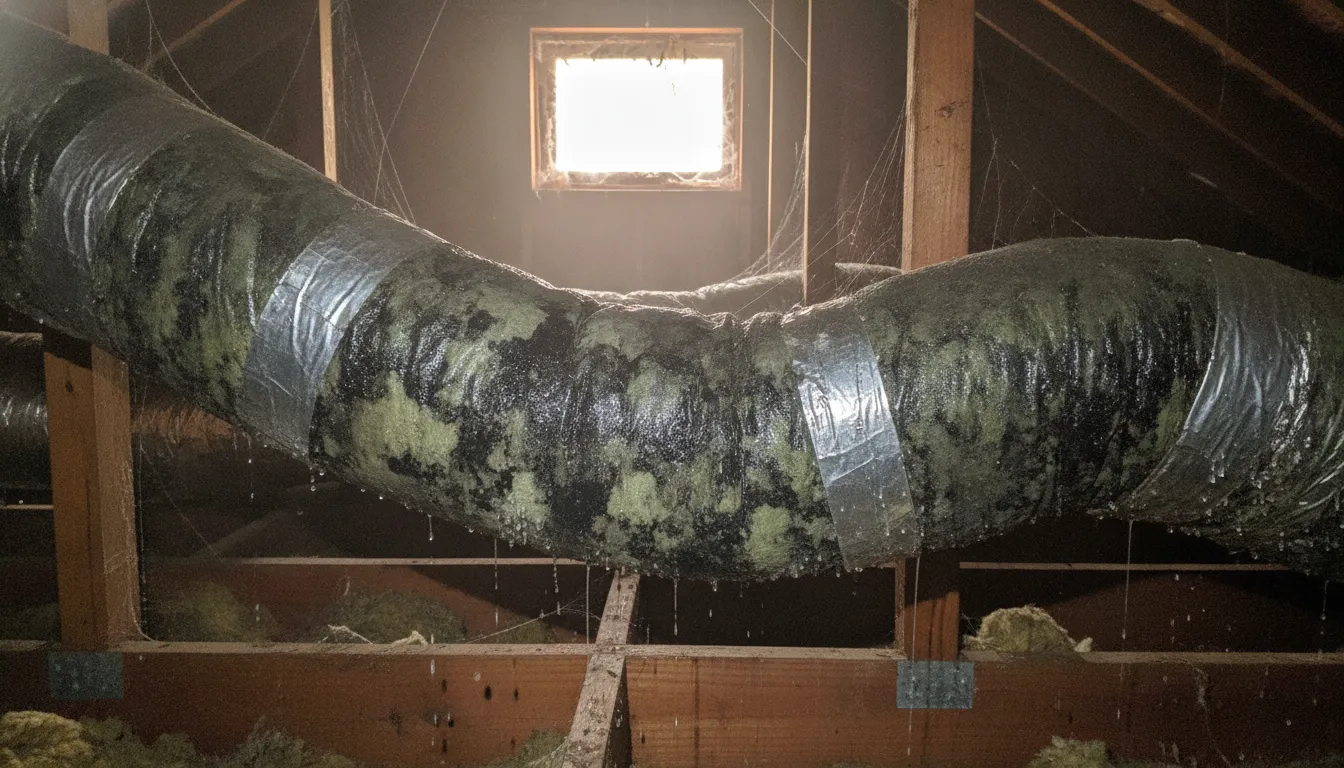
Sometimes, the problem is right in front of you—if you know where to look. Take a peek in your attic, crawl space, or basement to see if you can spot any obvious issues. Look for ducts that are tangled, dented, or crushed, as this can severely restrict airflow. You might also find sections that have come apart or have visible tears and holes, especially in flexible ductwork. If your ducts have many leaks or were poorly designed from the start, a simple repair won't be enough. A full duct replacement is often the better long-term solution to ensure your system runs efficiently and effectively.
Spot the Signs of Poor Air Quality
If your family is dealing with worsening allergies or you constantly notice dust settling on surfaces shortly after cleaning, your ductwork could be to blame. Leaky or poorly sealed ducts can pull in dust, insulation fibers, mold, and other pollutants from your attic or crawlspace and circulate them throughout your home. You might also notice a persistent musty smell when the AC kicks on. Investing in new ductwork can significantly improve your home's indoor air quality, creating a healthier living environment by ensuring the air you breathe is clean and free from contaminants.
Notice Inconsistent Temperatures
Do you have rooms that feel like a sauna while others feel like a freezer? These hot and cold spots are a classic sign of ductwork problems. When ducts are leaky, blocked, or improperly sized, they can't deliver the right amount of conditioned air to each room. This imbalance forces your HVAC system to work overtime trying to reach the temperature set on your thermostat, but it never quite succeeds. Ductwork that was installed incorrectly from the start is often the cause of these frustrating temperature swings. A properly designed and sealed duct system ensures even air distribution for consistent comfort in every part of your home.
Watch for Rising Energy Bills
One of the most telling signs of failing ductwork is a sudden or steady increase in your energy bills. Leaky ducts can lose a significant amount of the air they're supposed to be delivering, sending all that cooled air into your walls or attic instead of your living spaces. Your air conditioner has to run much longer to compensate for this loss, which directly translates to higher electricity costs. Replacing old or broken air ducts makes your HVAC system work more efficiently, allowing it to cool your home faster and reducing its overall workload. This improvement in performance can lead to significant savings on your monthly utility bills.
What Does It Cost to Replace Air Ducts?
One of the first questions on any homeowner's mind is, "What's the budget for this?" When it comes to replacing air ducts, the price can range quite a bit, typically from a few hundred dollars for minor repairs to several thousand for a full replacement. The final number depends on your home's size, the materials you choose, and the complexity of the job. Think of it not just as a repair cost, but as an investment in your home’s comfort, air quality, and energy efficiency.
While online estimates provide a helpful starting point, the only way to get a precise figure is to have a professional take a look. An honest assessment will give you a clear picture of the work needed and the associated costs, with no surprises. At 5 Star Air, we believe in transparent pricing, which is why we provide detailed estimates that explain every part of the cost. We also offer flexible financing options to help make this important home upgrade more manageable.
Breaking Down Costs by Home Size
It makes sense that the bigger your home, the more ductwork you'll need. This is one of the most significant factors in determining the overall cost. A smaller home, say between 1,000 and 1,500 square feet, might see a replacement cost in the $1,500 to $3,000 range. For a mid-sized home of around 2,000 to 2,500 square feet, you can generally expect the price to be between $2,500 and $5,000.
If you have a larger home, over 3,000 square feet, the cost will likely be higher to account for the additional materials and labor required to cover the space. These figures are just a guide, but they illustrate how square footage directly impacts the project's scope and budget.
Understanding Material Options: Flexible vs. Metal
The type of ducts you install also plays a big role in the final price. The most common options are flexible ducts and rigid sheet metal ducts. Flexible ducts are generally less expensive per linear foot and are easier to install in tight or awkward spaces. However, they can be more prone to kinks and tears if not handled properly.
Sheet metal ducts, made from aluminum or steel, are the most durable and long-lasting choice. They have a smooth interior that promotes better airflow and are less likely to harbor mold. While they come with a higher price tag, their longevity and efficiency make them a solid investment. Our team can walk you through the best materials for your home during our duct sanitization and replacement assessment.
Factoring in Labor and Permit Fees
Beyond materials, labor makes up a significant portion of the replacement cost. The complexity of the installation—like working in a cramped attic or hard-to-reach crawlspace—can influence the time and effort required from the technicians. A straightforward job in an accessible area will naturally cost less than a more intricate one.
Additionally, most duct replacement projects require a permit from your local municipality to ensure the work meets safety and building codes. Permit fees can vary, but a professional HVAC company will handle the entire permitting process for you. This ensures everything is done correctly and saves you the headache of dealing with the paperwork yourself.
Other Factors That Influence the Final Price
A few other details can affect your final quote. The specific layout of your duct system is one. If your ducts are hidden behind walls or in other inaccessible areas, it will require more labor to remove the old system and install the new one.
Another key consideration is insulation. While adding insulation increases the initial cost, it’s a crucial step, especially here in Florida. Properly insulated ducts prevent cool air from escaping into your attic, which means your AC system doesn't have to work as hard. This translates into real energy savings on your monthly bills and contributes to better indoor air quality by preventing condensation and mold growth.
What to Expect During the Duct Replacement Process
The idea of replacing your home’s air ducts can feel like a huge undertaking, but knowing what’s involved can make the entire process much smoother. When you work with a professional team, the project is broken down into clear, manageable steps. From the initial inspection to the final system test, every stage is designed to be as efficient and non-disruptive as possible. Think of it less as a major renovation and more as a systematic upgrade to your home’s comfort and health. We’ll walk you through exactly what happens when you decide it’s time for a ductwork replacement, so you can feel confident and prepared from start to finish.
Step 1: The Initial Assessment and Design
The first step is all about creating a custom plan for your home. A skilled technician will visit to perform a thorough inspection of your current ductwork and your home’s layout. This isn’t a one-size-fits-all job; the goal is to design a new duct system that’s perfectly sized and configured for your space. They’ll consider factors like your home’s square footage, the number of rooms, and the capacity of your HVAC unit. This careful planning ensures your new ducts will distribute air evenly and efficiently, preventing hot spots and saving you money on energy bills down the road.
Step 2: Crafting Your New Ductwork
Once the design is finalized, the next step is fabricating your new ducts. To minimize the mess and time spent in your home, most of this work happens off-site in a professional workshop. Technicians will use the precise measurements from your assessment to build the new duct sections. While some custom fittings might be assembled on-site to ensure a perfect fit, having the majority of the components pre-made makes the actual installation day much quicker and more organized. This preparation is a key part of a professional process that respects your time and your home.
Step 3: Safely Removing the Old Ducts
With the new ducts ready, it’s time to take out the old system. The installation team will take great care to protect your home by laying down drop cloths and covering furniture in the work areas. They’ll then carefully dismantle and remove the old, inefficient ductwork. Sometimes, ducts are hidden in tight spots like attics, crawl spaces, or behind walls, which may require making small, precise openings for access. A professional crew, like the one our company values, will always work to be as neat and minimally invasive as possible, cleaning up as they go.
Step 4: Installing and Sealing the New System
This is where your new, high-performance system comes to life. The technicians will install the custom-fabricated ductwork, fitting each piece into place according to the design plan. The most critical part of this step is sealing every connection, joint, and seam. Airtight seals are essential for preventing conditioned air from leaking out, which is a common cause of high energy bills and poor performance in older systems. Proper sealing also stops dust, pollen, and other contaminants from being pulled into your ductwork, leading to much better indoor air quality.
Step 5: Testing for Peak Performance
Before the job is considered complete, the team will run a series of tests to ensure everything is working perfectly. They’ll turn on your HVAC system and check the airflow in each room, making sure it’s balanced and strong. They will also perform tests to confirm there are no air leaks anywhere in the new system. This final quality check guarantees that your new ductwork is performing at peak efficiency and delivering the comfort you expect. Once everything checks out, your home is ready to enjoy with cleaner air and a more effective HVAC system.
How to Choose the Right Duct Materials
When you’re replacing your air ducts, the material you choose is one of the most important decisions you’ll make. It directly impacts your system's efficiency, your home's air quality, and how long your new ductwork will last. In Florida, where heat and humidity are part of daily life, picking the right material is even more critical. The three main options you’ll encounter are flexible ductwork, sheet metal, and fiberboard. Each has its place, and understanding the differences will help you and your HVAC technician select the best fit for your home, budget, and long-term goals.
Making an informed choice means you’re not just replacing old ducts; you’re investing in a system that will keep your family comfortable and your energy bills in check for years to come. Let’s walk through the pros and cons of each material so you can feel confident in your decision.
Flexible Ductwork: Pros and Cons
Flexible ducts, often called "flex ducts," are tube-shaped and made from a wire coil covered in a bendable, durable plastic. Their biggest advantage is their versatility. Because they are so pliable, they are perfect for navigating tight or awkward spaces in attics, walls, or ceilings where rigid ducts just won't fit. This makes installation quicker and often more affordable.
However, there are trade-offs. Flexible ducts are less durable than their rigid counterparts and can be more easily torn or crushed. They also have a ribbed interior, which can create more air resistance and slightly reduce your HVAC system's efficiency if not installed perfectly straight.
Sheet Metal: The Durable Choice
When you think of air ducts, you probably picture sheet metal. Made from galvanized steel or aluminum, these rigid ducts are the gold standard for durability and longevity. Their smooth interior surface allows air to flow with minimal resistance, which helps your HVAC system run at peak efficiency. Sheet metal is also highly resistant to mold and mildew, a major advantage in our humid climate.
The primary downside is the cost. Sheet metal is the most expensive material option, and installation is more labor-intensive. However, if you’re looking for a long-term solution that offers the best performance and protection for your home, sheet metal is an excellent investment in your comfort and indoor air quality.
When to Consider Fiberboard
Fiberboard ducts are constructed from compressed fiberglass fibers and sealed with a foil laminate on the outside. Their main appeal is that they are naturally insulated, which can help with energy efficiency without needing an extra layer of insulation wrap. They are also generally more affordable than sheet metal ducts.
While they offer good acoustic properties (they’re quieter than metal), fiberboard ducts are not as durable. They are susceptible to moisture damage, and if the outer foil layer is punctured, the fiberglass material can absorb water, creating a breeding ground for mold. For this reason, they are often best used in straight runs in dry, protected areas of a home.
Why Proper Insulation Is Key
Regardless of the duct material you choose, proper insulation is non-negotiable, especially in Florida. Your ducts often run through unconditioned spaces like a sweltering attic or a damp crawlspace. Without insulation, the cool air your AC produces will warm up significantly before it ever reaches your living room, forcing your system to work much harder. This wasted energy translates directly into higher utility bills.
While adding insulation increases the upfront cost of a duct replacement, it pays for itself over time through energy savings. It also helps prevent condensation from forming on the ducts, which reduces the risk of moisture damage and mold growth.
A Note on Florida's Humid Climate
Living in Southwest Florida means we’re constantly battling humidity. High humidity levels don’t just make you feel sticky and uncomfortable; they also put a huge strain on your HVAC system and can create serious problems inside your ductwork. When warm, moist air comes into contact with cold ducts, condensation forms—a phenomenon known as "sweating."
This moisture can lead to mold, damage your drywall and insulation, and compromise your home's air quality. Choosing a durable, non-porous material like properly sealed sheet metal is often the best defense. Paired with quality insulation, it creates a robust system that can withstand our climate, keeping your home cool, dry, and healthy.
DIY vs. Hiring a Professional for Duct Replacement
Thinking about tackling your duct replacement yourself? I get it. The idea of saving on labor costs is always tempting, especially for homeowners who are comfortable with hands-on projects. But when it comes to your home's ductwork, this isn't your average weekend task. It's a complex job that directly impacts your home's comfort, air quality, and energy efficiency for years to come. While you might have the skills to handle the physical installation, the technical design and sizing are where things get really tricky.
Experts agree that figuring out the correct size for the ducts is much harder and more important than actually installing them. A small mistake in the planning phase can lead to big problems down the road, from uneven temperatures to sky-high energy bills and even a strained HVAC system. Before you head to the hardware store, let's walk through what a DIY duct replacement really involves. Understanding the full scope helps clarify why calling in a professional is almost always the smarter, safer, and more cost-effective choice in the long run. It's about protecting your investment and ensuring your home is as comfortable as it can be.
The Challenges of a DIY Approach
The biggest hurdle in a DIY duct replacement isn't connecting the ducts—it's knowing how they should be designed in the first place. You can watch a dozen videos, but they can't teach you the engineering principles behind proper airflow. Calculating the right size and layout for your specific home requires specialized knowledge and tools. You have to account for your home's square footage, the power of your HVAC unit, and the number of rooms. It's a precise science, and guessing can lead to a system that struggles to keep you comfortable and wastes a lot of energy.
Why Proper Sizing and Design Matter
Getting the duct sizing right is the most important part of the job. If ducts are too small, your HVAC system has to work overtime, straining the equipment and driving up your bills. If they're too large, the airflow will be weak, leaving you with those annoying hot and cold spots throughout the house. A poorly designed system means you're not getting the performance you paid for from your AC unit. A professional air conditioning installation includes a carefully planned duct system designed to deliver consistent, efficient comfort to every single room.
Navigating Building Codes and Safety Rules
Ductwork installation isn't just a construction project; it's regulated by local building codes to ensure safety and efficiency. In Florida, you'll likely need a permit to replace your ducts, and the finished work must pass an inspection. Attempting this yourself without the proper permits can result in fines and headaches when it's time to sell your home. More importantly, incorrect installation can create safety hazards or void your HVAC system's warranty. Working with a fully licensed and insured team means you can rest easy knowing the job is done correctly and up to code.
The Benefits of Professional Installation
Ultimately, hiring a professional for your duct replacement is an investment in your home's future. An expert ensures the system is designed for maximum efficiency, which can save you a significant amount on energy bills over time. You get the peace of mind that comes from knowing the job was done safely and correctly, protecting your family and your property. Plus, a professional team has the right tools and experience to complete the project quickly and with minimal disruption to your life. You get a high-performing, reliable system without the stress and risk of a DIY attempt.
The Long-Term Payoff of New Air Ducts
Replacing your air ducts might feel like a big project, but it’s an investment that pays you back in multiple ways. Think of your ducts as the circulatory system of your home—when they’re in top shape, everything else just works better. From the air you breathe to the money you save, new ductwork delivers tangible benefits that improve your home and your quality of life. It’s not just about fixing a problem; it’s about creating a more comfortable, efficient, and healthier living space for years to come. Let's look at exactly what you can expect after an upgrade.
Lower Your Energy Bills
If your energy bills seem to creep up every year, your old ductwork could be the culprit. Leaks, cracks, and poor connections in aging ducts can let a significant amount of your conditioned air escape into the attic or crawlspace. This forces your HVAC system to work much harder and run longer to keep your home comfortable. Replacing old or broken air ducts makes your entire system more efficient. With a new, tightly sealed system, all that cool air gets delivered exactly where it’s supposed to go. This improved airflow means your AC doesn’t have to overcompensate for losses, leading to a noticeable drop in your monthly energy bills.
Breathe Cleaner, Healthier Air
Over the years, ducts can become a collection point for dust, pollen, pet dander, and even mold. Every time your system kicks on, it can circulate these pollutants throughout your home, which can be a real problem for anyone with allergies or asthma. Old, failing ductwork can also pull in dirty air from unconditioned spaces. One of the most significant long-term benefits of duct replacement is a major improvement in your home’s indoor air quality. New, clean ducts ensure the air circulating through your home is free from years of accumulated grime. A properly sealed system prevents contaminants from being drawn in, so your family can breathe cleaner, healthier air every day.
Improve Your HVAC System's Performance
Your air conditioner and furnace are designed to work within a closed system. When your ductwork is compromised, it creates an imbalance that puts a huge strain on your equipment. Your system has to run almost constantly to overcome air loss, leading to premature wear and tear on critical components like the compressor and fan motor. A key benefit of ductwork replacement is the increased efficiency in your HVAC system's operation. By restoring proper airflow and pressure, new ducts allow your system to perform as intended. This not only helps it cool your home more effectively but can also extend its operational lifespan and reduce the likelihood of unexpected and costly air conditioning repairs.
Protect Your Home from Humidity
Here in Southwest Florida, we know the battle against humidity is constant. Leaky ductwork makes that battle much harder. When your ducts pull in hot, moist air from the attic, it forces your air conditioner to work overtime just to remove that extra moisture. This can leave your home feeling sticky and damp, even when the AC is running. New, professionally sealed ducts are essential for proper humidity control. They create a closed loop that prevents humid, unconditioned air from entering your home’s airflow. This allows your AC to manage indoor humidity levels effectively, protecting your home from the potential for mold growth and creating a much more comfortable living environment. Proper duct sanitization and replacement is your first line of defense against Florida's challenging climate.
How to Find the Right HVAC Contractor
Choosing the right contractor is just as crucial as selecting the right materials for your ductwork replacement. This is a significant investment in your home’s comfort, air quality, and energy efficiency, so you want a team you can trust to do the job correctly from the start. Finding a reliable partner means looking for a combination of experience, transparency, and a solid reputation. A great contractor will not only install your new ducts but will also serve as a knowledgeable guide, helping you make the best decisions for your home and budget.
Key Questions to Ask Before You Hire
Before you sign any contracts, it’s smart to have a few questions ready. Think of it as a mini-interview to ensure you’re hiring the right team. Ask about their process for designing the new ductwork, as an incorrect installation can lead to hot and cold spots throughout your home. Inquire if their technicians are full-time employees and what kind of warranties they offer on their labor and materials. A trustworthy company will be happy to answer your questions and even provide you with recent customer testimonials. This initial conversation can tell you a lot about their professionalism and commitment to quality work.
Verify Licensing and Insurance
This step is non-negotiable. A professional HVAC contractor must be fully licensed and insured. This protects you, your home, and the technicians working on your property. Ductwork installation has to follow specific building codes and may require permits. Hiring an unlicensed individual can lead to major headaches, including fines, property damage, and even voided equipment warranties. A reputable company like 5 Star Air will always have its credentials in order and be upfront about its qualifications, giving you peace of mind that the job is being handled safely and correctly.
How to Get an Honest Estimate
It’s always a good idea to get a few estimates, but remember that the lowest price isn’t always the best value. A quality estimate should be detailed and transparent, breaking down the costs for materials, labor, and any necessary permits. Be wary of quotes that seem vague or unusually low. An honest contractor will take the time to inspect your current system and provide a clear, upfront price without any high-pressure sales tactics. When you’re ready, you can contact us for a straightforward estimate that respects your home and your budget.
What to Expect from a 5-Star Team
A top-tier team makes the entire process smooth and stress-free. It starts with a thorough inspection of your home and existing ducts. From there, they will design a new system that is perfectly sized for your home to maximize airflow and energy savings. On installation day, you can expect professionals who arrive on time, protect your home with drop cloths, and communicate with you throughout the project. After the new ductwork is installed, they should perform tests to ensure everything is working perfectly and clean up the workspace, leaving your home better than they found it.
Frequently Asked Questions
How long does a full duct replacement usually take? The timeline really depends on the size of your home and how complex the duct system is. For an average-sized home, a professional team can typically complete a full replacement in one to three days. The process is designed to be as efficient as possible, with much of the new ductwork being prepared off-site to minimize the time spent inside your home.
Can't I just have my old ducts cleaned instead of replaced? Duct cleaning is an excellent maintenance task for a system that's in good shape, as it removes built-up dust and allergens. However, cleaning can't fix underlying structural problems. If your ducts are old, have tears and leaks, are crushed in certain areas, or were poorly designed from the start, a replacement is the only way to restore your system's efficiency and your home's air quality.
Do I need to replace my air conditioner at the same time as my ducts? You don't always have to, but it's a great time to evaluate your whole system. Pairing a brand-new, high-efficiency air conditioner with old, leaky ducts is like putting a race car engine in a rusty vehicle—you'll never get the performance you paid for. If your AC unit is also getting older, replacing both at once ensures your entire comfort system is perfectly matched and operating at peak efficiency from day one.
Will my house be a mess during the installation process? Not at all. A professional installation team understands that they are working in your home, not just a job site. They will take great care to protect your property by laying down drop cloths in all work areas and covering any nearby furniture. The process is very systematic, and the crew will clean up thoroughly after the work is finished, leaving your home just as they found it.
Is it really necessary to get a permit for duct replacement? Yes, in most areas, a permit is required to ensure the work meets local building and safety codes. This is actually a good thing for you as a homeowner. It provides a layer of protection, guaranteeing that the installation is done correctly and safely. A reputable, licensed contractor will handle the entire permitting process for you, so you don't have to worry about the paperwork.