Replacing Ductwork in Attic Cost Per Square Foot
It’s easy to view new ductwork as just another home repair expense, but it’s truly an investment in your home’s health and efficiency. Old, leaky ducts can circulate dust and allergens while wasting up to 30% of the cool air you’re paying for. A new system delivers better indoor air quality, lower energy bills, and consistent comfort in every room. To understand the full value, you need to look beyond a basic 'replacing ductwork in attic cost per square foot' calculation. We’ll walk you through the factors that influence the price and show you how a quality installation pays for itself over time.
Key Takeaways
- Understand the core cost factors: Your final quote depends on key variables like your home's size, the duct materials you choose, and how easy it is to access your attic.
- Plan for potential extra costs: Your initial estimate may not cover everything, so set aside a contingency fund for possible expenses like permit fees, minor attic repairs, or the disposal of old materials.
- Hire a qualified professional: The quality of your installation is critical for long-term performance, so choose a licensed and insured contractor with proven experience in attic projects and a commitment to transparent pricing.
How Much Does It Cost to Replace Attic Ductwork?
Thinking about replacing the ductwork in your attic can feel like a huge project, and one of the first questions on your mind is probably about the cost. It’s a smart question to ask. Replacing your ducts is a major investment in your home’s comfort and your HVAC system's health. The final price tag can vary quite a bit because every home is different. Factors like your home's size, the type of materials used, and how easy it is to get into your attic all play a part. Let's break down what you can expect so you can plan your budget with confidence.
A Look at Average Costs by Home Size
Generally, homeowners can expect the cost of duct replacement to fall somewhere between $1,400 and $7,000, with an average around $3,500. The size of your home is one of the biggest factors. A larger home simply needs more ductwork and more labor to install it. For a smaller home around 1,000 to 1,500 square feet, you might see costs in the $1,500 to $4,500 range. For a medium-sized home, say 2,000 square feet, the price could be closer to $2,500 to $5,500. Larger homes over 2,500 square feet can see costs climb from $4,500 to over $10,000. Think of it as a long-term investment in better indoor air quality and lower energy bills.
Why an Attic Location Adds to the Price Tag
If your ductwork is in the attic, you can expect the cost to be on the higher end of the spectrum. Why? It all comes down to accessibility and working conditions. Crawling around a tight, cramped attic is challenging enough, but in Florida, it’s also incredibly hot and humid. These tough conditions mean the job takes longer and requires more physical effort from our technicians. This difficulty is reflected in the price, with attic ductwork replacement typically costing between $2,200 and $5,600. Getting a precise, honest quote is the best way to understand the full scope of your specific duct sanitization and replacement project.
Key Factors That Affect Your Replacement Cost
When you start looking into the cost of replacing your attic ductwork, you’ll quickly find there’s no single price tag. The final quote is a combination of several important factors, and knowing what they are can help you understand exactly where your money is going. Think of it less like buying an off-the-shelf product and more like a custom-fit solution for your home’s unique needs. The size of your house, the materials used, and even how easy it is to get into your attic all play a part. Getting a handle on these variables will help you budget effectively and feel confident when you review an estimate. A professional assessment is the only way to get a truly accurate number, but we can walk through the main elements that will shape the cost of your ductwork replacement project.
Your Home's Size and Layout
It’s probably no surprise that the bigger your home, the more the project will cost. A larger house simply needs more ductwork to deliver conditioned air to every room, which means more materials and more time for installation. For instance, a home under 1,500 square feet might have a replacement cost between $1,500 and $4,500, while a home over 3,000 square feet could see costs ranging from $6,000 to over $10,000. Beyond just square footage, your home’s layout is also a factor. A simple, open-concept design is more straightforward than a multi-story home with a complex floor plan that requires more twists, turns, and vents to ensure even airflow.
The Type of Ductwork Material
The material your new ducts are made from has a major impact on the price, durability, and efficiency of your system. Flexible ducts are generally the most budget-friendly option, but they are also the least durable and can be prone to kinks or tears. Fiberglass ducts are a solid middle-ground choice, offering better insulation and durability. For maximum longevity and performance, sheet metal ducts are the top-tier option. While they have the highest upfront cost, they last the longest and are the most efficient, which can improve your home’s indoor air quality and potentially lower your energy bills over time.
How Accessible Your Attic Is
The location and accessibility of your ductwork are significant cost drivers. An attic that’s easy to get into with plenty of headroom allows technicians to work efficiently and safely. However, if your ducts are located in a cramped crawl space or a cluttered attic with low ceilings and tight corners, the job becomes much more challenging. Difficult access adds to the labor hours required to safely remove the old system and install the new one. A typical attic duct replacement can range from $2,200 to $5,600, and where your project falls in that range often depends heavily on accessibility. Our team of licensed and insured technicians has the experience to handle even the most challenging installations.
The Complexity of the Job
The overall complexity of your ductwork system also influences the final price. A simple layout with a few main lines is less expensive than a complex system designed for zoned heating and cooling, which requires more branches and dampers. The cost per linear foot for ductwork installation usually falls between $25 and $55, so a more intricate design that uses more material will naturally increase the total. If your project involves rerouting ducts to fix airflow problems or designing a new layout from scratch, this will also add to the complexity and cost. The best way to understand the specifics for your home is to get a personalized estimate from a trusted professional.
A Breakdown of Pricing by Home Size
One of the biggest factors determining the cost of replacing your attic ductwork is, unsurprisingly, the size of your home. A larger house simply requires more ducting material, more connection points, and more hours of labor to get the job done right. Think of it this way: more square footage means a more extensive network of airways is needed to efficiently deliver cool air to every room. This directly impacts both the material and labor line items on your final bill.
To give you a clearer picture of what to expect, we can break down the typical costs based on common home sizes here in Florida. While these figures are a great starting point for budgeting, remember that they are estimates. The final price will also depend on factors like the type of ducts you choose and how easy it is to work in your attic. For a precise figure tailored to your home, the best approach is always to get a detailed, honest quote from a trusted professional who can assess your specific needs for duct sanitization and replacement.
Small Homes (1,000-1,500 sq ft): $1,500-$4,500
If you live in a smaller home, condo, or townhome, you can generally expect the cost to replace your attic ductwork to fall between $1,500 and $4,500. This price range reflects the straightforward nature of these jobs. With less square footage to cover, the project requires fewer materials and less time for our technicians to complete the installation. The layout is often simpler, with shorter duct runs from the air handler to the vents. This makes for a more efficient and cost-effective replacement process, helping you restore proper airflow and efficiency without a massive price tag.
Medium Homes (1,500-2,500 sq ft): $2,500-$6,700
For medium-sized homes, which represent a large number of residences in Southwest Florida, the cost for a full attic ductwork replacement typically ranges from $2,500 to $6,700. The price increase from smaller homes is due to the need for a more extensive duct system to adequately cool the larger space. This means more materials and longer installation times. Your home might also have a more complex layout or multiple zones, which adds to the labor involved. Getting a professional assessment is key to understanding where your home might fall within this range, so feel free to contact us for a transparent quote.
Large Homes (2,500+ sq ft): $4,500-$10,000+
In larger homes that are over 2,500 square feet, the cost to replace attic ductwork starts around $4,500 and can easily exceed $10,000. These projects are the most complex and demand the most material and labor. Large homes often have multiple HVAC units, intricate zoning systems, and very long duct runs to reach every corner of the house. The sheer volume of work, combined with potential challenges like high ceilings or complicated attic spaces, contributes to the higher cost. Because this is a significant home investment, we offer flexible financing options to help make the project more manageable for your budget.
Don't Forget These Potential Hidden Costs
Getting a quote for new ductwork is a great first step, but the initial estimate doesn't always tell the whole story. To create a realistic budget and avoid any last-minute financial stress, it’s smart to be aware of potential costs that can pop up during the project. Think of it as looking beyond the sticker price to understand the total investment in your home's comfort and air quality. These aren't necessarily signs of a dishonest contractor; they're often just variables that can't be fully assessed until the old system is opened up and the team gets a clear look at the situation.
From dealing with the old materials to unexpected repairs and safety protocols, a few factors can add to your final bill. A trustworthy HVAC partner will be upfront about these possibilities from the start, helping you plan accordingly. Being informed allows you to ask the right questions and feel confident that you’re prepared for the entire scope of the job. It’s all about transparency, which is something we believe in strongly. Let’s walk through the most common hidden costs so you know exactly what to discuss with your technician before the work begins.
Removing and Disposing of Old Ducts
One of the first steps in any replacement project is getting rid of the old ductwork, and this task can sometimes be more complicated than it sounds. If your existing ducts are located in tight, hard-to-reach corners of your attic, the labor required to remove them safely can increase. Old, brittle materials might also crumble during removal, making the process slower and messier. Additionally, there are costs associated with properly disposing of the old materials. You can't just toss them in the regular trash. Ask your contractor if their quote includes the labor for removal and all disposal fees. A clear answer here helps ensure there are no surprises when the job is done.
Necessary Attic Repairs or Modifications
When technicians are working in your attic, there's always a chance that minor, incidental damage can occur. Accessing the full duct system might require cutting into drywall or ceilings, which will need to be patched and painted later. These types of repairs can add a few hundred to over a thousand dollars to your project cost, depending on the extent of the work. It's also possible that your attic may need slight modifications to accommodate a new, more efficient ductwork layout. Before work begins, clarify with your HVAC company if their team handles these types of repairs or if you'll need to hire a separate handyman. Knowing this upfront helps you coordinate the project smoothly.
Local Permits and Inspection Fees
In Florida, replacing your ductwork is often considered a significant home renovation that requires a permit from your local municipality. This isn't just red tape; permits ensure that the air conditioning installation is performed to current safety and building codes, protecting you and your home. The cost for these permits can vary widely depending on where you live, typically ranging from a couple hundred to over a thousand dollars. A professional HVAC contractor should be well-versed in local requirements and can usually handle the entire permitting process for you. Be sure to ask if the cost of pulling permits and scheduling any necessary inspections is included in your initial quote. This is a key part of a comprehensive and honest service.
Dealing with Mold or Asbestos
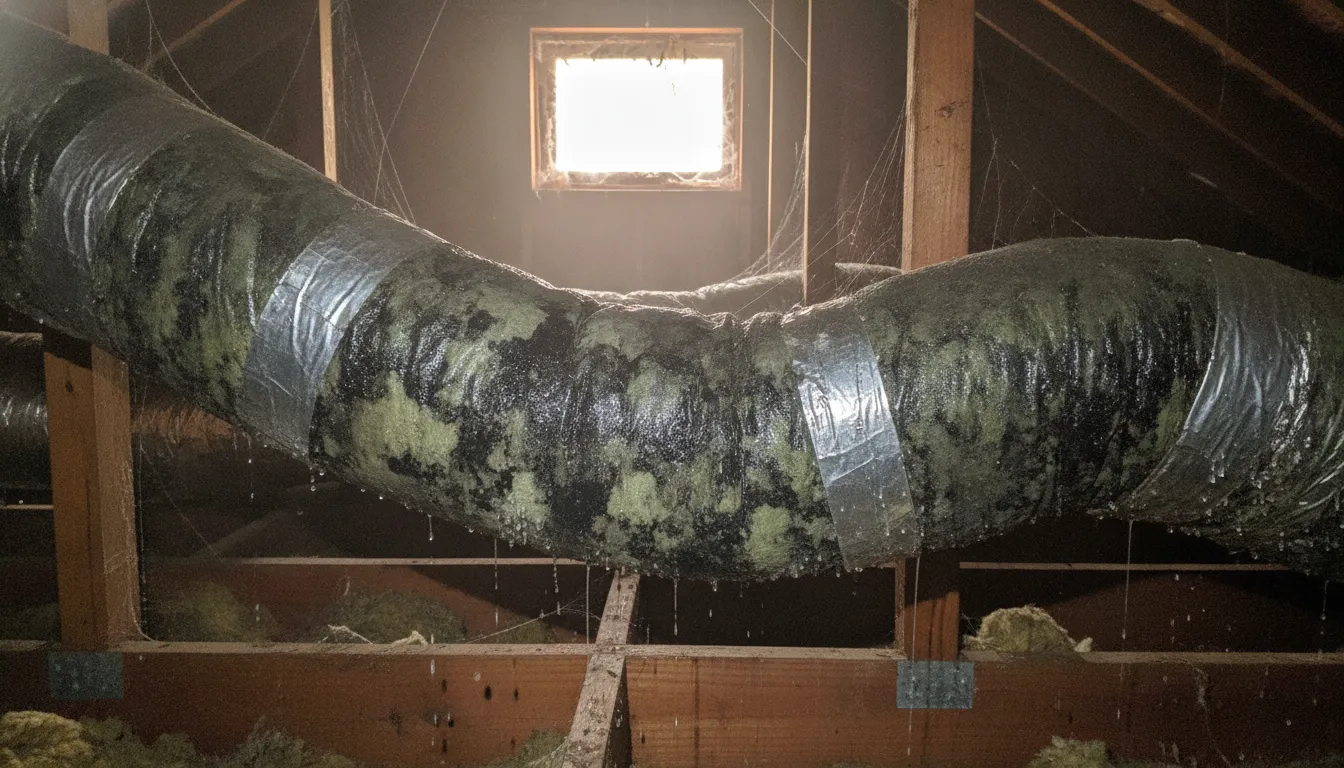
Opening up walls and duct systems, especially in older homes, can sometimes uncover hazardous materials like mold or asbestos. If your technician finds either, the project will need to pause until a certified specialist can safely handle remediation. This is a critical step for protecting your family’s health and ensuring good indoor air quality. Unfortunately, this discovery can add a significant cost. Mold remediation can run into the thousands, and asbestos abatement is also a specialized and costly service. While you can’t always predict these issues, it’s wise to have a small contingency fund set aside, just in case your home presents an unexpected challenge.
Know When It's Time for a Replacement
It’s easy to forget about the ductwork hidden away in your attic, but it plays a huge role in your home's comfort and efficiency. Think of it as the circulatory system for your HVAC. When it starts to fail, the problems can ripple through your entire home. Knowing the signs of aging ducts can help you decide when it’s time for an upgrade, saving you from high energy bills and uncomfortable rooms.
Telltale Signs Your Ductwork Is Failing
Your home often gives you clues when your ductwork is in trouble. Are some rooms stuffy and warm while others are freezing? Uneven temperatures are a classic sign of air leaks or blockages. You might also notice an unusual amount of dust settling on your furniture, even after cleaning. This happens when ducts pull in dust from the attic and circulate it through your home. Strange rattling or whistling noises from your vents can also point to loose or damaged sections. If you’re dealing with any of these issues, it might be time for a professional inspection, as they can sometimes signal the need for an air conditioning repair.
Considering the Age and Condition
Even if you don’t notice obvious problems, age is a major factor. Most ductwork has a lifespan of about 10 to 15 years. Once it passes the 20-year mark, it’s likely worn out and inefficient, even if it looks okay from a distance. Over time, the materials degrade, seals break down, and sections can become disconnected or crushed. Worn-out ductwork forces your HVAC system to work much harder to cool your home, leading to unnecessary strain and premature breakdowns. Regular air conditioning maintenance can help identify aging ducts before they cause major problems, giving you a clear picture of their condition.
The Impact on Your Energy Bills
One of the most convincing reasons to replace old ductwork is the hit your wallet takes each month. Leaky ducts can lose up to 30% of the conditioned air into your attic before it ever reaches your living spaces. Your AC unit has to run longer and harder to make up for that loss, causing a significant spike in your energy bills. If you’ve noticed your electricity costs creeping up with no other explanation, your ducts could be the culprit. Replacing them not only restores efficient airflow but also improves your home’s indoor air quality by preventing dust, insulation fibers, and other attic contaminants from entering your air supply.
Smart Budgeting: How to Avoid Common Pitfalls
Replacing your ductwork is a significant investment in your home's comfort and efficiency. To make sure your money is well spent, it helps to have a solid financial plan. A little preparation can help you sidestep common budgeting mistakes and ensure the project goes smoothly from start to finish. Thinking through these key areas will give you confidence and control over the final cost, so you can feel great about your decision.
Get Multiple, Honest Quotes
When you’re ready to start your project, the first step is to gather a few quotes. Aim for at least two or three different estimates. This isn't just about hunting for the lowest price; it's about understanding what a fair market rate is for the work you need. A detailed quote should clearly outline the scope of the project, materials, and labor costs. Be wary of any estimate that seems unusually low. At 5 Star Air, we believe in honest and transparent pricing without high-pressure sales tactics. We want you to feel fully informed and comfortable with your decision, knowing you’re getting great value from a team you can trust.
Understand Your Material Options
The type of ductwork you choose will have a big impact on both the upfront cost and the system's long-term performance. For example, flexible ducts are often the most budget-friendly option initially, but they may not last as long as other types. Sheet metal ducts, on the other hand, are more durable and efficient, making them a great long-term investment. It’s worth discussing these choices with your technician to see what makes the most sense for your home and budget. A quality ductwork installation focuses on using the right materials to ensure your system runs efficiently for years to come.
Plan for the Unexpected
With any home renovation, it’s smart to expect the unexpected. We recommend setting aside a contingency fund of about 10-15% of your total estimated cost. This buffer can cover unforeseen issues that might pop up once the old ducts are removed, like discovering hidden moisture or needing minor repairs to the surrounding structure in your attic. Having this financial cushion prevents stress and keeps your project on track without derailing your budget. If you're planning a large project, exploring financing options can also provide peace of mind and make the total cost more manageable.
Time Your Project Strategically
Did you know that the time of year you schedule your duct replacement can affect the price? HVAC companies are busiest during the peak heat of summer and the first cold snaps of winter. If your project isn't an emergency, consider scheduling it during the off-season, like early spring or late fall. Demand is typically lower during these periods, which can sometimes lead to more competitive pricing and greater scheduling flexibility. Planning ahead not only saves you from a sudden system failure but can also be a savvy financial move. Proactive air conditioning maintenance can help you spot issues early and plan your replacement strategically.
What to Look For in a Reliable HVAC Contractor
Choosing the right person for the job is just as important as the materials you select. The quality of the installation will determine how well your new ductwork performs and how long it lasts. A great contractor not only does the job right but also saves you from future headaches and unexpected costs. When you’re vetting companies to work in your attic, you’re looking for a partner who is professional, experienced, and honest. This isn’t just about finding someone to connect a few ducts; it’s about trusting someone with the comfort and air quality of your home. Taking the time to find a qualified professional ensures your investment is protected and your AC system runs efficiently for years to come.
Licensed and Insured in Florida
First things first, never hire an HVAC contractor who isn't licensed and insured in the state of Florida. This is a non-negotiable starting point. A state license proves the contractor has met the required training and competency standards, so you know they understand local building codes and safety protocols. Insurance is your safety net. It protects you from liability if a worker is injured on your property or if your home is damaged during the installation. Hiring an unlicensed individual might seem cheaper upfront, but it can lead to major problems, like voiding your homeowner's insurance or your AC system's warranty. At 5 Star Air, our team is fully licensed and insured, giving you complete peace of mind.
Proven Experience with Attic Installations
Working in a Florida attic is no walk in the park. It’s hot, cramped, and often difficult to access. That’s why you need a team with specific, proven experience handling attic ductwork replacements. An experienced technician knows how to work efficiently in tight spaces, properly seal and insulate ducts against the intense attic heat, and avoid damaging your insulation or ceiling. As industry experts note, ductwork in hard-to-reach places like attics costs more to replace, so you want a contractor who can get the job done right the first time without costly mistakes. Ask potential contractors about their experience with attic jobs similar to yours before making a decision.
Transparent Pricing with No Surprises
A trustworthy contractor will always be upfront about costs. When you get an estimate, it should be clear, detailed, and easy to understand, with no hidden fees waiting to surprise you later. We always recommend getting a few different quotes to compare services and pricing. Be cautious of any bid that is dramatically lower than the others, as it could signal subpar materials or inexperienced labor. A reliable company will provide a written estimate that breaks down the cost of materials, labor, and any necessary permits. At 5 Star Air, we pride ourselves on honest and transparent pricing, so you know exactly what to expect before we even begin.
What to Expect During the Replacement Process
Thinking about a big home project can feel overwhelming, but knowing what’s coming makes it much easier. When you work with a professional team, replacing your attic ductwork is a straightforward process designed to cause as little disruption as possible. From the initial prep to the final checks, here’s a look at what you can expect on installation day and beyond.
The Step-by-Step Installation
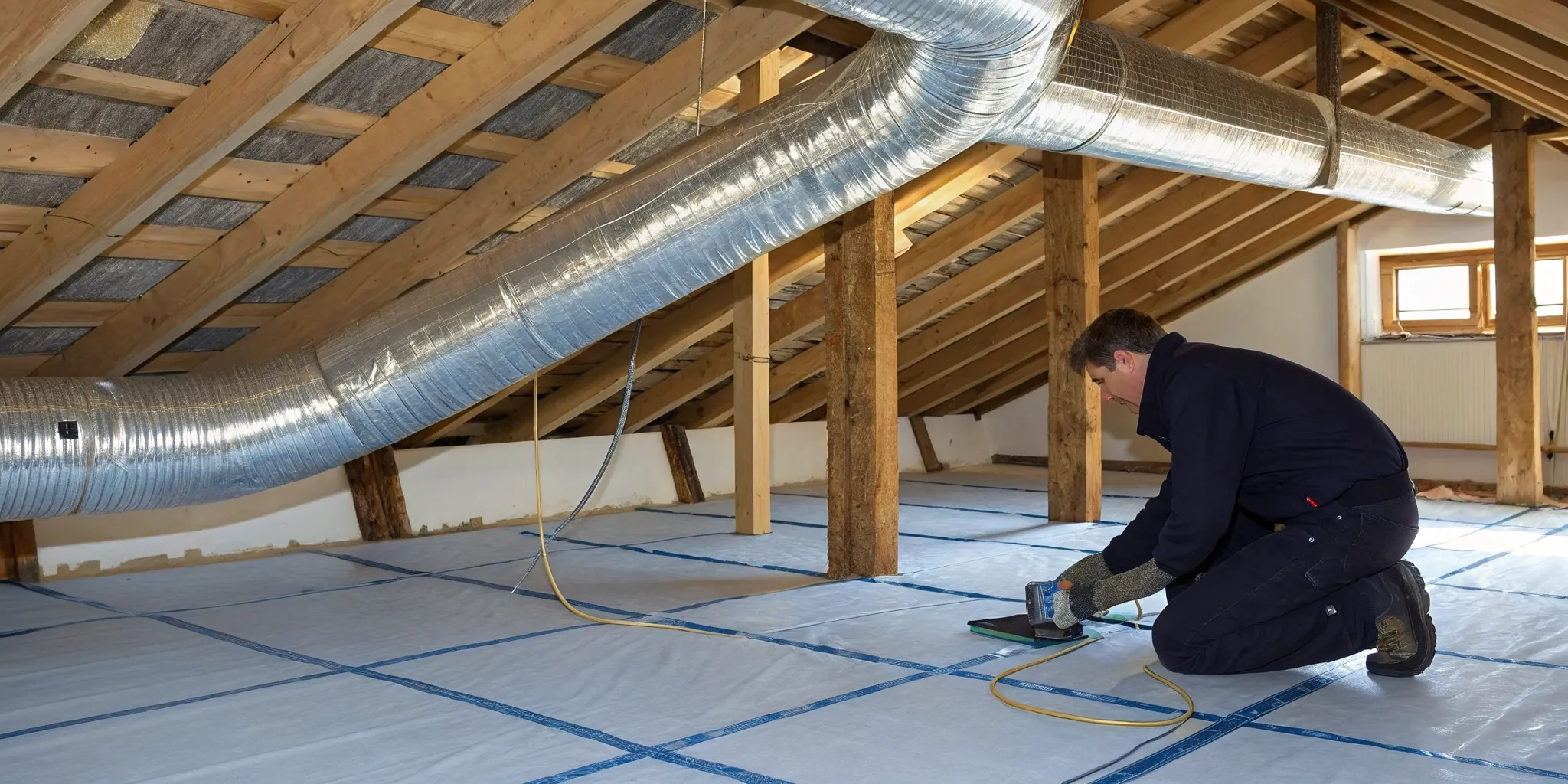
On the day of the replacement, our technicians will start by protecting your home, laying down drop cloths and taking care to keep your space clean. The first major step is to safely remove the old, inefficient ductwork. Once the old material is out, we’ll begin installing the new ducts, carefully mapping out the most efficient path from your AC unit to every room. We ensure each connection is meticulously sealed to prevent air leaks. Because attics can be tight and hard-to-reach, our team is trained to handle these tricky spaces, ensuring your new ductwork system is installed perfectly for optimal airflow.
Final Checks and Quality Assurance
Once all the new ducts are in place, we don’t just pack up and leave. The final step is one of the most important: quality assurance. We conduct a thorough inspection of the entire system, checking every seal and connection to guarantee there are no leaks. We’ll also test the airflow throughout your home to confirm that your HVAC system is running efficiently and effectively. This professional verification is key, as improper installation can lead to wasted energy and even damage your AC unit. It’s also a good idea to schedule regular professional maintenance to keep your new system in top shape for years to come.
Life After Your New Ductwork Is Installed
After the installation is complete, you’ll start to notice the benefits right away. Your home will feel more comfortable, with consistent temperatures in every room. Because your HVAC system no longer has to work overtime to compensate for leaks, you can expect to see a welcome drop in your monthly energy bills. Perhaps most importantly, you’ll enjoy cleaner, healthier air. Old ducts can circulate dust, allergens, and mold, but a new system significantly improves your home’s indoor air quality. It’s a home improvement that delivers comfort, savings, and peace of mind.
Related Articles
- Duct Replacement Services
- Benefits of Regular HVAC Maintenance
- 5 Signs Your AC Needs Repair
- HVAC Tips & Insights Blog - Expert Advice from 5 Star Air
- AC Repair Services
Frequently Asked Questions
How long does it typically take to replace attic ductwork? For most homes, the entire replacement process can be completed in one to two days. The exact timeline depends on the size of your home and the complexity of the ductwork layout. Our team works efficiently to minimize any disruption to your routine, ensuring the job is done right and as quickly as possible.
Is it better to repair a few sections or replace the entire system? While a simple repair can fix a minor leak or a single disconnected joint, it's often a temporary solution for an aging system. If your ductwork is over 15 years old, has multiple leaks, or is poorly designed, a full replacement is usually the smarter long-term investment. It ensures consistent efficiency and better air quality throughout your entire home, rather than just patching one problem at a time.
Will I have to go without air conditioning during the replacement? Yes, for safety reasons, your HVAC system will need to be turned off while our technicians are working. We understand how important AC is in Florida, so we focus on completing the installation efficiently to get your cool air back on as soon as we can. If possible, scheduling the project during a milder time of year can make the process more comfortable.
What are the most immediate benefits I'll notice with new ducts? Right away, you'll likely feel more consistent temperatures from room to room, getting rid of those annoying hot and cold spots. Many homeowners also notice a significant improvement in their indoor air quality, with less dust and a fresher feel. Over the next few months, you should also see a pleasant drop in your monthly energy bills as your AC system runs more efficiently.
Does your quote include costs like permits and removing the old ducts? Absolutely. We believe in providing clear, honest quotes with no surprises. Our estimates detail all aspects of the job, including the labor for removing and properly disposing of your old ductwork, as well as the cost of any necessary local permits and inspections. You'll know the full price upfront.