Replacing Ductwork in Attic Cost: A Price Breakdown
Are your summer energy bills making you sweat more than the Florida heat? Before you blame your AC unit, you should look up. Your attic's ductwork could be the real energy thief in your home. Leaky, old, or poorly insulated ducts can waste a significant portion of the cool air you're paying for, forcing your system to work overtime just to keep up. While the initial replacing ductwork in attic cost might seem like a big expense, it's actually a smart investment. A new, efficient system can lower your monthly bills, improve your home's comfort, and eventually pay for itself. Let's explore the real return on investment you can expect.
Key Takeaways
- Understand the Full Scope of Costs: Your final price is more than just materials; it includes labor shaped by your attic's accessibility and your home's size. Always ask if an estimate includes the removal of old ducts, permit fees, and potential drywall repairs to get a complete picture.
- Prioritize Efficiency for Long-Term Savings: Think of new ductwork as an investment in your home's performance. A properly sealed and insulated system lowers energy bills and improves comfort, often making a full replacement more cost-effective than ongoing repairs on an old system.
- A Quality Installation is Non-Negotiable: The success of your project depends on the skill of your contractor. Protect your investment by verifying their license and insurance, comparing detailed written quotes, and asking about their specific experience with attic ductwork.
How Much Does It Cost to Replace Attic Ductwork?
Figuring out the budget for a home project can feel like a moving target, and replacing attic ductwork is no exception. The final price tag depends on several things, like the size of your home, the materials used, and the complexity of the job. While there isn't a single flat rate, understanding the key components of the cost can help you get a clear picture of what to expect.
Think of it as an investment in your home’s health and your family’s comfort. Old, leaky ducts can waste a surprising amount of energy and circulate dust and allergens throughout your house. New ductwork ensures the cool air from your AC actually gets where it’s supposed to go, which can lead to better indoor air quality and lower energy bills. Let's break down the costs so you can plan with confidence.
Breaking Down Costs by Home Size
The most straightforward way to estimate the cost is by looking at the square footage of your home. A larger house simply has more space to cover, requiring more materials and more time to install the ductwork. According to the home improvement experts at This Old House, a typical air duct replacement cost can range from a few thousand dollars to over ten thousand for large, complex systems.
For a smaller home, around 1,000 to 1,500 square feet, you might expect the cost to be in the $1,500 to $3,000 range. For a medium-sized home of 1,500 to 2,500 square feet, the price often falls between $2,000 and $5,000. If you have a larger home, the cost can climb to $3,000 to $8,000 or more. These figures are a great starting point for your budget.
Understanding the Price Per Foot
Another way contractors calculate the cost is by the linear foot. This price typically includes the new duct material itself, the removal of the old ducts, and the labor to get the job done. According to Angi, you can expect to pay between $20 and $60 per linear foot for a full replacement.
So, if your home needs 100 feet of new ductwork, your estimate could be anywhere from $2,000 to $6,000. The exact price per foot depends on the type of duct material you choose and how difficult it is to access your attic space. Getting a professional assessment is the best way to determine how much ductwork your home actually needs and what the specific duct replacement will involve.
Labor vs. Materials: Where Your Money Goes
When you get a quote for ductwork replacement, a significant portion of that total is for labor. It’s not just about laying down new tubes; it’s about the skill and expertise required to design and install a system that works efficiently for your specific home. HVAC technicians typically charge between $50 and $150 per hour.
This cost covers the technicians' time to safely remove the old materials, properly seal and connect the new ducts, and ensure everything is up to code. A complex attic layout or tight crawl space can increase the time needed, which will be reflected in the labor cost. You're paying for the peace of mind that comes with knowing the job was done right by fully licensed and insured technicians.
What Factors Influence the Final Price?
When you get a quote for replacing the ductwork in your attic, you’ll notice it’s more than just a simple price-per-foot calculation. The final cost is a tailored estimate that reflects the unique characteristics of your home. Think of it like a custom project—because it is. Several key factors come into play, from the physical space our technicians have to work in to the current state of your duct system.
Understanding these variables helps you see exactly where your money is going. It’s not just about buying new materials; it’s about the labor, complexity, and specific needs of your home’s HVAC system. A straightforward job in a spacious, accessible attic will naturally cost less than a complex project in a cramped, older home. We believe in honest pricing, which means breaking down what influences your specific quote. Let’s walk through the main factors that determine the cost of a professional ductwork replacement.
Your Attic's Layout and Accessibility
One of the biggest factors in your final cost is the attic itself. Is it a wide-open space with plenty of headroom, or is it a tight crawl space filled with obstacles? The easier it is for technicians to move around and work, the less time the job will take, which translates to lower labor costs. If your ducts are tucked away in hard-to-reach corners or behind structural elements, our team will need more time and effort to safely remove the old system and install the new one. This complexity is directly reflected in the project's price.
How Your Location Impacts Labor Rates
Just like with any professional service, labor rates for HVAC technicians can vary depending on where you live. In Southwest Florida, the cost of living and high demand for reliable air conditioning services influence the going rate for skilled labor. While you might see national averages online, it’s important to consider local market conditions. At 5 Star Air, we provide honest, transparent pricing that reflects the value of our fully licensed and insured technicians' expertise, without any hidden fees or sales pressure. We’re committed to giving you a fair price for top-quality work right here in our community.
The Condition of Your Current Ductwork
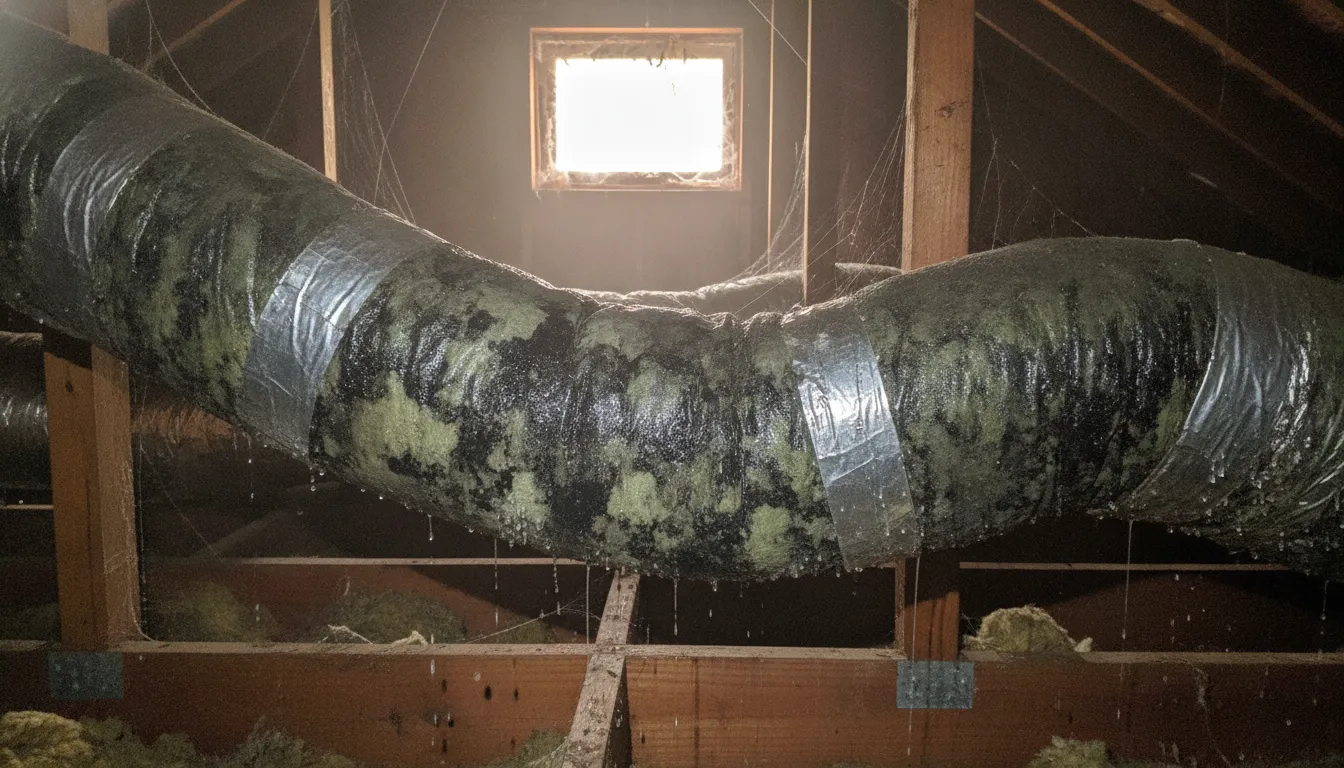
The state of your existing ductwork plays a huge role in the scope of the project. Are we dealing with a few minor leaks, or is the entire system falling apart? If your ducts are over 15 years old, have major tears, show signs of mold, or were made from poor-quality materials, a full replacement is often the most sensible and cost-effective solution in the long run. A simple air conditioning repair won’t fix a failing duct system. Assessing the extent of the damage helps us determine whether a targeted repair is possible or if a complete overhaul is necessary for efficiency and air quality.
Your Home's Age and Structure
Older homes have a certain charm, but they can also come with outdated infrastructure. If your house was built several decades ago, its ductwork might not be designed to handle the airflow from modern, high-efficiency HVAC systems. These older ducts can be inefficiently sized or poorly routed, leading to poor performance and high energy bills. A successful air conditioning installation often depends on having a compatible duct system. Upgrading your ducts ensures your new AC unit can operate at its peak performance, giving you the comfort and savings you expect.
How Ductwork Materials Affect Your Budget
The material you choose for your new ductwork plays a huge role in the final price tag. Each option has its own set of pros, cons, and costs, and what works for one home might not be the best fit for another. Understanding these differences is key to making a smart decision for your home and your budget. Let's break down the most common choices so you can see how they stack up.
The Pros and Costs of Sheet Metal
If you're looking for the most durable, long-lasting option, sheet metal is the top contender. Typically made from steel or aluminum, these rigid ducts are built to last and are highly resistant to mold and pests. That strength comes at a price, though—sheet metal is generally the most expensive material for ductwork. While the upfront cost is higher, its longevity and ability to support better indoor air quality can make it a solid long-term investment, especially for Florida homeowners concerned about humidity.
Pricing Considerations for Flexible Ducts
On the other end of the spectrum, you have flexible ducts, which are the most budget-friendly option available. Often called "flex ducts," they are much easier and quicker to install, especially in tight or tricky attic spaces. This simpler installation process can save you a good amount on labor costs. The main trade-off is durability; they aren't as tough as rigid ducts and can be more prone to kinks, tears, or pest damage if not handled carefully. For a straightforward and cost-effective duct replacement, flexible ducts are often an excellent choice.
Expenses for Fiberglass Duct Board
Fiberglass duct board strikes a balance between the cost of sheet metal and flexible ducts. It's more affordable than metal but offers more rigidity and structure than flex ducts. One of its biggest advantages is that it's naturally insulating, which helps keep your conditioned air at the right temperature as it travels through your hot attic. This built-in insulation can improve your system's energy efficiency right from the start. While not quite as durable as sheet metal, it's a popular mid-range option for homeowners looking for a blend of performance and value.
Factoring in Insulation Costs
No matter which duct material you choose, don't forget to budget for proper insulation. While fiberglass boards have some built-in insulating properties, both sheet metal and flexible ducts need to be well-insulated to prevent energy loss—a critical step in a hot Florida attic. Adding insulation will increase the initial cost, but it's an investment that pays for itself over time. Properly insulated ducts reduce the workload on your AC unit, leading to real savings on your monthly energy bills and a more consistently comfortable home. This is a key part of any quality air conditioning installation.
Are There Hidden Costs to Budget For?
Getting a quote for new attic ductwork is a great first step, but the initial number you see isn't always the final price. Like any major home improvement project, duct replacement can come with a few extra costs that might not be obvious at first glance. Thinking about these potential expenses ahead of time helps you create a realistic budget and prevents sticker shock when the final bill arrives. It's all about being prepared so you can feel confident in your investment and know exactly where your money is going.
Being aware of these "hidden" costs doesn't mean you should expect a bad experience. In fact, it's just the opposite. A transparent contractor will be happy to discuss these possibilities with you upfront. Knowing what to ask about ensures you're getting a truly comprehensive estimate that covers the entire scope of the job, from start to finish. This way, you can compare quotes accurately and choose a professional who values honesty. It also helps you spot a lowball offer that might leave out crucial steps, leading to more expenses later. Let's walk through some of the most common additional costs you should plan for so you can approach your project with total clarity.
Removing and Disposing of Old Ducts
When you’re installing something new, the old stuff has to go somewhere. The process of carefully removing your existing attic ductwork and disposing of it properly is a significant task that requires time and labor. Many initial estimates focus solely on the new installation, so this part of the job can sometimes be listed as a separate line item or an additional fee. It’s important to clarify with your contractor if the removal and disposal of your old ducts are included in their primary quote. This helps you get a complete picture of the project's cost from the very beginning.
Prepping Your Attic and Making Repairs
Your attic ductwork is often tucked away behind walls and ceilings, which means getting to it isn't always straightforward. In some cases, technicians may need to cut access points into drywall to remove the old system and install the new one. While a professional HVAC team will be as careful as possible, their job is to handle the ductwork, not the cosmetic repairs that follow. You should set aside a portion of your budget for patching, sanding, and painting any affected areas. This ensures your home looks just as good as it did before the project started.
Permit and Inspection Fees
Depending on where you live in Florida, a full ductwork replacement may require a permit from your local municipality. This is a good thing—it ensures the work is done to current building codes and safety standards. However, securing a permit comes with a fee, which can range from a hundred to several hundred dollars. Your HVAC contractor usually handles the process of pulling the permit, but the cost is typically passed on to you as the homeowner. Be sure to ask your contractor if a permit is needed for your project and how those fees are managed.
Potential HVAC System Upgrades
If your ductwork is old enough to need replacing, there's a good chance your air conditioner has seen better days, too. Connecting brand-new, efficient ducts to an aging, inefficient AC unit is like putting economy tires on a sports car—you just won't get the performance you're paying for. A contractor might recommend a full air conditioning installation at the same time. While this increases the upfront cost, it can lead to significant energy savings and better performance down the road. It also ensures your entire HVAC system is perfectly matched and working in harmony.
Is Replacing Your Ductwork a Smart Investment?
Deciding to replace your attic ductwork can feel like a major project, but it's often one of the smartest moves you can make for your home's comfort and your wallet. Think of it less as an expense and more as an investment in your home's efficiency and air quality. When your ducts are in bad shape, you're essentially paying to cool your attic instead of your living room. Upgrading your ductwork can fix underlying issues, lower your energy bills, and make your home a healthier, more comfortable place to be. Let's look at the real benefits and help you figure out if a replacement is the right call for you.
The Potential for Long-Term Energy Savings
Leaky or poorly insulated ducts are a huge energy drain. In fact, inefficient ductwork can force your heating and cooling system to work up to 20% harder, which shows up directly on your monthly utility bill. When you replace old, damaged ducts with a new, properly sealed system, you stop that conditioned air from escaping into your attic. This means your AC unit doesn't have to run as long or as hard to keep your home cool. Over time, the energy savings can be substantial, often helping the new ductwork pay for itself. It’s a practical upgrade that delivers comfort and financial benefits for years to come.
Signs It's Time for a Replacement
Not sure if your ducts are due for an upgrade? Your home often gives you clues. If your ductwork is over 15 years old, it’s a good idea to have it inspected. Other clear indicators include rooms that are difficult to cool, weak airflow from your vents, and a sudden spike in your energy bills. You should also take a look at the ducts themselves if you can. Visible tears, collapsed sections, or tangled messes are definite red flags. Strange noises coming from your attic when the AC kicks on can also point to ductwork problems. If you notice any of these issues, it’s time to consider a professional duct replacement.
Repair vs. Replace: A Cost Comparison
When faced with ductwork issues, you have to decide whether to patch things up or start fresh. Minor repairs for small leaks or holes can be a quick fix. However, if your ducts are old, rusty, moldy, or have major damage, a full replacement is often the more cost-effective choice in the long run. A good rule of thumb is to compare the cost of repairs to the price of a new system. If the repair bill is approaching half the cost of a full replacement, investing in new ductwork is the smarter financial decision. A full replacement solves the root problems instead of just putting a temporary band-aid on them.
How to Find a Qualified Ductwork Contractor
Finding the right contractor is just as important as understanding the costs. The best materials won't matter if the installation is sloppy. A qualified professional ensures your new ductwork is installed correctly, maximizing your system's efficiency and preventing future headaches. Taking the time to vet your options will pay off in the long run with better performance and peace of mind. It’s about finding a partner you can trust to work in your home.
Verify Their Licenses and Insurance
Before you even think about quotes, your first step should be to confirm a contractor's credentials. A common mistake is failing to verify licenses and insurance. In Florida, HVAC contractors must be licensed by the state, proving they have the necessary training and knowledge. Equally important is insurance, including both general liability and worker's compensation, which protects you from liability if an accident happens on your property. Don't just take their word for it; ask to see the documents. A professional company will have no problem providing proof of both.
Get Detailed Quotes and Compare Estimates
It’s always a good idea to get several quotes from different HVAC companies. When you do, make sure you’re getting a detailed, written estimate, not just a number on a napkin. A trustworthy quote breaks down the costs for labor, materials, and any permit fees. Be wary of vague pricing. While it can be tempting to go with the lowest bidder, remember that price often reflects quality. A suspiciously low bid could signal subpar materials or inexperienced technicians, leading to more costly repairs down the road.
Spot the Red Flags of an Unreliable Pro
Trust your gut, but also know the warning signs of a less-than-reputable contractor. Overlooking reviews can lead to a bad experience. Start by checking online testimonials to see what past customers have to say. Red flags include high-pressure sales tactics, a demand for a large cash payment upfront, or an inability to provide a physical business address. If a contractor is hesitant to show you their license or proof of insurance, consider it a major warning. A true professional will be transparent and happy to answer all your questions.
Key Questions to Ask Potential Contractors
Choosing the right contractor for your attic ductwork replacement is just as important as choosing the right materials. The quality of the installation will determine how efficient your system is and how long it lasts. A great contractor will be transparent and happy to answer your questions, while a less-than-reputable one might be vague or evasive. Think of this as an interview—you’re hiring someone for a critical job in your home.
To help you find a true professional, I’ve put together a list of essential questions to ask. These will help you gauge their experience, understand their process, and ensure there are no surprises down the road. A trustworthy company, like our team at 5 Star Air, believes in clear communication from the start. Don't be shy about asking these questions; a confident and experienced pro will have confident answers. Getting everything in writing, from the scope of work to the final price, is the best way to protect yourself and your investment.
Ask About Their Experience with Attics
Not all ductwork jobs are created equal, and working in a hot, cramped Florida attic requires specific expertise. Ask potential contractors directly about their experience with attic installations. Incorrectly installed ductwork can lead to frustrating hot and cold spots, poor airflow, and an inefficient AC system. A technician needs to consider the right size ducts for your specific system, the layout of your home, and the best materials for our humid climate. Ask them to walk you through how they would approach the project in your home and if they have examples of similar jobs they’ve completed. This will give you a clear picture of their qualifications for this unique and challenging environment.
Discuss Material Recommendations and Warranties
The materials used for your new ducts will have a major impact on your system's performance and longevity. A good contractor should be able to explain why they recommend a specific material—like sheet metal, flexible ducts, or fiberglass duct board—for your home. Beyond the materials themselves, you need to ask about the warranties they offer. This includes a warranty on the duct materials and a separate one for the labor. A solid warranty is a sign that the contractor stands behind their work and is committed to a quality installation. It’s your protection against any potential issues that might pop up after the job is done.
Clarify the Project Timeline and Cleanup Process
A ductwork replacement can be disruptive, so it’s important to know what to expect. Ask for a clear project timeline, including a start date and an estimated completion date. You should also ask how they plan to handle cleanup. Will they lay down protective coverings? How will they dispose of the old ductwork? A professional team will leave your home as clean as they found it. Understanding the full scope of the project, from the first day to the final cleanup, helps you prepare and ensures a smoother process for everyone involved. When you’re ready to get a clear timeline, you can contact us for a detailed estimate.
How to Keep Your Ductwork Replacement Costs Down
Replacing the ductwork in your attic is a significant home improvement project, but the final bill doesn't have to be a shock. With a bit of planning and proactive care, you can manage the expense and make a smart investment in your home's comfort and efficiency. It’s all about timing your project strategically, staying on top of maintenance, and knowing what resources are available to you. These simple steps can make a big difference in the overall cost and help you feel confident in your decision.
Instead of viewing it as just another big-ticket repair, think of it as an opportunity to improve your home's performance and air quality for years to come. Leaky, old, or poorly insulated ducts can force your AC system to work overtime, leading to higher energy bills and uneven cooling. A new, properly sealed duct system ensures that the cool air your AC produces actually reaches every room in your house. By taking control of the replacement process, you can ensure you get the best value for your money without cutting corners on quality. Let's walk through a few practical ways to keep costs in check.
Time Your Project for Better Pricing
Like many industries, HVAC services have busy seasons and slower periods. Here in Florida, demand for AC work skyrockets during the sweltering summer months. Scheduling your ductwork replacement during this peak time often means higher prices and longer waiting lists. A smart way to save is to plan your project for the off-season, like late fall or winter. Contractors are generally less busy, and you may find more competitive rates. Some companies even offer seasonal discounts, so it always pays to ask. Planning ahead can lead to significant savings on your project and a smoother installation process.
Extend Ductwork Life with Regular Maintenance
The most effective way to save money on a replacement is to postpone the need for one. Your ductwork, though hidden, requires attention to stay in top shape. Small issues like minor leaks, dust buildup, or loose connections can worsen over time, leading to poor efficiency and eventually, the need for a complete overhaul. Scheduling regular air conditioning maintenance allows a professional to inspect your ducts, clean them, and fix small problems before they become expensive disasters. A clean and well-maintained system not only lasts longer but also helps keep your energy bills down and your indoor air quality high.
Understand Your Warranty to Avoid Future Costs
Before you pay for a full replacement out of pocket, take a moment to check your paperwork. If you have a home warranty, there's a good chance it provides some level of coverage for your HVAC system, including the ductwork. According to ConsumerAffairs, many home warranty plans will cover repairs or replacements, but the specifics can vary quite a bit. Pull out your contract and read the fine print to see exactly what’s included. Understanding your coverage could save you hundreds or even thousands of dollars, turning a major expense into a much more manageable one.
Costly Ductwork Mistakes to Avoid
Replacing your attic ductwork is a significant home improvement project, and you want to make sure it’s done right the first time. A professional installation can dramatically improve your home's comfort and lower your energy bills, but a few common missteps can erase those benefits and lead to bigger problems down the road. When you’re investing in your home’s HVAC system, avoiding these costly mistakes is essential for getting the performance and savings you expect.
Making informed decisions about materials, installation quality, and your home’s specific needs will protect your investment and ensure your air conditioning system runs efficiently for years. Here are the three biggest ductwork replacement mistakes we see and how you can steer clear of them.
Choosing the Wrong Duct Size or Material
It might seem like a minor detail, but the size of your ducts is critical. If ducts are too small for your HVAC system, they restrict airflow, forcing your AC to work much harder to cool your home. This strain leads to higher energy bills and uneven temperatures from room to room. On the other hand, ducts that are too large can lead to poor airflow and inefficiency. The right material also matters for durability and performance. A professional will perform calculations to determine the exact size and best material needed for your specific system and home layout, ensuring you get the most effective and efficient air conditioning installation.
Skipping or Skimping on Insulation
In a place like Southwest Florida, your attic can get incredibly hot. If the ducts running through that space aren't properly insulated, you're losing a massive amount of cooled air before it ever reaches your living spaces. The hot attic air warms up the cool air inside the ducts, forcing your AC to run longer and harder to reach the temperature on your thermostat. This constant battle results in wasted energy and sky-high utility bills. Proper insulation is not an optional add-on; it’s a crucial component that protects the cooled air on its journey to your rooms, saving you money and keeping you comfortable.
Ignoring Moisture and Ventilation Issues
Humidity is a constant battle in Florida, and your ductwork can either help or hurt in that fight. If your duct system isn't sealed correctly or designed to handle our humid climate, it can become a breeding ground for mold and mildew. Leaks can pull in moist, unconditioned attic air, which can condense inside the ducts. This not only damages the ductwork itself but also spreads allergens and contaminants throughout your home every time the AC kicks on. Prioritizing proper sealing and ventilation is key to maintaining healthy indoor air quality and preventing serious moisture-related problems.
Frequently Asked Questions
How can I tell if my ducts need to be replaced or just repaired? A good rule of thumb is to consider the age and the extent of the problem. If you have a single leak in a relatively new system, a repair is often a practical fix. However, if your ducts are over 15 years old, show signs of mold, have multiple tears, or are collapsed in several areas, a full replacement is usually the smarter long-term investment. Constantly patching up an old, failing system can become more expensive over time than starting fresh with a new, efficient one.
How long does a typical attic ductwork replacement take? The timeline for a full replacement depends on the size of your home and the complexity of your attic. For an average-sized home, the project can typically be completed in one to two days. A larger home or an attic with difficult access might take a bit longer. A professional contractor will give you a clear and realistic timeline before any work begins so you know exactly what to expect.
Will new ductwork actually make a noticeable difference in my energy bills? Yes, it absolutely can. Old, leaky ducts can lose up to 20% of the conditioned air into your attic, forcing your AC to work much harder to cool your home. When you install a new, properly sealed and insulated system, all that cool air gets delivered where it's supposed to go. This increased efficiency means your AC unit runs less often, which can lead to significant savings on your monthly utility bills.
Is it possible to replace ductwork myself to save on labor costs? While it might seem like a way to save money, replacing ductwork is a complex job that's best left to professionals. An improper installation can lead to poor airflow, leaks, and major inefficiencies that will cost you more in the long run through higher energy bills and future repairs. Professionals have the tools and expertise to correctly size, seal, and install the system to meet building codes and ensure your AC runs at peak performance.
What happens if my AC unit is old but my ducts are the main problem? This is a common situation. While replacing the ductwork will certainly improve airflow and efficiency, connecting a brand-new duct system to an aging, inefficient air conditioner means you won't get the full benefit of your investment. A professional technician can assess your entire system and advise you on the best course of action. Sometimes, it makes more financial sense to replace both the AC unit and the ductwork at the same time to create a perfectly matched system that delivers maximum comfort and energy savings.