Whole House Air Purifier Installation Cost: A Breakdown
Here in Florida, we know that what’s outside doesn’t always stay outside. Between the year-round pollen, high humidity that encourages mold growth, and everyday dust and pet dander, the air inside our homes can be surprisingly full of irritants. A whole-house air purifier offers a powerful solution by cleaning the air in every room, not just one. But before making this important upgrade, the first question on everyone’s mind is about the investment. Understanding the whole house air purifier installation cost is the critical first step. This guide is designed to give you a clear, honest breakdown of all the factors involved, from the type of system you choose to the condition of your ductwork, so you can budget confidently for a healthier home.
Key Takeaways
- The price tag depends on your home: The final cost isn't a flat rate. It's shaped by the type of purifier you need, the size of your house, and whether your existing ductwork requires any updates for a proper fit.
- Leave installation to the professionals: This is a complex job that ties directly into your HVAC and electrical systems. A professional installation protects your warranty, ensures safety, and guarantees the system performs correctly from day one.
- Plan for the total investment: Look beyond the upfront cost of the unit. A complete budget includes ongoing expenses like filter replacements and annual service, plus any potential one-time costs for electrical or ductwork modifications.
What Is a Whole House Air Purifier?
A whole house air purifier is exactly what it sounds like: a system designed to clean the air throughout your entire home, not just a single room. Unlike the portable units you plug into the wall, this type of purifier integrates directly with your existing HVAC system. Its main job is to capture and remove a wide range of airborne contaminants before they ever have a chance to circulate through your living spaces. Think of it as a powerful, invisible shield for your home's atmosphere, working silently in the background.
This includes common irritants like dust, pollen, and pet dander, which can be a major headache for anyone with allergies. But it goes further than that. A quality system can also trap microscopic particles like bacteria, viruses, mold spores, and even smoke. For those of us in Florida, where humidity can make indoor air quality a year-round concern, having a system that actively fights mold growth is a huge advantage. While a portable purifier can be helpful for a bedroom or office, it just can't handle the air volume of an entire house. A whole-house system provides a comprehensive solution, ensuring every room benefits from cleaner, healthier air every time your AC kicks on.
How It Works with Your Existing HVAC System
The magic of a whole-house air purifier is its seamless integration. Our technicians install the unit directly into your home’s central heating and cooling system, usually in the ductwork right next to the air handler. As your HVAC system runs, it pulls air from your home to be cooled. Before that air is sent back out through your vents, it’s forced to pass through the purifier’s advanced filtration system. This process happens continuously, cleaning the air in your entire home multiple times a day. It’s an out-of-sight solution that works automatically alongside your regular air conditioning maintenance to keep your air fresh.
Key Benefits for Florida Homeowners
For Florida homeowners, the benefits are especially noticeable. Our humid climate is a perfect breeding ground for mold and mildew, which can trigger allergies and other respiratory issues. A whole-house air purifier helps capture these spores before they can take hold in your home. It also significantly reduces the high pollen counts we experience from our lush vegetation year-round. Beyond health, you’ll likely notice less dust on your furniture and fewer lingering odors from cooking or pets. It’s a smart investment in your family’s well-being and the comfort of your home, delivered by a local company you can trust.
What Factors Influence Installation Costs?
When you start looking into a whole-house air purifier, one of the first questions you'll have is, "How much is this going to cost?" The truth is, there isn't a single price tag. The final cost depends on a few key variables specific to your home and your needs. Think of it less like buying a product off the shelf and more like a custom upgrade for your home's health. Understanding these factors will help you see exactly where your money is going and why one quote might differ from another. From the size of your house to the state of your existing ductwork, each element plays a role in the total investment. Let's break down the main components that shape the installation price.
Your Home's Size and Layout
The square footage of your home is one of the biggest factors in determining cost. A larger home simply has more air to clean, which requires a more powerful—and therefore more expensive—purification system. It’s not just about size, though. The layout matters, too. A multi-story house or a home with high, vaulted ceilings and an open floor plan needs a robust unit that can handle the larger volume of air and complex circulation patterns. A system that’s too small will struggle to keep up, leaving you with poor air quality and higher energy bills. We’ll help you find a system that’s perfectly sized to work efficiently for your specific space.
The Condition of Your Ductwork
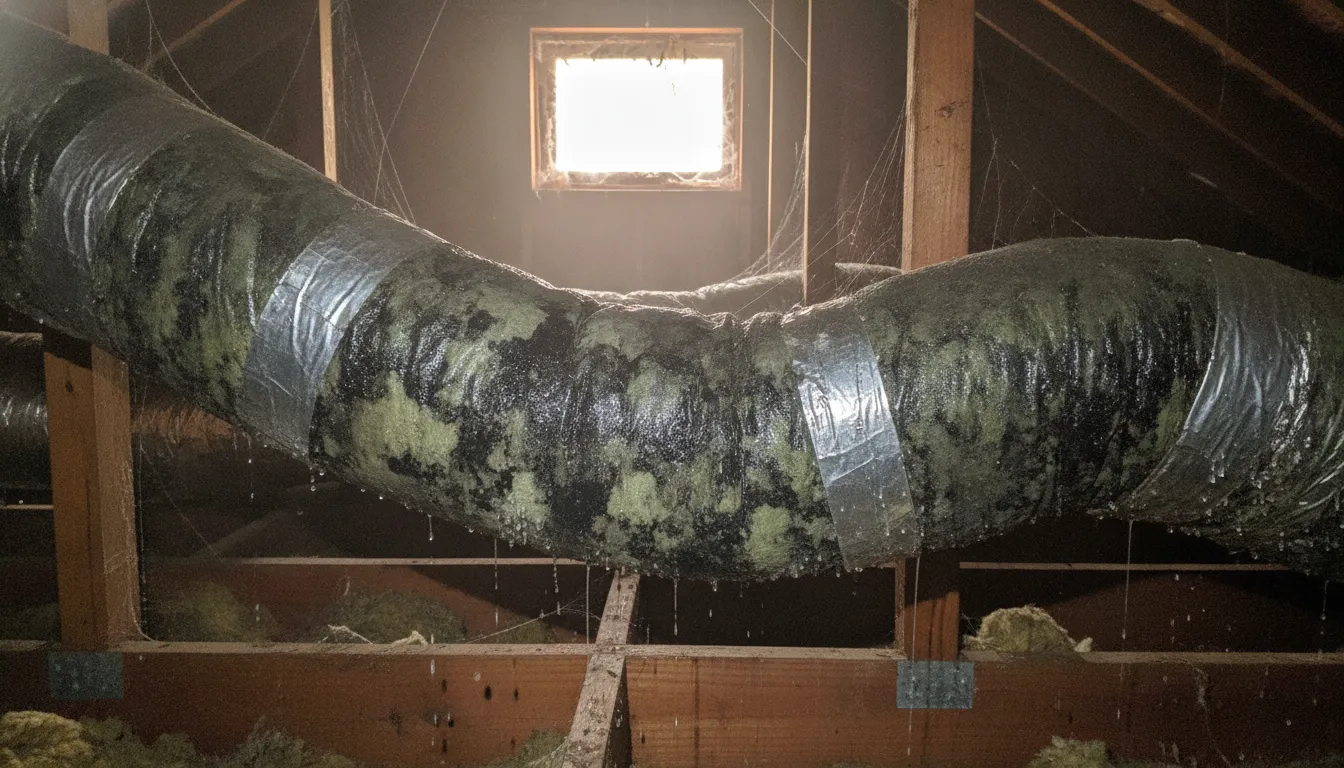
A whole-house air purifier is a team player—it works directly with your home's existing ductwork. Because of this, the condition of your ducts is critical. If your ductwork is old, leaky, or has accumulated years of dust and debris, it can undermine the performance of your new system. Before installation, a technician will need to inspect it. Sometimes, this means making modifications, like rerouting or replacing sections, to ensure a proper fit and airtight seal. Addressing these issues is essential for the purifier to work effectively and can add to the overall project cost, but it also improves your HVAC system's overall efficiency. You can learn more about our duct sanitization and replacement services to see how we get your system in top shape.
The Type of System You Choose
Not all air purifiers are created equal, and their technology is a major driver of the price. You can choose from several types, each designed to target different pollutants. Basic flat or extended media filters are great for capturing dust and pollen and are generally the most affordable. More advanced options, like electronic air cleaners, use an electrical charge to trap tiny particles. Then there are UV light systems, which are specifically designed to neutralize germs, viruses, and mold spores. The type of system you need depends on your specific concerns, whether it's allergies, pets, or general wellness. We can help you explore different indoor air quality solutions to find the right match for your family and budget.
Professional Labor and Expertise
Installing a whole-house air purifier is a complex job that should be left to the pros. This isn't a simple DIY project; it involves integrating the unit directly into your HVAC system, which requires electrical wiring, sheet metal work, and a precise understanding of airflow dynamics. The cost of professional labor covers the technician's training, experience, and time to ensure the installation is done safely and correctly. Attempting it yourself can lead to costly damage, void your warranties, or even create a safety hazard. When you hire a licensed and insured team, you're paying for the peace of mind that your air conditioning installation is done right the first time, maximizing your system's performance and lifespan.
Cost Breakdown by Air Purifier Type
The biggest factor influencing the cost of your whole-house air purifier is the type of technology it uses. Different systems target different pollutants, and their prices can vary quite a bit. Understanding the options will help you find the right balance between your budget and your home's specific air quality needs. Let's break down the most common types, from basic filters to advanced purification systems.
Flat Filters
Think of flat filters as the entry-level option for improving your home's air. These filters slide into your existing HVAC unit, replacing your standard filter. They are designed to capture larger airborne particles like dust, lint, and pet dander. With an installation cost typically between $100 and $250, they are the most budget-friendly choice. While they won't catch microscopic allergens or bacteria, they offer a basic upgrade over standard furnace filters. Regular replacement is key to their effectiveness, which is something we always check during our air conditioning maintenance visits. They’re a simple first step for anyone looking to begin improving their indoor air.
Extended Media Filters
If you're looking for a significant step up from flat filters, extended media filters are an excellent middle-ground solution. These are much thicker, pleated filters with a larger surface area, allowing them to trap smaller particles like pollen, mold spores, and dust mite debris. The installation cost for these systems generally falls between $500 and $1,000. Because they are more effective, they can make a noticeable difference for family members with mild allergies. They also last longer than flat filters, often needing replacement only once or twice a year. This makes them a popular choice for homeowners wanting better indoor air quality without moving to a high-end electronic system.
Electronic Air Cleaners
Electronic air cleaners, also known as electrostatic precipitators, use a different approach. Instead of trapping particles in a filter, they use an electrical charge to make particles stick to a collector plate. These systems are highly effective at removing tiny particles, including smoke and some bacteria. The cost ranges from $600 to $2,400. A major benefit is that the collector plates are washable and reusable, so you won't have ongoing filter replacement costs. However, they do require regular cleaning to maintain performance. If you forget to clean the plates, their efficiency drops quickly. They are a great, low-waste option for homeowners who are diligent with maintenance.
UV Light Systems
Here in Florida, humidity can create the perfect environment for mold and bacteria to grow inside your cool, dark ductwork. UV light systems are designed specifically to tackle this problem. Installed within your HVAC system, they use ultraviolet light to neutralize airborne viruses, bacteria, and mold spores, preventing them from circulating in your home. The cost to install a UV system is typically between $750 and $3,500. It’s important to know that UV lights don’t remove dust or dander, so they are often paired with a high-quality filter. Combining a UV system with regular duct sanitization is one of the most effective ways to keep your air biologically clean.
HEPA Filtration Systems
For the absolute best in air purification, nothing beats a HEPA (High-Efficiency Particulate Air) filtration system. These are the gold standard, capable of capturing 99.97% of particles as small as 0.3 microns. This includes everything from dust and pollen to bacteria and viruses. Because they are so dense, installing a true whole-house HEPA system is a major project, often requiring modifications to your existing ductwork to handle the restricted airflow. This puts the cost between $2,000 and $5,000 or more. While less common in residential settings, a HEPA system is the ultimate solution for those with severe allergies, asthma, or other respiratory conditions. A full air conditioning installation may be required to accommodate this level of filtration.
Are There Other Installation Costs to Consider?
When you're budgeting for a whole-house air purifier, it’s easy to focus on the price of the unit itself. But the final bill often includes more than just the equipment. To give you a complete picture and help you avoid any surprises, it’s important to think about a few other potential costs that can come up during installation. These aren't always necessary, but they're common enough that you should have them on your radar.
Depending on the age of your home, the condition of your current HVAC system, and the type of purifier you choose, you might need to account for things like ductwork adjustments, new electrical wiring, or local permits. Think of it like this: you’re not just plugging in an appliance; you’re integrating a sophisticated system into your home’s central nervous system. Getting it right often means making sure the surrounding infrastructure is ready to support it. We’ll walk through each of these potential costs so you know exactly what to ask about when you get a quote.
Ductwork Modifications or Repairs
Your air purifier is only as effective as the ductwork that carries air through your home. If your ducts are old, leaky, or improperly sized, your new system won't be able to perform at its best. In some cases, installing a whole-house air purifier requires making changes to the existing ductwork to ensure a proper fit and optimal airflow. This is especially common in older Florida homes. If your ducts need work, you might be looking at costs for duct sanitization and replacement. According to service data from Angi, duct cleaning can range from $450 to $1,000, while replacing a section of ductwork can cost a few hundred dollars per run.
Necessary Electrical Work
Some of the most powerful air purification systems, like electronic air cleaners or UV light systems, require their own dedicated power source to operate. They can't just be plugged into any old outlet. If your current HVAC setup doesn't have the necessary wiring in place, you'll need to hire an electrician to get things connected safely. This could involve running a new circuit or installing a new outlet near your HVAC unit. Home improvement experts estimate that hiring an electrician typically costs between $50 and $100 per hour, and installing a new outlet can run from $150 to $350. This is definitely not a DIY job—safe, professional electrical work is crucial for protecting your new equipment and your home.
Local Permits and Inspections
In many parts of Florida, making significant modifications to your HVAC system requires a local permit. This is a good thing—it ensures the work is done to current safety codes and standards, protecting you and your family. The process of pulling a permit is usually handled by your HVAC contractor, but the cost is passed on to you. According to HomeGuide, a permit for this type of work can cost between $250 and $400. After the installation is complete, an inspection may also be required to sign off on the work, which can add another $150 to $500. A trustworthy company will be upfront about these requirements and include them in your initial quote.
DIY vs. Professional Installation: Which Is Right for You?
The temptation to tackle a home improvement project yourself is understandable. It can feel empowering and seems like a great way to save money. While that might be true for painting a room or assembling furniture, installing a whole-house air purifier is a different story. These systems integrate directly into your home’s HVAC unit, making the job more complex than it might appear.
Attempting a DIY installation can lead to costly mistakes and may not deliver the clean air you’re hoping for. Before you break out the toolbox, let’s walk through why leaving this job to a professional is almost always the right call.
Why a Professional Is Often Necessary
A whole-house air purifier isn’t a standalone appliance; it’s a sophisticated piece of equipment that becomes part of your central heating and cooling system. Proper installation requires a deep understanding of HVAC mechanics, airflow dynamics, and electrical wiring. A professional technician knows how to correctly size and place the unit for maximum effectiveness, ensuring it doesn’t restrict airflow and strain your HVAC system.
They have the specialized tools and experience to handle the sheet metal modifications and secure connections needed for a seamless fit. Ultimately, an expert ensures your system provides the best possible indoor air quality without compromising the performance of your existing equipment.
Important Safety and Code Considerations
Any project that involves your home’s electrical and HVAC systems comes with inherent risks. A professional installation is the safest option. Certified technicians are trained to handle electrical connections safely, preventing the risk of short circuits or fires. They also understand local building codes here in Florida, ensuring your installation is fully compliant.
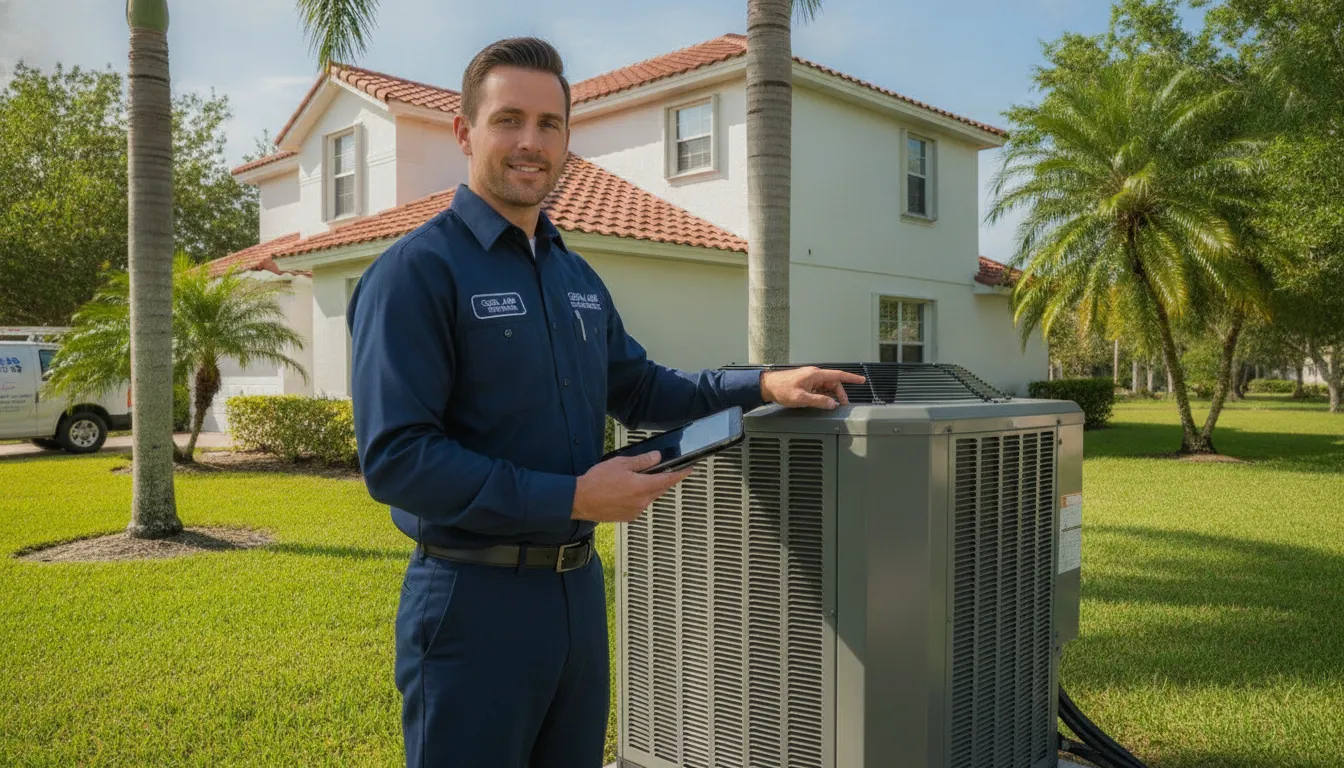
This is crucial for your family’s safety and for avoiding potential issues during a future home inspection. When you work with a fully licensed and insured company like 5 Star Air, you get the peace of mind that the job is done right and that your home and investment are protected.
The Hidden Risks and Costs of a DIY Approach
What starts as a money-saving DIY project can quickly become a financial headache. If you’re not familiar with HVAC systems, you could inadvertently damage your ductwork or the HVAC unit itself, leading to expensive repairs. An improper installation can also create air leaks, which make your system less efficient and drive up your energy bills.
Furthermore, many manufacturers’ warranties are voided if the unit isn’t installed by a licensed professional. The biggest hidden cost? An air purifier that doesn’t work correctly. A professional installation guarantees your system functions as intended, giving you the clean, healthy air you paid for from day one.
What Are the Long-Term Operating Costs?
The initial installation price is the biggest part of your investment, but it’s not the only cost to consider. Like any major home appliance, a whole-house air purifier has ongoing operating costs. The good news is that these systems are designed to be efficient and relatively low-maintenance, so you won't be looking at another major expense. Planning for these smaller, long-term costs from the start helps you create a realistic budget and ensures your system keeps running smoothly for years to come.
Thinking about the future costs helps you choose the right system for your home and your wallet. Some systems have a higher upfront cost but lower long-term expenses, while others might be cheaper to install but require more frequent or expensive maintenance. It's a trade-off worth considering. We’ll break down the three main operating costs you can expect: filter replacements, annual service, and the impact on your energy bill. Understanding these elements will help you feel confident about your decision and enjoy cleaner air without any financial surprises down the road. It's all about making an informed choice that fits your family's needs and budget.
Filter Replacement and Maintenance
The most common ongoing cost for any whole-house air purifier is filter replacement. Think of it like changing the oil in your car—it’s a simple but essential task to keep everything working correctly. The type of filter your system uses will determine how often you need to change it and how much it will cost. Some media filters need to be replaced every six to 12 months, while others might last longer. Electronic air cleaners have collection cells that you can wash and reuse, saving you money on replacements. Following the manufacturer's schedule for filter changes is key to maintaining your home's indoor air quality and protecting your HVAC system from dust and debris.
Annual Service Needs
While whole-house air purifiers are built to last, it’s a smart move to have a professional check on the system once a year. This can easily be done during your regular air conditioning maintenance appointment. A technician will inspect the unit, clean components that aren't user-serviceable, and make sure everything is functioning as it should. For systems with UV lights, the bulbs will eventually need to be replaced, and an annual check-up is the perfect time to assess their performance. This proactive approach helps catch small issues before they become bigger problems, extending the life of your air purifier and your entire HVAC system.
Impact on Your Energy Bill
It’s natural to wonder if adding another appliance will cause your electricity bill to climb. Thankfully, most modern whole-house air purifiers are designed for energy efficiency. The exact impact on your energy bill depends on the type of system you choose. For example, media filters don't use electricity themselves, but a very dense or clogged filter can make your HVAC system work harder. Electronic air cleaners and UV systems do use a small amount of electricity to operate. However, the energy draw is typically minimal—often compared to running a single lightbulb. In many cases, by helping your HVAC system stay clean and run more efficiently, an air purifier can help balance out its own energy usage.
How to Budget for Your Air Purifier Installation
Thinking about a whole-house air purifier is a fantastic step toward a healthier home, but it’s natural to wonder about the cost. Let’s be honest: it’s an investment. But with a little planning, you can create a budget that makes sense for your family without any last-minute surprises. The key is to understand all the factors that contribute to the final price, from the unit itself to the professional expertise needed to get it running perfectly.
A smart budget looks beyond the initial price tag and considers long-term value, operating costs, and the peace of mind that comes with clean, fresh air. We’ll walk through how to get clear quotes, what to look for in warranties and financing, and some common cost myths to avoid. This way, you can feel confident and prepared as you move forward with improving your home’s indoor air quality.
Getting Clear, Accurate Quotes
When you start looking into pricing, you'll see a pretty wide range. Most homeowners spend around $2,500 for a whole-house air purifier, but costs can run anywhere from a few hundred to several thousand dollars. This variation comes down to a few key things: the type of filtration system you choose, the size of your home, and the current condition of your ductwork. A larger home or a more advanced system, like one with UV lights, will naturally be at the higher end of the scale.
The best way to get a handle on your specific costs is to get a detailed, written quote. A trustworthy HVAC company will provide a clear breakdown of expenses, including the unit, labor, and any necessary modifications. This is where you can see the value of working with a team that offers honest and transparent pricing without any sales pressure.
Understanding Warranties and Financing
The initial installation cost is just one part of the financial picture. A quality air purifier should come with a solid manufacturer's warranty, which protects your investment if something goes wrong with the unit. Think of it as a safety net. Your installer should also guarantee their workmanship. Beyond that, the main ongoing cost is simple: replacing the filters. This is a small but essential part of your long-term budget to keep the system running efficiently.
If the upfront cost feels a little steep, don't let that stop you. Many reputable HVAC companies offer flexible financing options to help spread the cost over time. This can make a high-quality system much more accessible, allowing you to enjoy the benefits of cleaner air without straining your budget.
Common Misconceptions About Cost
One of the biggest myths is that a DIY installation will save you a lot of money. While it might seem cheaper initially, installing a whole-house air purifier is a complex job that ties directly into your HVAC system. An incorrect installation can lead to costly damage, reduce your system's efficiency, and even void your warranty. It’s a project best left to trained professionals who understand the technical requirements.
Hiring an expert for your air purifier installation ensures the job is done safely and correctly the first time. You’re not just paying for labor; you’re paying for the expertise that guarantees your system will work as intended for years to come, giving you and your family the clean air you deserve.
How to Choose the Best System for Your Home
Picking the right whole house air purifier isn’t a one-size-fits-all decision. The best system for your neighbor might not be the best one for you. Your home’s layout, your family’s health needs, and your budget all play a role in finding the perfect match. Making a smart choice means looking beyond the price tag and thinking about what you truly need to create a healthier, more comfortable living space. Let’s walk through the key steps to help you select a system that delivers real value for years to come.
Assess Your Indoor Air Quality Needs
Before you start comparing models, take a moment to think about why you want an air purifier. Are you trying to reduce seasonal allergies triggered by Florida’s pollen? Do you have pets that leave dander and odors behind? Or are you concerned about mold, mildew, and other airborne contaminants? The effectiveness of any system depends on the type of filter it uses and how well it’s matched to your specific concerns. Making a list of your top priorities will help you and your technician pinpoint the right indoor air quality solutions for your home.
Balance Upfront Cost with Long-Term Value
It’s easy to focus on the initial installation cost, but it’s important to consider the long-term picture. While a whole house air purifier is an investment, a quality system provides lasting benefits. Once the unit is installed, the primary ongoing cost is simple filter replacements. A more efficient system might have a higher upfront price but could save you money over time with lower energy consumption and more durable filters. We believe in transparent pricing and can help you explore financing options to make this important home upgrade more manageable for your budget.
Questions to Ask Your HVAC Technician
A professional installation is critical for your system to work correctly and safely, as a DIY attempt can lead to costly mistakes. A trustworthy technician will be happy to answer all your questions and provide clear, honest advice. When you have a consultation, be ready to ask:
- Which system do you recommend for my specific concerns (e.g., allergies, pet dander)?
- What are the annual maintenance and filter replacement costs?
- Will this system affect my monthly energy bills?
- Does my existing ductwork need any modifications for this unit?
- What is included in the warranty?
Having this conversation ensures you feel confident in your decision. If you’re ready for a straightforward assessment, get in touch with our team for an honest consultation.
Frequently Asked Questions
Is a whole-house air purifier really better than the portable one I already have? Think of it this way: a portable purifier is great at cleaning the air in a single room, like your bedroom or office. A whole-house system, on the other hand, cleans the air throughout your entire home every time your HVAC system runs. It’s integrated directly into your ductwork, so it captures contaminants before they even have a chance to circulate. It’s a more comprehensive and out-of-sight solution for consistently fresh air in every room.
Will this system actually help with my Florida allergies? Yes, it can make a significant difference. Our Florida climate means high pollen counts and humidity that encourages mold and mildew growth, which are major triggers for allergies. A whole-house system is designed to capture these specific irritants—pollen, mold spores, and dust—directly from the air. By removing them from circulation, you can create a much more comfortable indoor environment, especially during peak allergy seasons.
How much maintenance is really involved after it's installed? The ongoing maintenance is surprisingly simple. Your main task will be replacing the filter. Depending on the type of system you choose, this could be anywhere from every few months to once a year. If you opt for an electronic air cleaner, you’ll just need to wash the collector cells periodically instead of buying replacements. We also recommend having the unit inspected annually, which can easily be done during your regular AC maintenance visit to ensure everything is working perfectly.
How long does a typical installation take? A straightforward installation can usually be completed by a professional technician in just a few hours. If the job requires more complex work, such as significant modifications to your ductwork or new electrical wiring, it might take the better part of a day. A trustworthy technician will always give you a clear and accurate time estimate before any work begins so you know exactly what to expect.
Can I combine different types of purifiers, like a UV light and a filter? Absolutely, and it’s often a great strategy for the cleanest possible air. Different systems specialize in targeting different pollutants. For example, a high-efficiency media filter is excellent at trapping particles like dust and pet dander, while a UV light system is designed to neutralize airborne germs, viruses, and mold spores. Using them together creates a powerful, multi-layered defense against a wider range of contaminants.