What's the Real Cost to Install a New AC Unit?
A new air conditioner is more than just an appliance; it's a long-term investment in your home's comfort and value. While it's tempting to look for the lowest price, the cheapest option isn't always the most cost-effective over time. The real cost to install new ac unit should be weighed against future energy savings and the system's overall reliability. A high-efficiency model, for example, might have a higher upfront price but can significantly lower your monthly utility bills for years to come. In this article, we’ll explore how to look beyond the initial price tag to make a smart investment that pays for itself in comfort, efficiency, and peace of mind.
Key Takeaways
- Budget for the Whole Project, Not Just the Box: Your final price tag includes much more than the AC unit. Be sure to account for installation labor, potential ductwork modifications, electrical updates, and permits to get a realistic picture of your total investment.
- Focus on Long-Term Value Over Upfront Cost: A cheaper unit isn't a bargain if it's the wrong size or inefficient. Investing in a properly sized, high-efficiency (SEER2) system will lower your monthly utility bills and lead to fewer repairs down the road.
- Vet Your Contractor to Protect Your Investment: The quality of the installation is just as crucial as the unit itself. Always choose a licensed and insured professional who provides a detailed, itemized quote and can clearly explain the "why" behind their recommendations.
How Much Does a New AC Unit Really Cost?
Let's get straight to the point: you want to know how much a new AC unit is going to cost. It’s one of the biggest investments you’ll make in your home, so understanding the price tag is crucial. The truth is, there isn't a single, one-size-fits-all answer. The final cost depends on a handful of key factors, from the size of your home to the efficiency of the system you choose. Think of it like buying a car—a basic sedan won't cost the same as a fully-loaded SUV, and the same principle applies to air conditioners. We believe in honest, transparent pricing, which means helping you understand what goes into the final number before any work begins. No sales gimmicks, just straight talk.
In this section, we'll break down the typical cost ranges based on home size and explain why your specific location here in Florida plays a big role. This will give you a solid baseline so you can budget accordingly and feel confident when you're ready for a professional air conditioning installation. Remember, these are estimates to help you plan. The only way to get a precise figure is with a personalized quote that accounts for your home's unique layout, existing ductwork, and cooling needs. Our goal is to arm you with the knowledge you need to make the best decision for your family and your budget.
Breaking Down Costs by Home Size
One of the biggest factors in your AC installation cost is the size of your home, which determines the size—or tonnage—of the unit you'll need. A unit that's too small will struggle to cool your space, while one that's too big will cycle on and off too frequently, wasting energy. For a typical 2,000-square-foot home, you can generally expect the cost to range from $9,000 to $15,000. To give you a clearer picture, here’s a general breakdown by unit size:
- 1.5 to 2 Tons: $5,000 - $10,000
- 2.5 Tons: $8,000 - $13,000
- 3 Tons: $10,000 - $15,000
These figures show how the price scales with the cooling power required for your home.
Why Your Florida Location Matters
You might be surprised to learn that where you live in Florida can influence the final cost of your AC installation. It’s not just about the state's heat and humidity, which already demand powerful, efficient systems. Local factors like permitting fees, which vary by city and county, and regional labor rates can affect the price. Furthermore, if your home is located outside a company's primary service area, a travel charge might be added to your quote. As a locally owned and operated business, we understand the specific building codes and climate challenges across Southwest Florida, ensuring your installation is done right and priced fairly for our community.
What Factors Drive Up AC Installation Costs?
When you start shopping for a new air conditioner, it’s easy to focus on the price of the unit itself. But the final bill for a full AC installation is a lot more than just the equipment. Think of it like building a custom piece of furniture—the cost of the wood is just one part of the equation. The design, the hardware, and the skilled labor to put it all together are what determine the final price.
Several key factors influence your total investment. The type and size of the AC system you choose is the biggest piece of the puzzle, but it’s not the only one. The unit's energy efficiency rating, the brand you select, and the condition of your home's existing ductwork all play a significant role. Understanding how each of these elements contributes to the cost will help you set a realistic budget and make informed decisions. It’s all about finding the right balance between your home’s needs, your long-term energy goals, and your upfront budget.
Your Choice of AC Unit and System
The single biggest factor in your installation cost is the air conditioning system you choose. There isn't a one-size-fits-all price because there isn't a one-size-fits-all unit. For an average 2,000-square-foot home in Florida, a complete central air installation can range anywhere from $9,000 to $15,000. The physical AC unit itself typically accounts for $1,900 to over $5,500 of that total. This variation comes down to the type of system—whether it's a traditional split system with indoor and outdoor components or a packaged unit. The right choice depends entirely on your home's layout and your specific cooling needs.
Understanding Energy Efficiency (SEER2)
You’ll hear the term "SEER2" a lot when shopping for a new AC, and it’s worth paying attention to. Think of the SEER2 rating as the miles-per-gallon for your air conditioner—the higher the number, the less energy it uses to cool your home. While a unit with a higher SEER2 rating costs more upfront, it can lead to significant savings on your monthly electricity bills. In fact, upgrading to a modern, high-efficiency system can reduce your cooling costs by 20% to 40%. In the Florida heat, those savings add up quickly, making the initial investment a smart financial move for the long run.
Does the Brand Name Make a Difference?
It’s natural to wonder if paying more for a well-known brand is really worth it. In many cases, it is. Premium HVAC brands often invest more in research, development, and quality control, which can translate to better performance, greater reliability, and a longer lifespan for your unit. These top-tier systems may also come with better features and more comprehensive warranties, giving you extra peace of mind. While we can help you find a great system for any budget, it’s helpful to know that a higher upfront cost for a trusted brand can often mean fewer AC repairs and a more comfortable home down the road.
The Condition of Your Existing Ductwork
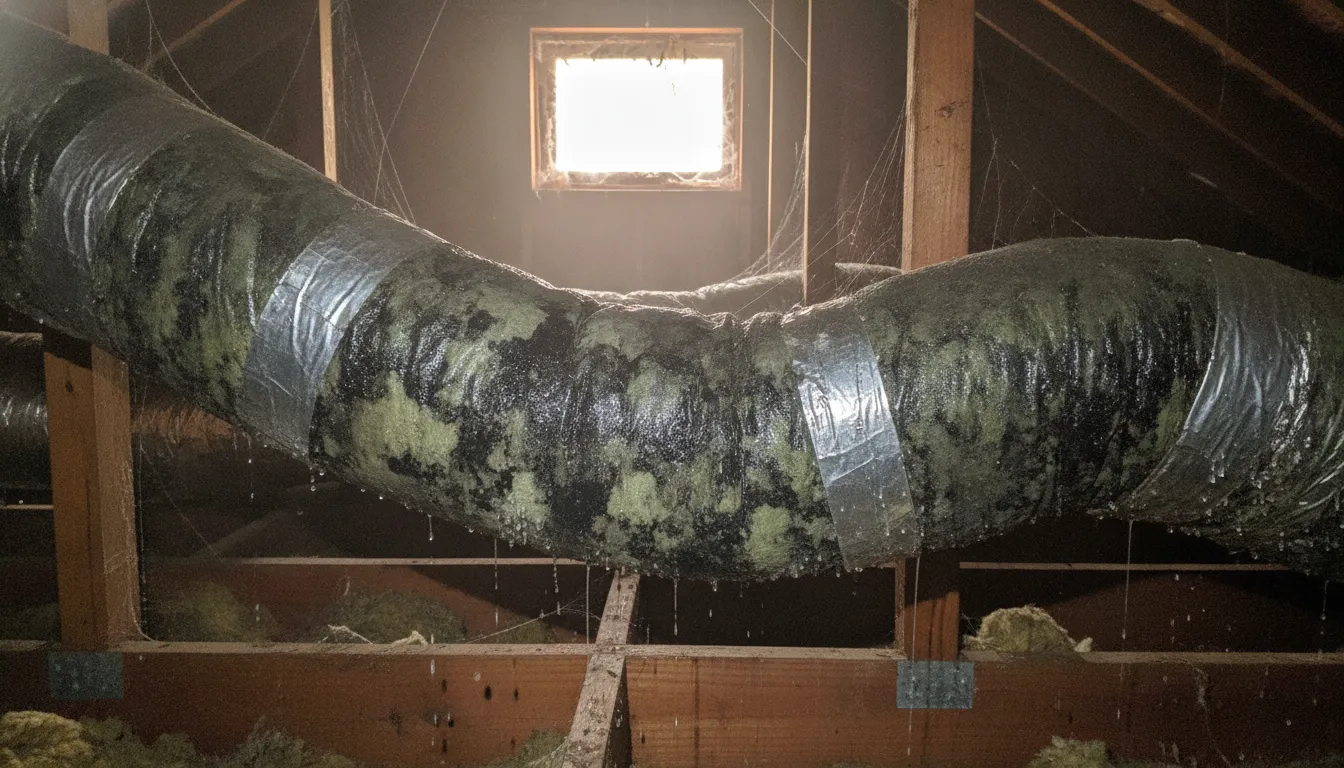
Your air ducts are the circulatory system of your home, carrying cool air to every room. If they’re old, leaky, or improperly sized, your new AC unit won’t be able to perform efficiently, no matter how great it is. A thorough inspection might reveal that your ductwork needs to be repaired or replaced entirely. This is a separate project that can add a significant amount to your total cost—sometimes $5,000 to $10,000 or more. Investing in proper duct sanitization and replacement ensures you aren’t losing precious cool air (and money) into your attic or crawlspace.
Sizing It Up: How Your Home's Square Footage Affects Price
When it comes to air conditioning, bigger isn’t always better. The most important factor is getting a unit that’s the right size for your home. An oversized unit will cycle on and off too frequently, failing to properly dehumidify the air and wasting energy. An undersized unit will run constantly, struggling to keep up with the Florida heat and driving up your utility bills.
Your home's square footage is the starting point for determining the right AC size and, consequently, a large part of the final cost. A larger home requires a more powerful system, which comes with a higher price tag for both the equipment and the labor to install it. Let's break down how size and layout influence your overall investment.
Getting the Right Fit: BTUs and Unit Sizing
The cooling power of an air conditioner is measured in British Thermal Units, or BTUs. Think of BTUs as the unit's strength. As a general rule, you need about 20 BTUs of cooling power for every square foot of living space. For a 2,000-square-foot home, this means you're looking at a system that can cost anywhere from $9,000 to $15,000. However, this is just a starting point. A true professional will perform a detailed calculation that considers factors like your ceiling height, window quality, and insulation. This ensures your air conditioning installation is perfectly tailored to your home's unique needs, giving you maximum comfort and efficiency.
One Zone or Many? Comparing System Costs
The layout of your home also plays a big role. A simple, open-plan home might only need a single-zone system, which is more straightforward and less expensive to install. Larger or multi-story homes often benefit from zoned systems, which allow you to cool different areas independently but add complexity and cost to the project. The condition of your existing infrastructure is another major factor. If you have functional air ducts that are properly sealed and in good shape, the installation will be much simpler. If your home needs new ductwork installed from scratch, you can expect the labor costs and the total project price to increase significantly.
What Other Costs Should You Budget For?
When you’re planning for a new air conditioner, it’s easy to focus on the price tag of the unit itself. But the total cost of an AC installation involves more than just the equipment. Think of it like buying a new car—the sticker price is just the starting point. There are other essential components and services that ensure your new system runs safely, efficiently, and effectively for years to come. Overlooking these can lead to surprise costs and a budget that feels stretched thin.
From the ductwork that distributes the cool air to the electrical wiring that powers the system, several factors can influence your final bill. You might also need to account for local permits, the removal of your old unit, and any modern upgrades you want to add, like a smart thermostat. A trustworthy HVAC contractor will always be upfront about these potential expenses in their quote. Our goal at 5 Star Air is to give you a clear, complete picture from the start, so you can make an informed decision for your home without any last-minute financial shocks. Let’s walk through the common costs you should factor into your budget.
Ductwork Modifications or Replacements
Your air ducts are the highways that carry cool air throughout your home. If those highways are old, leaky, or improperly sized for your new unit, you’re going to lose a lot of that precious cool air before it ever reaches your rooms. It’s like trying to fill a leaky bucket—no matter how efficient your new AC is, damaged ductwork will undermine its performance and drive up your energy bills.
In some cases, your existing ducts might just need a good cleaning and sealing. But if they’re in poor condition, a full replacement might be necessary. This can be a significant investment, but it’s crucial for the long-term health and efficiency of your entire HVAC system. We can help you assess the state of your current setup and determine if duct sanitization or replacement is the right move.
Electrical Upgrades and City Permits
Modern air conditioners are incredibly efficient, but they can sometimes require more electrical support than older models. To ensure your new unit runs safely and reliably, your home’s electrical panel might need an upgrade to handle the new electrical load. This is a job for a licensed professional and is a critical step for preventing tripped breakers or more serious electrical issues down the road.
Additionally, most AC installations require a permit from your local city or county. This isn’t just red tape; it’s a process that ensures the work is done to code, protecting your safety and your home’s value. A professional HVAC company will handle the entire permitting process for you, making sure everything is filed correctly so you don’t have to worry about it.
Removing Your Old Equipment
Before your shiny new AC unit can be installed, the old one has to go. This isn’t as simple as just unplugging it and hauling it to the curb. Removing an old air conditioner involves safely disconnecting electrical wiring, handling refrigerant lines according to EPA regulations, and dismantling the unit itself. This process requires specialized tools and knowledge to be done correctly and safely.
The cost of removing and disposing of your old equipment is typically bundled into the overall labor cost of your installation project. When you get a quote from a reputable installer, it should include this service. It’s one of the many details that a professional team takes care of to make the entire replacement process seamless for you.
Integrating a Smart Thermostat
While you’re upgrading your air conditioner, it’s the perfect time to think about upgrading your thermostat, too. A smart thermostat is one of the best additions you can make to your new system. These devices learn your habits, allow you to control your home’s temperature from your phone, and can significantly reduce your energy consumption by optimizing your AC’s runtime.
Beyond a smart thermostat, you might also consider other enhancements to improve your home’s indoor air quality, such as whole-home air purifiers or dehumidifiers. While these features add to the initial cost, they also add a lot of value by creating a more comfortable and healthier living environment for your family.
Comparing AC System Costs: Central Air vs. Other Options
When you hear "central air," you might picture one specific type of system, but there are actually several ways to cool your entire home. The type of system you choose is one of the biggest factors in your final installation cost. Central air conditioners are typically either split systems or packaged units, but ductless options and heat pumps are also fantastic solutions for many Florida homes. Understanding the differences will help you have a more informed conversation with your HVAC technician and find the right fit for your budget and cooling needs. A professional air conditioning installation expert can walk you through the best choice for your home's specific layout and your family's comfort.
Split Systems vs. Packaged Units
The most common setup you'll find in Florida homes is the split system. Just like the name suggests, its components are split between the inside and outside of your house. The outdoor unit contains the compressor and condenser, while the indoor unit, usually in a closet or attic, holds the evaporator coil and air handler. Packaged units, on the other hand, house all these components in one single cabinet located outside. These are more common in commercial buildings or homes with limited indoor space. The type you choose can affect the installation price, as split systems often require more labor to connect the indoor and outdoor components.
The Price of Going Ductless with Mini-Splits
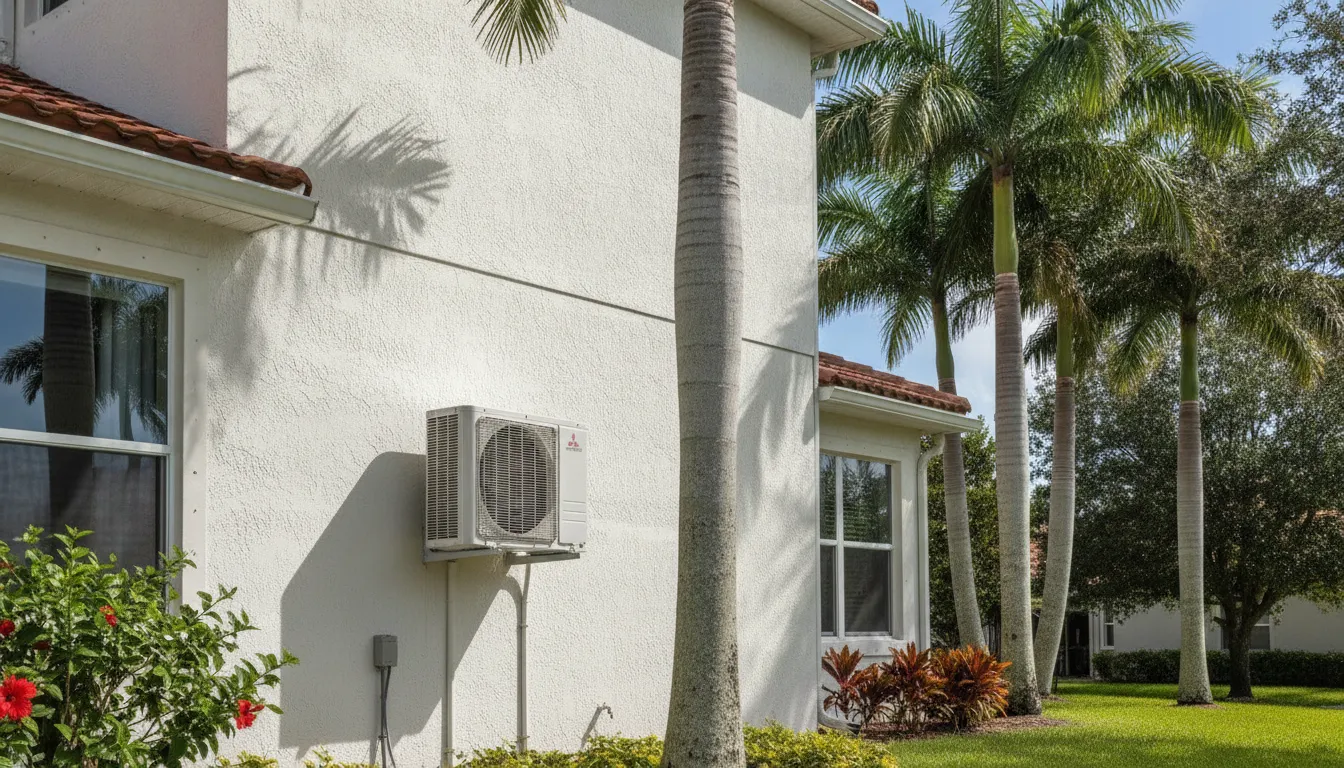
If your home doesn't have existing ductwork, or if you're cooling a new addition or a garage, a ductless mini-split system is an excellent alternative. These systems typically cost between $3,200 and $14,500. They use an outdoor compressor connected to one or more indoor air handlers, which can be mounted on the wall or ceiling. This setup allows you to create different temperature "zones" throughout your home, which can be a great way to save on energy bills. While the upfront cost can be higher than some traditional systems, the flexibility and efficiency they offer make them a popular choice for solving tricky cooling challenges.
What About Heat Pumps and Hybrid Systems?
In a climate like ours in Southwest Florida, a heat pump is one of the most energy-efficient choices you can make. An air-source heat pump can cost anywhere from $2,000 to $12,000 and works by transferring heat rather than creating it. In the summer, it pulls heat out of your home, and in our mild winters, it reverses the process to pull heat in from the outside air. Because they are so efficient, especially in regions with high humidity and less extreme cold, they can lead to significant long-term savings. Our team of fully licensed and insured technicians can help you determine if a heat pump is the right investment for your home.
What Hidden Costs Surprise Homeowners?
The initial quote for a new AC unit is a big piece of the puzzle, but it's not always the full picture. Several factors can pop up during the installation process, adding to your final bill. Being aware of these potential expenses ahead of time can save you from sticker shock and help you create a more realistic budget. From the timing of your installation to the urgency of the replacement, a few key details can significantly impact the total cost. Let's walk through some of the most common hidden costs so you can feel fully prepared.
The Added Cost of an Emergency Replacement
When your air conditioner gives out in the middle of a Florida summer, you need a solution—fast. Unfortunately, that urgency can come at a premium. An emergency replacement often costs more because there’s no time to shop around for the best deals or wait for a scheduled appointment. If your unit fails outside of regular business hours, you might also face after-hours or weekend labor rates. If your system is over 10 years old and needs constant repairs, planning for a replacement ahead of time can help you avoid the higher costs associated with a sudden breakdown and an urgent call for emergency air conditioning services.
How Seasonal Demand Affects Pricing
Timing is everything, especially when it comes to HVAC installation. The busiest time for AC companies is, unsurprisingly, during the hottest months. When demand is high, prices can be, too. If you have the flexibility, scheduling your air conditioning installation during the "off-season"—like fall or spring—can often lead to savings. Technicians have more availability, and you might find better deals on equipment. Planning your replacement before your old unit completely fails gives you the power to choose a time that works best for your schedule and your wallet, rather than being forced to buy during peak season.
Common Myths About Your Final Bill
A few common misconceptions can lead to unexpected expenses down the road. One myth is that you can save money by skipping routine upkeep. In reality, neglecting simple tasks like changing your air filter can strain your system, leading to poor performance and costly repairs. Consistent air conditioning maintenance is key to longevity and efficiency. Another myth is that a high-efficiency unit isn't worth the higher upfront price. While the initial investment is larger, these systems use significantly less energy, which translates to real savings on your monthly utility bills over the life of the unit.
How a High-Efficiency Unit Saves You Money
It can be tempting to choose the air conditioner with the lowest price tag, but that initial number doesn't tell the whole story. Think of a high-efficiency AC unit as a long-term investment in your home and your comfort. While the upfront cost might be higher, the real value shows up month after month on your utility bills. Especially here in Florida, where our ACs work overtime, those savings add up fast. Upgrading from an older, less efficient system to a modern, high-efficiency model can cut your cooling costs by a significant margin—sometimes as much as 20% to 40%.
Beyond the monthly savings, a quality system that has a professional air conditioning installation is simply more reliable. It’s built with better components that are designed to withstand the demands of a long cooling season. This means you’ll likely spend less on unexpected repairs and enjoy more consistent, comfortable temperatures year-round. It’s about finding the sweet spot between the initial purchase price and the total cost of ownership over the life of the unit. A cheaper unit that constantly breaks down or runs up your electric bill isn't really a bargain at all.
Calculating Your Future Energy Savings
So, how much can you actually save? The key is the unit's SEER2 (Seasonal Energy Efficiency Ratio 2) rating. A higher rating means the unit uses less energy to cool your home. While an AC with a higher SEER2 rating might cost more at first, it can save you a lot on energy bills and future repairs. The exact amount you’ll save depends on your old unit's efficiency, your home's insulation, and your family's cooling habits. To keep your new system running at peak efficiency and maximize those savings, sticking to a schedule of regular air conditioning maintenance is essential. A well-maintained unit is an efficient unit.
Finding Available Tax Credits and Rebates
One of the best ways to offset the cost of a new, energy-efficient AC is by taking advantage of financial incentives. You might be able to get money back through rebates or save on your taxes just for choosing a qualifying system. These programs are designed to encourage homeowners to make greener choices. Before you buy, it’s worth taking a few minutes to check for offers from your local utility company, the state government, and even the AC manufacturer. These incentives can change, so a quick search on sites like ENERGY STAR or your power company’s website can uncover savings you might have missed. We can also help you explore financing options to make the investment more manageable.
When Will Your New AC Pay for Itself?
The "payback period" is the time it takes for your monthly energy savings to cover the initial cost of your new AC unit. This timeline is different for every home, as the final cost of an AC installation depends on many details specific to your property and the system you choose. For some, it might take a few years; for others, it could be longer. But the benefits start immediately. From the first month, you’ll notice a lower utility bill and feel a difference in your home's comfort. Ultimately, a new, efficient system isn't just an appliance—it's an upgrade to your home that provides lasting value and peace of mind.
Why Professional Installation is Worth the Investment
When you're looking at the price tag of a new AC unit, it can be tempting to find ways to cut corners on the installation. Maybe you're a seasoned DIY-er, or you know a handyman who offers a great deal. But when it comes to an investment this significant, the quality of the installation is just as important as the quality of the unit itself. A poorly installed air conditioner can lead to a whole host of problems, from higher energy bills and frequent breakdowns to a shorter lifespan for your system.
Think of professional installation not as an extra cost, but as insurance for your investment. It’s the step that ensures your new system performs at its peak from day one, keeping your home comfortable and your energy costs down for years to come. From selecting the right size unit for your home to ensuring every connection is secure, a professional touch makes all the difference. It’s about more than just hooking up a machine; it’s about integrating a complex system into your home correctly and safely. Let's break down exactly why putting your trust in a certified technician is one of the smartest decisions you can make for your home and your wallet.
The Value of an Expert Installer
An expert installer does more than just place the unit and plug it in. They have the training to ensure your system is perfectly calibrated for your home's specific needs, which is key to achieving maximum energy efficiency. A properly installed unit runs less often and more effectively, directly translating to lower monthly utility bills. This is why a professional air conditioning installation is an investment in long-term savings. Plus, an expert installation minimizes the risk of future malfunctions and costly repairs, giving you peace of mind that your system will run reliably when you need it most—especially during those hot Florida summers. It’s about getting the job done right the first time.
How Project Complexity Affects Labor Costs
No two AC installations are exactly alike, and the complexity of the job plays a big role in the final cost. For example, if your home has older ductwork that needs to be modified, that will require more time and materials. The same goes for homes with tricky access points or those needing electrical upgrades to support a modern, high-efficiency unit. An experienced technician can assess these factors upfront and explain how they affect the labor costs. This transparency is crucial for avoiding surprises on your final bill. A professional will also have the right tools and knowledge to handle any challenges that arise, from duct sanitization and replacement to complex wiring, ensuring a smooth installation.
Staying Up to Code: Licensing and Compliance
Handling an AC installation involves more than just technical skill; it requires a deep understanding of local building codes and regulations. Professional HVAC technicians are licensed and insured, which means they are trained to perform work that meets all safety and legal standards. This is a critical detail that protects you from potential fines and, more importantly, ensures the safety of your home and family. A certified pro will secure the necessary permits and make sure every aspect of the installation, from electrical connections to refrigerant handling, is done by the book. When you work with a team of fully licensed and insured technicians, you can rest easy knowing your new system is not only efficient but also safely and legally installed.
How to Get an Honest Quote from an HVAC Contractor
Finding the right HVAC contractor can feel like the most stressful part of replacing your AC. You want someone who is skilled, reliable, and, most importantly, honest. The right professional will ensure your new system runs perfectly for years, while the wrong one can lead to headaches and extra costs. The key is to go into the conversation prepared. Knowing what to ask and what to look for in an estimate will help you find a trustworthy partner for your home comfort needs.
Key Questions to Ask Before You Hire
Before you agree to any work, it’s smart to have a list of questions ready. This isn't about being difficult; it's about being an informed homeowner. A reputable contractor will welcome your questions and provide clear, confident answers.
Start with the basics: Are they licensed and insured in Florida? This is non-negotiable. Next, ask if they perform a "Manual J load calculation." This is a fancy term for an engineering assessment that determines the exact size of the AC unit your home needs. A contractor who just guesses or bases the size on your old unit isn't doing their due diligence. Also, be sure to ask about warranties on both the equipment and their labor. Finally, ask for recent testimonials or references from homeowners in your area.
Spotting Red Flags in a Price Estimate
Once you have a few quotes in hand, it’s time to compare them. But you’re not just looking for the lowest number. Understanding the details of an AC installation can save you a lot of time and money down the road. Be wary of any estimate that seems way too good to be true—it probably is. An unusually low bid could mean they’re cutting corners, using subpar equipment, or planning to hit you with hidden fees later.
A major red flag is a vague quote that doesn’t break down the costs for equipment, labor, and any necessary modifications. You should also be cautious of high-pressure sales tactics. A contractor who pressures you to sign on the spot is more interested in their commission than your home’s needs. A professional company will give you a detailed written estimate and the space to make a decision.
Exploring Financing and Payment Plans
A new air conditioner is a significant investment, but it doesn't have to break the bank all at once. Most established HVAC companies understand this and offer options to make the cost more manageable. Don't be shy about asking potential contractors about their financing and payment plans. Many offer flexible solutions that can fit your budget, allowing you to get the high-efficiency system you need without draining your savings.
You might also save some money by scheduling your installation during the "off-season," like in the spring or fall, when demand is lower. When discussing costs, it's also a great time to ask about ongoing air conditioning maintenance plans. Enrolling in a plan can protect your new investment, keep it running efficiently, and help you avoid unexpected repair bills in the future.
Frequently Asked Questions
Why is there such a wide price range for a new AC unit? Think of it this way: no two homes are exactly alike, so no two AC installations will have the exact same price. The final cost depends on a unique combination of factors for your specific house, including its square footage, the quality of your insulation, and even the number of windows you have. A contractor who gives you a flat price without assessing these details is just guessing. The price range reflects the need to find a system that is perfectly sized and suited for your home's specific cooling demands.
Will a more expensive, high-efficiency unit actually save me money in the long run? Yes, it absolutely can. While the initial price is higher, a high-efficiency system uses significantly less electricity to cool your home. In a place like Florida where the AC runs constantly, those savings on your monthly utility bill add up very quickly. Over the lifespan of the unit, the energy savings can often cover the initial difference in price, making it a smart financial decision that also keeps your home more comfortable.
My house is older. What if my ductwork or electrical system needs to be updated? This is a common situation, and a thorough contractor will always inspect your existing infrastructure before starting work. If your ducts are leaky or your electrical panel can't support a modern unit, it's crucial to address these issues. Installing a brand-new, efficient AC with old, damaged ductwork is like putting a powerful new engine in a car with leaky fuel lines—you simply won't get the performance you paid for. While these upgrades add to the total project cost, they are essential for your new system to run safely and efficiently.
Can I save money by hiring a cheaper handyman instead of a licensed company? While it might seem like a way to cut costs upfront, it often leads to much bigger expenses down the road. An improper installation can void your new unit's warranty, lead to poor performance, and even create safety hazards. Professional, licensed technicians are trained to install systems according to manufacturer specifications and local codes, ensuring your investment is protected and your home is safe. Think of professional installation as insurance for one of your home's most expensive appliances.
What's the single most important thing to look for in an AC installation quote? Look for a detailed, itemized breakdown of all costs—not just a single number. A trustworthy contractor will provide a quote that clearly lists the price of the equipment, labor, materials, and any necessary permits or modifications. Most importantly, ask if they performed a "Manual J load calculation." This is the industry standard for determining the exact size unit your home needs. A quote that includes this shows the contractor has done their homework and is committed to getting the job done right.