AC Not Cooling But Fan Runs? Try These Fixes
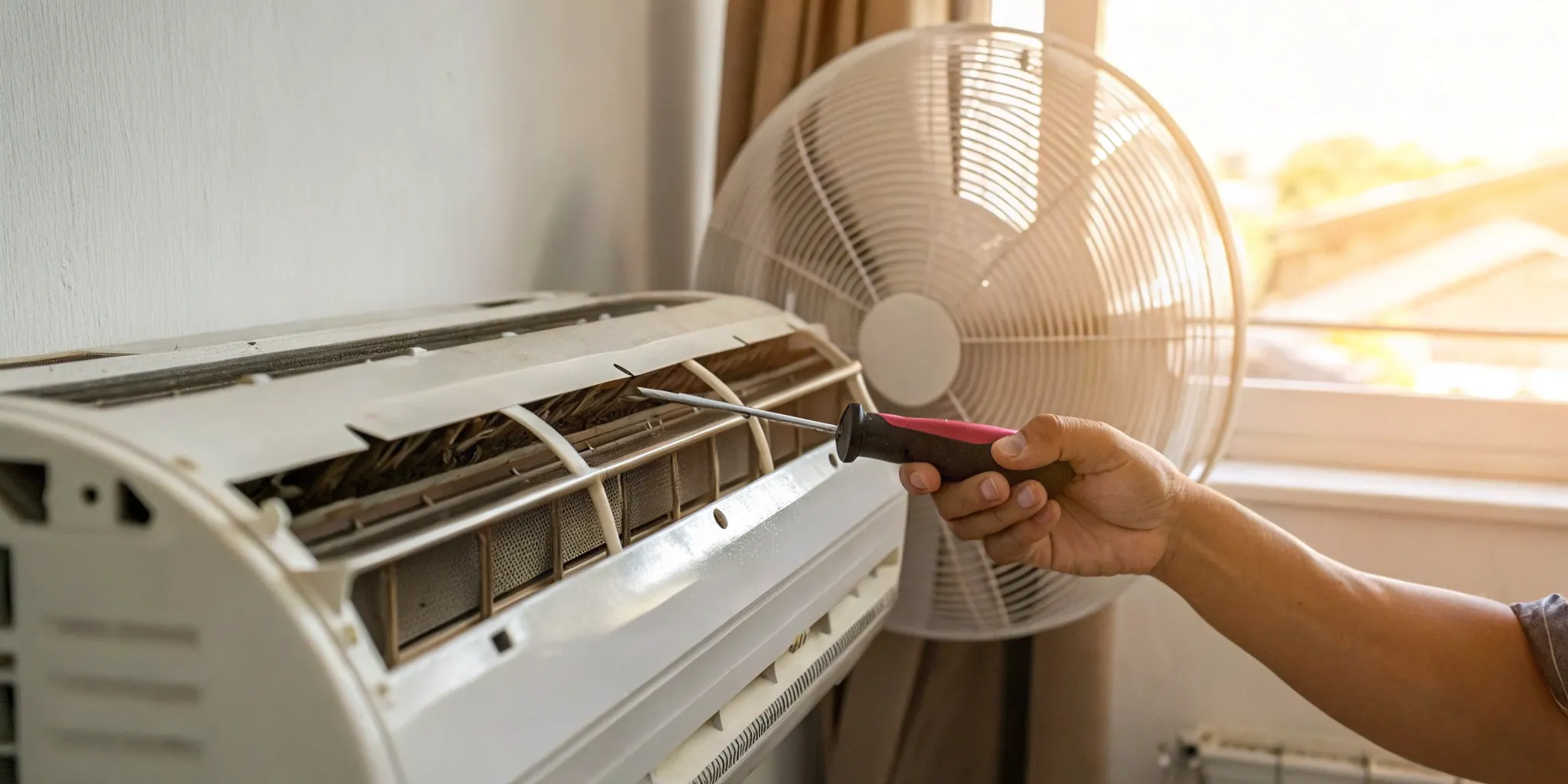
Think of your air conditioner as a heat-moving machine. Its only job is to pull heat from inside your home and dump it outside. For this to happen, several key components have to work together perfectly. When one of those components fails, you get the classic symptom: your ac not cooling but fan is running. This means the air handler is circulating air, but the refrigeration cycle has been broken somewhere along the line. Is it an airflow issue? A problem with the refrigerant? Or something electrical? We’ll break down the possibilities step-by-step, helping you understand why your system is failing and empowering you to take the right action.
Key Takeaways
- Troubleshoot the Basics First: Before calling for service, check for simple issues. Make sure your thermostat is set to "cool," inspect your air filter to see if it's clogged, and clear any leaves or debris from around your outdoor unit.
- Recognize Signs That Require a Pro: Certain symptoms are clear indicators of a deeper problem. If you see ice on your coils, hear grinding or squealing noises, or the circuit breaker keeps tripping, it's time to call a professional for a safe and accurate diagnosis.
- Make Maintenance a Habit: The best way to prevent your AC from failing is through consistent care. Regularly changing your air filter and scheduling an annual professional tune-up will keep your system running efficiently and help you avoid surprise breakdowns.
AC Running But Not Cooling? Here’s What to Do
There’s nothing more frustrating than hearing your air conditioner running, feeling the fan blow, but getting nothing but lukewarm air—especially during a Florida heatwave. It’s a common problem, and the good news is that it doesn’t always mean a major, expensive breakdown is on the horizon. Many times, the cause is something simple you can check yourself in just a few minutes.
When your AC isn’t cooling, it’s a sign that one part of the cooling cycle has been interrupted. This could be anything from a clogged filter restricting airflow to a more complex issue like a refrigerant leak. Before you panic, it’s helpful to understand a little about how your system works and then run through a quick checklist of the most frequent culprits. Some issues are easy fixes, while others are best left to a professional. Running a malfunctioning AC can sometimes cause more damage, so figuring out the problem quickly is key to getting your cool air back and preventing a bigger headache down the road.
How Your AC System Works
Think of your AC as a heat transporter. It doesn’t create cold air; it removes heat from inside your home and moves it outside. The process relies on a special fluid called refrigerant, which cycles through indoor and outdoor coils. The compressor, the heart of your outdoor unit, pressurizes the refrigerant, turning it into a high-pressure gas that releases heat as it moves through the outdoor coils. The now-cool liquid refrigerant travels back inside to the evaporator coils, where it absorbs heat from your indoor air. A fan then blows this newly cooled air through your ducts. When any part of this cycle is disrupted, you’ll get an air conditioning system that runs without actually cooling.
Common Culprits: A Quick Checklist
When your AC is blowing warm air, start by checking for the most common offenders. Many of these are simple to identify and can save you a service call. Before you pick up the phone, take a quick look at these potential issues:
- Incorrect Thermostat Settings: Is it set to “cool” and at a temperature lower than the current room temperature?
- A Dirty Air Filter: A clogged filter is one of the top reasons for poor cooling because it blocks airflow over the evaporator coils.
- Blocked Outdoor Unit: Your outside condenser needs to breathe. Check for dirt, leaves, or bushes crowding the unit.
- Frozen Evaporator Coil: Ice buildup on the indoor coil can stop your system from cooling properly.
- A Tripped Circuit Breaker: The indoor and outdoor units often have separate breakers.
If you’ve checked these things and are still stumped, it might be time for a professional AC repair.
Simple Fixes You Can Try Yourself
Before you pick up the phone, there are a few simple troubleshooting steps you can safely take on your own. Sometimes, the fix is surprisingly easy and can save you a service call. These checks are quick, require no special tools, and can help you pinpoint the problem. If your AC is running but not cooling your home, walk through these steps first. If you’ve tried these fixes and are still sweating it out, it’s a clear sign that it’s time to call in a professional for an air conditioning repair. But first, let’s see if we can solve this together.
Start With Your Thermostat Settings
I know it sounds almost too simple, but you’d be surprised how often the thermostat is the culprit. Someone in the house might have accidentally changed the settings. First, make sure your thermostat is set to “cool” mode, not “heat” or “fan.” Next, check the temperature setting. It needs to be set lower than the current room temperature for the cooling cycle to kick in. If you have a programmable thermostat, double-check that your schedule is correct and that it hasn’t been switched to a vacation or away setting. Giving your thermostat a quick once-over is the easiest first step and can often solve the problem in seconds.
Inspect and Clean the Air Filter
Your AC system needs to breathe, and a dirty air filter is like trying to run a marathon while breathing through a straw. A clogged filter restricts airflow, which seriously hinders your system's ability to cool your home effectively. It can even cause the indoor unit to freeze up. Pull out your air filter and hold it up to the light. If you can’t see light through it, it’s time for a change. Most filters should be replaced every 1–3 months, especially here in Florida where our systems run constantly. This simple task is a cornerstone of good air conditioning maintenance and can make a huge difference in performance.
Clear Debris From Your Outdoor Unit
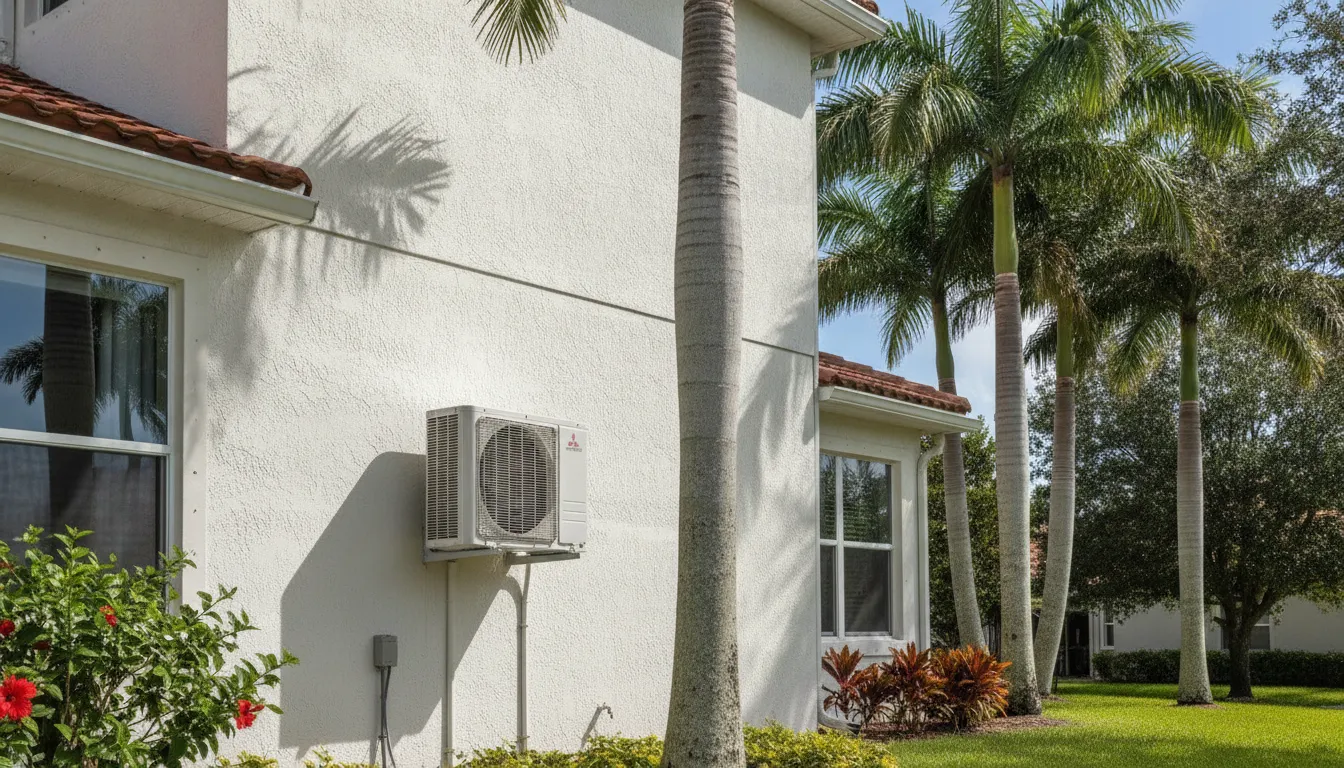
Take a walk outside and look at your outdoor AC unit, also known as the condenser. Its job is to release the heat that’s been removed from your home. To do this, it needs plenty of clear space for air to circulate. Over time, things like leaves, grass clippings, dirt, and palm fronds can build up around the unit, trapping heat and forcing the system to work harder. Gently clear away any visible debris from the top and sides of the unit, making sure there’s at least two feet of clearance all the way around. Never use a pressure washer, as it can damage the delicate fins.
Check the Circuit Breaker
Sometimes the issue is electrical. Your air conditioner is a powerful appliance that has its own dedicated circuits. Head to your home’s main electrical panel and look for the breakers labeled for your “AC,” “air handler,” or “condenser.” A breaker can trip due to a power surge or an overloaded circuit, cutting power to a part of your system. If a switch is in the middle or “off” position, flip it completely off and then back on again. If the breaker trips again immediately, don’t reset it. This indicates a more serious electrical problem that requires professional help, and you may need emergency air conditioning services.
Look for Ice Buildup
Seeing ice on your air conditioner is a definite red flag. You might notice it on the copper lines running from the outdoor unit or on the coils of the indoor unit. Ice buildup is usually a symptom of an airflow problem (like a dirty filter) or low refrigerant. If you see ice, the best thing to do is turn your AC system off completely, or switch the thermostat to “fan only” mode. This will allow the ice to melt. While the unit is thawing, go ahead and change your air filter if it’s dirty. If the ice comes back after you turn the system on again, it’s a sign of a deeper issue that needs a technician’s expertise.
Deeper Issues That Require a Pro
If you’ve worked through the checklist of simple fixes and your AC is still blowing warm air, it’s likely a more complex problem that needs an expert eye. Some issues are just too complicated or hazardous for a DIY approach. When you suspect one of these deeper problems, your best and safest move is to call a professional technician who has the right tools and training to diagnose and fix it correctly.
Low Refrigerant and Potential Leaks
Refrigerant is the lifeblood of your air conditioner, absorbing heat from inside your home and releasing it outside. Unlike gas in a car, refrigerant doesn't get "used up." If your system is low, it means there’s a leak somewhere. A refrigerant leak will cause your AC to lose its cooling power, and the system will run constantly trying to catch up. A professional needs to find the leak, repair it, and then recharge the system to the manufacturer's exact specifications. Simply adding more refrigerant without fixing the leak is a temporary fix that doesn’t solve the underlying problem.
Dirty Coils or Blocked Components
Your AC has two sets of coils that are critical for cooling: the evaporator coil inside and the condenser coil outside. The outdoor condenser coils can get caked with dirt, grass clippings, and other debris, which hinders the system's ability to release heat. When this happens, your AC has to work much harder to cool your home, becoming less effective and driving up your energy bills. While you can gently rinse the outside unit, a thorough cleaning requires a professional touch. An expert can perform a deep clean without damaging the delicate fins, ensuring your system runs efficiently. This is a key part of any air conditioning maintenance plan.
Compressor Failure
Think of the compressor as the heart of your AC system. It’s responsible for circulating refrigerant between the indoor and outdoor units. If the compressor isn't working, your AC simply cannot cool your home. Signs of a failing compressor include strange grinding or clanking noises, the circuit breaker tripping frequently, or warm air coming from the vents. A broken compressor is a major issue that requires a certified technician to diagnose. Depending on the age of your unit, this could lead to a significant air conditioning repair or a full system replacement.
Electrical Problems
Your air conditioner relies on a series of electrical components to function, and a single failure can bring the whole cooling process to a halt. A faulty capacitor, a blown fuse, or frayed wiring can prevent the compressor or fans from starting, even if other parts of the system seem to be running. Dealing with electrical issues is a strict no-DIY zone. For your safety, any electrical problem should be handled by a licensed professional who understands how to work with high-voltage systems safely. If you suspect an electrical issue, it’s best to call for emergency air conditioning services.
Leaky or Damaged Ductwork
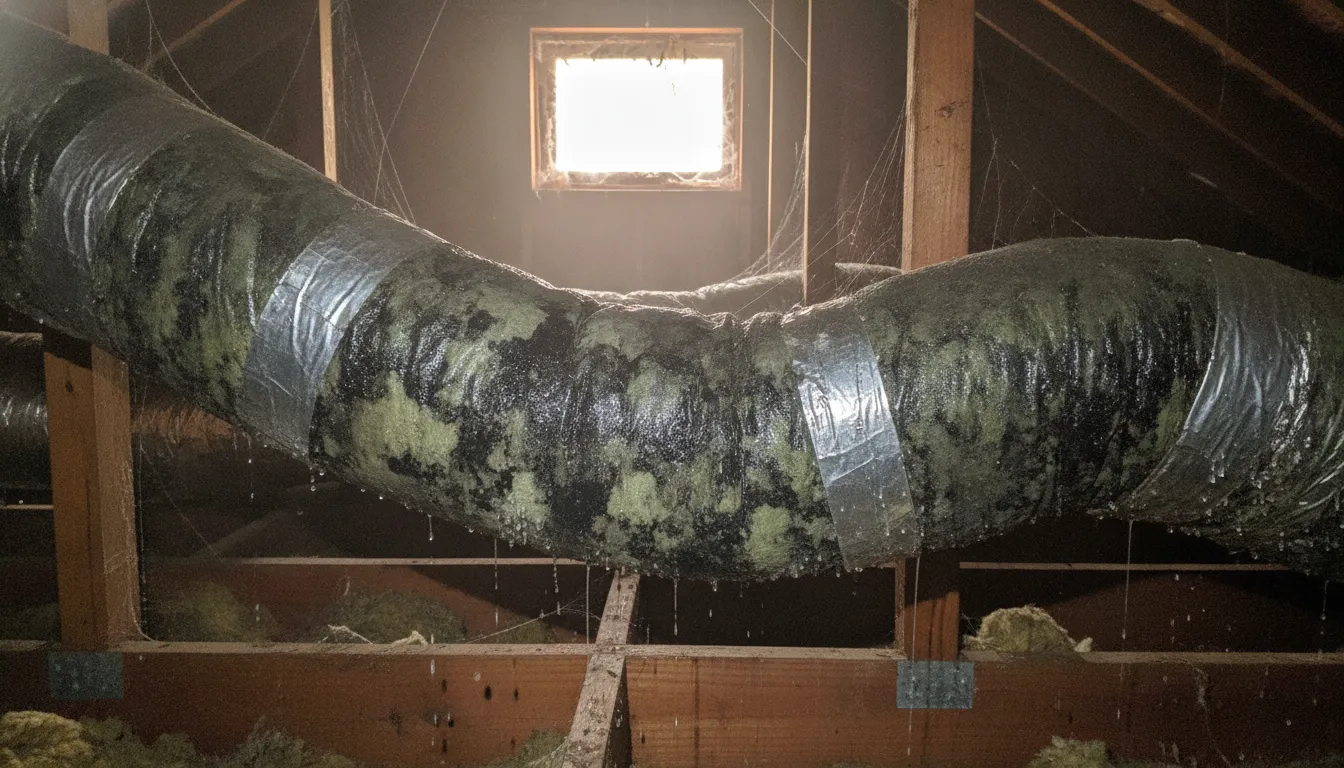
Your ductwork is the highway that delivers cool air from your AC unit to every room in your house. If that highway has cracks, holes, or disconnected sections, a significant amount of that precious cool air can escape into your attic, crawlspace, or walls. This forces your AC to run longer to cool your home, leading to uneven temperatures and high utility bills. If you notice that some rooms are much warmer than others or your home seems unusually dusty, it might be time for a professional to inspect your ducts. We can provide duct sanitization and replacement to ensure the air you’re paying to cool actually makes it to your living spaces.
When to Call a Professional
You’ve done the troubleshooting, and your AC is still on the fritz. While it’s great to be a hands-on homeowner, some jobs are best left to the experts. Trying to fix complex issues yourself can lead to bigger problems or even safety hazards. Knowing when to put down the tools and pick up the phone is key to getting your home cool again, quickly and safely.
Warning Signs You Shouldn't Ignore
If you’ve already checked your thermostat and air filter but your home still feels warm, it’s a clear sign of a deeper issue. Pay attention to strange sounds like grinding, squealing, or banging, as these can indicate a serious mechanical problem. Likewise, any unusual smells, such as a burning scent or a musty odor, shouldn't be ignored. These are your AC’s ways of telling you it needs professional air conditioning repair. Don’t wait for a small issue to become a major breakdown.
Staying Safe: What Not to Touch
Your safety is the top priority. While checking a circuit breaker is fine, you should never attempt to handle electrical wiring or components inside your AC unit. These systems carry high voltage and pose a serious risk of electric shock. The same goes for refrigerant lines; this chemical is hazardous and can only be handled by a certified technician. Our team is fully licensed and insured, so you can trust that the job will be done correctly and safely without putting you or your family at risk.
What Counts as an AC Emergency?
Some AC problems can’t wait. If you see ice forming on your indoor or outdoor coils, notice a significant water leak around the unit, or hear a loud hissing sound that could signal a refrigerant leak, you have an emergency on your hands. These issues can cause extensive damage to your system and your home if not addressed immediately. In these situations, turn off your AC to prevent further damage and call for emergency air conditioning services right away.
Understanding Repair Costs
We get it—an unexpected repair bill is never fun. But calling a professional at the first sign of trouble is often the most cost-effective choice. A trained technician can diagnose the problem accurately and fix it before it causes a chain reaction of failing parts. At 5 Star Air, we believe in honest, transparent pricing with no hidden fees. We’ll explain the issue and provide a clear quote before any work begins. We also offer flexible financing options to help manage the cost of keeping your home comfortable.
Your Simple Guide to AC Maintenance
An ounce of prevention is worth a pound of cure, especially when it comes to your air conditioner. Consistent maintenance is the single best way to keep your system running smoothly and avoid that dreaded moment when the fan is on but the air isn't cold. Think of it as a simple health routine for your AC. A little attention now can save you from expensive repairs and uncomfortable, humid days later. By breaking it down into manageable monthly and seasonal tasks, you can stay ahead of potential problems and keep your home cool and comfortable all year long.
Monthly Tasks for a Healthy System
The easiest and most impactful thing you can do for your AC is to check the air filter. In Florida, where our systems work hard nearly year-round, it’s a good idea to inspect it once a month. A dirty, clogged filter forces your AC to work much harder to pull in air, which restricts airflow and reduces cooling power. This not only strains the system but can also drive up your energy bills. Swapping out a disposable filter or cleaning a reusable one takes just a few minutes. A clean filter allows for strong, steady airflow, which is essential for your AC to cool your home effectively and maintain good indoor air quality.
Seasonal Maintenance Steps
A couple of times a year, take a walk outside to check on your outdoor condenser unit. This is the large, fan-equipped box that works to release heat from your home. Because it’s exposed to the elements, it can easily get clogged with leaves, grass clippings, dirt, and other debris. Make sure there’s at least two feet of clear space around the entire unit. You can gently rinse the exterior fins with a garden hose—never a pressure washer—to wash away any built-up grime. This simple step helps the unit disperse heat efficiently, preventing it from overheating and failing on a hot day. Consistent care is the foundation of good air conditioning maintenance.
The Importance of Professional Tune-Ups
While DIY tasks make a huge difference, they can’t replace an annual professional tune-up. An experienced technician has the tools and training to check refrigerant levels, inspect electrical components, clean interior coils, and diagnose underlying issues you can’t see. If you’ve tried the basic fixes and your AC still isn’t cooling, it’s time to call for help. Issues like a refrigerant leak or a failing compressor are not DIY jobs and require expert attention. A professional can safely and accurately fix the problem, ensuring your system runs efficiently and reliably. When in doubt, it’s always best to contact a trusted HVAC technician to get the job done right.
How to Monitor Your AC's Efficiency
Get to know the normal sounds and performance of your AC system. Is it cooling your home as quickly as it used to? Are you hearing any new rattling, buzzing, or grinding noises? Do some rooms feel warmer than others? These can be early warning signs of a problem. Also, keep an eye on your energy bills. A sudden, unexplained spike could mean your AC is losing efficiency and working harder than it should to cool your home. Paying attention to these small changes allows you to catch issues early, often before they turn into a major breakdown that requires an emergency call.
Long-Term Habits for a Happy AC
Keeping your air conditioner running smoothly isn't just about fixing it when something goes wrong. It’s about building simple, consistent habits that prevent problems before they start. Think of it as preventative care for one of your home’s most important appliances. By adopting a few easy routines, you can extend the life of your AC, improve its efficiency, and keep your home comfortable all year long. These small steps make a huge difference, saving you from the stress of unexpected breakdowns and costly repairs down the road.
Manage Your Thermostat Wisely
Your thermostat is the command center for your home's cooling system, and using it correctly can make a big impact. First, always double-check that it’s set to “cool” and the target temperature is lower than the current room temperature. It sounds simple, but it’s a common oversight. For long-term efficiency, consider setting a consistent temperature and leaving it there, especially during the day. Constantly adjusting it up and down makes your system work harder. A programmable or smart thermostat can be a great investment, allowing you to automatically adjust the temperature when you’re away from home to save energy without sacrificing comfort.
Simple Ways to Improve Air Quality
One of the easiest and most effective habits for a healthy AC is regularly checking your air filter. A dirty, clogged filter restricts airflow, forcing your system to strain just to circulate air. This not only reduces cooling performance but can also lead to bigger mechanical issues over time. A dirty filter also fails to trap dust, pollen, and other particles, which means they get circulated back into the air you breathe. By simply cleaning or replacing your filter every 1-3 months, you help your AC run more efficiently and maintain better indoor air quality for your family.
Tips for a More Efficient System
Beyond changing the air filter, a few other habits can help your system run more efficiently. Take a walk outside and check on your outdoor condenser unit. Make sure there’s at least two feet of clear space around it, and trim back any bushes, weeds, or grass that could block airflow. Inside, use ceiling fans to help circulate the cool air, which can make the room feel cooler and allow you to raise the thermostat a degree or two. During the hottest parts of the day, closing blinds and curtains can also reduce the workload on your AC by blocking out the sun’s heat.
Why Annual Inspections Matter
While there’s a lot you can do on your own, nothing replaces a professional tune-up. An annual inspection is your best defense against a sudden breakdown on a sweltering Florida afternoon. During a service call, a trained technician can spot and fix issues you can’t see, like low refrigerant levels, a failing compressor, or hidden electrical problems. Catching these problems early prevents them from turning into major, expensive repairs. Professional air conditioning maintenance ensures your system is running safely and at peak efficiency, giving you peace of mind all season long.
How to Choose the Right AC Company
When your AC needs more than a simple fix, finding the right professional is key. The last thing you want when you're already dealing with a hot house is the added stress of hiring someone you can't trust. Choosing a great AC company is about your peace of mind—knowing the job will be done right the first time by a transparent and reliable team. Here’s a straightforward guide to help you pick the best pros for the job.
What to Look for in a Technician
First things first, any technician walking into your home should be licensed, bonded, and insured. This isn't just industry jargon—it's your safety net. A license proves they have the proper training, while bonding and insurance protect you from incomplete work or accidental damage. Don’t be shy about asking for proof. You should also inquire about their experience, especially with your specific AC model. A reputable company will be proud to tell you about their team of technicians and their qualifications. This simple check ensures you’re working with a true professional who stands by their work and protects your home.
Questions to Ask Before You Hire
Before you commit, it’s smart to have a few questions ready. Think of it as a mini-interview to ensure they’re the right fit. A company that answers these questions clearly and confidently is likely one you can trust.
Here are a few essential questions to ask:
- Can you provide a detailed, written estimate?
- What is your response time for emergency services?
- Are your technicians background-checked?
- Do you offer a guarantee on your repair work?
If you feel rushed or get vague answers, consider it a red flag. A professional will take the time to make you feel comfortable. Feel free to contact us with your questions; we believe in total transparency.
How to Read a Service Quote
A service quote shouldn't feel like you're trying to crack a code. A trustworthy company will provide a clear, itemized estimate that breaks down all the costs, including parts and labor. Look closely for any mention of potential extra charges, like fees for after-hours or weekend calls, so there are no surprises later. If something isn’t clear, ask for an explanation. Understanding the full scope of the cost upfront helps you make an informed decision and explore options like financing if needed. A transparent quote is a sign of an honest company that values your business and trust.
Finding Reliable Emergency Service
When your AC gives out in the middle of a Florida summer, you need help fast. But don't let urgency lead you to make a rash decision. To find a reliable emergency service, start by checking online reviews and testimonials from other homeowners in your area. Look for a company that has been in business for several years and has a solid local reputation. It’s also important to choose a company that performs background checks on its employees, giving you peace of mind about who you’re letting into your home. Knowing who to call for emergency air conditioning services before you actually need one can save you a lot of stress.
Frequently Asked Questions
I tried all the simple fixes, but my AC is still blowing warm air. What's the most likely problem? If you've already checked the thermostat, changed the filter, and cleared the outdoor unit, the issue is likely something deeper within the system. It could be low refrigerant due to a leak, a problem with the compressor, or a faulty electrical component. These aren't issues you can safely diagnose or fix on your own, so your next step should be to turn the system off to prevent further damage and call a qualified technician.
Is it okay to let my AC run if it's not cooling? I'm worried about the cost of a repair. It’s best to turn your air conditioner off if it isn't cooling properly. Letting it run in this state won't magically fix the problem and can actually cause more serious and expensive damage. For example, a minor issue could cause the compressor to overheat and fail, which is one of the costliest parts to replace. You'll also be wasting a significant amount of electricity. Turning it off and calling for a professional diagnosis is the most cost-effective decision.
My AC unit has ice on it. I turned it off to let it thaw, but what causes this? Ice buildup is a definite sign that something is wrong. It's most often caused by one of two things: restricted airflow or low refrigerant. A severely clogged air filter can block air from moving over the cold evaporator coils, causing them to freeze. If you've already replaced the filter and the ice comes back, it almost certainly points to a refrigerant leak. A technician will need to find and repair the leak before recharging the system.
How often should I really have my AC professionally serviced? Is an annual tune-up necessary in Florida? Yes, an annual professional tune-up is one of the best investments you can make for your system, especially here in Florida where our ACs work incredibly hard. During a maintenance visit, a technician can clean critical parts, check refrigerant levels, and test electrical components to ensure everything is running safely and efficiently. This preventative care helps you avoid sudden breakdowns on the hottest days and can extend the life of your unit.
There are so many AC companies out there. What's the most important thing to look for to avoid a bad experience? The most important factor is to choose a company that is fully licensed and insured. This protects you and your home. Beyond that, look for a company with a strong local reputation and positive customer reviews. A trustworthy company will always provide a clear, itemized quote before any work begins so you know exactly what you're paying for. Honest, transparent pricing is a key sign that you're dealing with a professional.